
The story
Crafted with passion, served with love
The Story Behind Sorn
Chef-patron Supaksorn "Ice" Jongsiri built Sorn around something deeply personal: the southern Thai cooking of his grandmother. That foundation — rooted in memory, regional culture, and an uncompromising relationship with chilli heat and spice — has grown into one of the most celebrated expressions of southern Thai cuisine anywhere in the world. Sorn has appeared in the World's 50 Best Restaurants three consecutive times, reaching No. 17 in 2025, a trajectory that reflects genuine, sustained excellence rather than a moment of attention.
What Sorn Serves
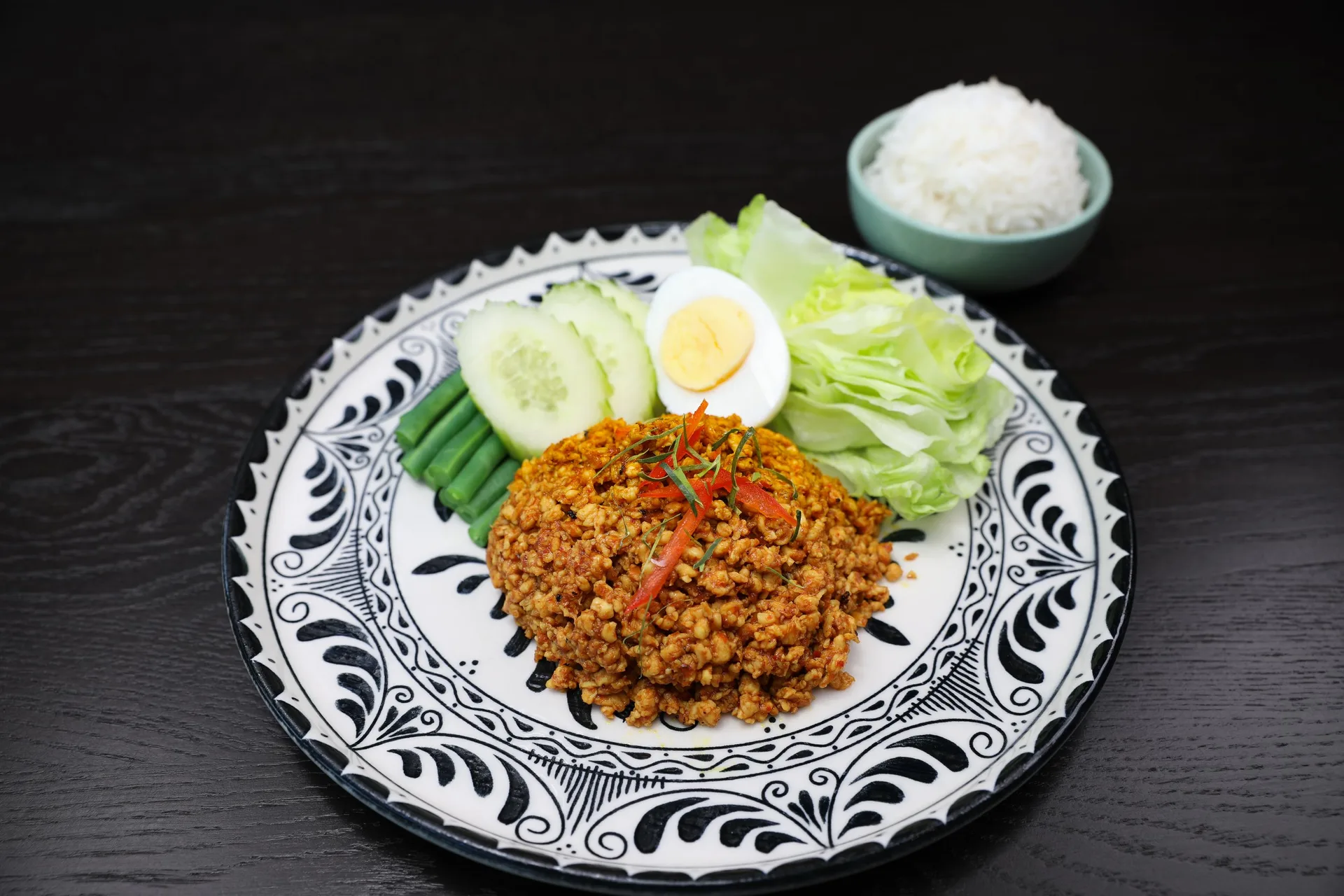
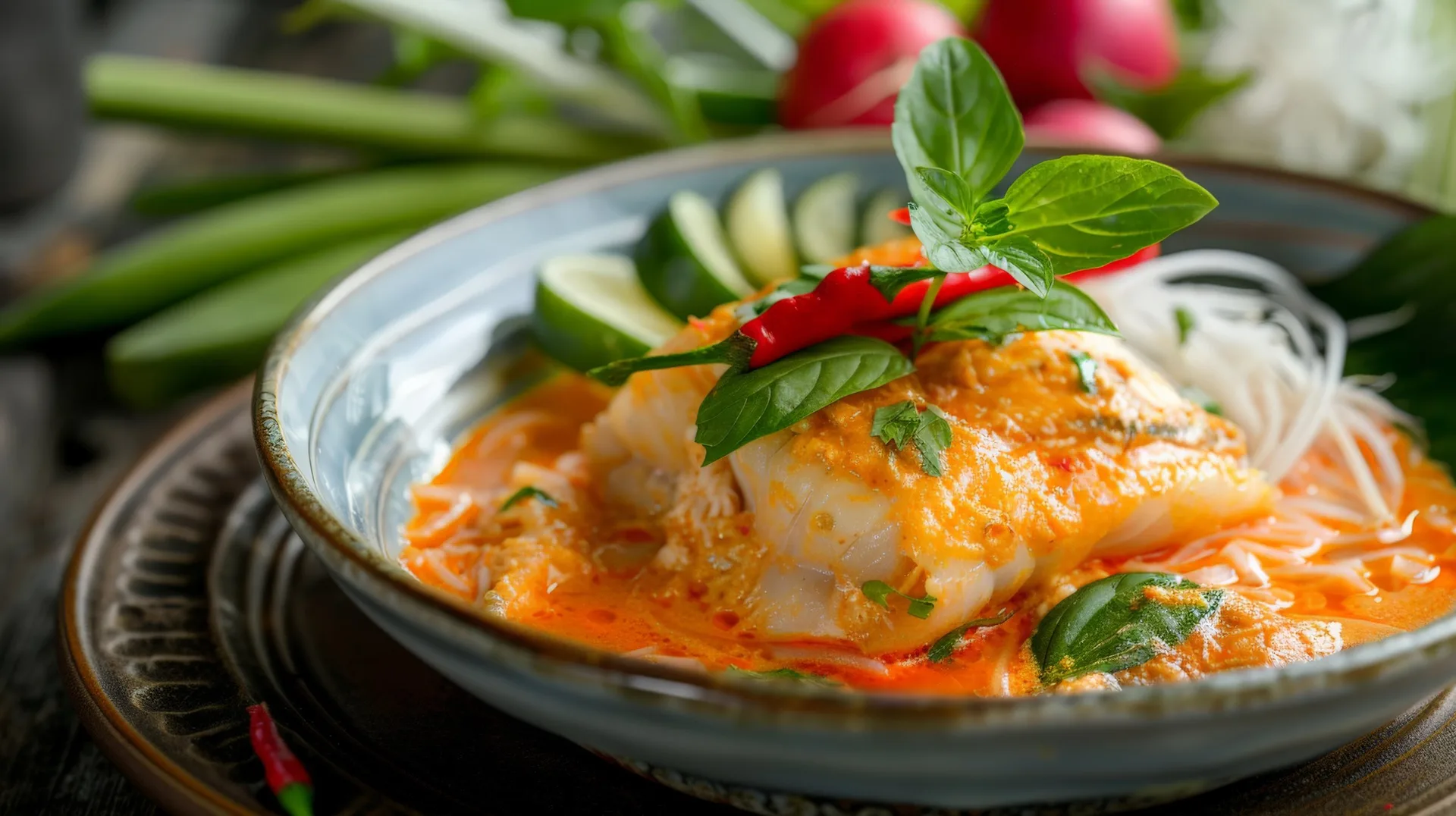
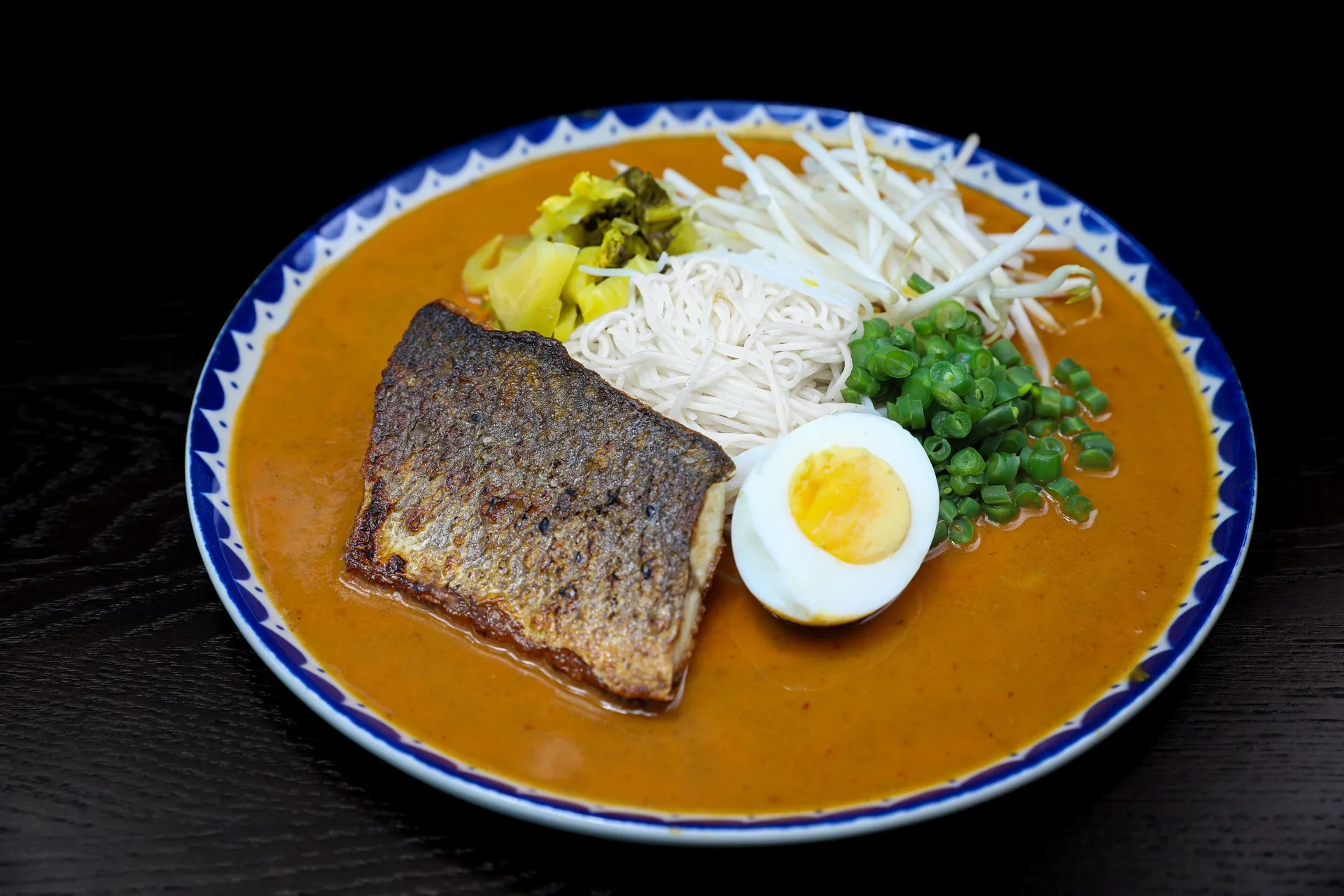
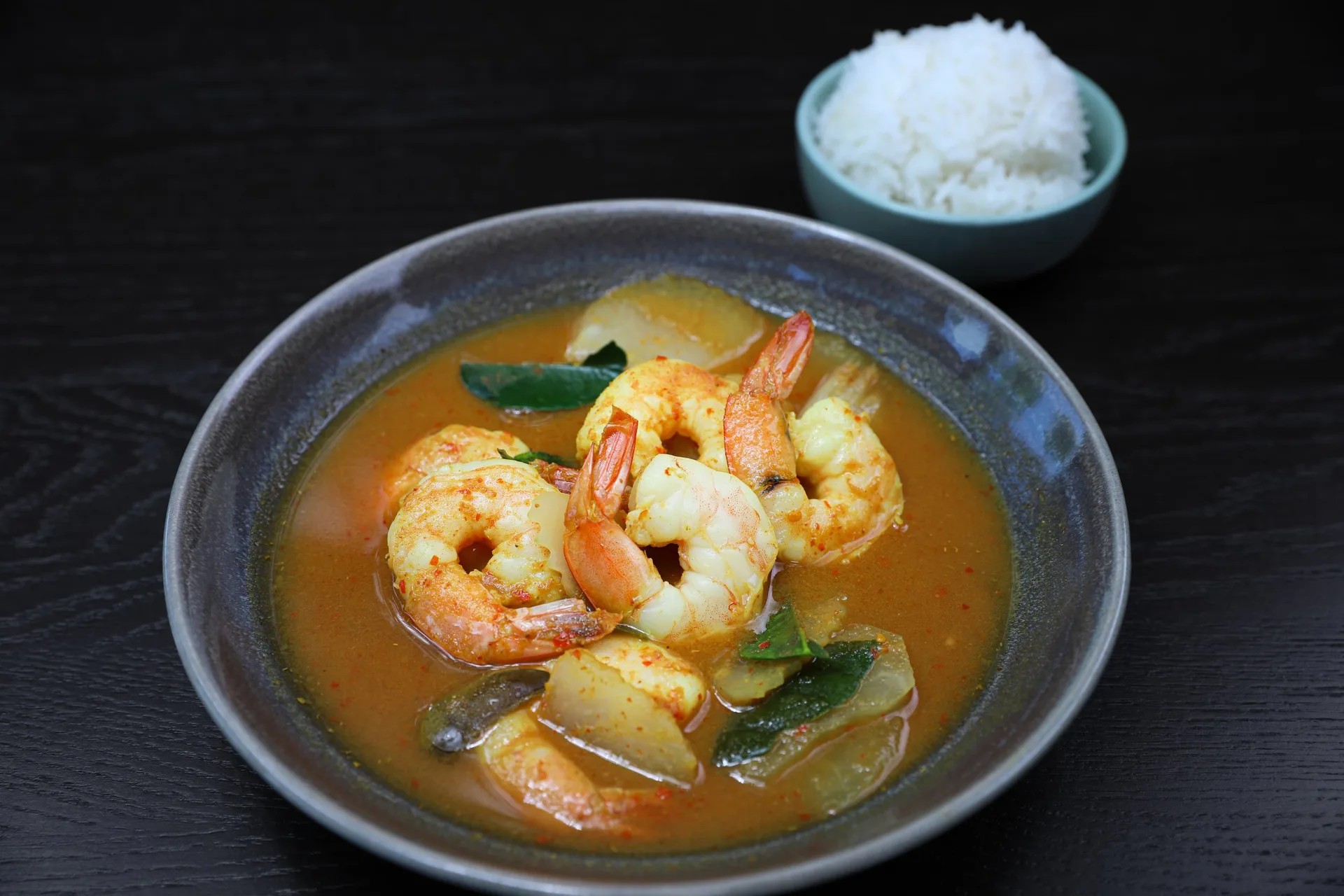
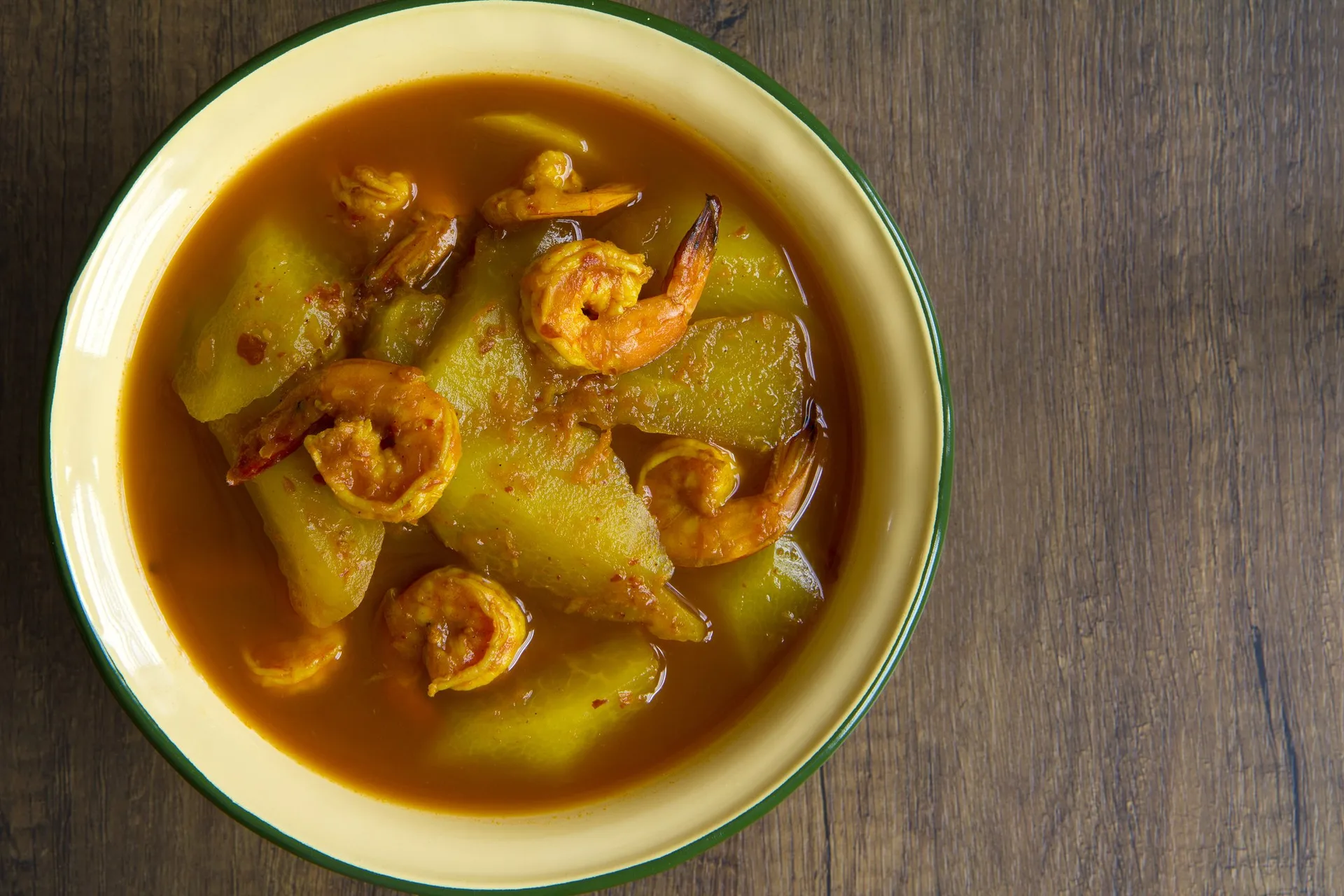
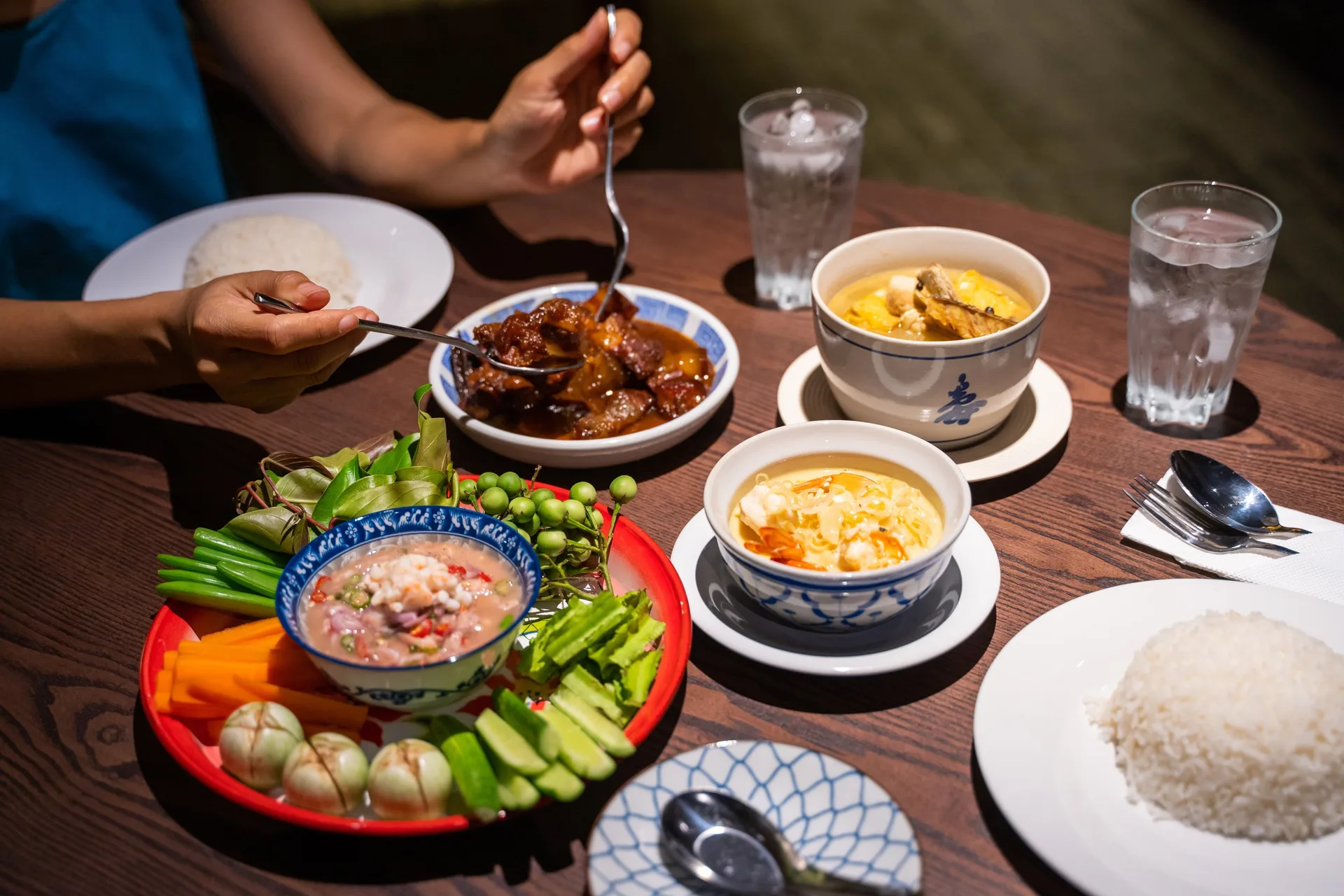
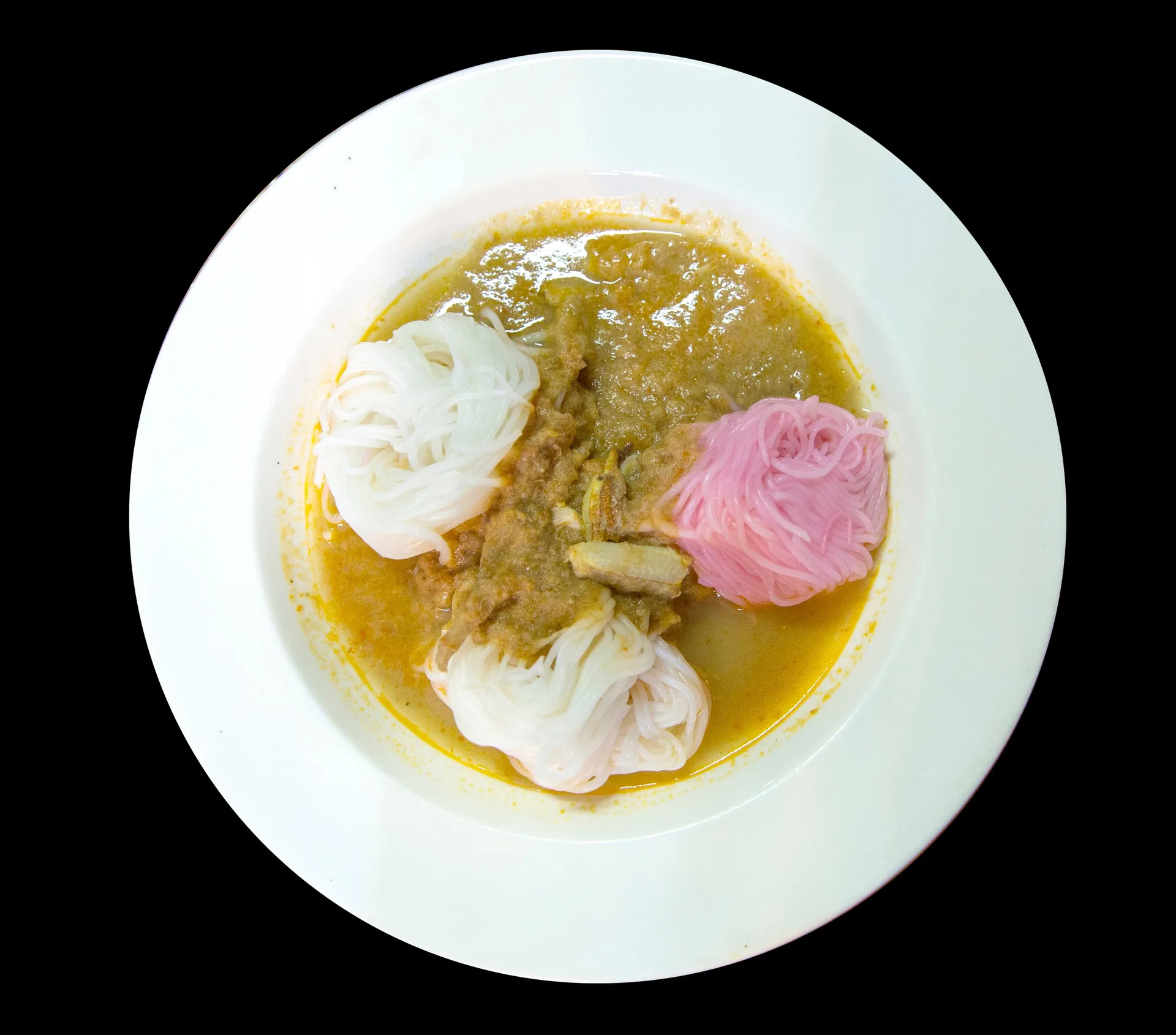
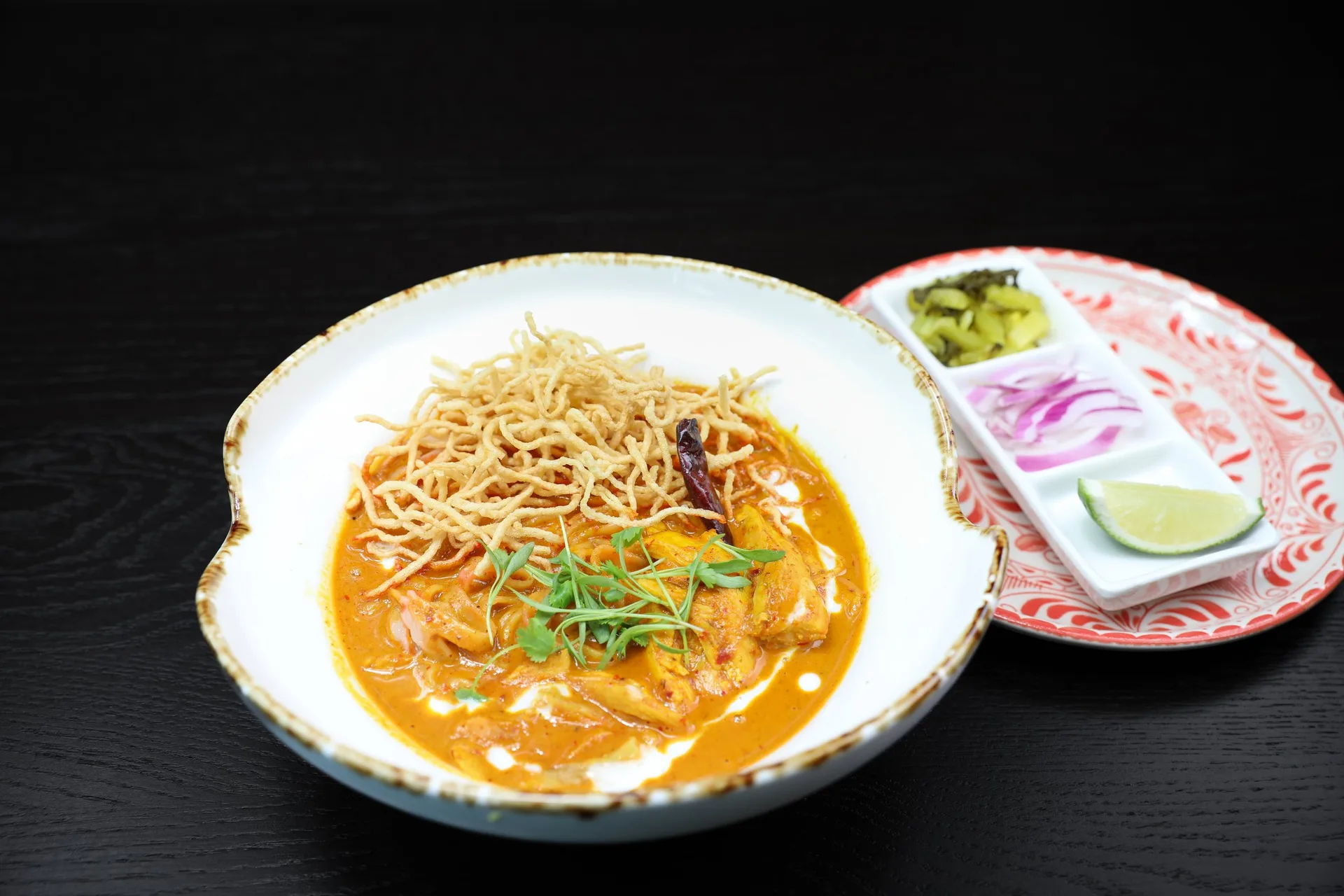
The food here is not a soft interpretation of Thai flavours. It is direct, fiery, and precise. Chef Ice draws on encounters with diverse southern Thai cultures and translates them into dishes that carry both intellectual rigour and emotional weight. Every course is temperature-sensitive — the kitchen works at a deliberate pace to ensure each dish arrives at exactly the right moment, because the sensory sequence is part of the experience itself. Guests are encouraged not to linger too long before eating.
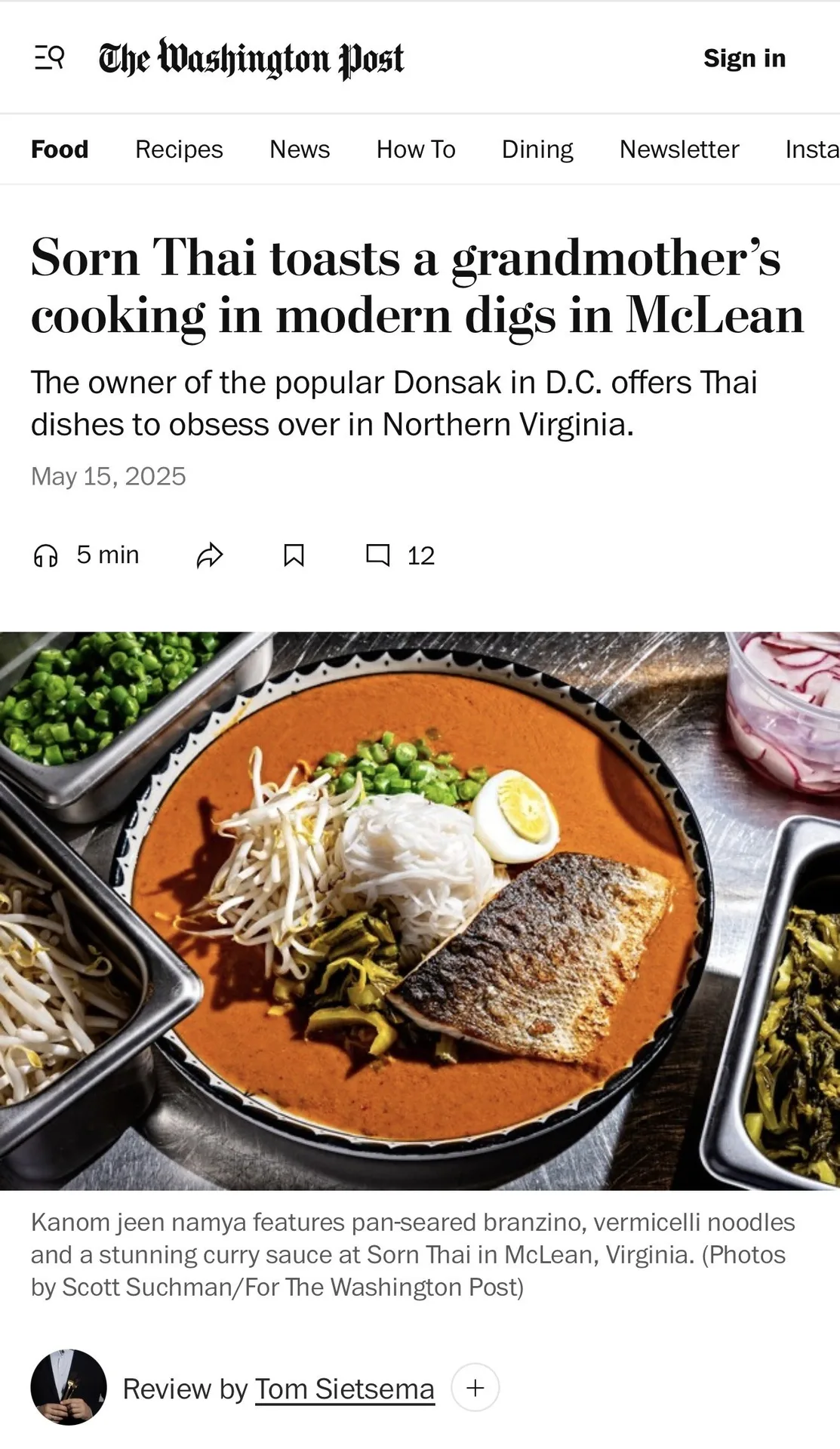
The standout dish that has drawn particular attention is Kan Chu Piang — Sorn's version of Kan Chiang Pu, or blue swimmer crab leg. In Thai households, this prized part of the crab is traditionally reserved for the most senior or most beloved at the table. At Sorn, the dish presents the two most valued parts of the crab together: plump, chilled swimmer leg meat coated in crab roe paste, served in a small granite mortar alongside a fiery yellow chilli sauce. It is both a cultural reference and a technically accomplished plate.
Service as Storytelling
Front-of-house at Sorn is trained with a specific purpose: to communicate the stories and memories embedded in each dish. This is southern Thai cuisine presented with the full context of where it comes from — not just the ingredients, but the people, places, and traditions behind them. The result is a meal that asks something of the guest, and rewards attention generously.
Sorn has a reputation as one of the hardest restaurants to book in Thailand. That difficulty is itself a signal of what awaits.
Recognition
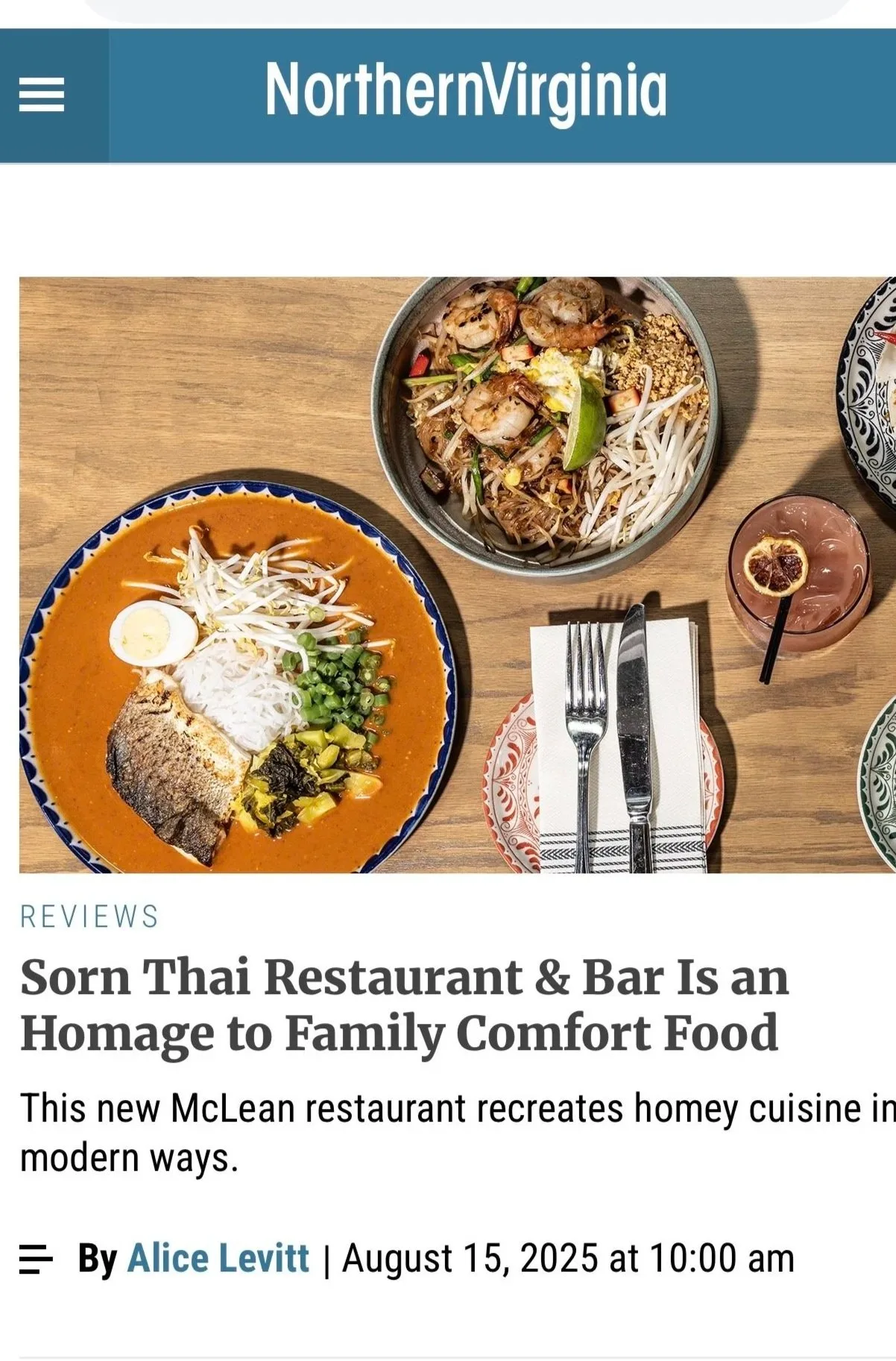
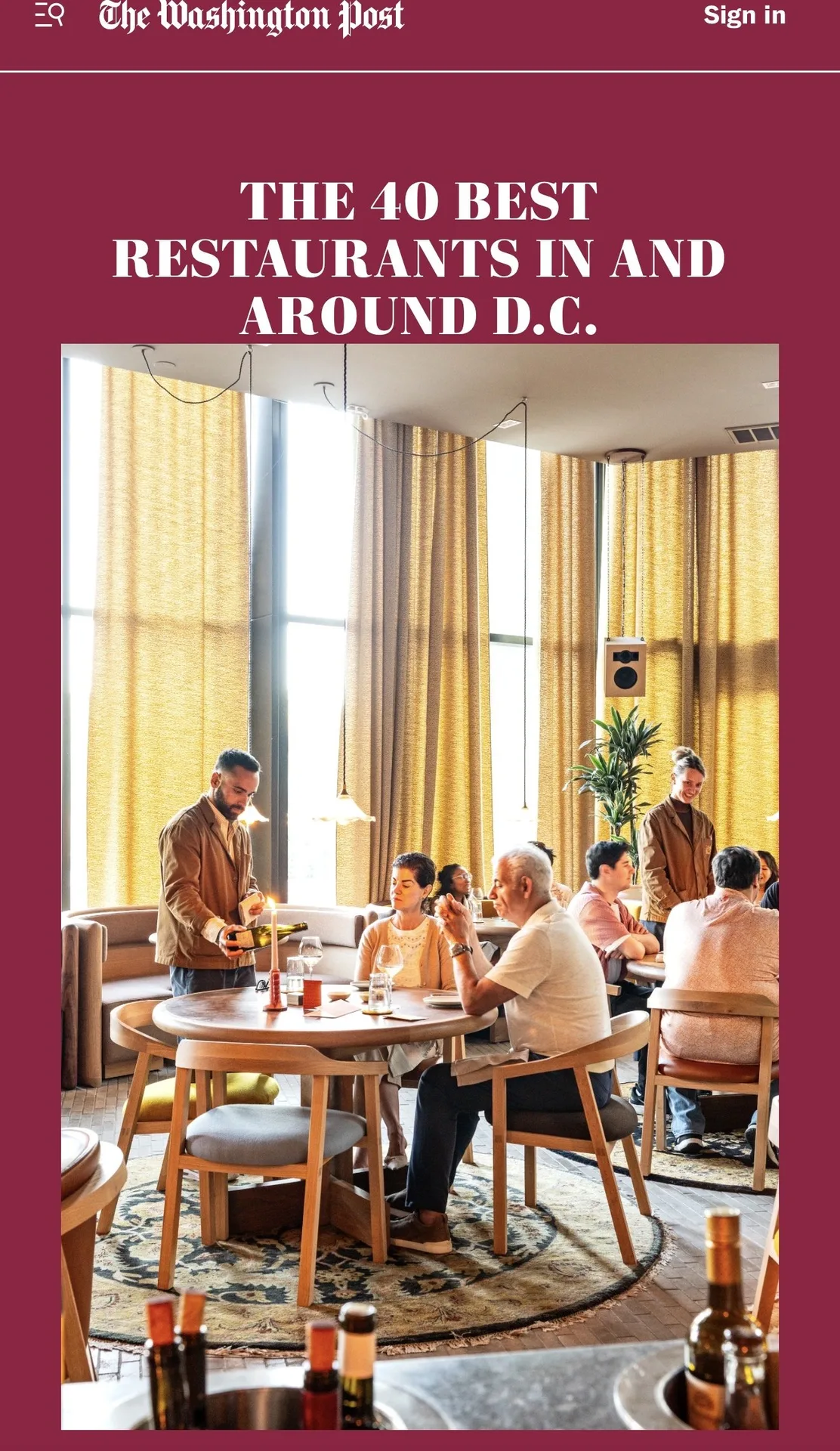
Awards & accolades
Ambience
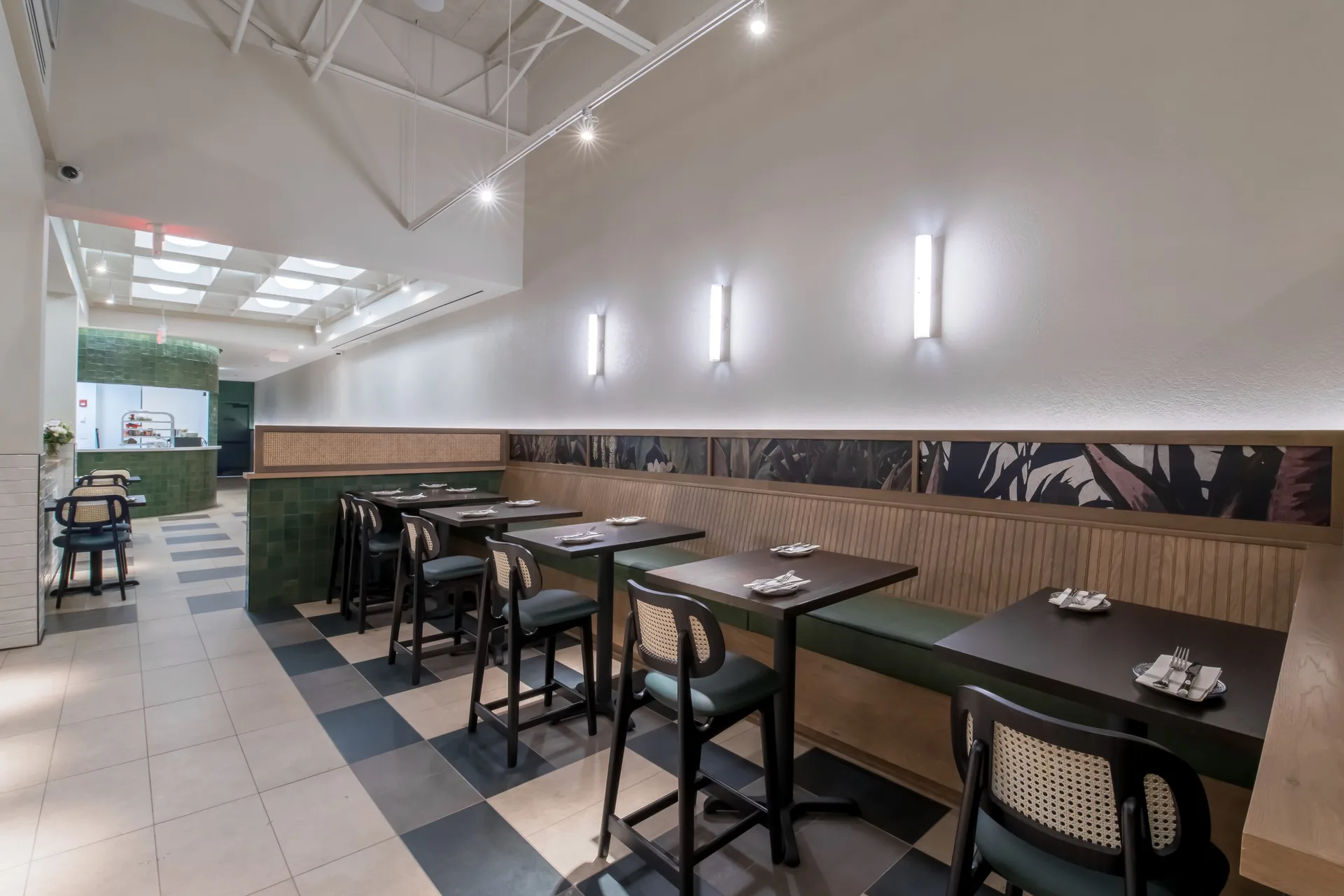
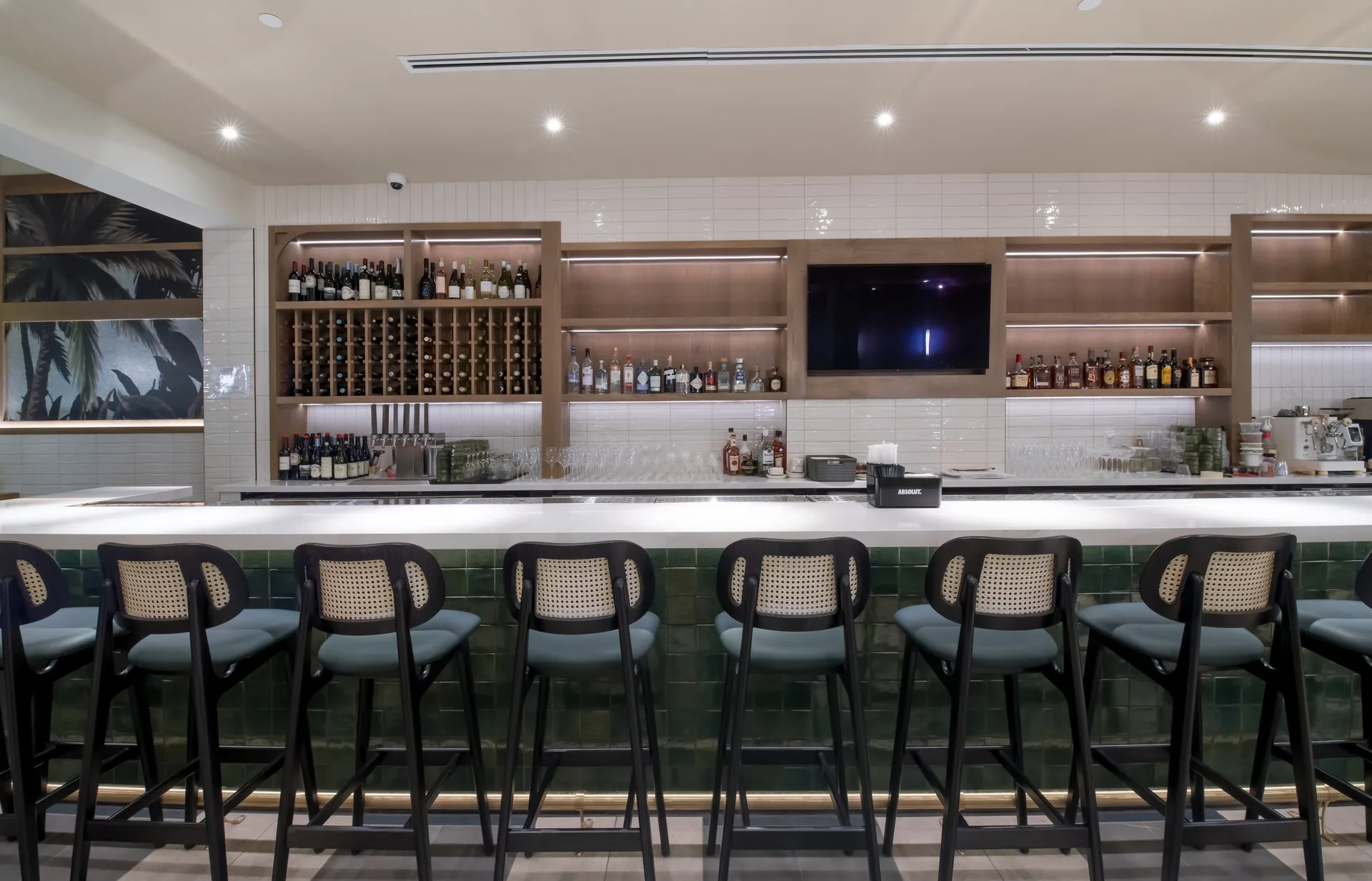
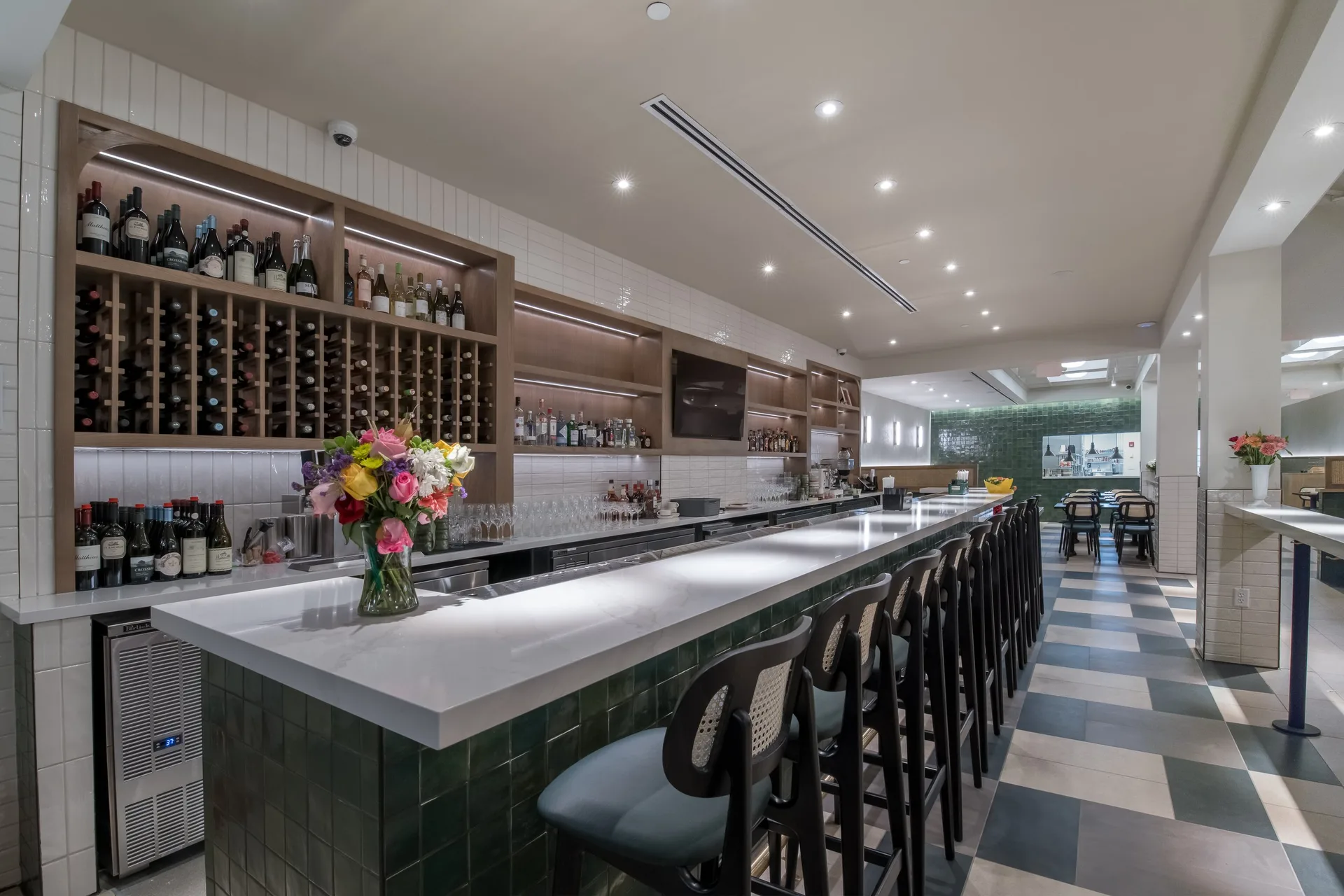
A glimpse inside

Location
Find us
56 Soi Sukhumvit 26, Klongton Khlong Toei, Bangkok 10110, ThailandWashington, United States of America
+66 99 081 1119
sornthaiva@gmail.com
Visit website
 Instagram