
The story
Crafted with passion, served with love
A Family Story Seventy-Five Years in the Making
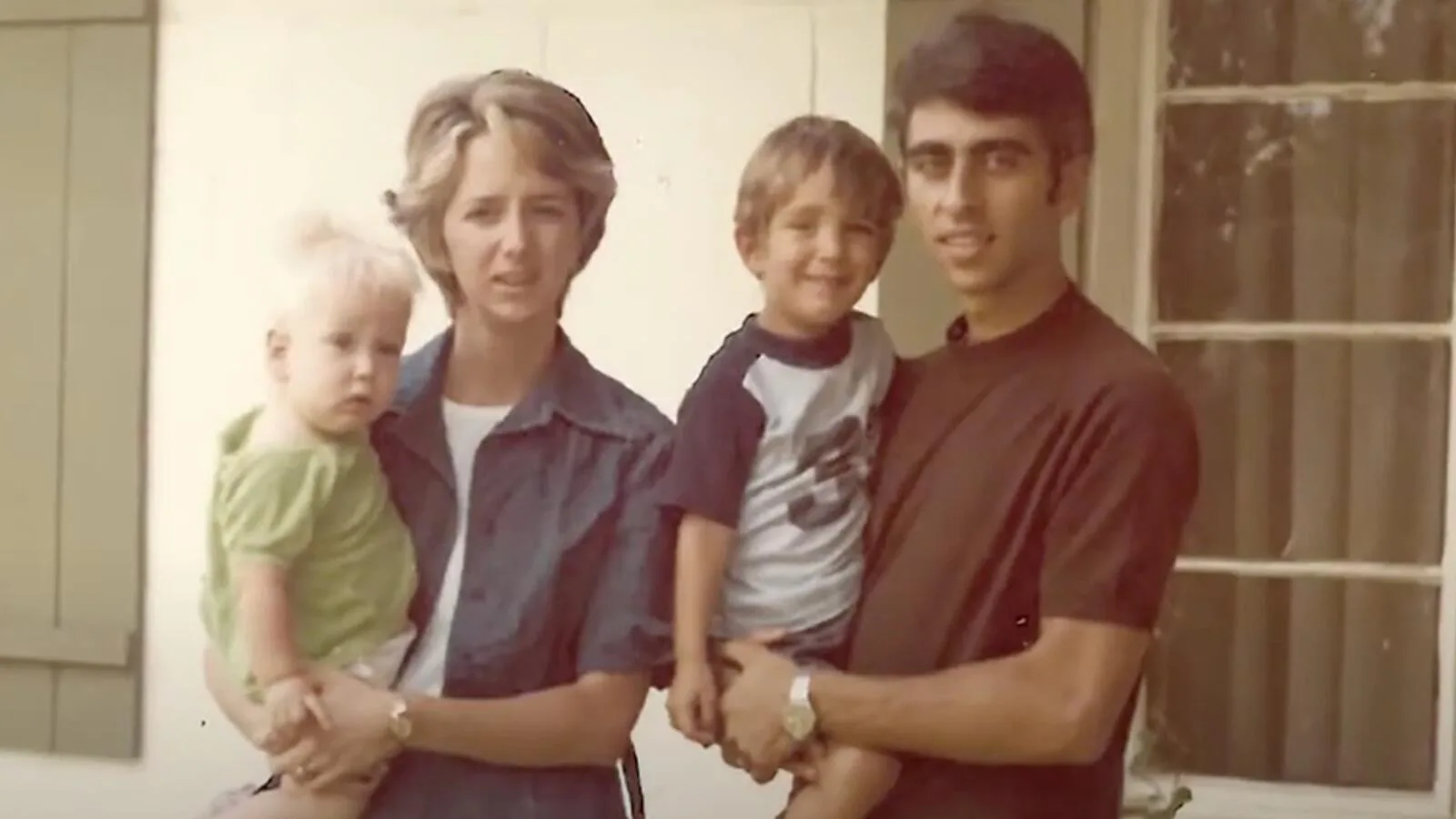
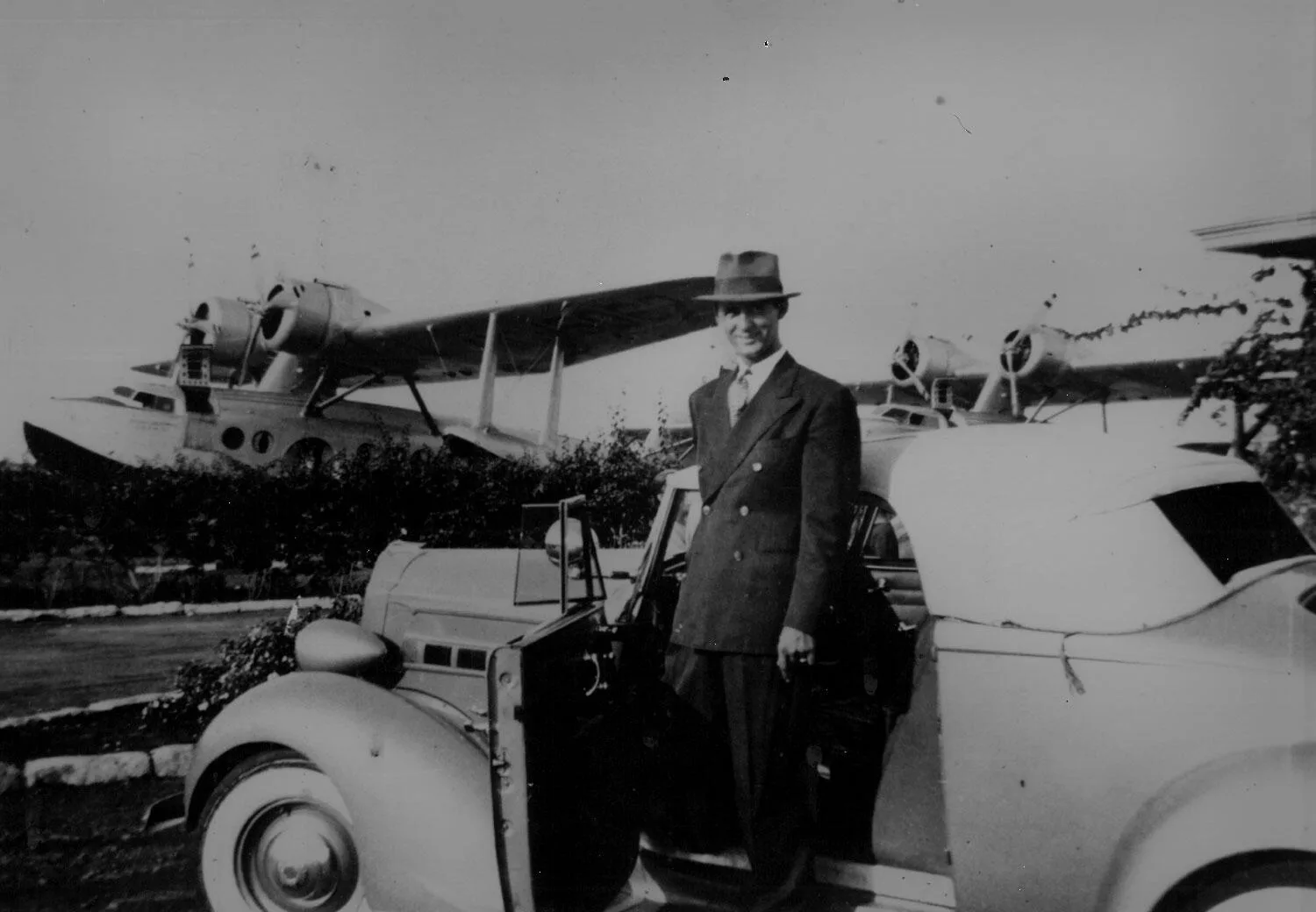
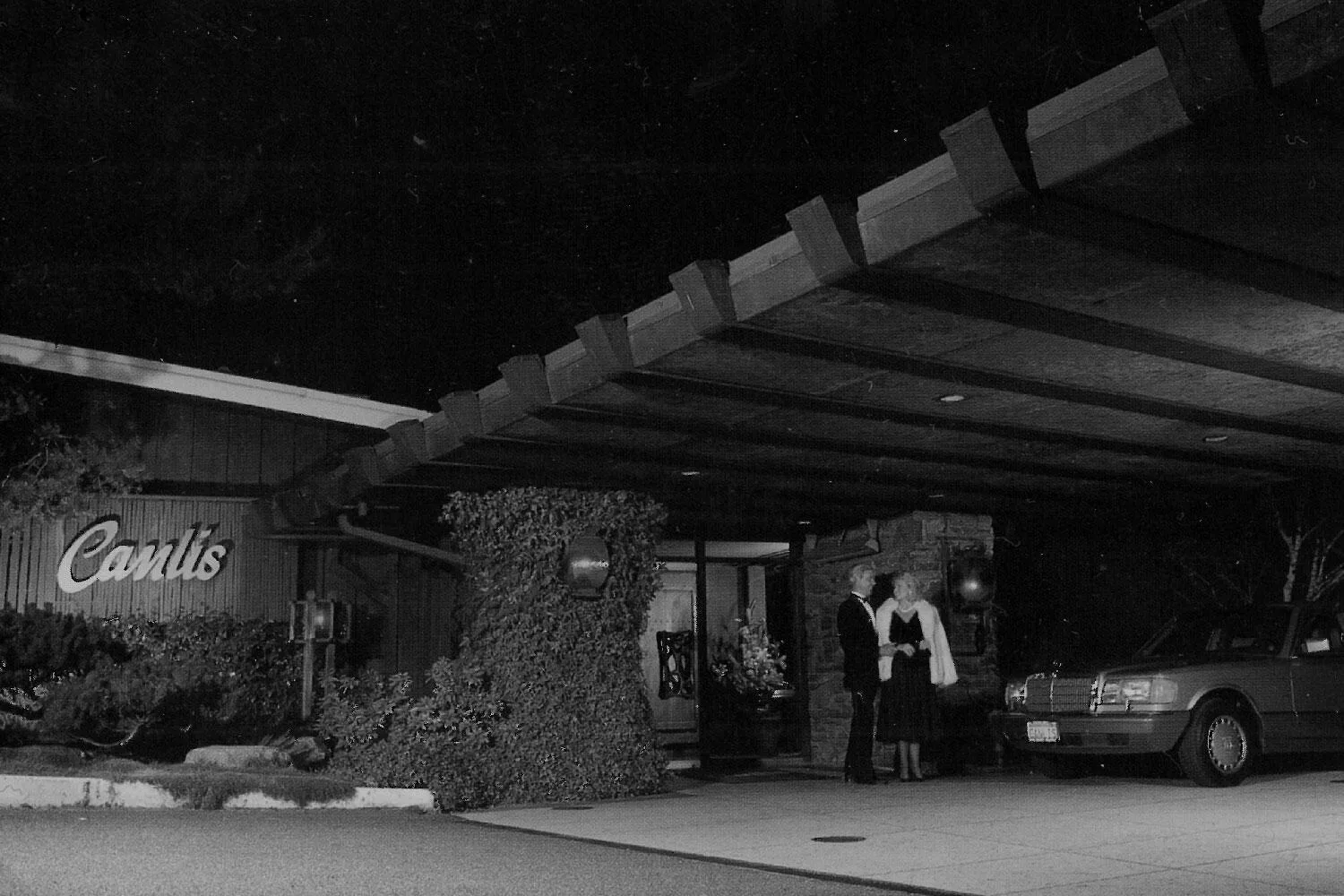
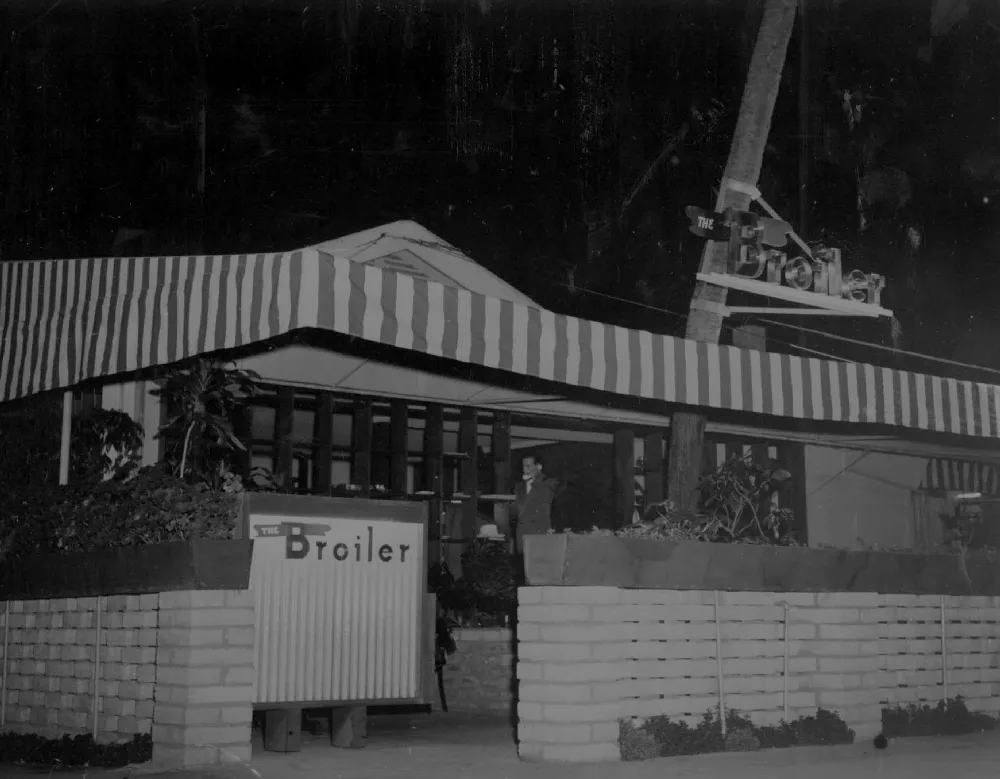
Every great restaurant has an origin, but few trace back as far or as vividly as Canlis. The thread begins with Nicholas Kanlis, who swam from the Greek island of Lesvos to Turkey, hitchhiked to Cairo, cooked for the Smithsonian-Roosevelt African Expedition, and eventually settled in California. His son Peter would carry that restless ambition further still — through Honolulu, through Pearl Harbor, through a USO kitchen feeding 3,500 meals a day — before arriving in Seattle in 1950 with fifty thousand borrowed dollars and an idea the city wasn't sure it wanted.
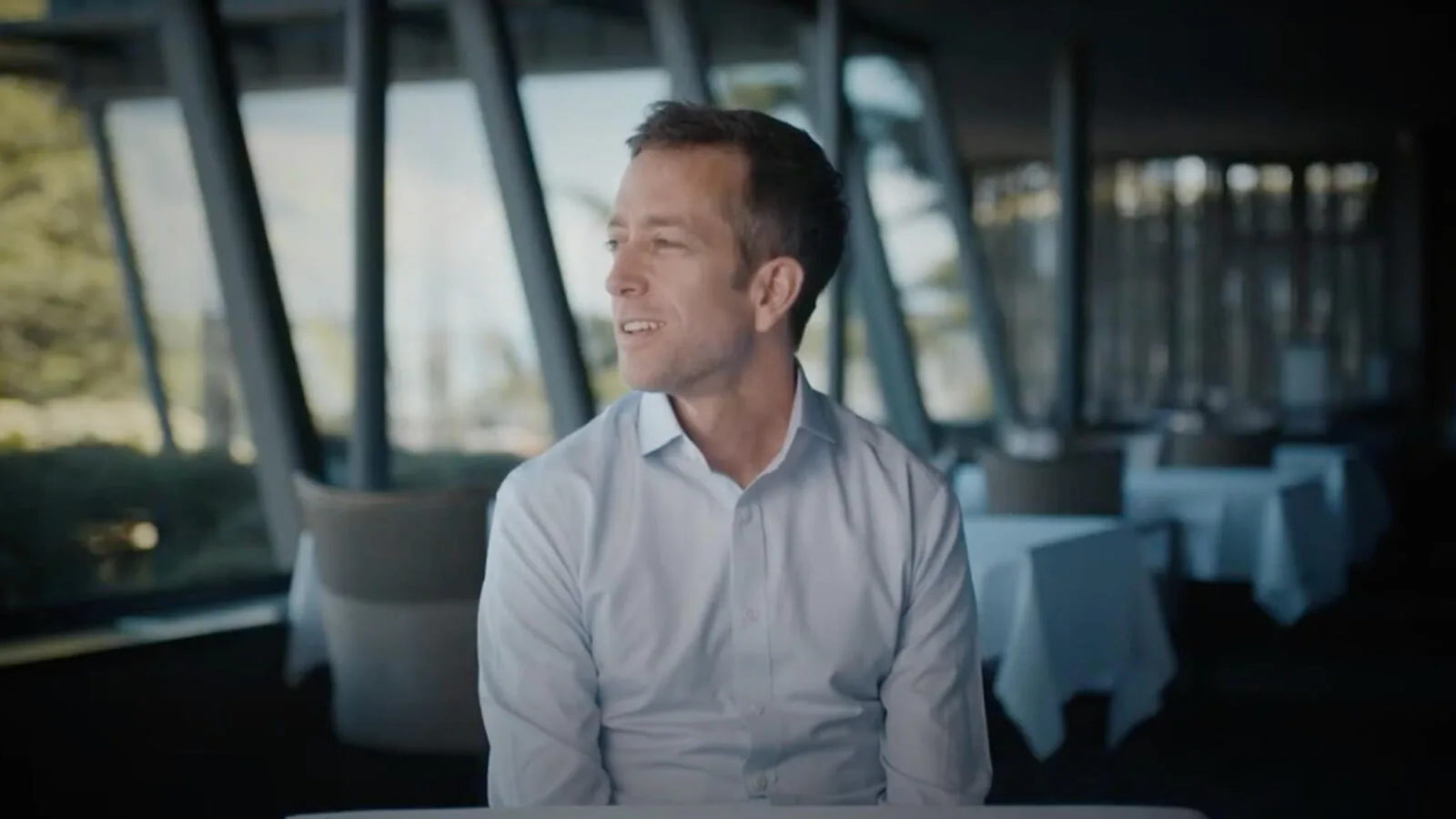
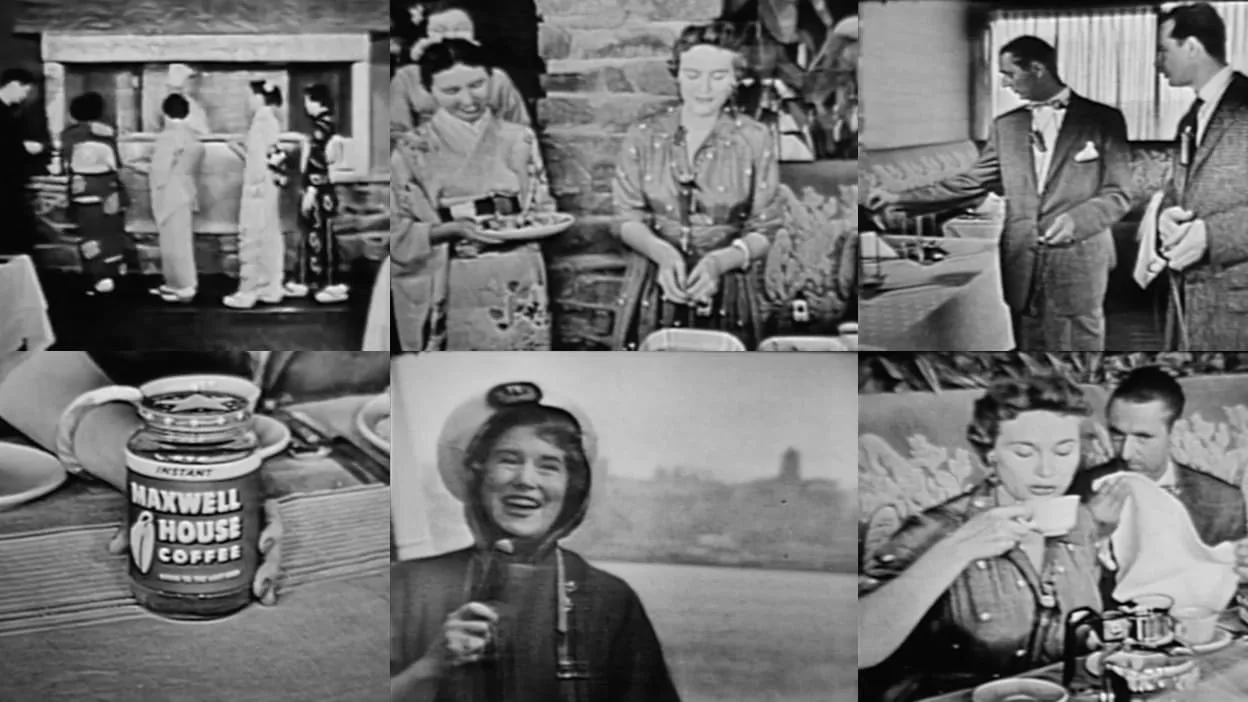
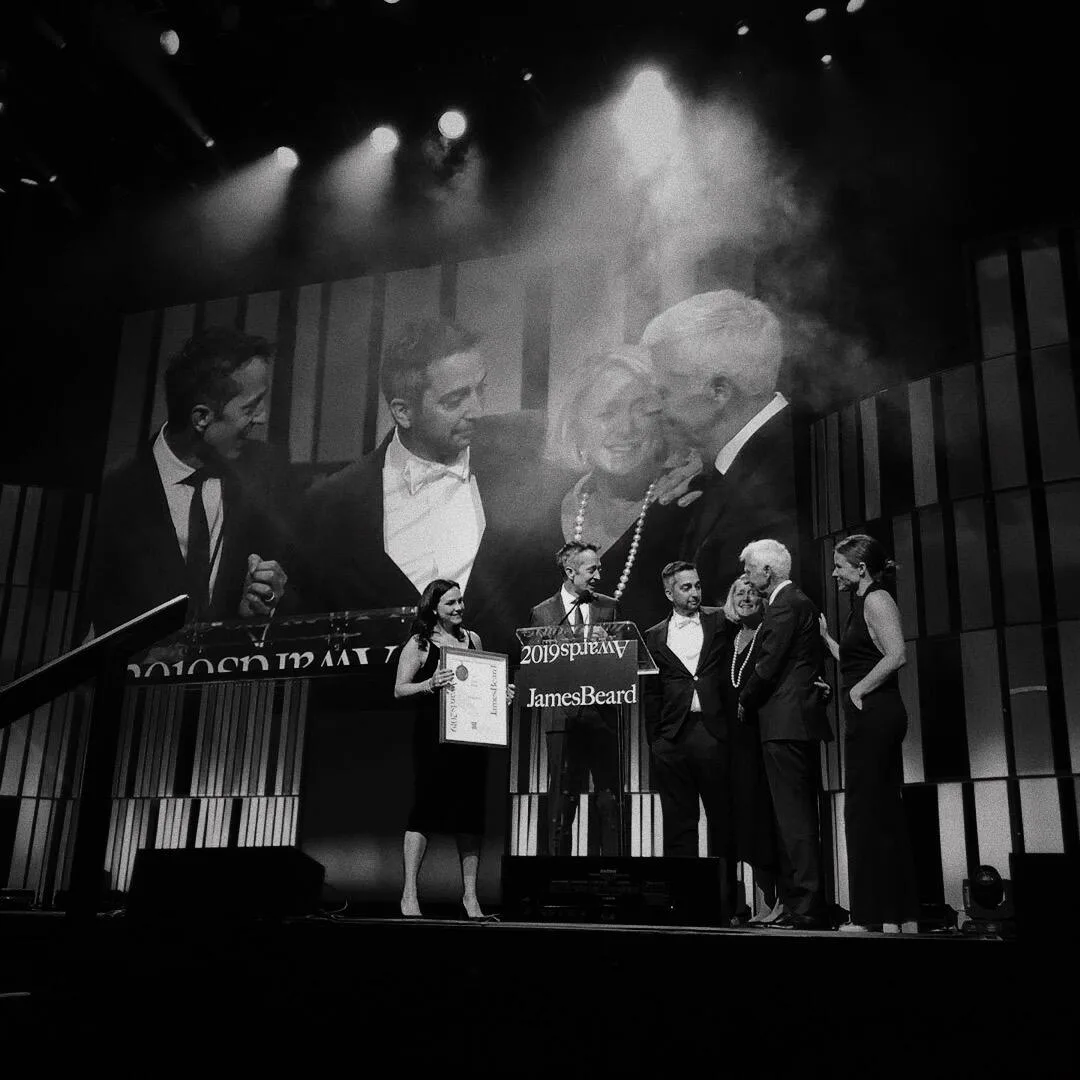
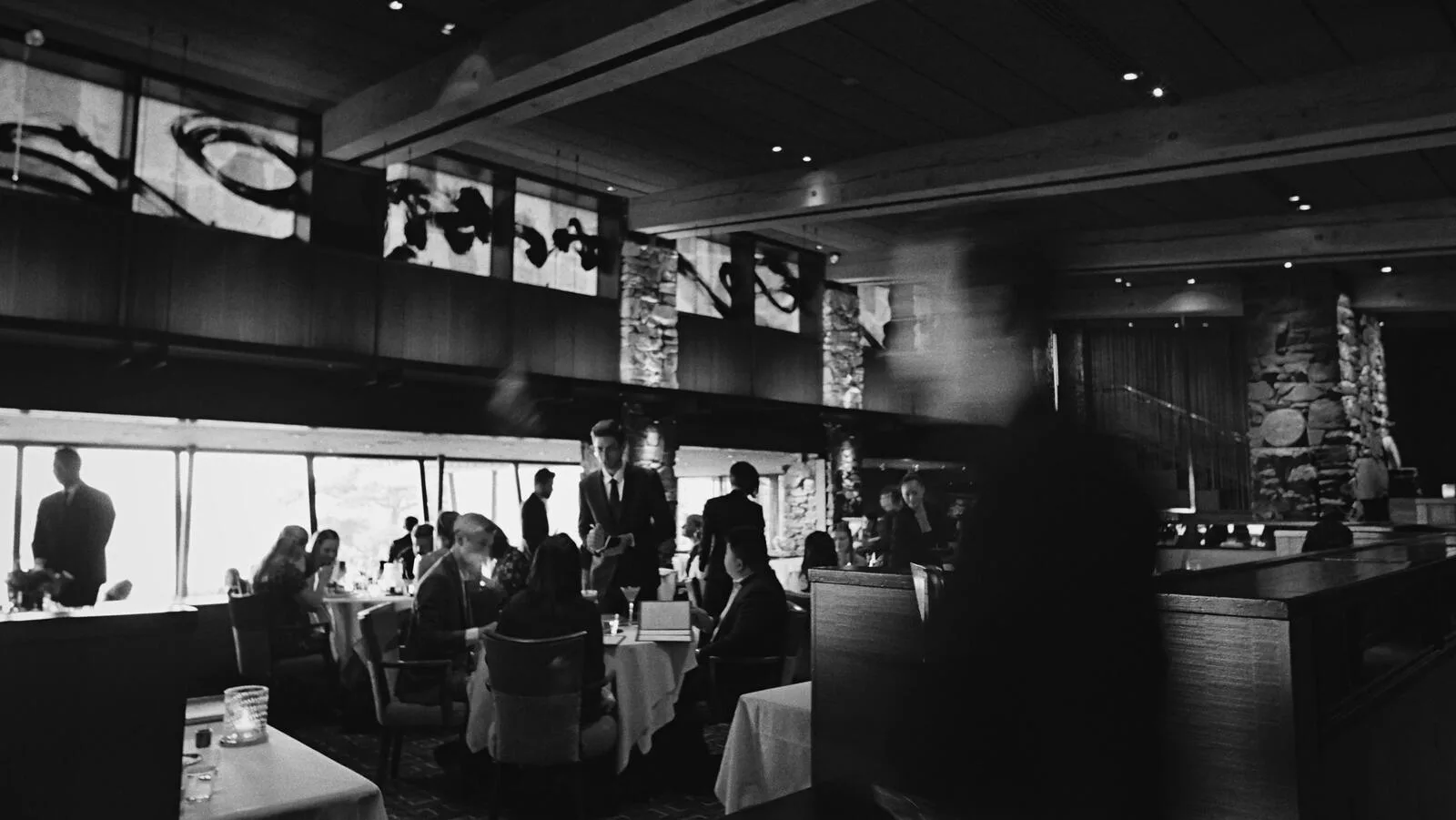
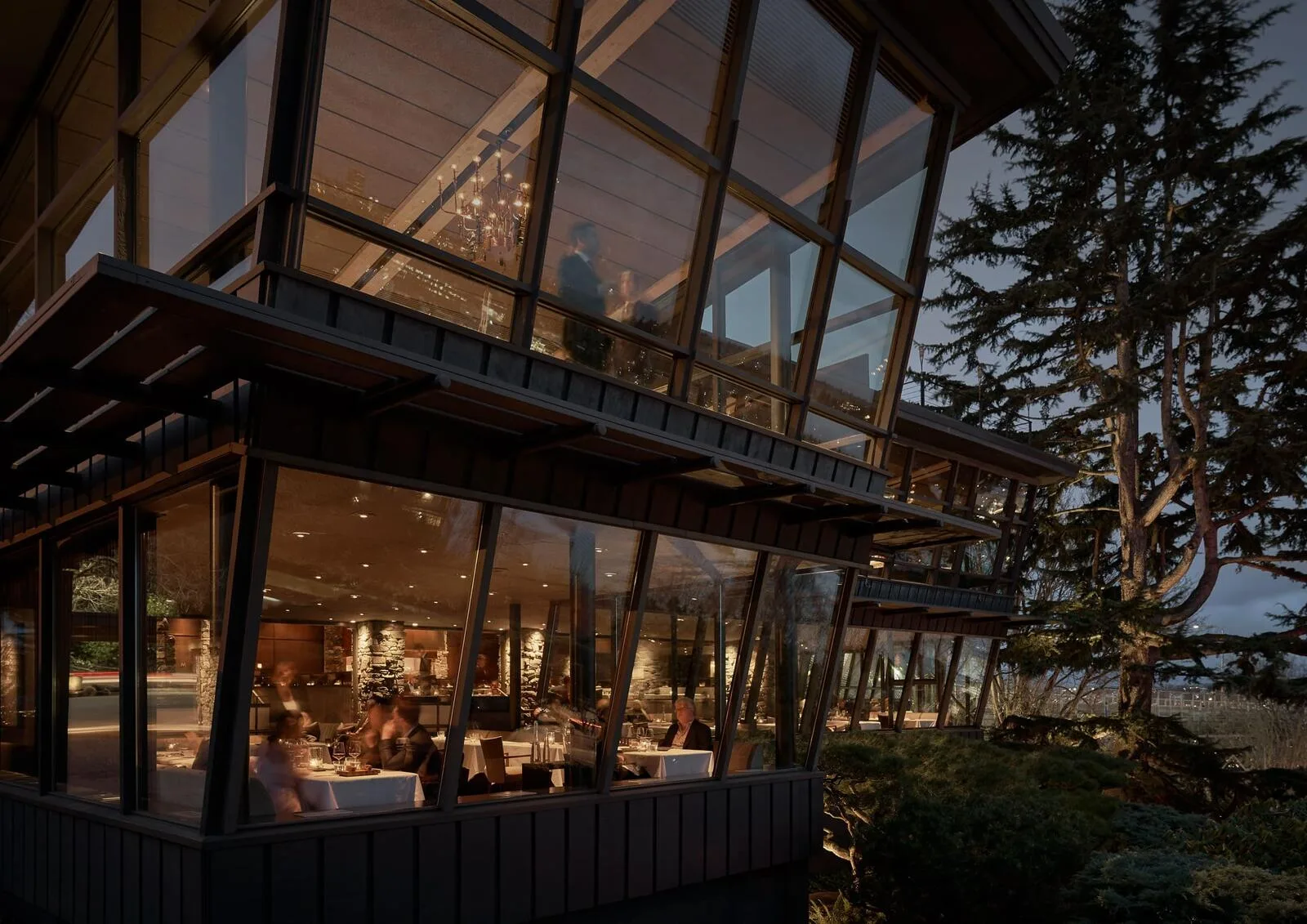
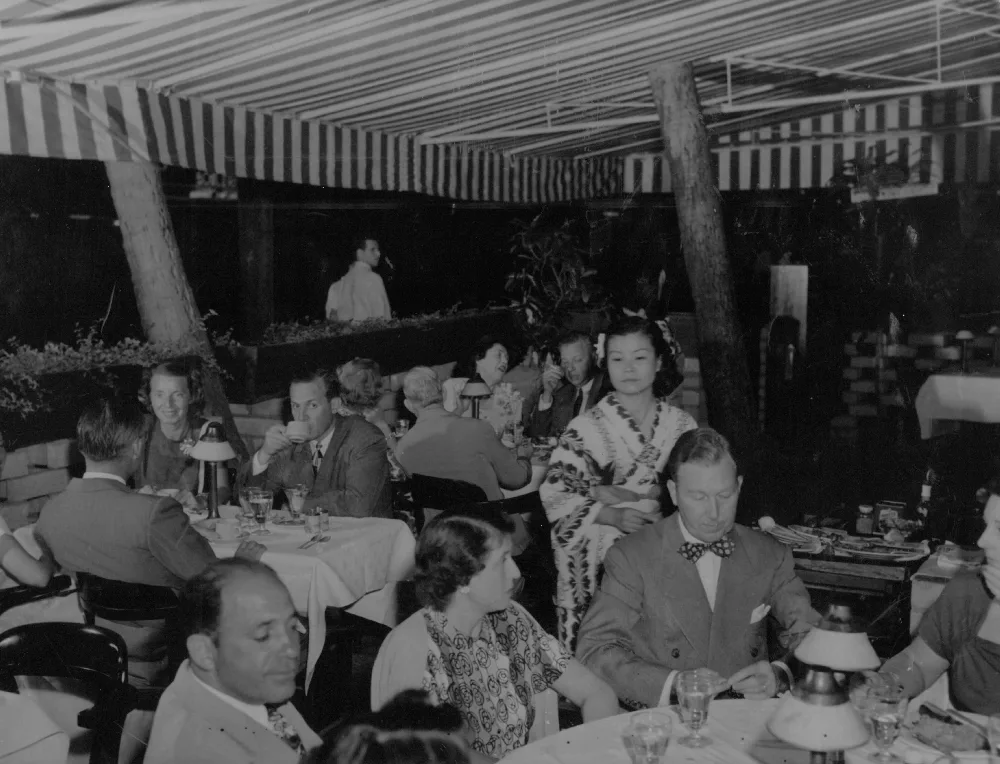
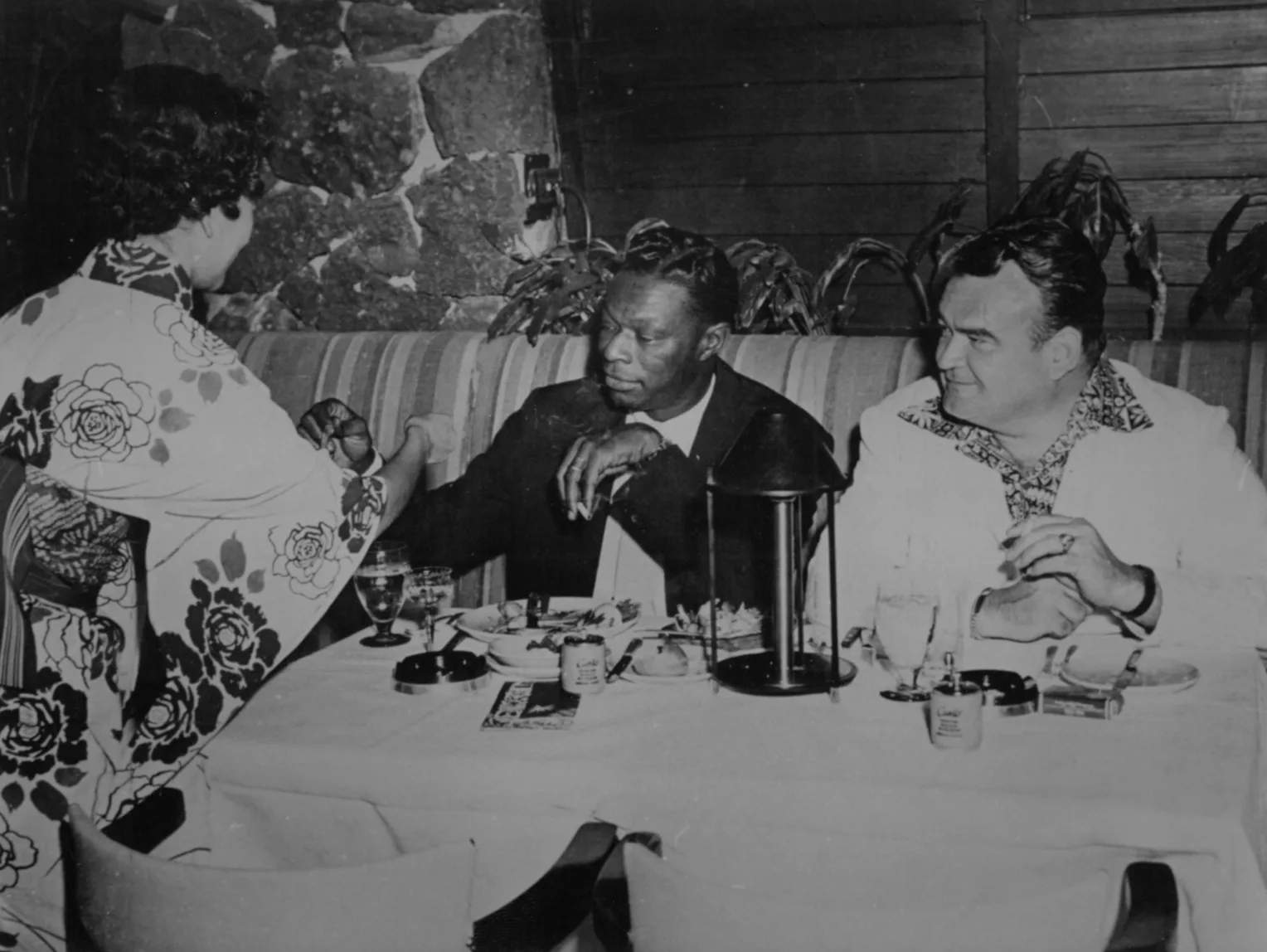
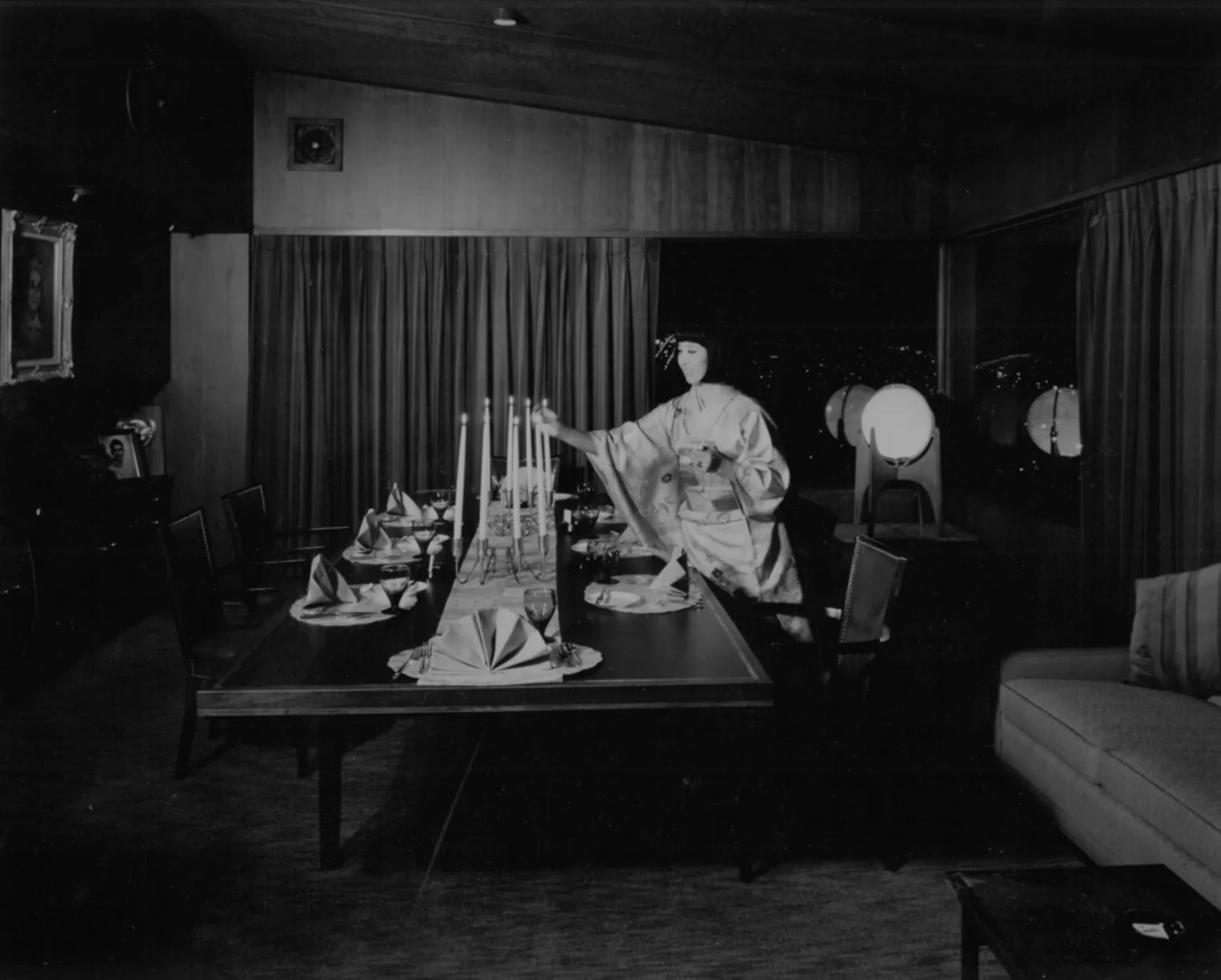
Peter Canlis hired then-unknown residential architect Roland Terry to build a restaurant that felt like a home rather than a grand European dining room. He bet on Northwest artists, smuggled fresh Hawaiian fish in on Pan Am flights, and staffed his floor with Japanese-American women — recently released from internment — wearing their own kimonos. Seattle fell for it immediately. The building, since developed further by architects Jim Cutler and George Suyama, won the James Beard Design Icon Award in 2019 and still draws guests with its natural light and sweeping views of Lake Union and the Cascade mountain range.
Three Generations, One Commitment
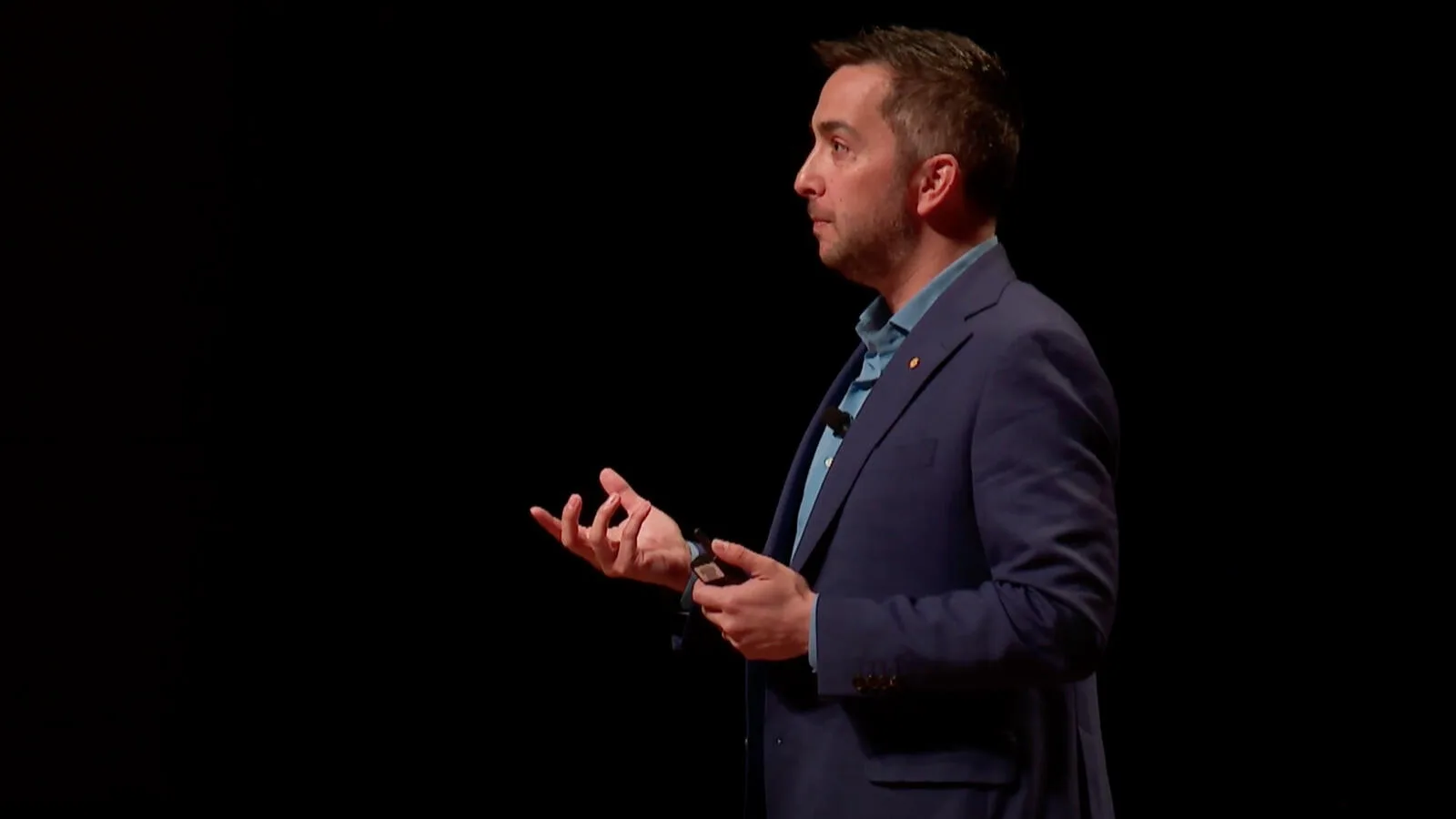
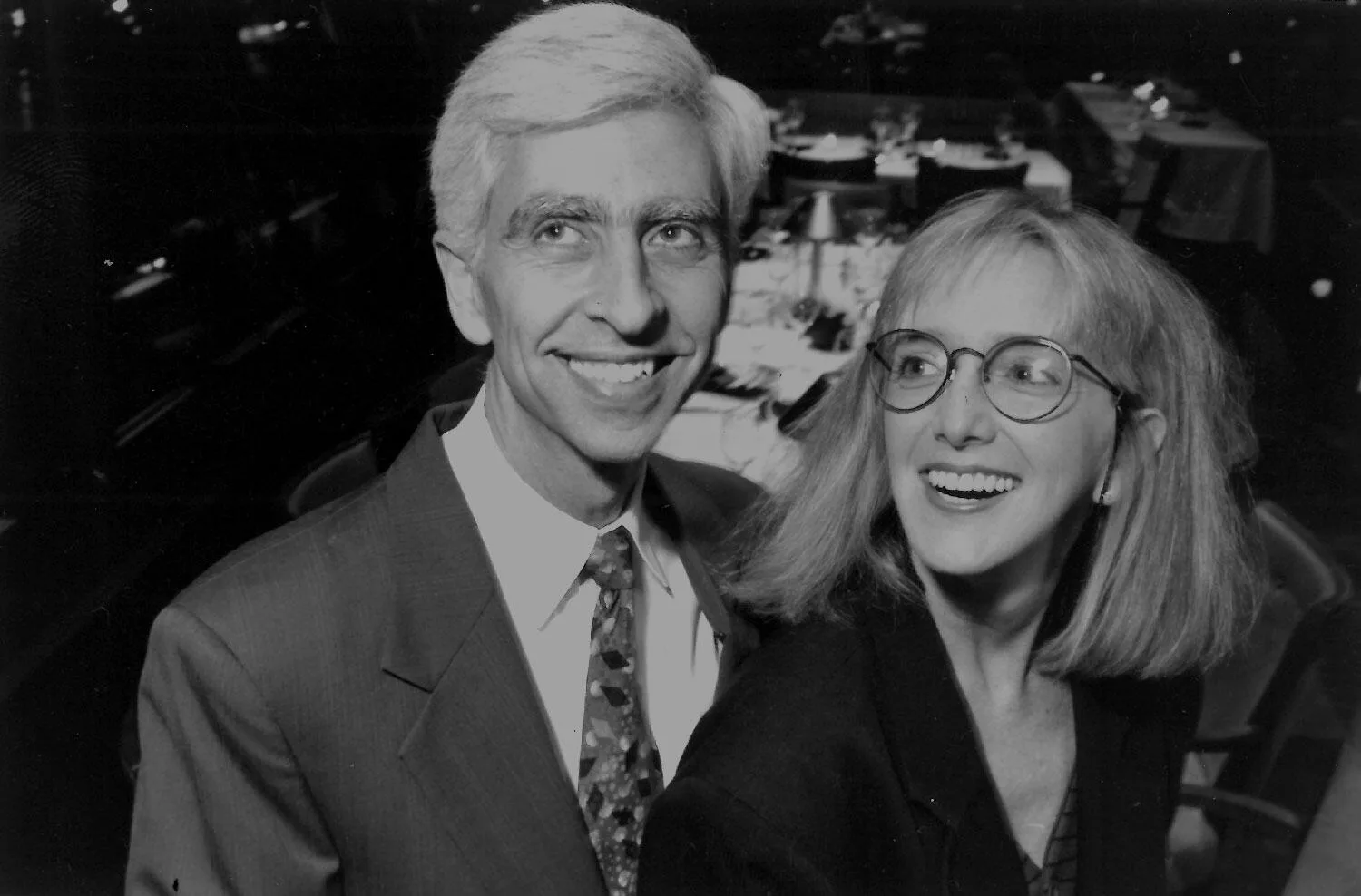
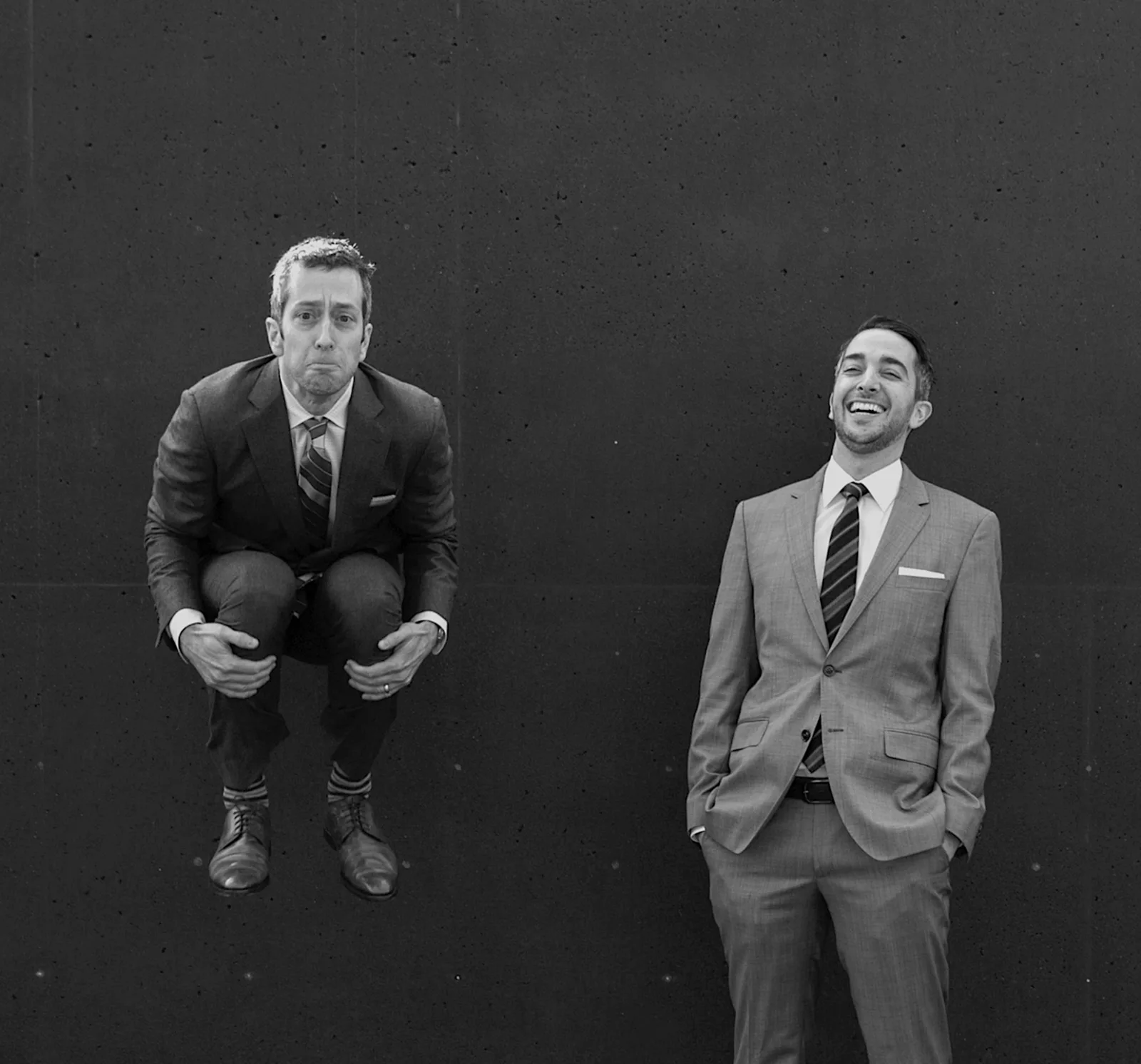
Peter handed the restaurant to his son in 1977, and the second generation spent thirty years choosing family first — shrinking the business, deepening the brand, and practicing what the Canlis family describes not as a service philosophy but as a moral one: hospitality as the act of carving out space for another person, for no personal gain other than the belief that people fundamentally need one another. In 2007, the third generation took over and the restaurant continues under family ownership today.
That continuity shows in the room. In 2025, Food & Wine magazine polled more than 400 writers, chefs, and travel professionals and ranked Canlis the second-best restaurant in America.
The Menu and the Wine
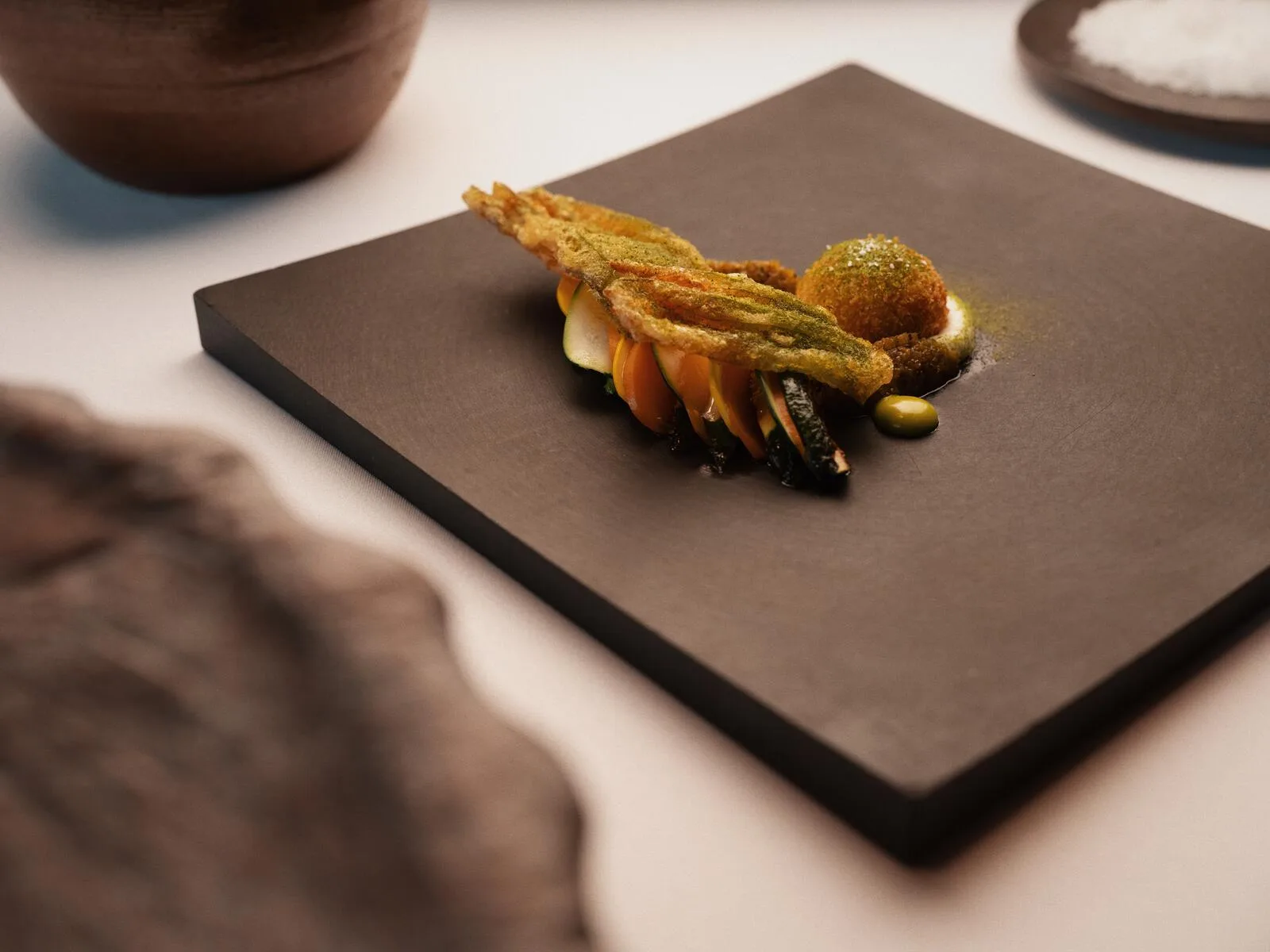
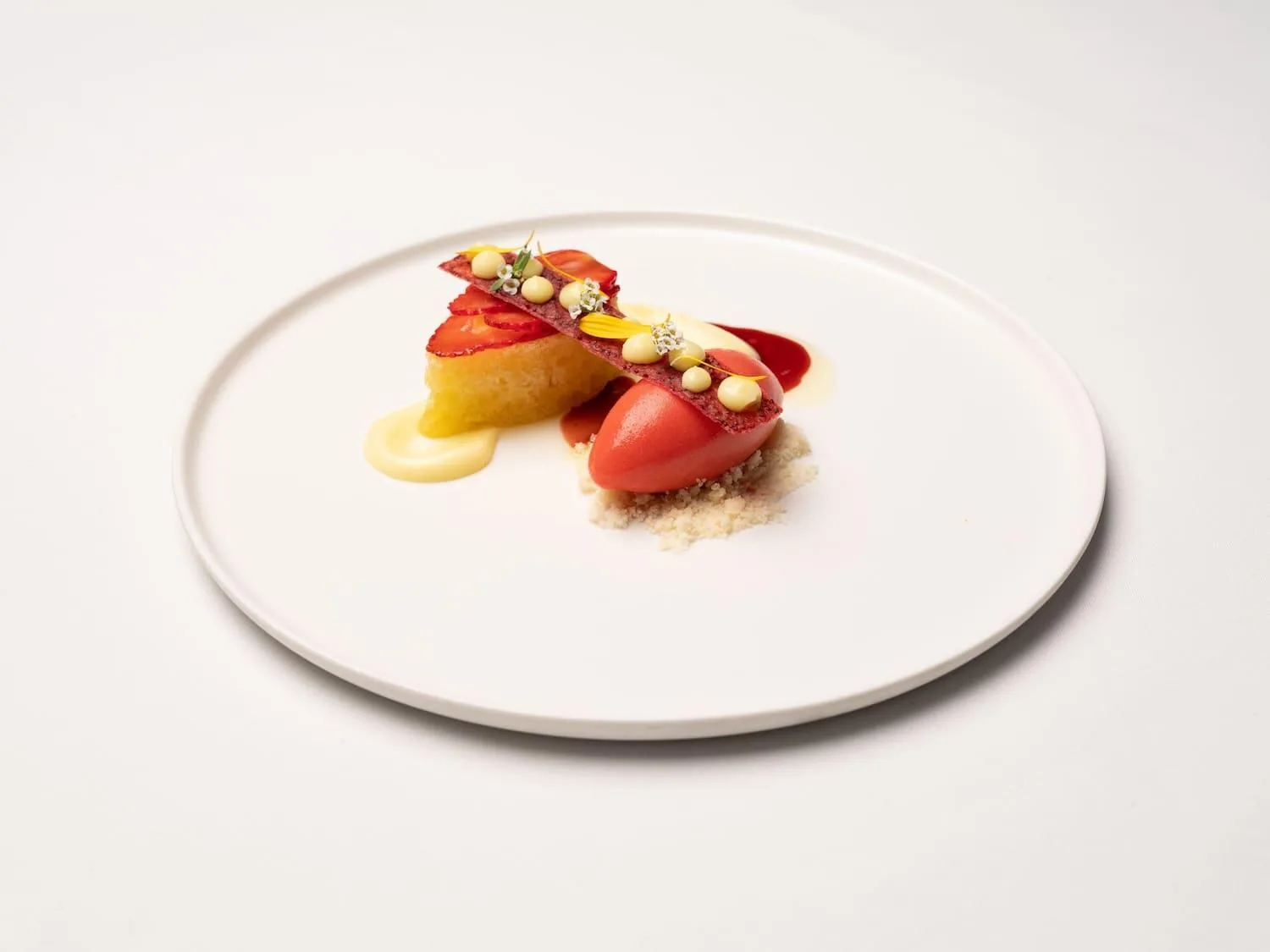
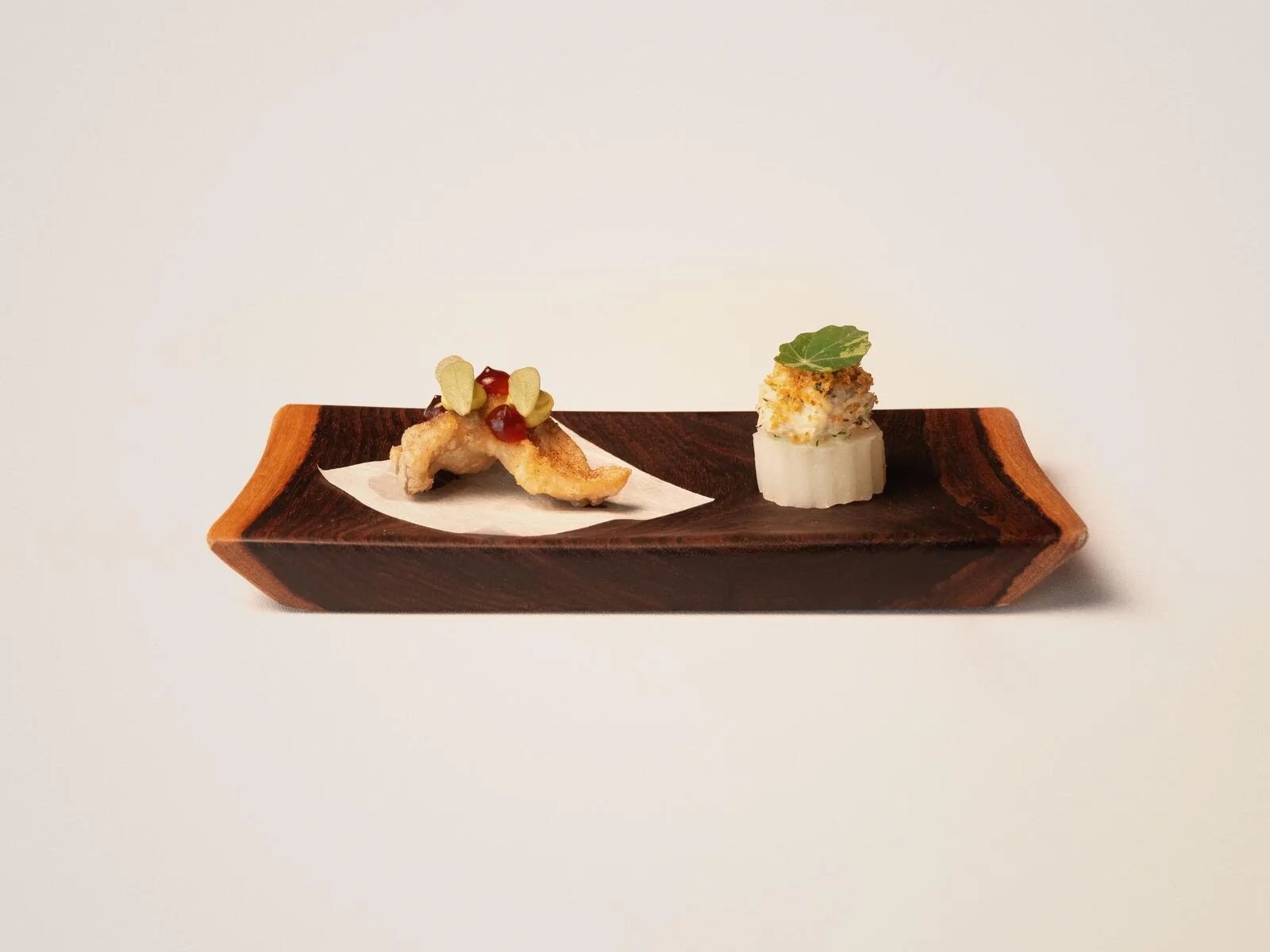
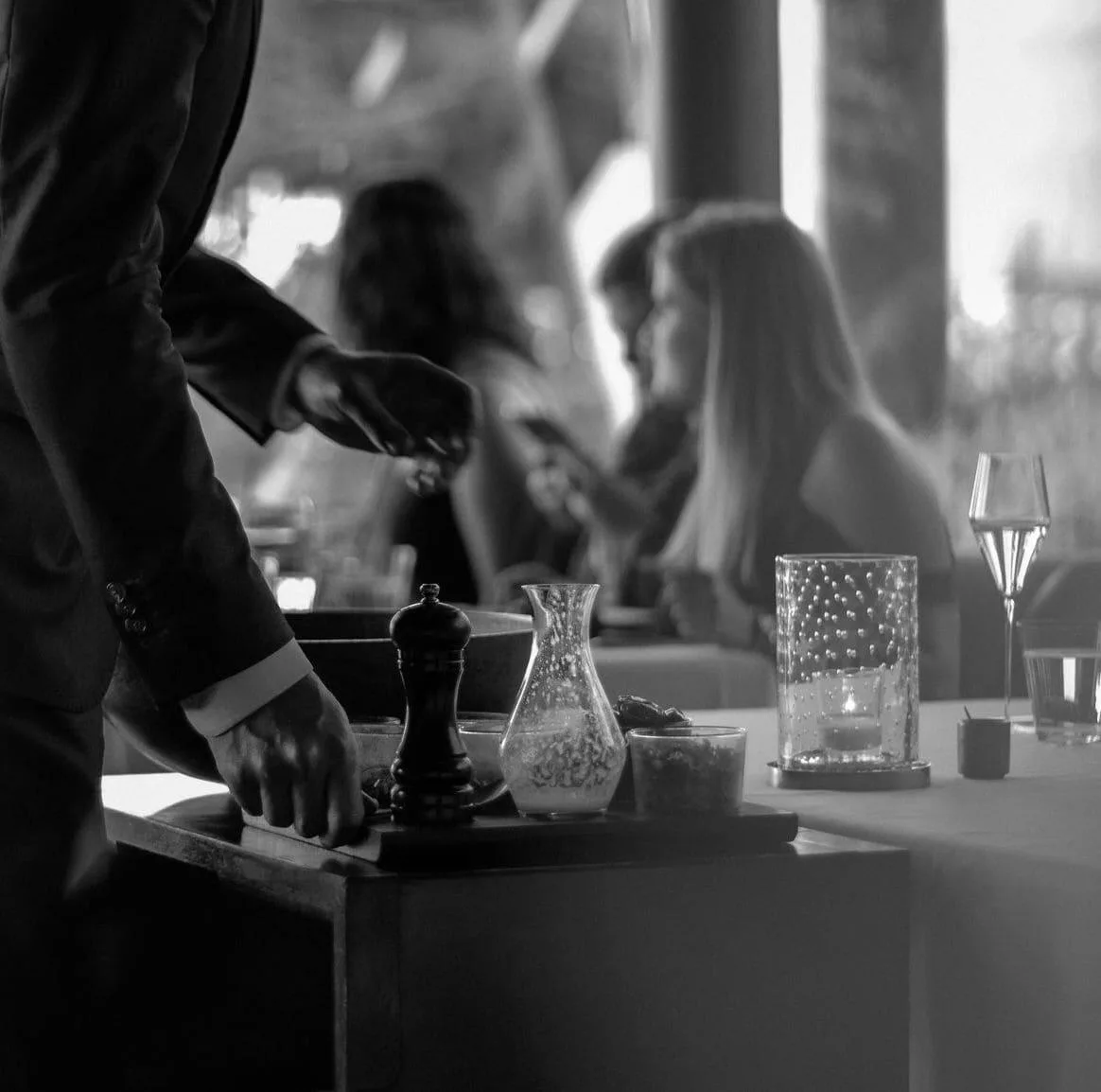
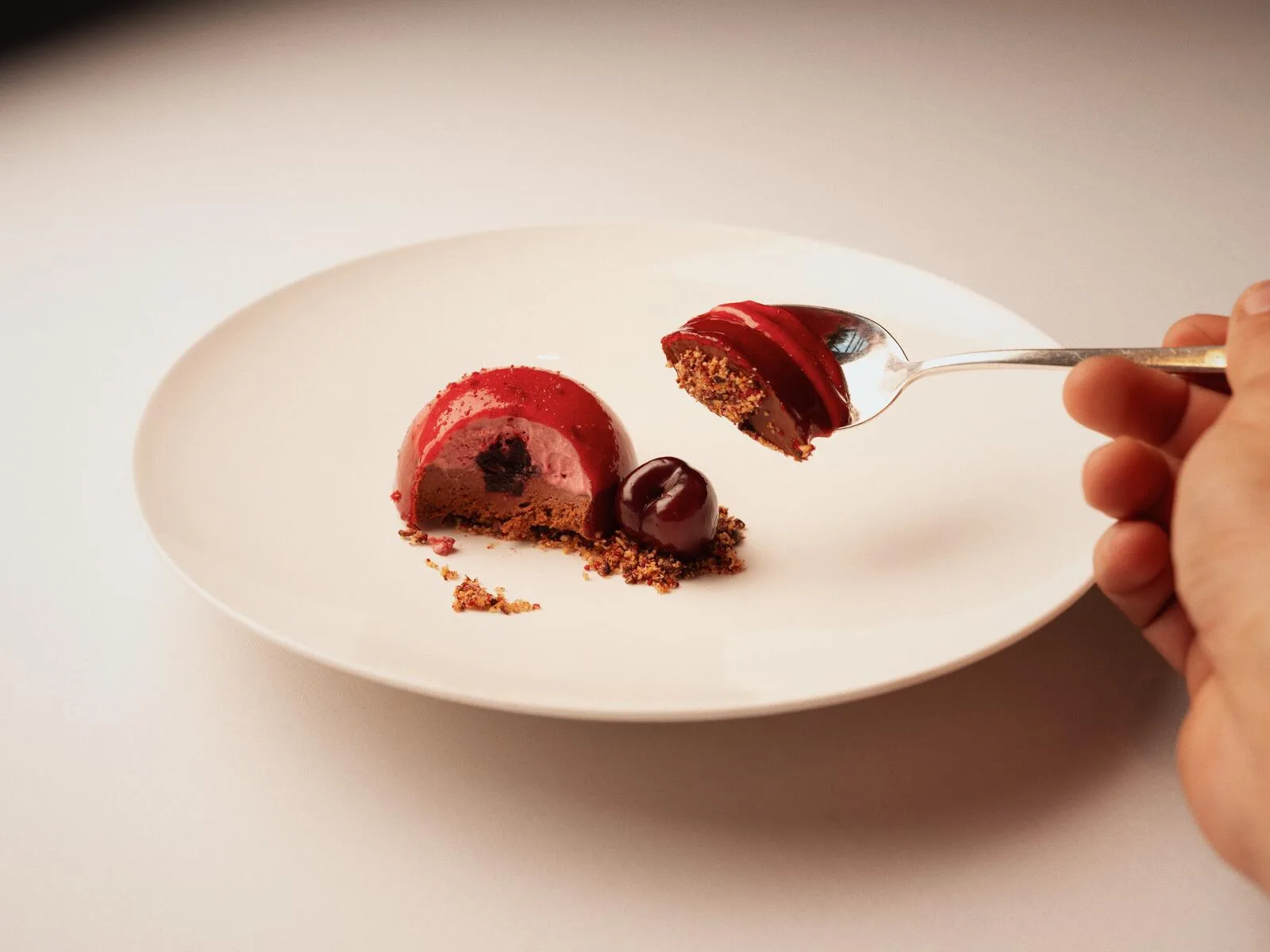
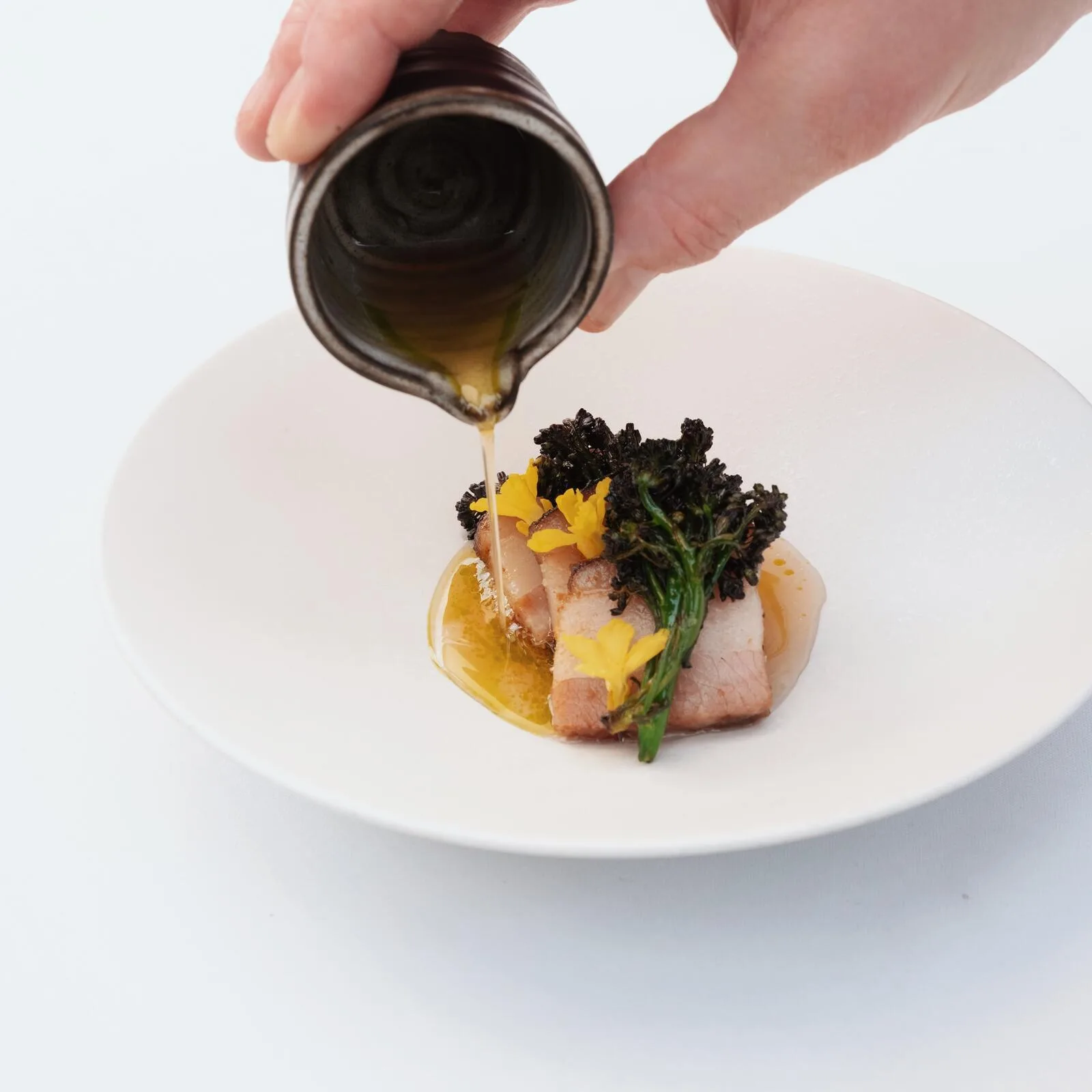
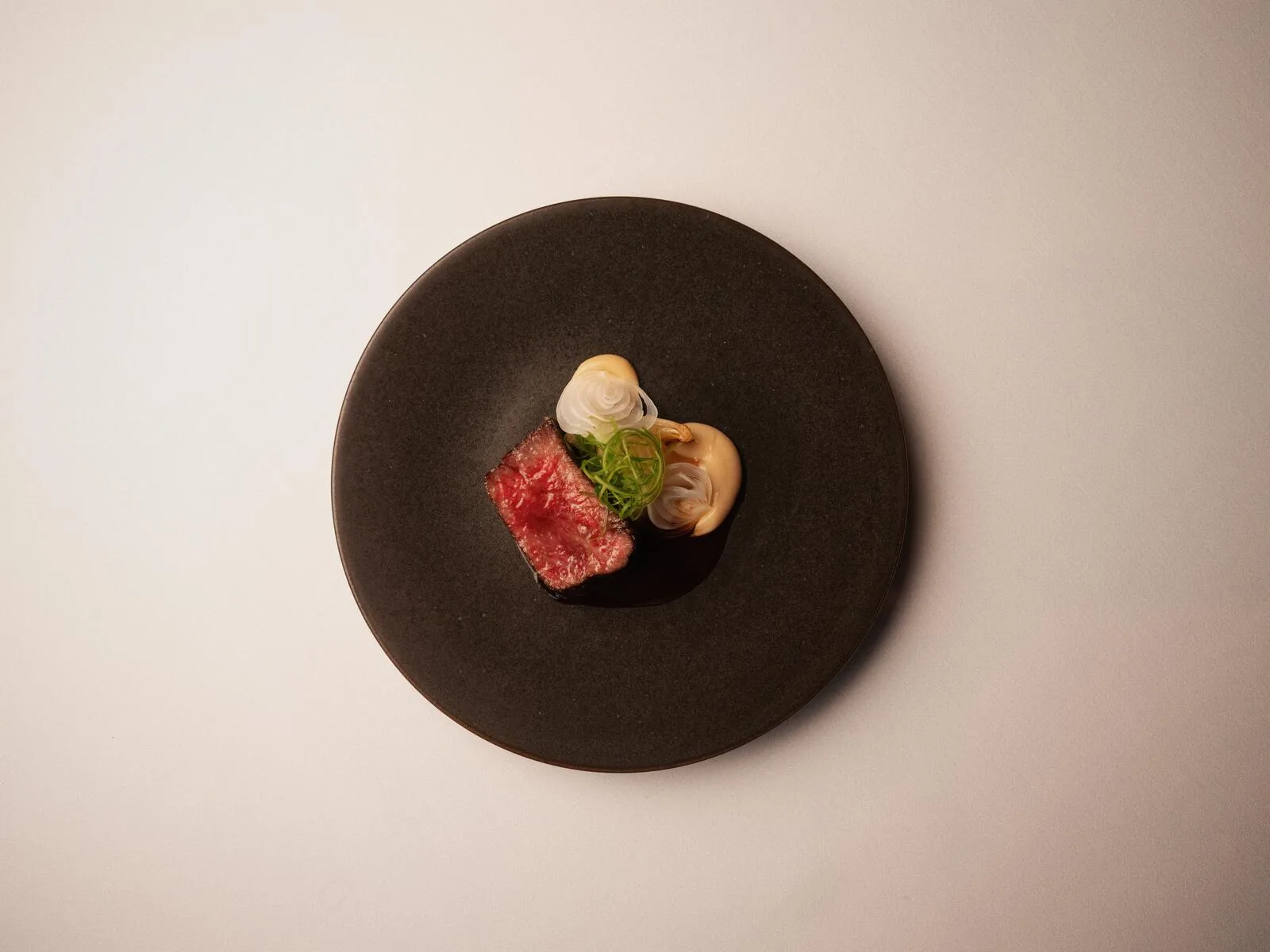
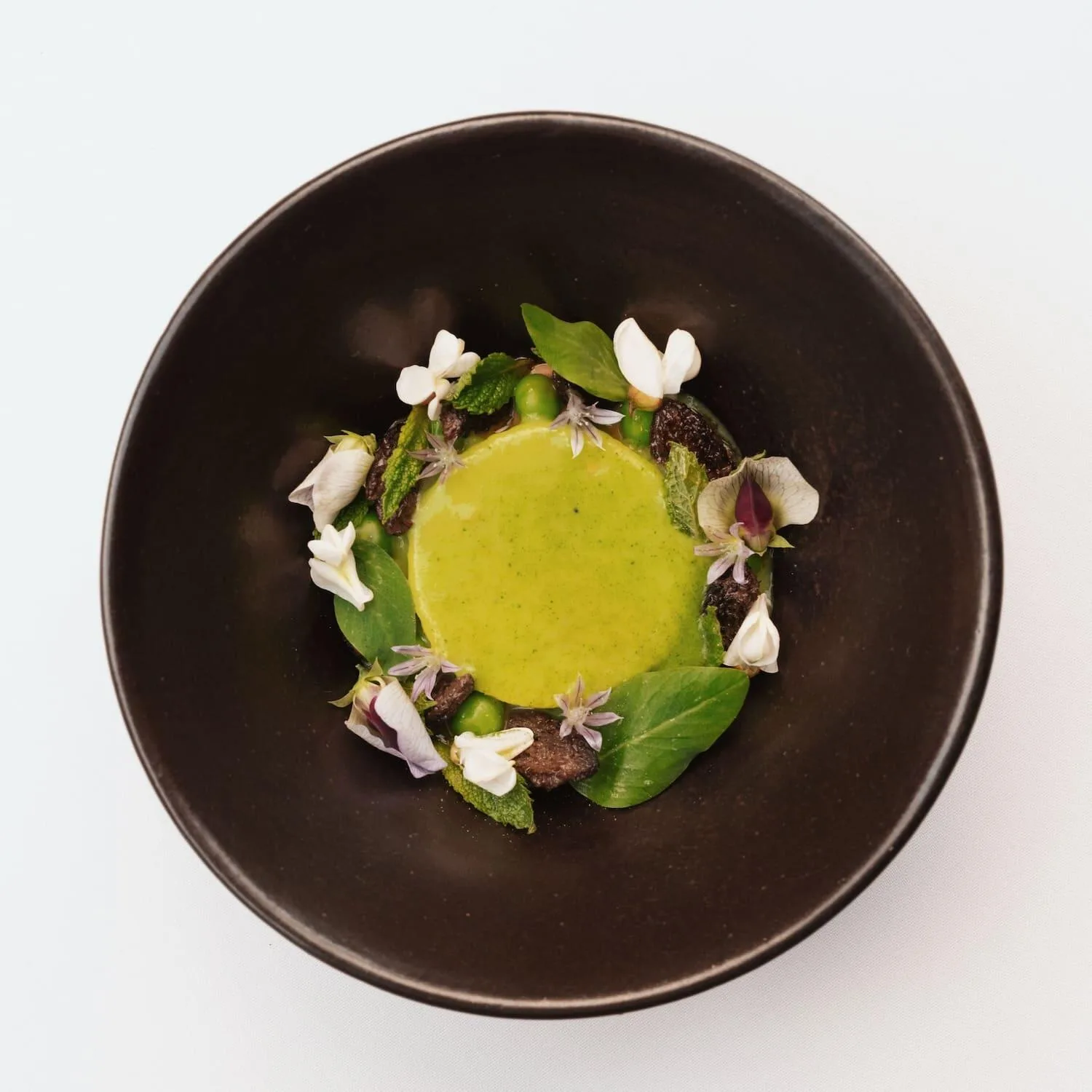
Dinner at Canlis is a six-course American fine dining experience at $185 per person. Guests choose three courses — one from each act — and the kitchen handles the rest. Current offerings move from cured salmon sashimi with pickled onion and sea herbs, or sunchoke with duxelle and soubise, through mains like halibut with English pea, porcini, and dashi, or lamb with yogurt, fig leaf, and chimichurri, and close with desserts such as a hazelnut soufflé with crème anglaise. The original Canlis Salad, from the 1950 menu, is still prepared tableside for the whole party as an optional additional course.
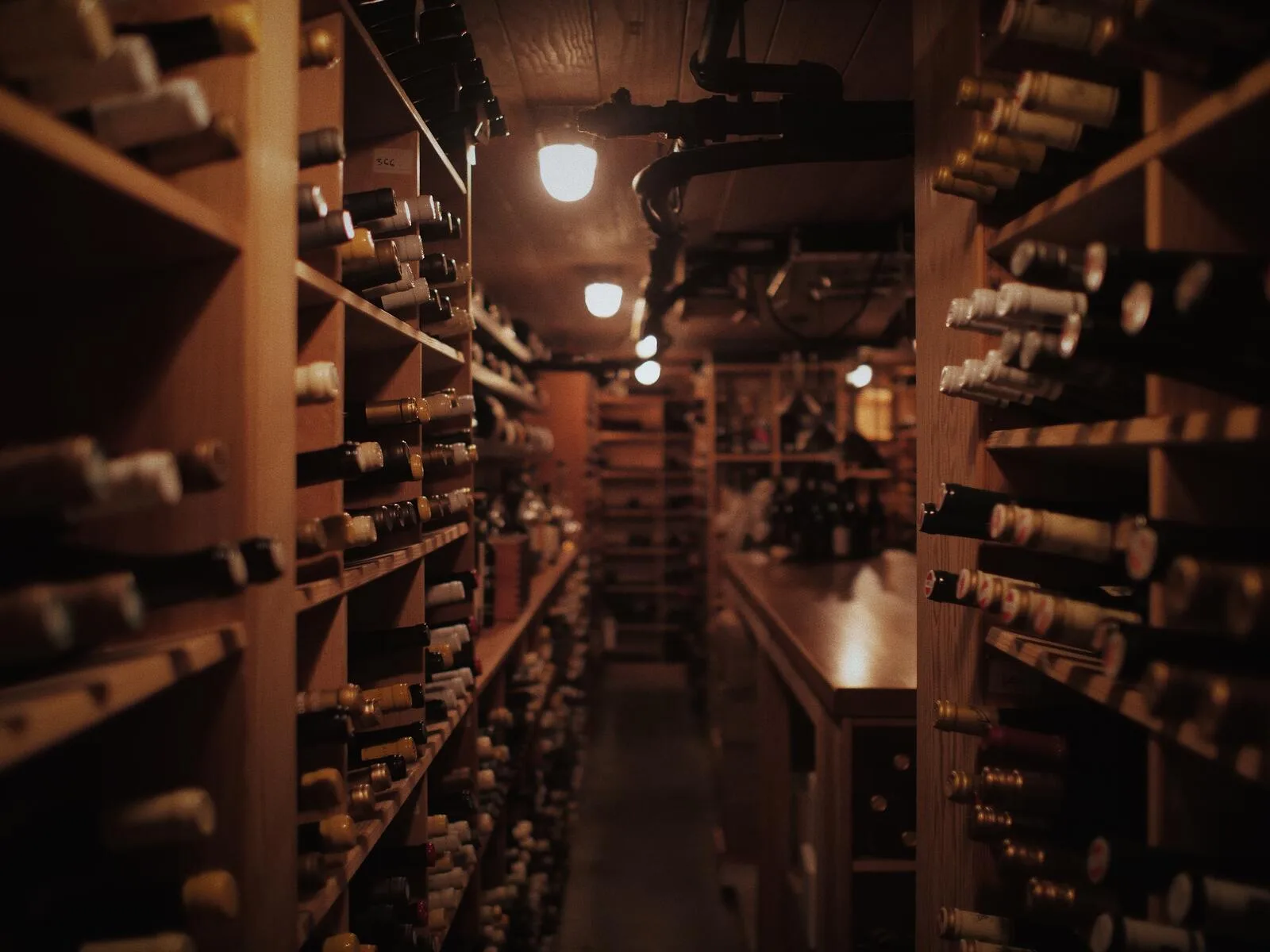
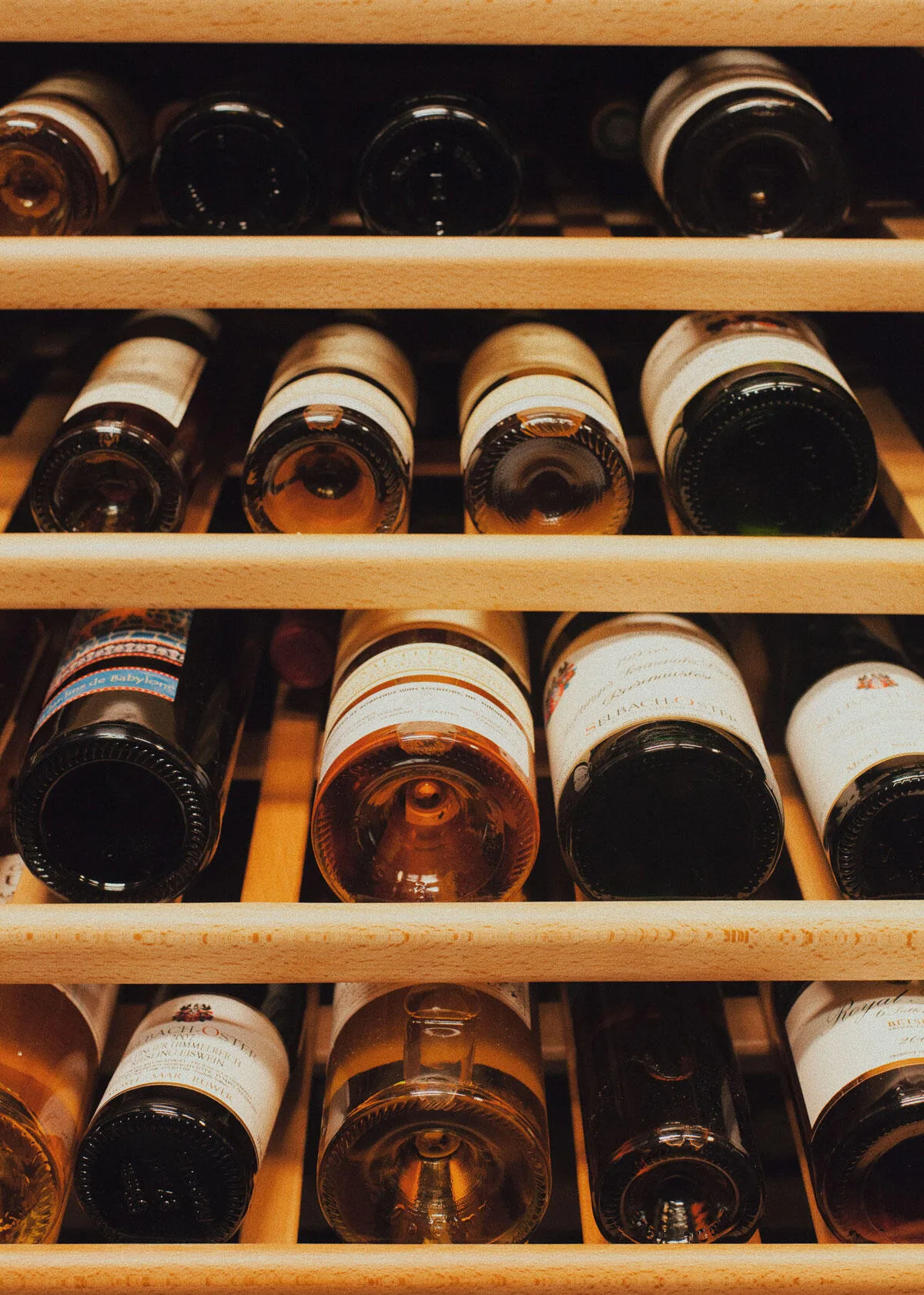
The wine program is in a category of its own. Canlis has held the Wine Spectator Grand Award every year since 1997 — 28 consecutive years — making it one of a handful of restaurants in the world trusted with that recognition for so long. In 2017 it also received the James Beard Award for Outstanding Wine Program. The cellar has hosted Château Latour, Penfolds, Cayuse, Angelo Gaja, and Maria López de Heredia, among others, and the team has helped train four Master Sommeliers. Wine Director Ally Lanoue leads a program that, for all its depth, prides itself on being approachable to anyone who simply wants a good bottle with dinner.
Coming to the Table
Canlis asks guests to dress the part — "you can't be overdressed, so go big" — and to arrive ready for a long, unhurried evening. The restaurant accommodates vegetarian, vegan, dairy-free, and gluten-free diets with advance notice. It is, by every measure, one of the rare American fine dining rooms where the formality feels earned rather than imposed, and where seventy-five years of accumulated care is present in every detail.
Recognition
Awards & accolades
Ambience
A glimpse inside

Location
Find us
2576 Aurora Ave. N., Seattle, WashingtonSeattle, United States of America
2062833313
reservations@canlis.com
Visit website
 Instagram