
The story
Crafted with passion, served with love
The Philosophy Behind the Counter
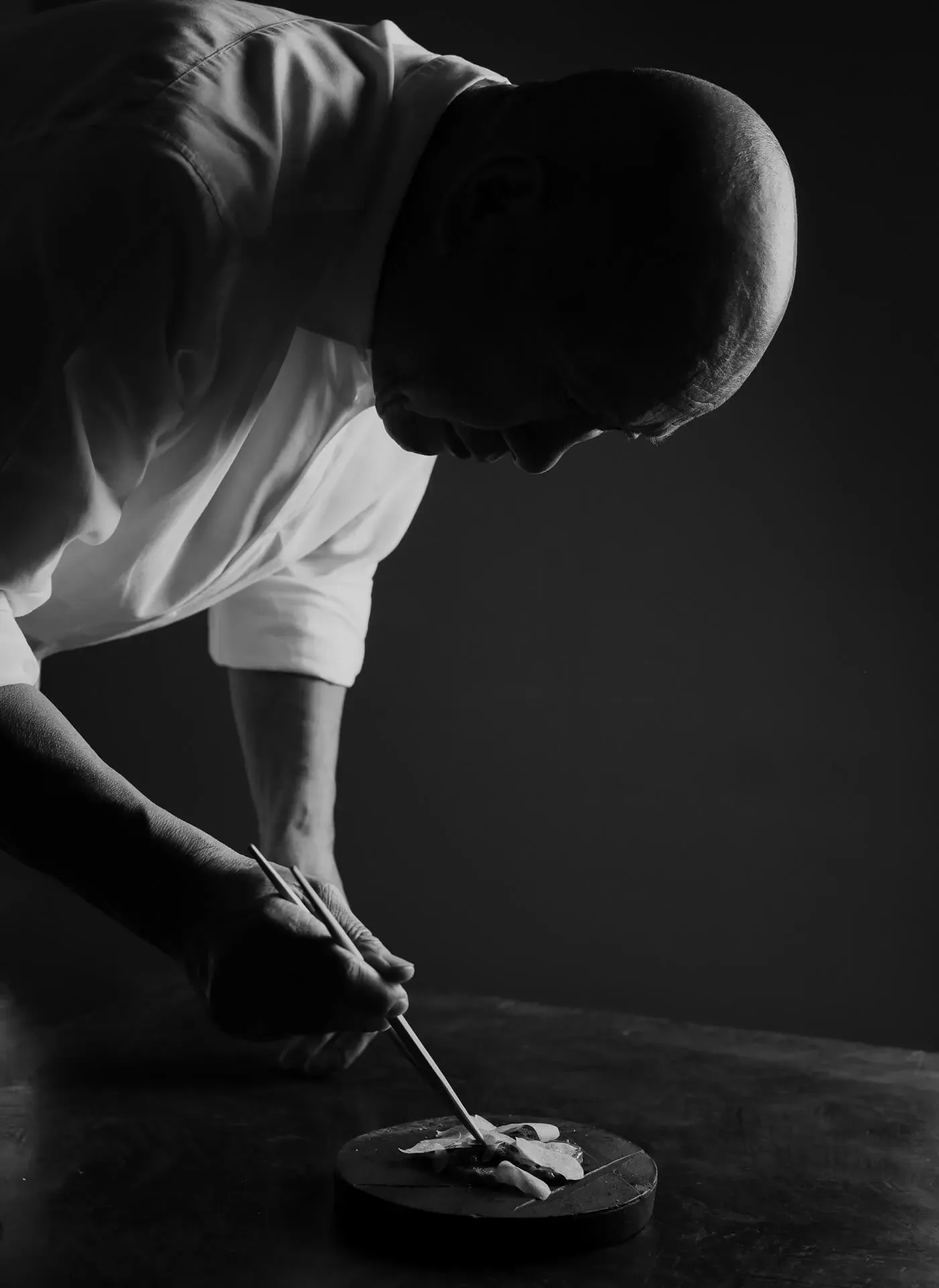
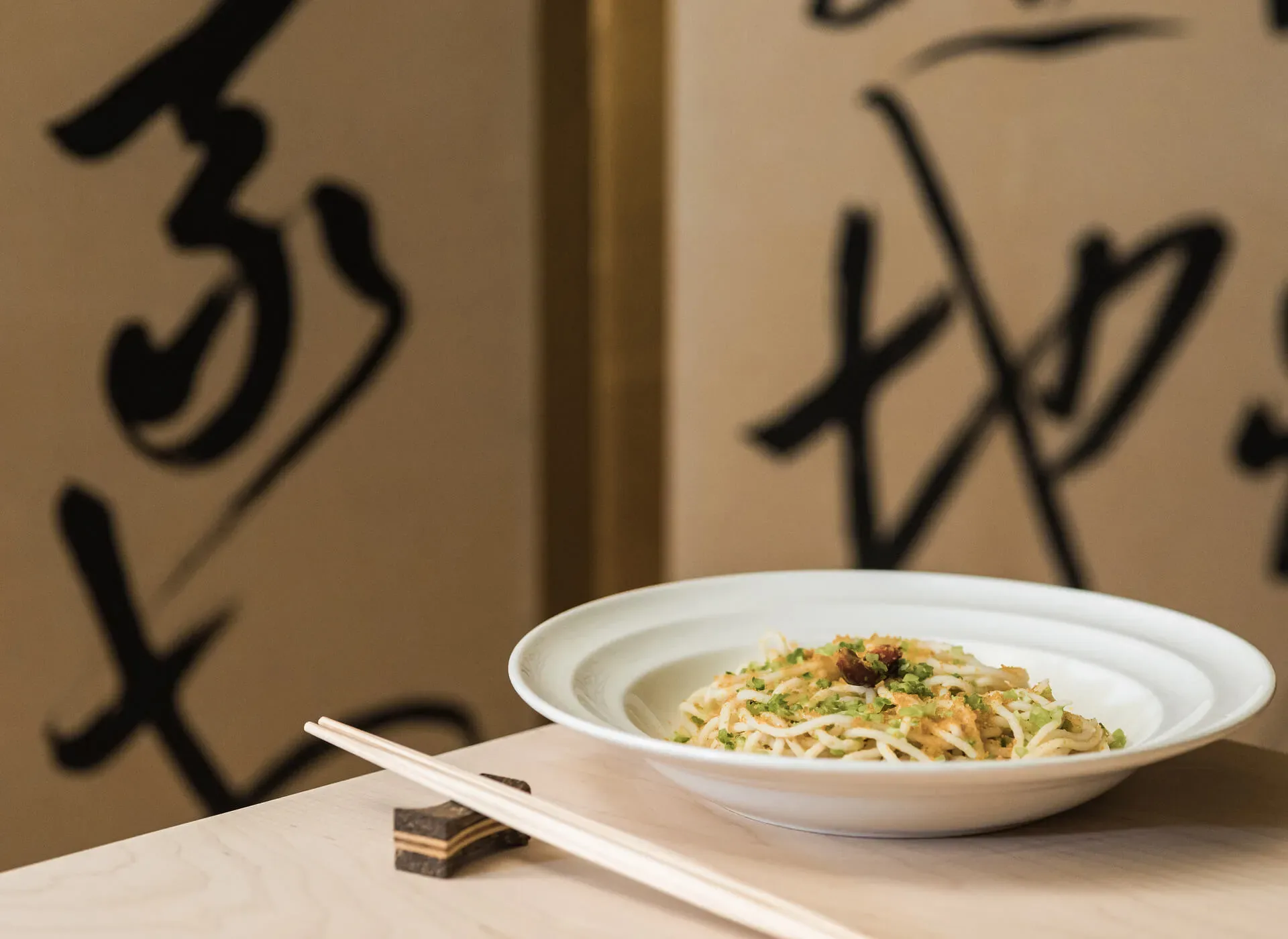
At Masa, on the fourth floor of the Shops at Columbus Circle, everything is guided by a single Japanese concept: shibui — complexity refined to simplicity, refined beauty untouched by time or trend. It is the animating principle behind every decision Chef Masayoshi Takayama makes, from the way a piece of fish is sliced to the vessels on which it is plated.
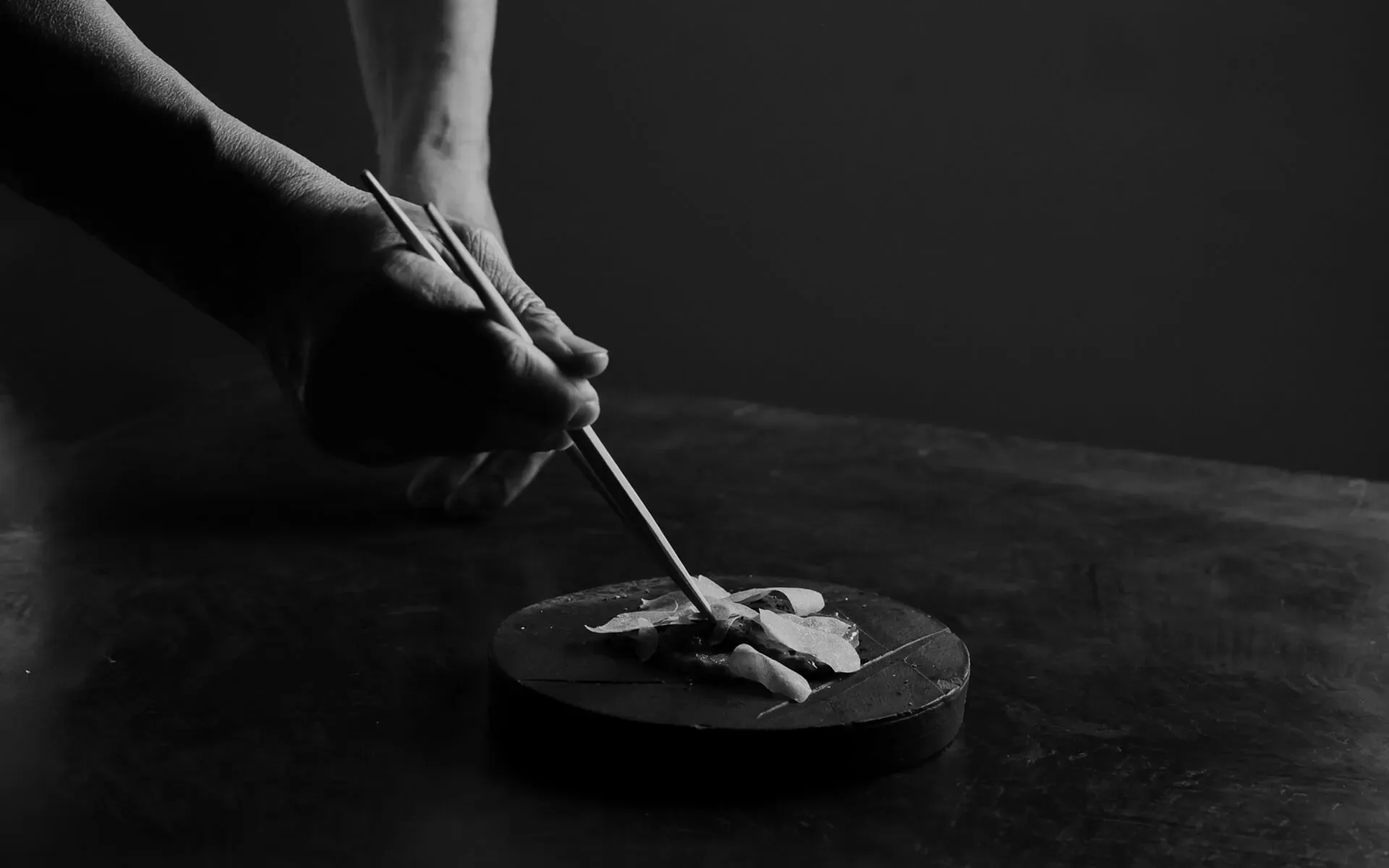
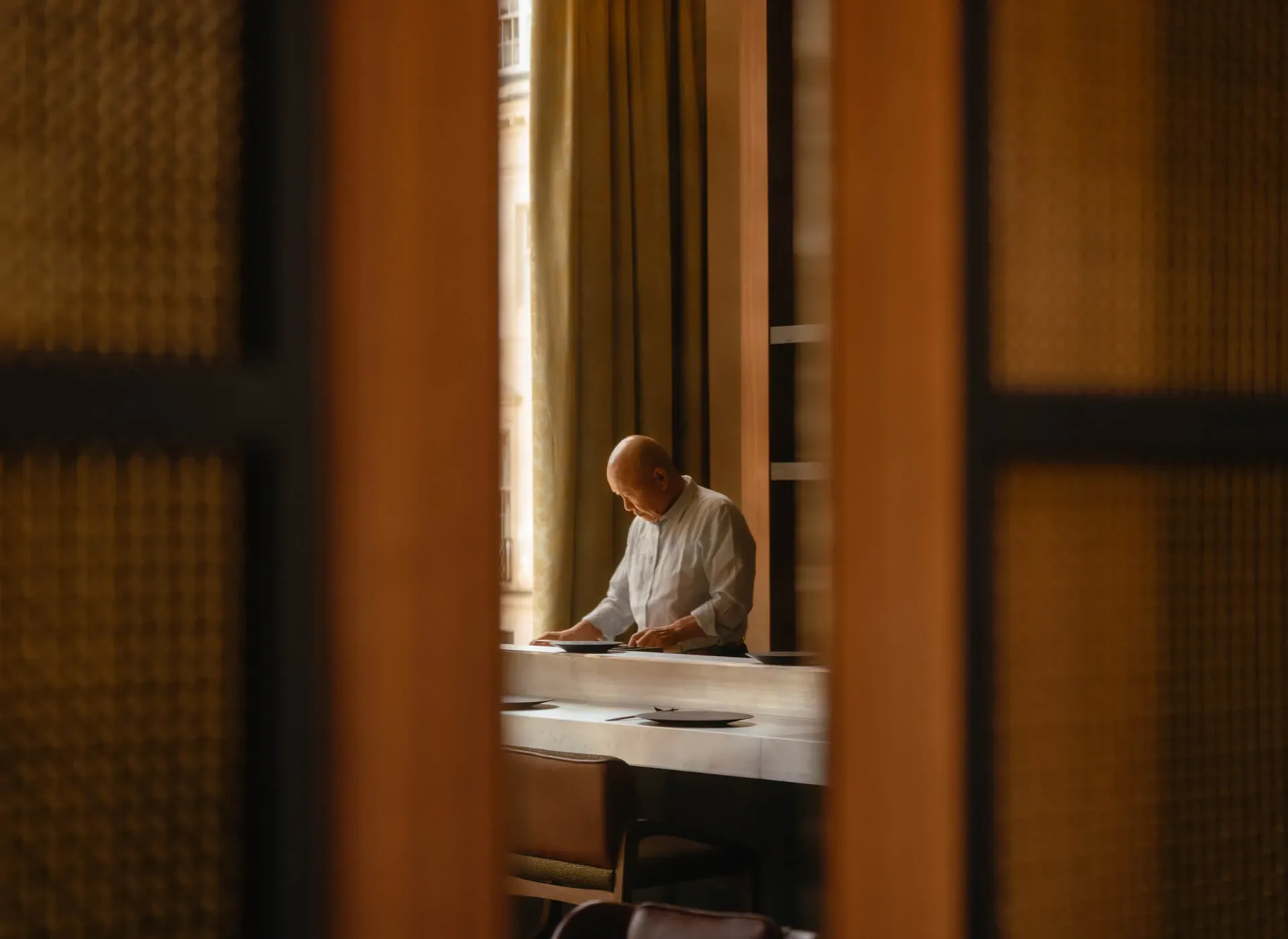
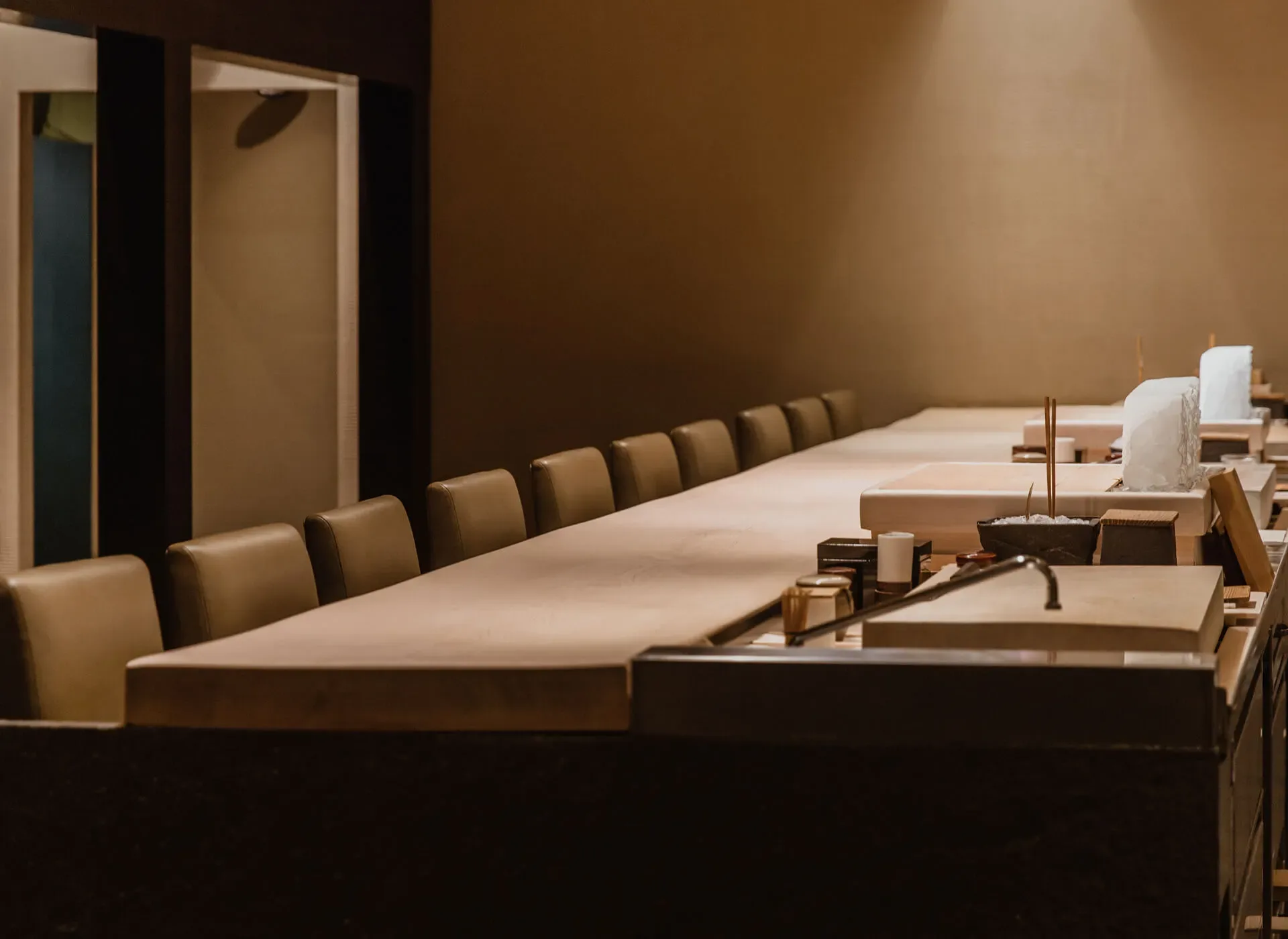
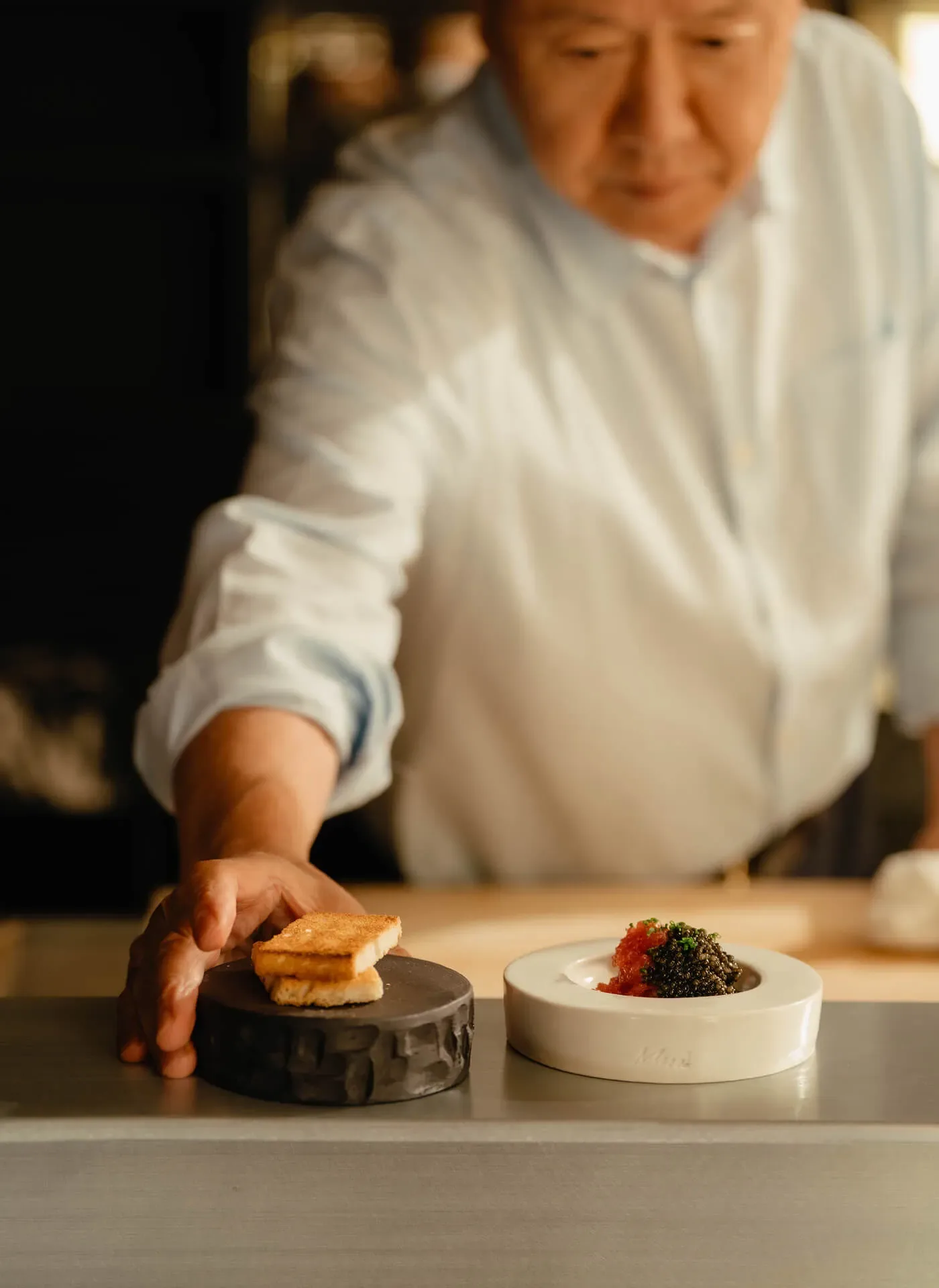
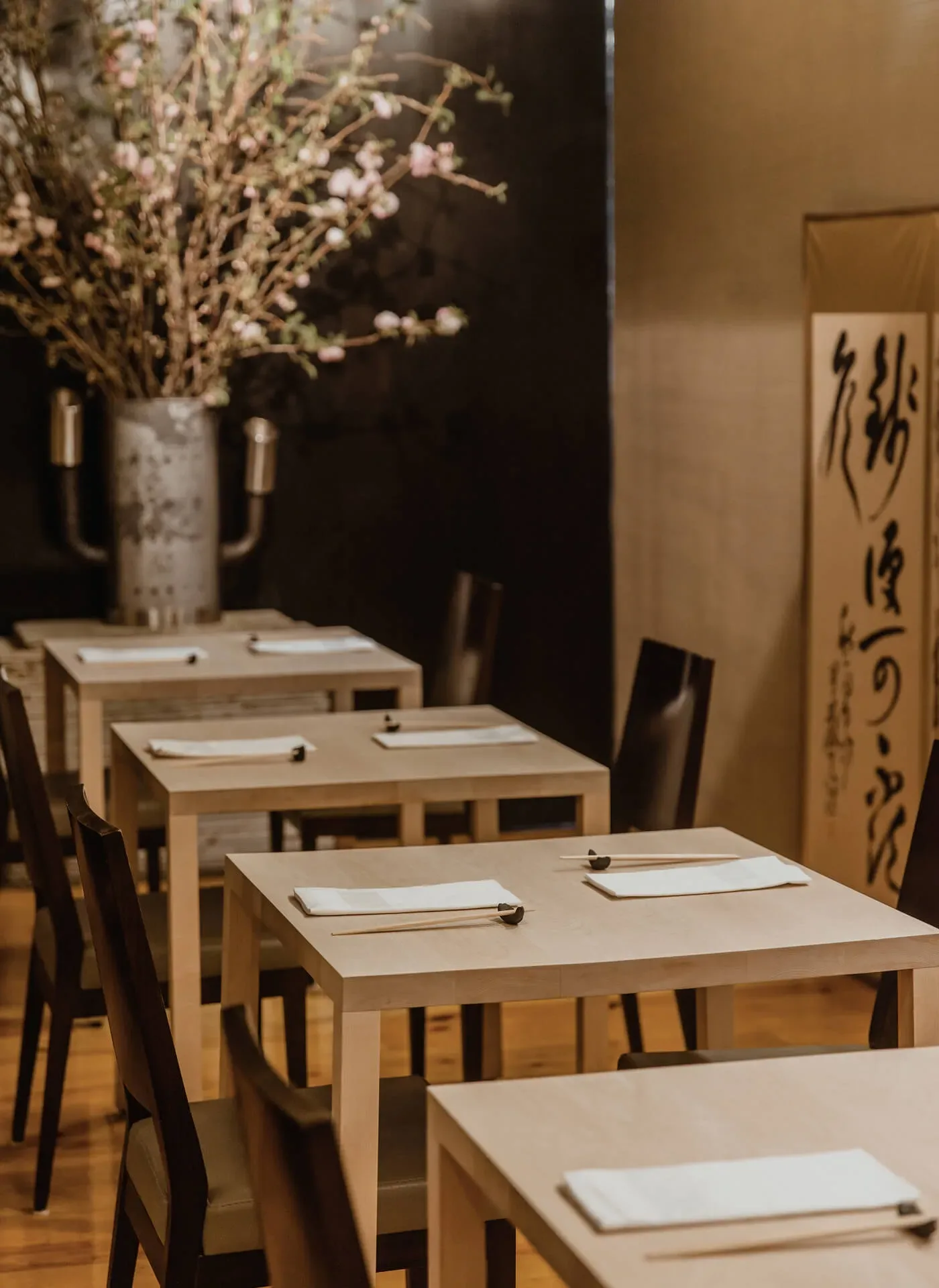
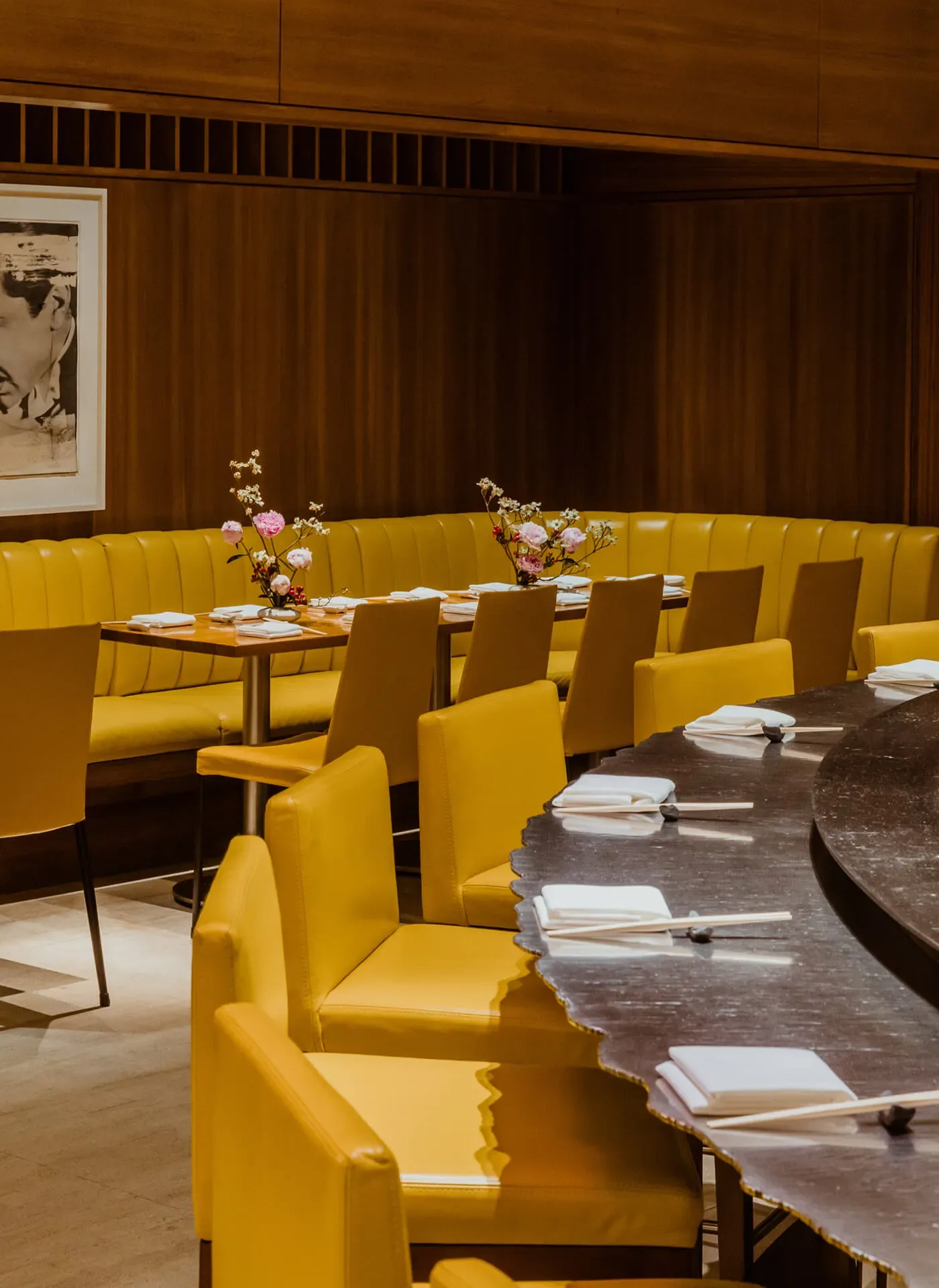
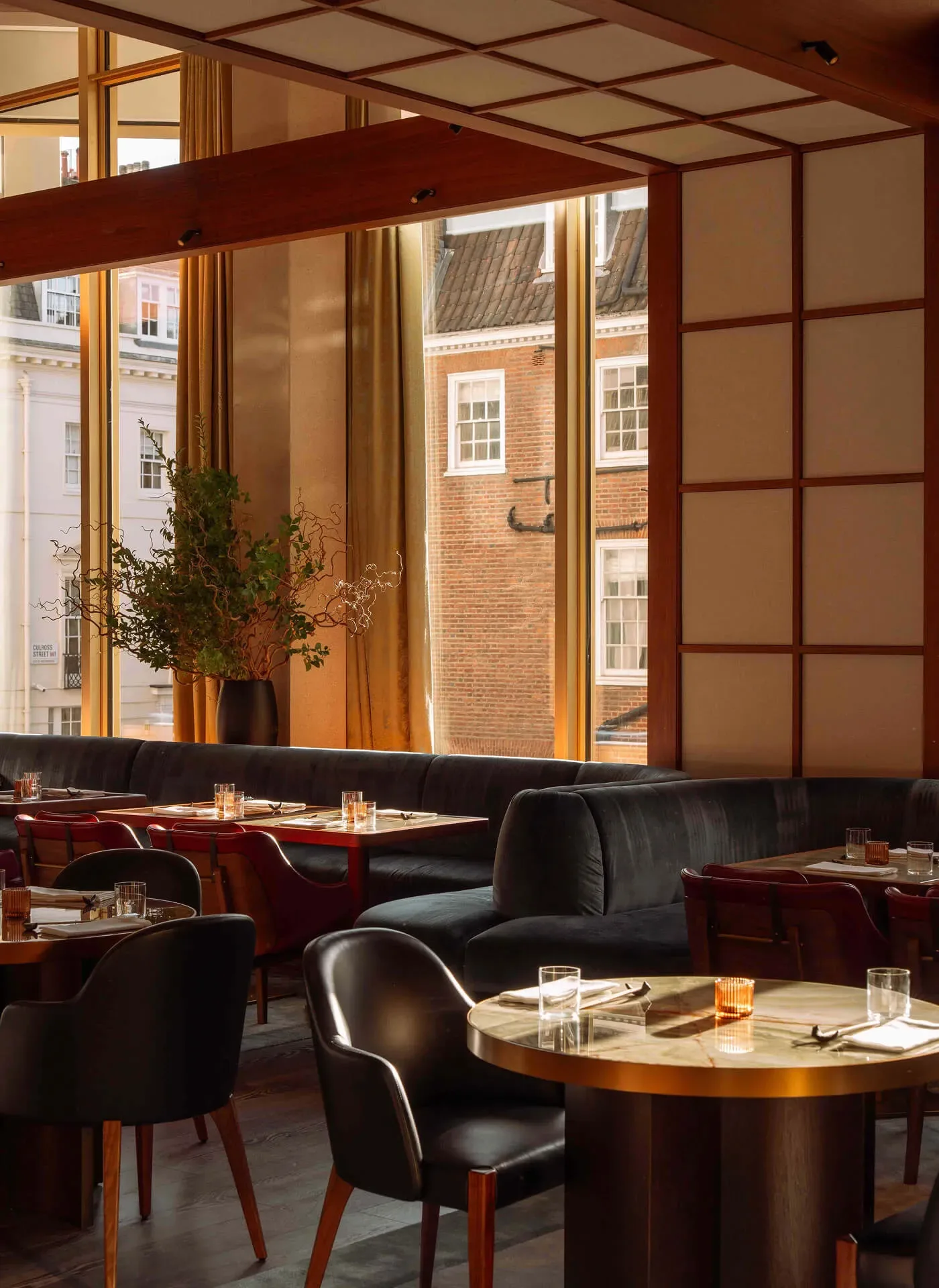
The room itself embodies this restraint. Decor is intentionally minimal, a blank canvas designed to give the food space to exist on its own terms. At the center of it all sits the sushi counter — a single solid piece of hinoki wood, sanded daily to a soft, porous finish that is as much tactile as it is visual. Seasonal branches are arranged each day to reflect nature's imperfections. The Forbes Travel Guide, which awards Masa its Five-Star distinction, singles out those ten oversized leather chairs at the hinoki bar as the best seats in the house — a place where guests watch the sushi chefs work and are sometimes served nigiri directly from the chef's hand.
A Life Shaped by Fish and Precision
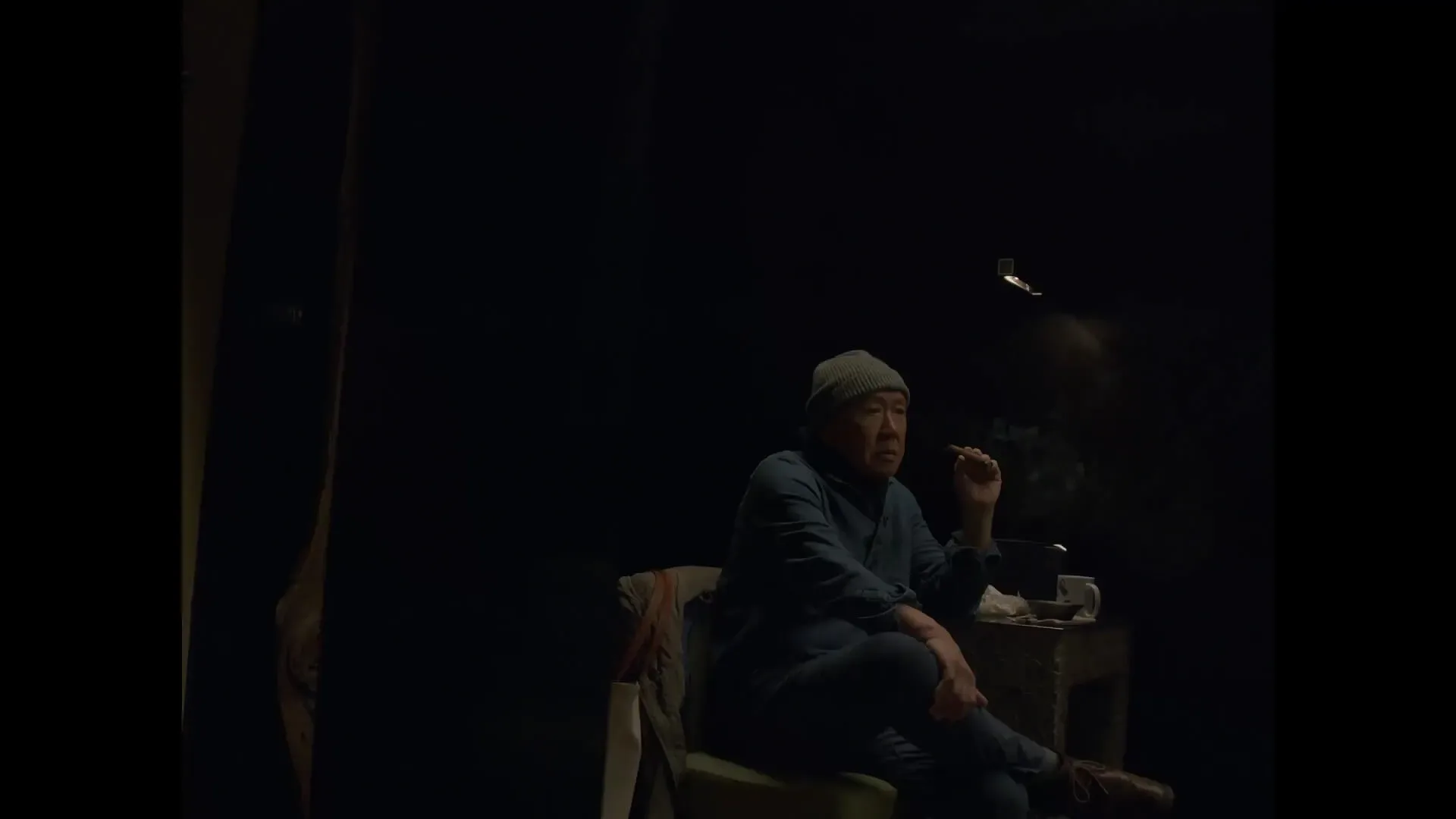
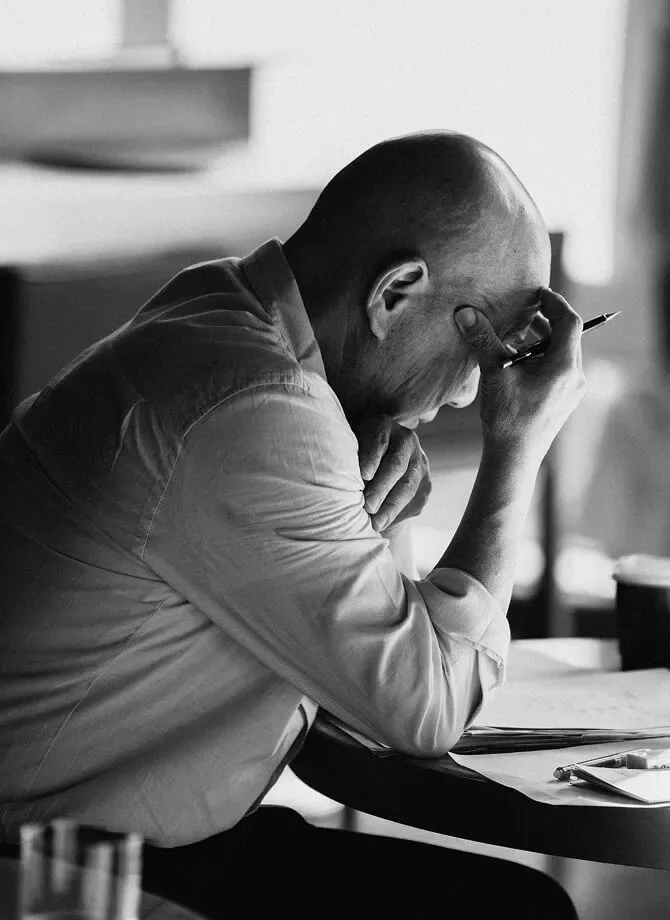
Masayoshi Takayama grew up in Tochigi Prefecture, Japan, in a family that ran a fish shop and catering business. As a boy he delivered fresh sashimi to neighbors by bicycle; in high school he helped prepare multi-course meals for weddings. He initially aimed to become a surgeon — a detail that feels apt, given the precision that defines his cooking. Instead, after high school, he apprenticed for eight years at the renowned Ginza Sushiko in Tokyo, absorbing the full rigour of traditional Japanese technique.
A 1978 visit to Los Angeles changed his trajectory. He relocated to the United States in 1980, opened his first restaurant there, and eventually built Ginza Sushiko in Beverly Hills into one of the city's most celebrated omakase destinations. In 2004, he brought his vision to New York, opening Masa in what was then the Time Warner Center. It became the first Japanese restaurant in the United States to receive three Michelin stars.
What the Omakase Offers
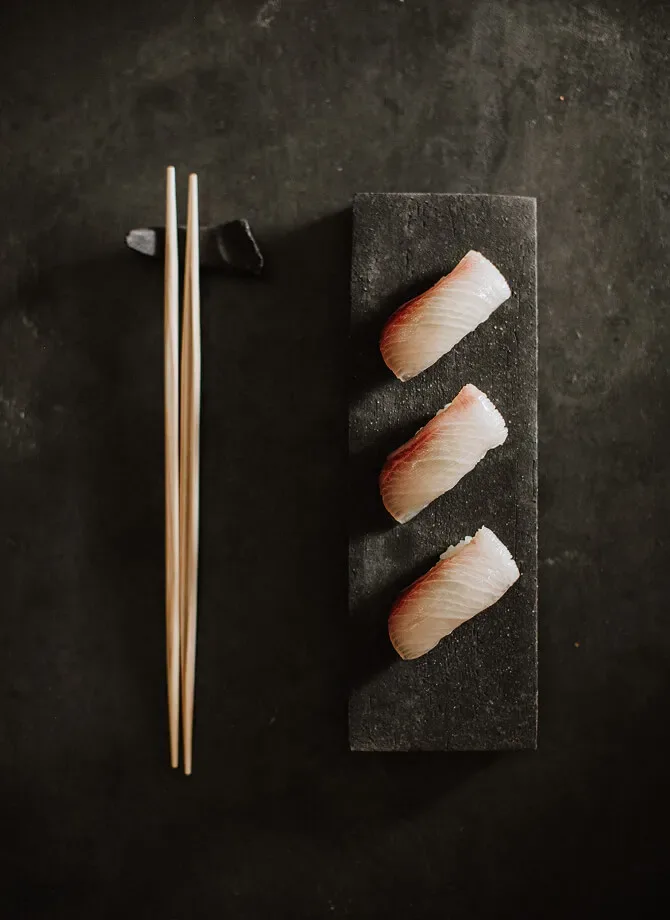
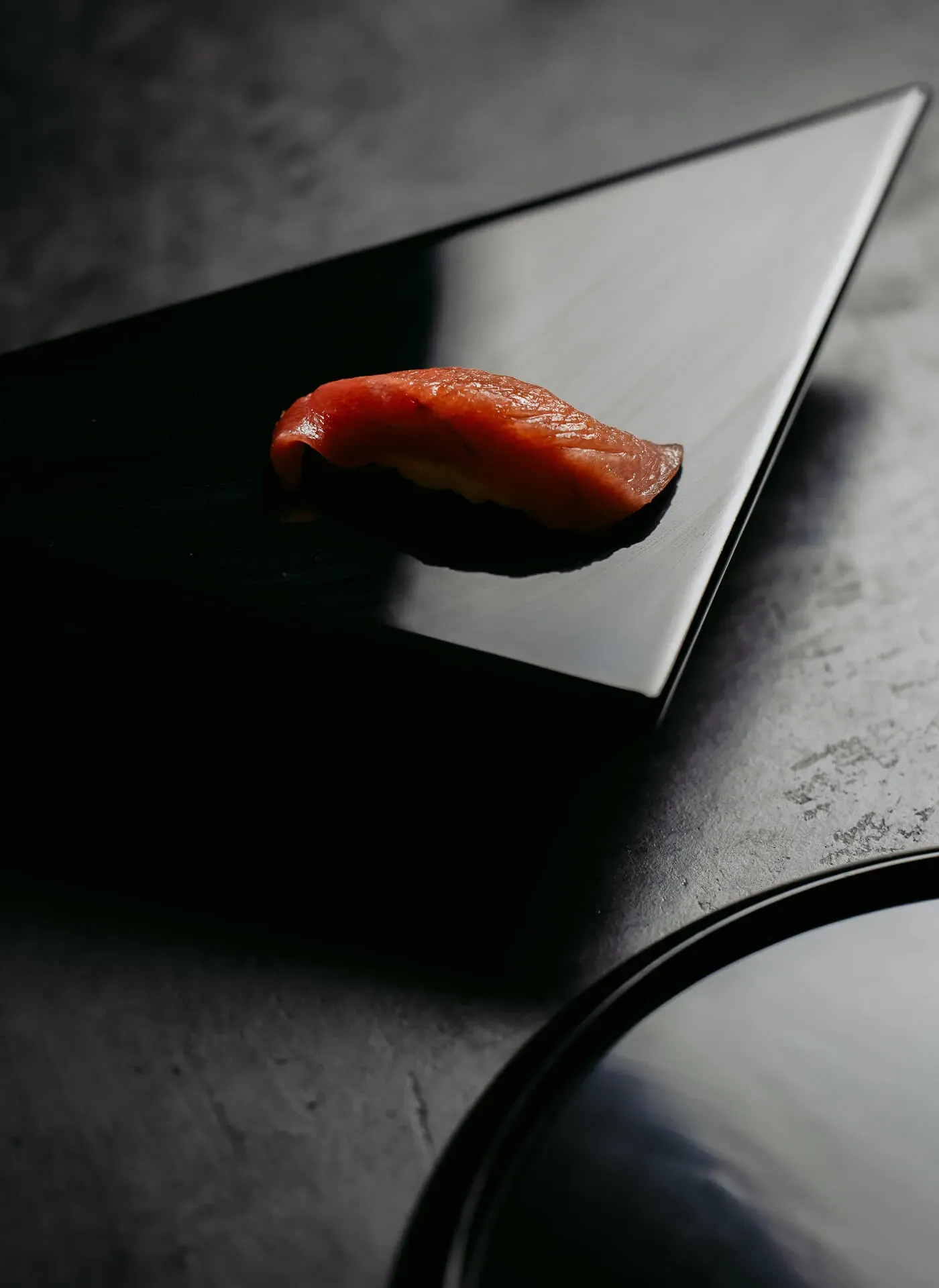
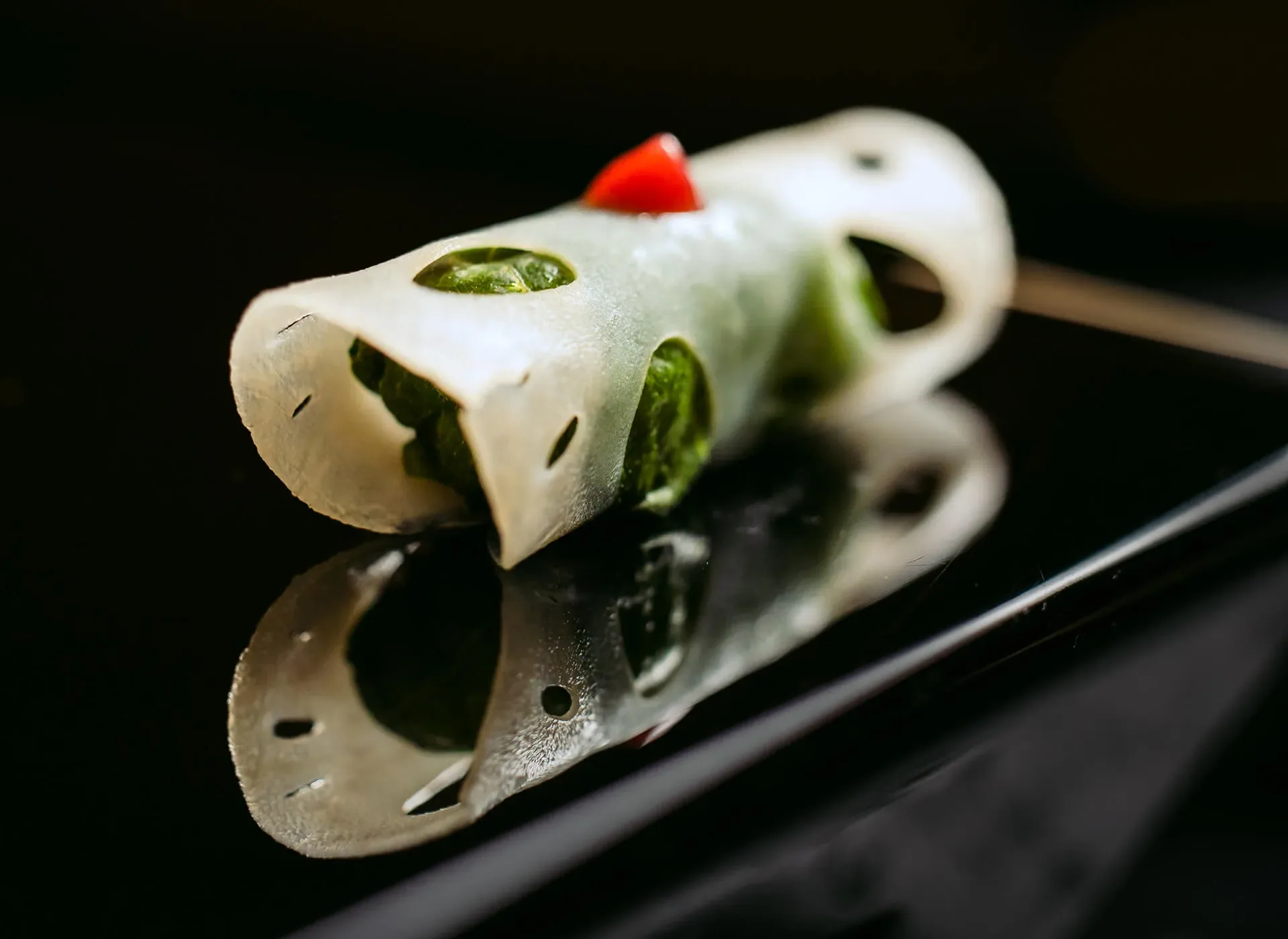
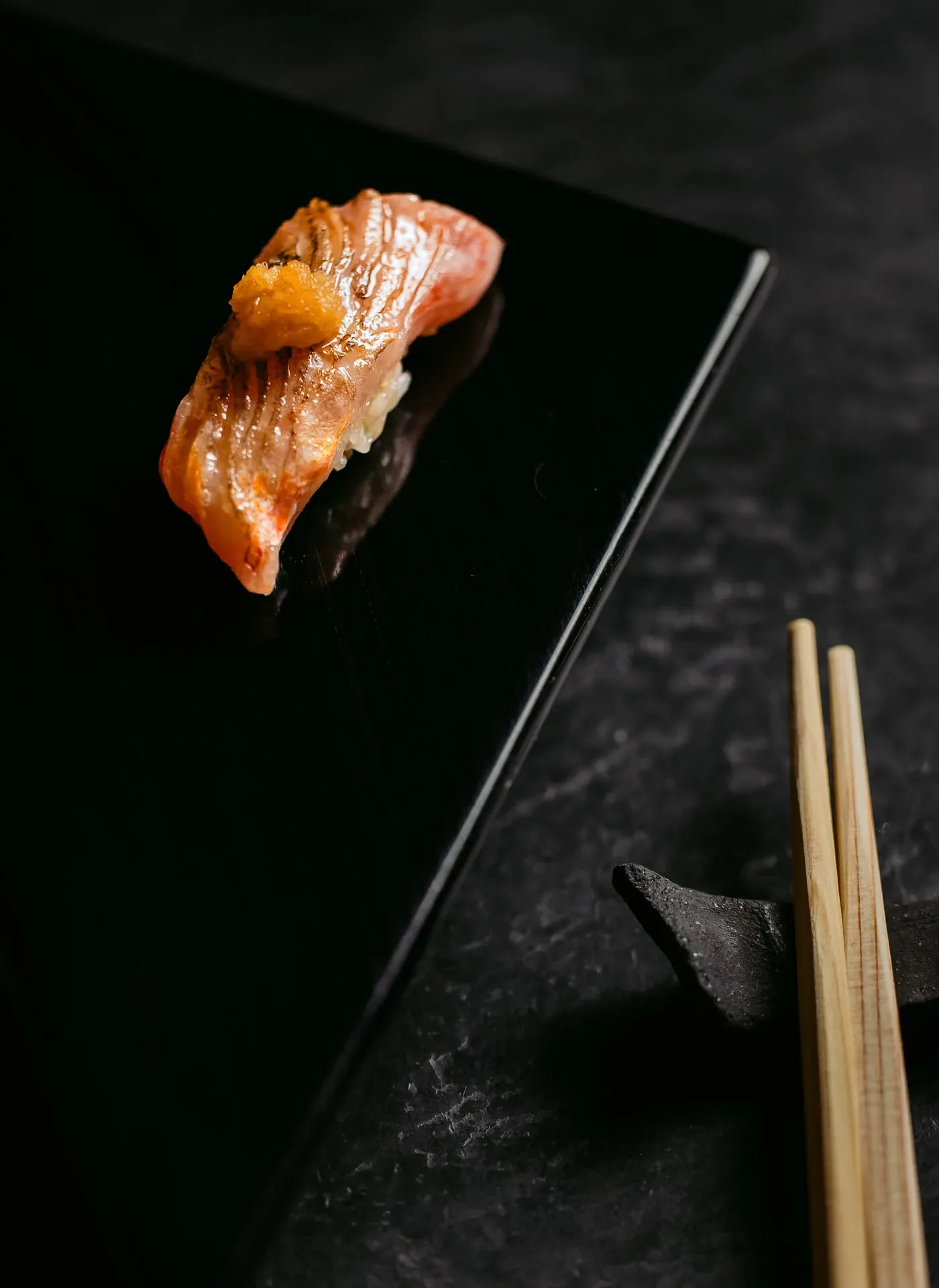
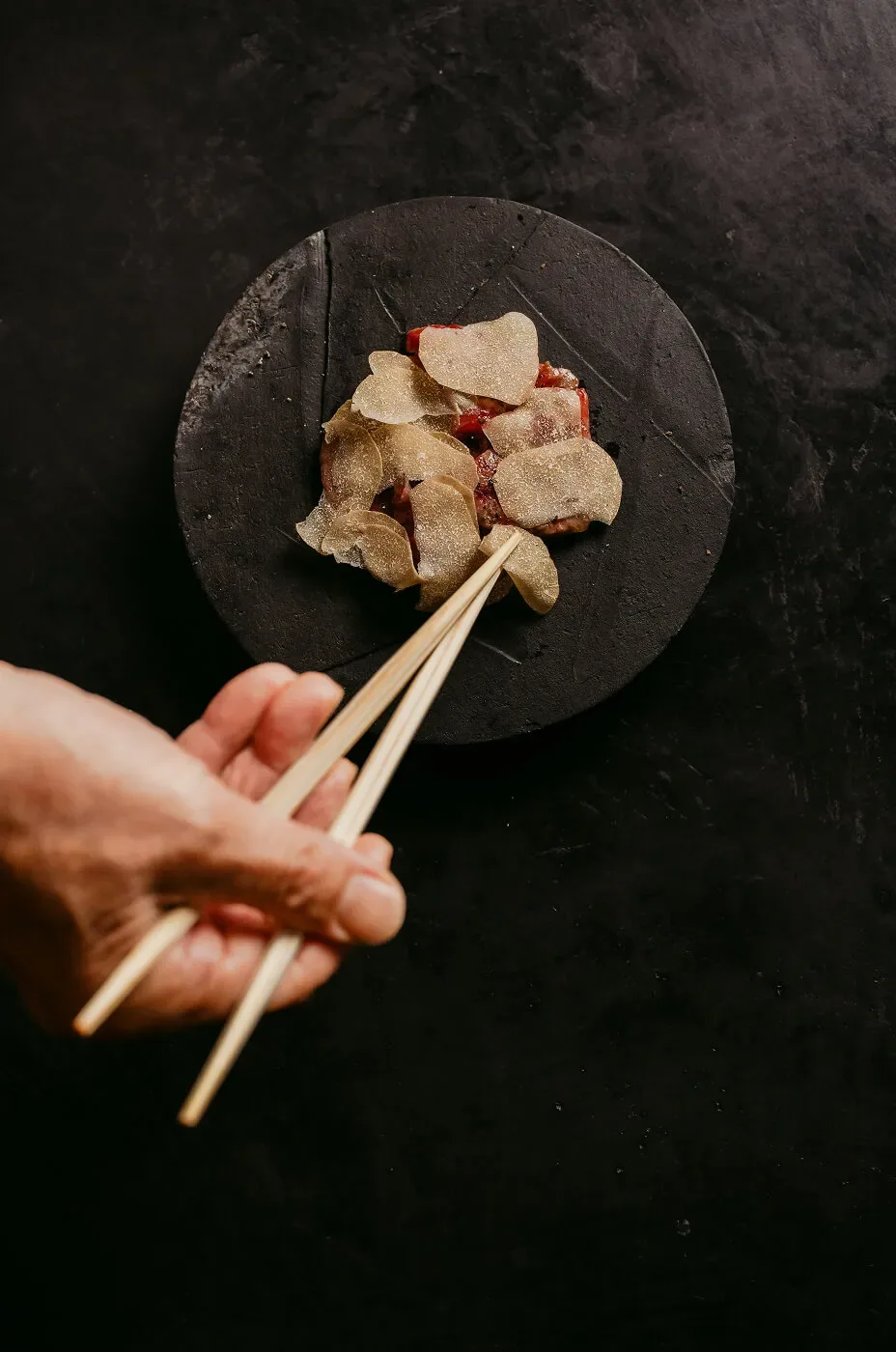
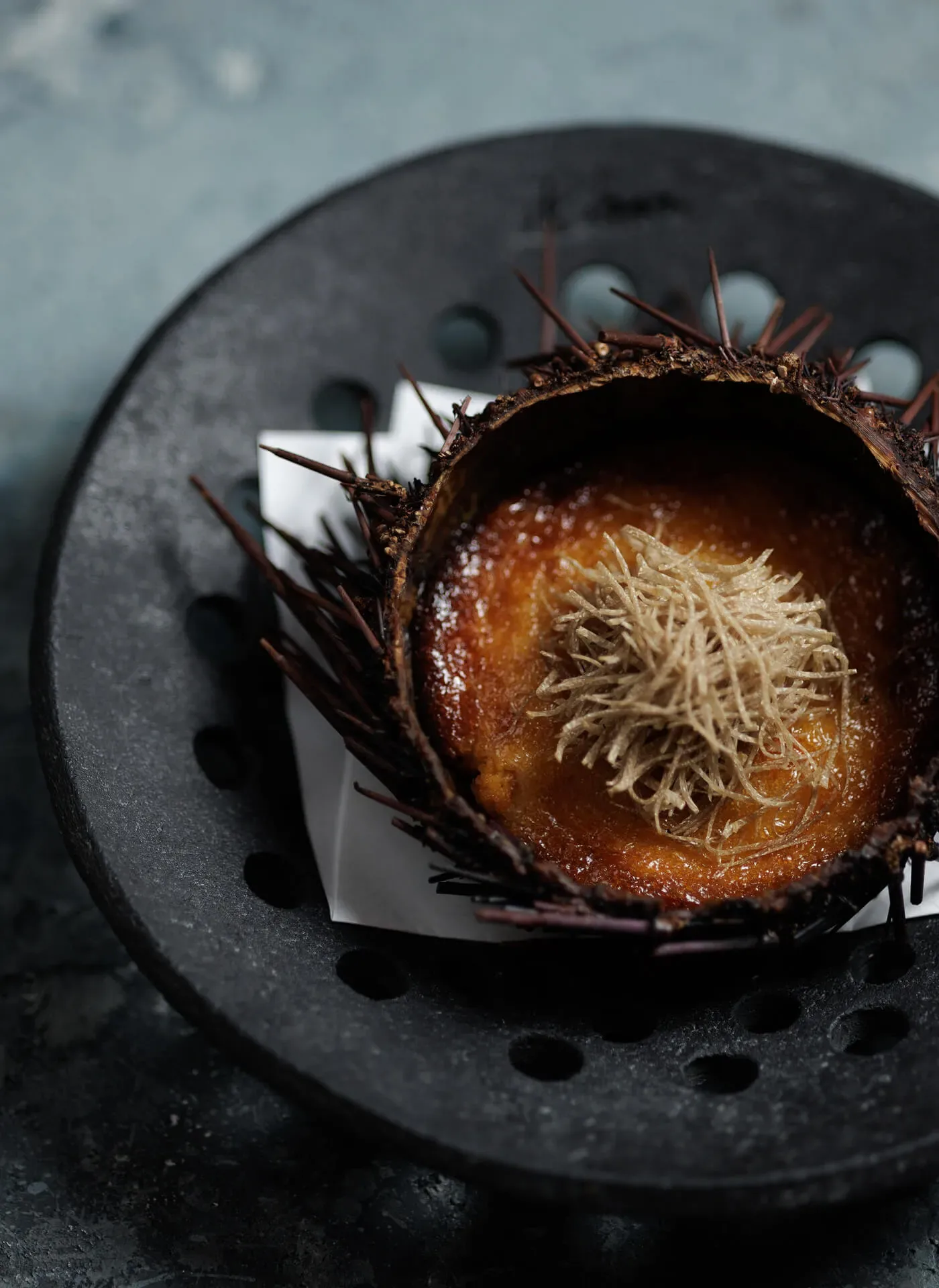
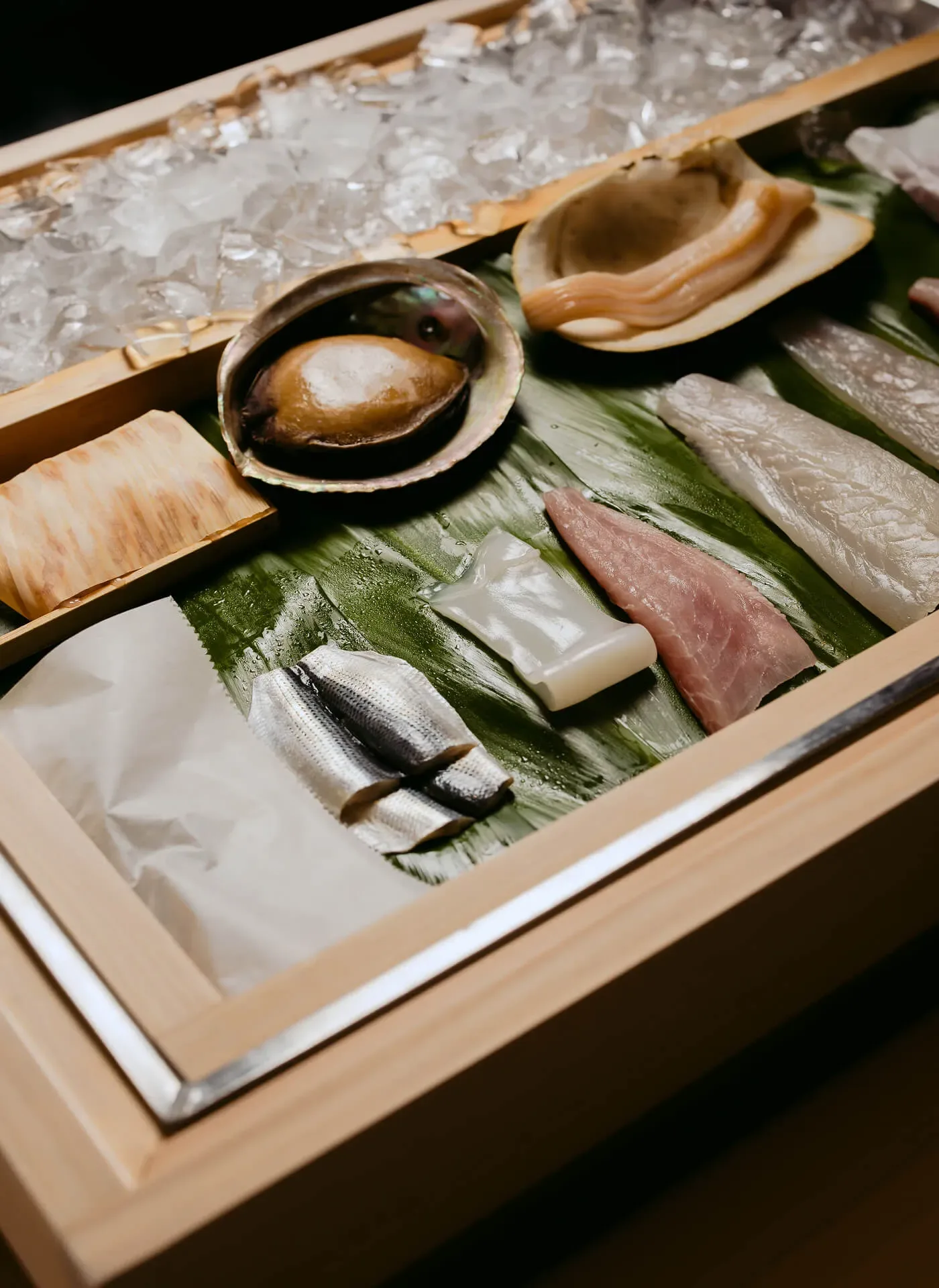
Masa is omakase-only, with two distinct formats. The Hinoki Counter Experience seats guests directly at the bar, where a sushi chef guides the meal in person. The Classic Omakase places guests in the main dining room with a dedicated service team. Both follow the same arc: five to six small appetizers, fifteen to seventeen pieces of sushi, and a light seasonal fruit dessert. Every course responds to what is freshest and most expressive at that moment, built around raw seafood — primarily sushi and sashimi — with ingredients considered for texture, color, and flavor in equal measure.
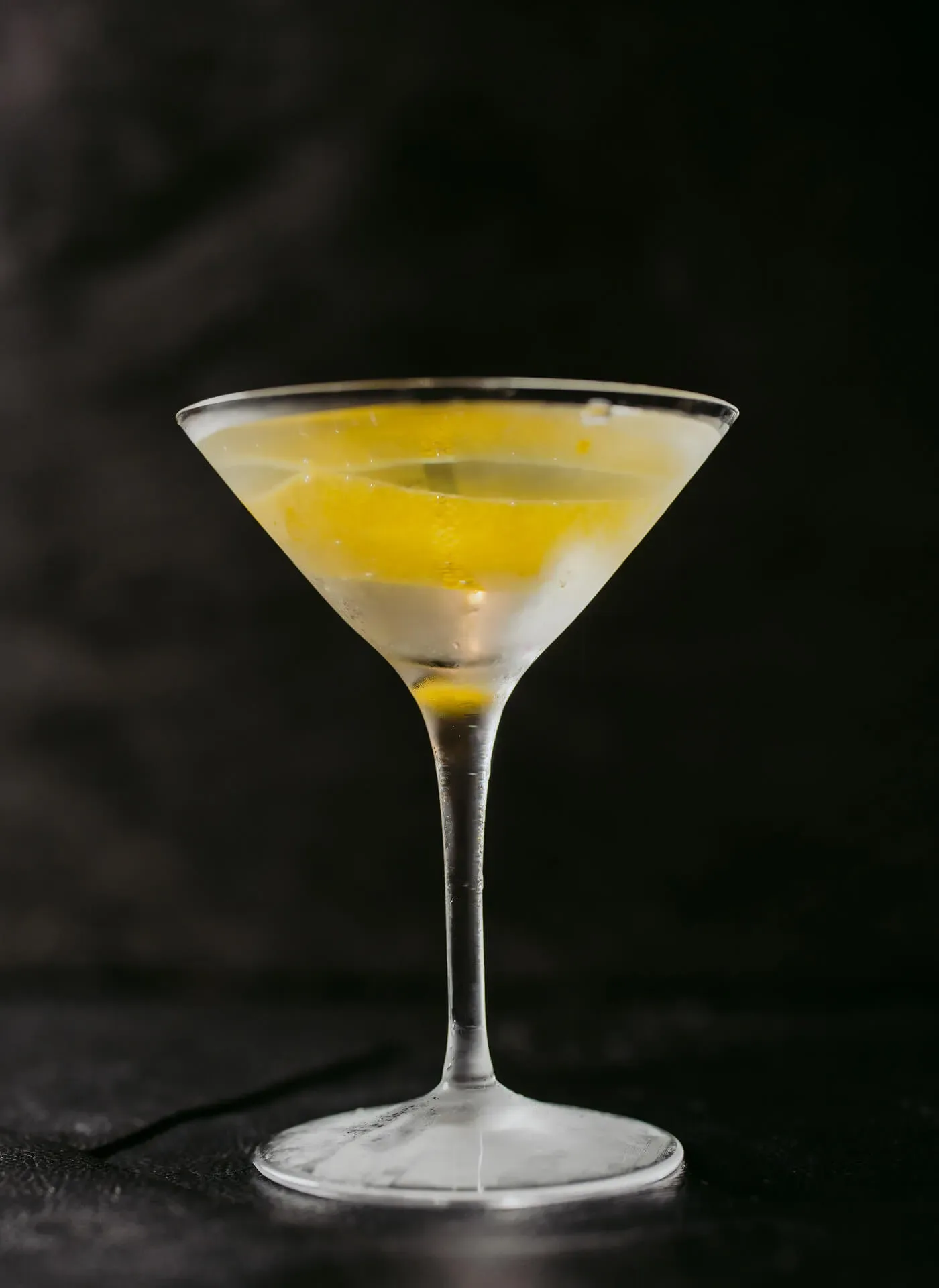
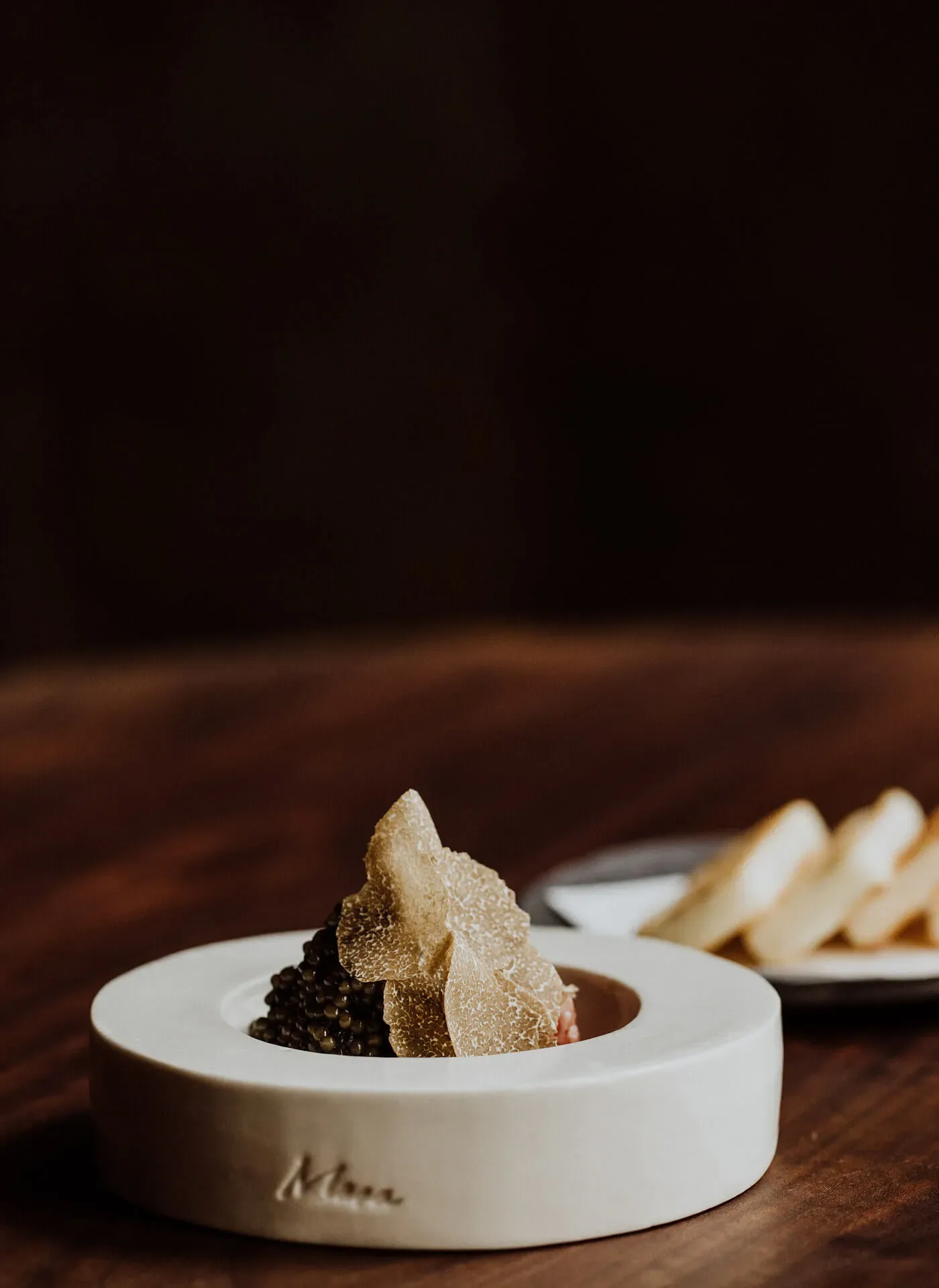
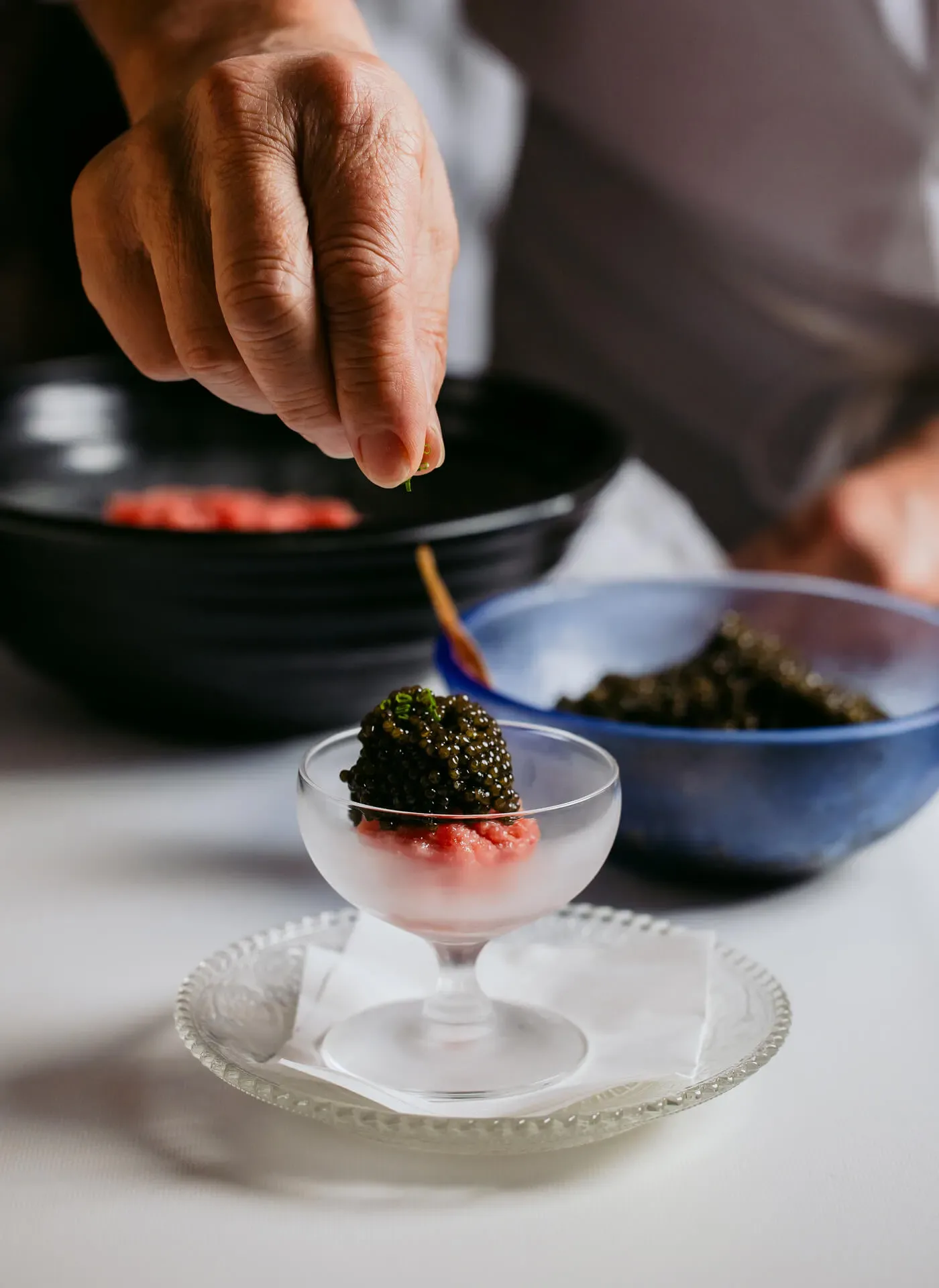
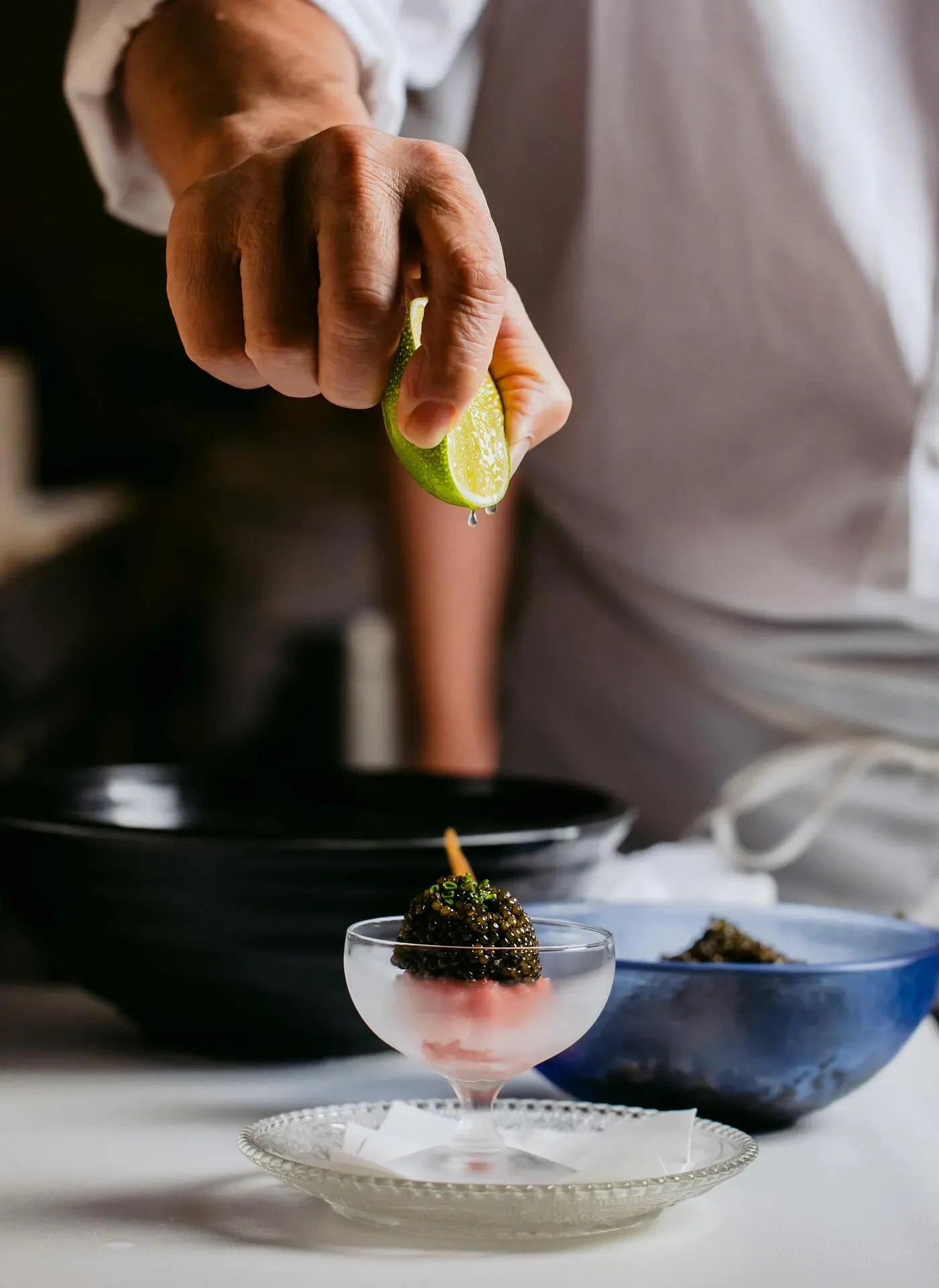
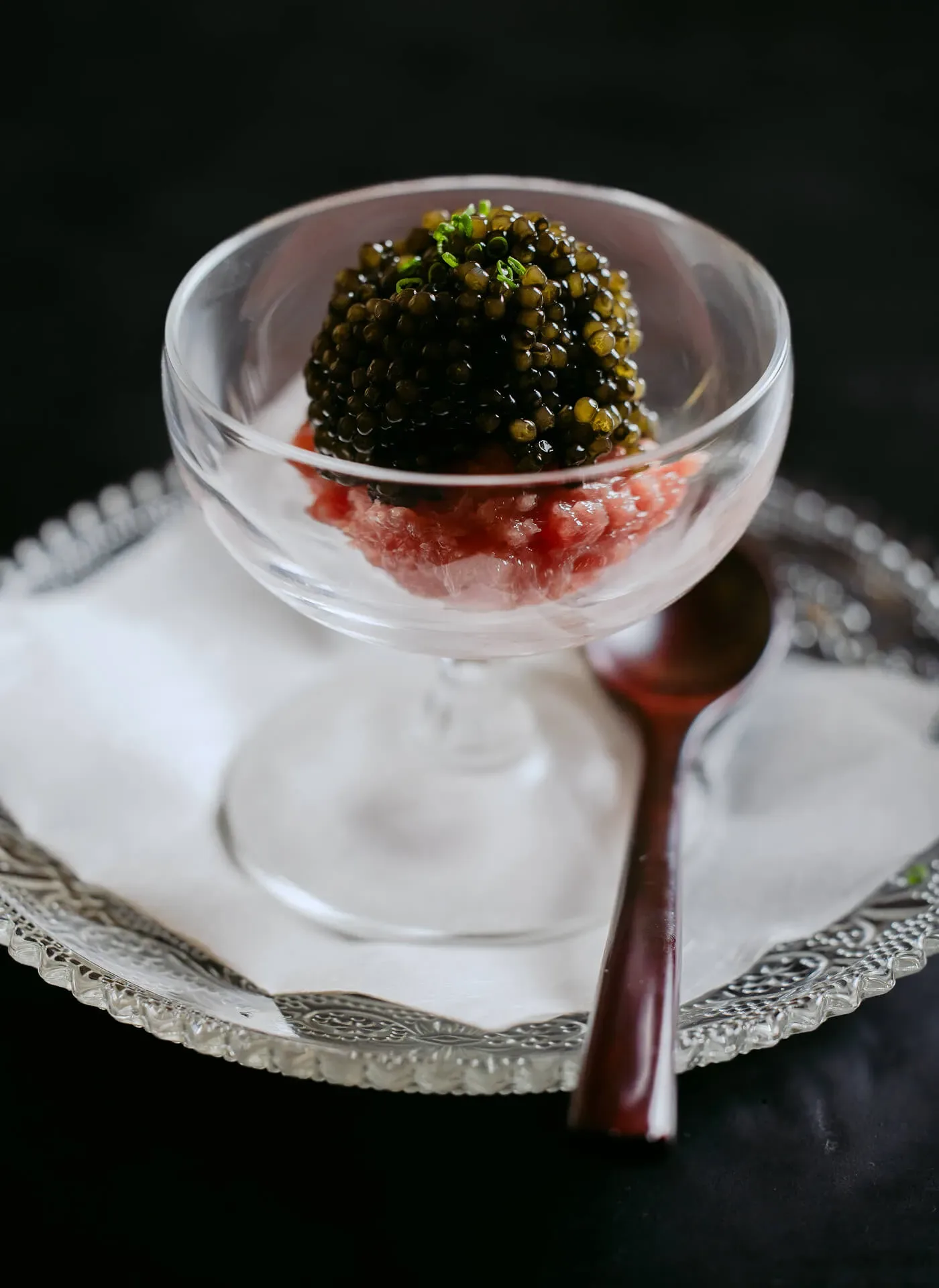
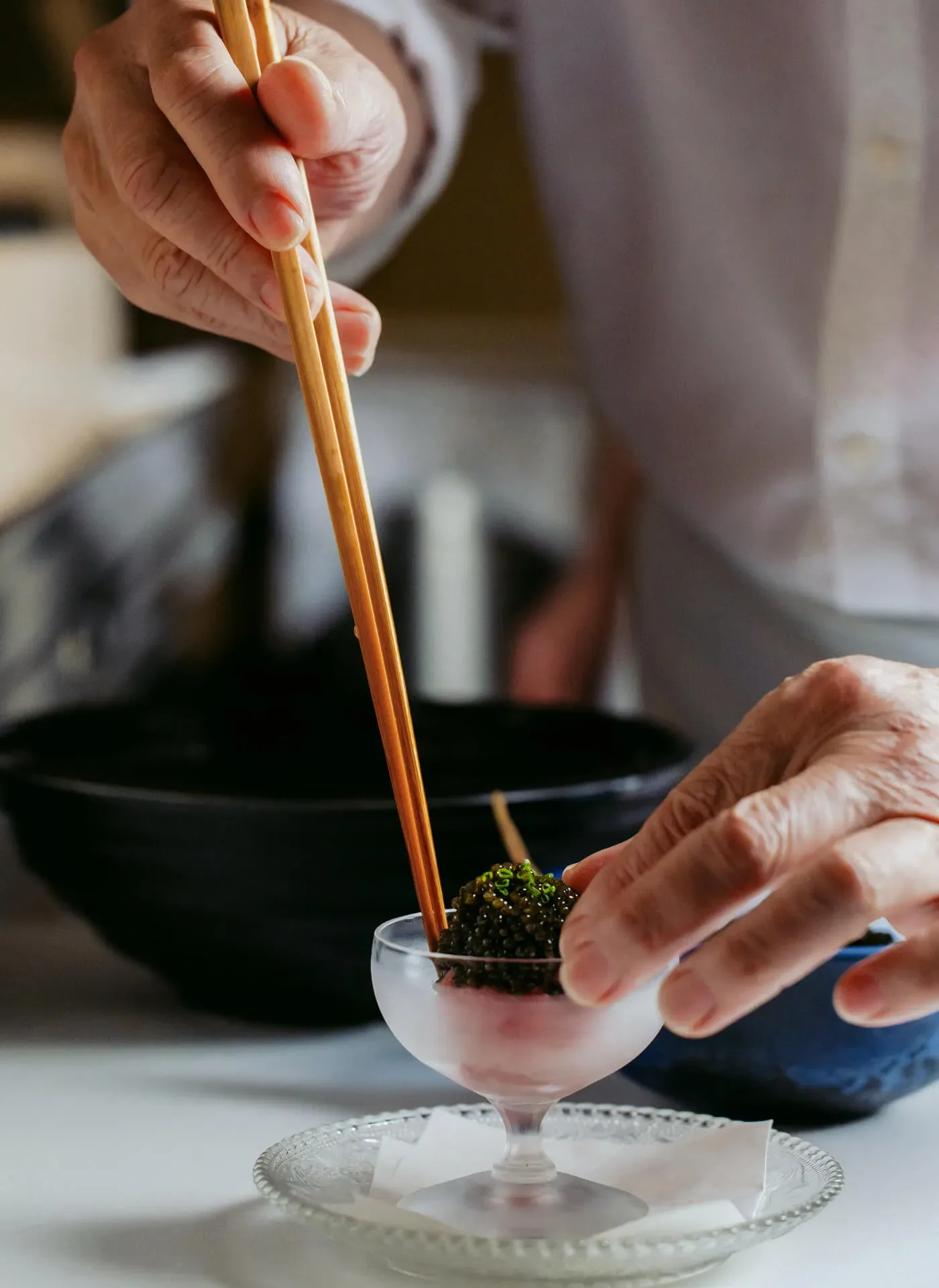
A signature constant is the Toro Tartare Caviar, which anchors the lunch omakase. The Forbes Five-Star evaluation notes the rice as a particular revelation: served lukewarm, the sticky grains are finished with white truffles, and the slight temperature contrast with cold fish gives the rice a creamy, almost revelatory texture. The beverage program — featuring rare sakes, a seasonally updated wine list, and signature cocktails — is curated to move in step with the food.
Chef Takayama's own words frame the ethos precisely: "Do one thing, fully. Do it well, for its own sake." At Masa, that instruction is followed without exception.
Recognition
Awards & accolades
Ambience
A glimpse inside
Location
Find us
10 Columbus Circle, New York, New York 10019New York City, United States of America
212-823-9800
reservation@masanyc.com
Visit website
 Instagram