
The story
Crafted with passion, served with love
A Living Piece of New Orleans History
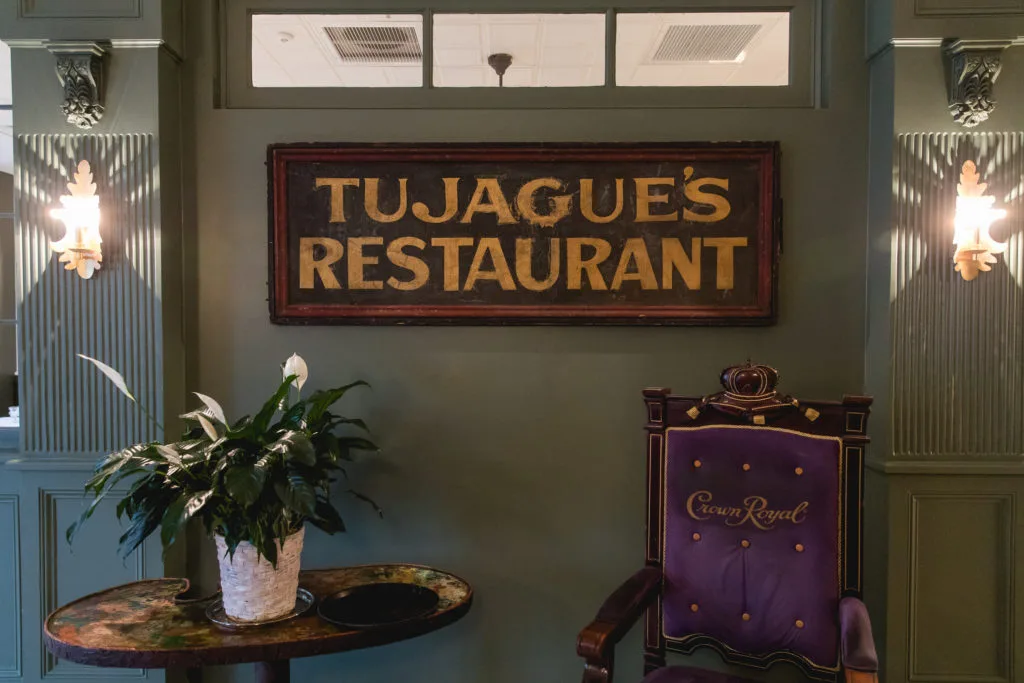
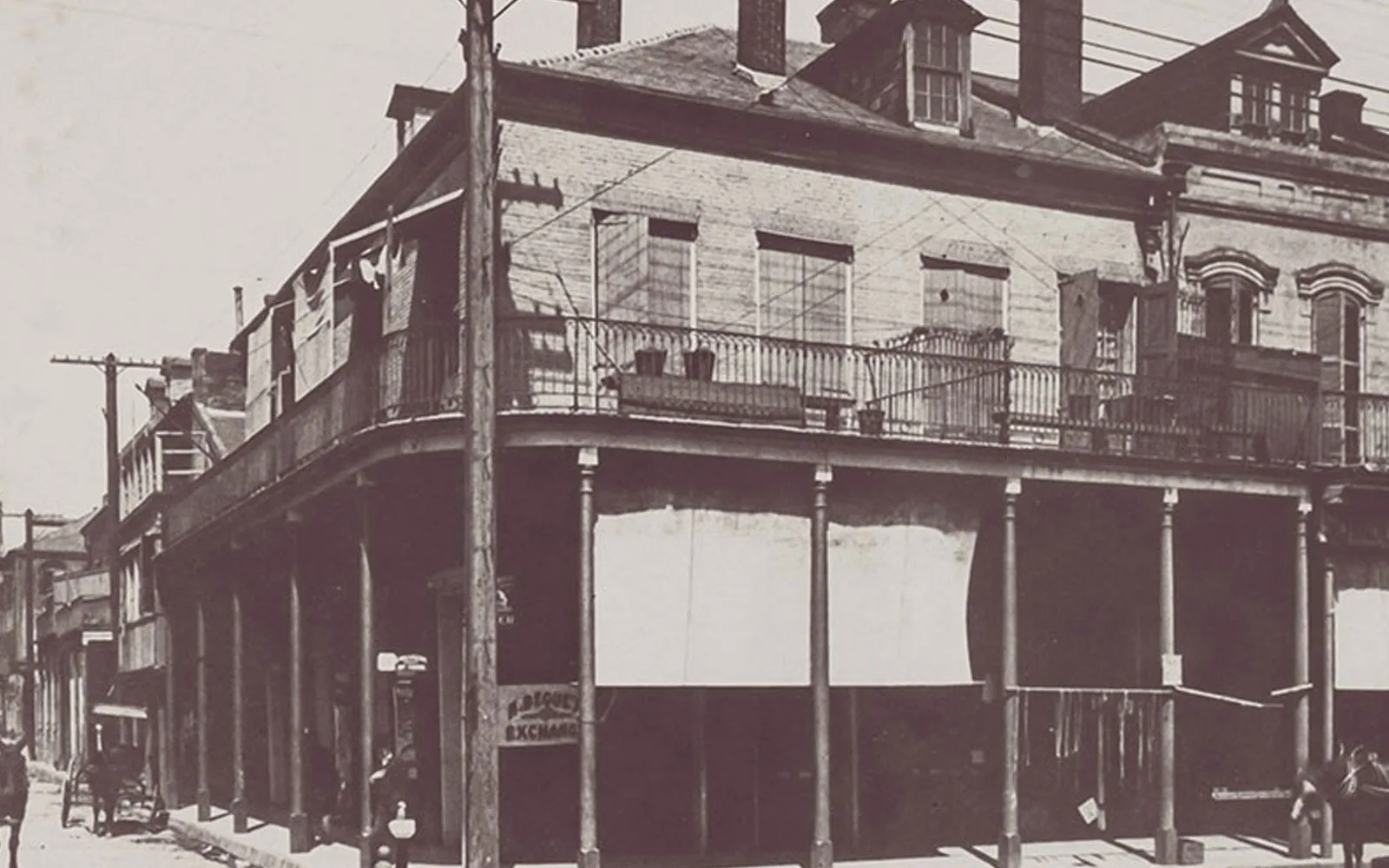
Tujague's opened its doors in 1856, making it the second oldest restaurant in New Orleans and one of the most storied addresses in the French Quarter. The building itself predates the restaurant — it served as a Spanish armory before the city even bore its modern name. That the place has survived decades of war, depression, fire, and plague and still fills its dining room nightly says something that no amount of marketing could manufacture.
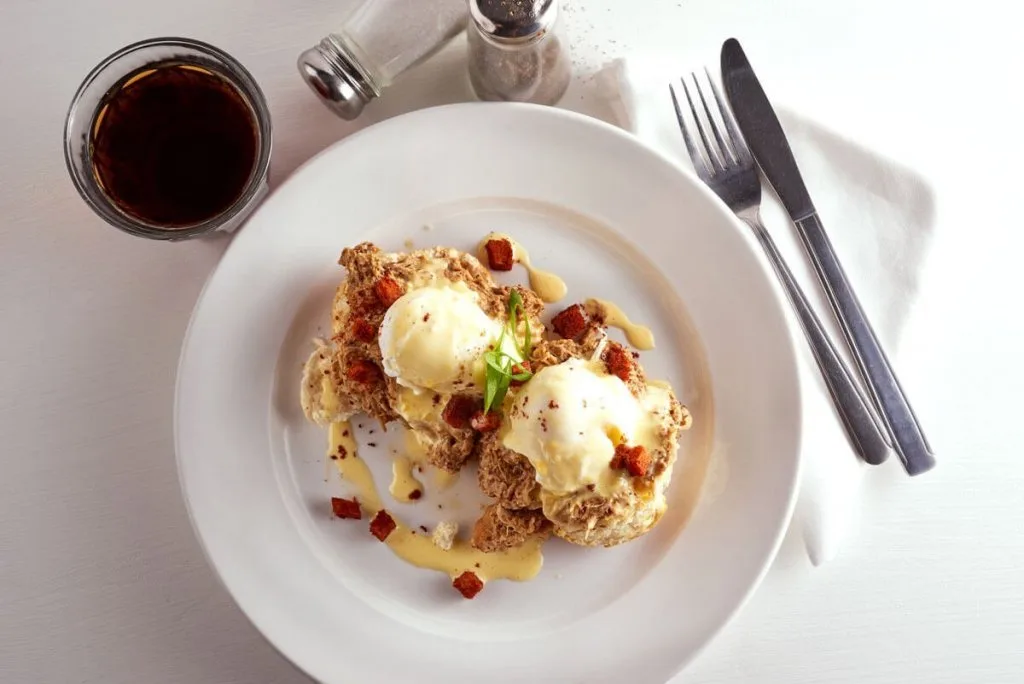
The founders, Guillaume and Marie Abadie Tujague, sailed from Bordeaux in 1852. Guillaume had worked as a butcher at the French Market before establishing the restaurant at 811 Decatur Street, just steps from the celebrated Begue's Exchange, famous for its lavish, hours-long breakfast gatherings. Tujague's adopted this "Butcher's Breakfast" format — and in doing so helped give the world what we now call brunch.
The Dishes That Defined a Restaurant
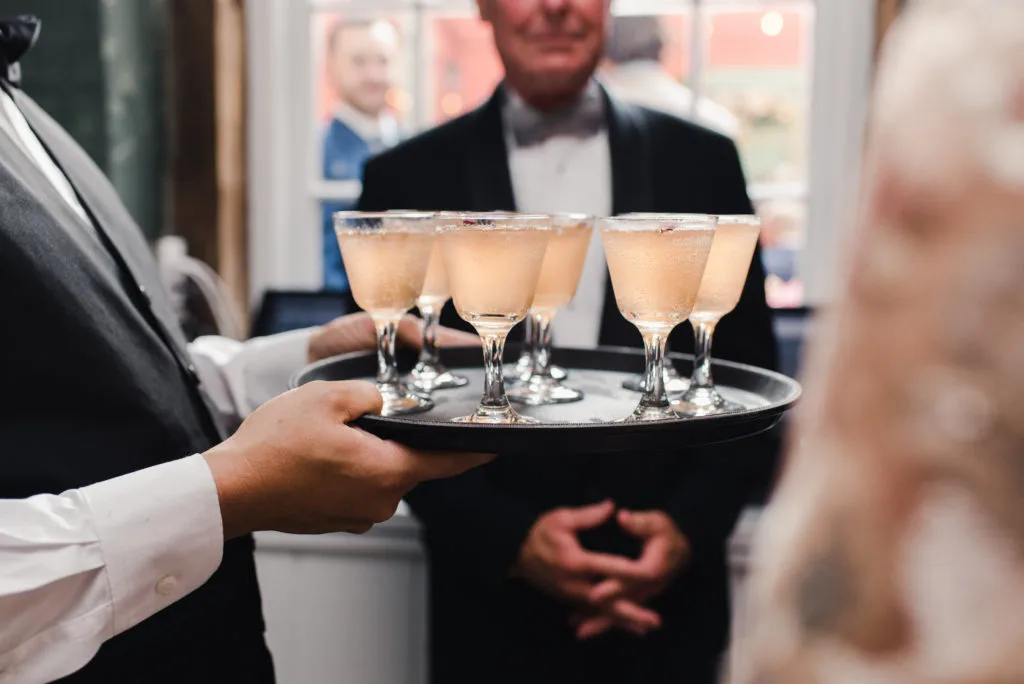
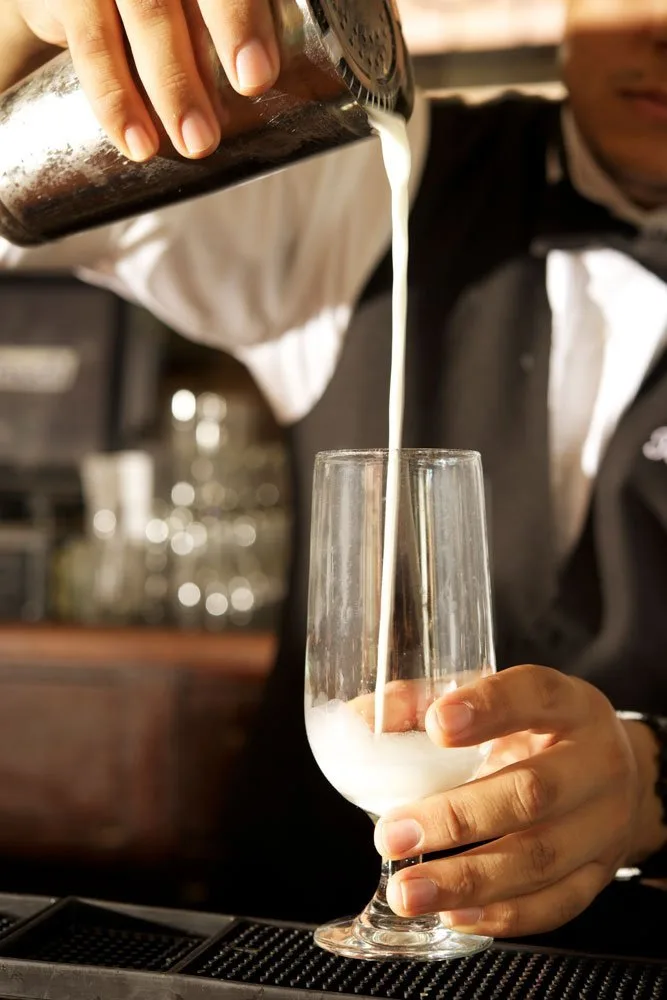
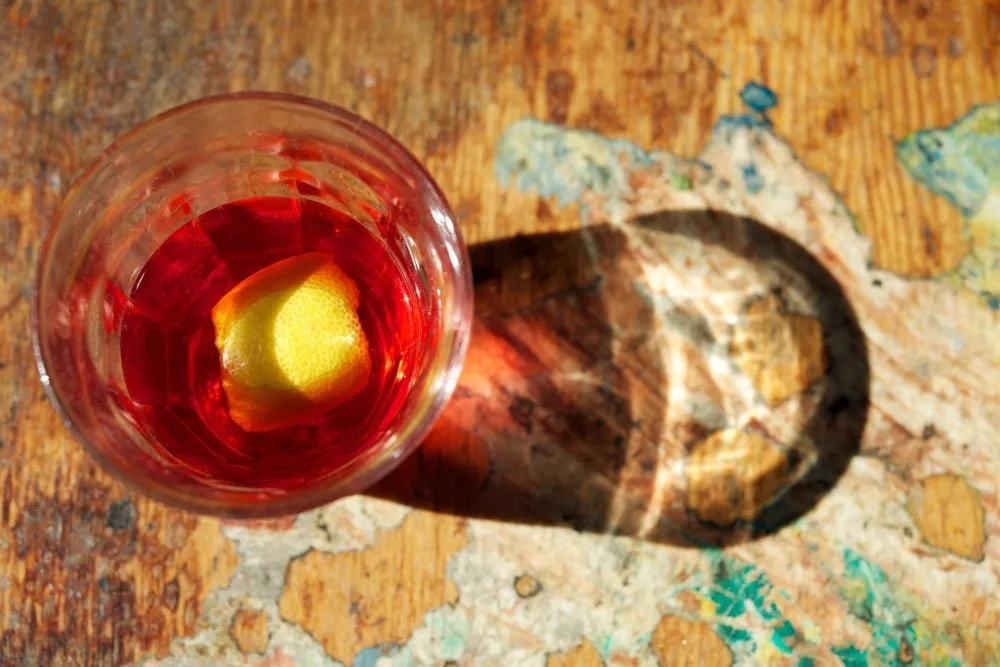
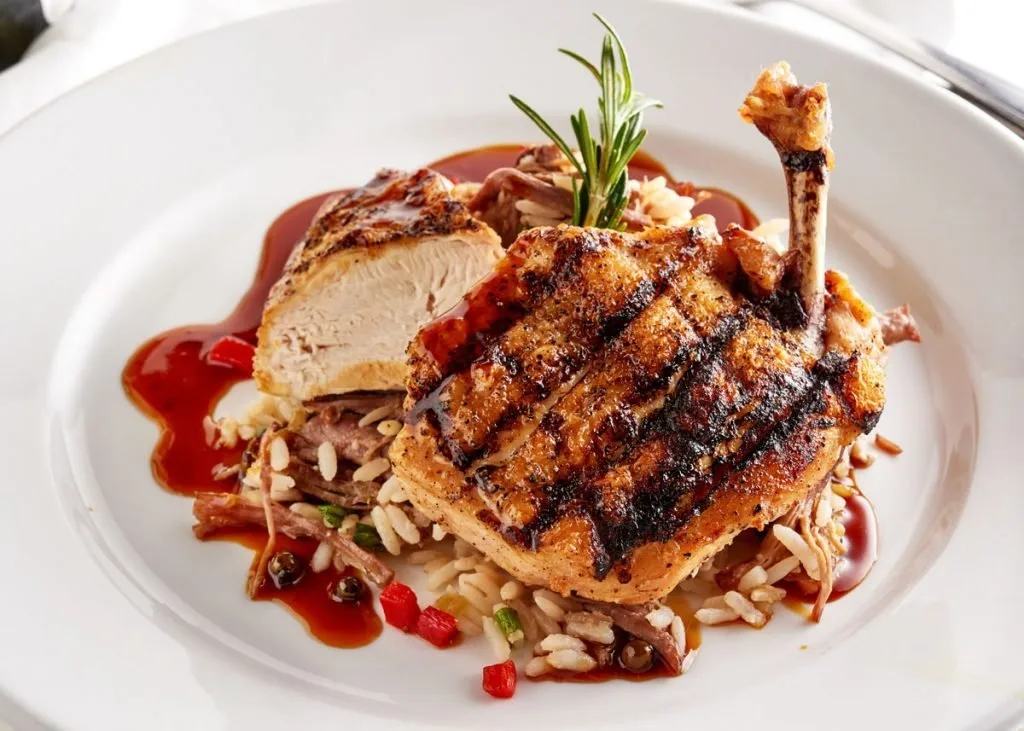
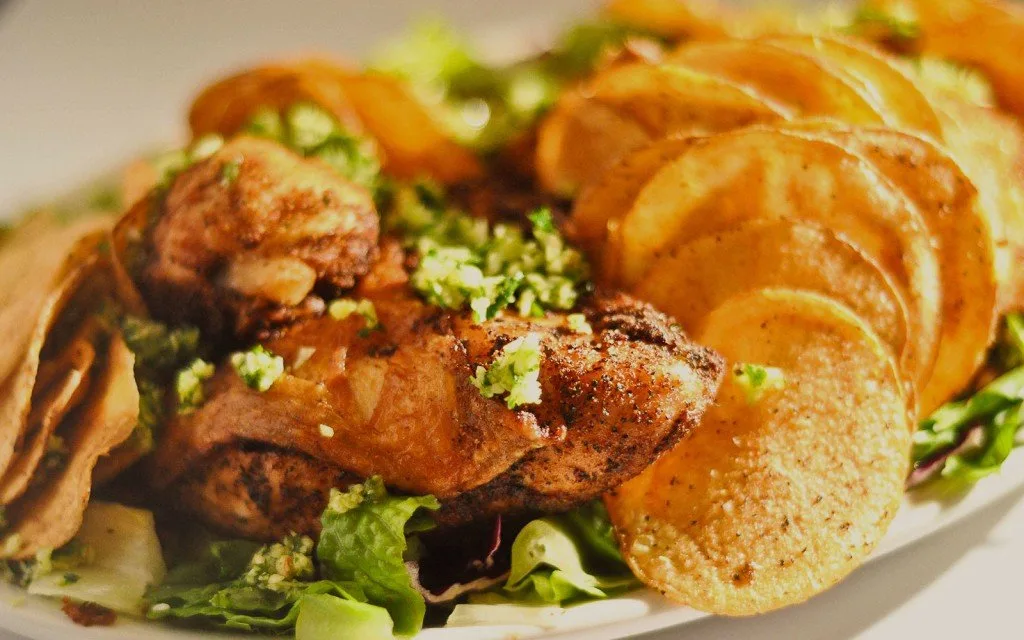
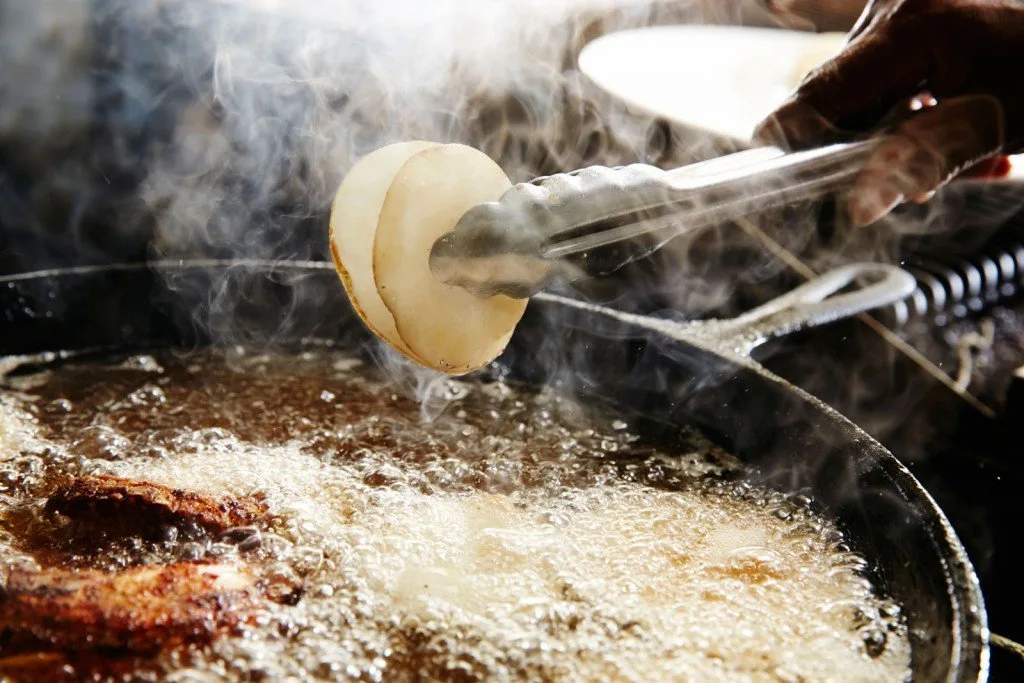
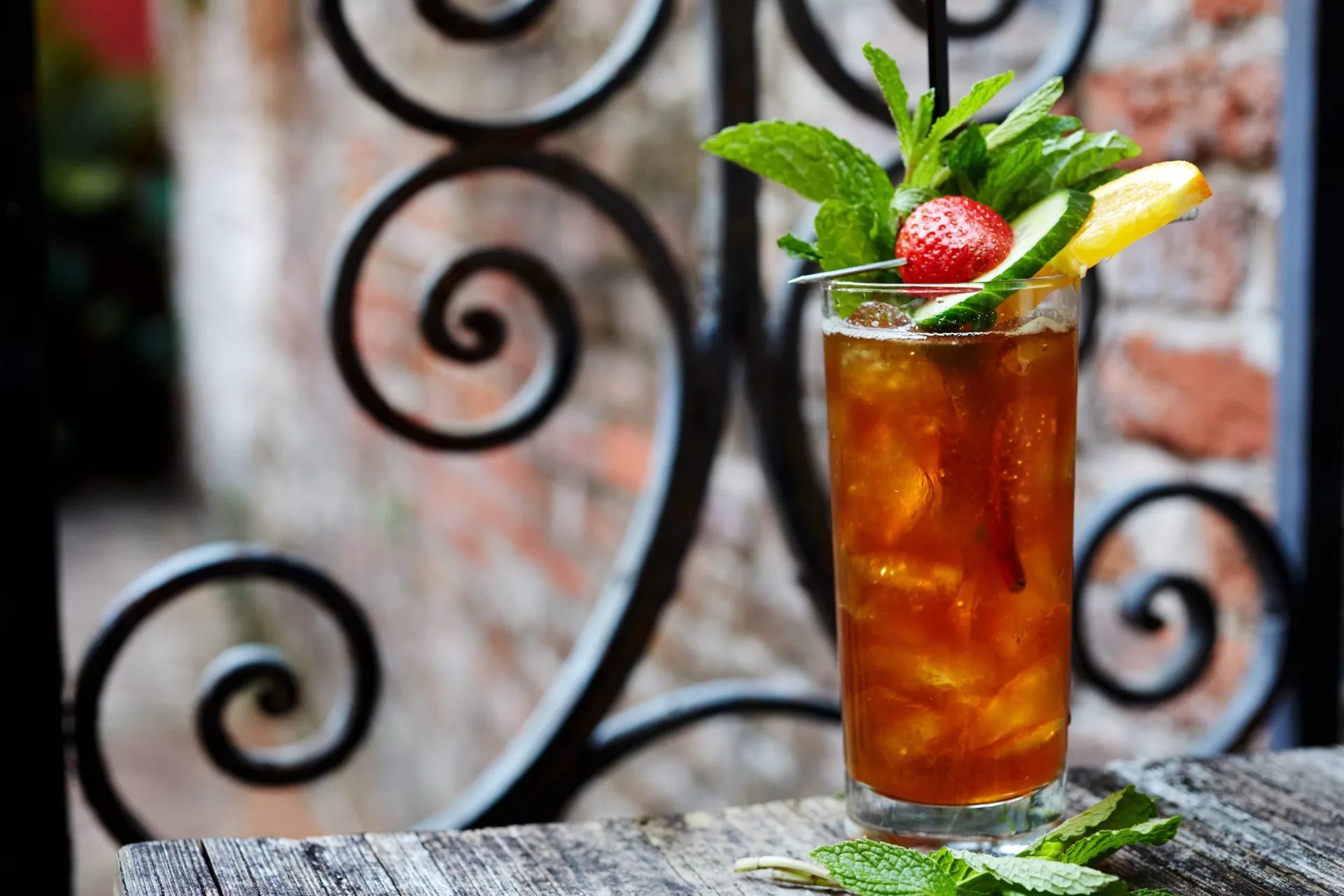
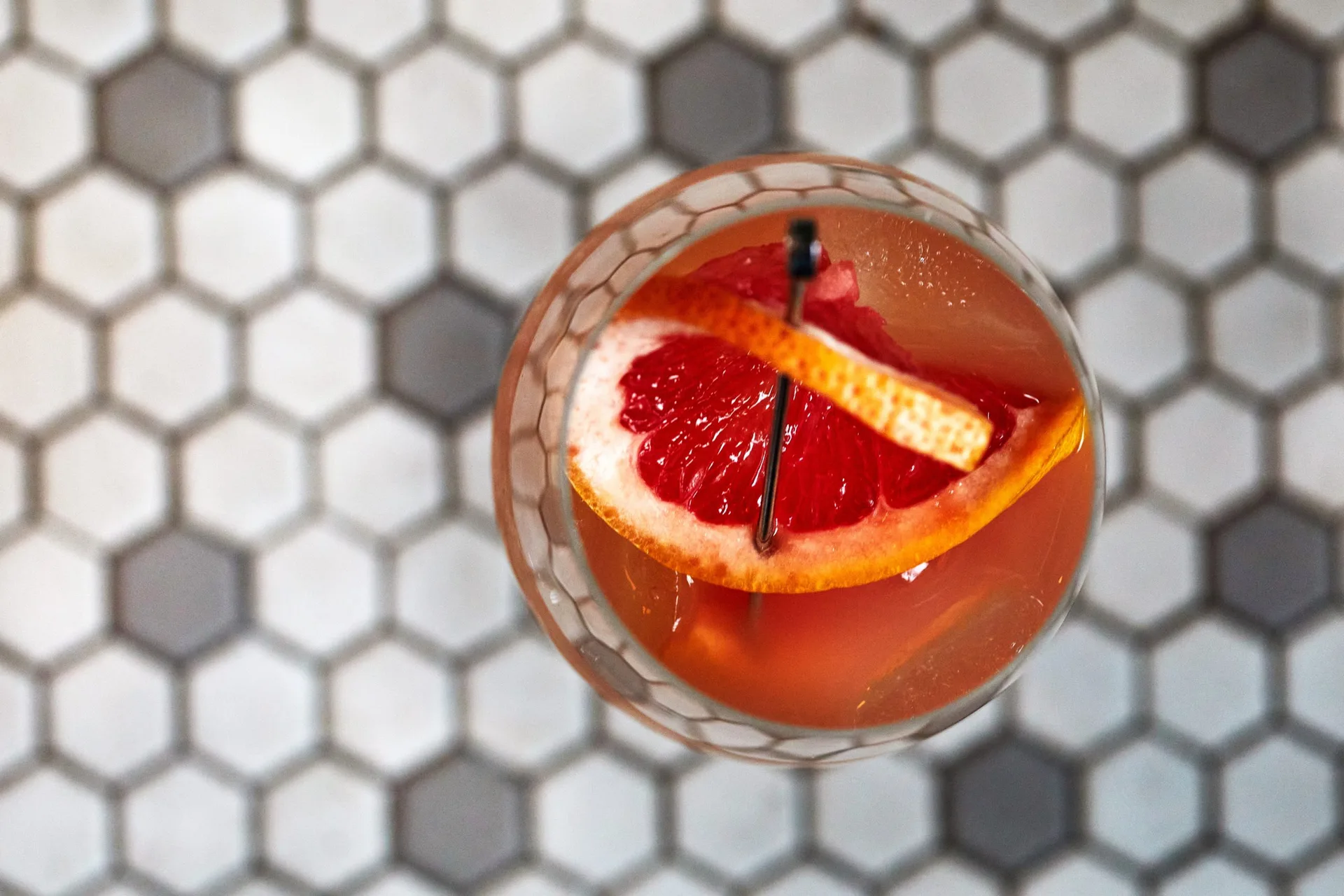
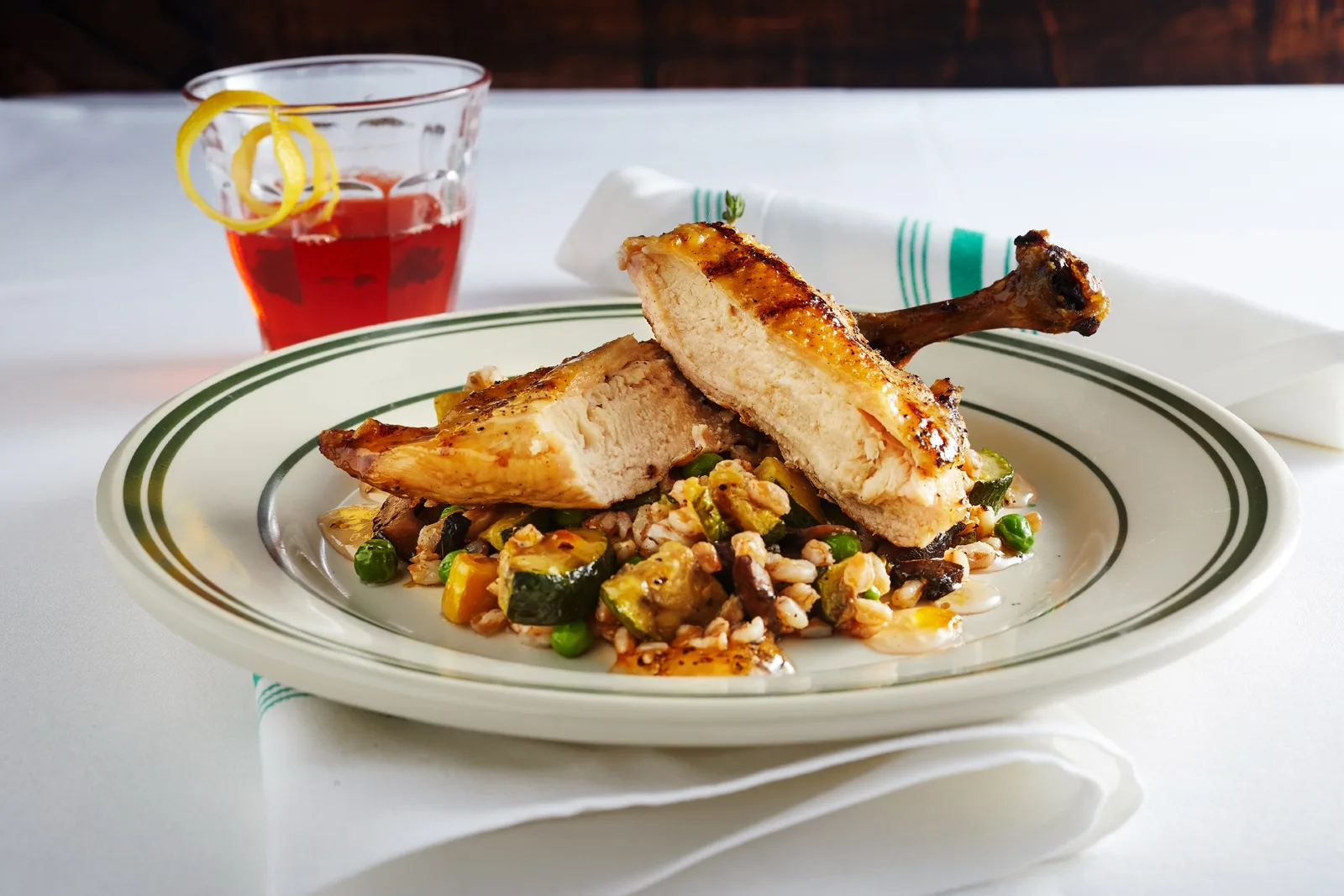
Certain plates have been on the table for so long they've become inseparable from the Tujague's name. Spicy shrimp remoulade and boiled beef brisket were already trademark dishes under the Tujague family. Clemence Castet, the French-Creole cook who ran the kitchen after Prohibition, introduced chicken bonne femme — half a chicken with fried potatoes and persillade — as an off-menu special. It never left. The Grasshopper cocktail was born at the bar here too, alongside the Whiskey Punch, and the oldest stand-up bar in America still draws tourists and regulars shoulder to shoulder.
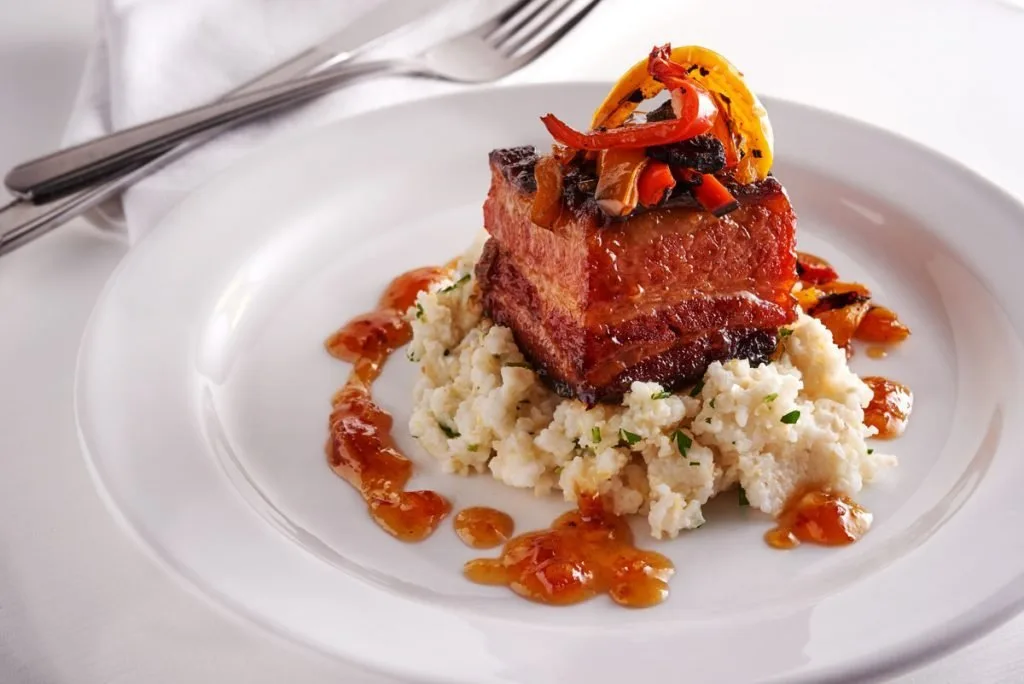
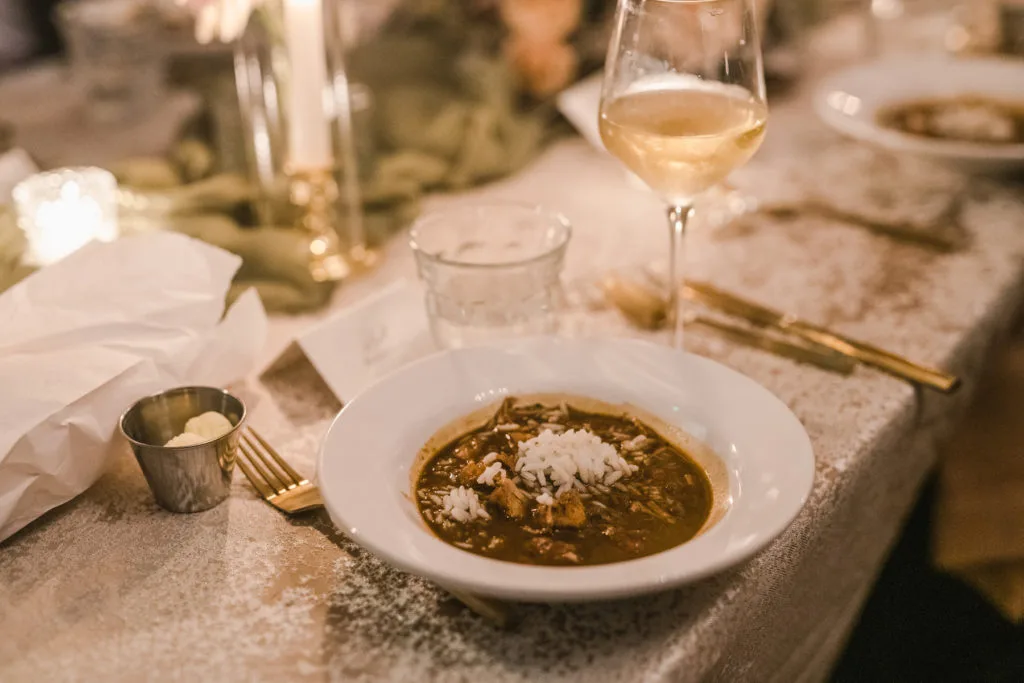
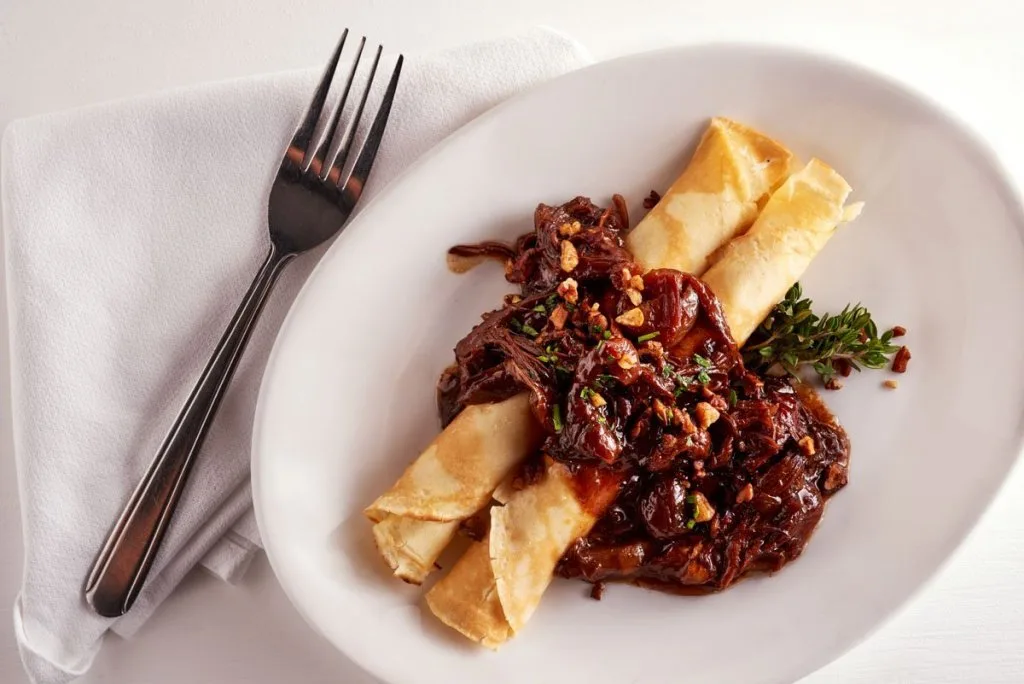
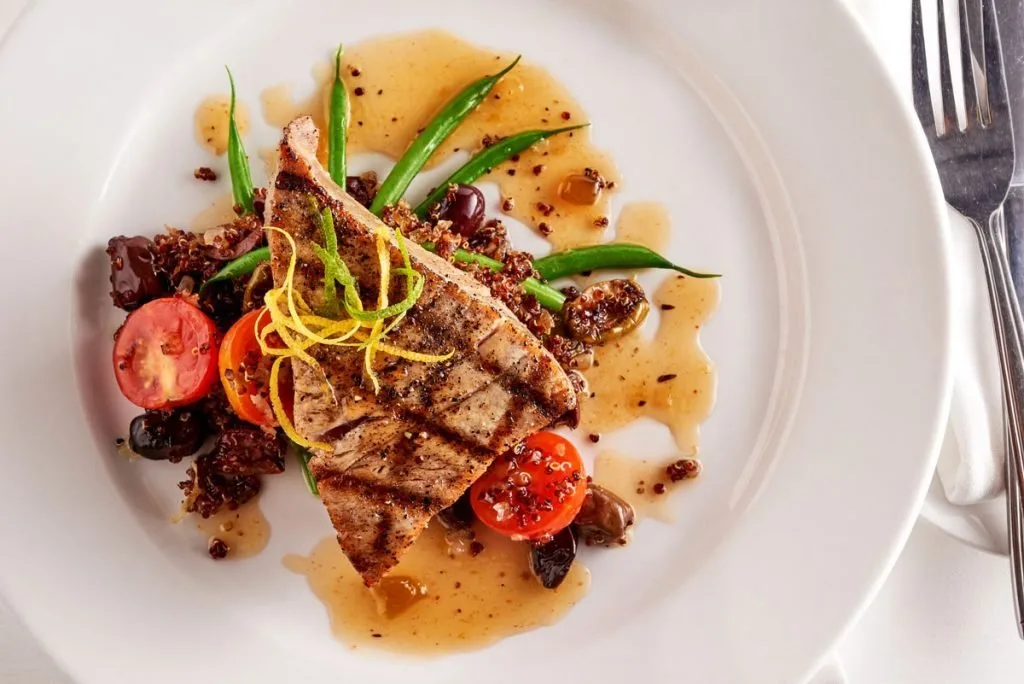
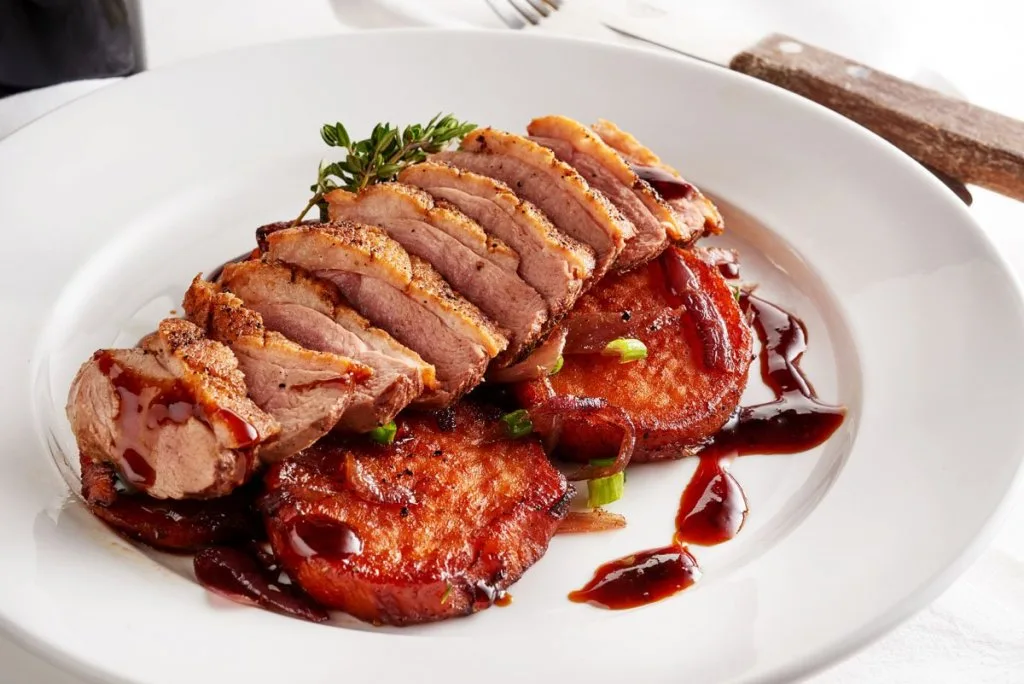
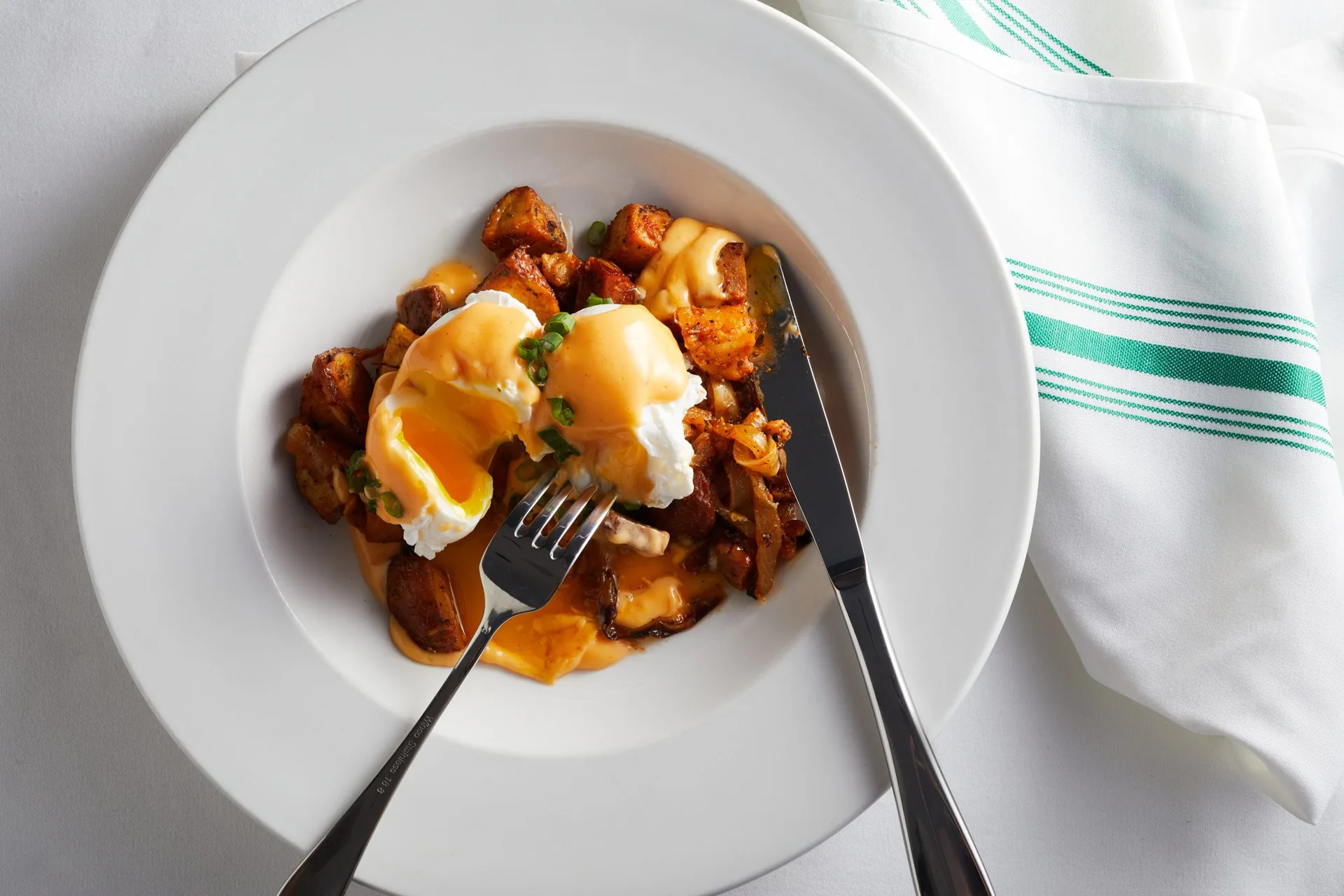
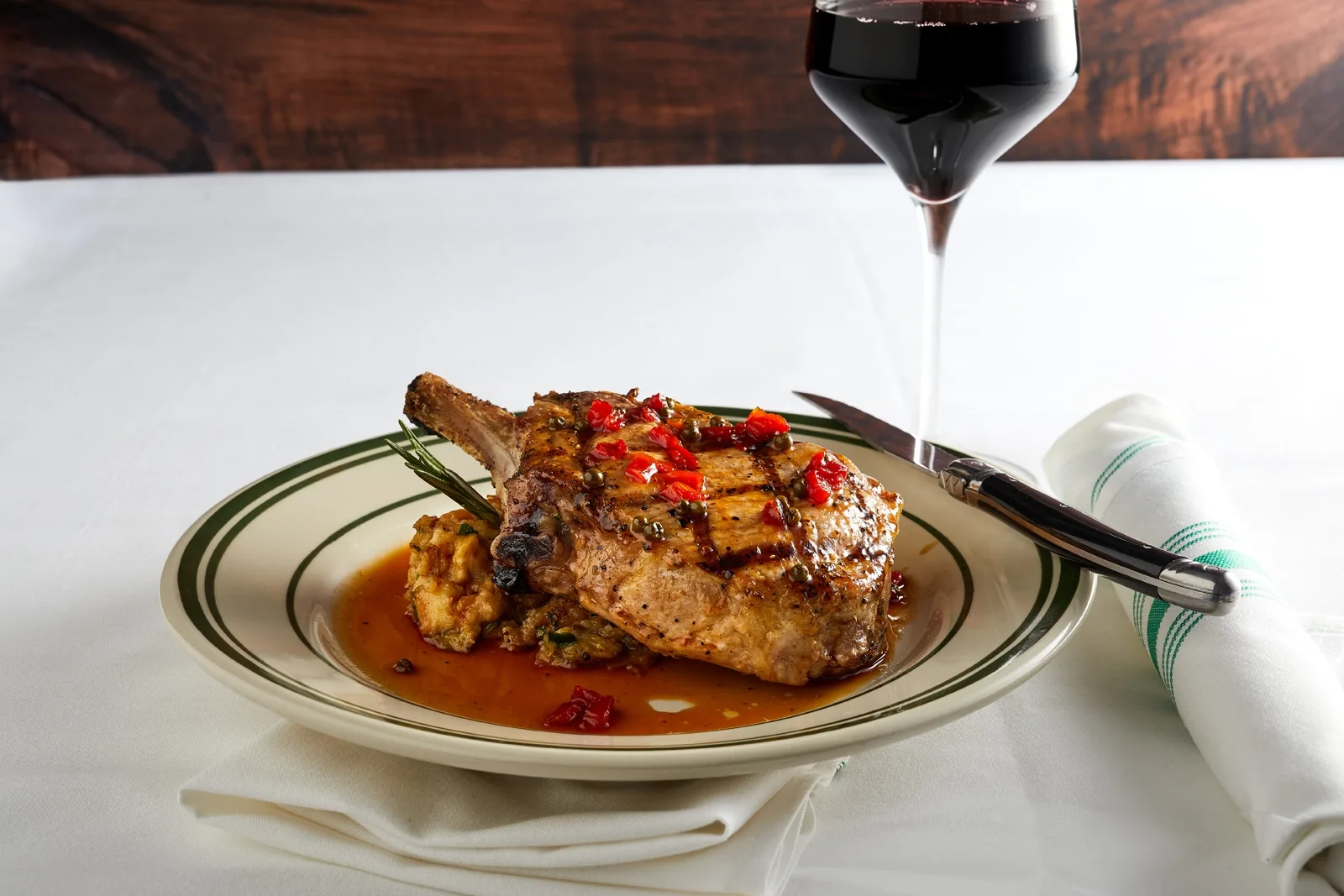
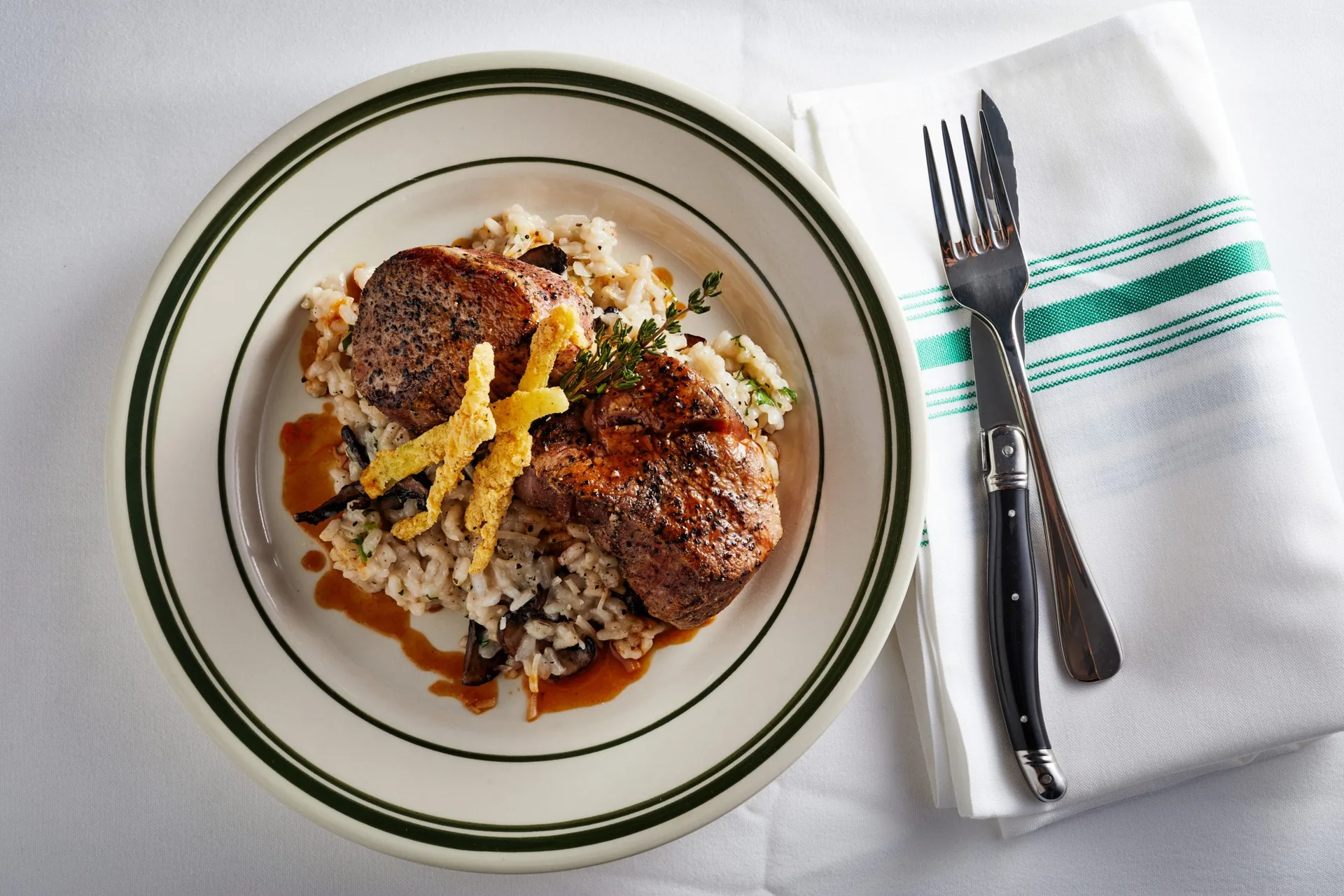
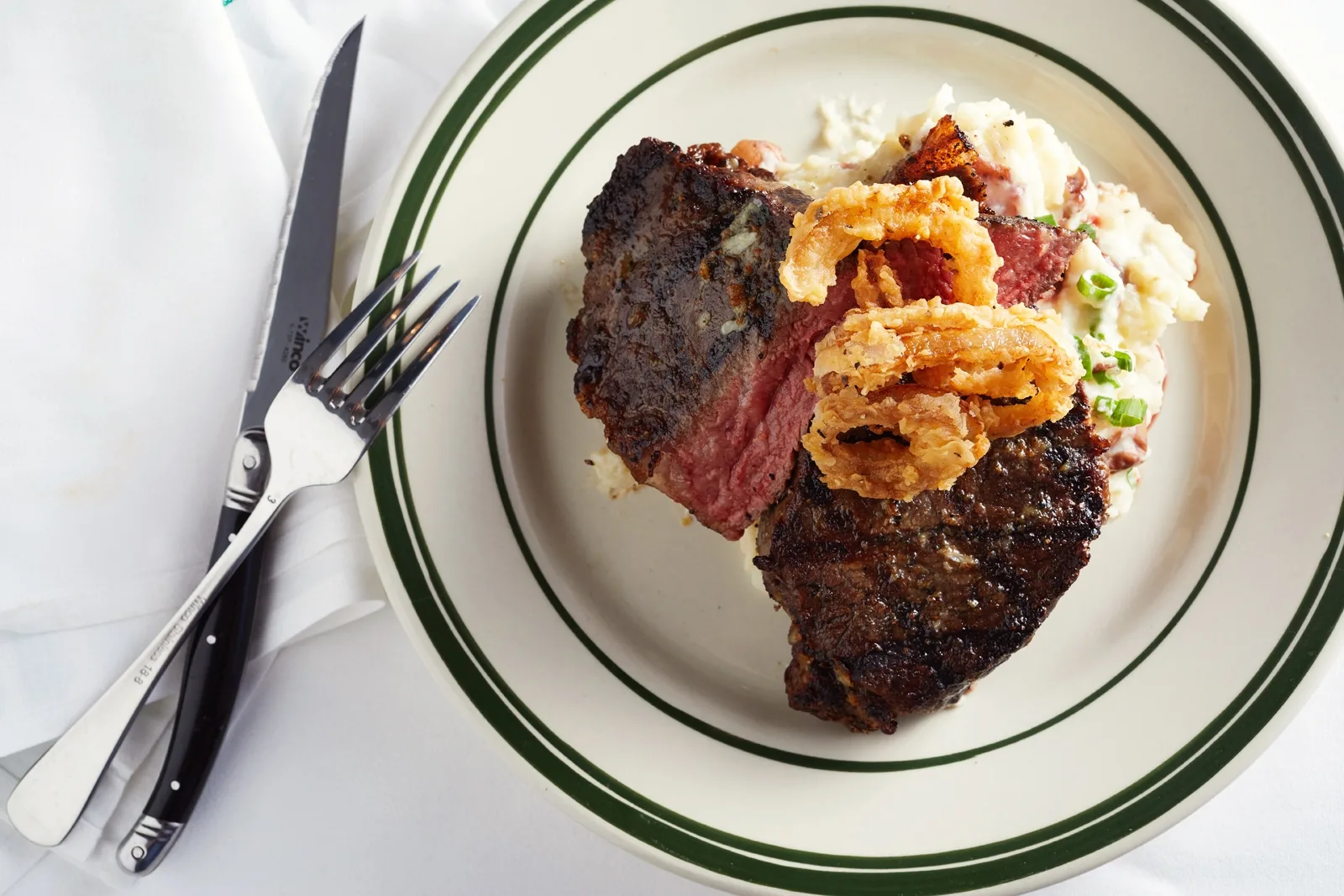
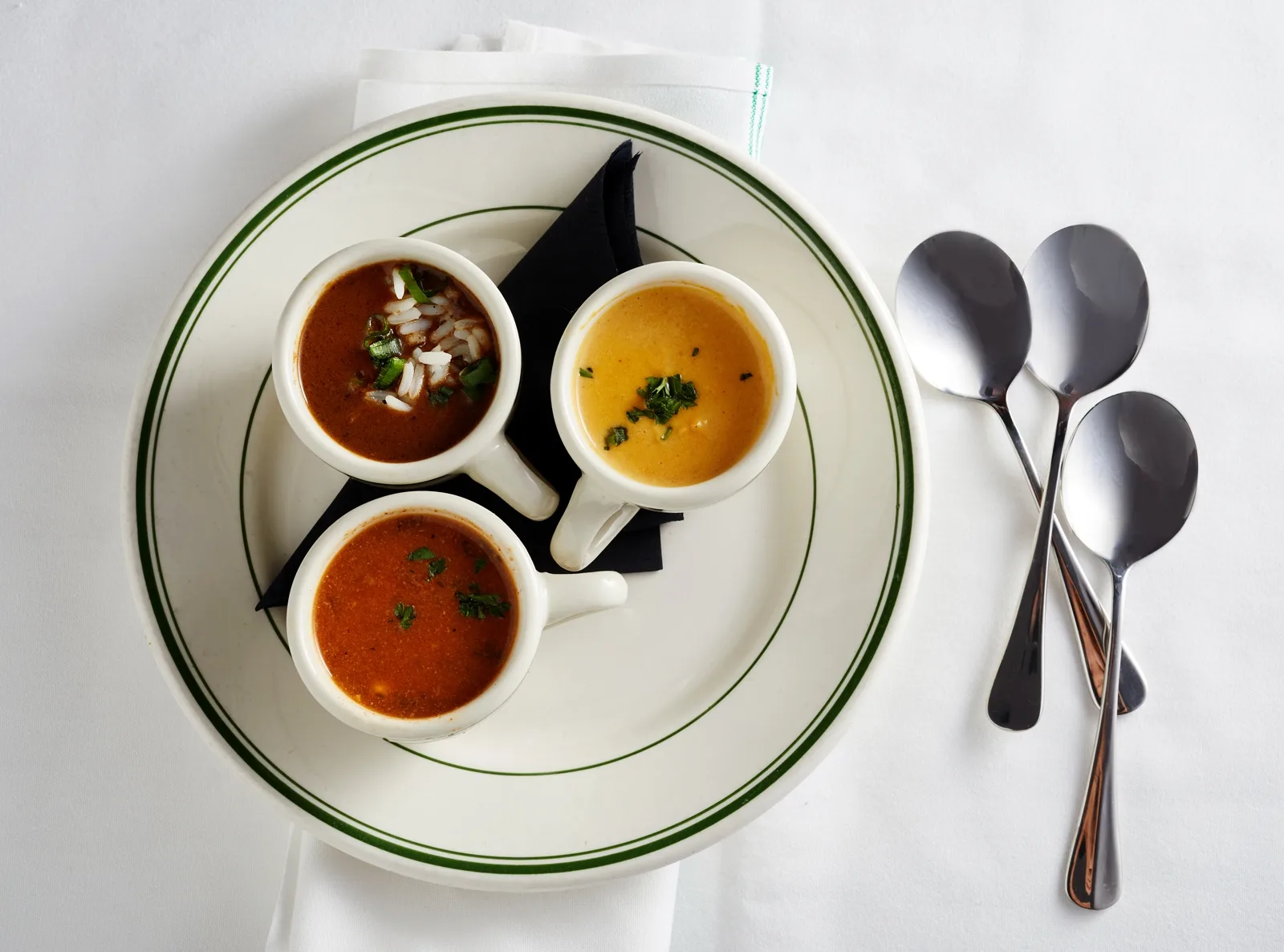
Today the menu balances those legacy dishes with the broader Creole and French tradition: gulf fish bordelaise with almond brown butter and lump crab pico de gallo, oyster bordelaise pasta, New Orleans-style BBQ shrimp and grits over stone-ground Parmesan grits. For the restaurant's 170th anniversary, the original five-course table d'hôte — the only format served from 1856 to 2013 — has been revived for dinner service, moving from shrimp remoulade through gumbo and brisket to bread pudding.
The Bar, the Books, and the Bottle Collection
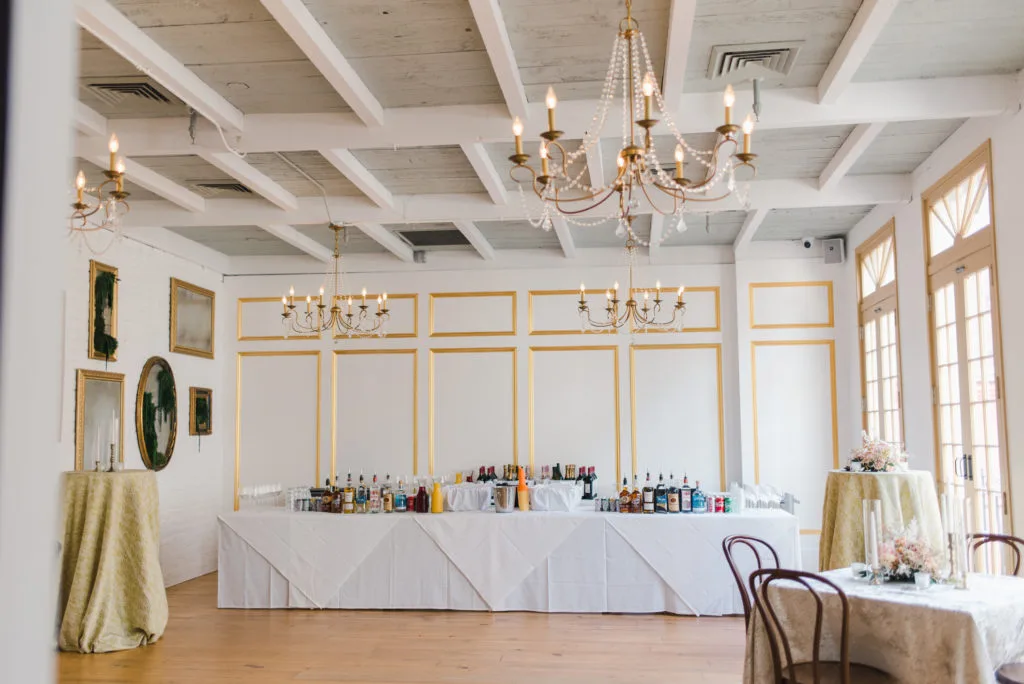
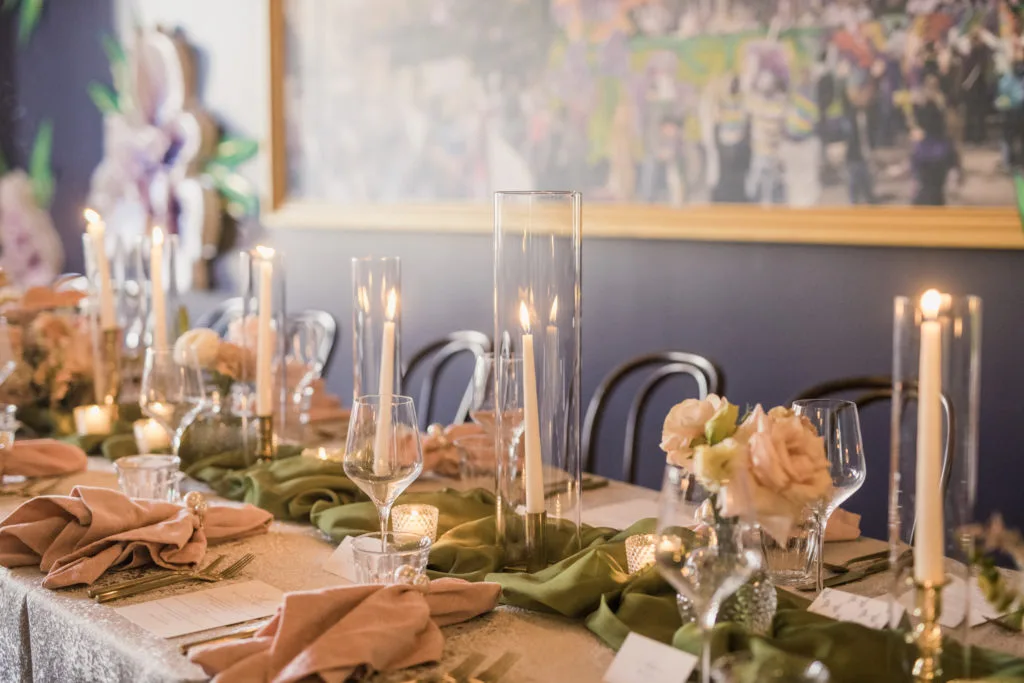
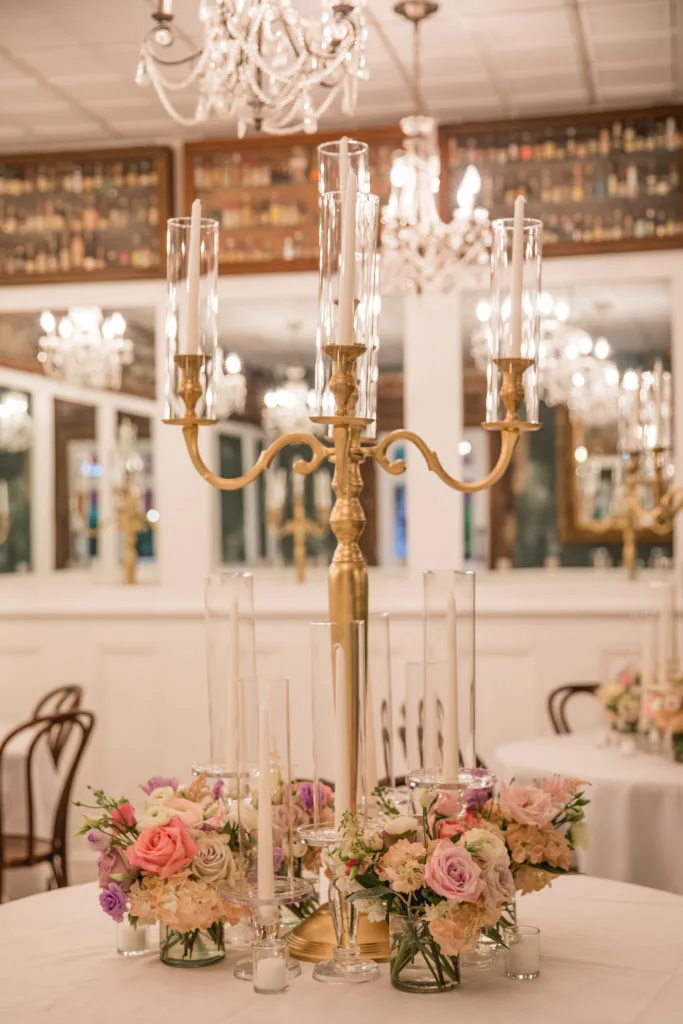
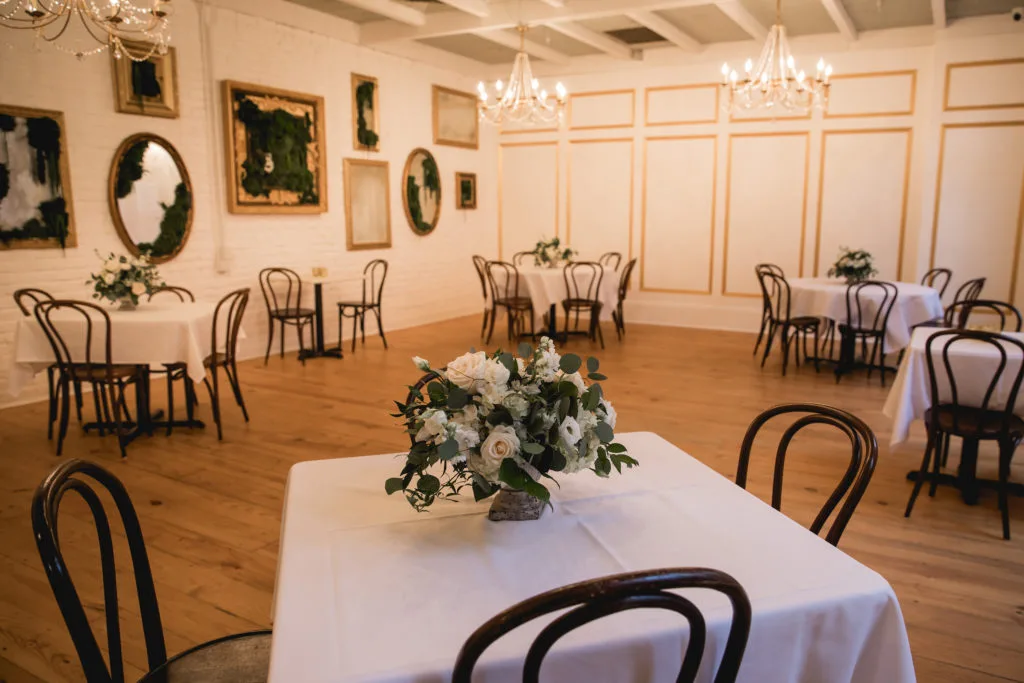
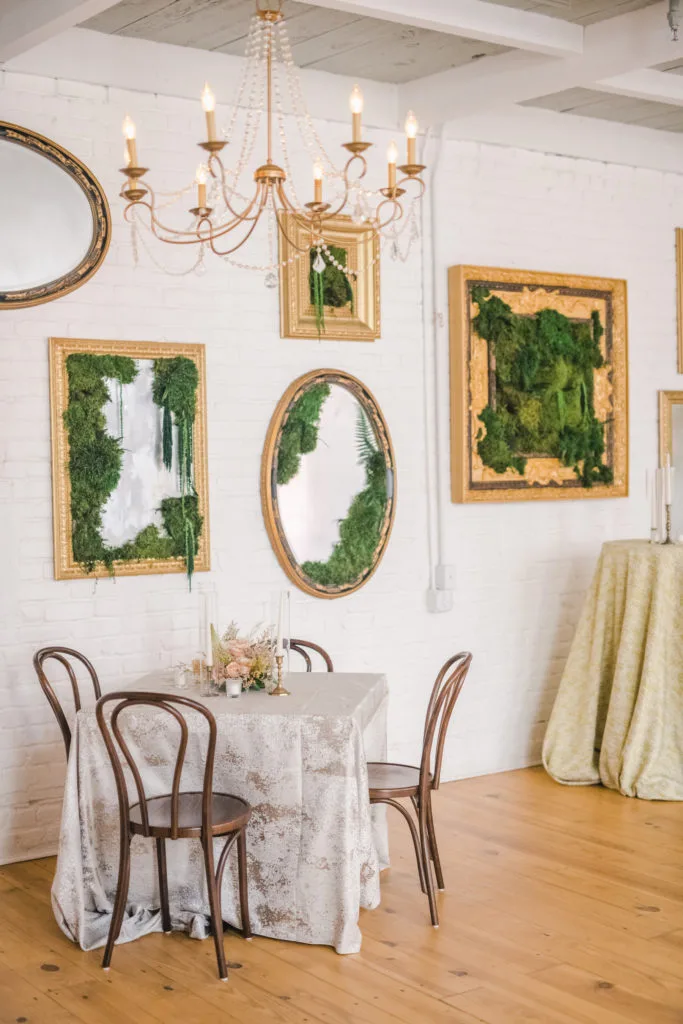
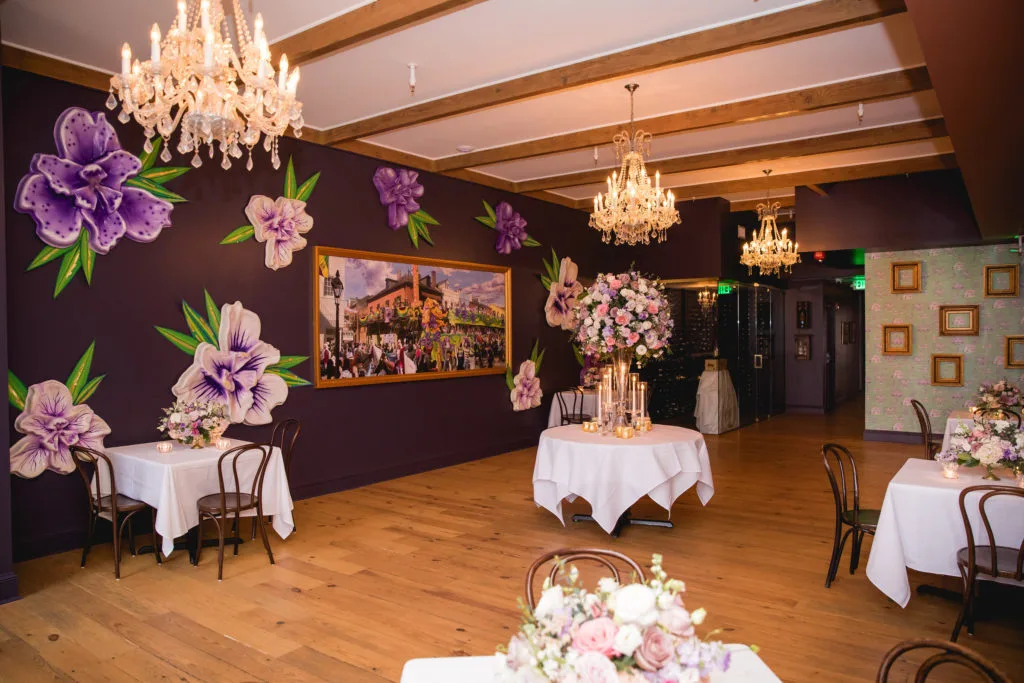
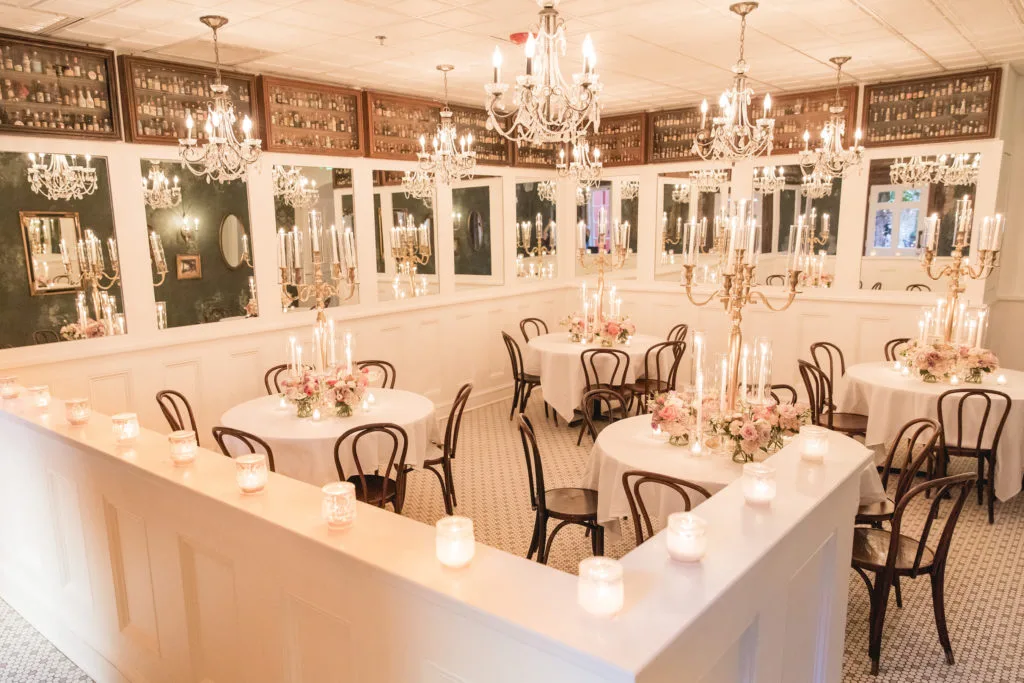
The bar is a destination in its own right. Steven Latter, who purchased the restaurant in 1982 alongside his brother Stanford, decorated it with a collection of over 6,000 miniature liquor bottles still displayed today. His son Mark took over after Steven's unexpected death in 2013 and oversaw the transition to an à la carte menu — the first written menu in the restaurant's 157-year history at the time — while lining the dining rooms with mirrors and giving the space a considered refresh without disturbing the bar's character.
Wine Spectator recognized the cellar with its Best of Award of Excellence in 2025, a fitting acknowledgment for a room where the wine list has had to keep pace with one of the most food-serious cities in America.
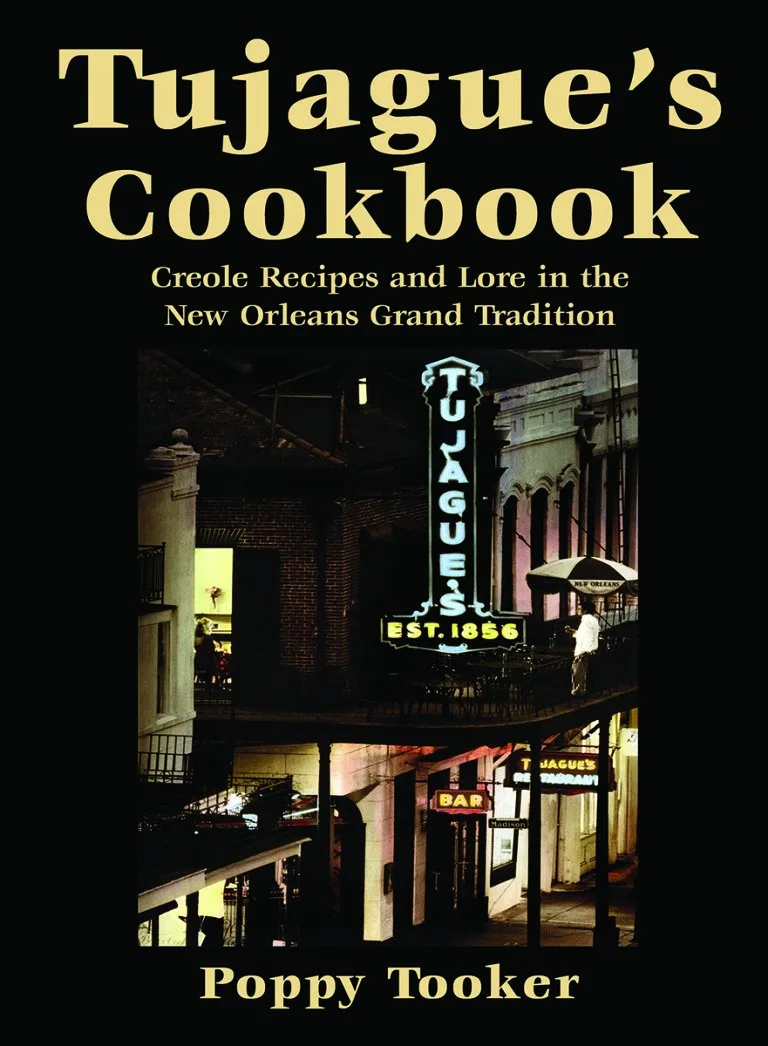
Culinary historian Poppy Tooker captured the full arc of the restaurant's life in the Tujague's Cookbook, weaving together archival memorabilia, recipes, ghostly lore, and the story of the effort to save the restaurant — a book as layered as the Creole cuisine it documents.
Refreshingly Unpretentious
The style at Tujague's has always been, as the restaurant itself puts it, "refreshingly unpretentious." It is, first and foremost, a neighborhood restaurant — one that happens to occupy America's oldest neighborhood. No other city has, or could have, a Tujague's.
Recognition
Awards & accolades
Ambience
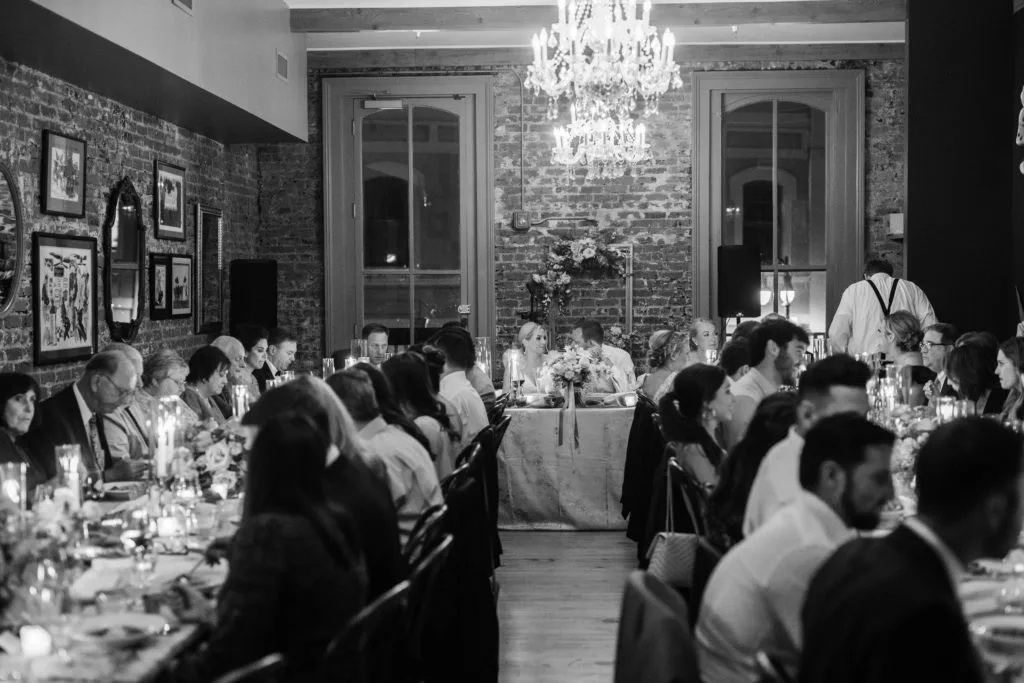
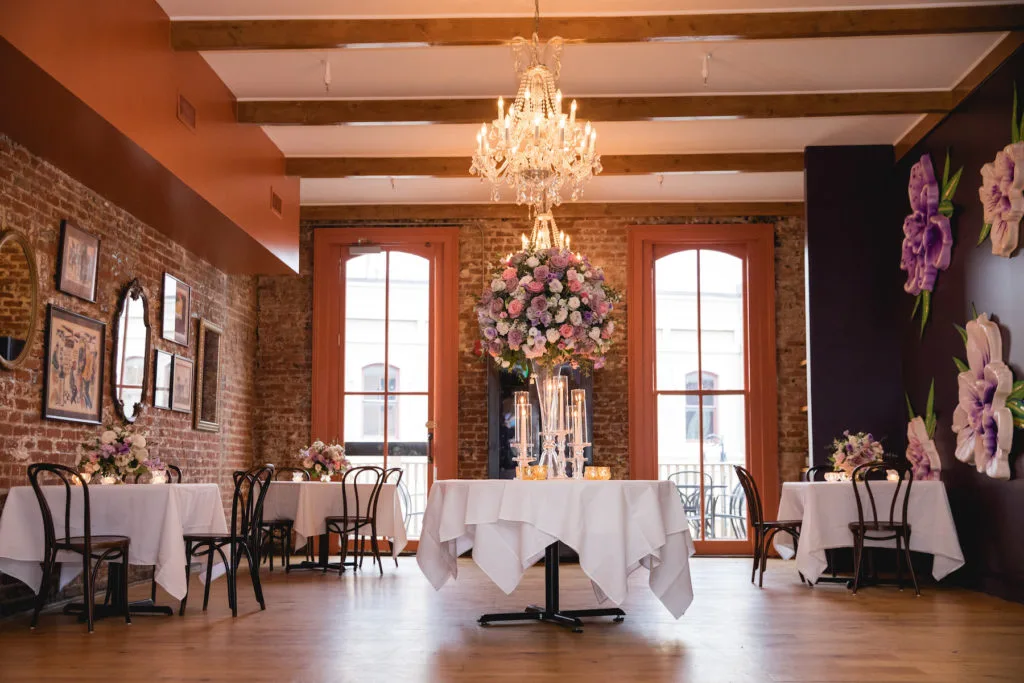
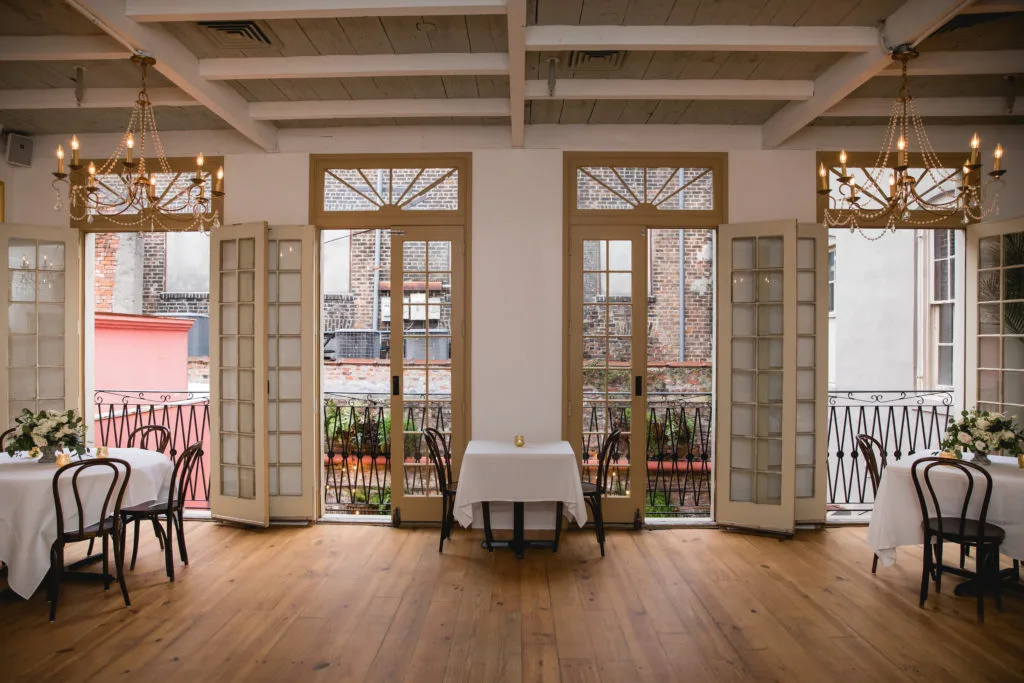
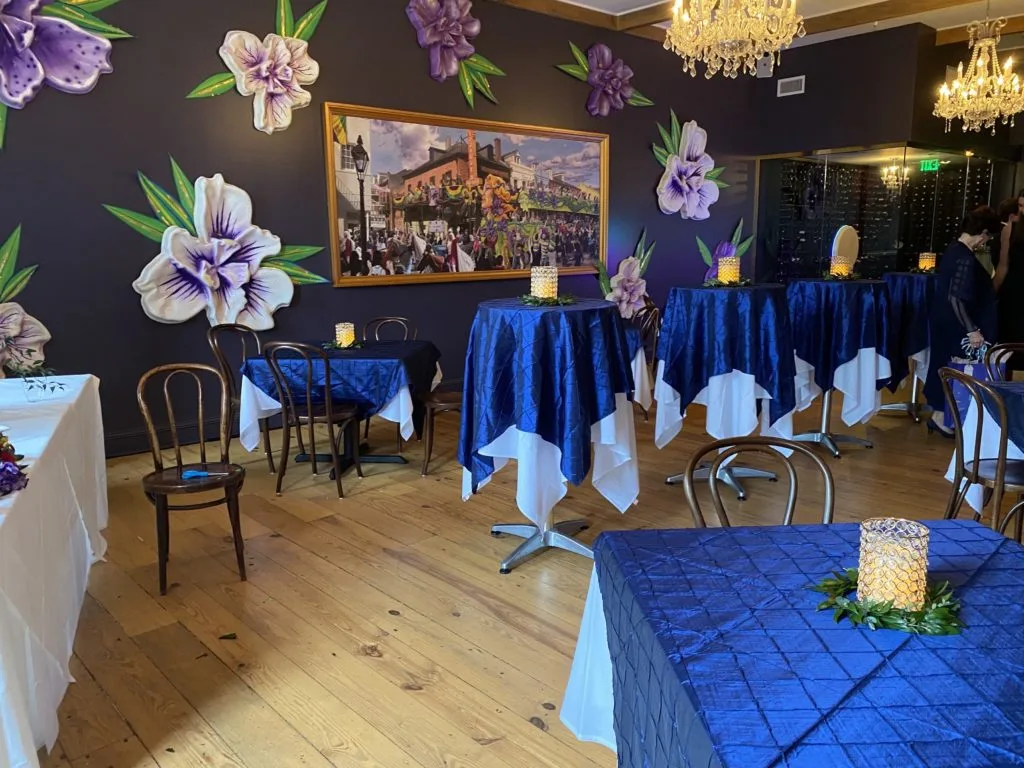
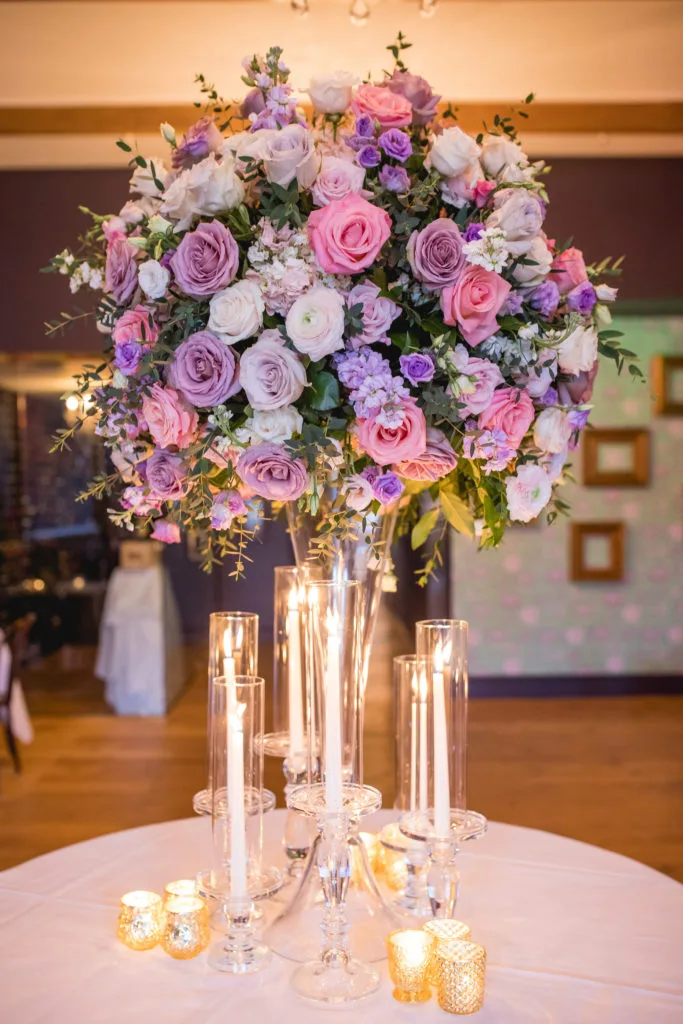
A glimpse inside
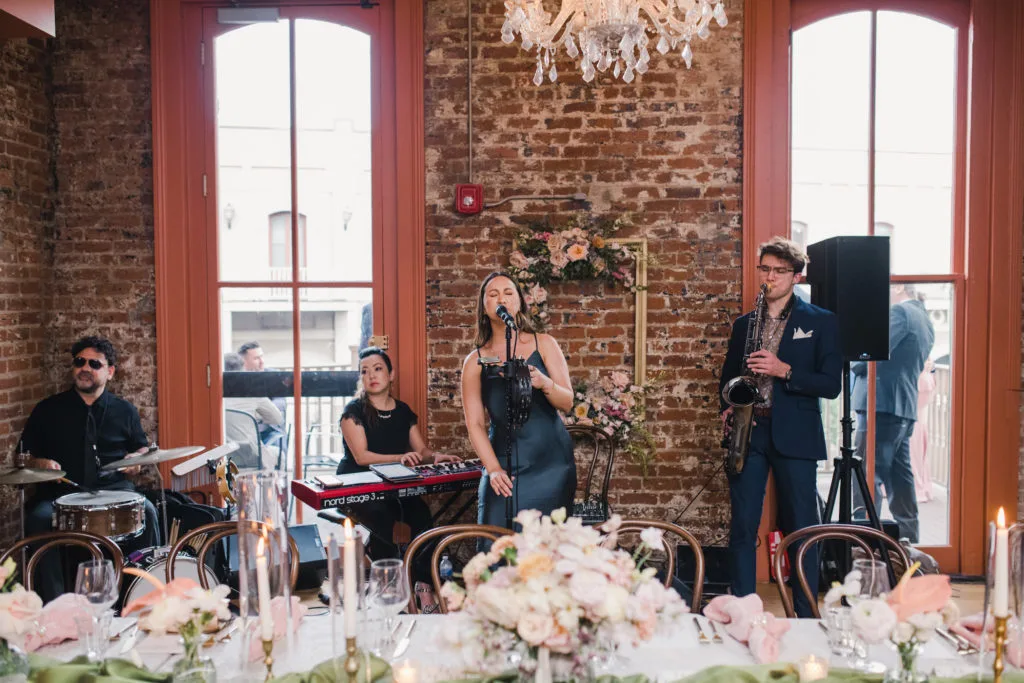
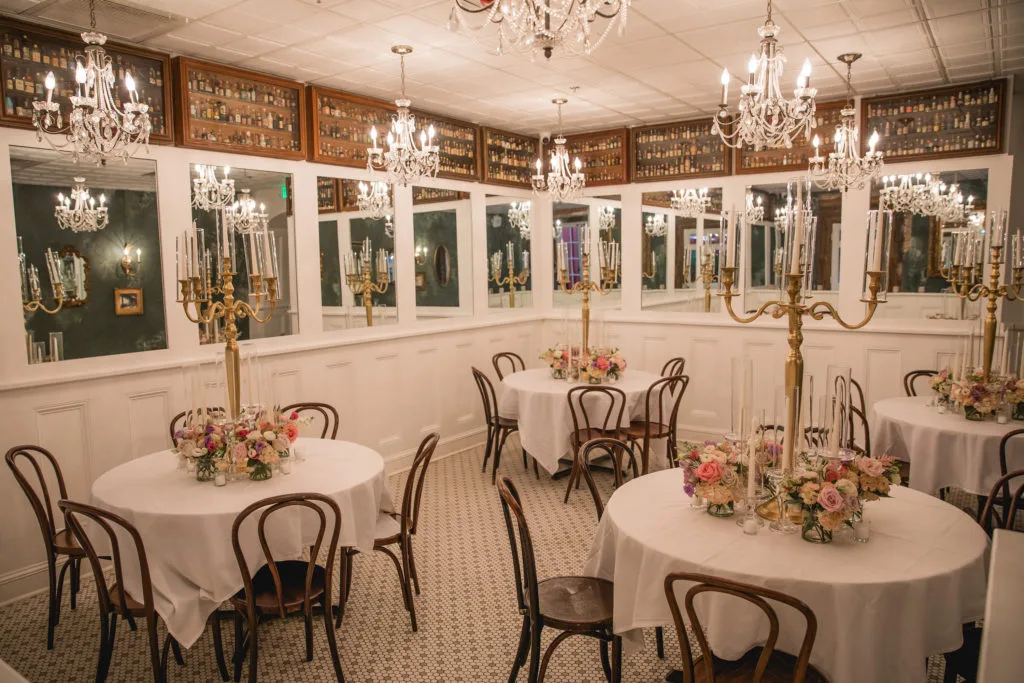
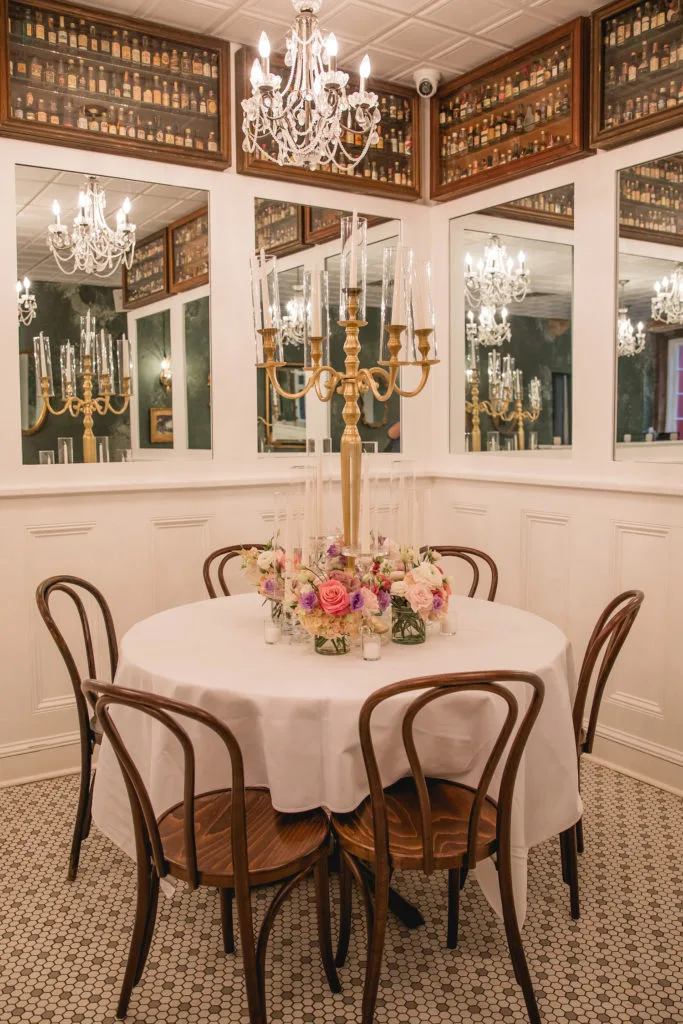
Location
Find us
429 Decatur St., New Orleans, LouisianaNew Orleans, United States of America
5045258676
poppy@poppytooker.com
Visit website
 Facebook
 Instagram
 X
X