
The story
Crafted with passion, served with love
A Living Piece of the Old West
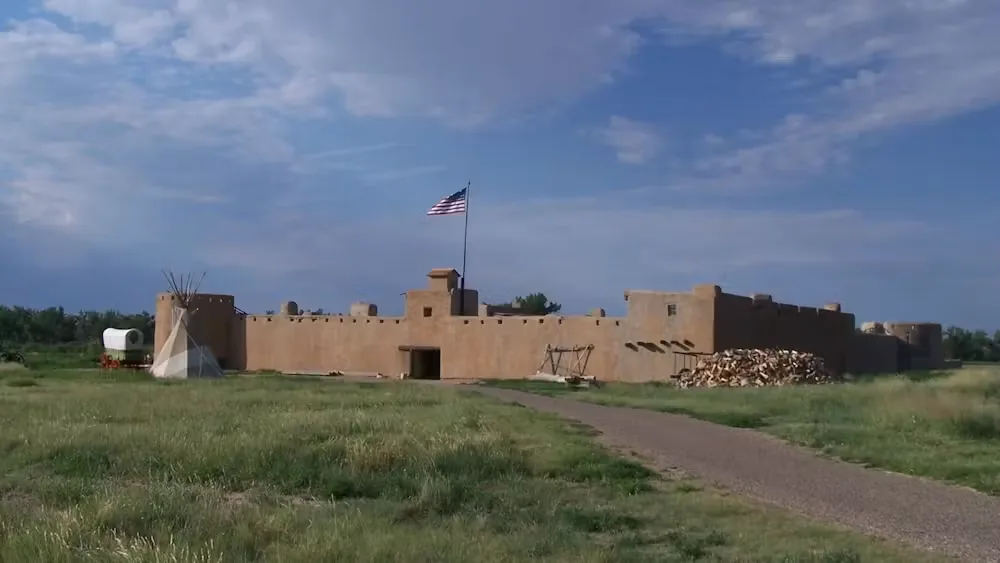
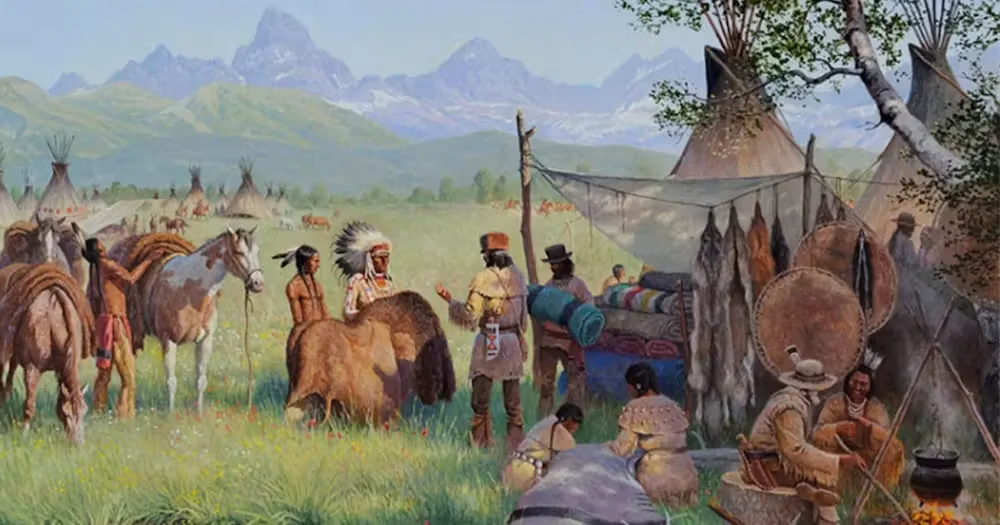
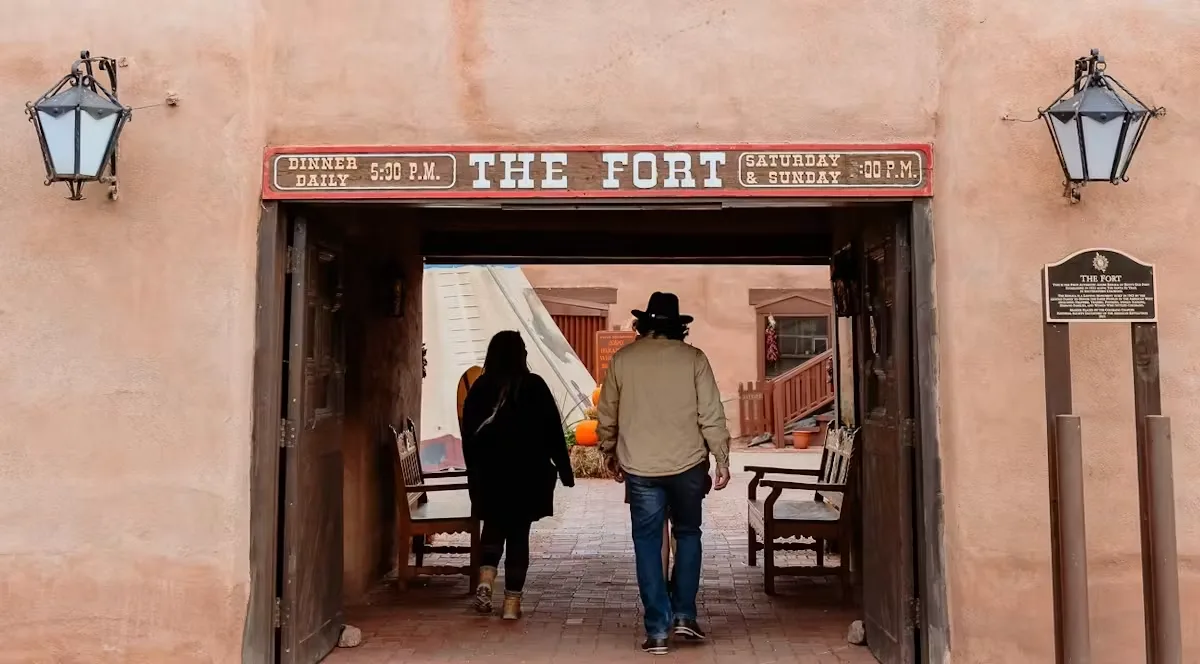
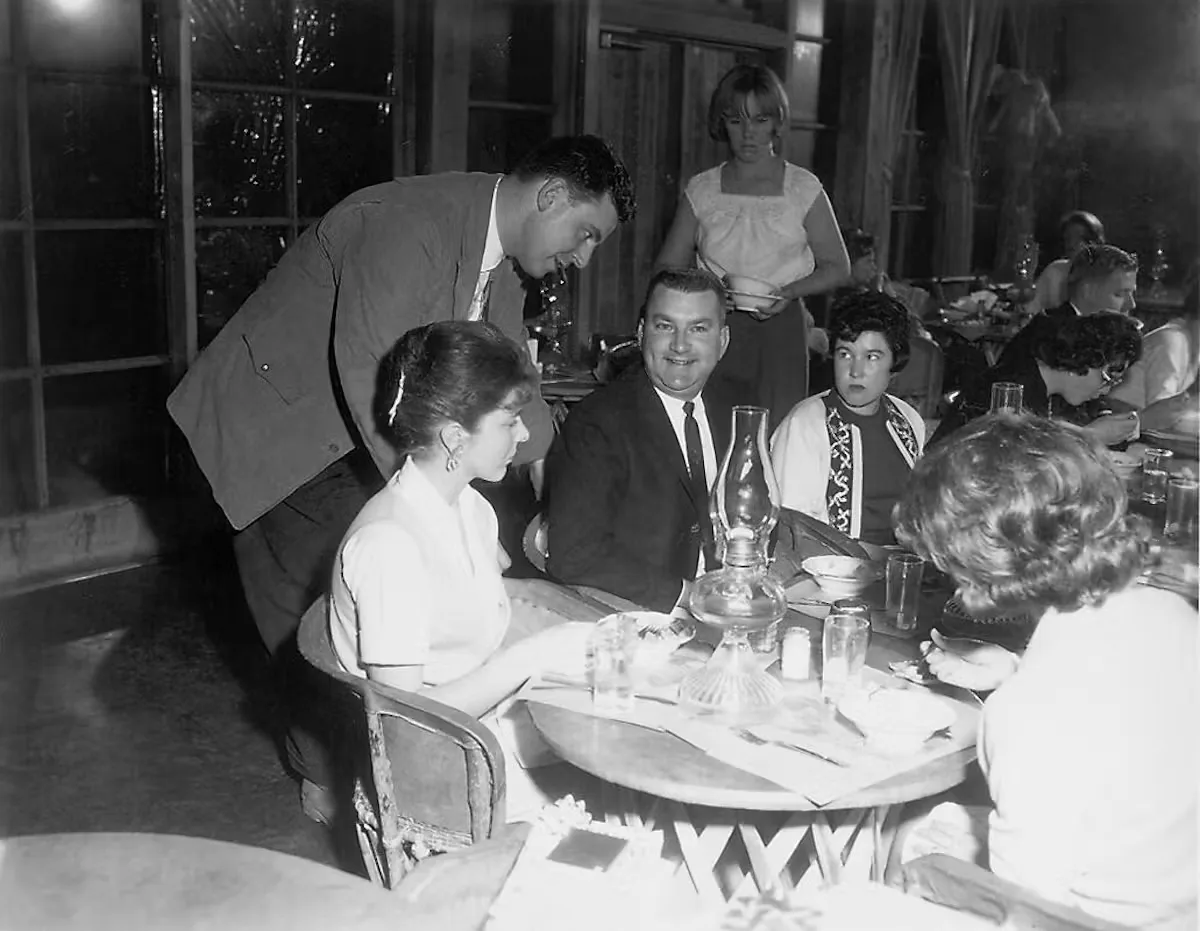
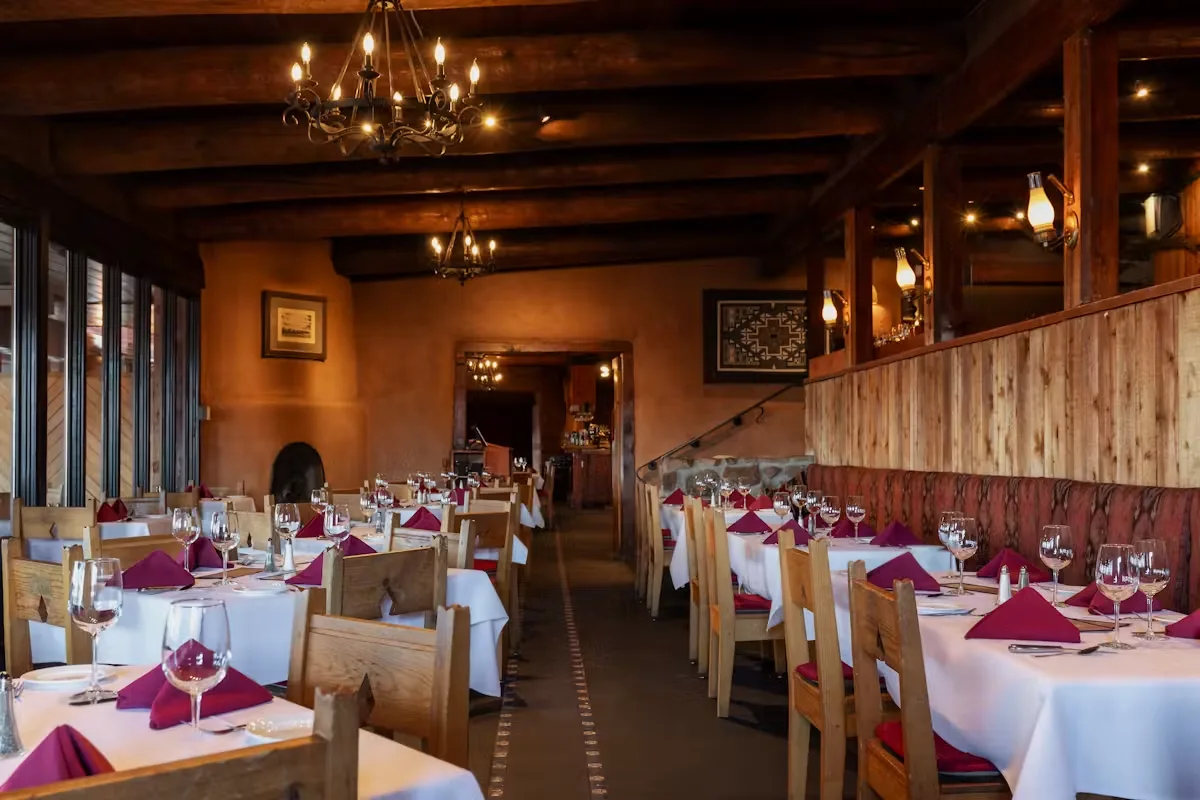
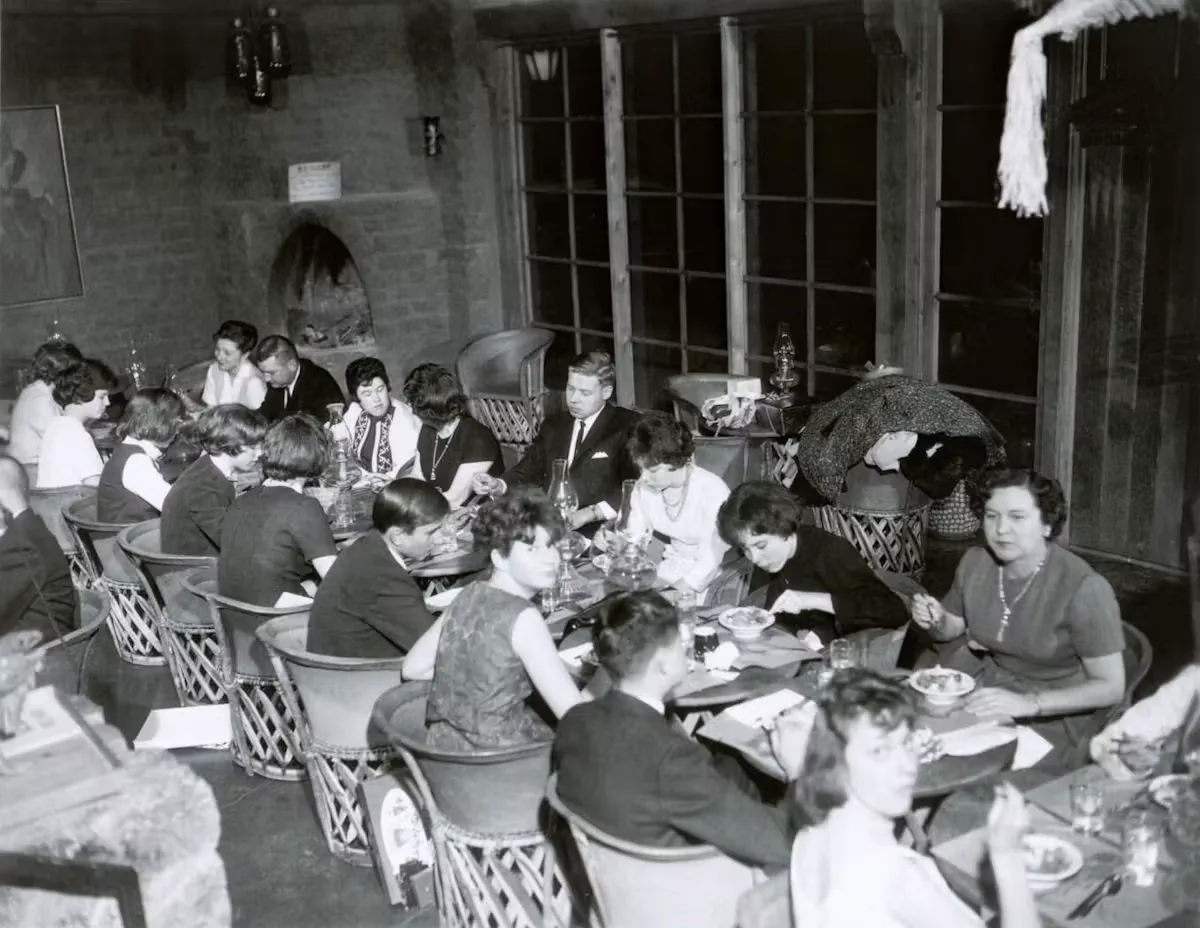
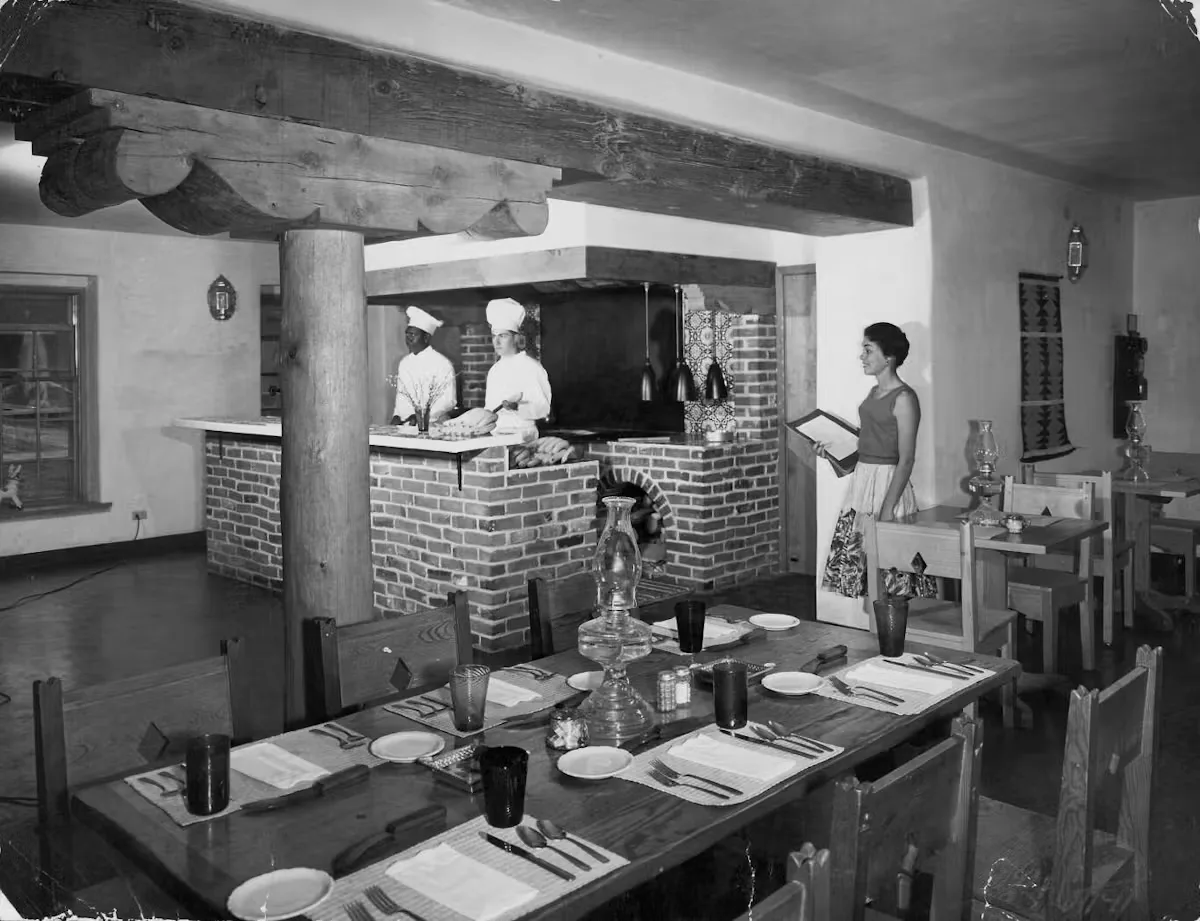
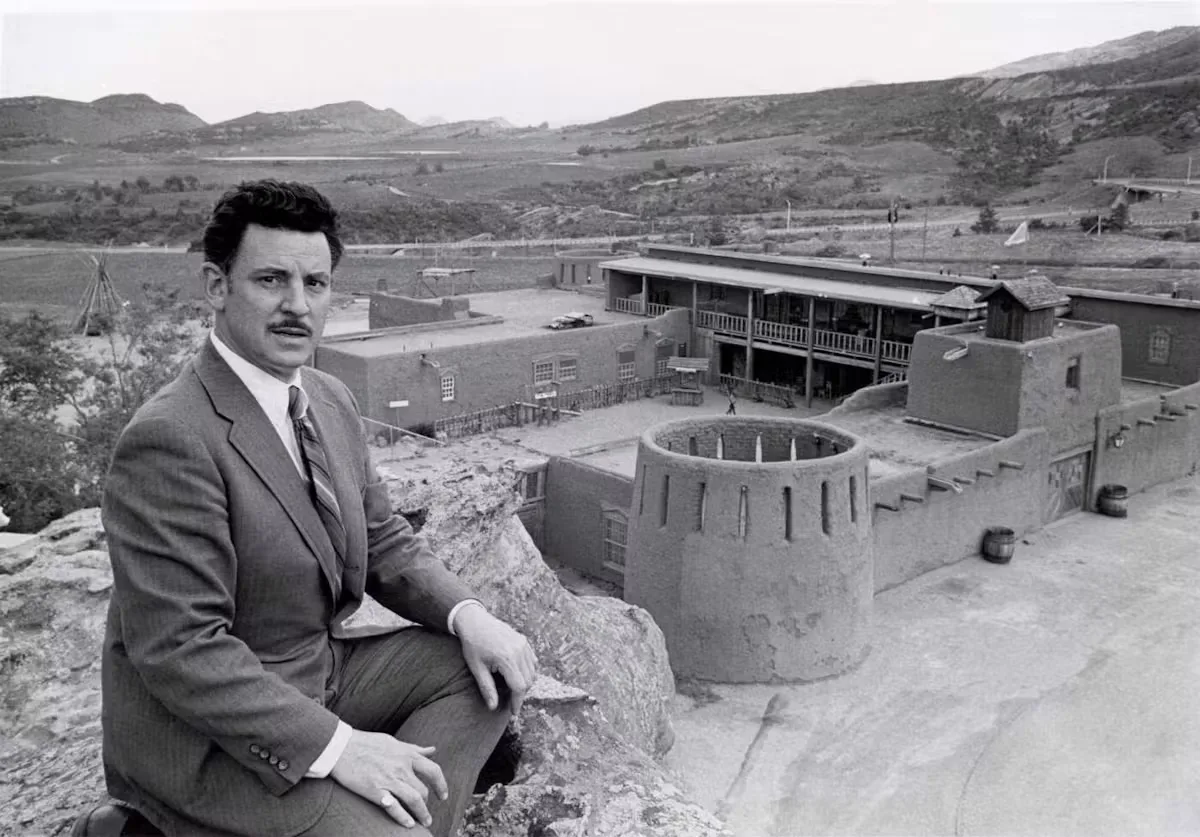
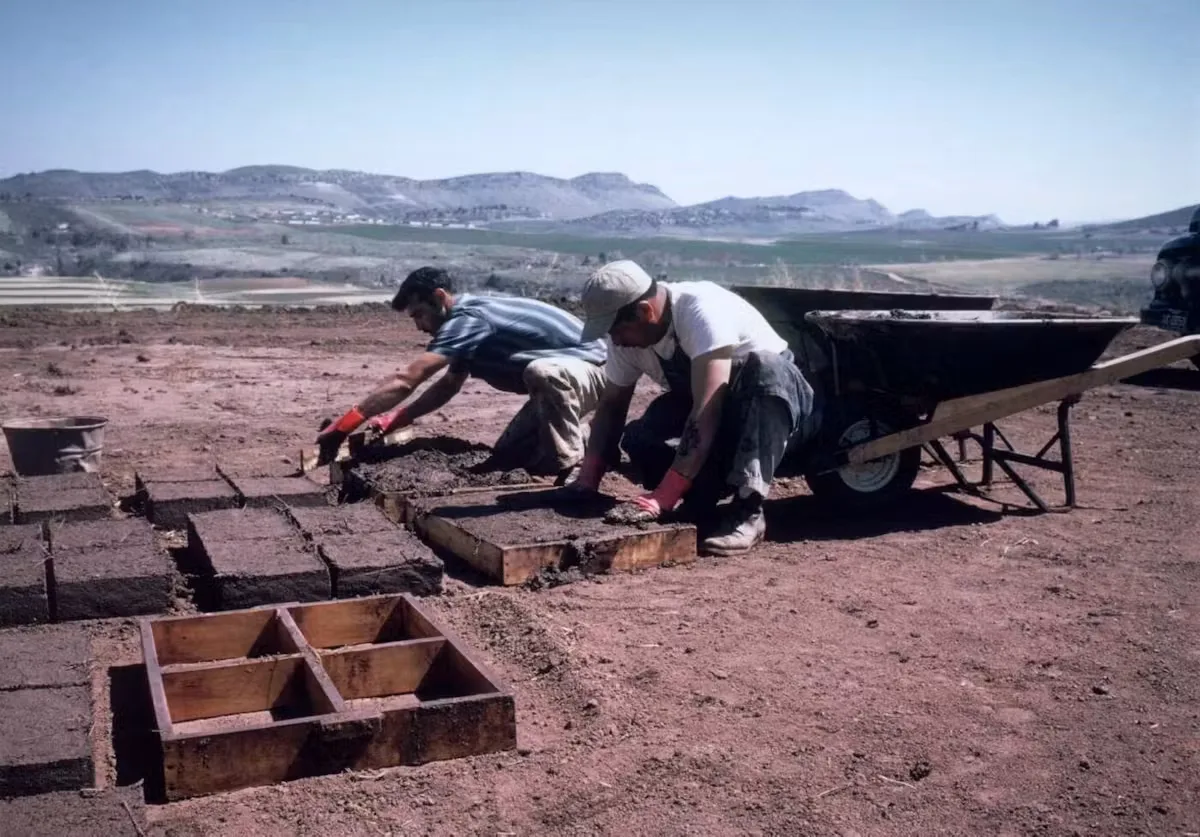
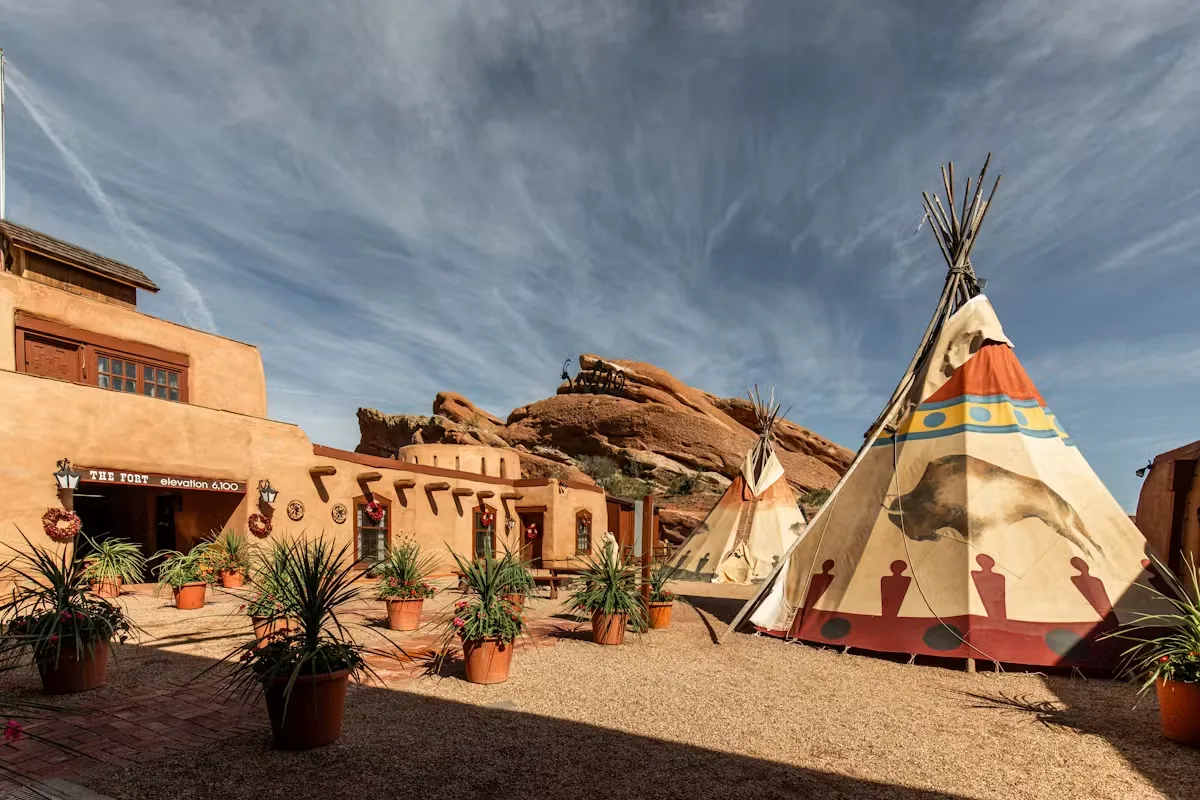
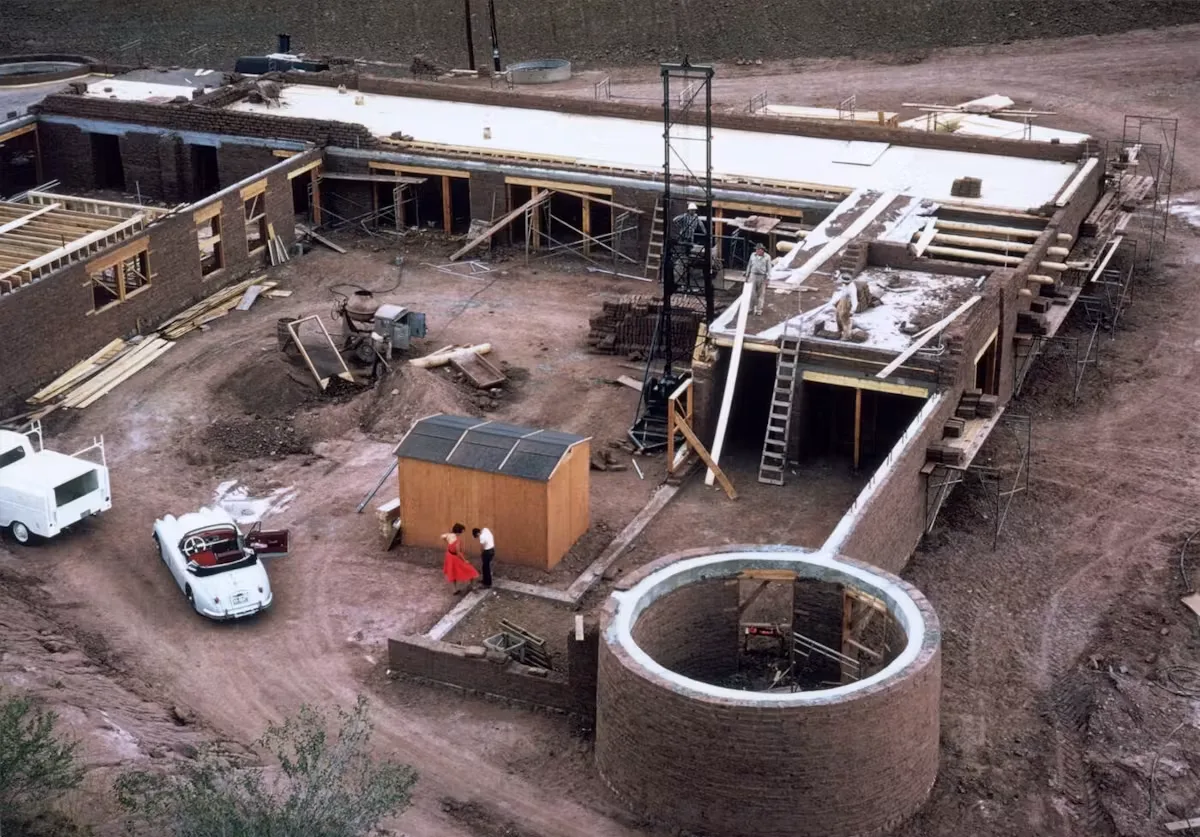
In 1961, Elizabeth "Bay" Arnold and her husband Sam'l P. Arnold—passionate amateur historians—purchased a dramatic red rock property near Morrison, Colorado, and commissioned Santa Fe adobe architect William Lumpkins to build a full-scale replica of Bent's Old Fort, the legendary 1830s fur-trading post on the Santa Fe Trail. Constructed from more than 80,000 handmade mud-and-straw adobe bricks, with hand-hewn beams, carved doors, and furniture crafted by Taos artisans in the style of the 1830s, the building was originally intended as the Arnold family home. Rising costs changed the plan: the lower level opened as a restaurant in February 1963, while the family lived upstairs. The Fort Restaurant has been locally owned and operated ever since, and the building is listed on the National Register of Historic Places.
The Food: "New Foods of the Old West"
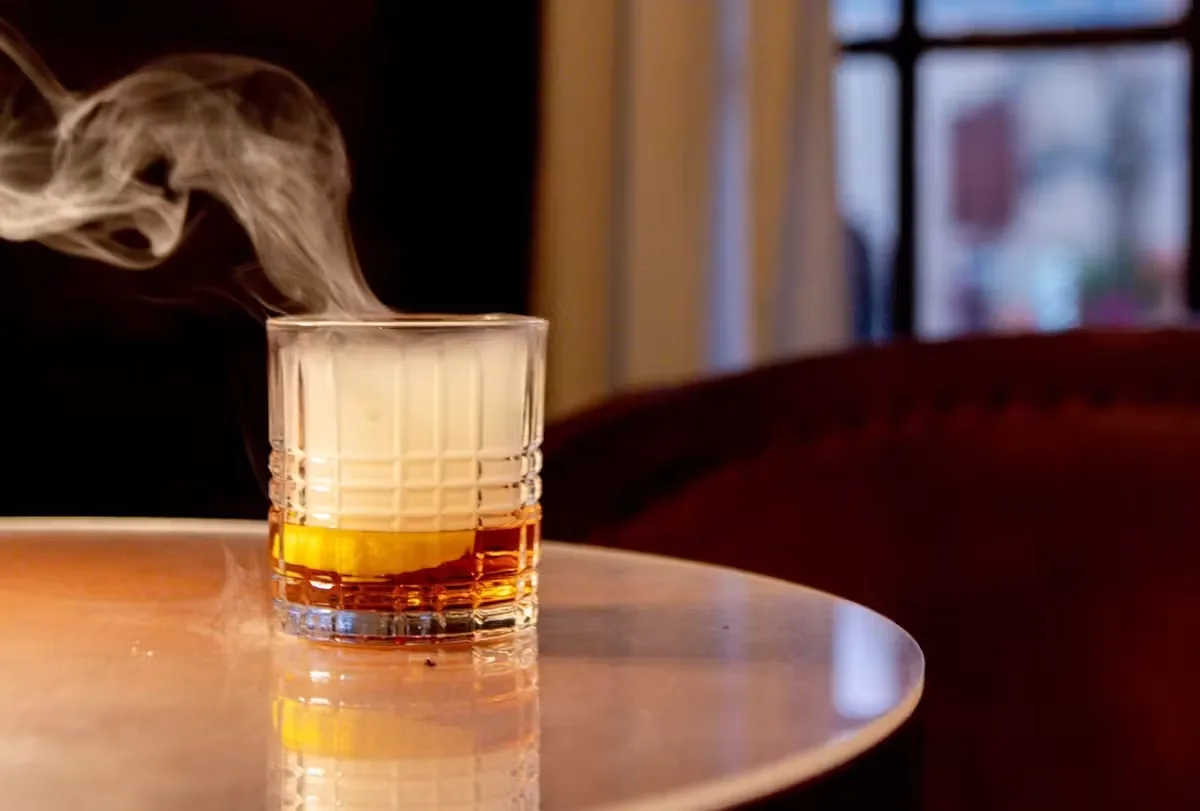
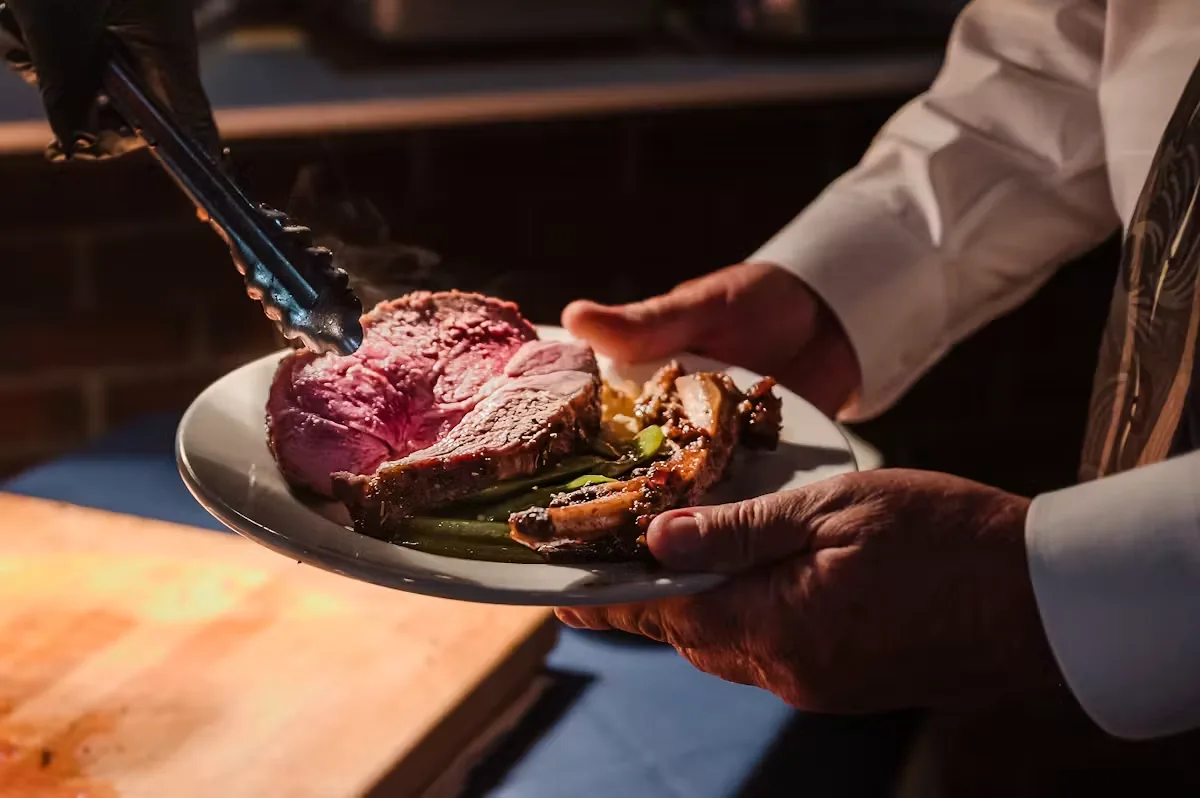
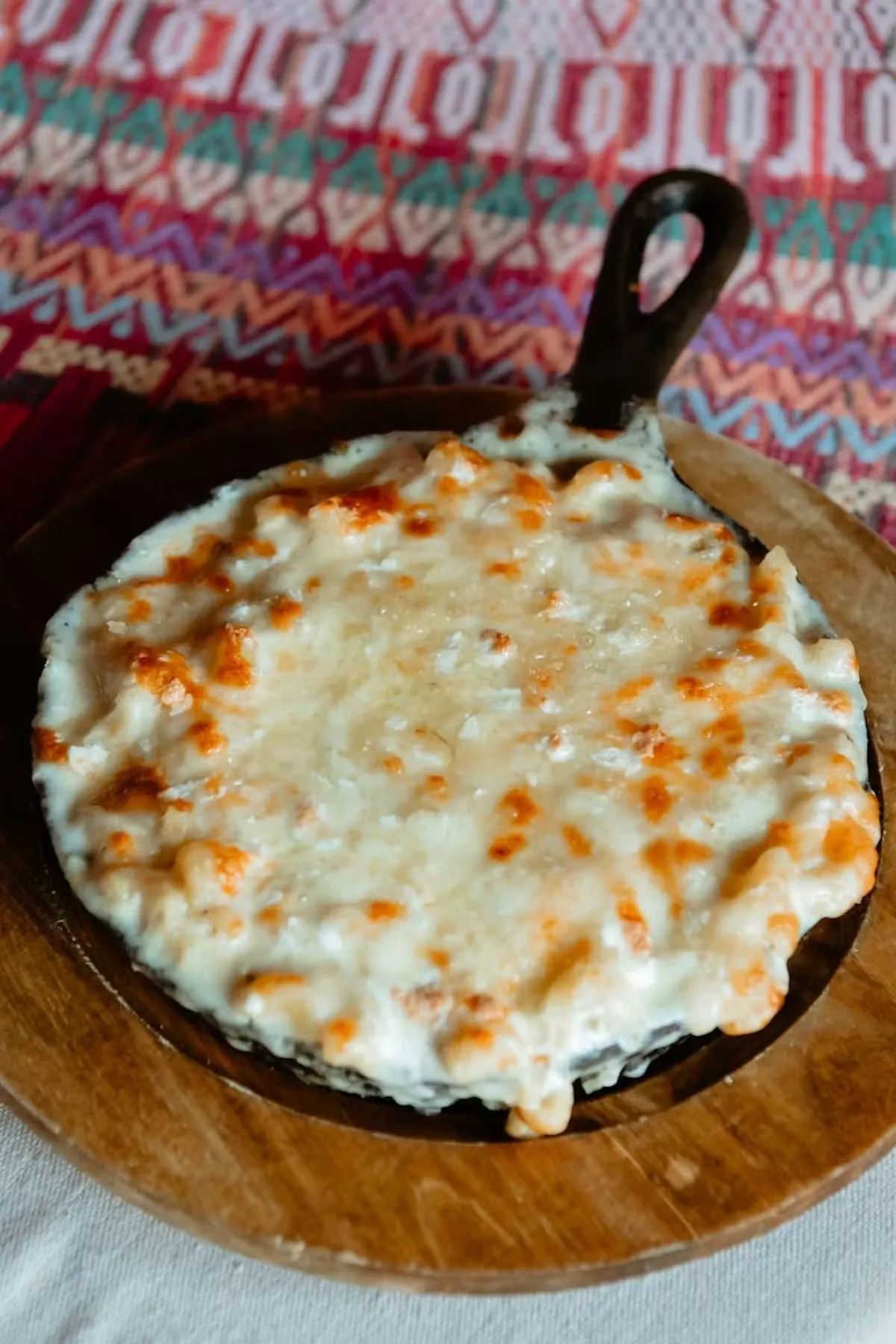
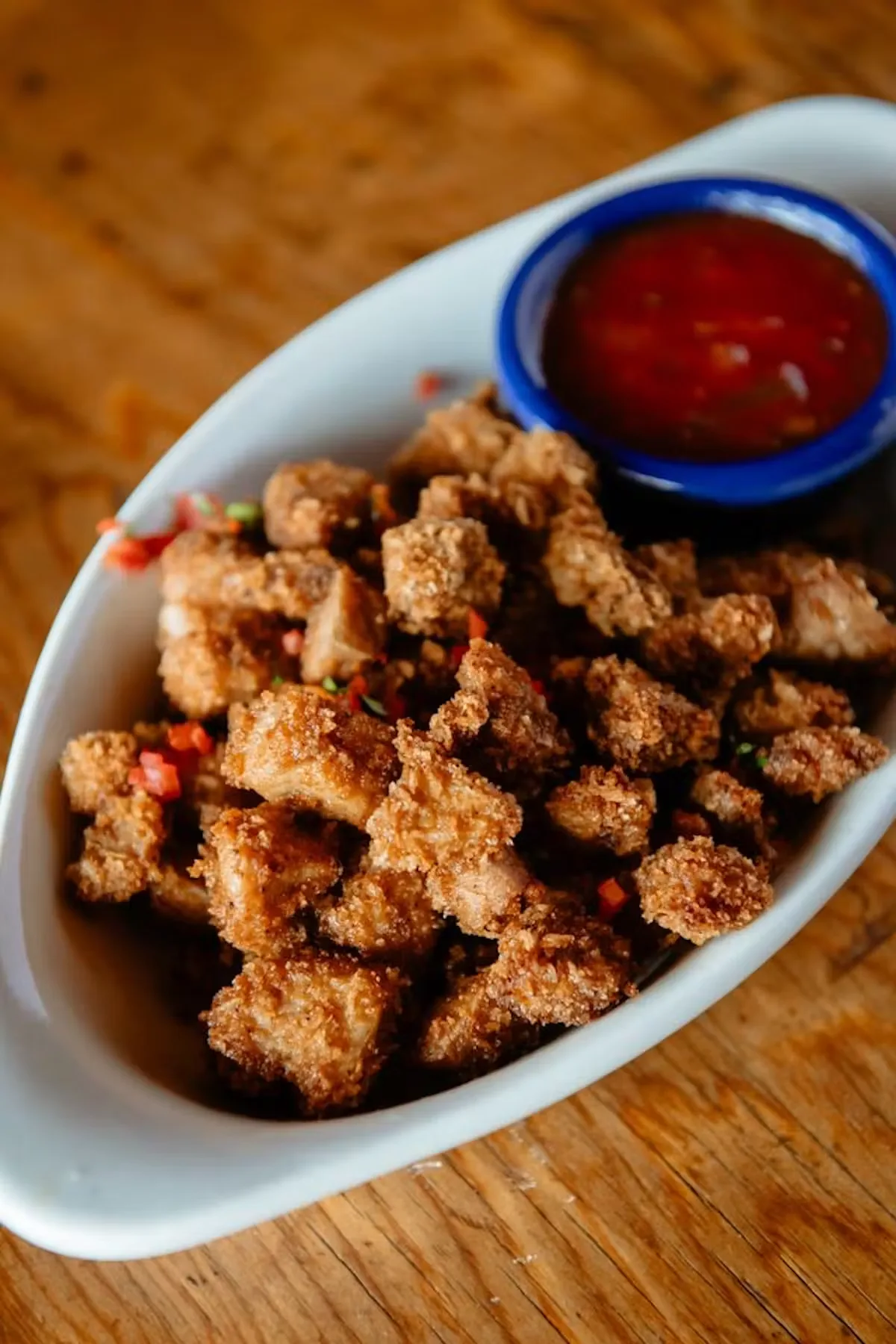
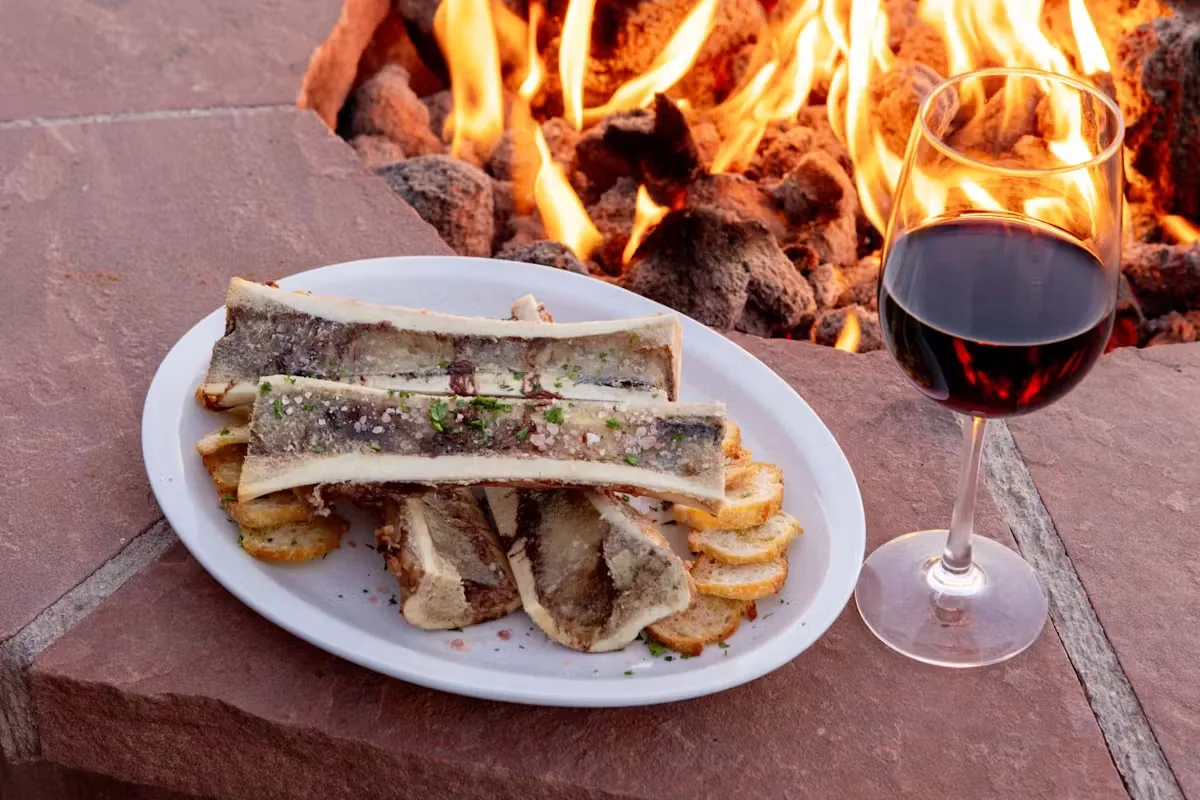
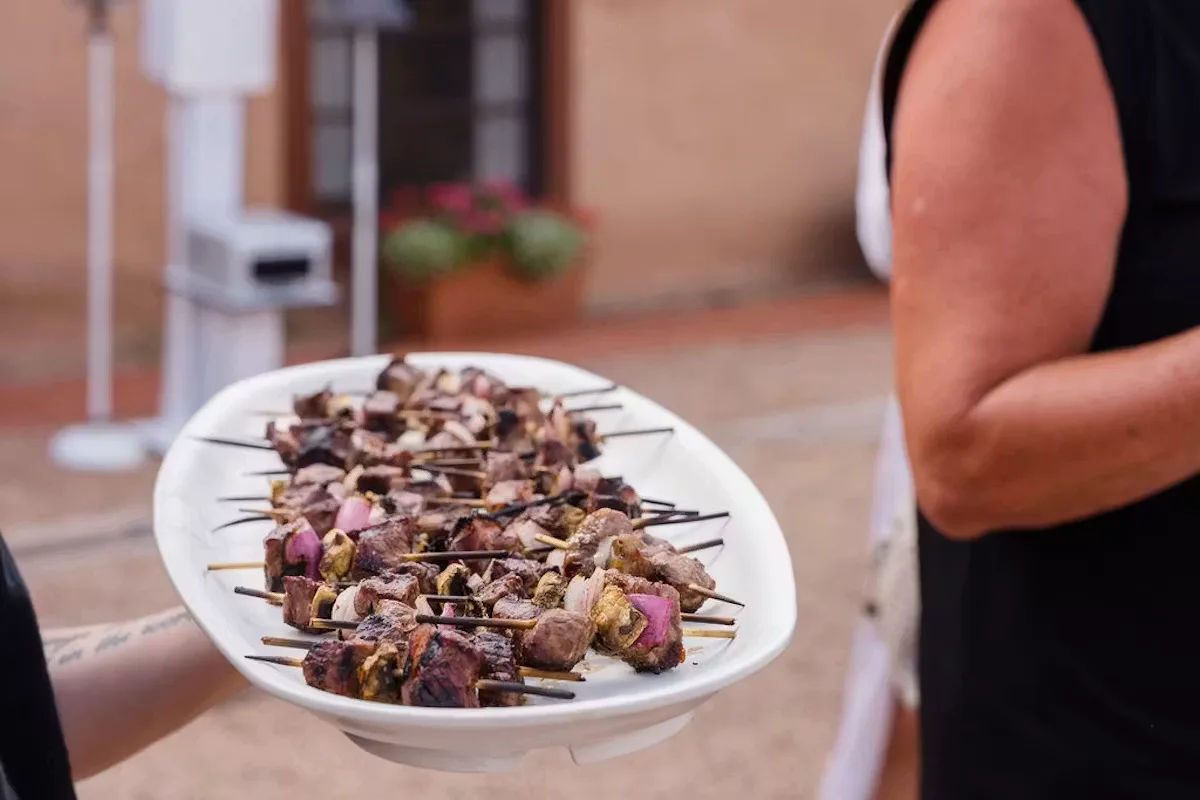
The menu was built on meticulous research—pioneer diaries, Native American foodways, the meals of mountain men and Santa Fe Trail travelers—blended with Spanish and Mexican influences reflective of Bent's Fort's historic location. Sam Arnold's research culminated in his cookbook Eating Up the Santa Fe Trail, which became the foundation of The Fort's American cuisine. Buffalo, elk, quail, bone marrow, and Rocky Mountain oysters have defined the table from the beginning. The signature cocktail, The Hailstorm, is Colorado's first recorded drink, originally served at Bent's Fort in 1833.
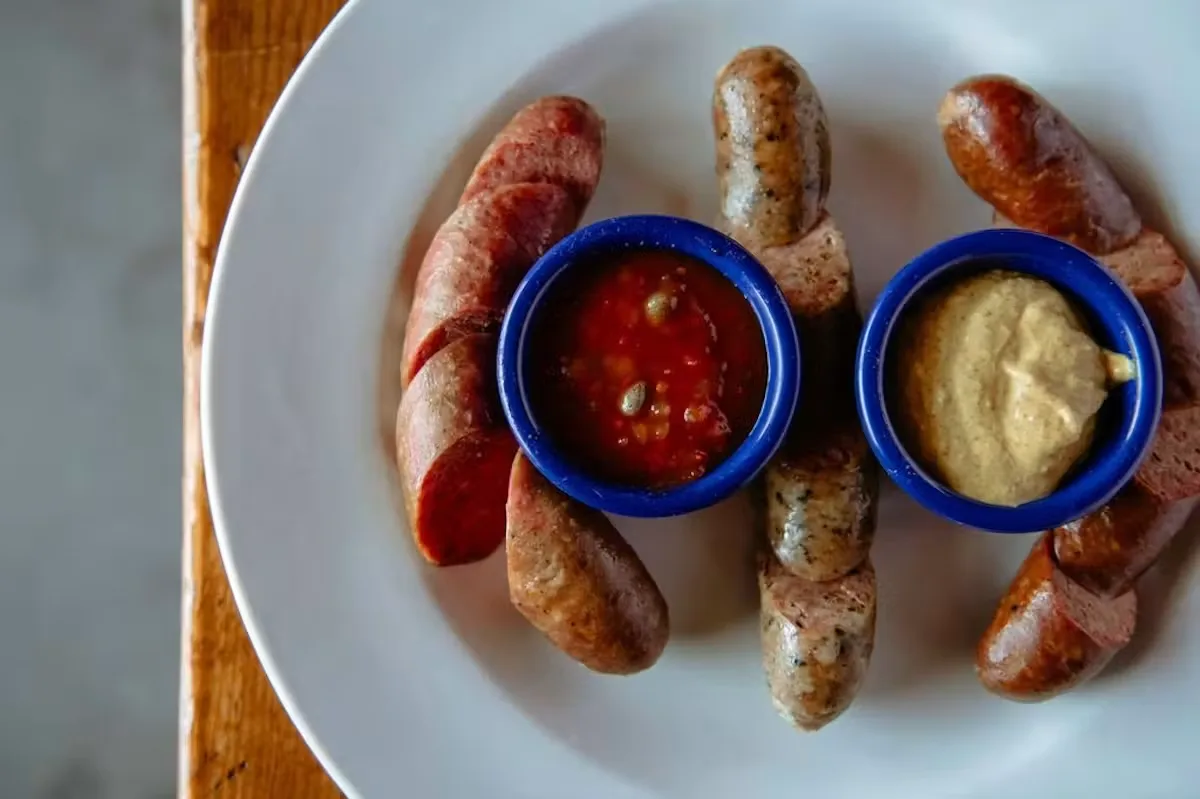
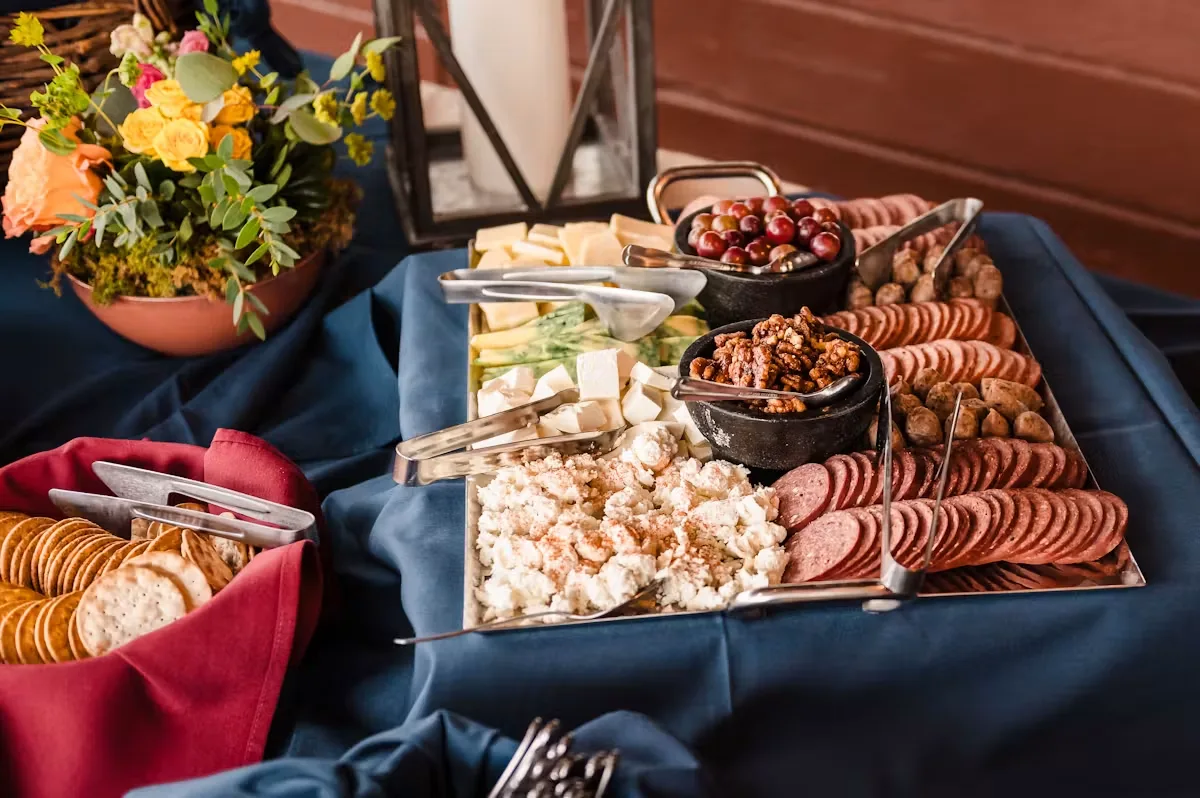
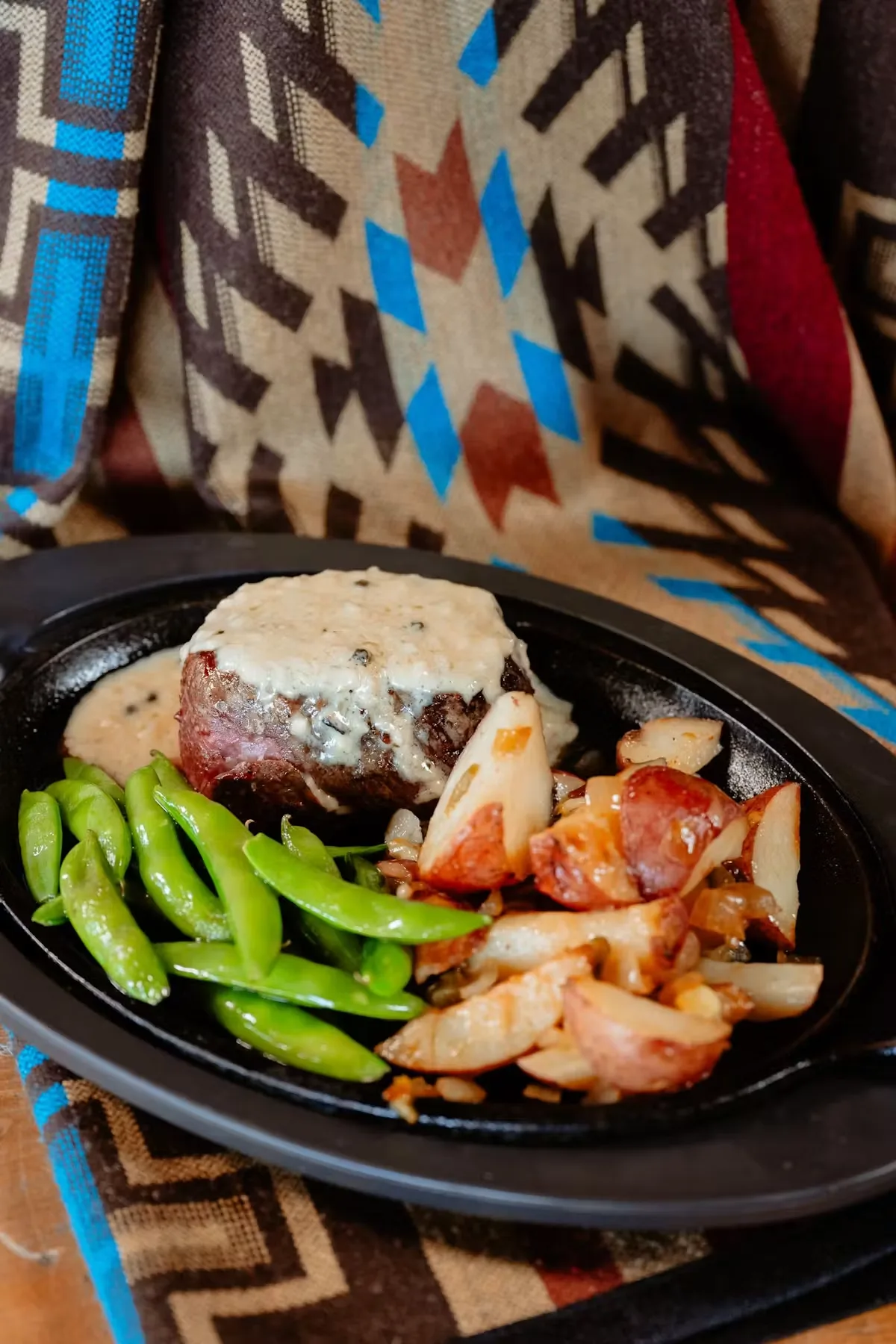
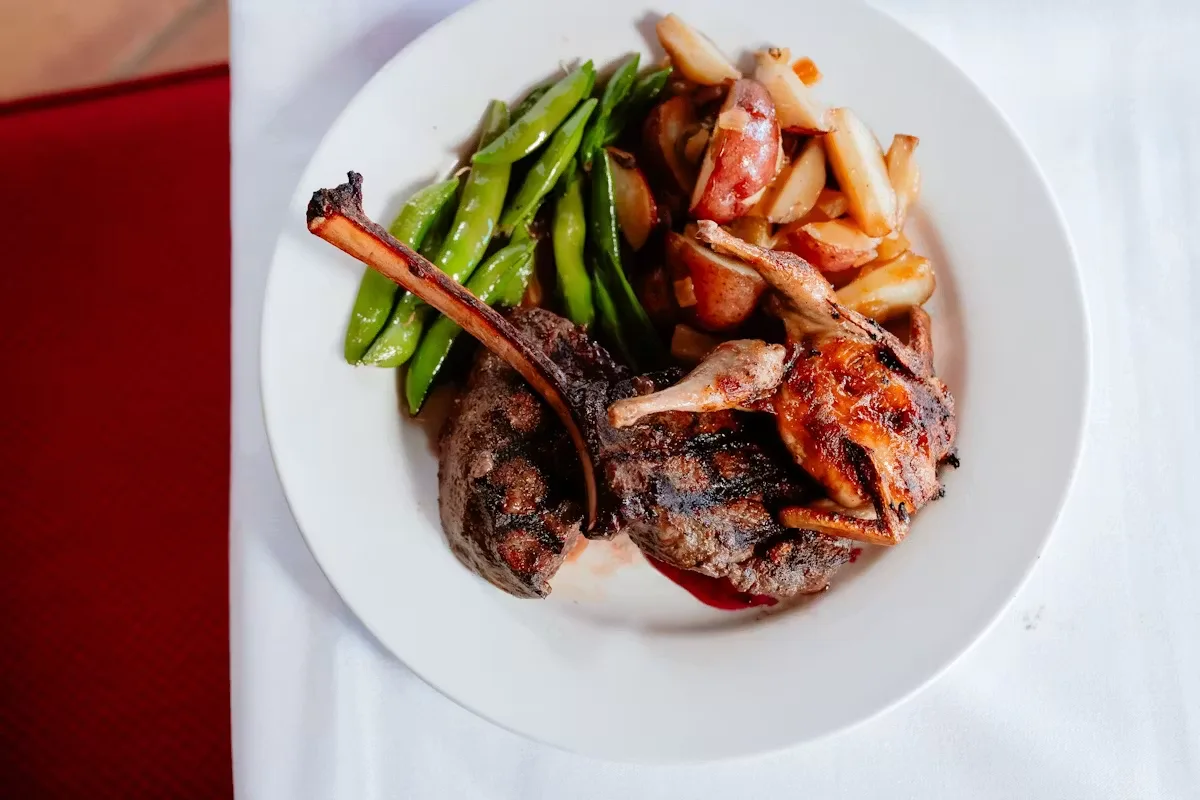
Today the menu still honors those roots. The Fort's Game Plate—described as the restaurant's most popular dish—brings together a bone-in venison chop, buffalo sirloin medallion, and grilled teriyaki quail in a single, sweeping taste of the frontier. The charcuterie board arrives loaded with duck prosciutto, wild boar sausage, rabbit and rattlesnake brat, and smoked bison tongue. For those drawn to the American West through beef rather than game, Colorado natural ribeye, NY strip, and filet mignon round out the menu with the same regional conviction.
The wine program earned a Wine Spectator Award of Excellence, recognition that speaks to the seriousness with which the cellar complements this distinctive American cuisine.
Family Legacy and Living History
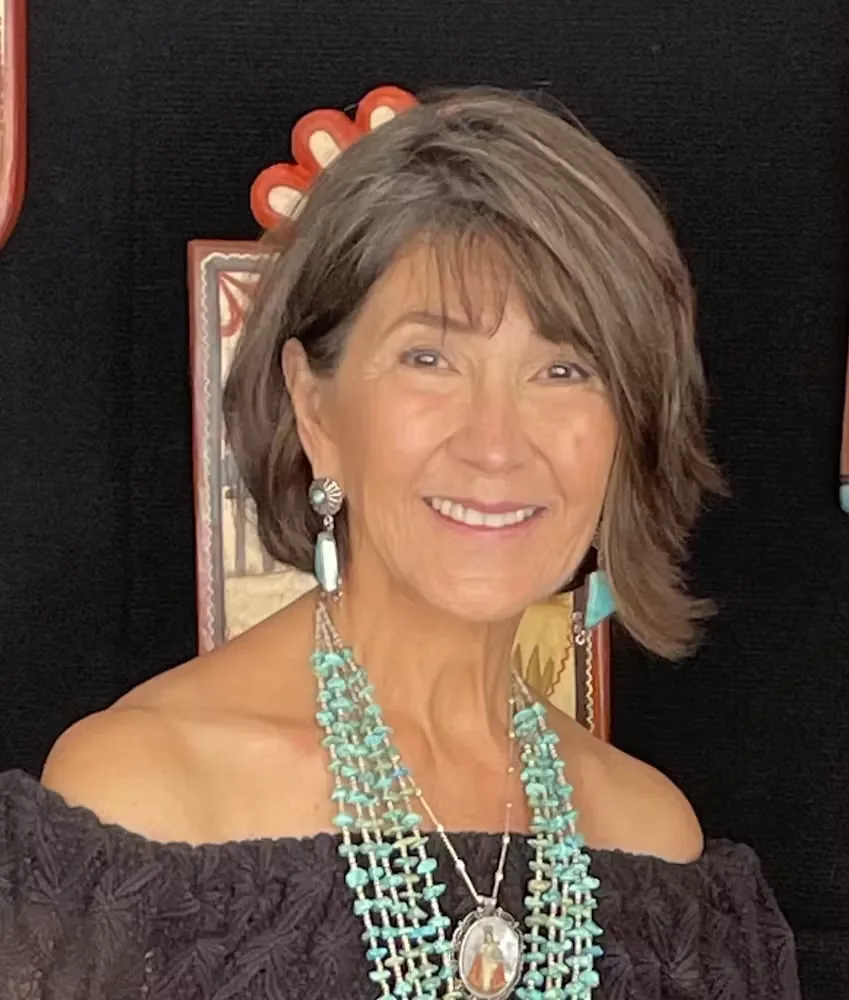
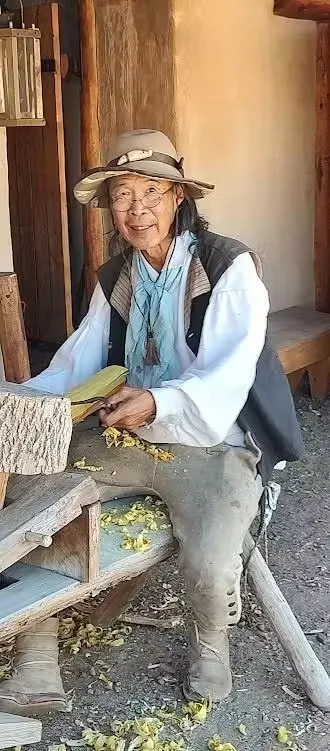
Holly Arnold Kinney, daughter of Sam'l and Bay, grew up at The Fort working every position in the restaurant and traveling widely with her parents before taking the helm. Her stewardship has deepened the restaurant's commitment to history as experience: the calendar includes a Historic Lecture Series, cultural dinners, murder mystery evenings, wine and whiskey dinners, and hands-on workshops—all held within the adobe walls that have defined this place for more than six decades. A Whiskey Library adds another dimension for spirits enthusiasts.
The Fort is not simply a restaurant that looks like a fort. It is a fort that became a restaurant, and the distinction matters at every turn.
Recognition
Awards & accolades
Ambience
A glimpse inside
Location
Find us
19192 Highway 8, Morrison, ColoradoLakewood, United States of America
3036974771
fortmail@thefort.com
Visit website
 Facebook
 Instagram