

The story
Crafted with passion, served with love
An American Dream, Built One Dish at a Time
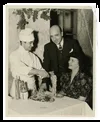
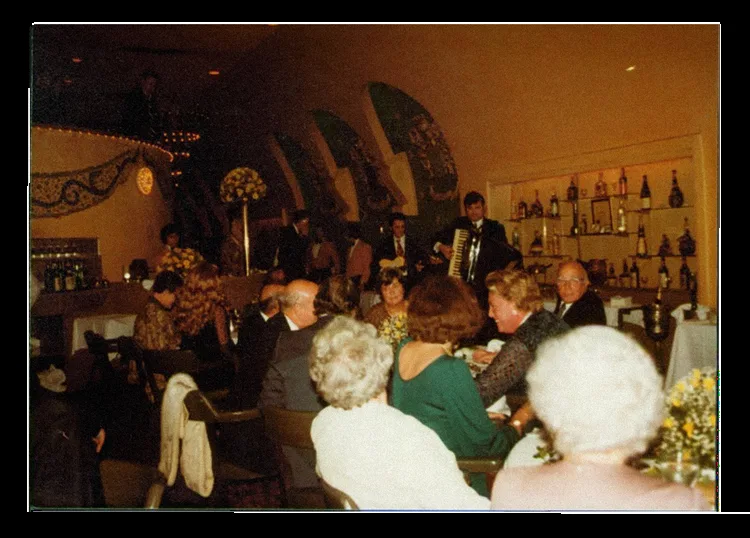
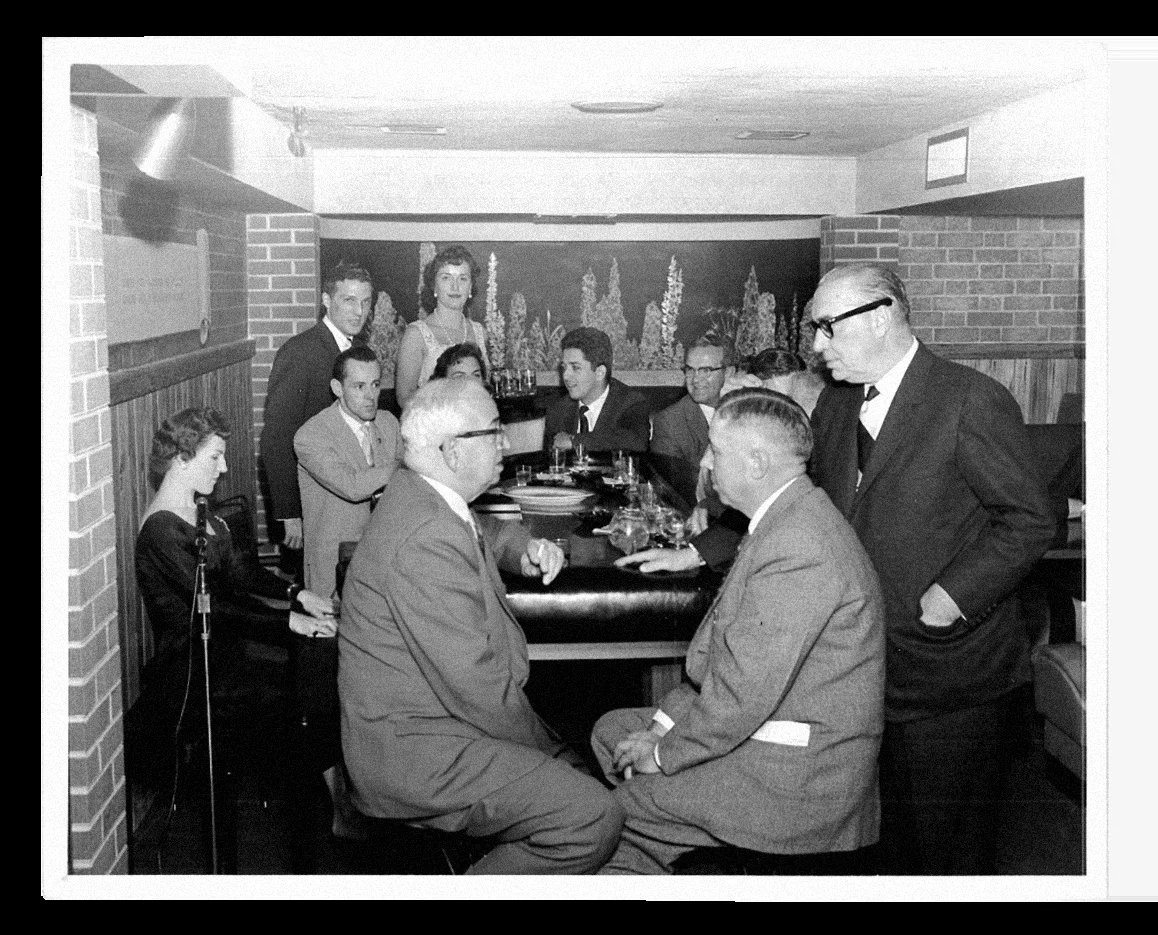
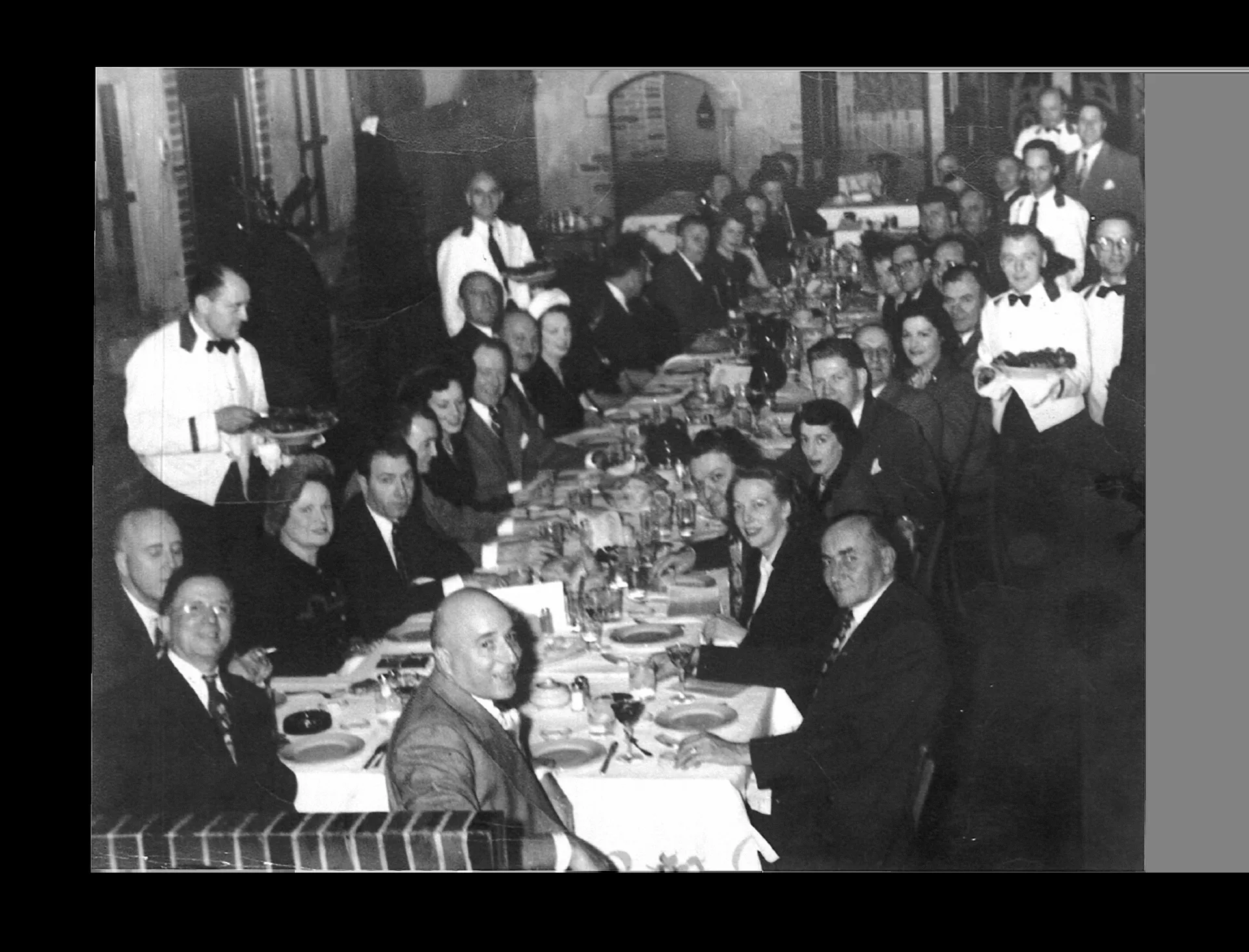
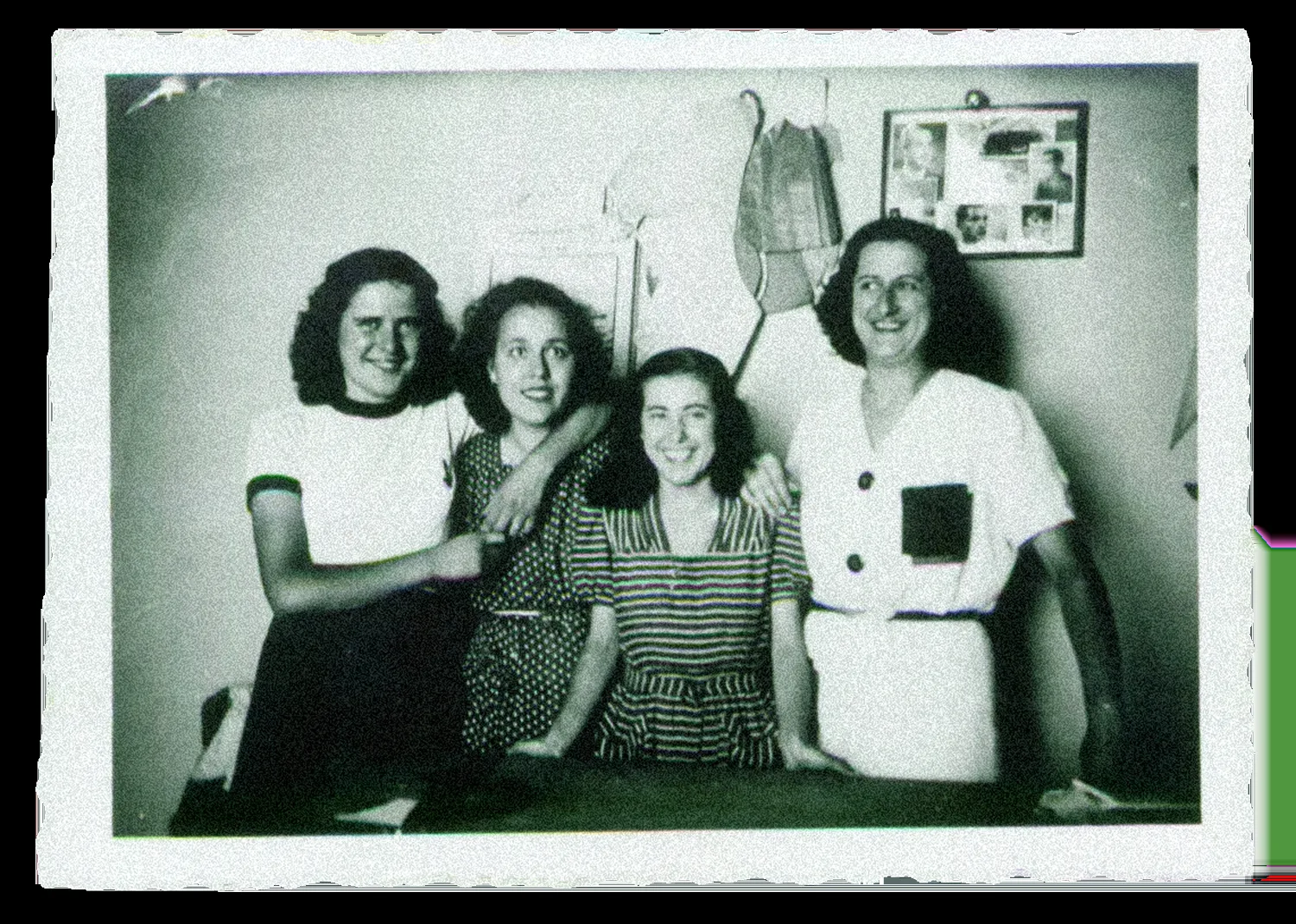
In 1924, a young man from the foothills of Tuscany arrived in Chicago with little money and no restaurant experience. Alfredo Capitanini started as a dishwasher at a nearby eatery and worked his way up through the kitchen until, on September 20, 1927, he signed a lease and opened what would become one of Chicago's most enduring dining institutions. As the story goes, it was a full house from the start.
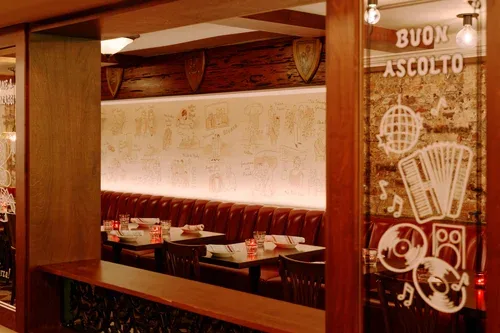
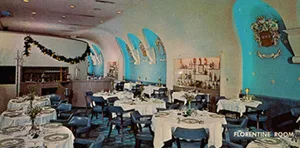
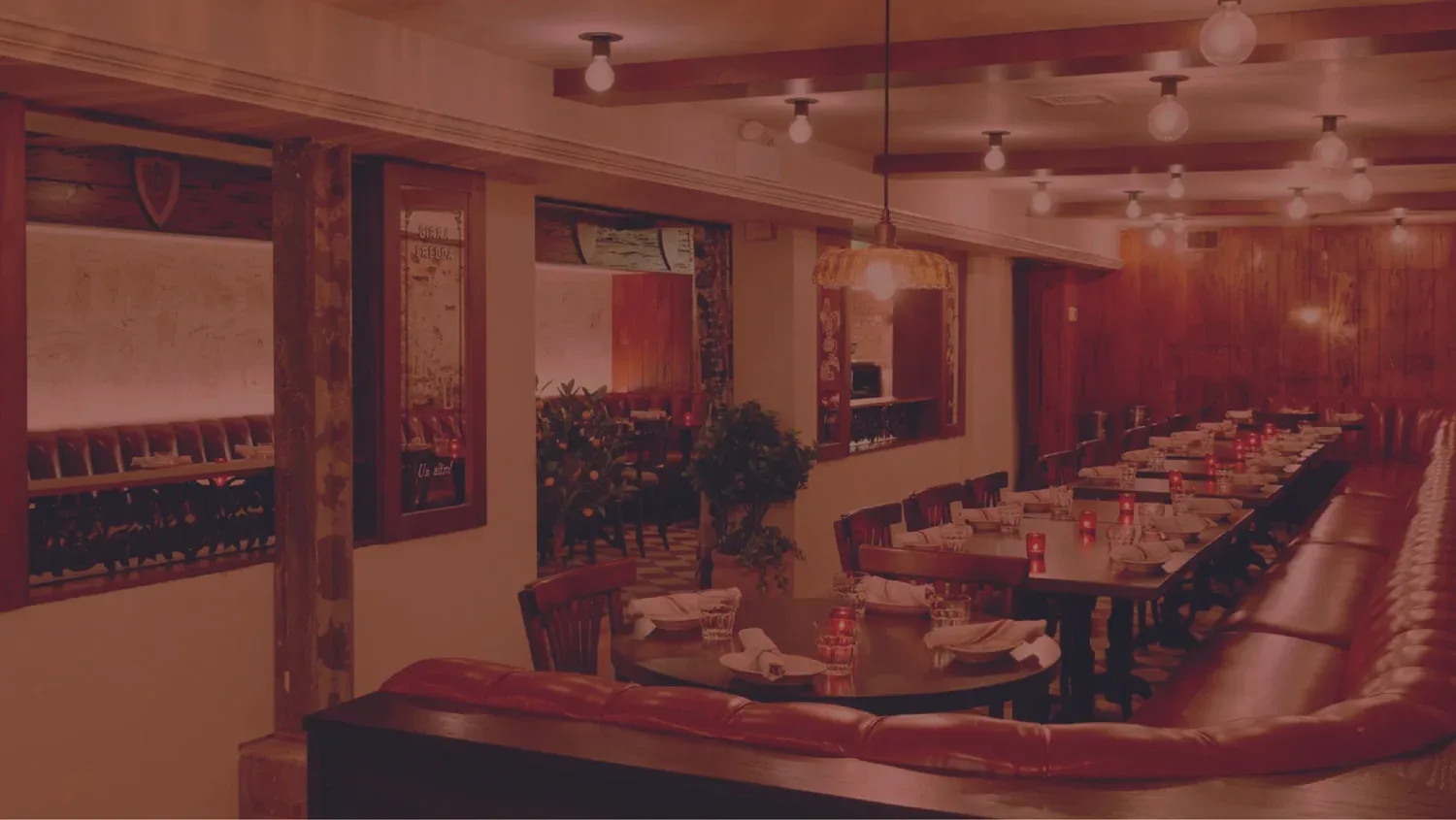
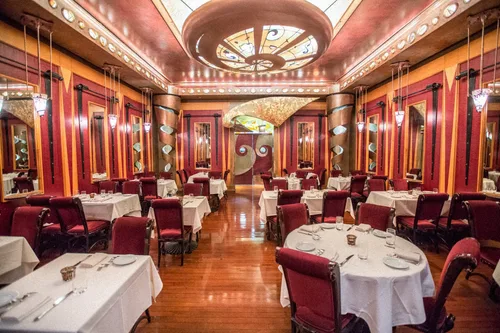
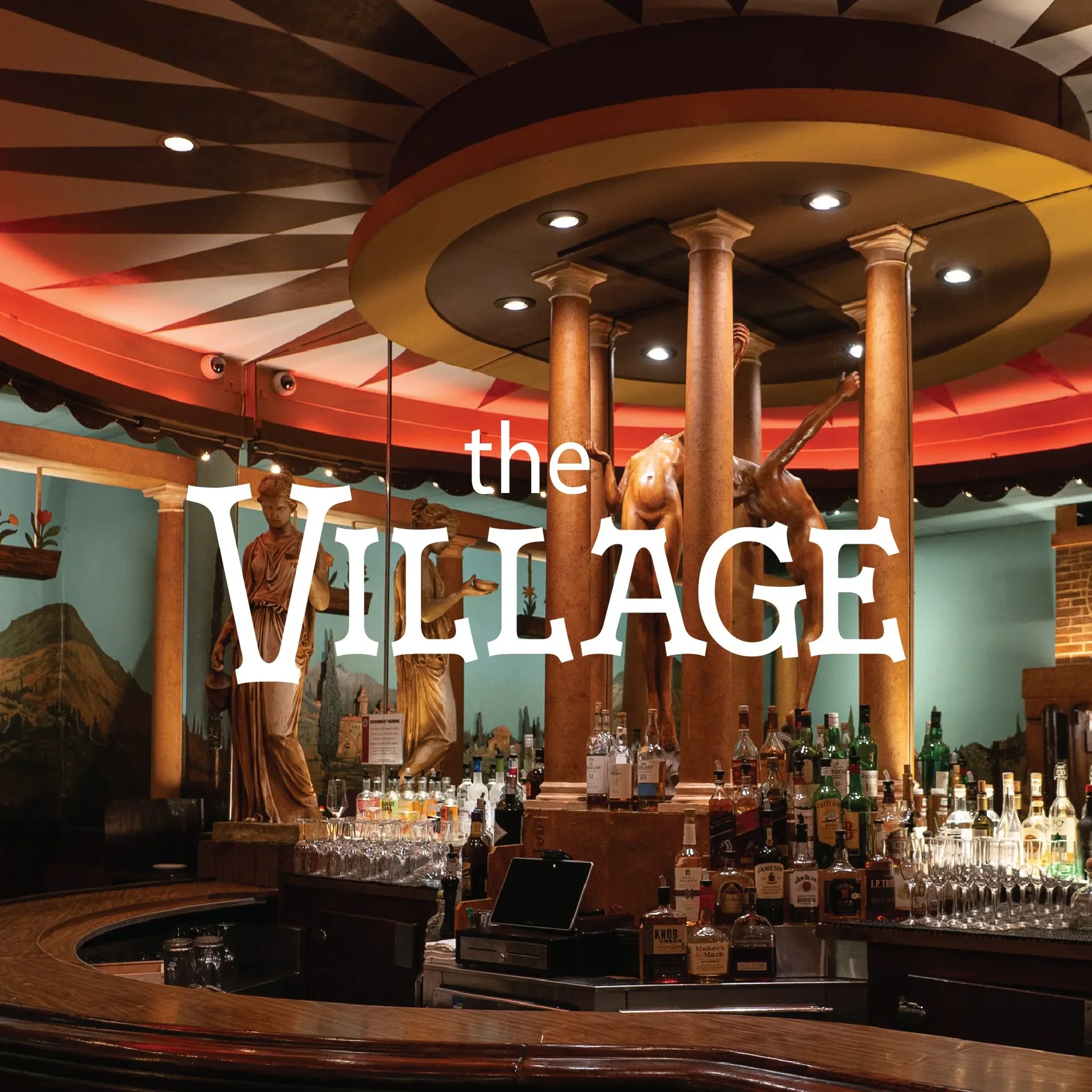
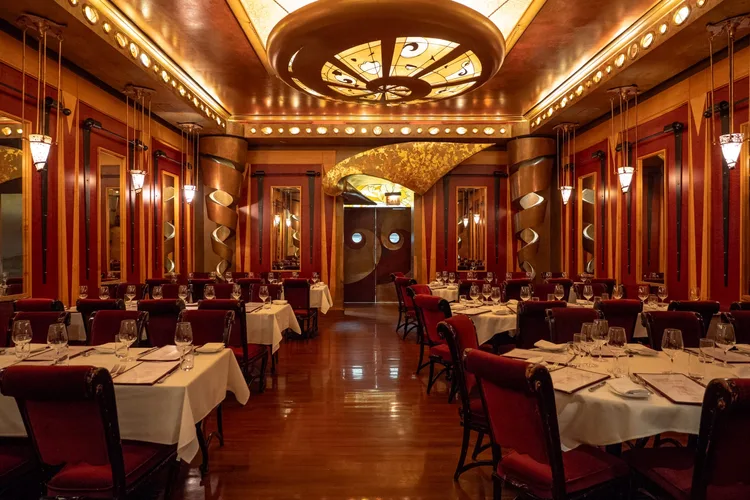
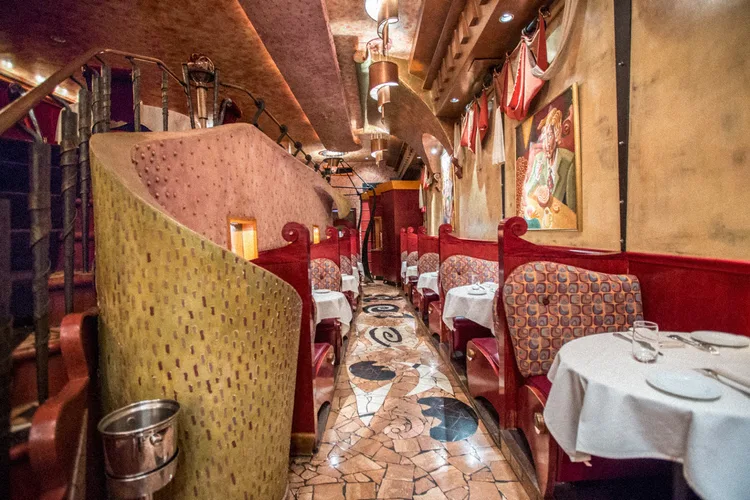
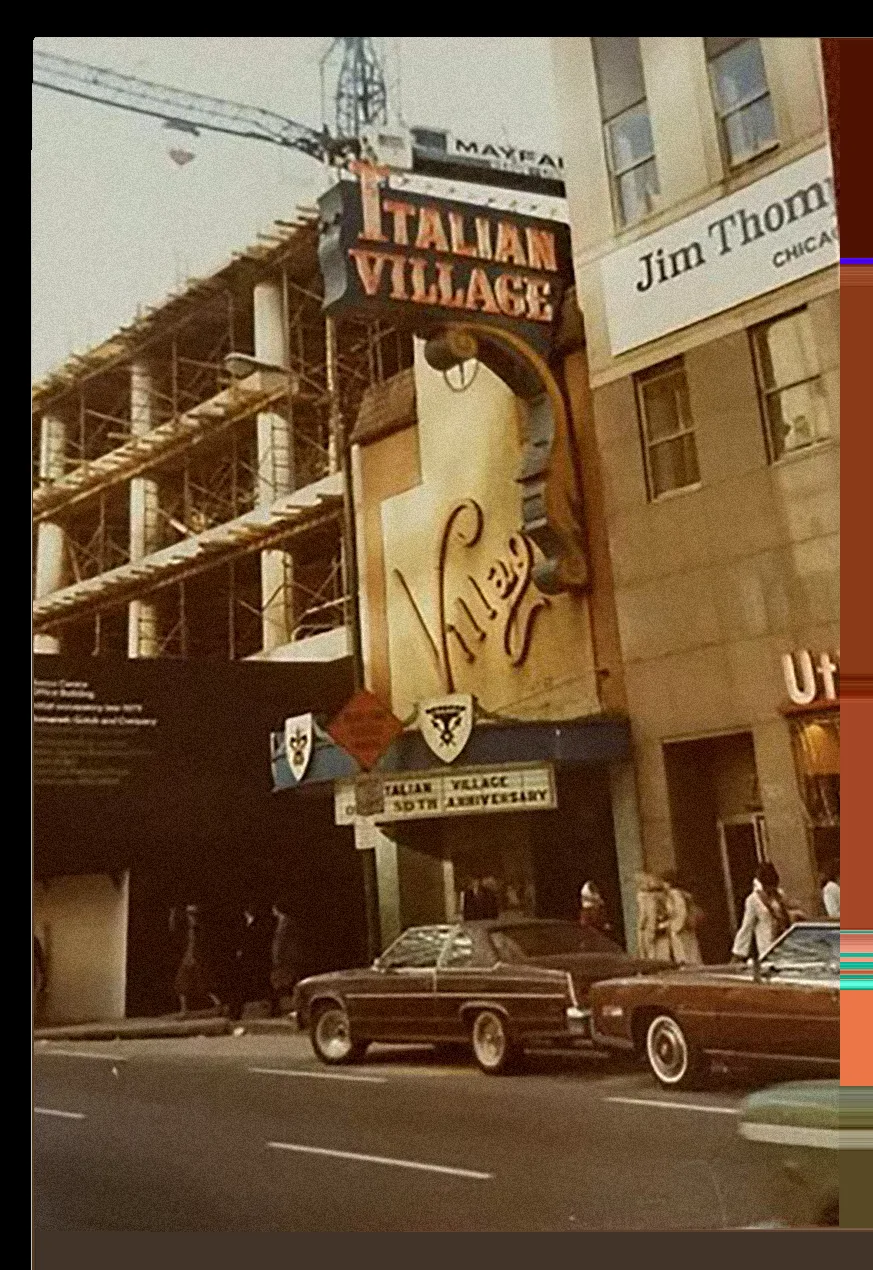
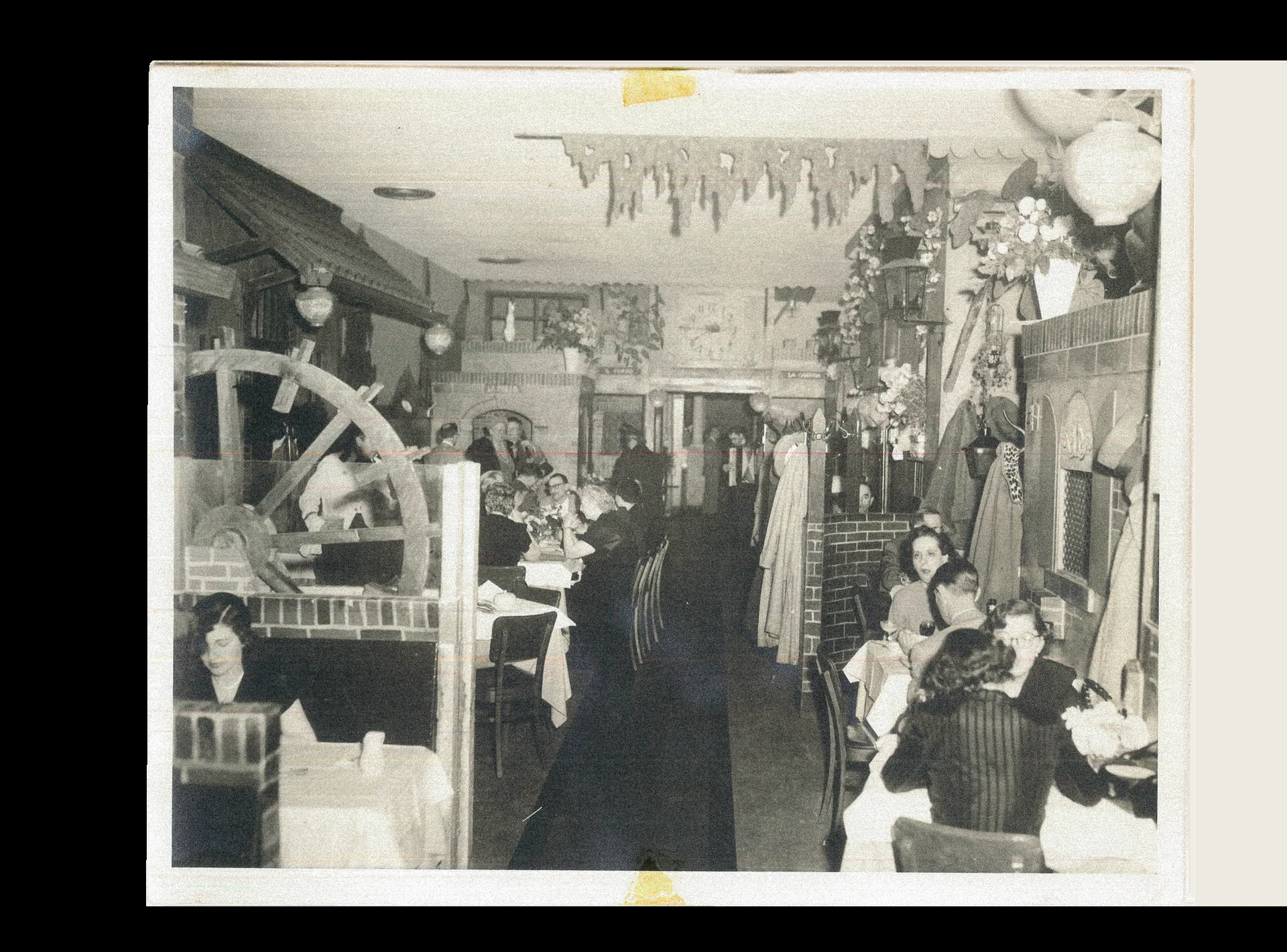
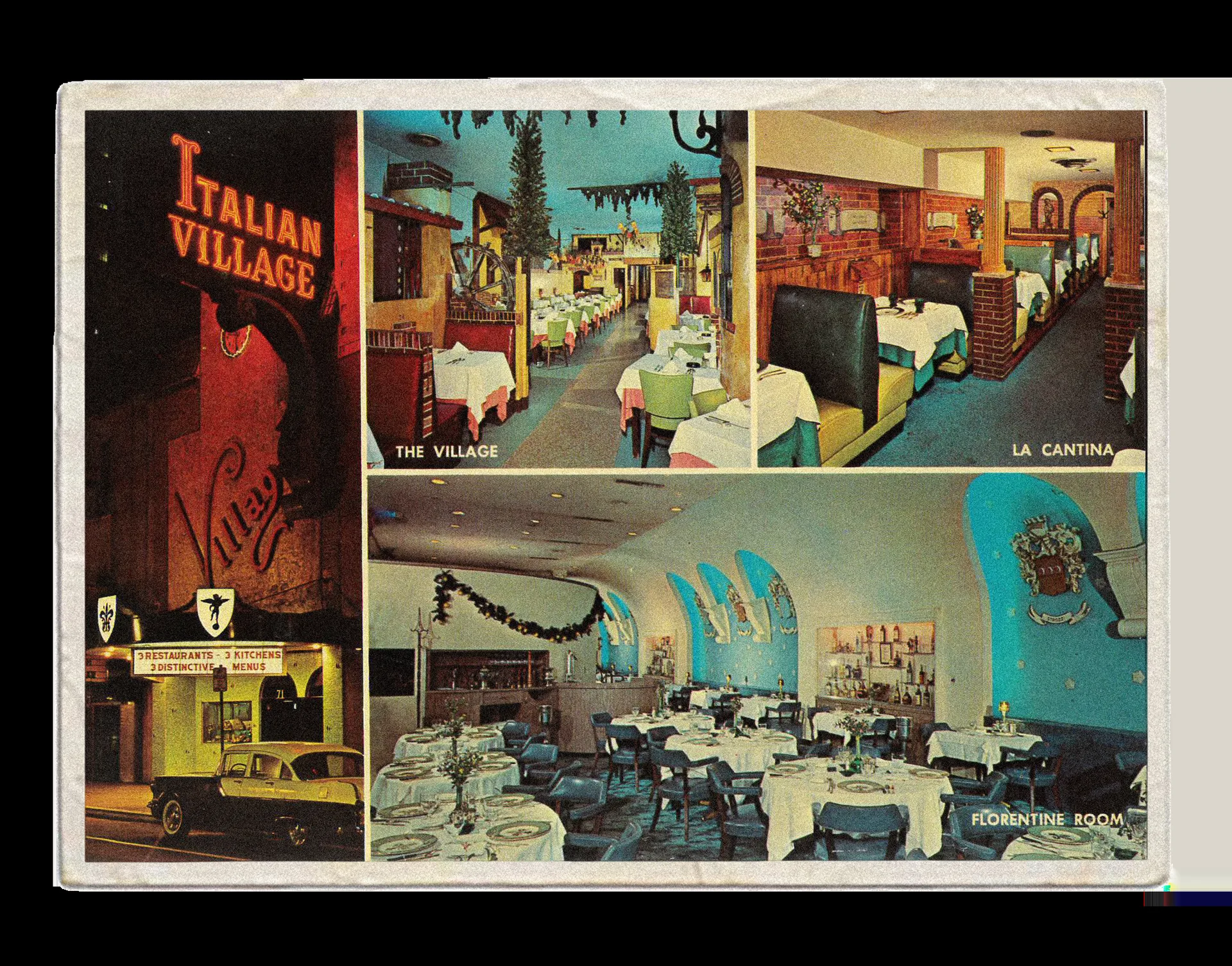
Nearly a century later, The Village still occupies the second floor of that same building at 71 W. Monroe Street, a warm, nostalgic space where Italian-American traditions are served with what the family calls "old school" hospitality — guests treated as family, celebrations honored as milestones.
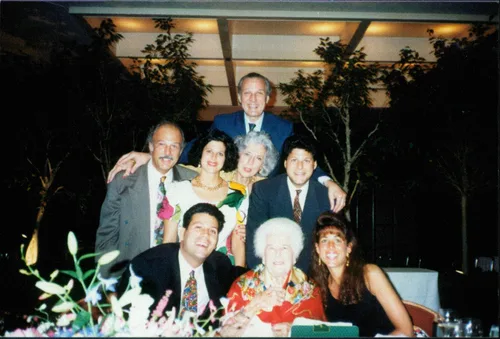
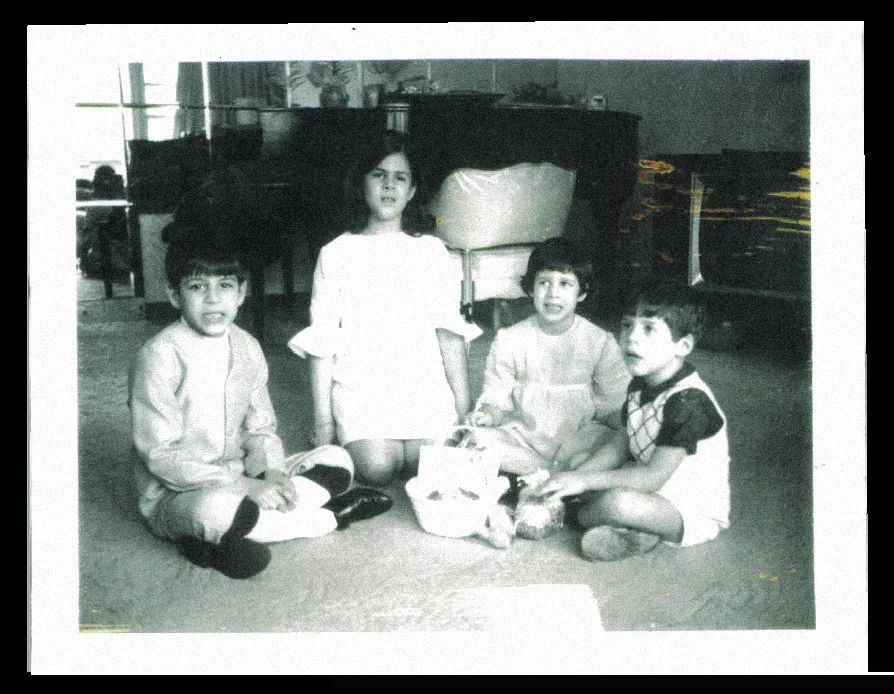
Four Generations, One Address
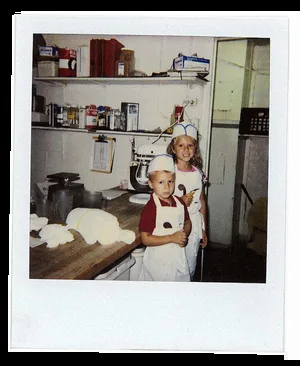
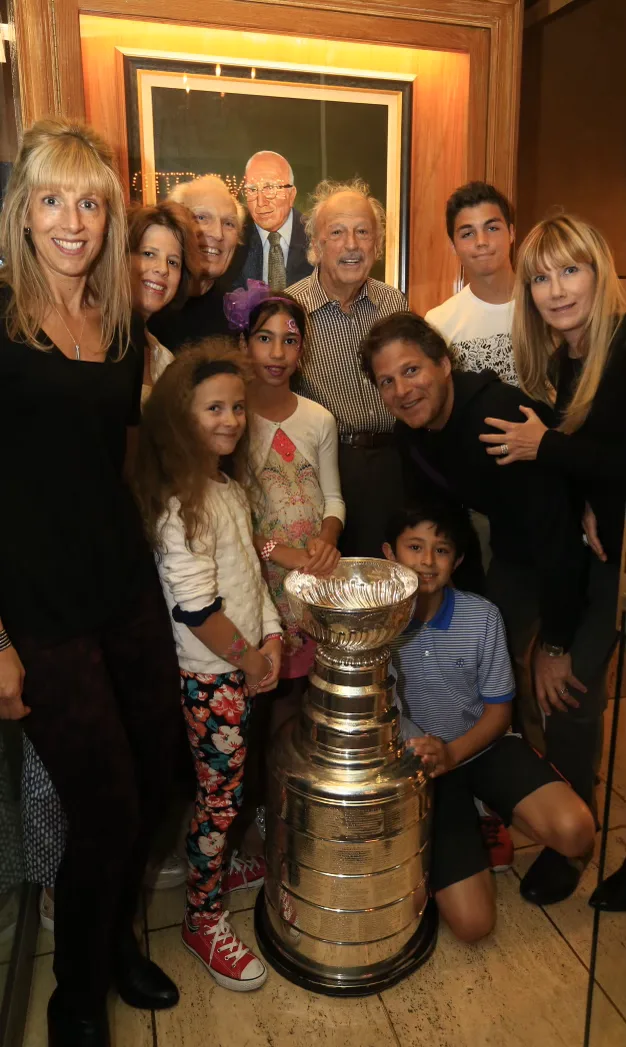
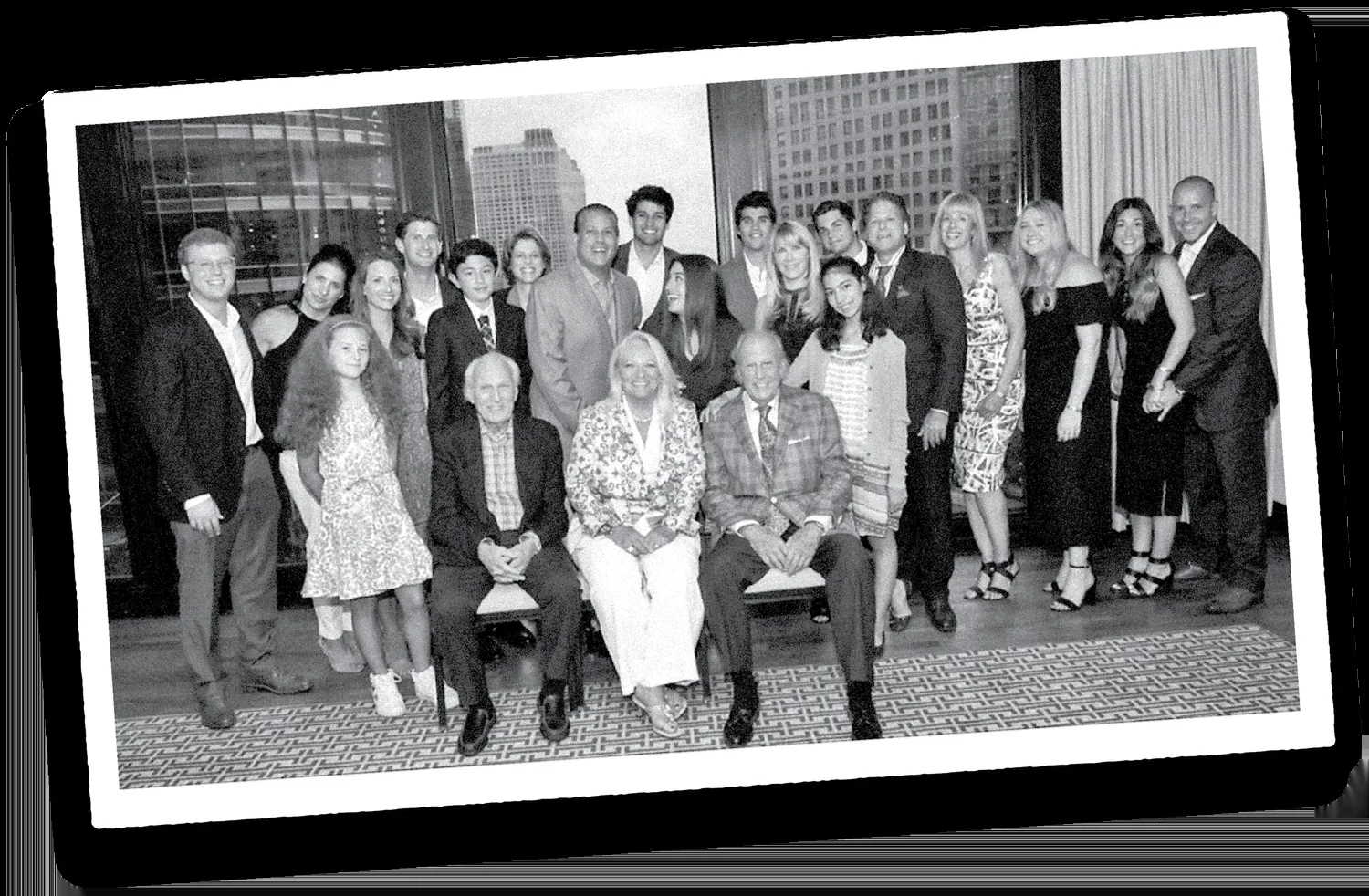
Italian Village Restaurants is now a fourth-generation, family-owned operation. The Capitanini family has stewarded the building through the Great Depression, World War II, Chicago's skyscraper boom, and a global pandemic — each era reshaping the concept while preserving its core. The current stewards, siblings Giovanna and Jonathan, took on leadership in the 2020s and have focused on rebuilding the complex for a new generation of guests.
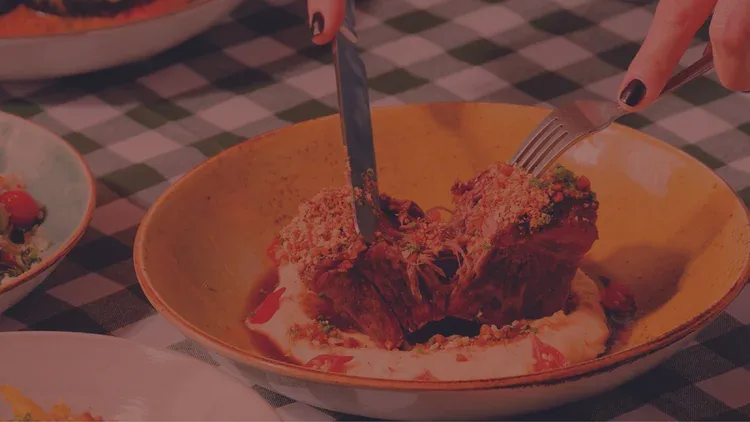
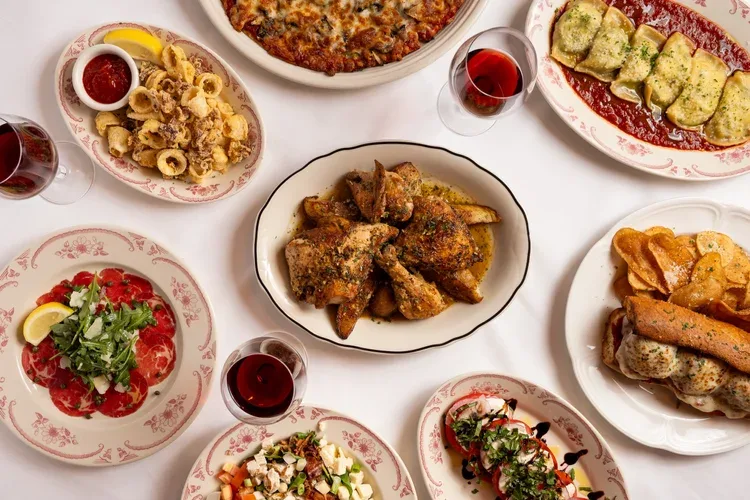
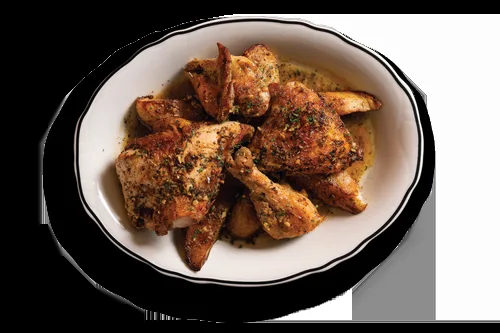
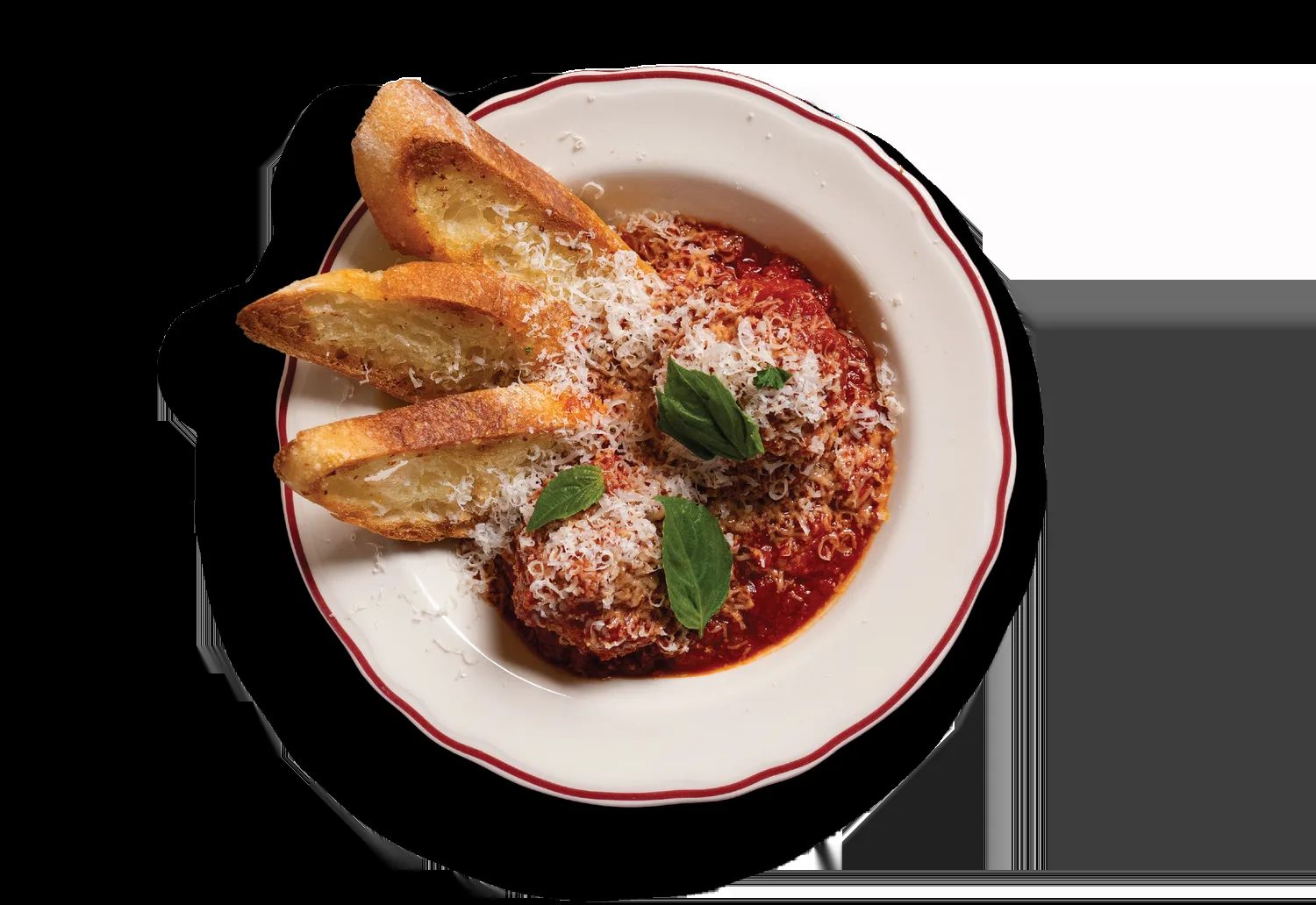
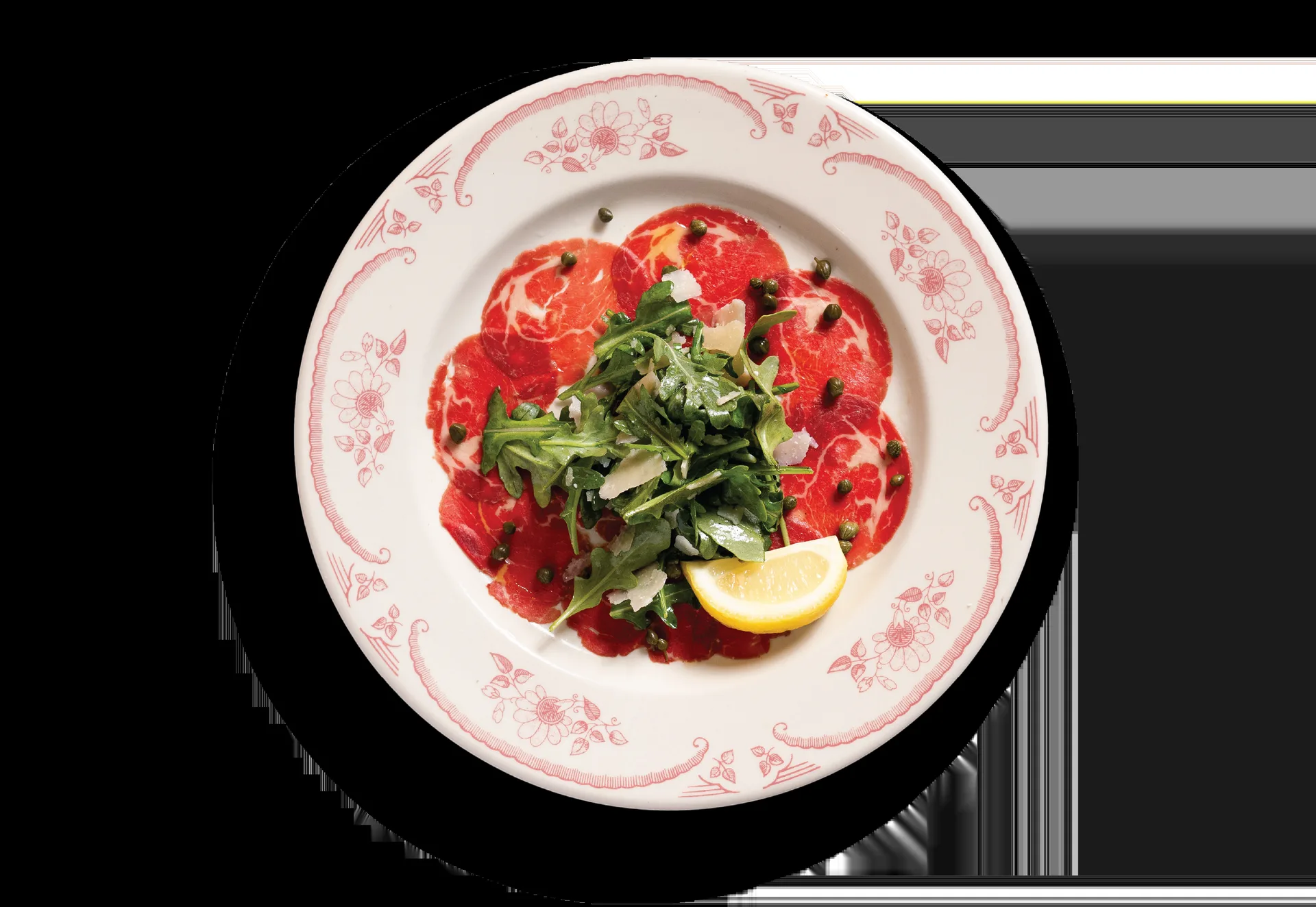
The Village itself remains the anchor: a menu of Italian-American classics — Chicken Parmigiana, freshly made pasta, and dishes that Alfredo himself brought back from trips to Italy, including cannelloni, manicotti, and chicken Vesuvio. The setting is deliberately warm and nostalgic, a place where the food feels like something handed down rather than invented.
A Wine Cellar Worth the Recognition
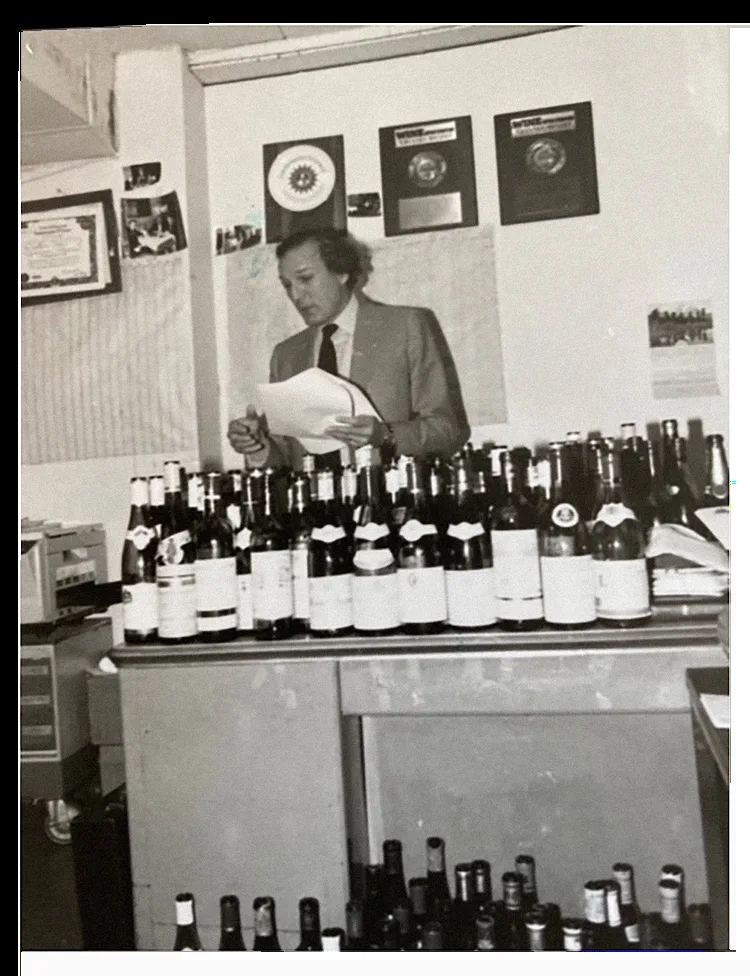
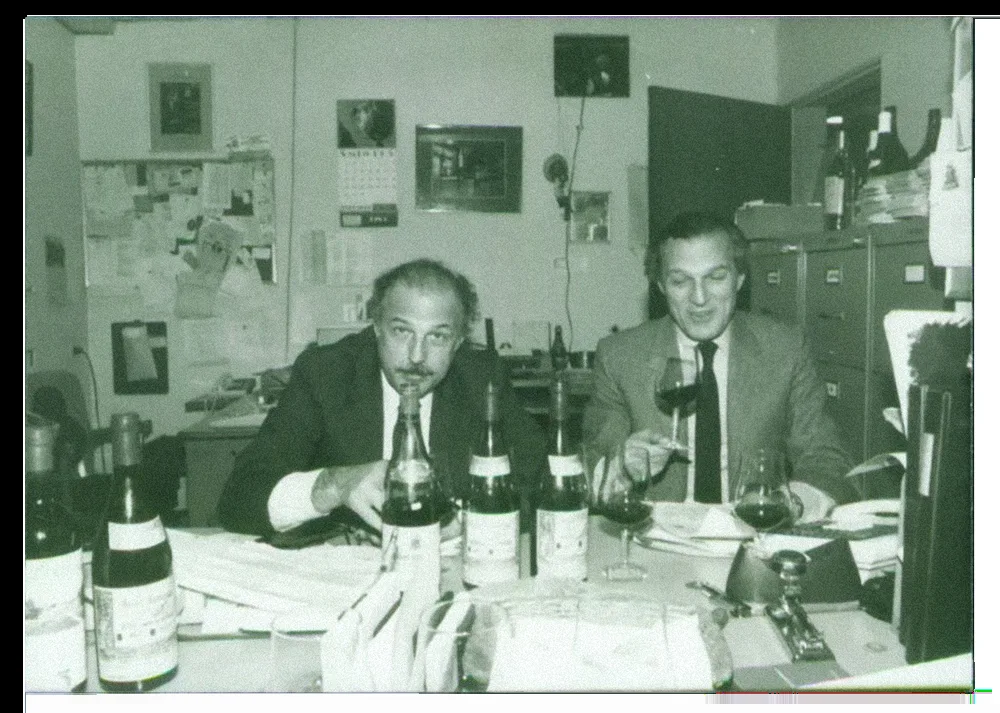
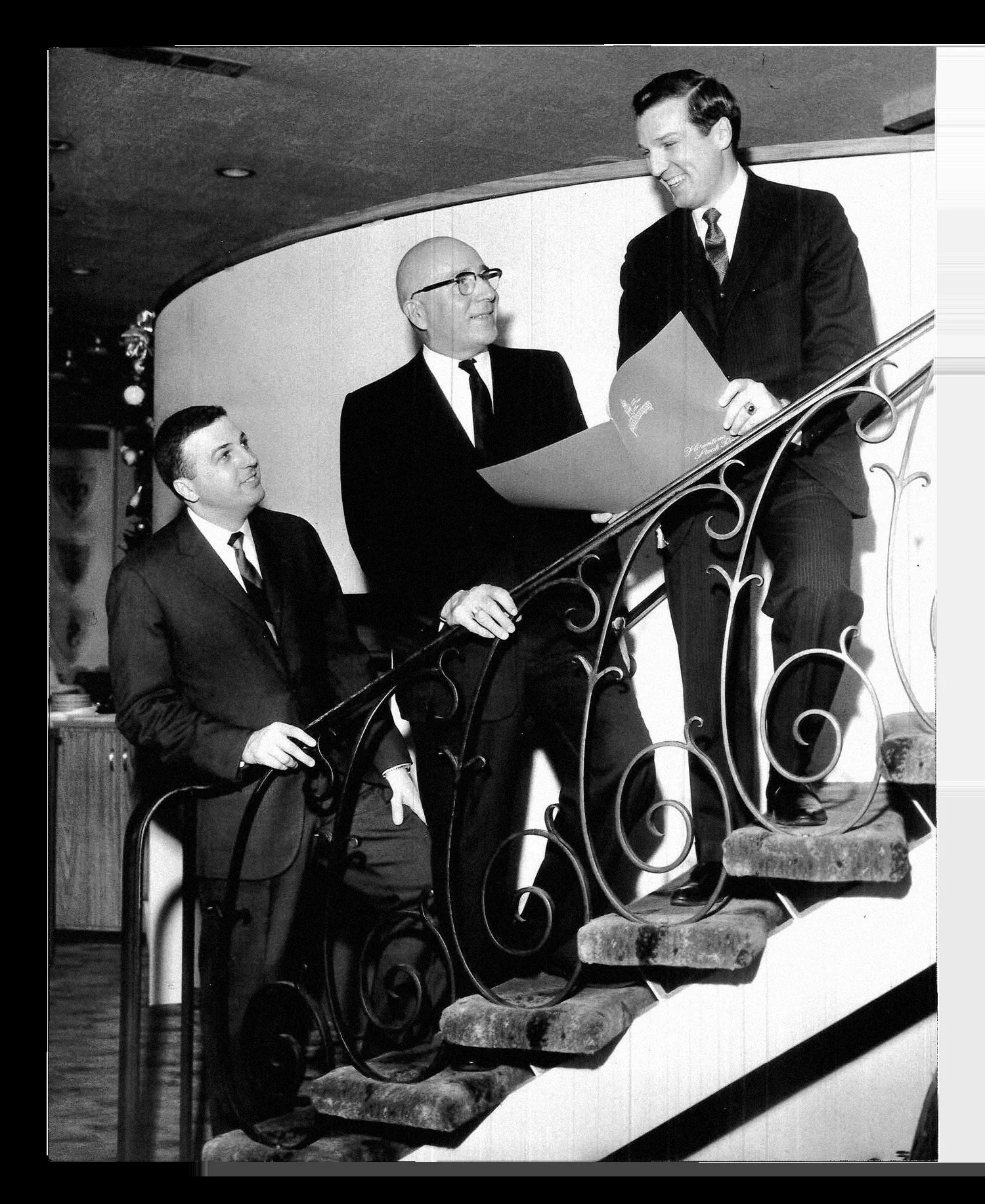
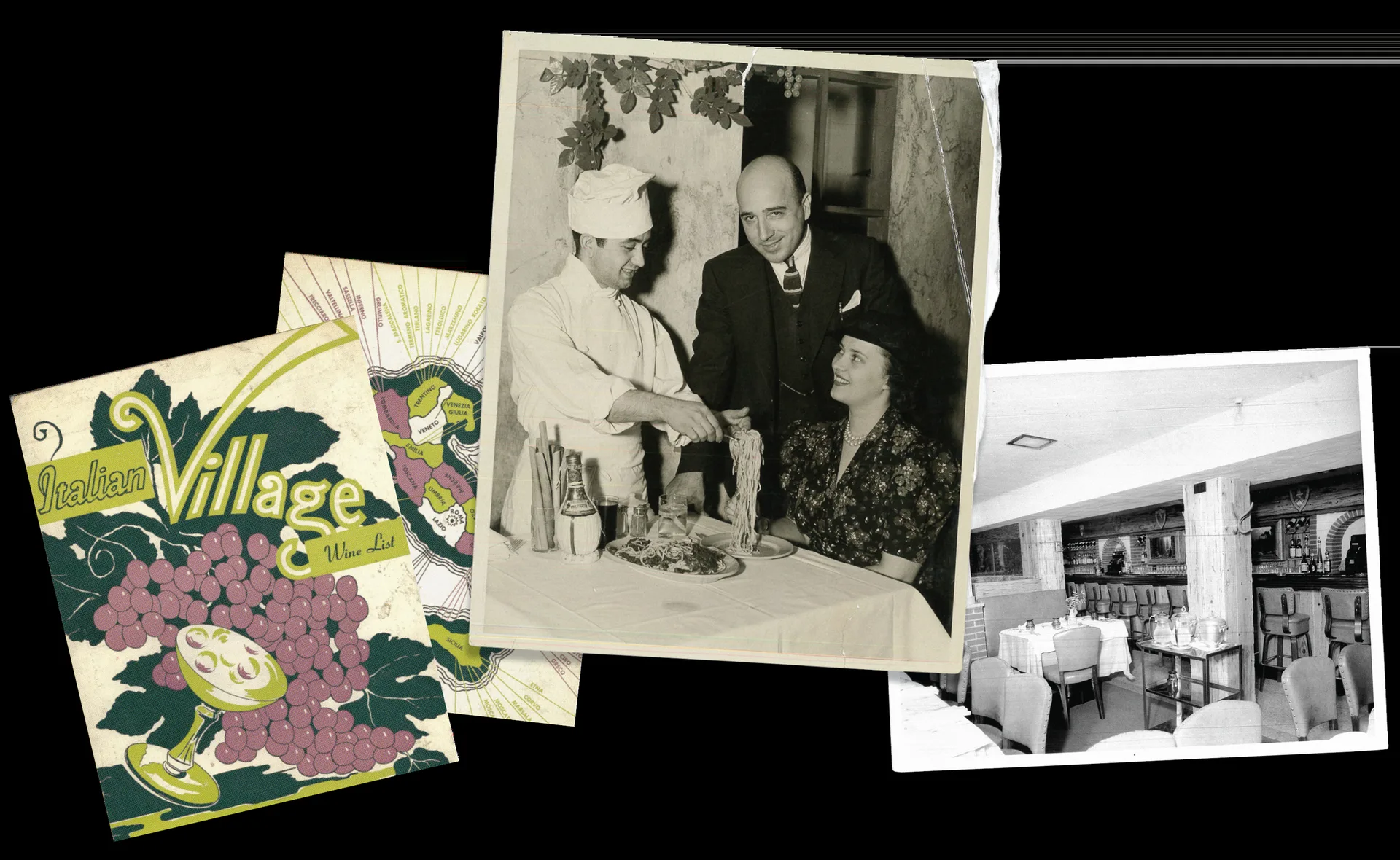
The wine program has long been a point of pride. Ray Capitanini, of the second generation, began building a serious Italian wine list with the help of mentor Tom Abruzzini, conducting marathon tastings that stretched into the early hours. That dedication earned the cellar Wine Spectator's Grand Award in 1984, and the restaurant has continued to carry Wine Spectator's Best of Award of Excellence — a recognition that speaks to the depth and consistency of a list built over decades.
The Building, the Block, the Story
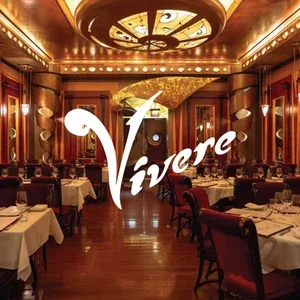
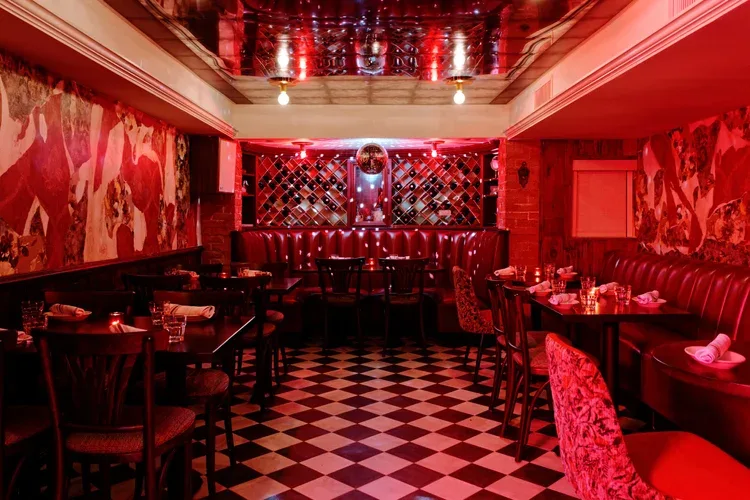
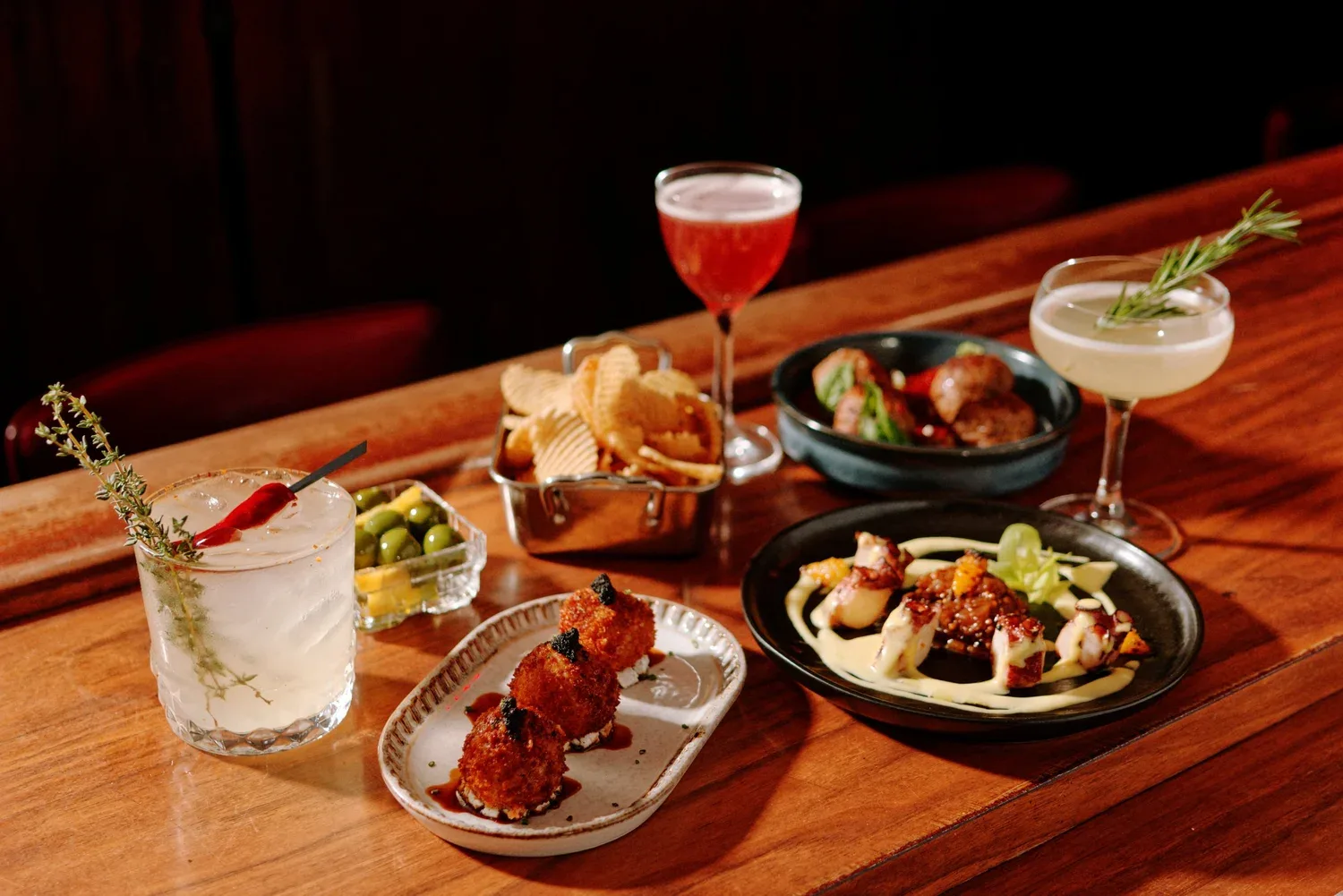
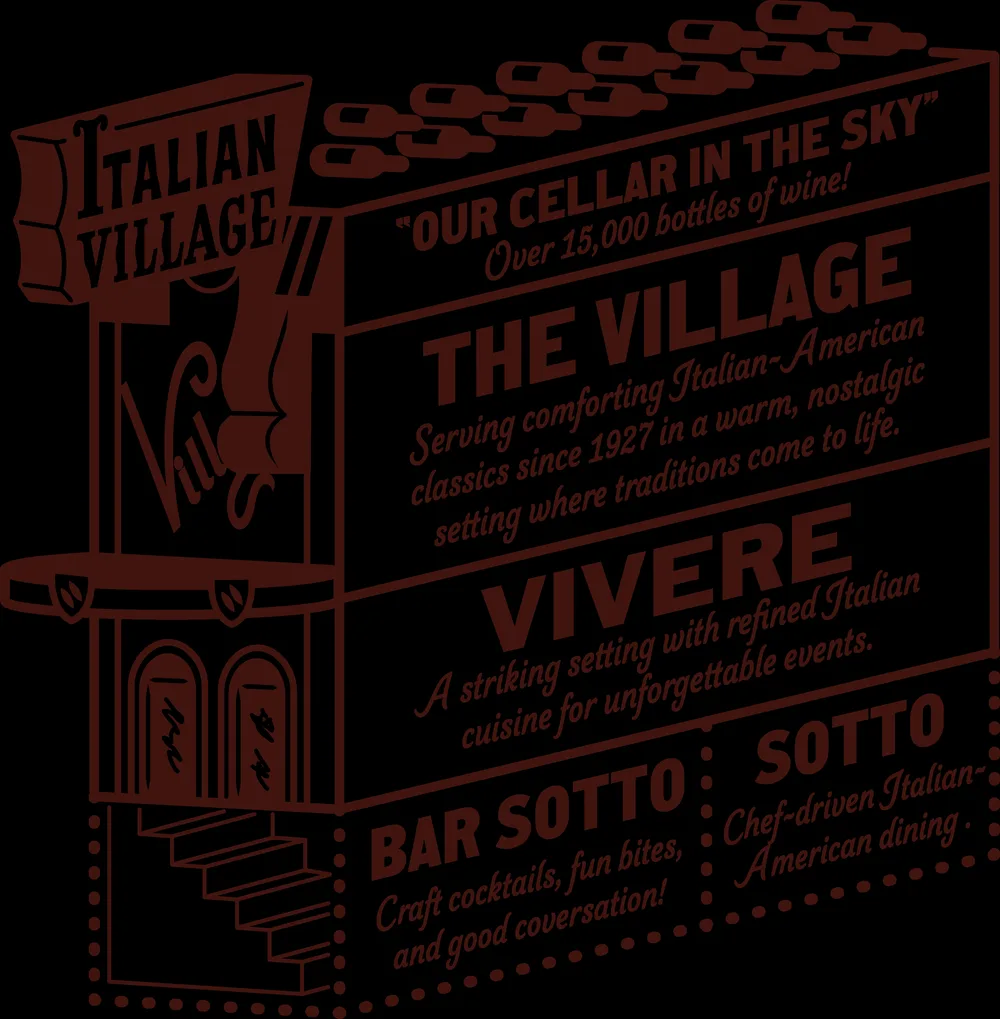
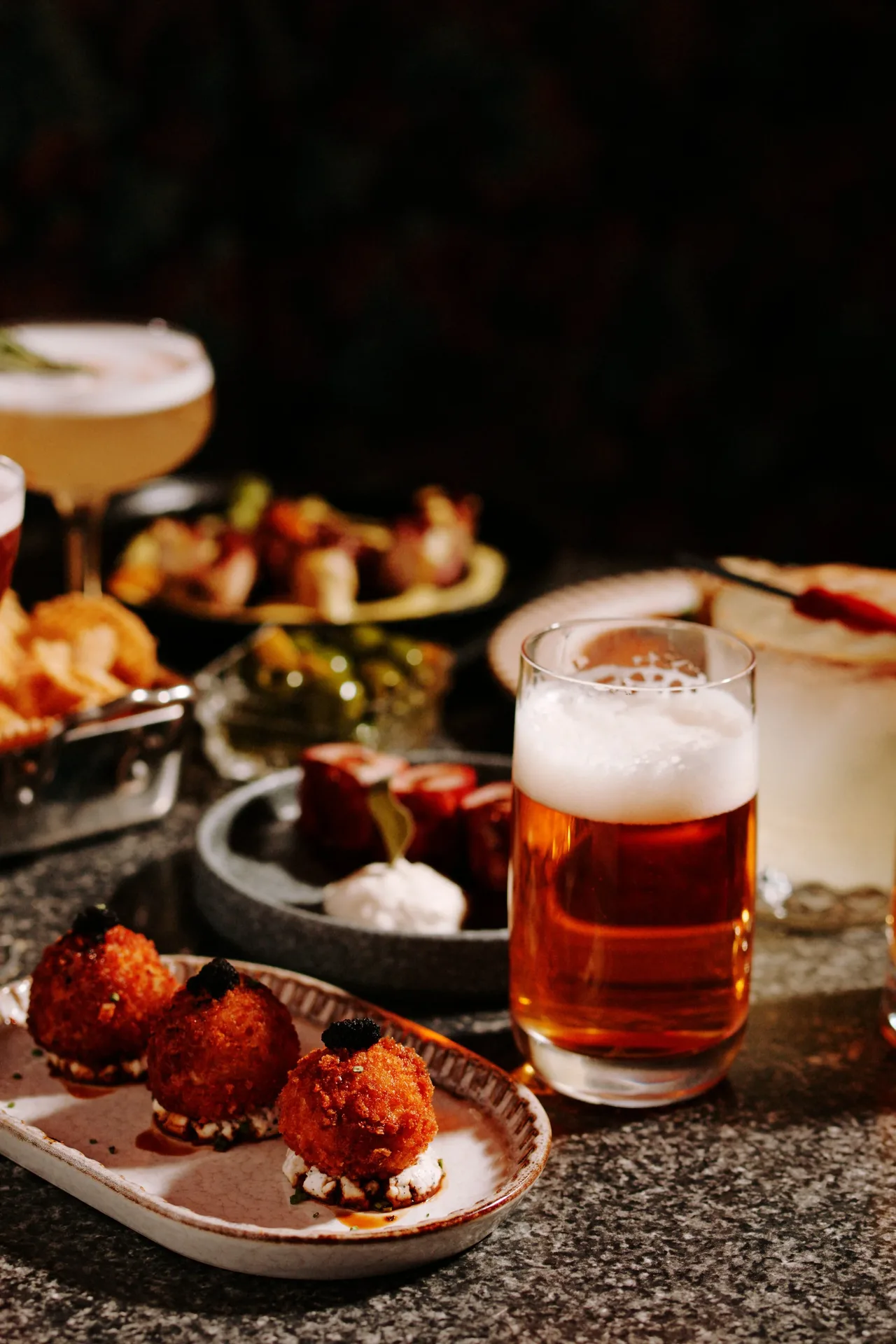
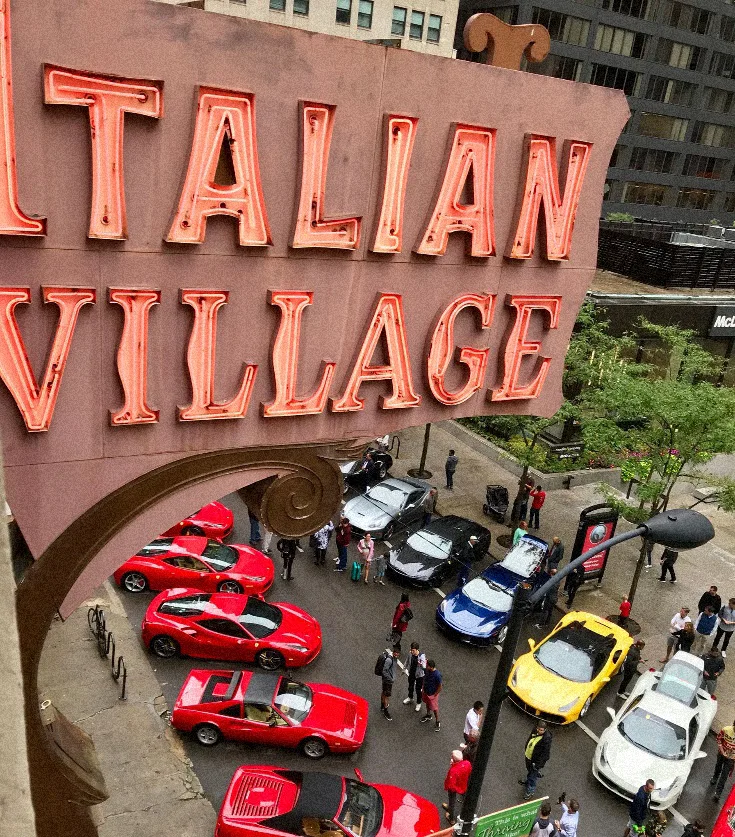
The building at 71 W. Monroe has housed different concepts across its floors over the decades — a high-end dining room that drew Frank Sinatra and Luciano Pavarotti, an intimate wine and piano bar, and now Bar Sotto and Sotto on the lower level alongside the private dining space, Vivere. The Village remains on the second floor, accessible by stairs in a structure too historic to alter without consequence.
That physical rootedness is part of what makes The Village singular among Italian restaurants in Chicago. The food, the family, and the address have barely moved in nearly 100 years — and that continuity is the point.
Recognition
Awards & accolades
Ambience
A glimpse inside










Location
Find us
71 W. Monroe St., Chicago, IllinoisChicago, United States of America
3123327005
info@italianvillage-chicago.com
Visit website
 Instagram