
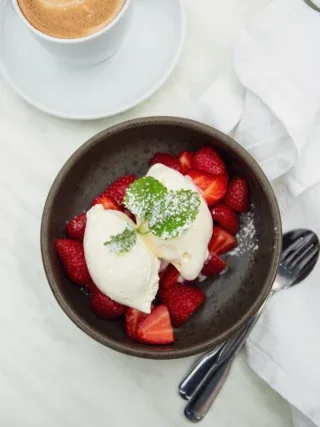
The story
Crafted with passion, served with love
A Wärdshus Born for the 1897 World Exhibition
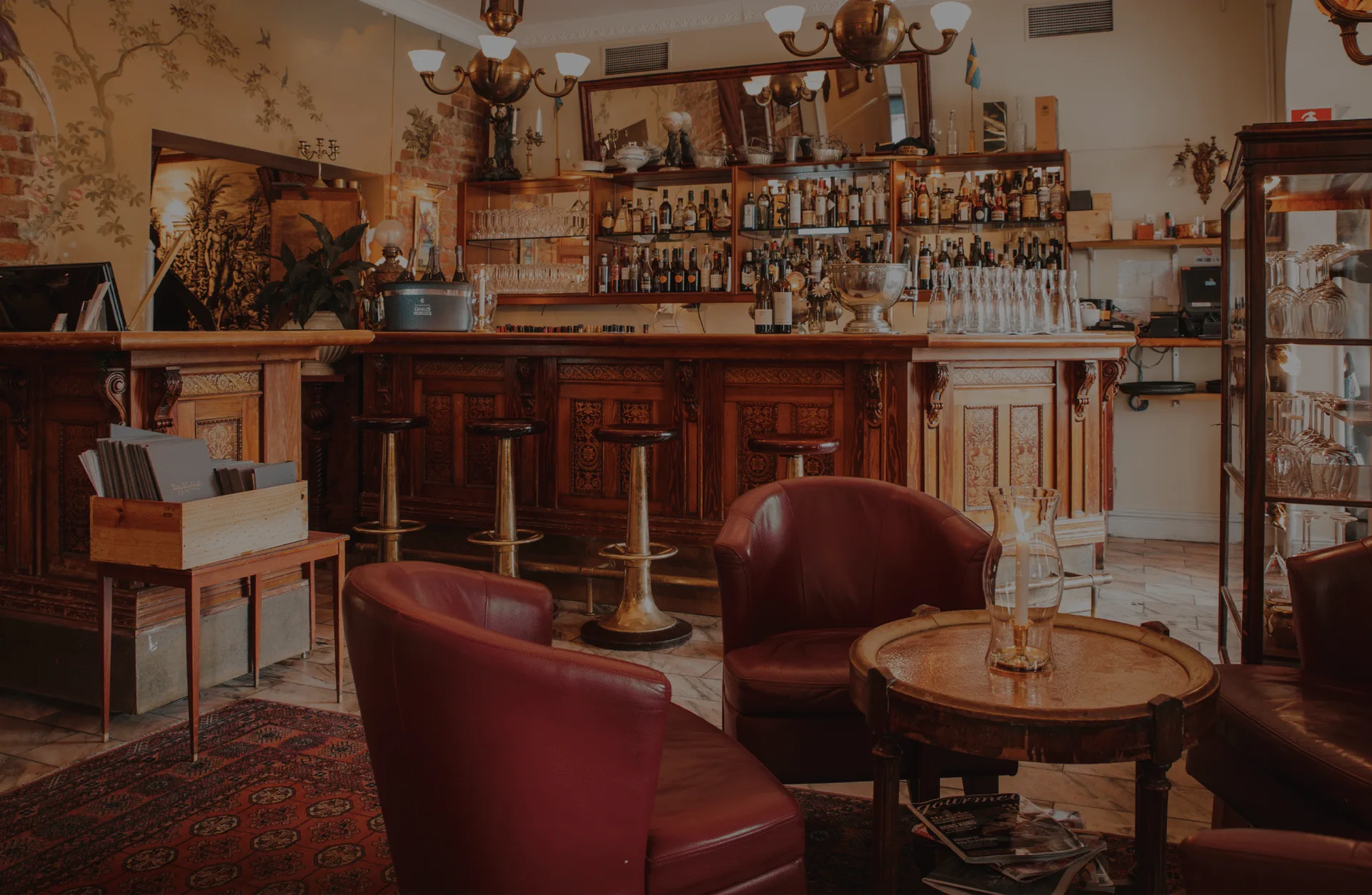
The building that houses Wärdshuset Ulla Winbladh has stood on Kungliga Djurgården since it was erected for the World Exhibition of 1897, and has operated as a restaurant since the 1950s. That longevity is not incidental – it is the whole point. Named after the muse immortalised by Sweden's national poet Carl Michael Bellman, the inn wears its heritage openly and without apology.
White Guide 2026 awarded the restaurant its "Very Fine Level" distinction, noting that what sets the place apart is precisely its craft and tradition rather than any appetite for trends or constant reinvention. That is a fair summary. Ulla Winbladh does not chase the new; it perfects the enduring.
Swedish Cuisine as It Always Should Have Been
The kitchen's identity is rooted in Swedish husmanskost – the kind of straightforward, ingredient-led cooking that rewards good sourcing and careful technique over elaborate presentation. The restaurant describes its own ambition plainly: to serve genuine Swedish culinary craft in a historic setting, making it "a truly sense-expanding experience."
White Guide's reviewers were specific in their praise: a starter of löjrom (bleak roe) with finely chopped onion, smetana and crisp-fried bread; a classic steak tartare; and a perfectly cooked sirloin with a red wine jus of such depth, the guide quipped, that the nearby Djurgårdsbrunnsviken canal seems shallow by comparison. These are dishes that demand nothing of the diner except appetite and attention.
Open to Everyone, From Families to Royalty
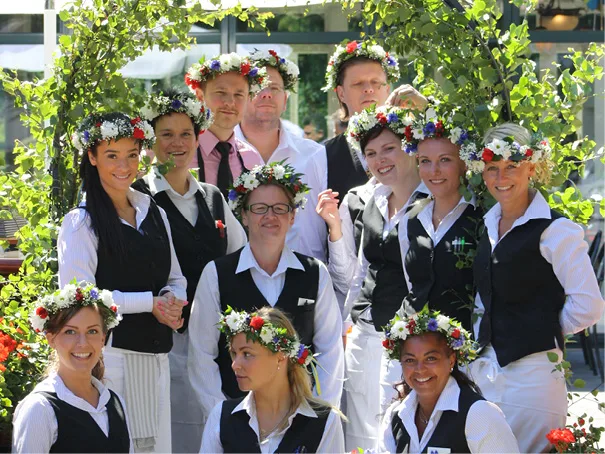
The inn's self-described philosophy is democratic in the best sense: "We treat people like kings and kings like people." Travellers, families with children, Djurgården strollers, and – on the outdoor terrace – even dogs and horses from the nearby royal stables are all welcome. The outdoor seating, private rooms for events and celebrations, midsummer menus, crayfish parties in August, and a wine cellar stocked with bottles treated as collector's items (pre-ordered with 24 hours' notice, handled with the care of auction pieces) all speak to a place that takes hospitality seriously across every occasion.
A Calendar Built Around Swedish Seasons
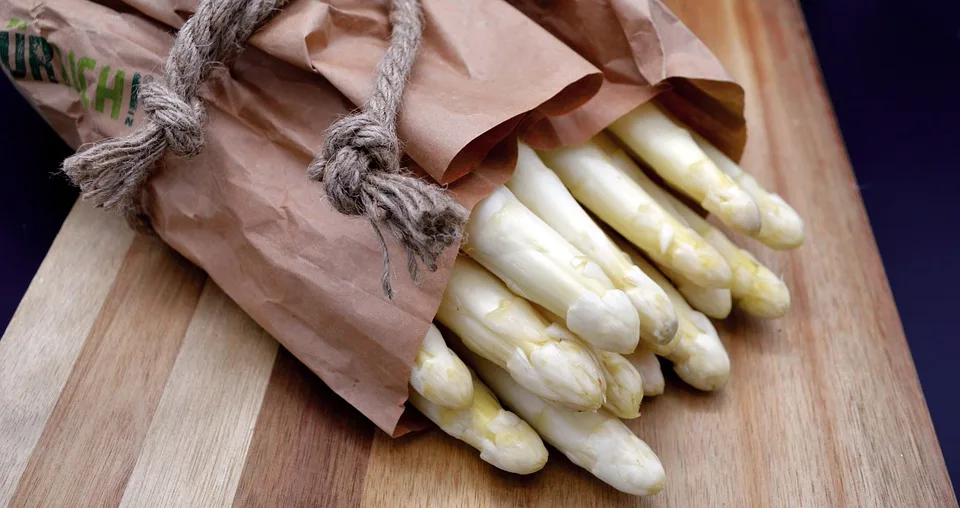
The Wärdshuskalendern marks the rhythms of Swedish life: Riesling and asparagus weeks in May, Mother's Day in late spring, National Day on 6 June, Midsommar in late June, crayfish season in August, and a New Year's Eve supper within earshot of Skansen's bells. Each event comes with a dedicated menu, keeping Swedish cuisine at the centre of every gathering.
Recognition
Awards & accolades
Ambience
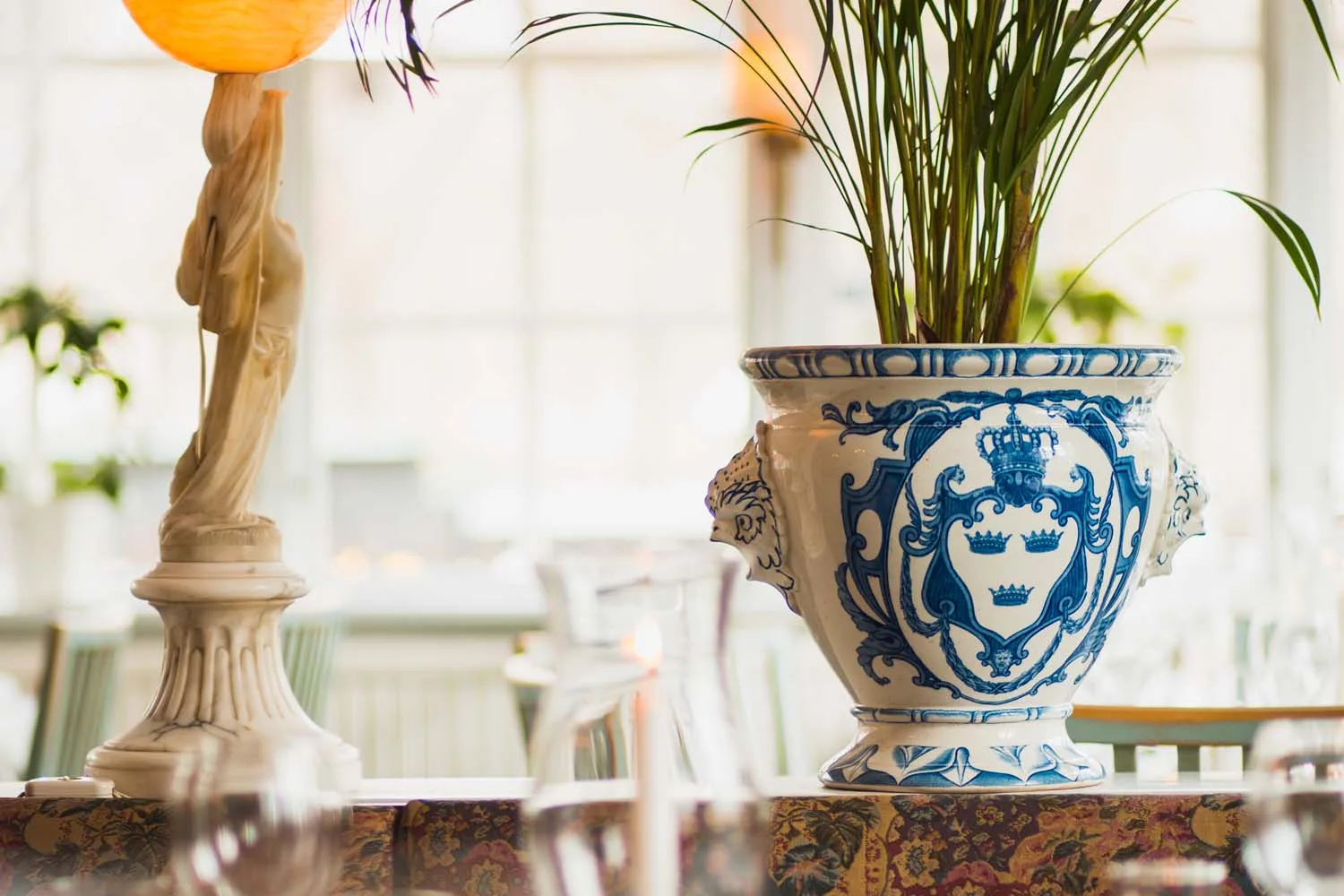
A glimpse inside


Location
Find us
Rosendalsvägen 811521,StockholmStockholm, Sweden
08-534 89 701
info@ullawinbladh.se
Visit website
 Facebook
 Instagram