

The story
Crafted with passion, served with love
Where Nikkei Tradition Meets Stockholm Neighbourhood Life
Indio Kitchen sits on Kocksgatan in Södermalm, part of the broader Indio Group — a creative outfit that also runs an arthouse cinema and a film production studio. The restaurant side of the operation is grounded in a specific and well-documented culinary history: in the 1800s, waves of Japanese immigrants arrived in Peru and began combining their own techniques with local ingredients, merging sashimi precision with the bright acidity of ceviche. That cross-cultural exchange gave rise to what is now called Nikkei cuisine, and it is exactly this tradition that Indio Kitchen brings to Stockholm.
Gian Luca Montero in the Kitchen
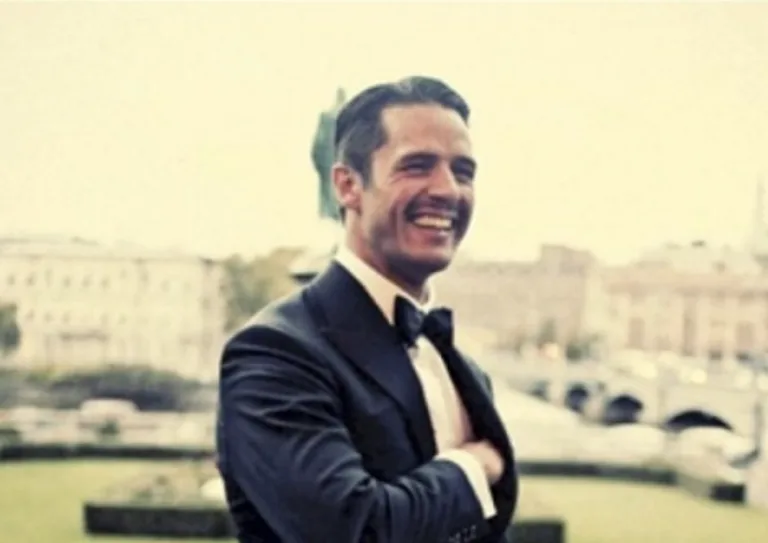
The chef behind the food is Gian Luca Montero, part of the founding family of the Indio Group. His role is central to the kitchen's identity, translating the Japanese-Peruvian fusion into a format that works as a relaxed, continental neighbourhood restaurant — not a destination for special occasions only, but a place you could equally visit for lunch or a casual evening out.
Peruvian Fusion Sushi with Sidewalk Energy
What makes Indio Kitchen stand out in Stockholm's dining landscape is the combination of its setting and its food. The Peruvian fusion sushi format — raw fish handled with Japanese care, dressed with South American flavour profiles — is served with what the White Guide, which recognised Indio in its 2026 edition, described as "fun sidewalk service." Outdoor seating on Kocksgatan adds to that easy, street-level atmosphere. There is also a private room available, making the space adaptable for groups.
The dual Asian and South American cuisine identity is not a gimmick here — it reflects a genuine historical lineage, and the White Guide's recommendation acknowledges both the concept's cultural coherence and its execution. For anyone curious about where Japanese technique and Peruvian ingredients genuinely intersect, Indio Kitchen offers a straightforward, well-considered answer.
Recognition
Awards & accolades
Ambience
A glimpse inside















Location
Find us
Kocksgatan 52116 29,StockholmStockholm, Sweden
08-420 620 20
info@indio.se
Visit website