
The story
Crafted with passion, served with love
The Fire That Started Everything
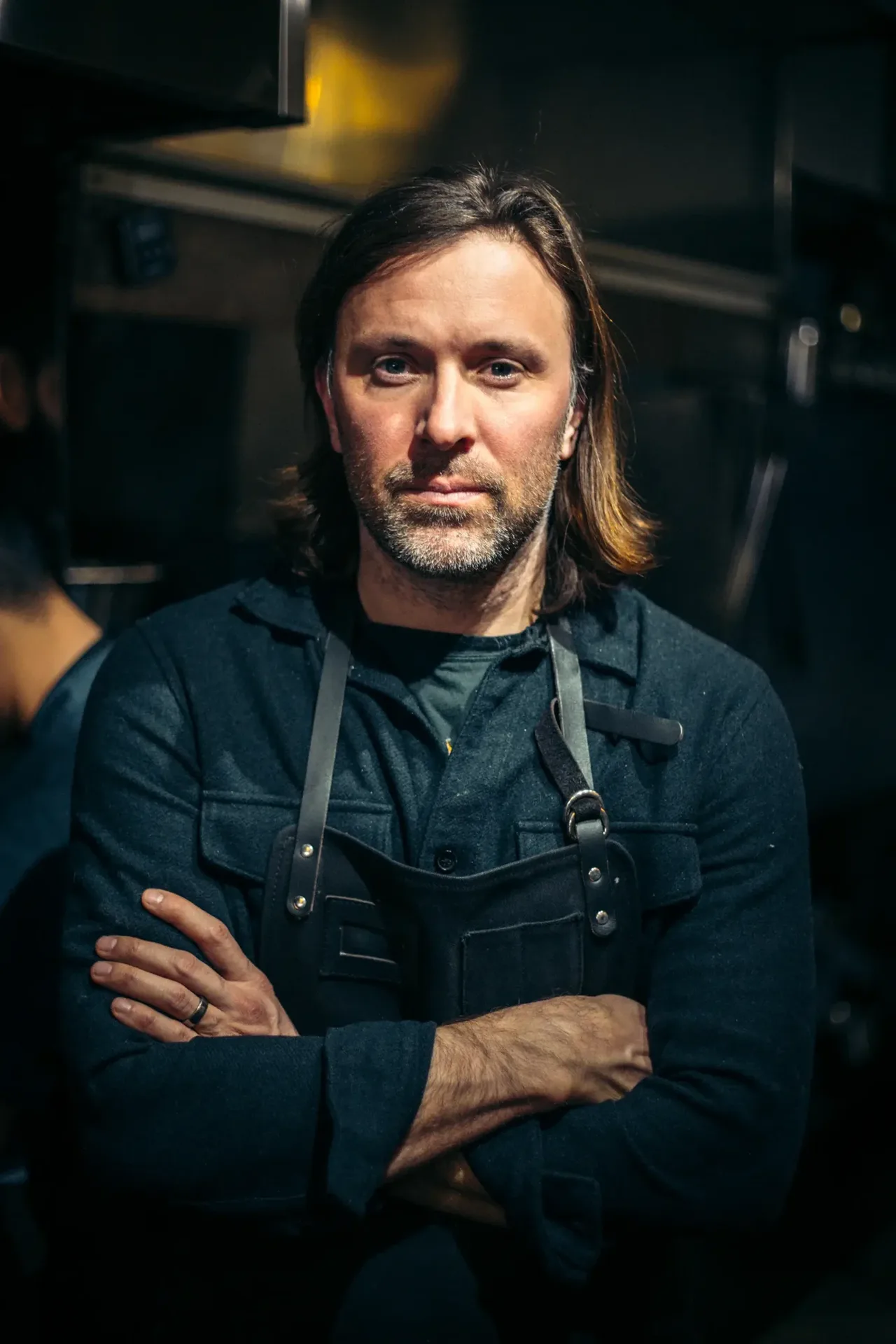
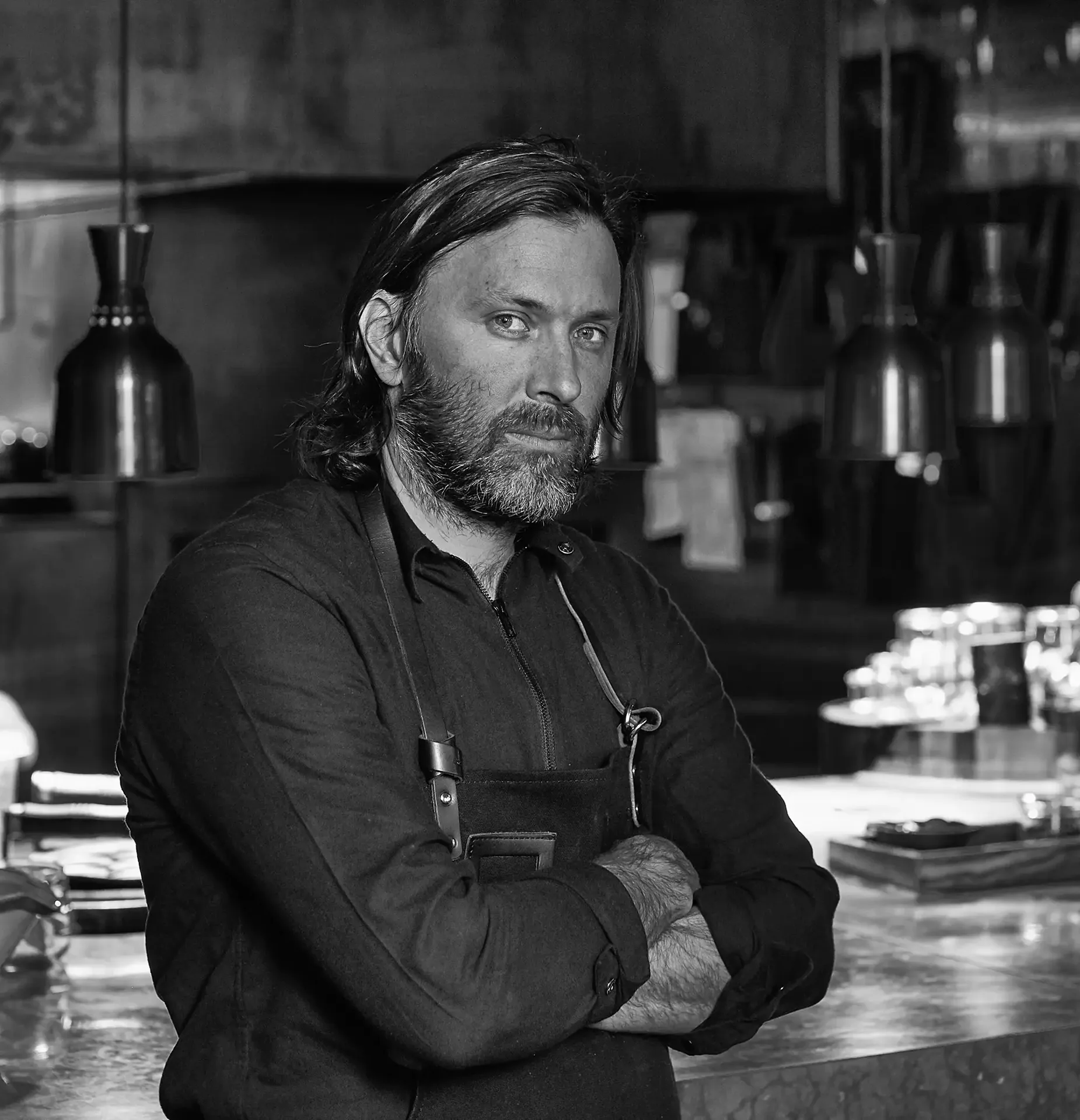
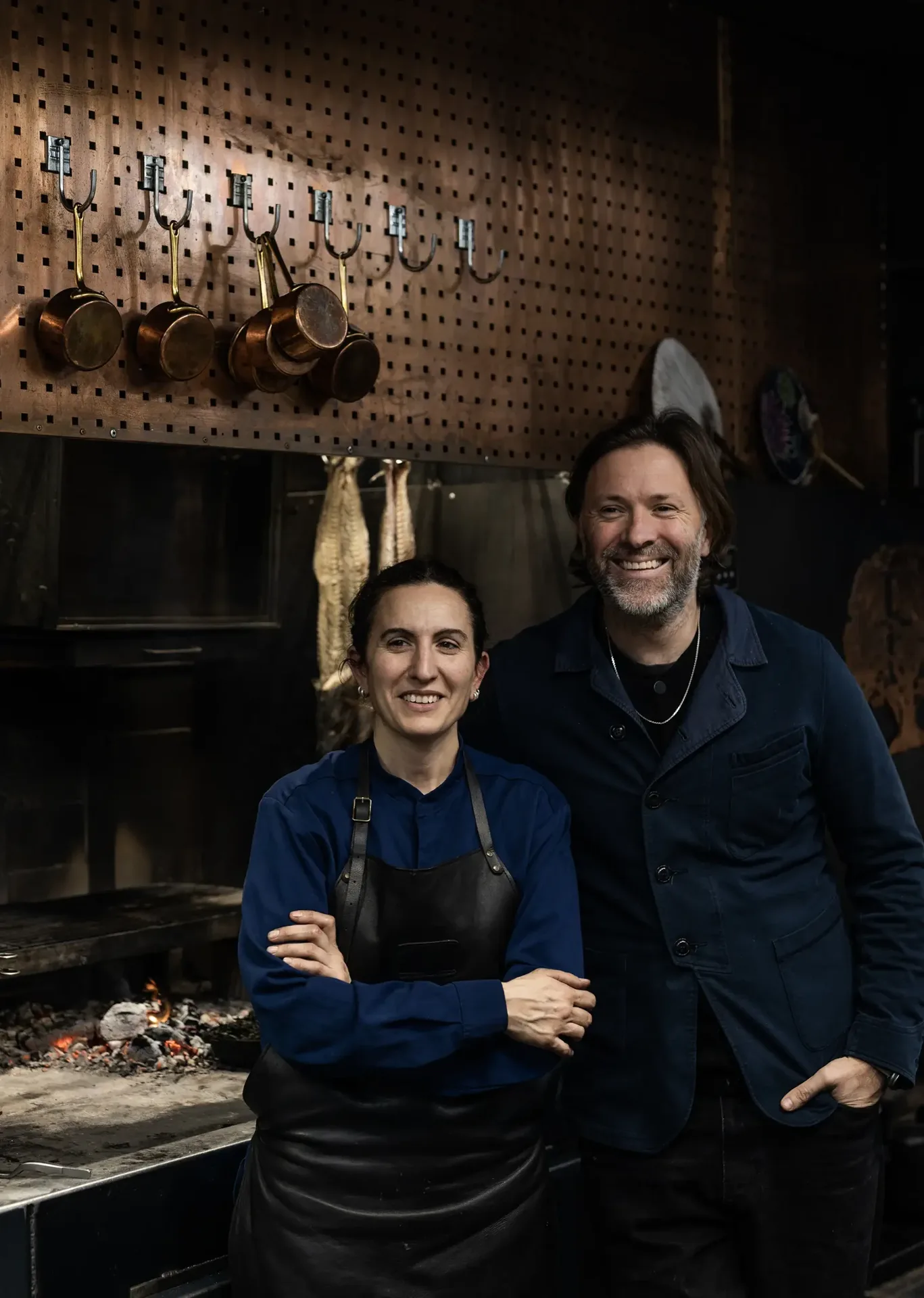
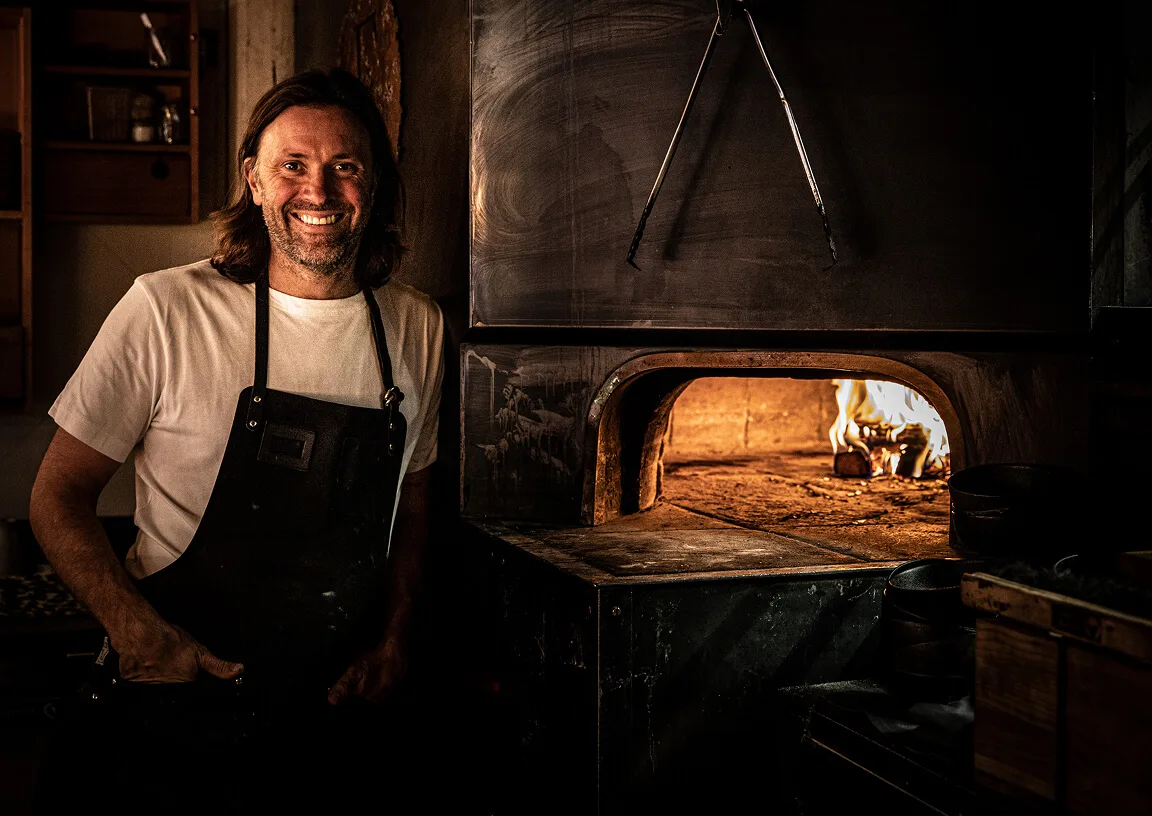
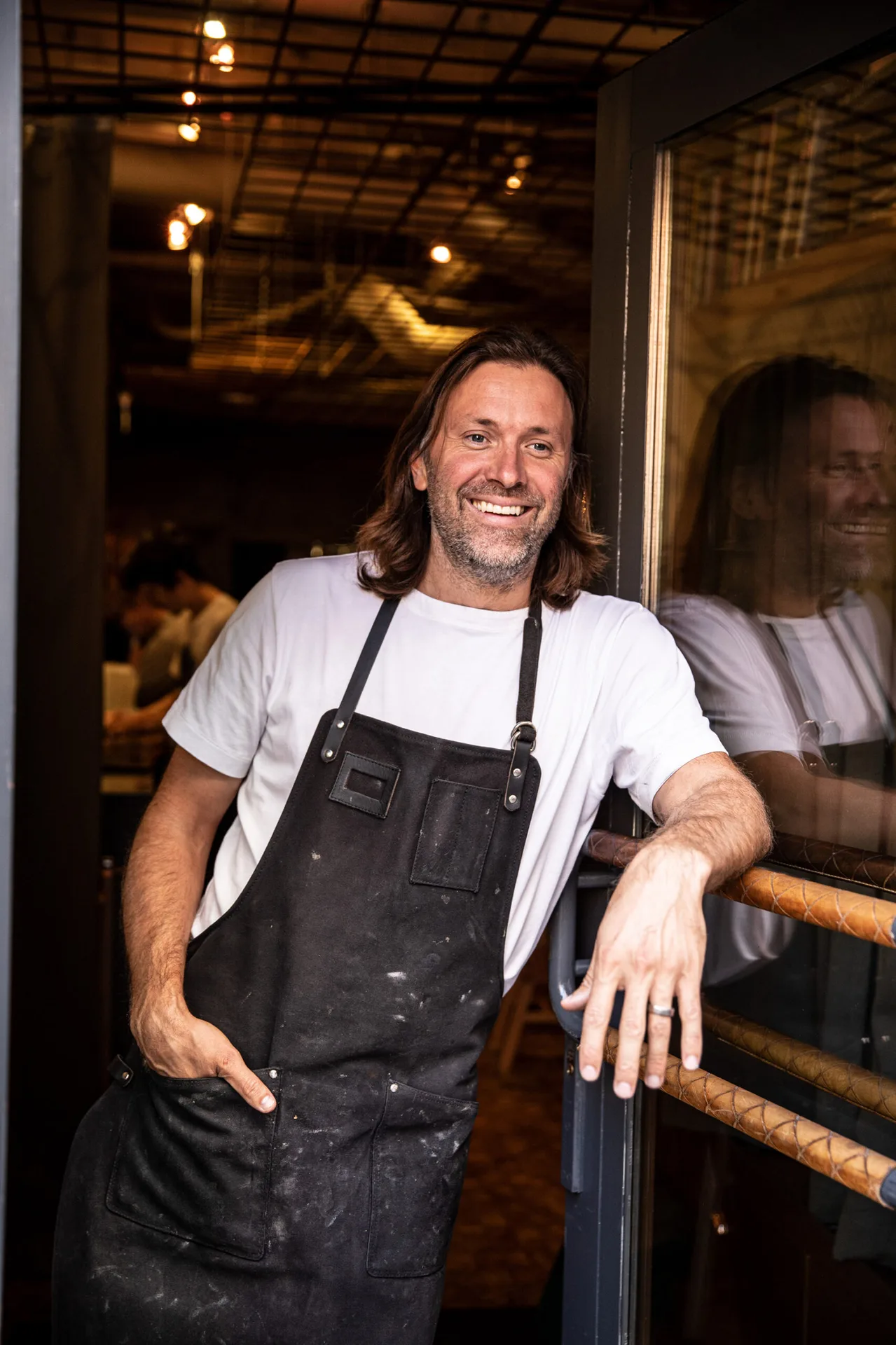
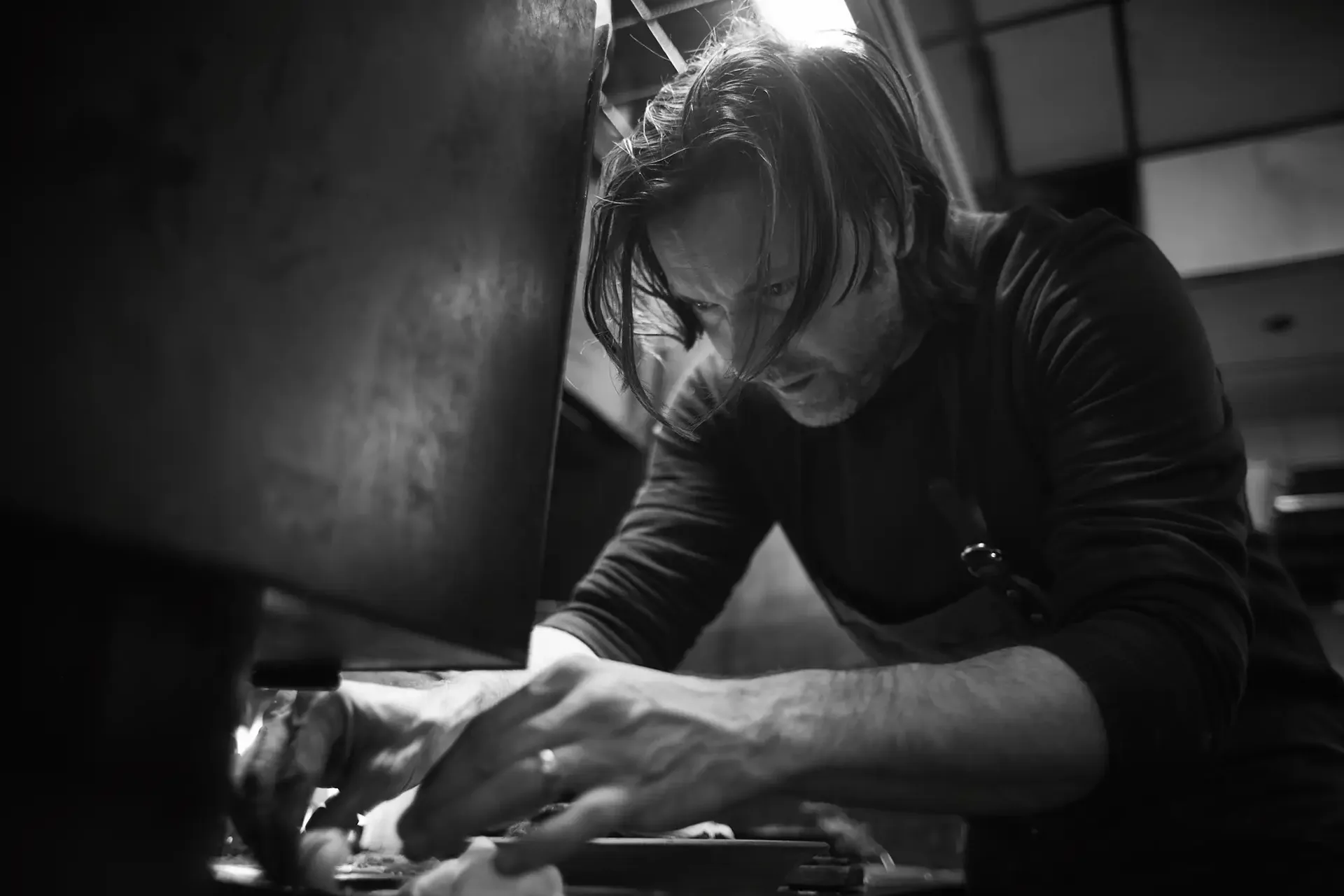
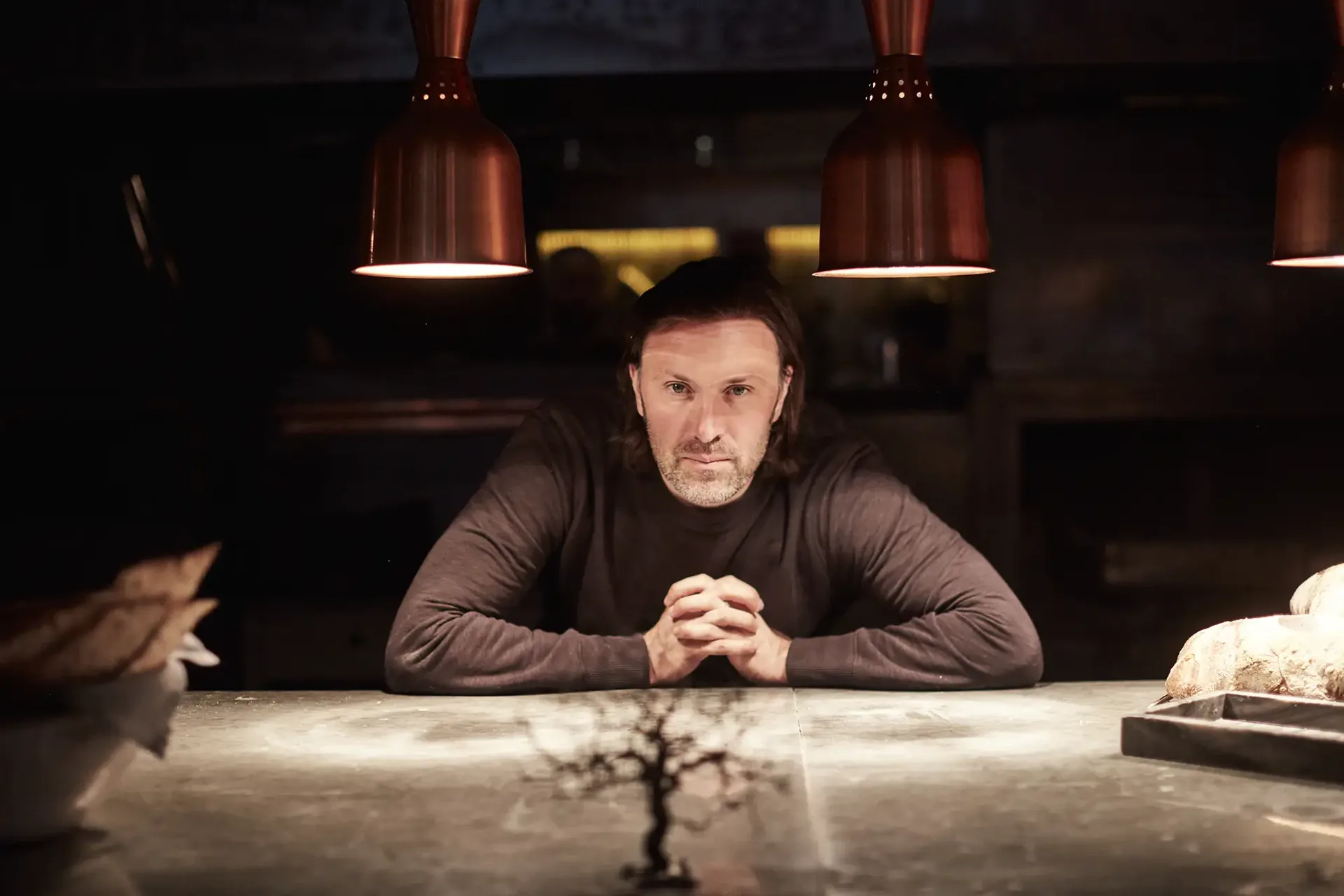
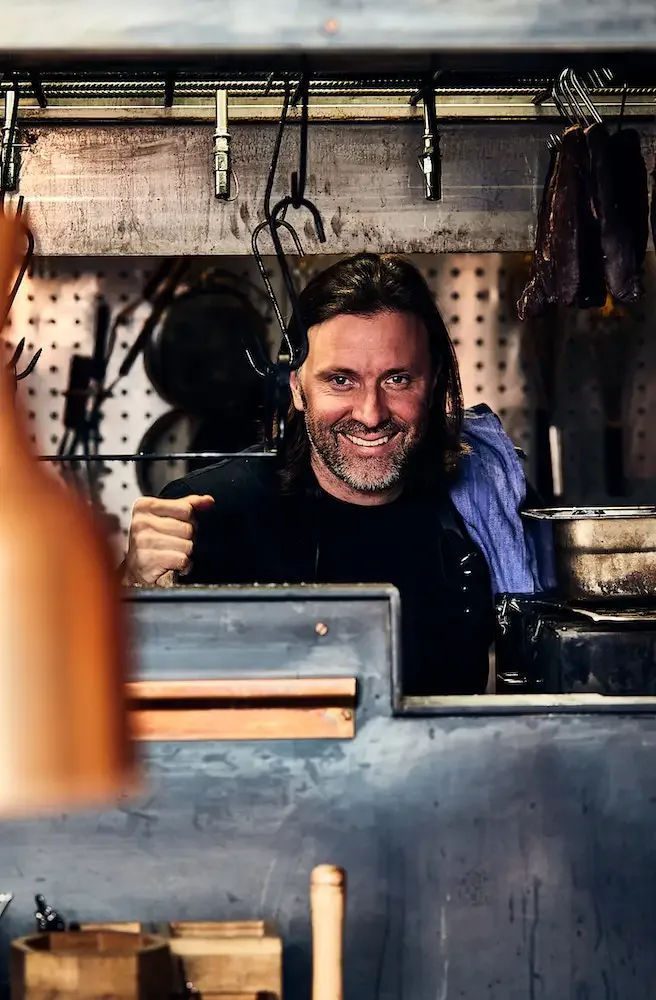
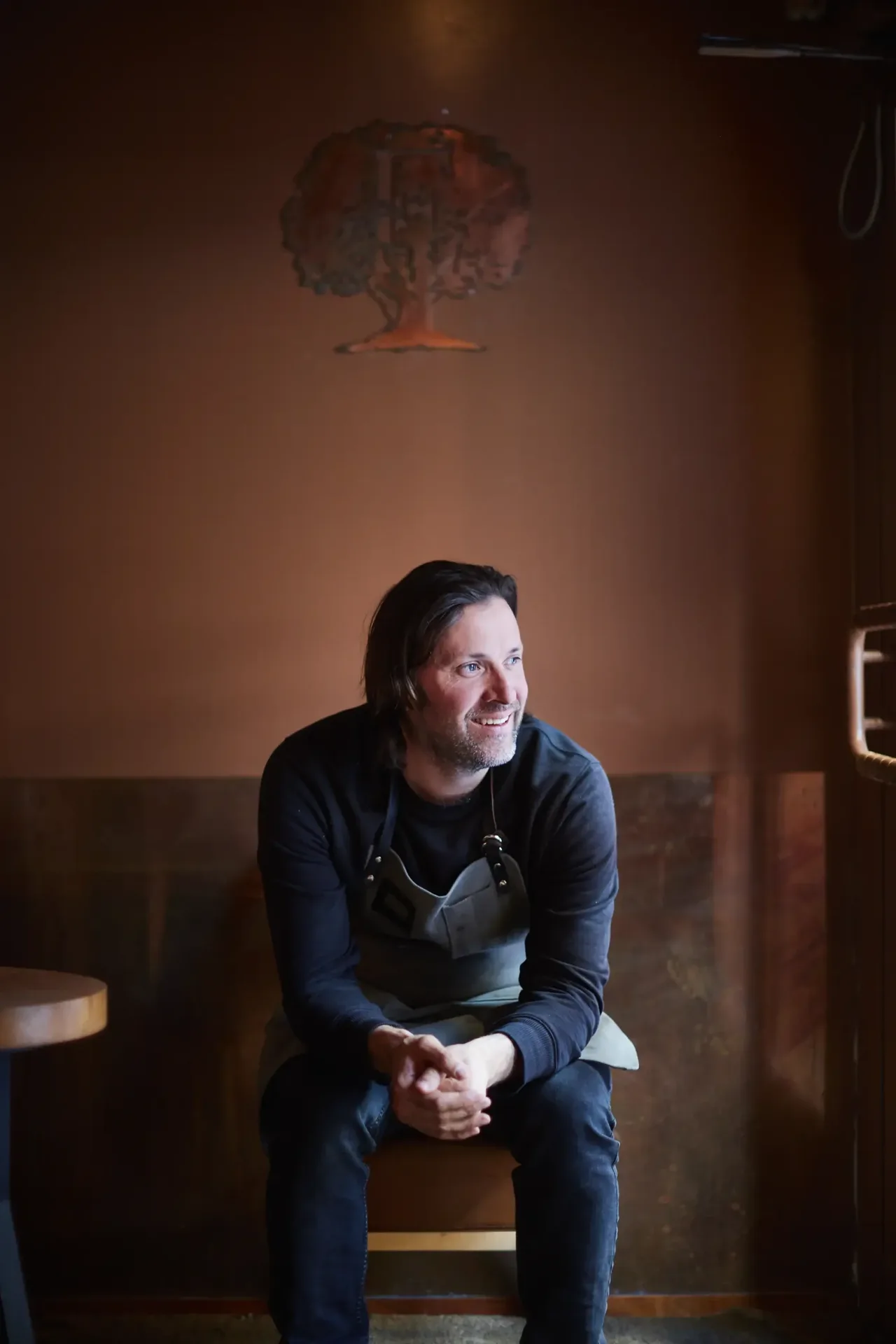
Niklas Ekstedt grew up in Järpen, a small village in Jämtland in northern Sweden, and spent his early career as far from those roots as possible—molecular gastronomy, asparagus clouds, deep-fried rice paper. The turning point came at 33, during a summer on the Stockholm archipelago island of Ingarö. He found himself staring at birch trees, chopped some down for firewood, and built a fire pit the way he had as a child with his parents in the mountains. A cast iron pan pushed directly into the flames changed everything. "What power, and what flavour!" he recalled. That revelation led him to the National Library of Sweden, where he and his first head chef pored over 18th-century Swedish cookbooks—instruction manuals for cooking before electricity existed.
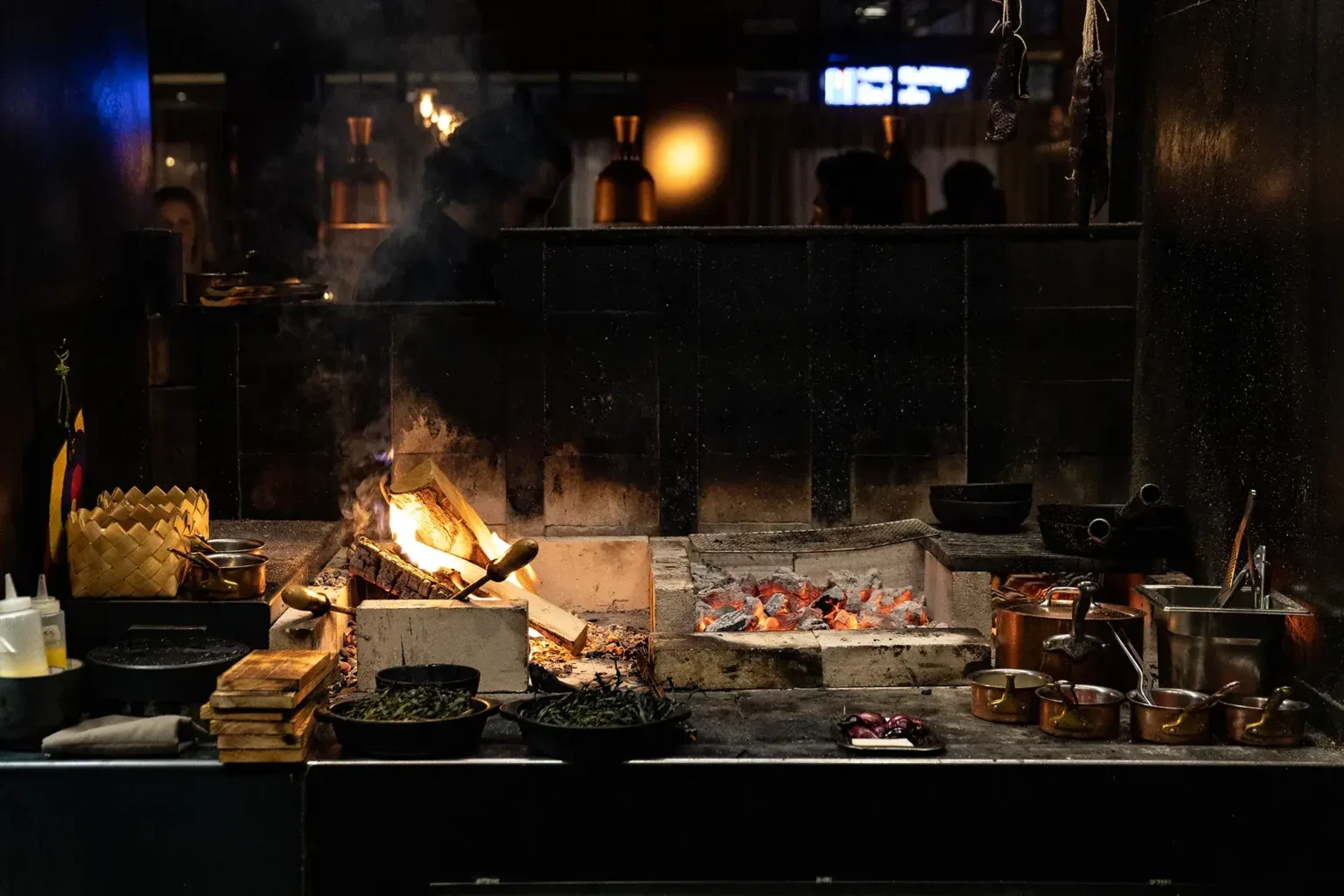
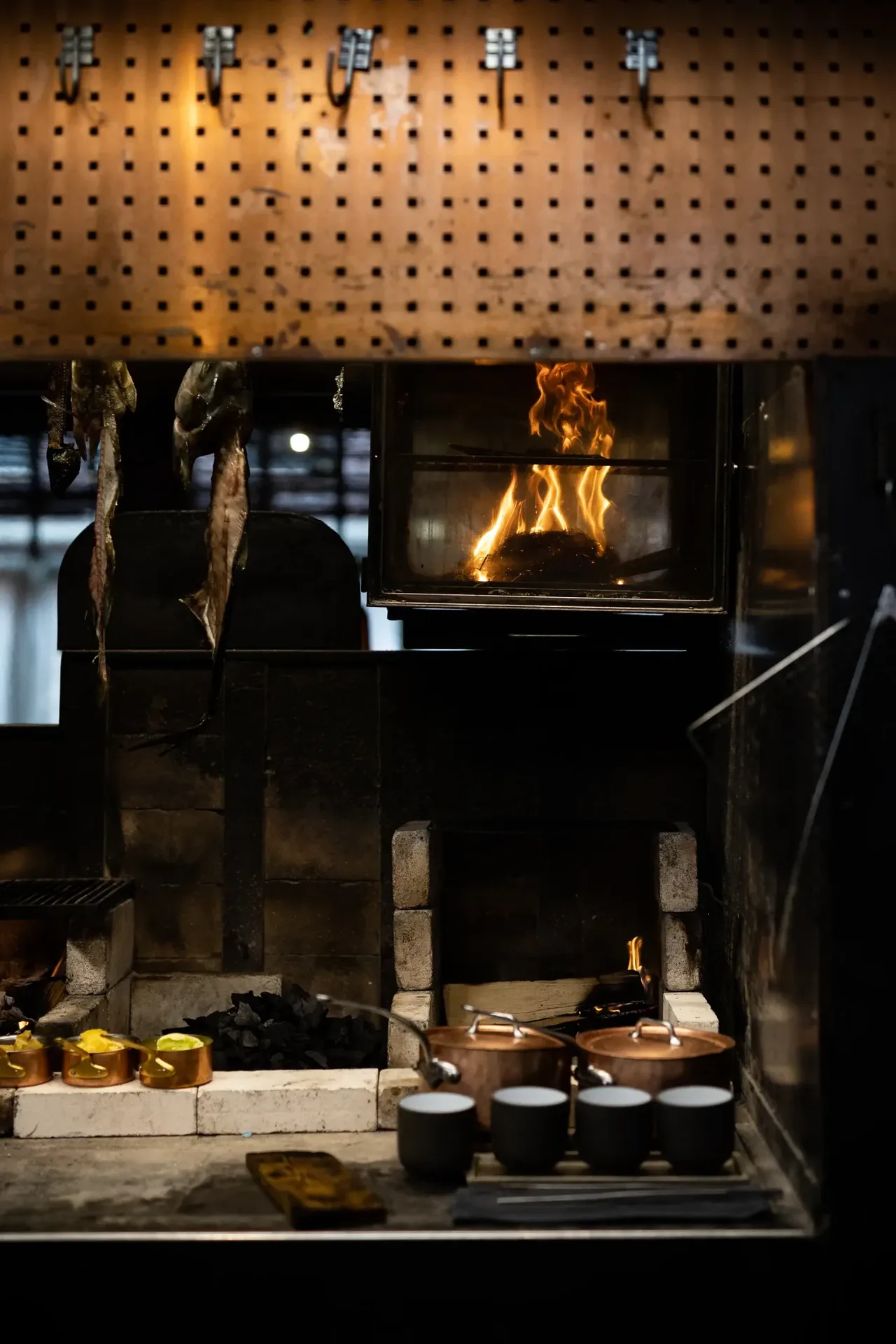
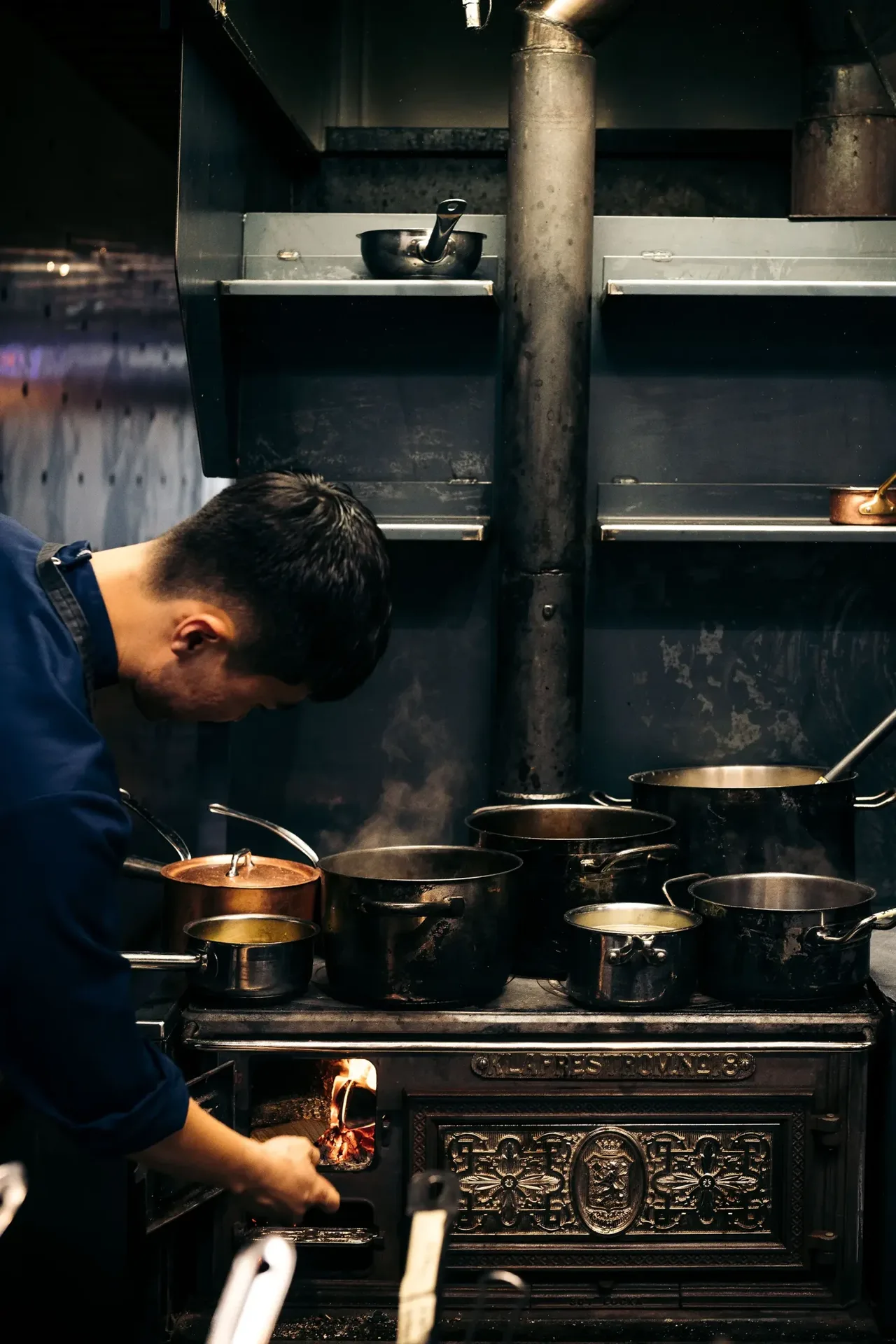
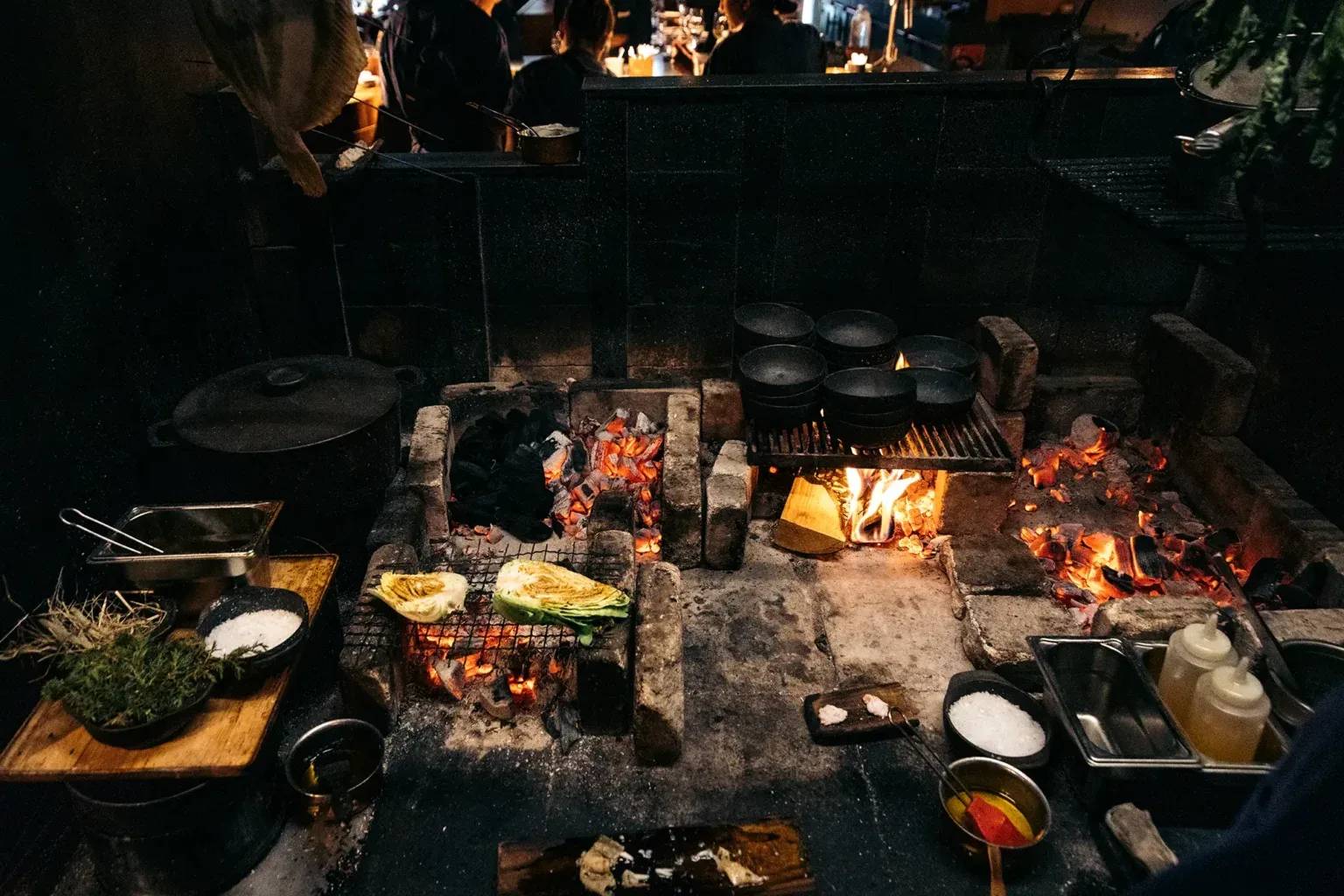
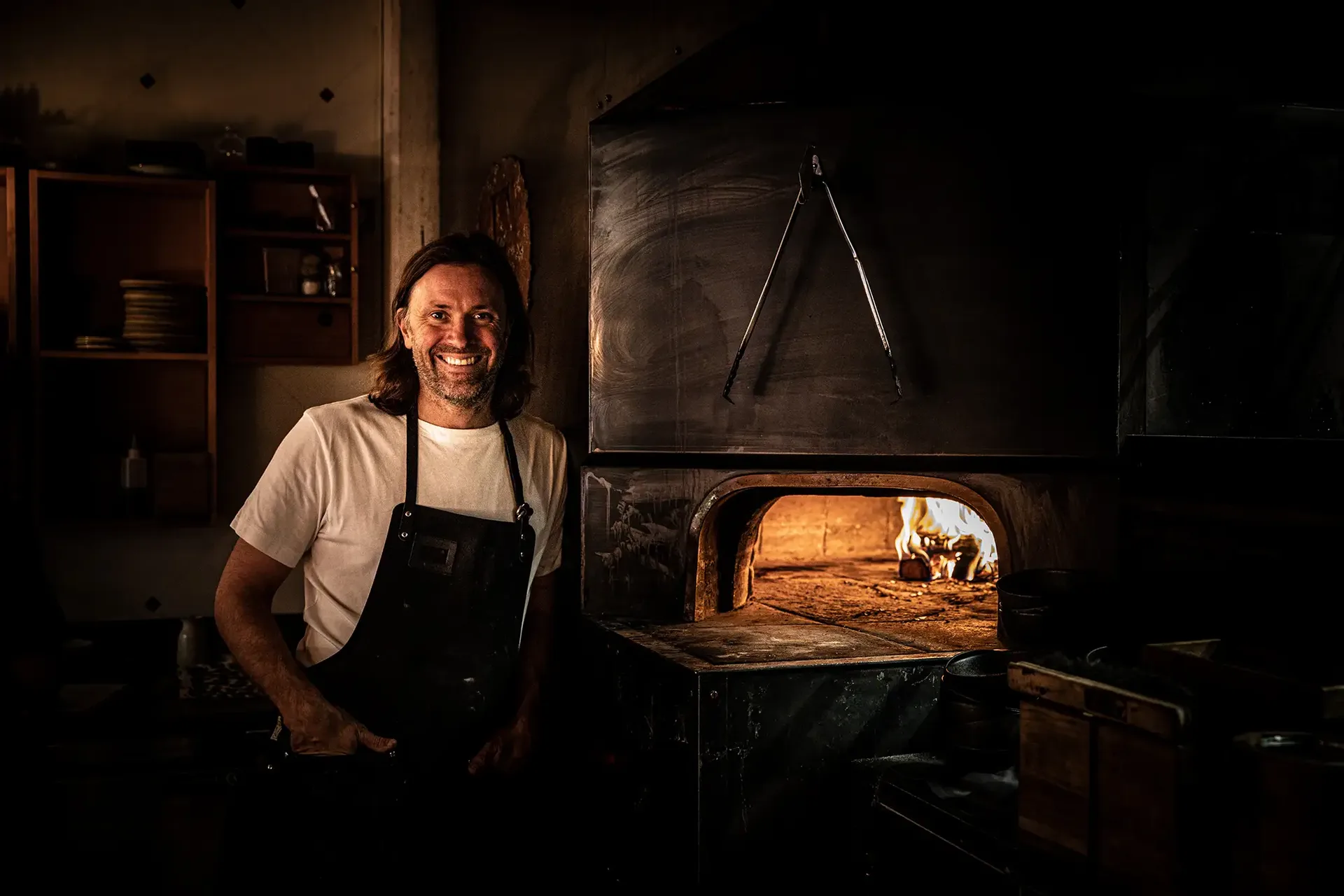
Ekstedt opened in November 2011 on Humlegårdsgatan in central Stockholm with a fire pit, a wood-fired oven, and a wood stove. Many people told him he'd made things too difficult for himself. He kept going, adding a smoker, extra fires, and what he calls "the stone-age equivalent of a microwave oven." The restaurant has never used electricity to cook.
Birchwood and Smoke as Craft
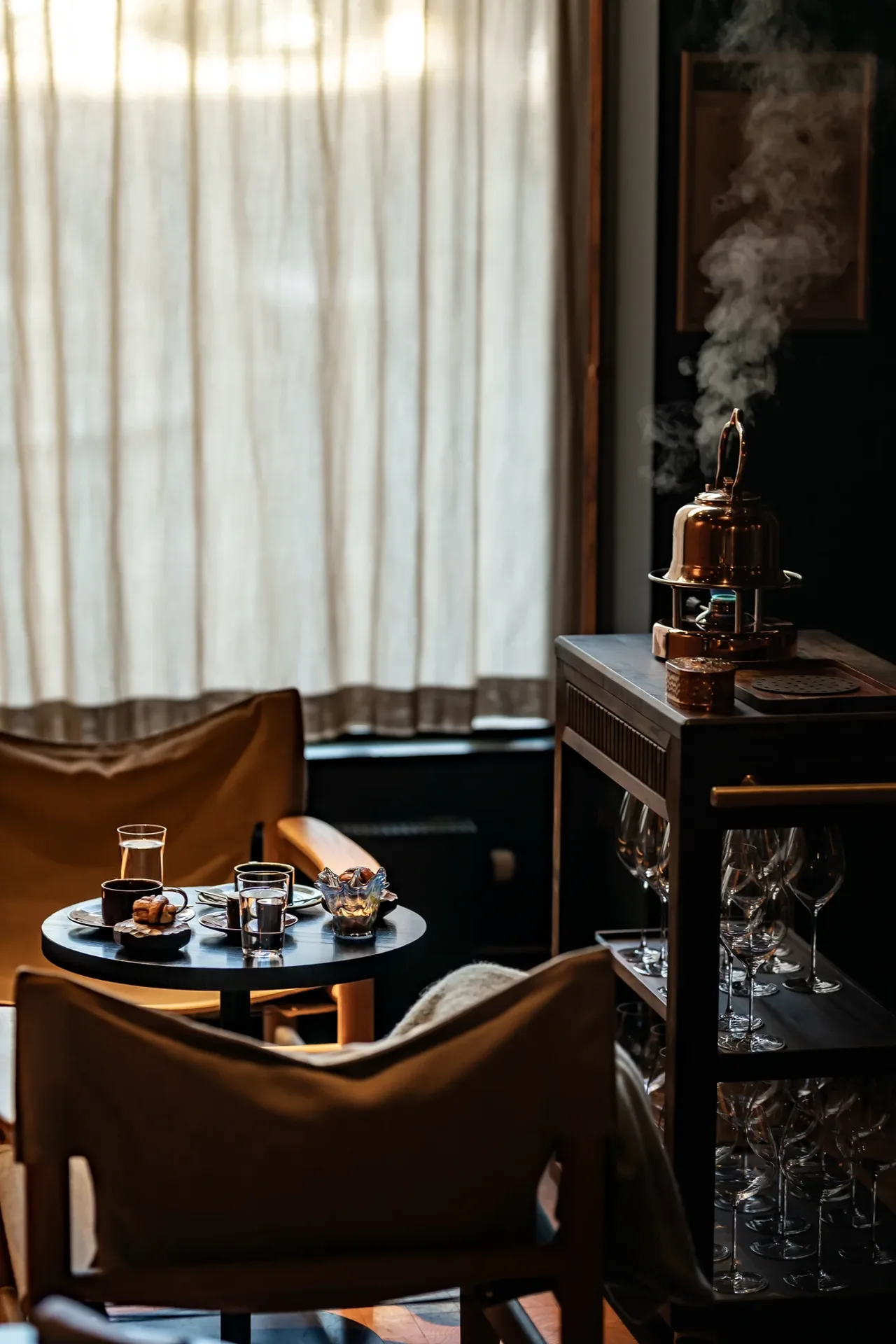
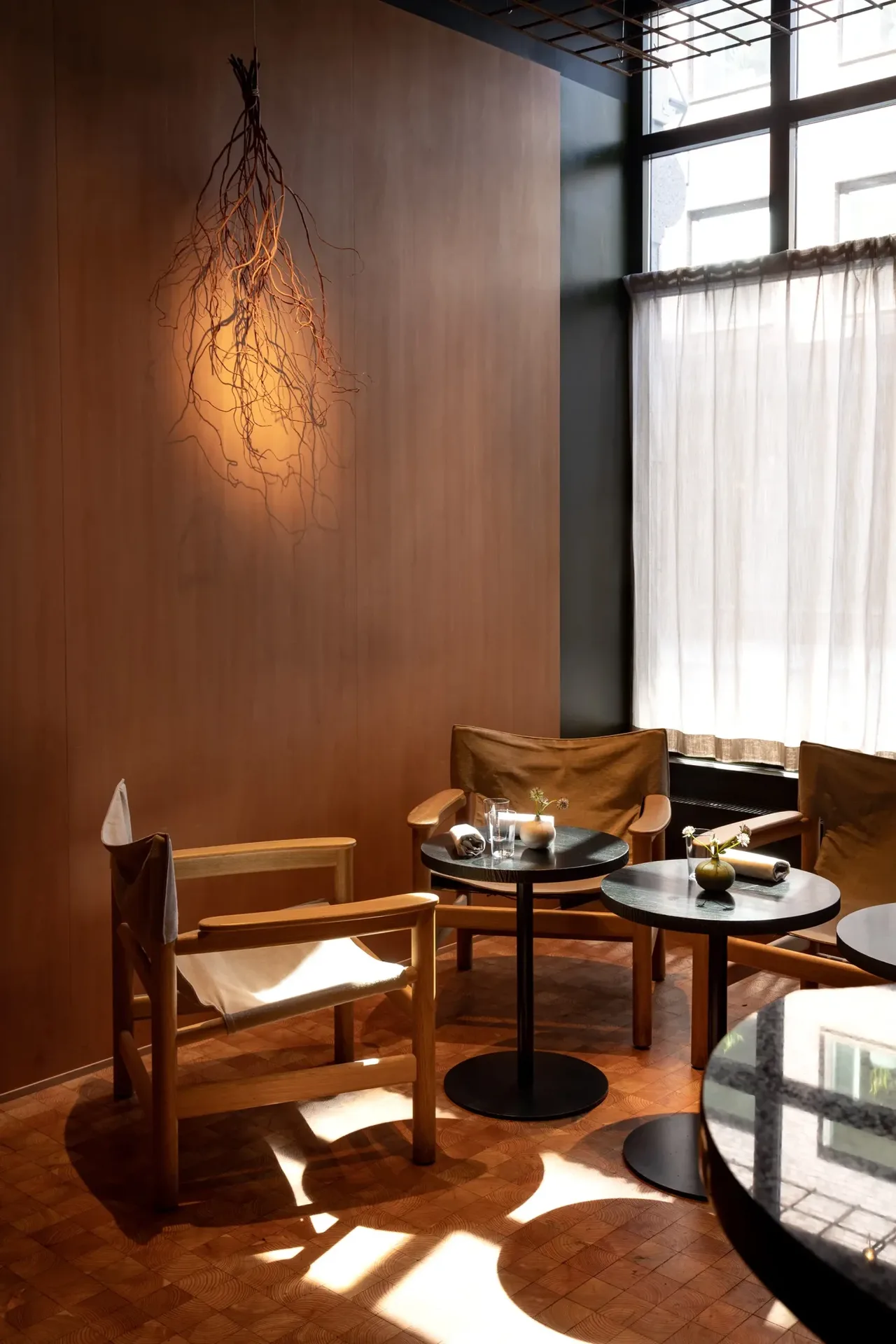
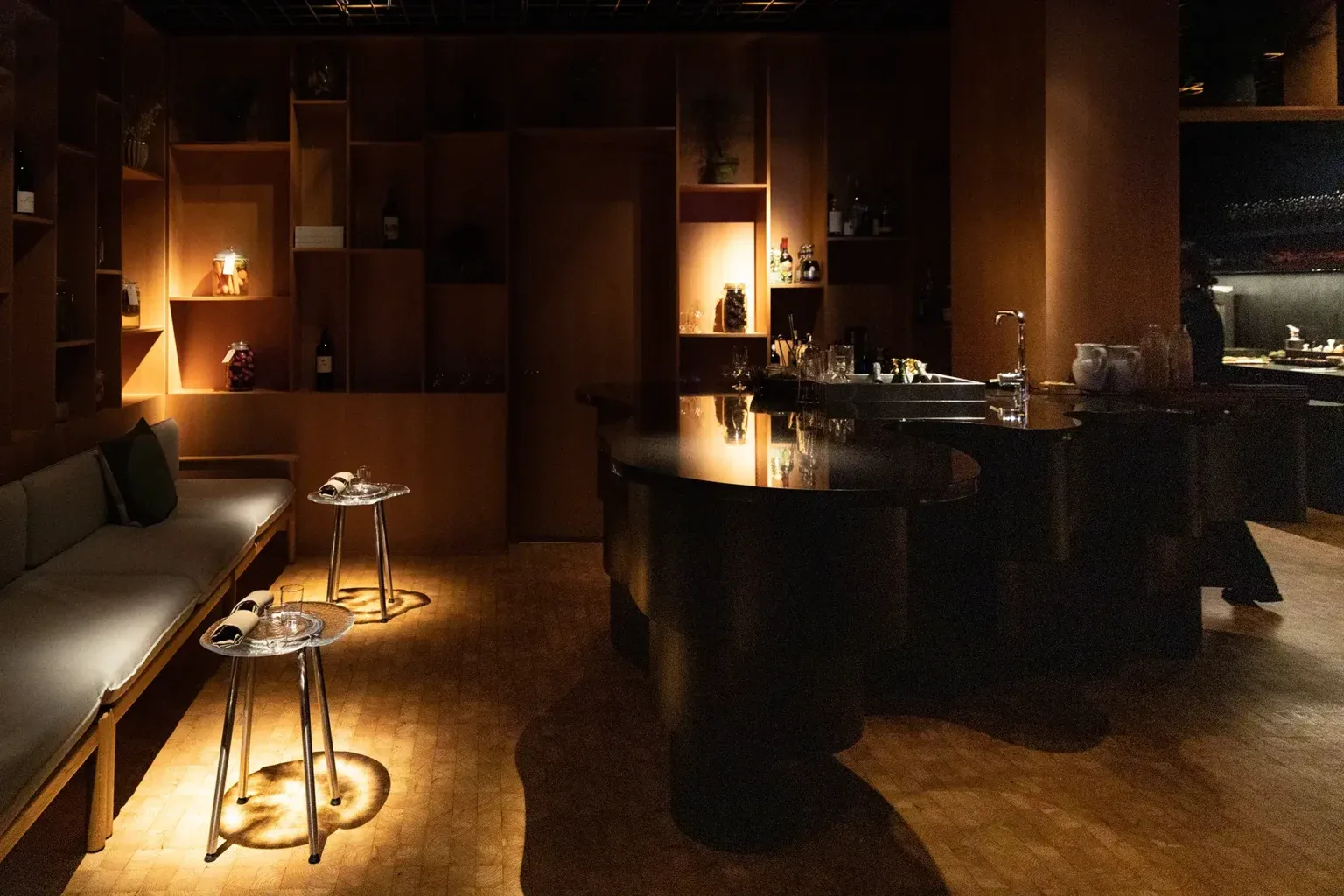
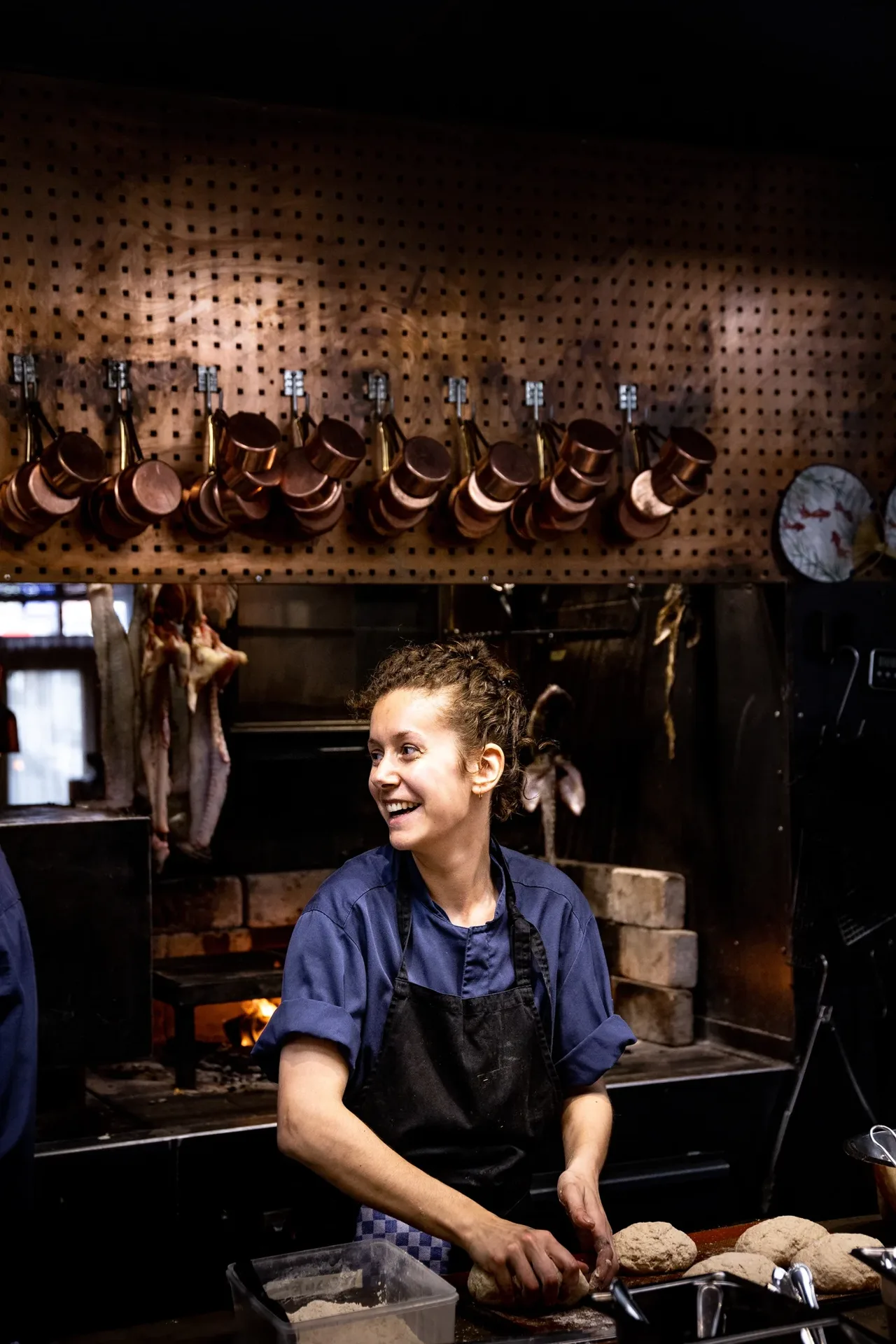
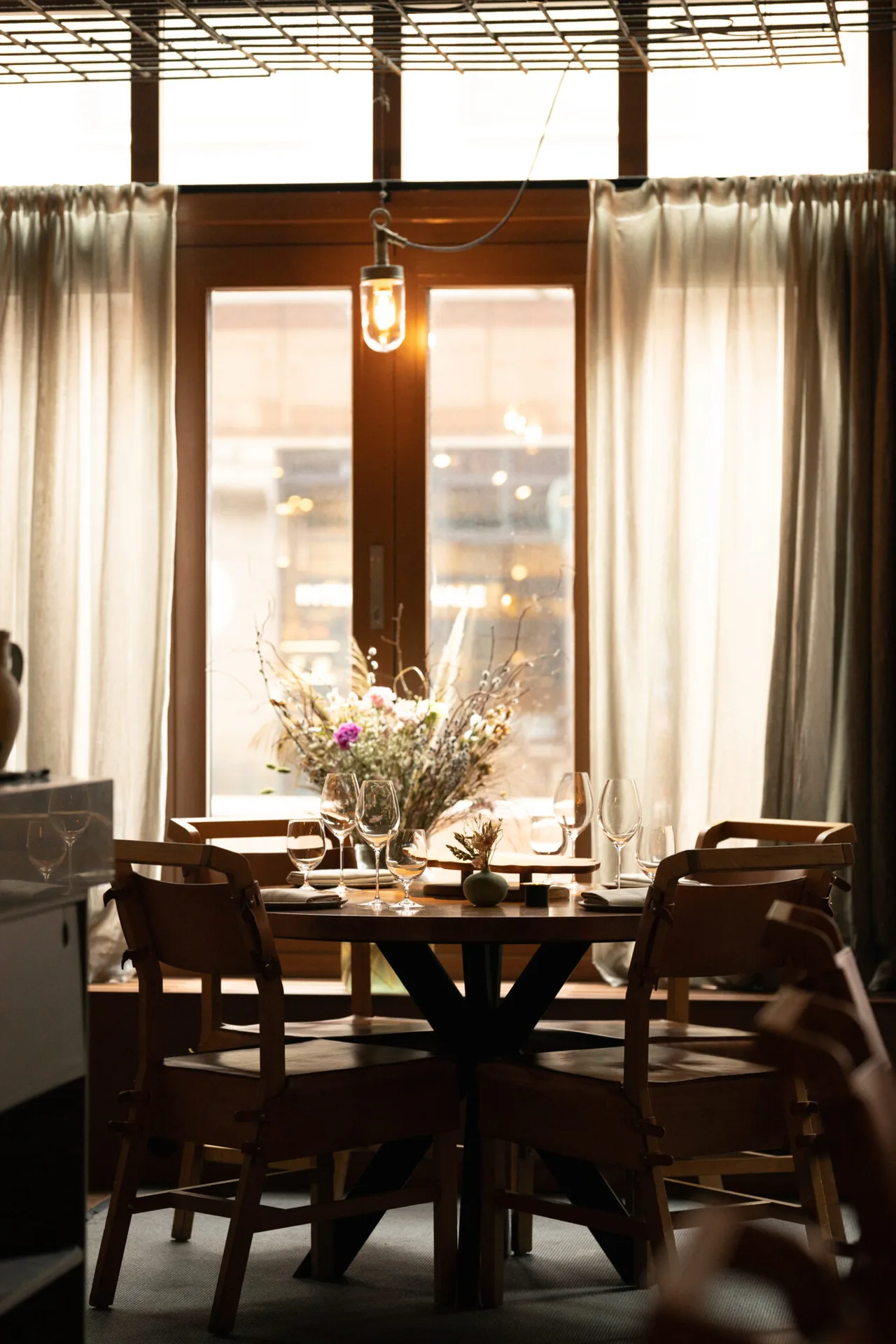
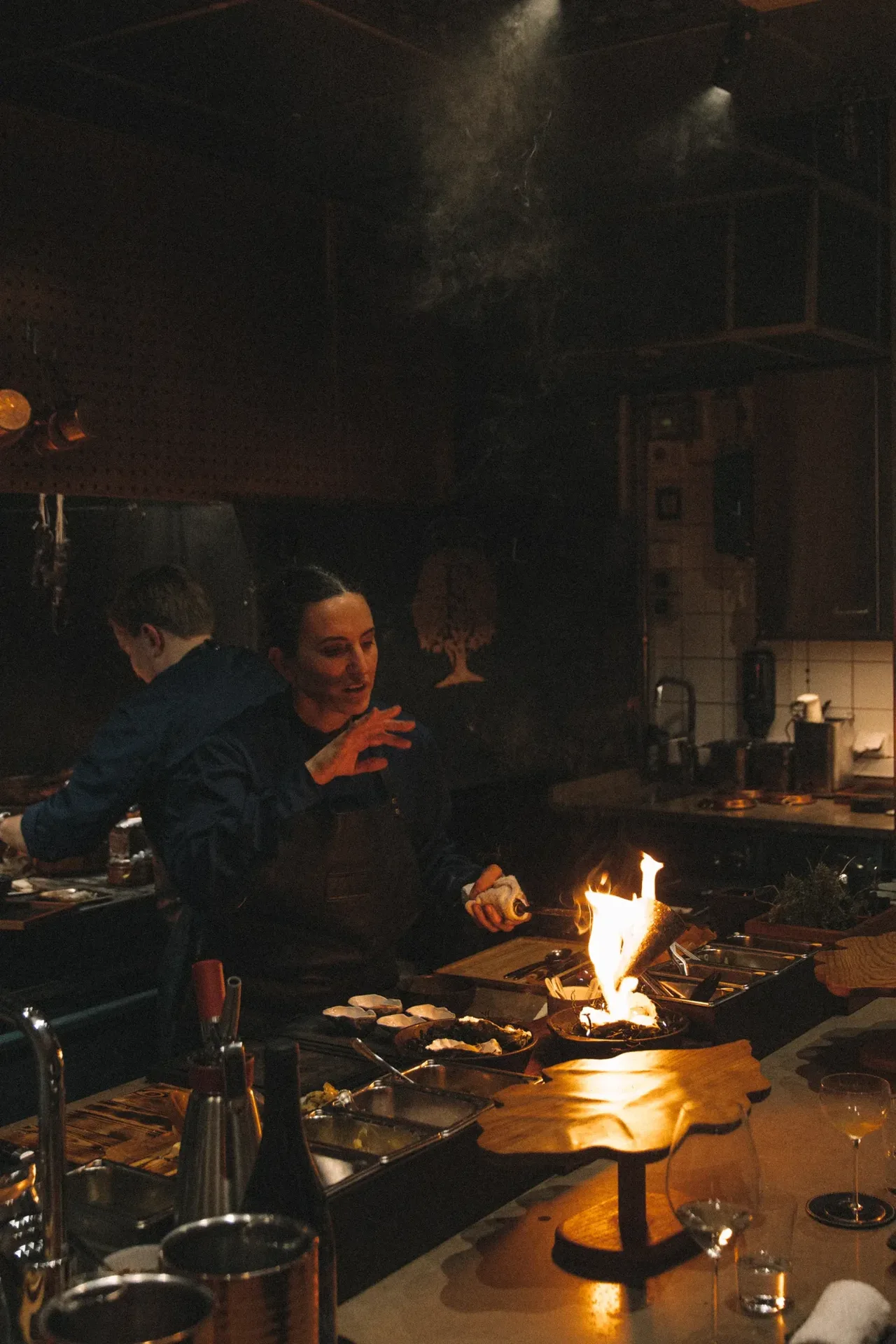
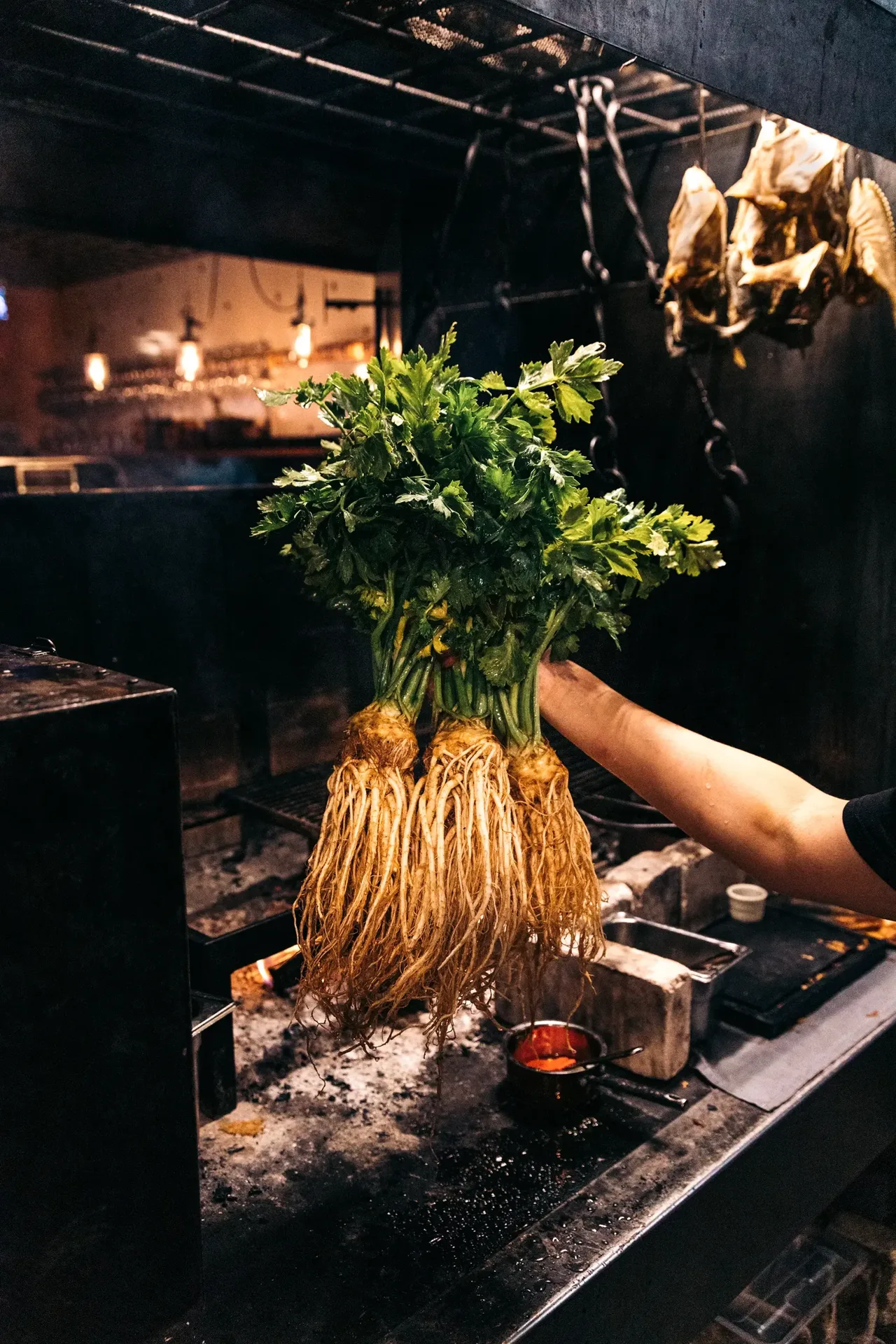
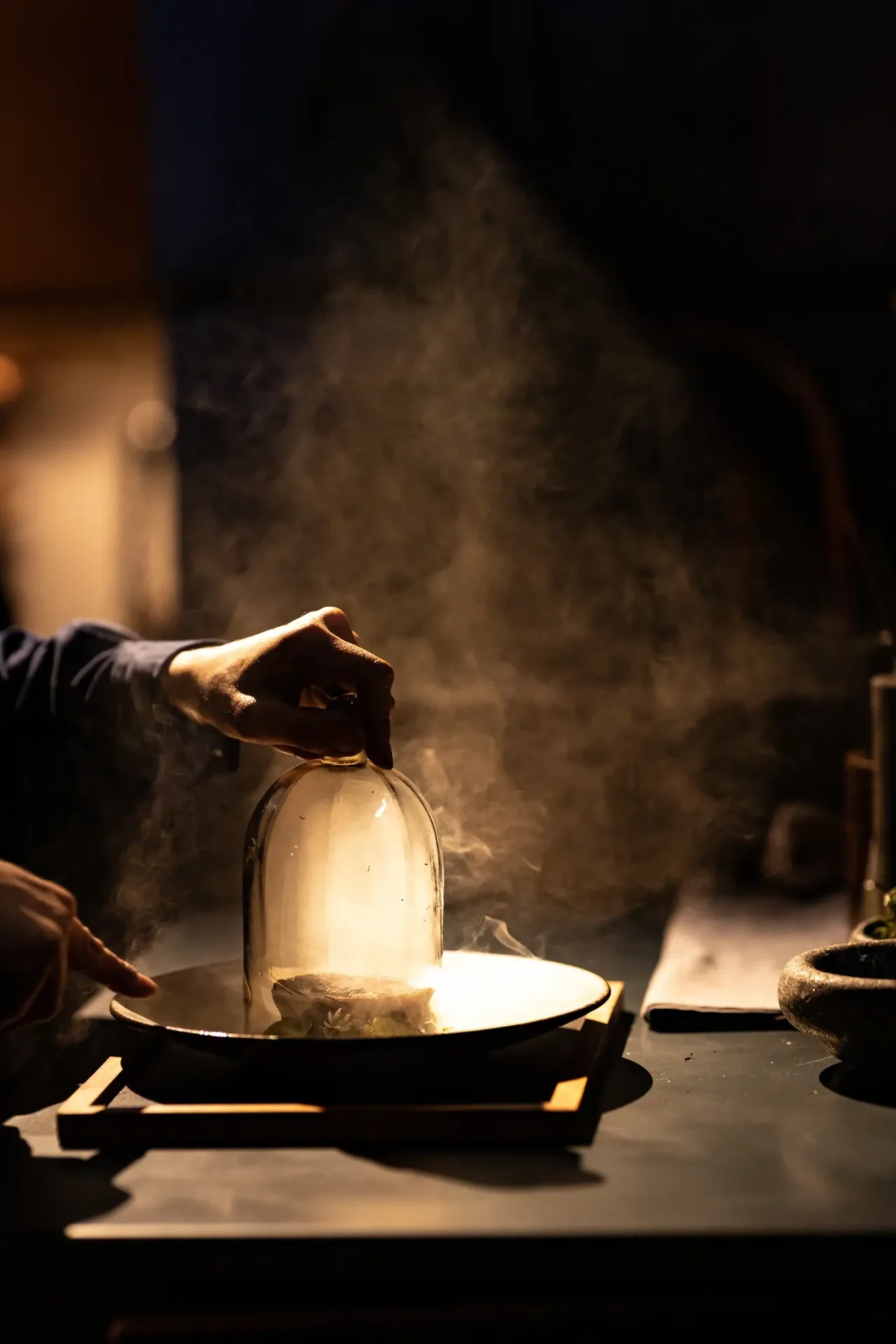
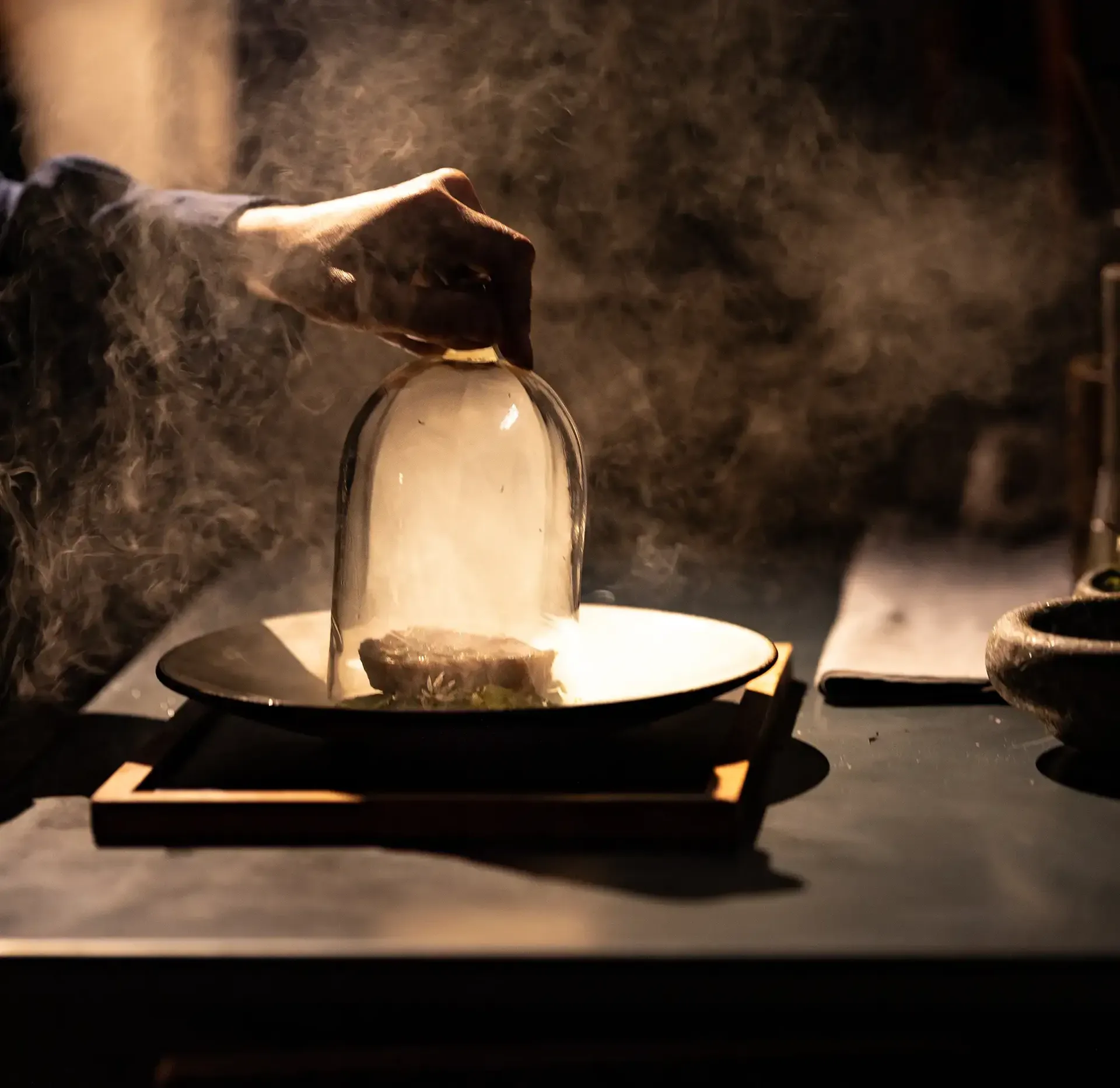
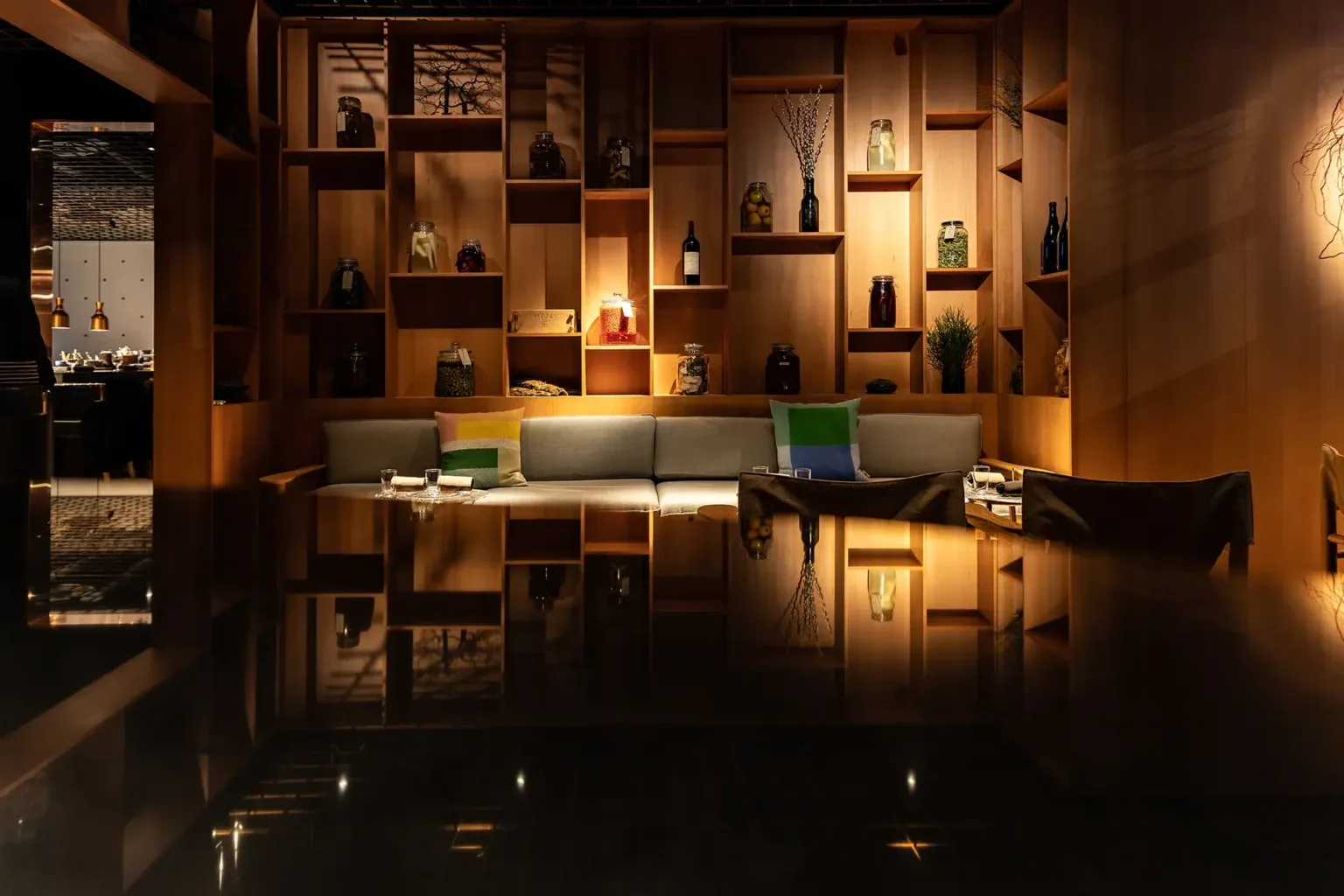
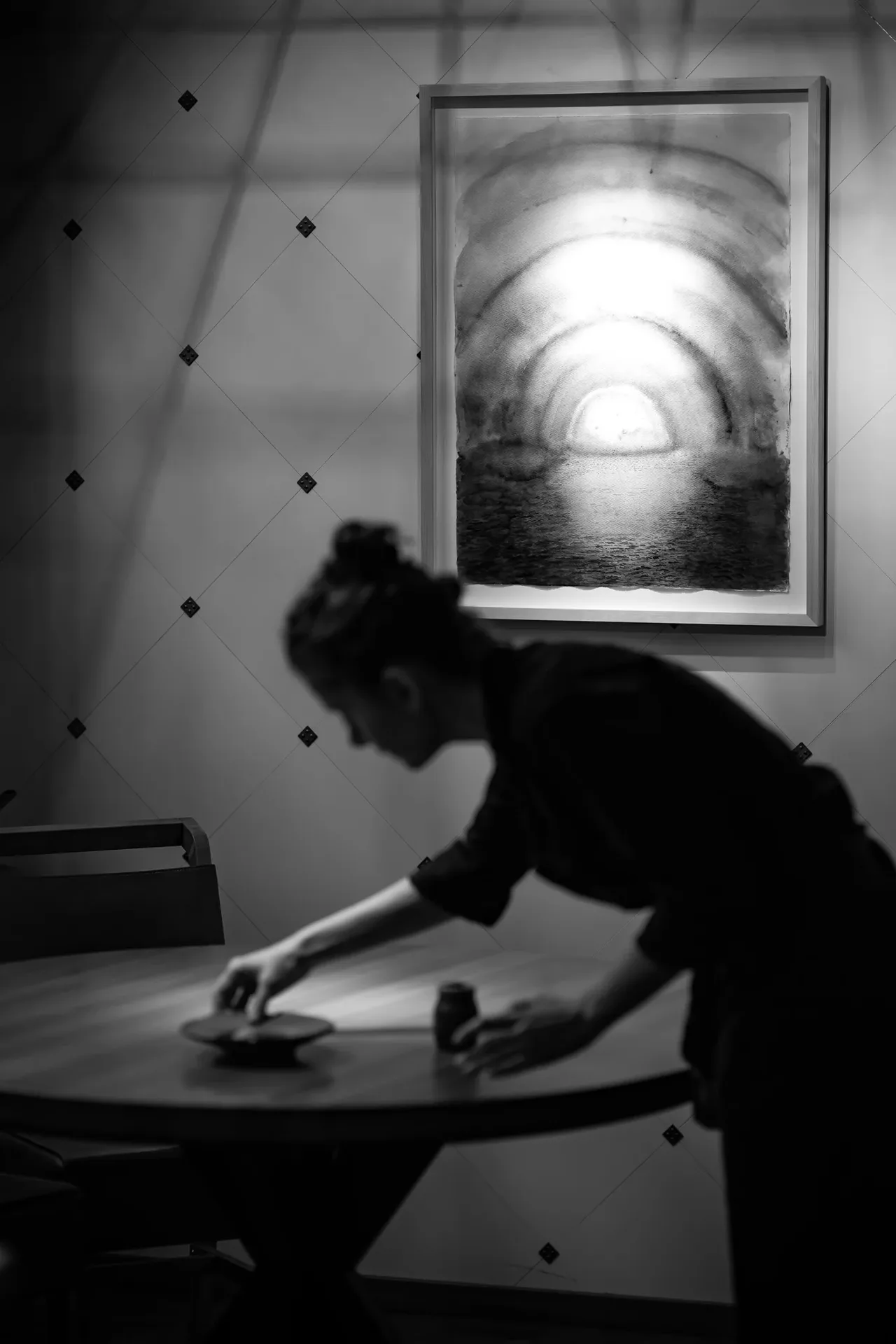
The kitchen runs on ancient Scandinavian cooking techniques applied to carefully selected seasonal ingredients. Various types of birch firewood are sourced with the same deliberateness as the produce itself. The central fire pit radiates heat throughout the dining room, and smoke molecules travel with it—lighting is kept low to avoid competing with the flames, which means the atmosphere is closer to candlelit cave than Instagram backdrop. That is entirely intentional.
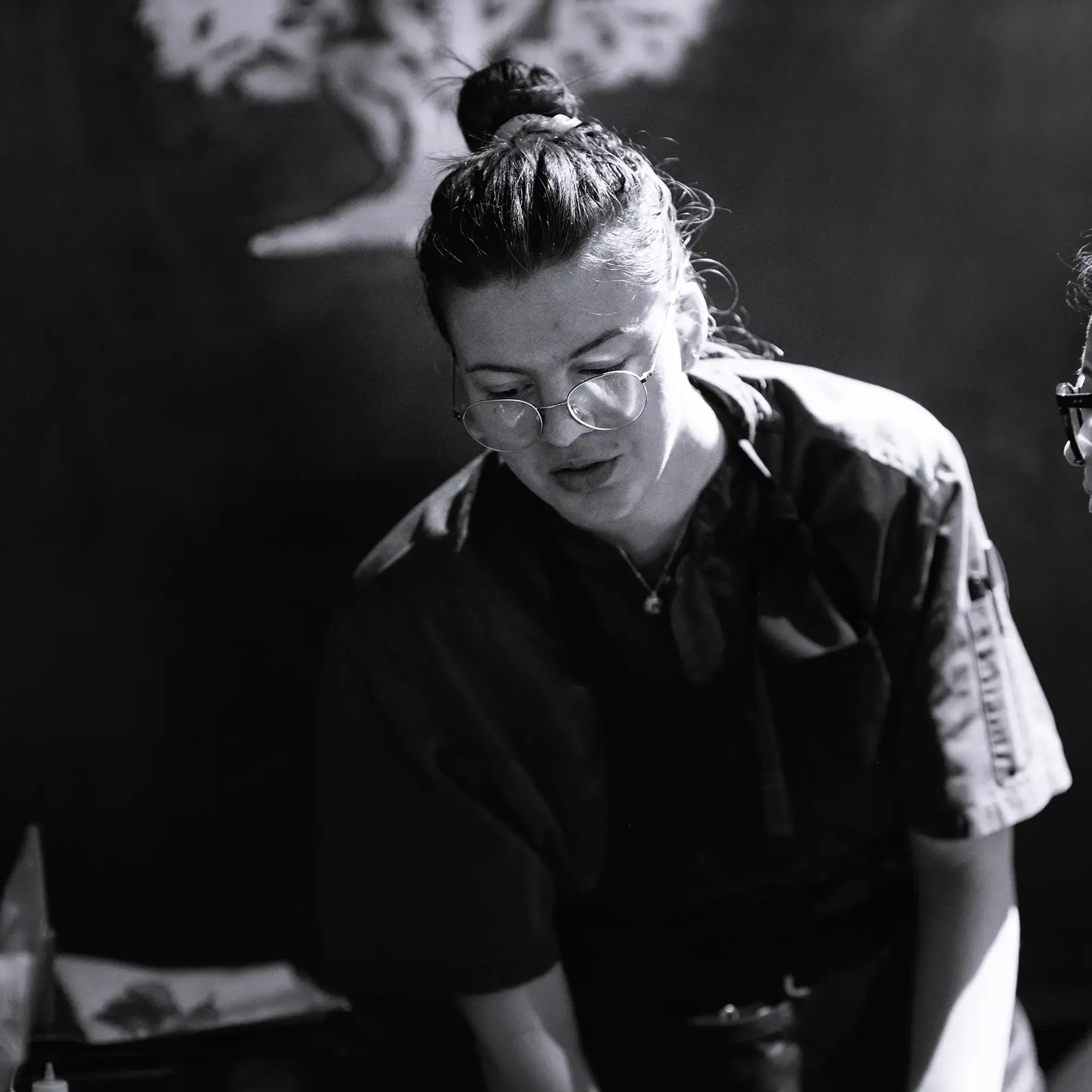
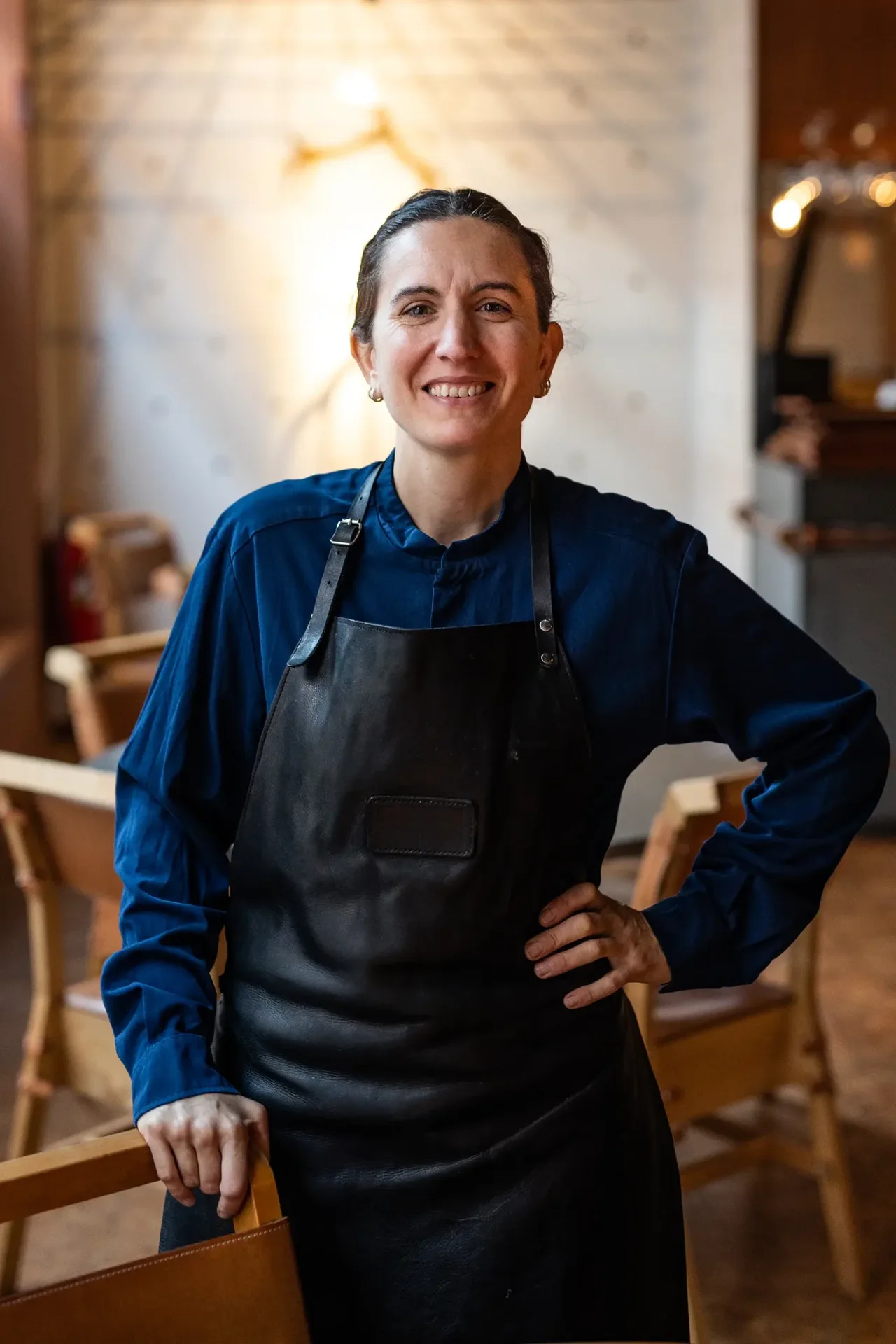
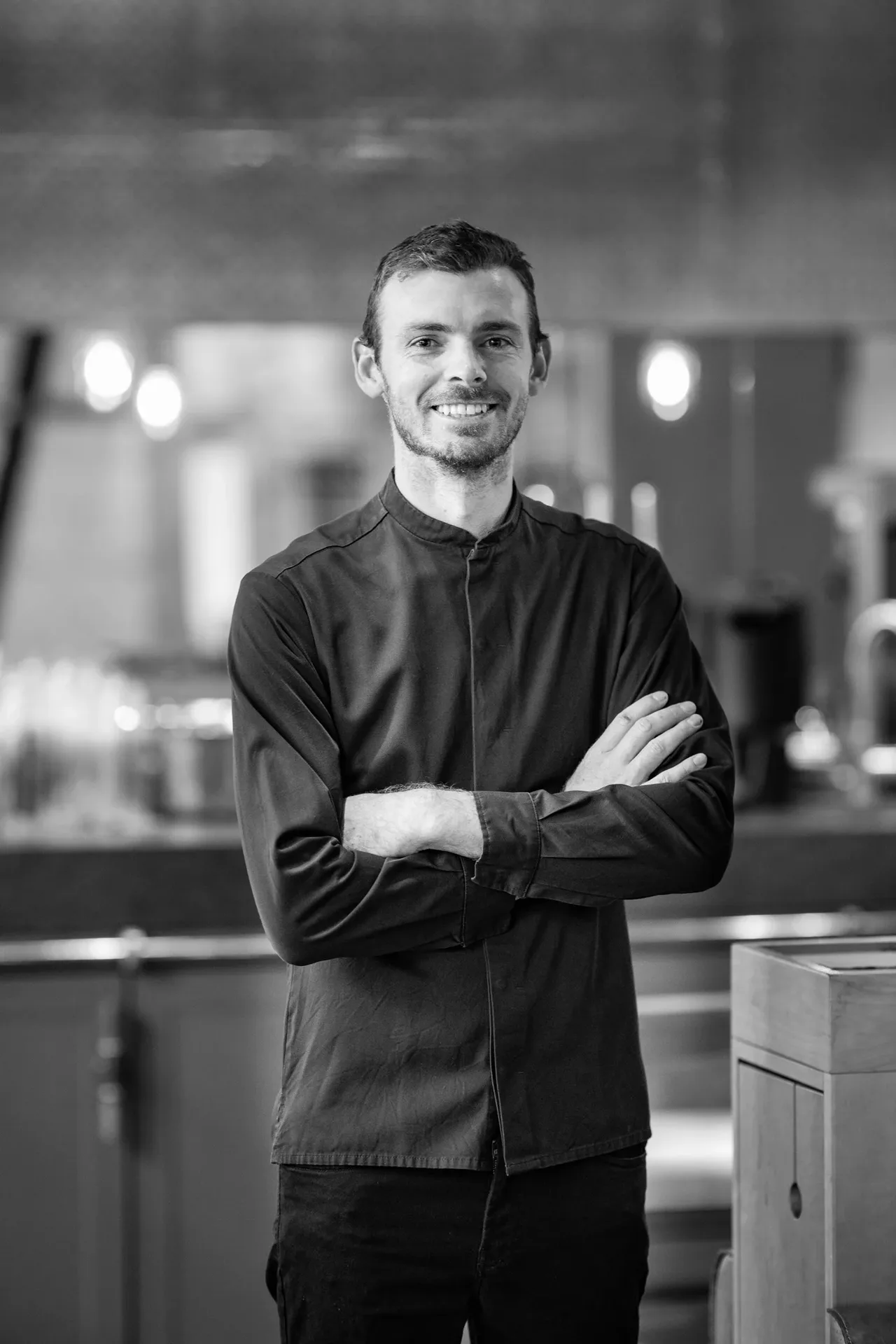
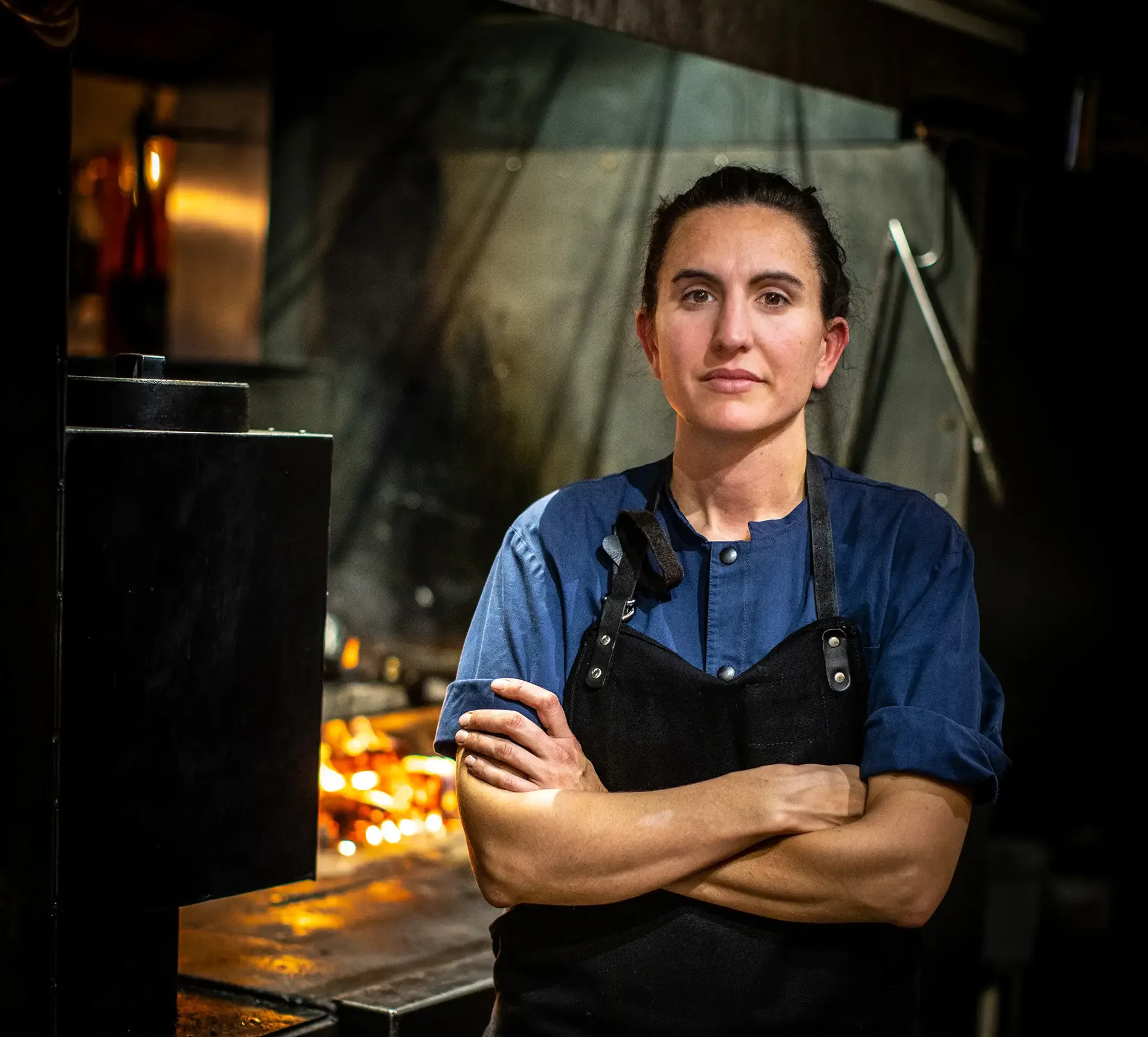
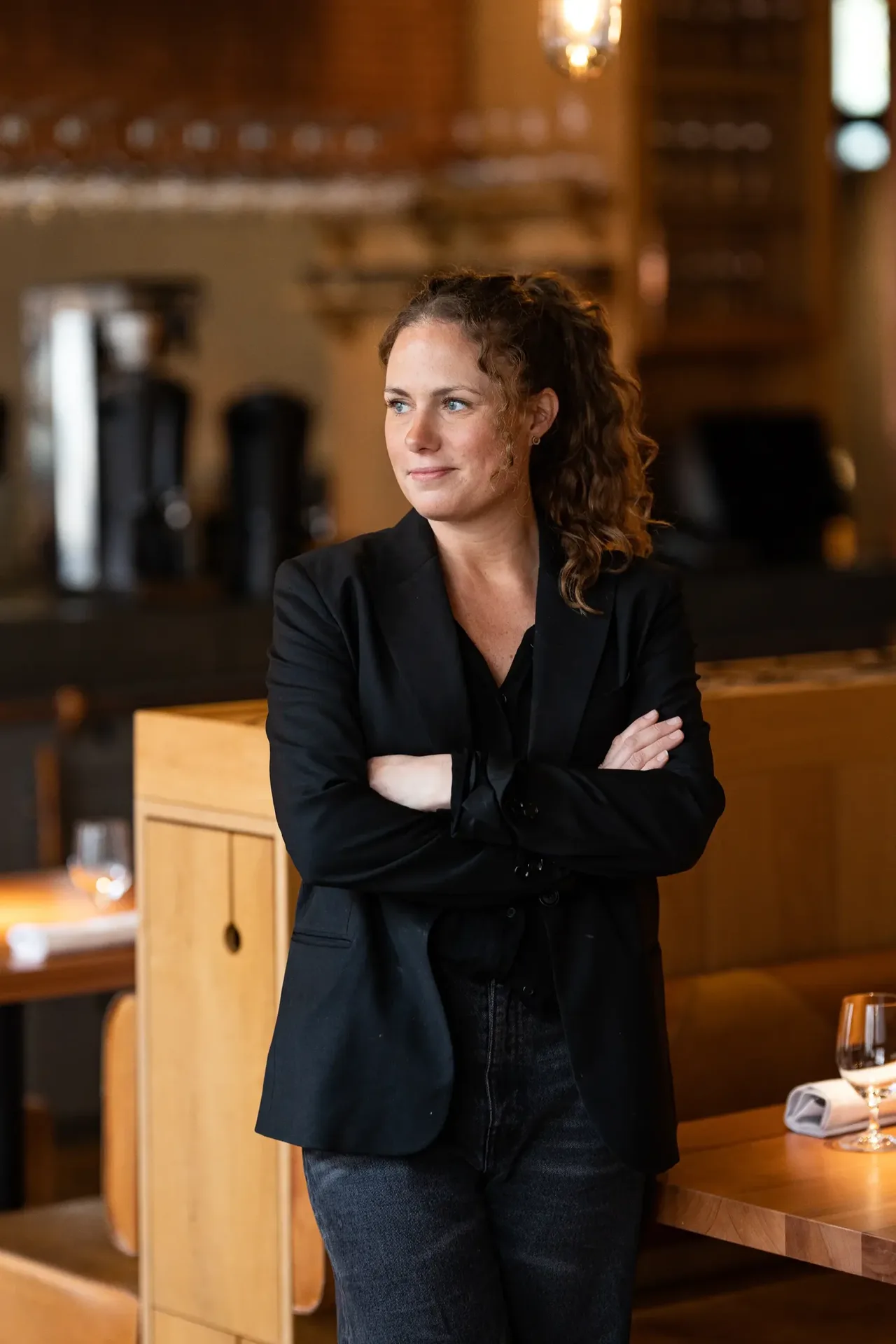
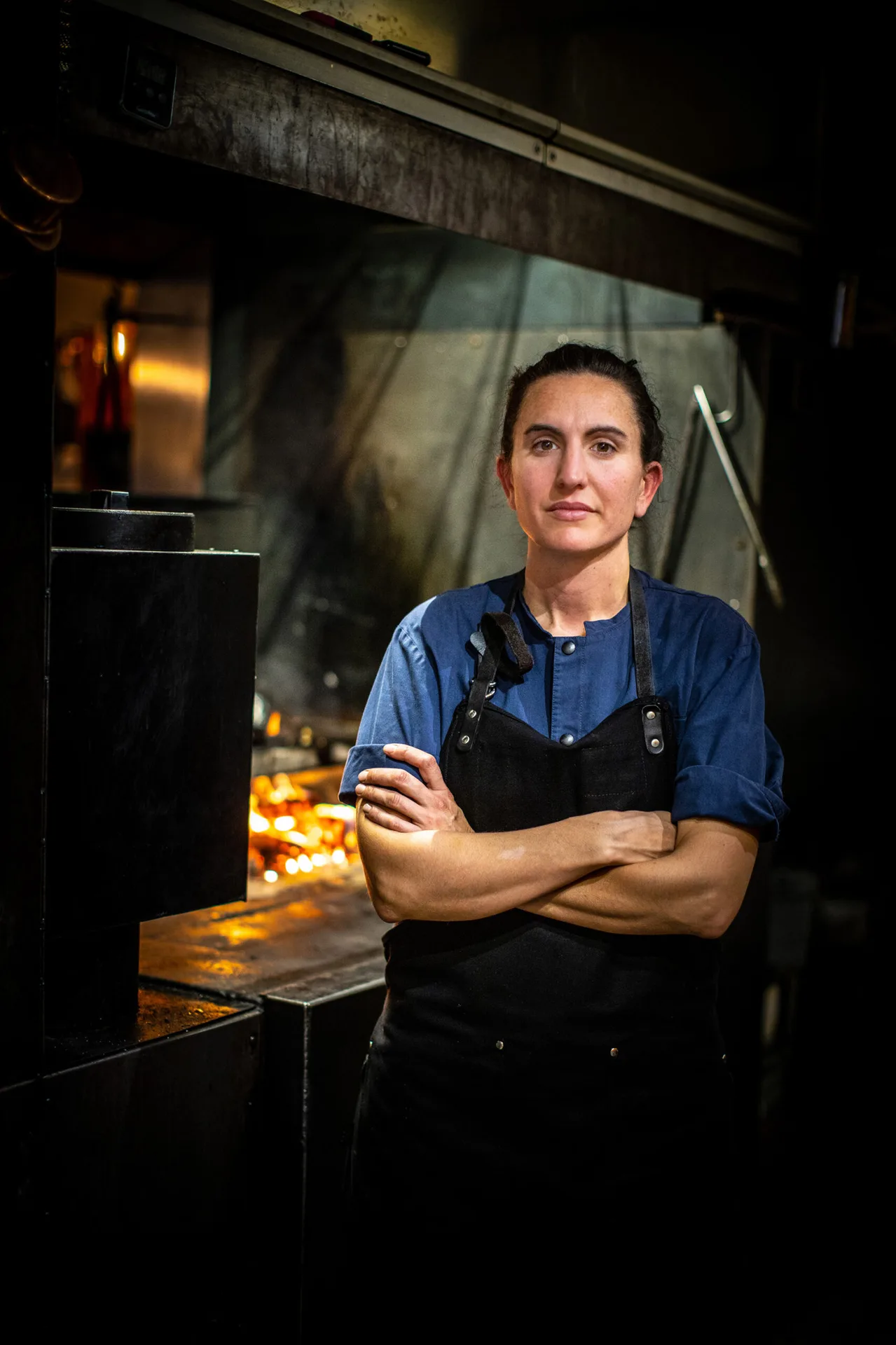
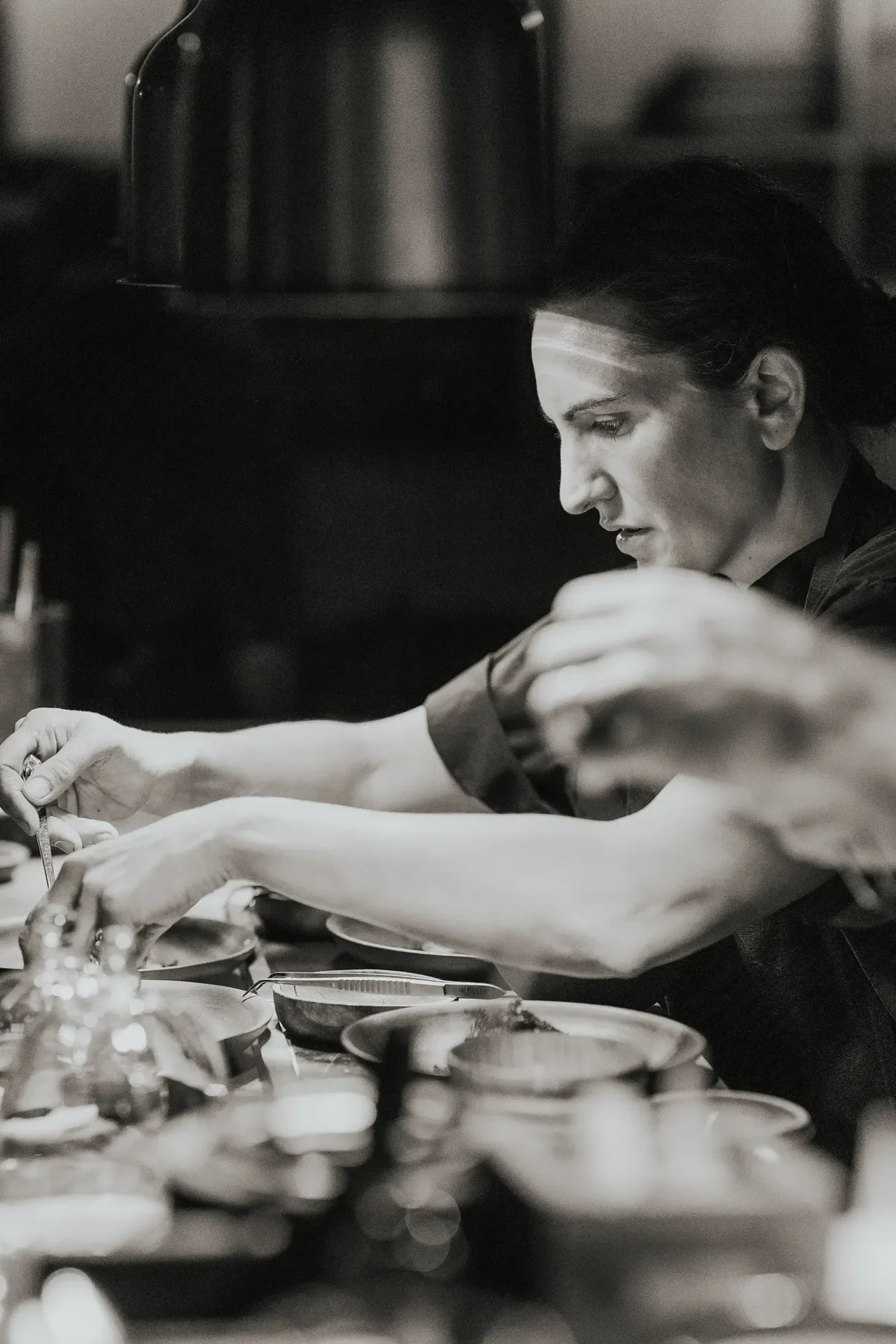
Head Chef Florencia Abella now leads the kitchen, bringing her own lineage to the fire: she grew up in the suburbs of Buenos Aires in a family rooted in the tradition of asado, where her father taught her to treat open flames as a gastronomic philosophy rather than a mere method. Under her direction, the menu continues to evolve with the seasons.
What Reaches the Table
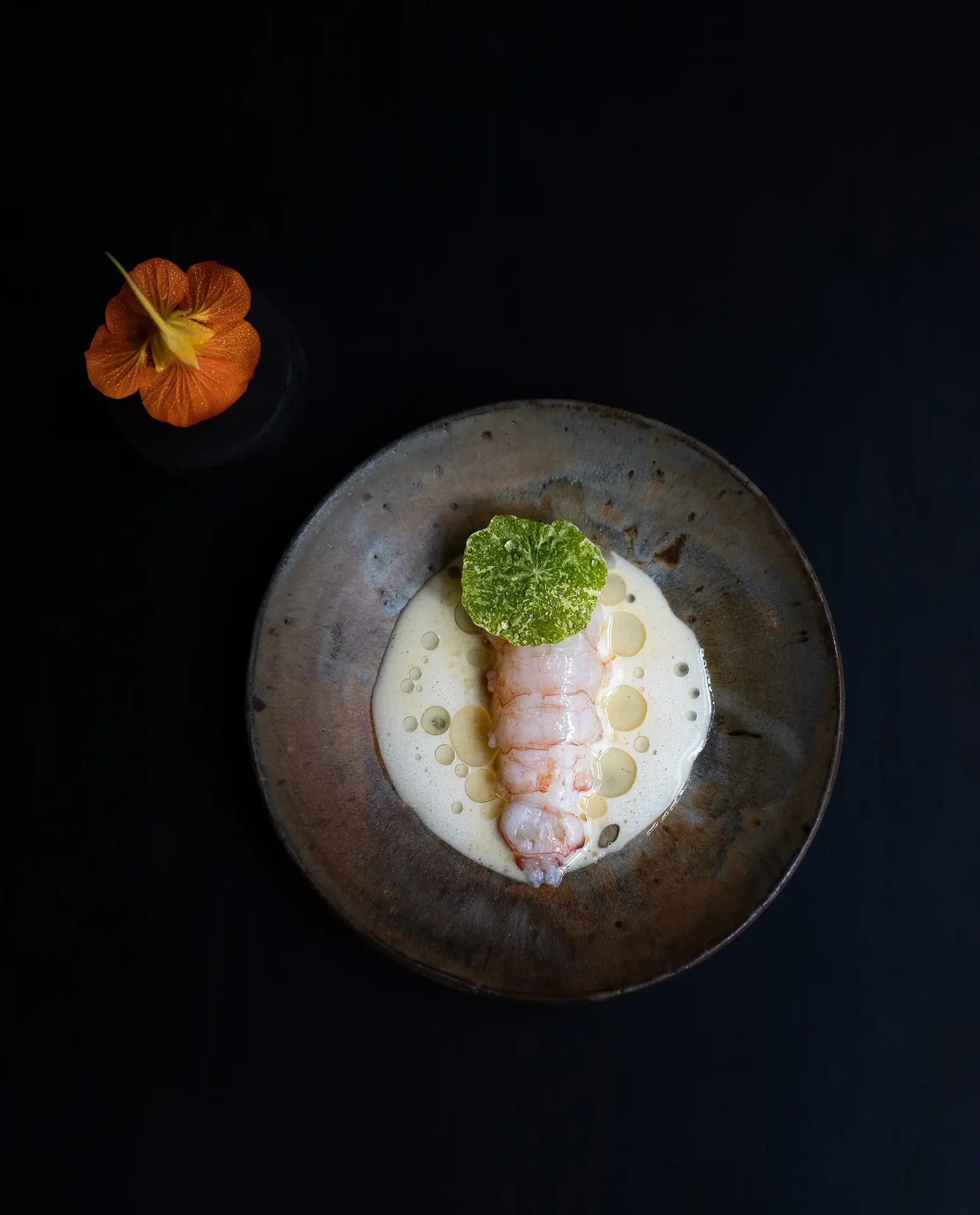
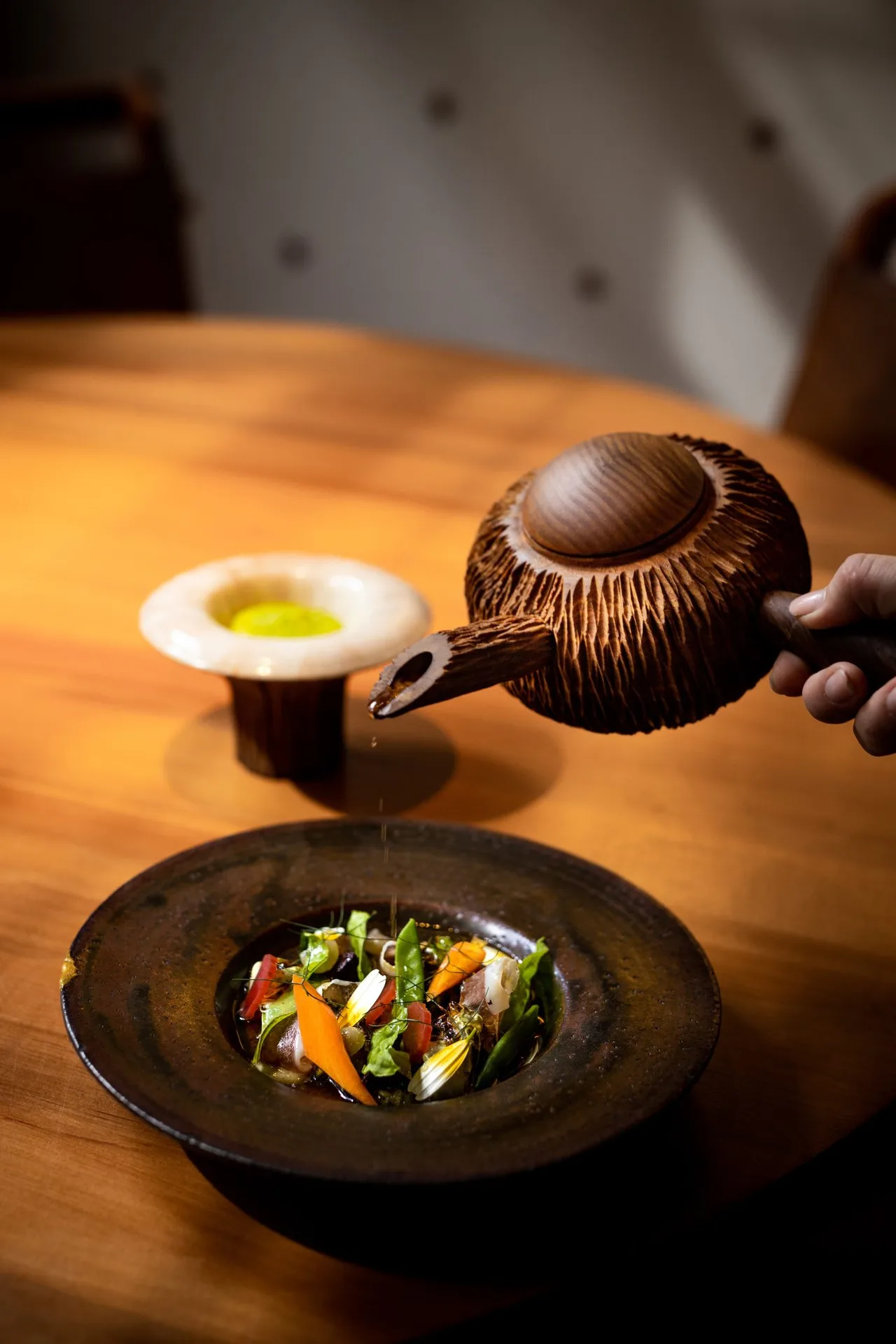
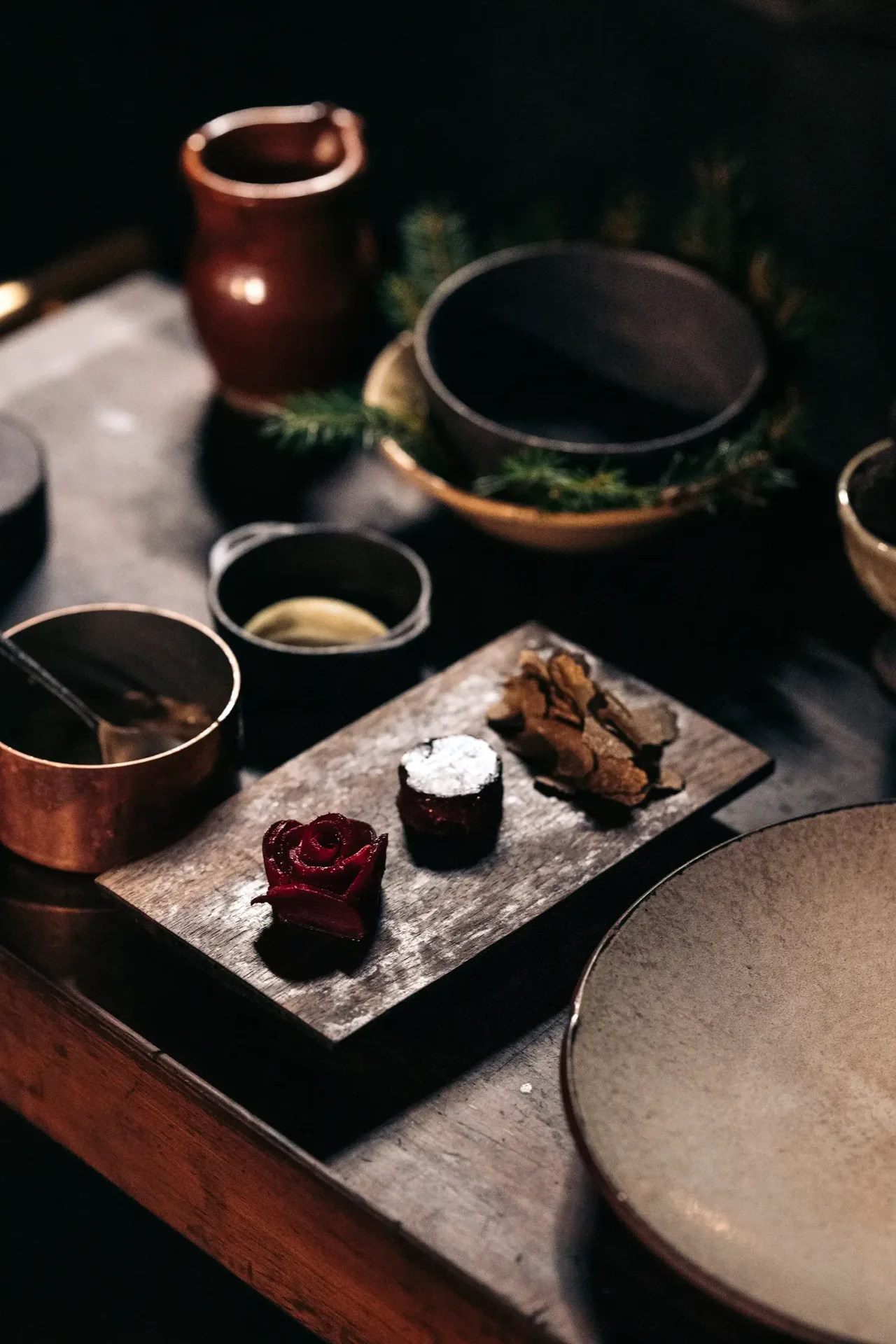
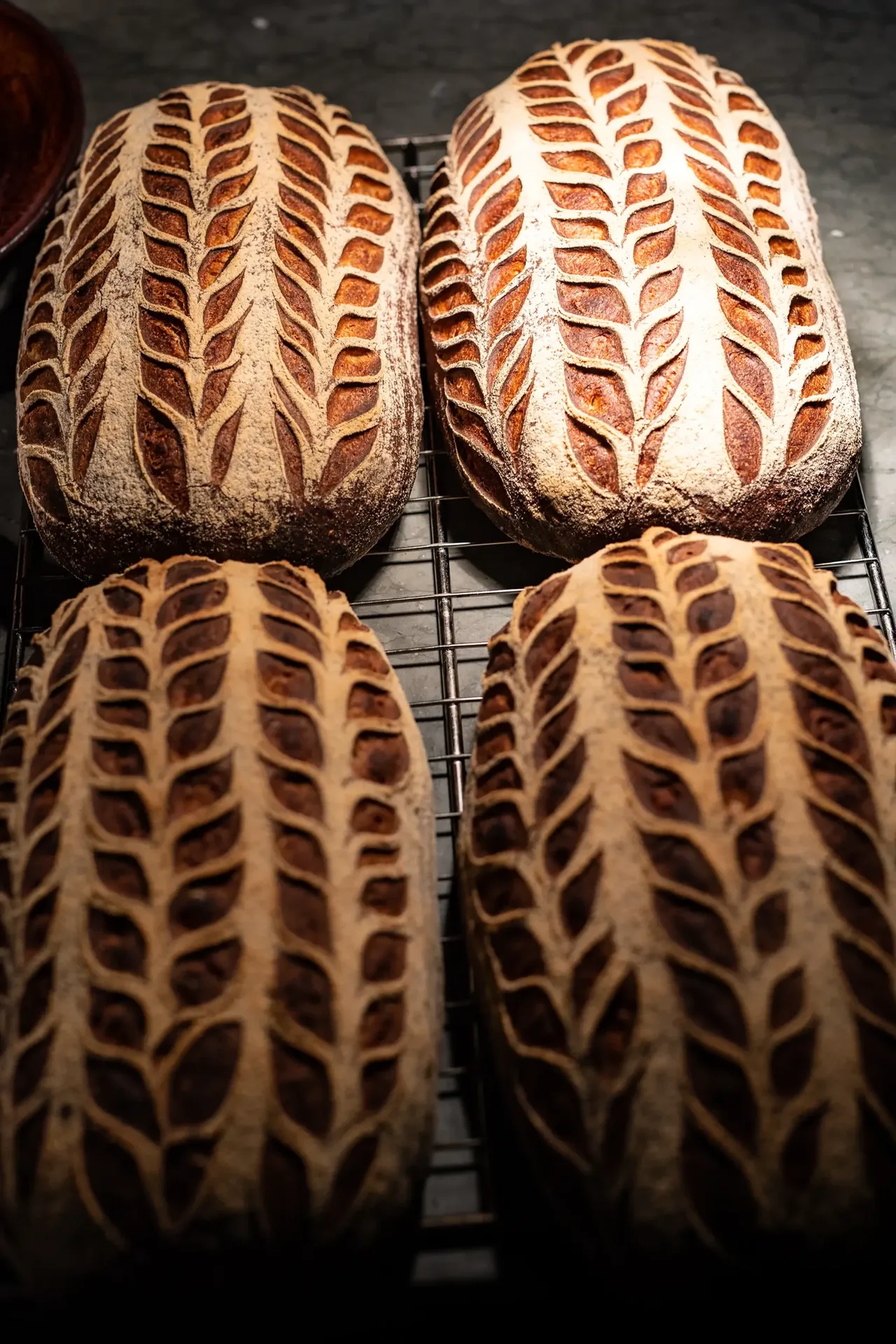
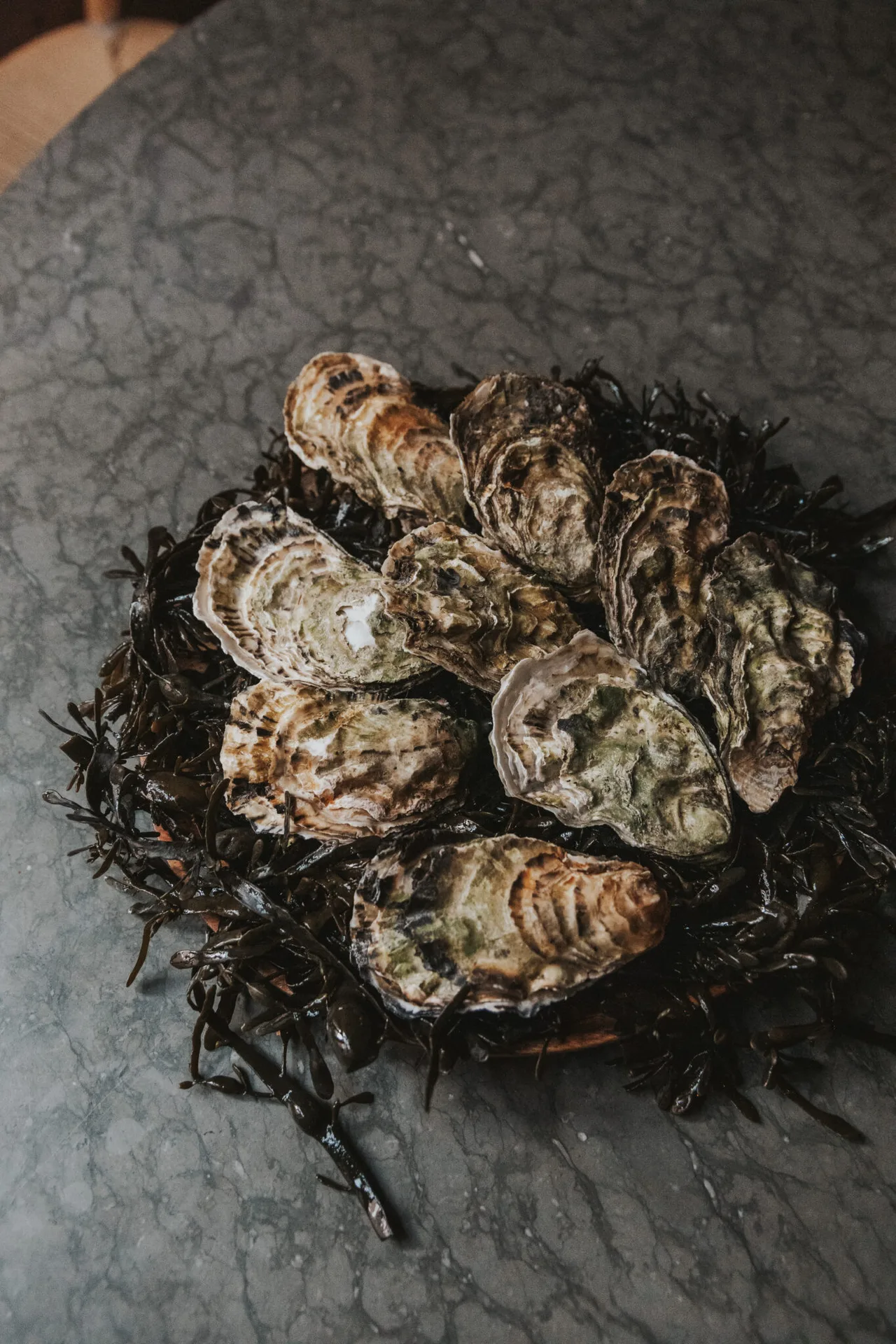
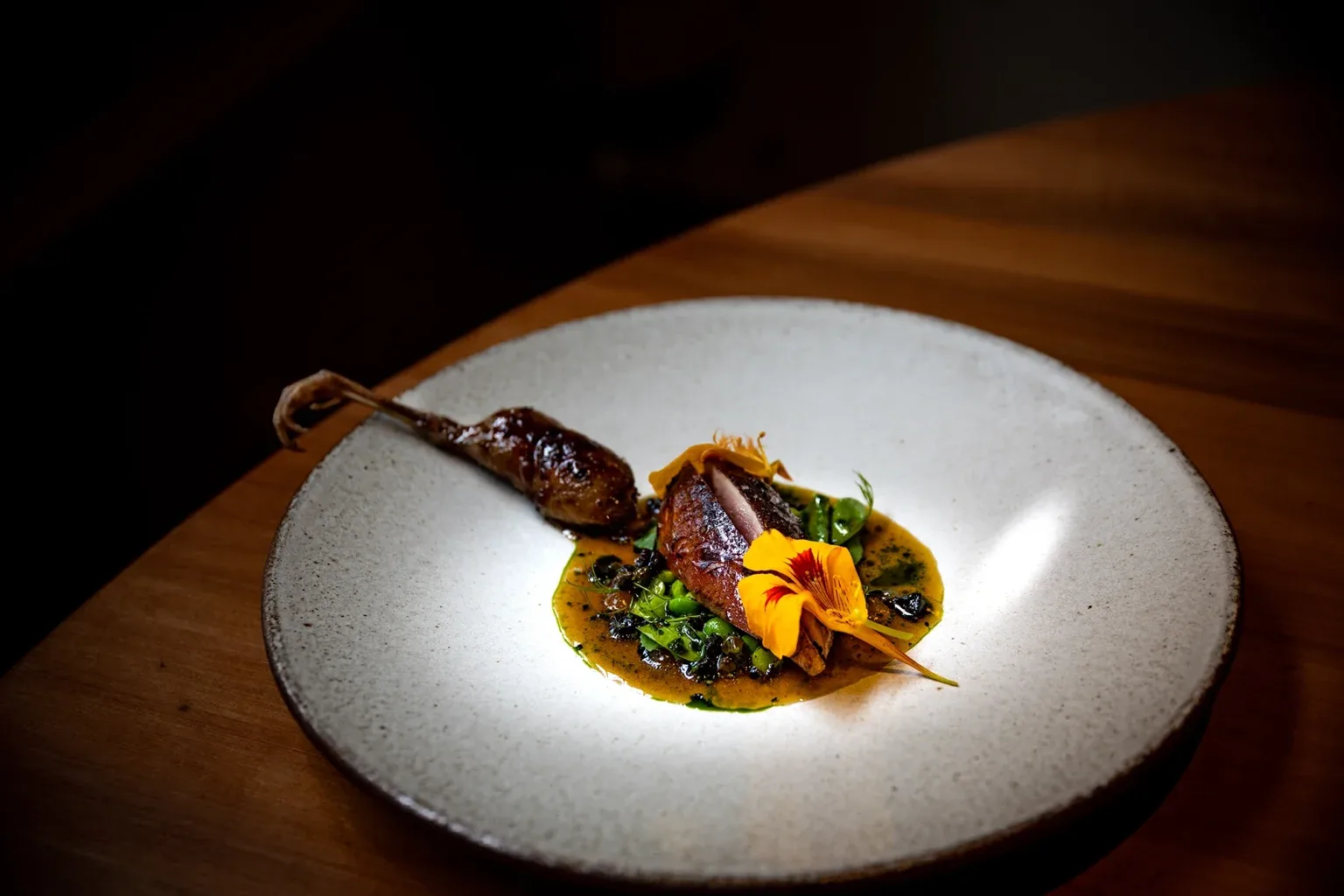
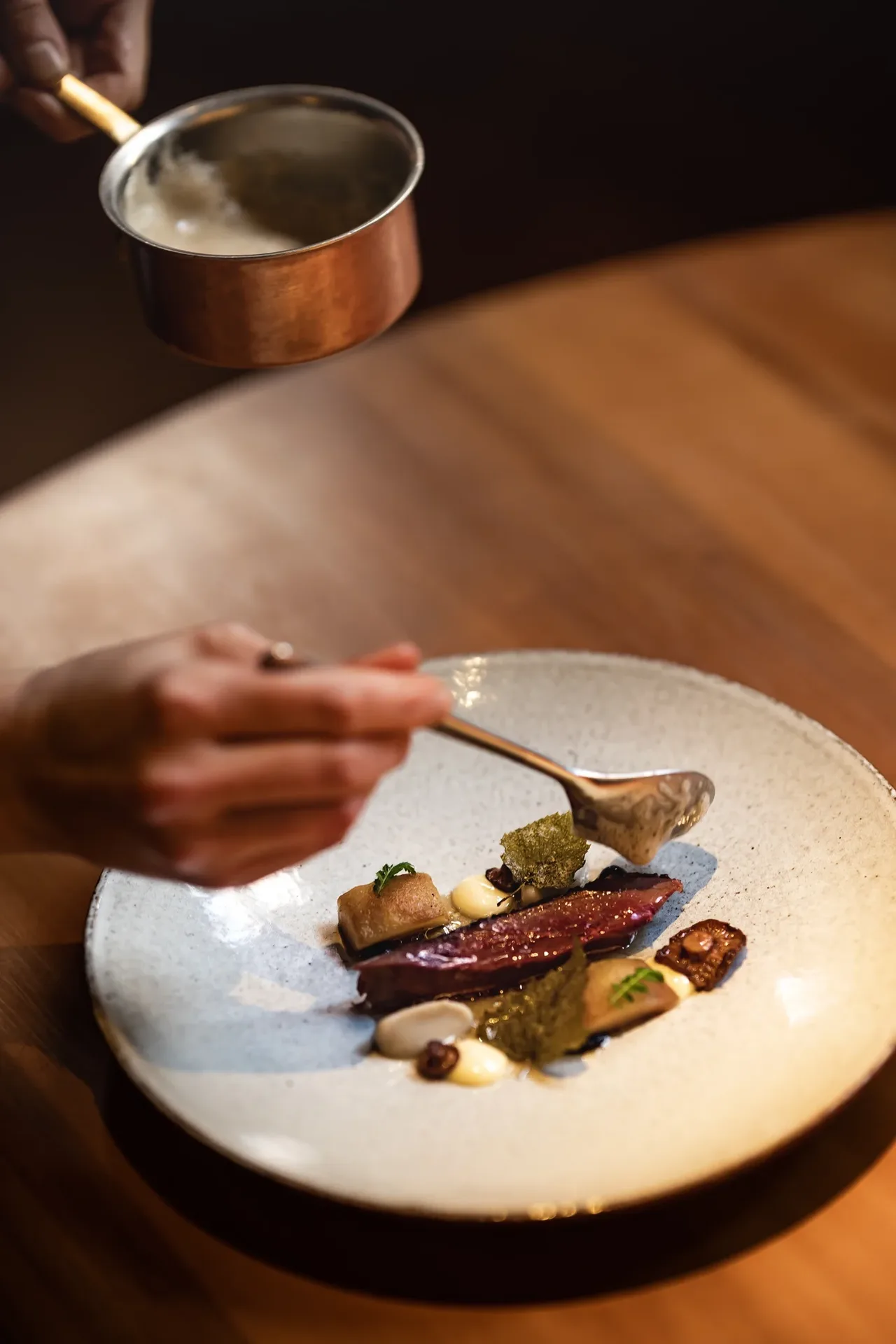
The White Guide awarded Ekstedt its Masters level—the guide's highest recognition—describing the cooking as "analogue pyronomics at the highest level." The details in that citation speak for themselves: oysters given a searing kiss of beef fat melted in a small ladle over open fire; a flatbread taco with reindeer heart cooked at the table in a cast iron bowl heated to 220 degrees; vendace roe with leek and roe deer, the dried meat shredded on top like pink parmesan, accompanied by a sourdough baked from an eight-year-old wheat-and-apple starter; a hay-flamed steak of Swedish milch cow, bright red inside its blackened coat, set against paper-thin kohlrabi. The finale: a wood-fired almond cake with grilled apple caramel ice cream.
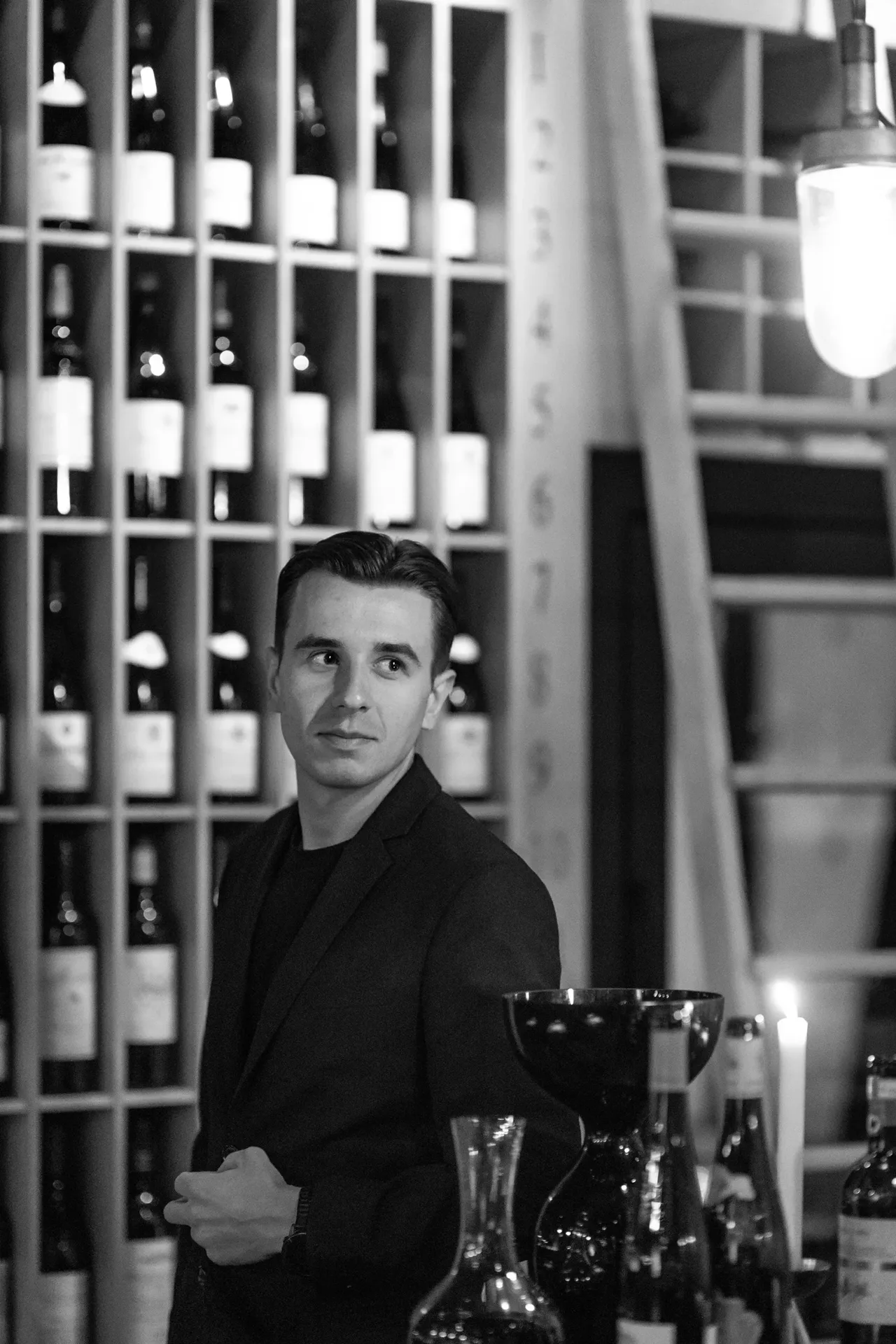
The set menu is a single degustation format—plan for three hours. Vegan and allergy adaptations are available with advance notice, and wine pairing is offered alongside juice and mixed pairing options. The restaurant is cash-free and accepts reservations up to three months ahead.
A Living Homage
Ekstedt is, as Niklas Ekstedt described it from the start, a homage to Swedish cooking before the modern era—and to his own Jämtland childhood. More than a decade on, with Masters-level recognition from the White Guide confirming its place at the top of Swedish fine dining, the restaurant keeps making things harder for itself. Because, as Ekstedt put it, that's what makes them better.
Recognition
Awards & accolades
Ambience
A glimpse inside
Location
Find us
Humlegårdsgatan 17114 83,StockholmStockholm, Sweden
+4686111210
info@ekstedt.nu
Visit website
 Facebook
 Instagram