
The story
Crafted with passion, served with love
Genius and Disorder Since 1722
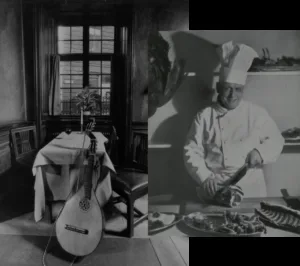
Den Gyldene Freden has been part of the everyday life and celebrations of Stockholm since 1722 — making it Sweden's oldest restaurant and, by most reckonings, the second oldest in the world. The address on Österlånggatan in Gamla Stan has not changed. Neither, in any essential way, has the purpose: people coming together to eat, drink, and talk.
The facade has witnessed revolutions in France and Russia, two world wars, the invention of the telephone, and much more. Inside, a parallel history has accumulated. Bellman mentioned the tavern in print in 1780. Swedenborg ate semlor here. Stagnelius composed poems at one of the tables. In 1919, the painter Anders Zorn learned over a plate of meatballs that Freden was to close for good — and promptly bought it himself. His will later guaranteed that the meatballs would remain on the menu for all eternity. They still are.
The White Guide, which recognises Den Gyldene Freden at Fine level, puts it well: almost every object in the room has a provenance worth telling. Evert Taube's regular table sits to the left of the entrance. The Swedish Academy has held its Thursday dinners upstairs for generations. The building itself was nearly institutionalised into a museum in the nineteenth century — a battle the restaurant won, which is why it remains a living place rather than a monument.
The Food
Swedish cuisine has always borrowed from the rest of the world, and the kitchen here does the same — without losing sight of where it stands. The menu follows the Swedish seasons closely: nettles and asparagus in spring, crayfish in late summer, goose and apple in autumn, herring year-round.
Alongside the eternally guaranteed Swedish meatballs with potato purée, cream sauce, pickled cucumber, and lingonberries, the current evening menu includes dishes such as pickled herring "Lerpotta" with matjes, eggs, sour cream, and crispy potatoes; Toast Skagen with shrimp, dill, and vendace roe from Kalix; quenelles of pike with Swedish blue mussels and Pernod; and dry-aged Swedish lamb with a ragù of spring vegetables. The kitchen handles vegetarian options as a matter of course — the potato dumpling kroppkaka with Wrångebäck cheese and ramson is a fixture.
The drinks list is equally grounded in Swedish tradition: a long roster of aquavit and snaps, the house's own Kellerbier on tap, and a concise selection of wines by the glass.
The Rooms
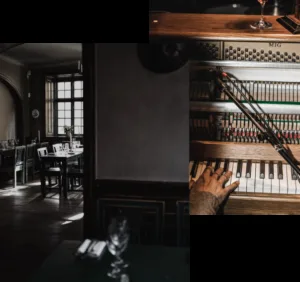
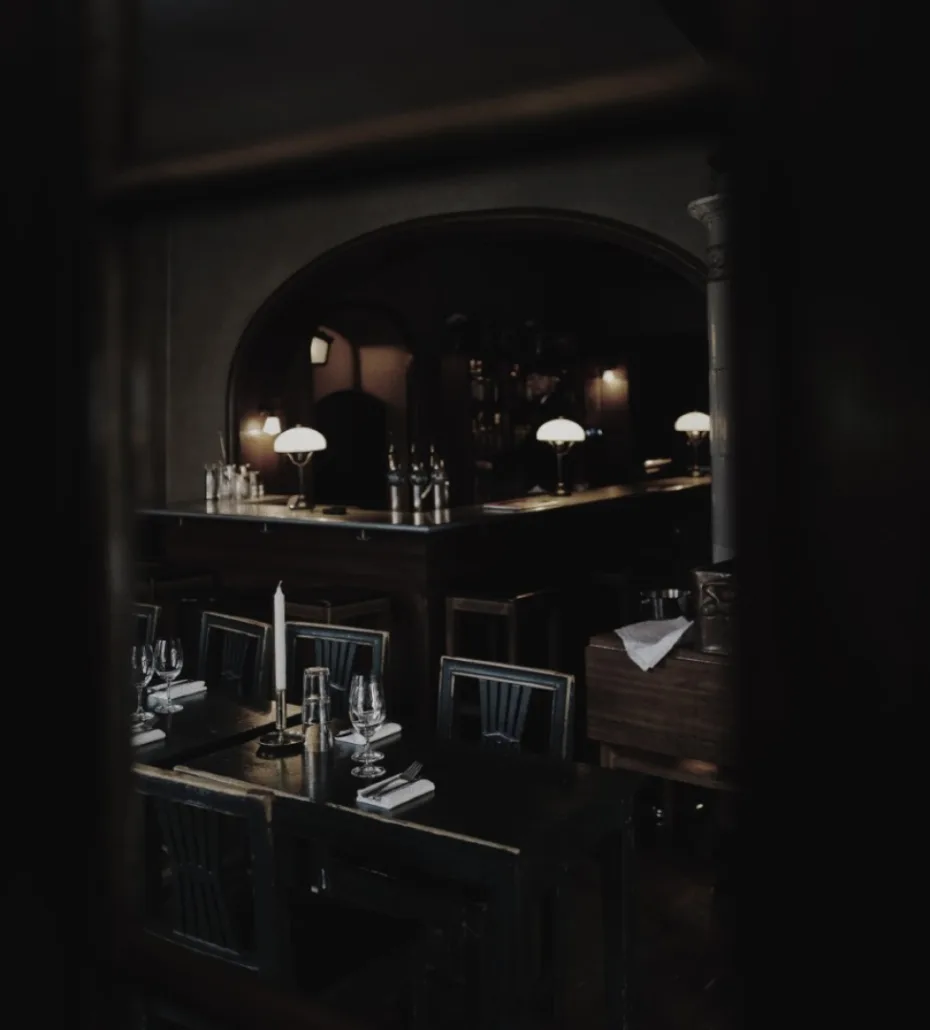
Dining takes place across several distinct spaces. "The Storm" on the ground floor handles walk-ins and smaller bookings. The vaulted cellar — Gamla Stans valv — seats up to eight and has the feel of a room that has absorbed centuries of conversation. Private dining rooms and banquet facilities are available for larger groups. The whole place is, as one guest put it, somewhere you feel the weight of history without it pressing down on you.
Recognition
Awards & accolades
Ambience
A glimpse inside
Location
Find us
Österlånggatan 51103 17,StockholmStockholm, Sweden
08-534 808 40
info@gyldenefreden.se
Visit website
 Facebook
 Instagram