
The story
Crafted with passion, served with love
Over a Century of Gastronomy in Ferdinand Boberg's Last Work
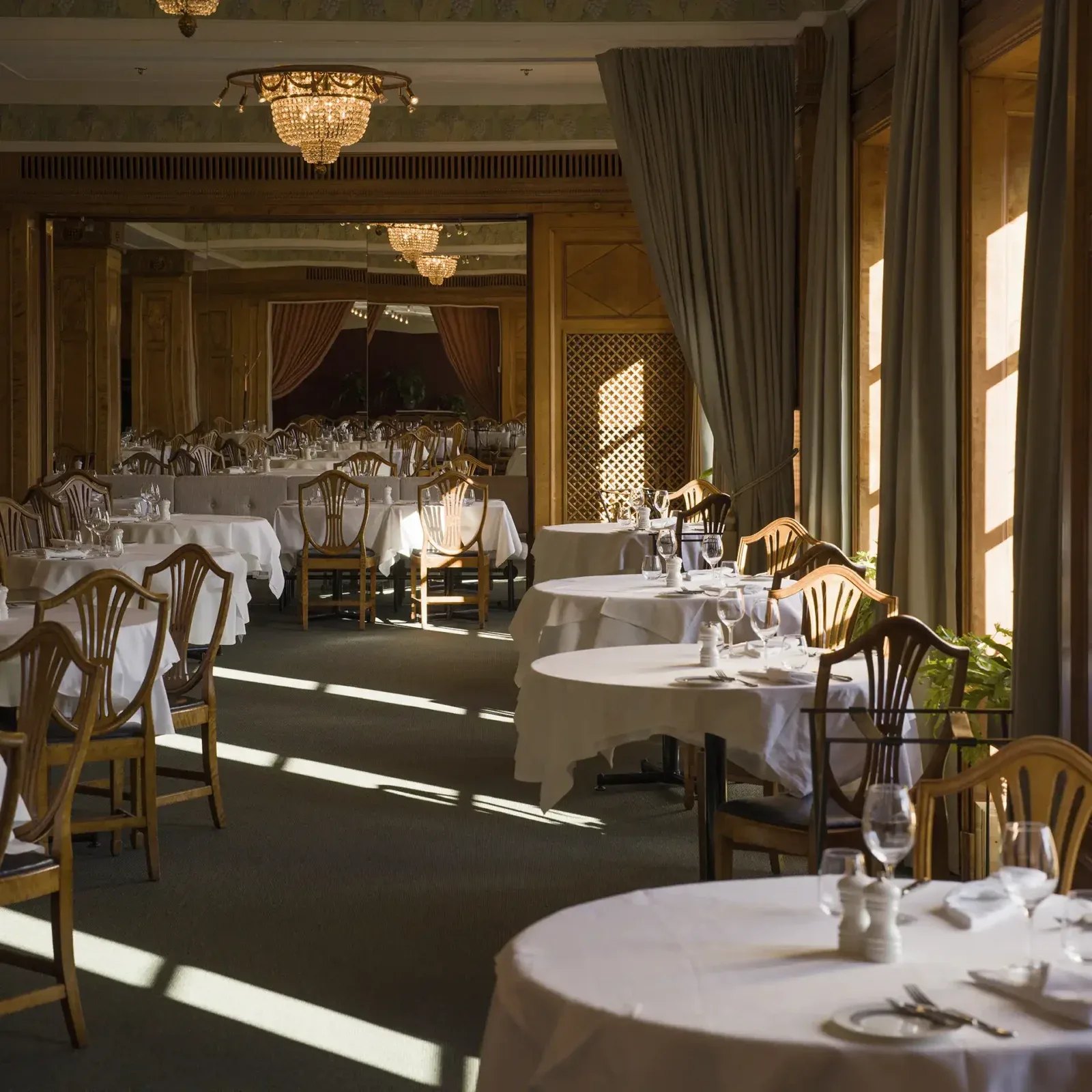
On the fourth floor of Nordiska Kompaniet, Stockholm's grand department store on Hamngatan, sits a dining room that has changed remarkably little since it first opened in 1915. The space is the work of architect Ferdinand Boberg, and its Jugend-style interiors — crystal chandeliers, ornate detailing, and sweeping views over Stockholm's inner city — are today protected as cultural heritage. That continuity is not incidental; it is the point.
The White Guide describes the experience with characteristic precision: guests here connect to a long line of diners who, over more than a hundred years, have shed their jackets, ordered well, and quietly cancelled their afternoon meetings. The line between business and pleasure, the guide notes, is genuinely hard to discern.
The Kitchen
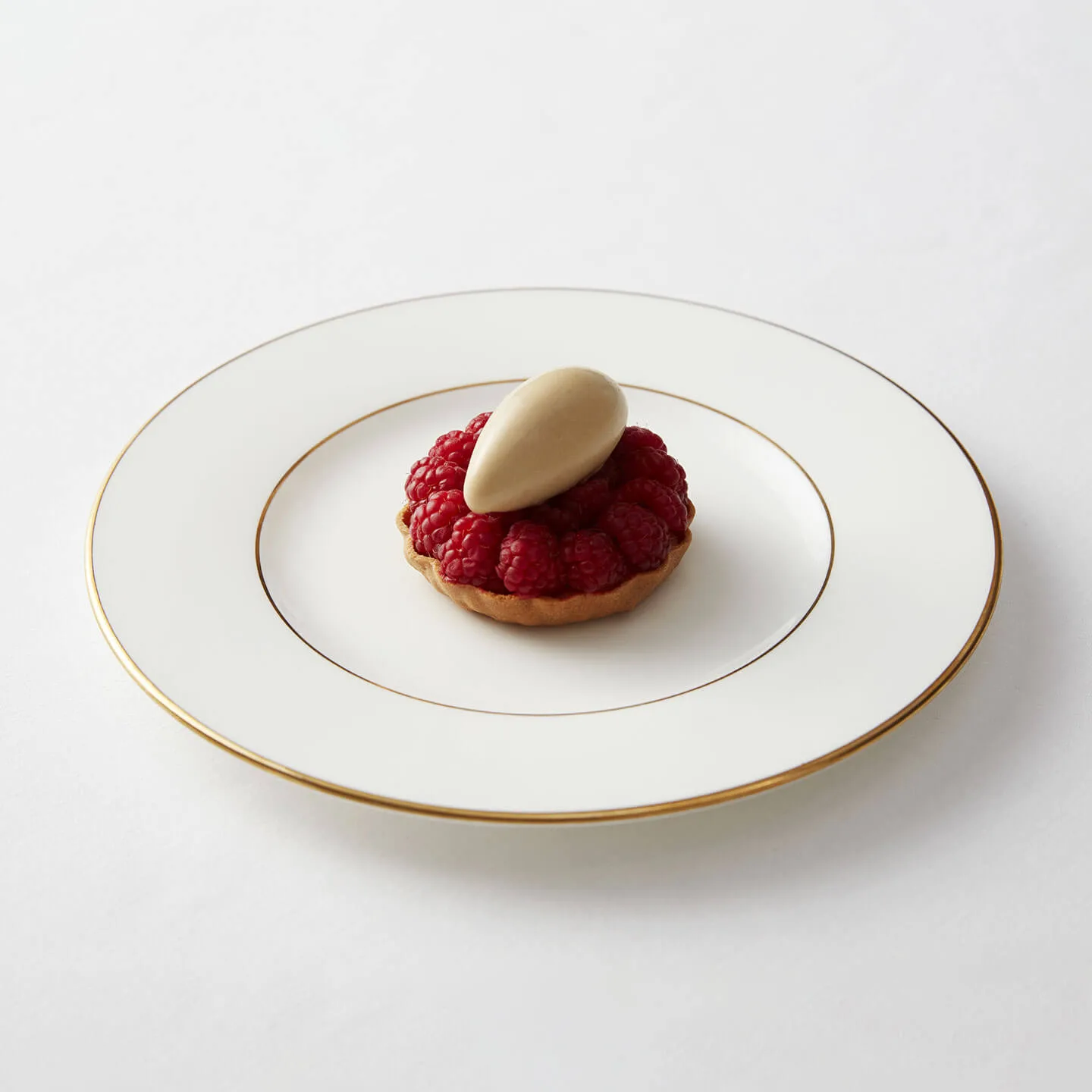
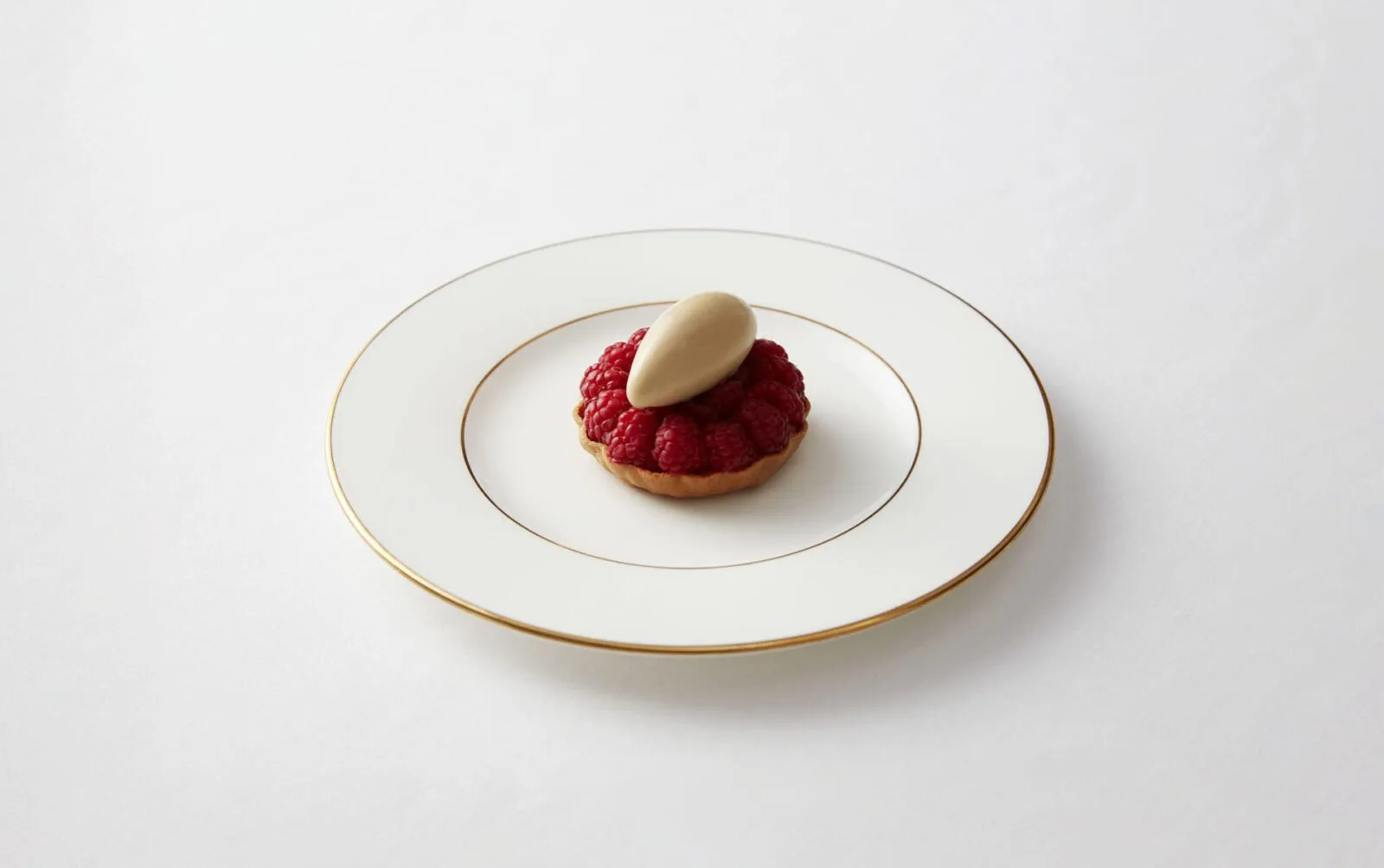
Tommy Myllymäki and Pi Le lead the kitchen, presenting what the restaurant calls a modern interpretation of traditional French-Nordic cooking. The ambition, as White Guide recognises at its "Very fine level" award, sits comfortably alongside some of Sweden's best restaurants — yet the room carries none of the self-consciousness that often accompanies that kind of ambition. Guests eat well without performing the fact.
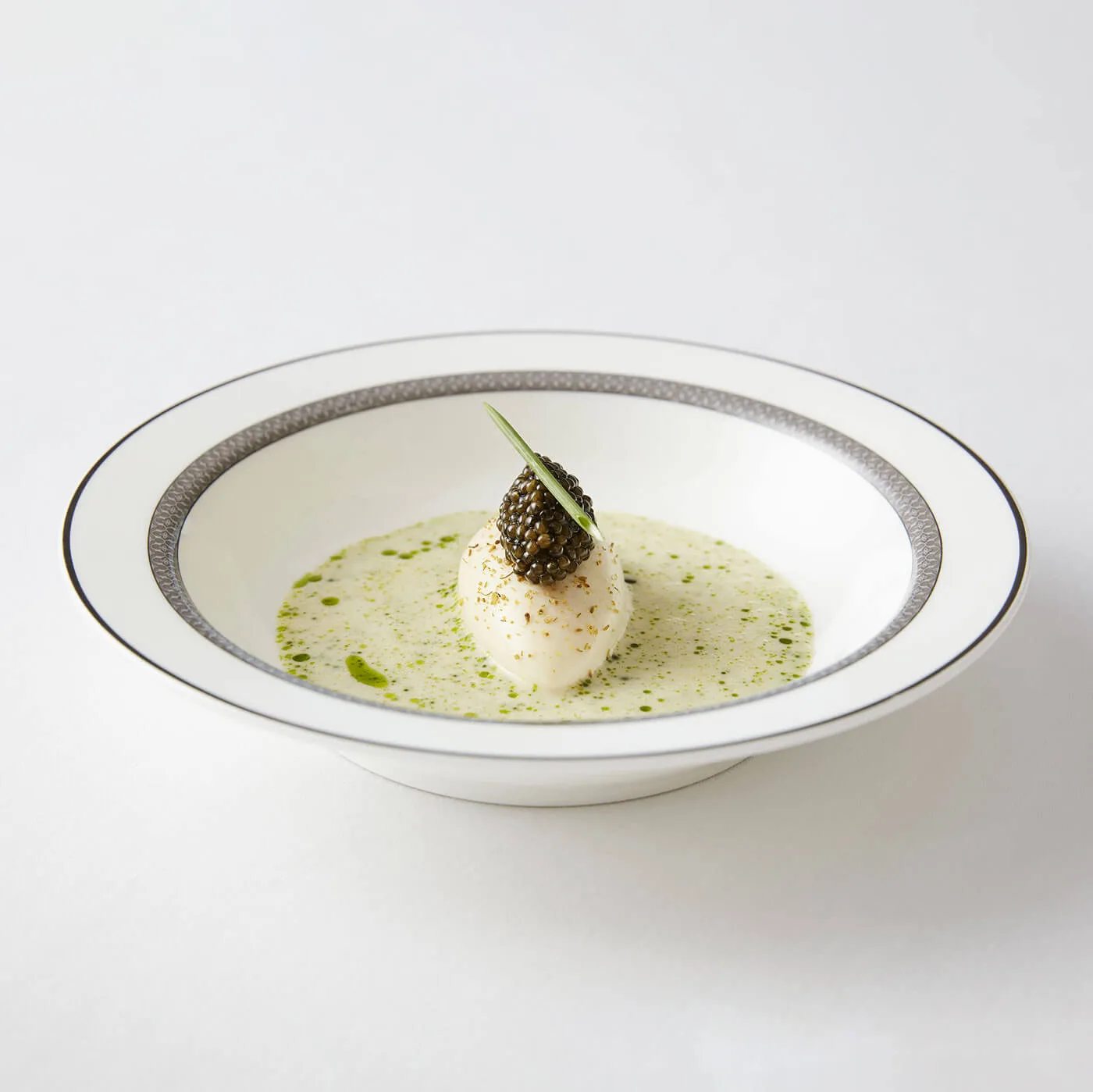
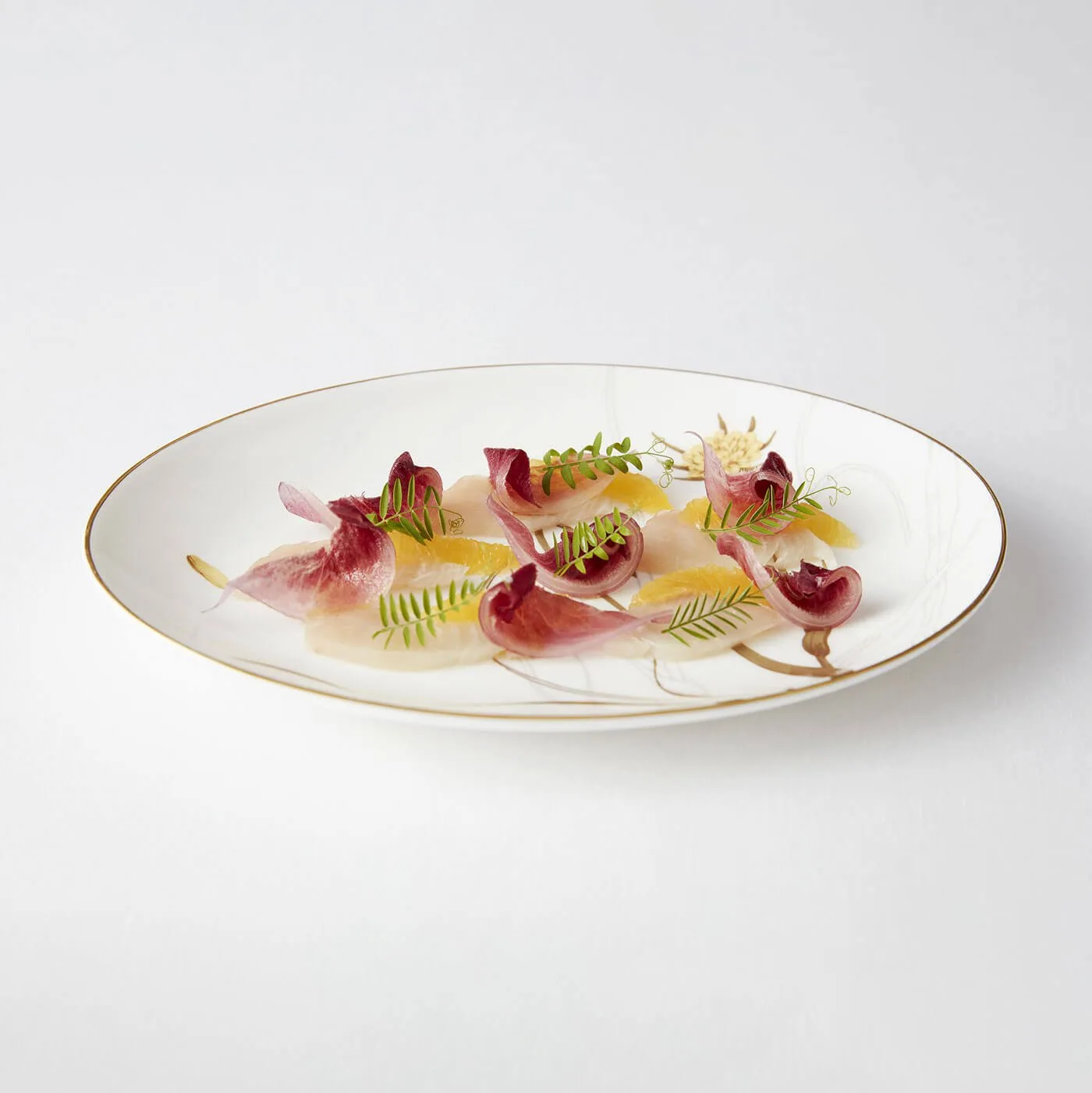
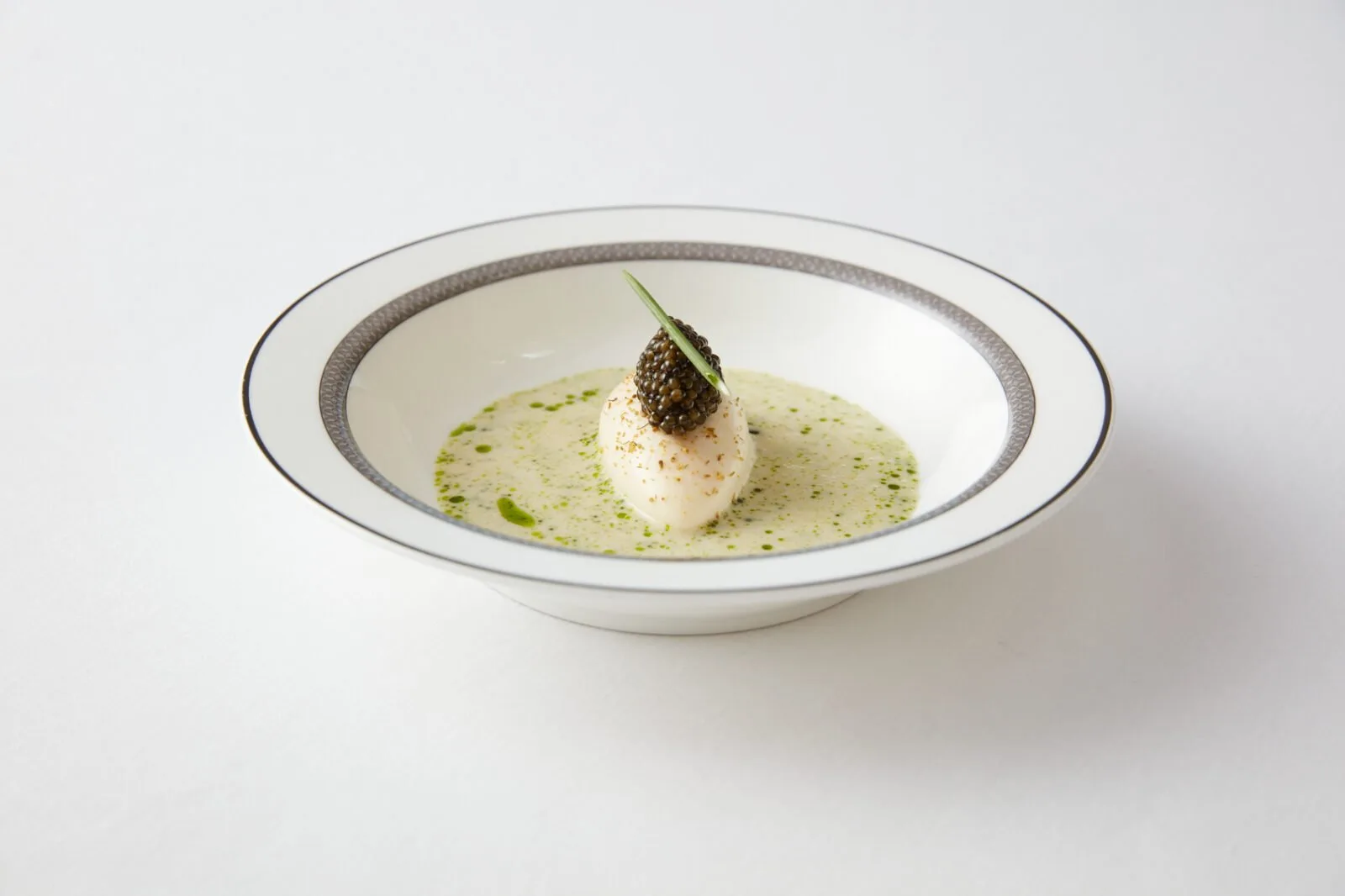
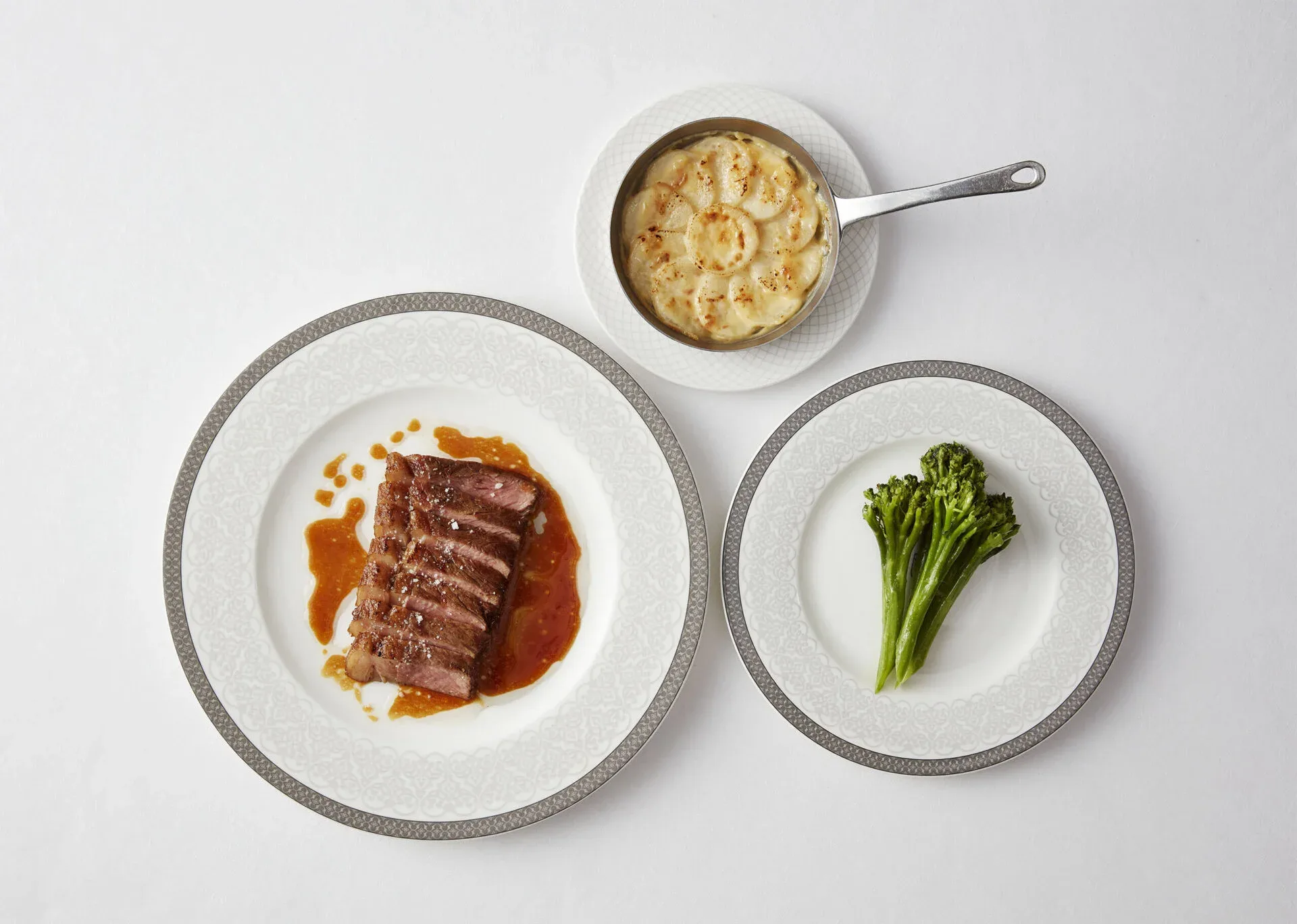
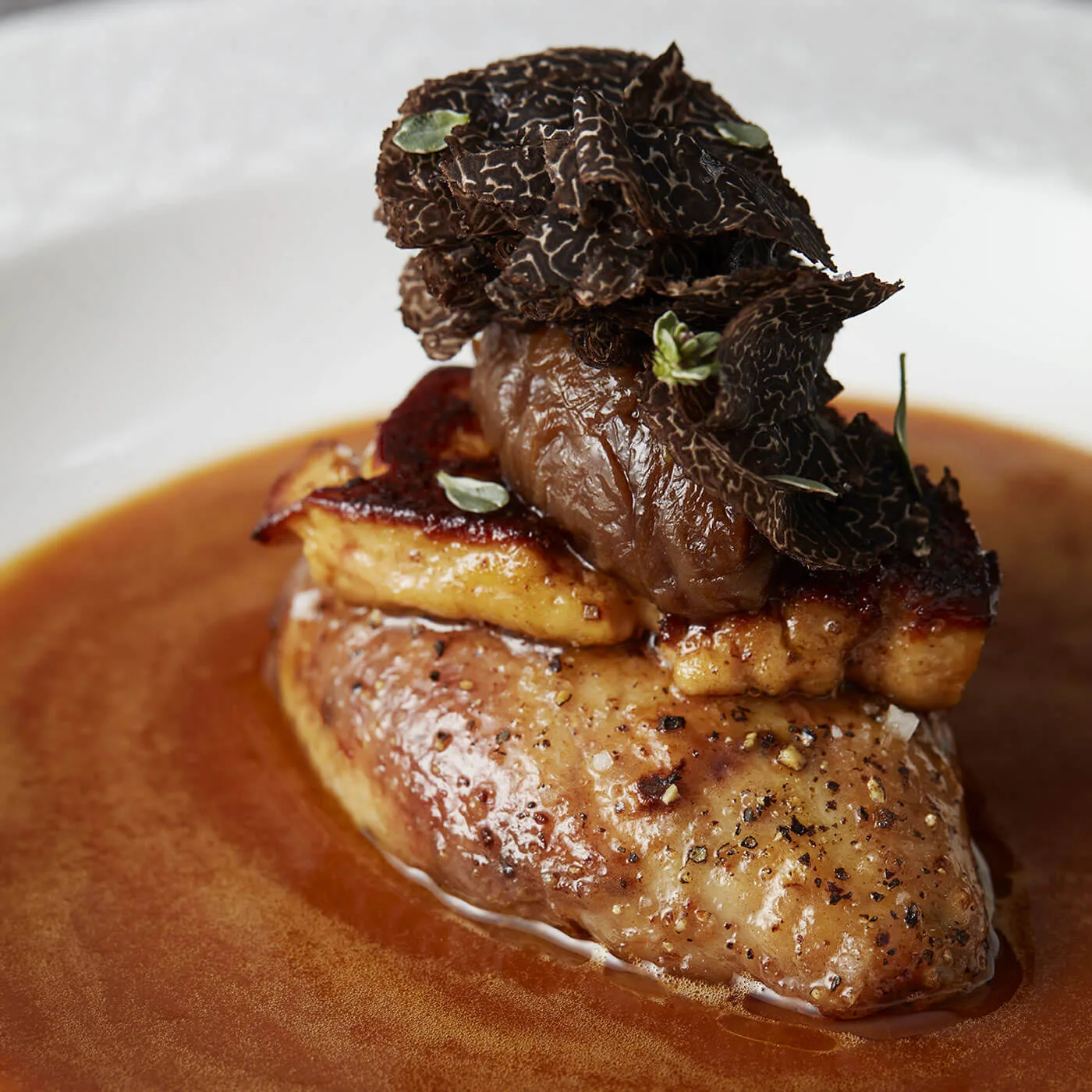
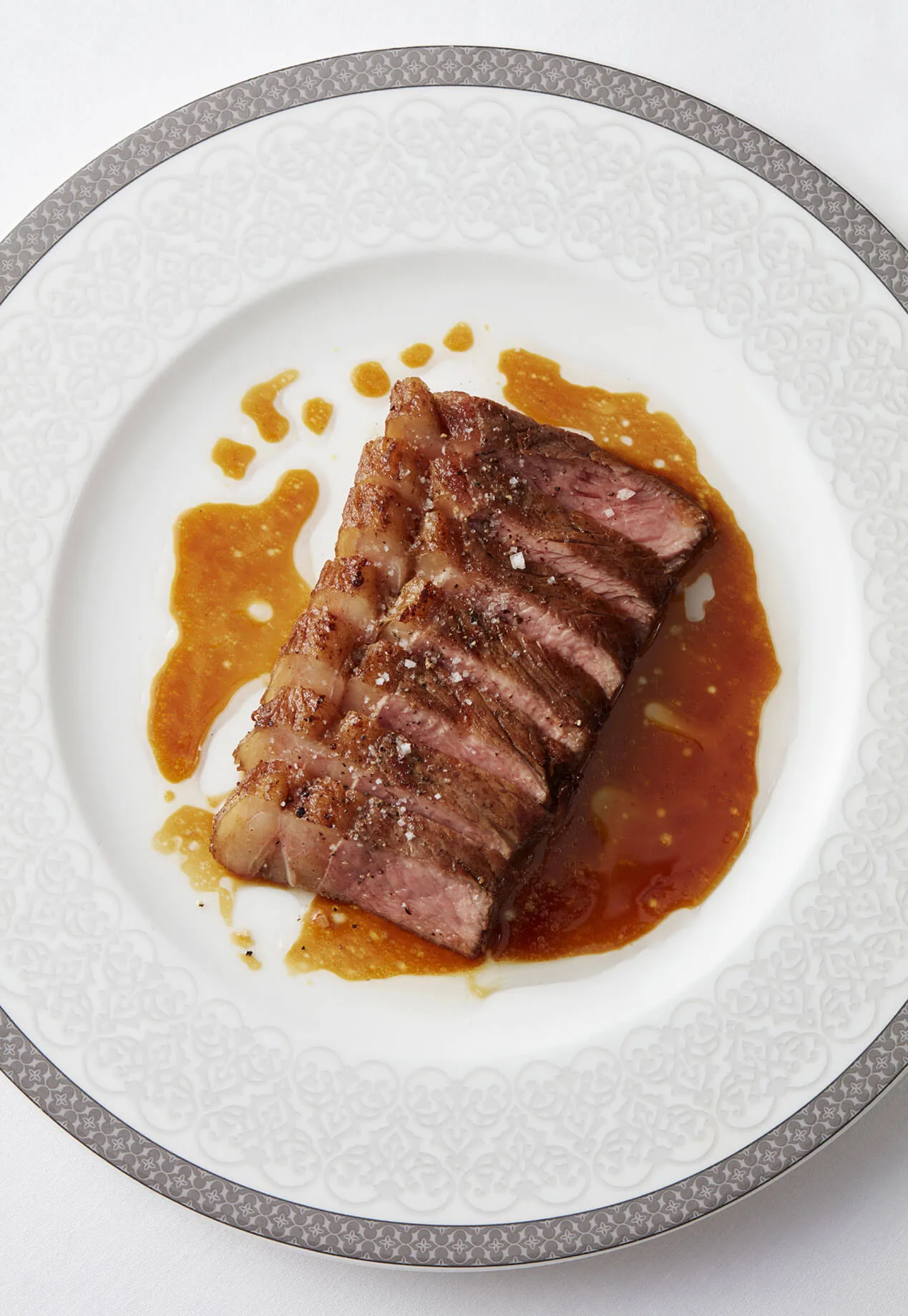
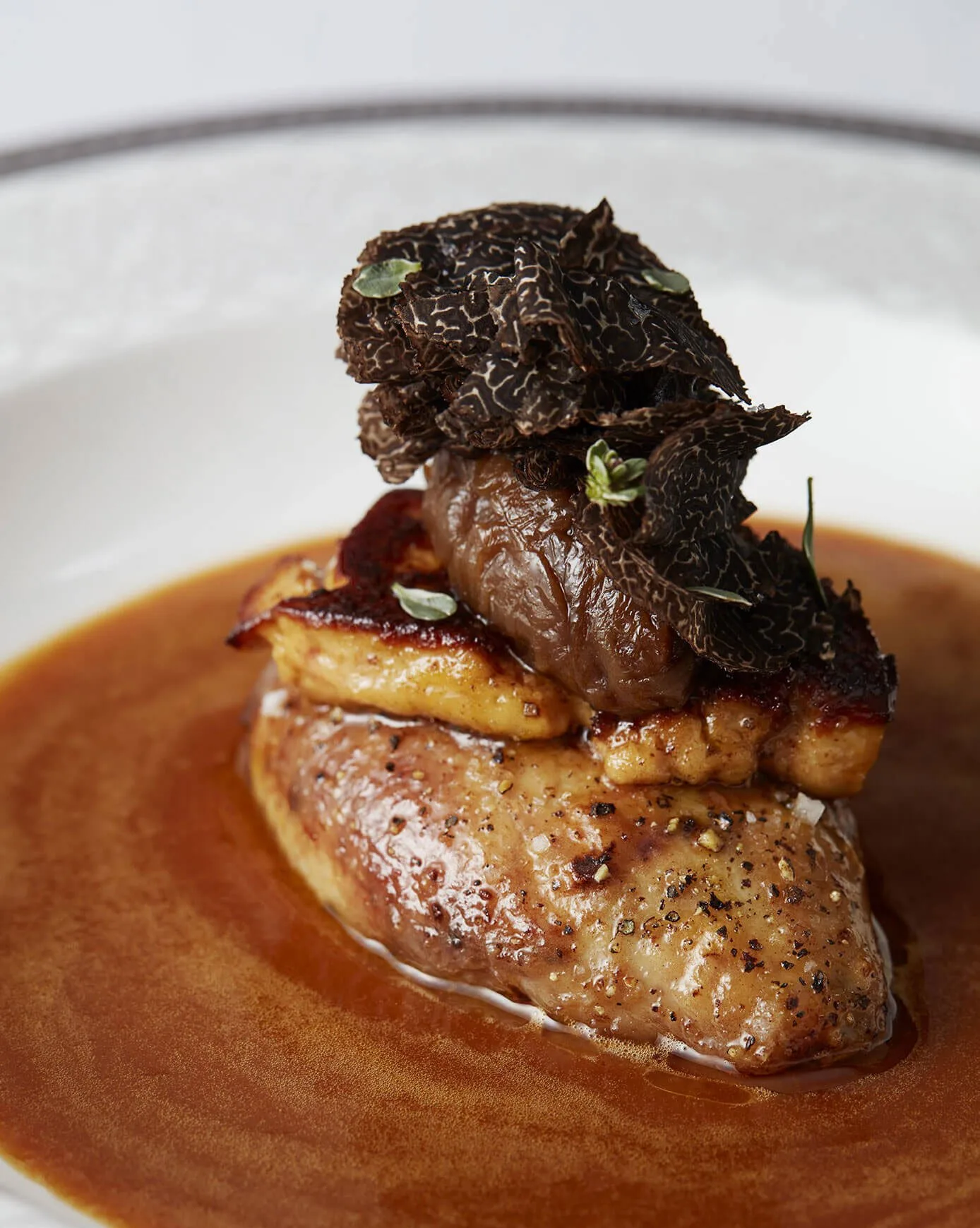
The Saturday à la carte menu gives a clear sense of the kitchen's register: a quenelle of scallop with snow crab, caviar and marigold; char with mussels, peas and gem salad; magret de canard with chili, ginger and citrus leaves; and a ravioli of green asparagus, artichoke and tarragon. Vendace roe from Kalix and Oscietra caviar from Antonius both appear — a nod to Nordic larder alongside classic French technique that defines this Swedish kitchen's character.
Lunch, Saturdays and Private Events
Weekday lunch is the engine of Bobergs Matsal's daily life, offered both à la carte and as a four-course set menu. Saturdays bring a more leisurely pace and a dedicated menu. The restaurant also operates a chambre séparée for groups of up to twenty, and the broader event and catering programme extends to weddings, corporate dinners and cocktail receptions — all within one of Stockholm's most considered dining rooms.
The setting does the work that most restaurants spend years trying to manufacture. Here, it simply exists.
Recognition
Awards & accolades
Ambience
A glimpse inside
Location
Find us
NK Plan 4, Hamngatan 18-20111 47,StockholmStockholm, Sweden
08-762 81 61
info@bobergsmatsal.se
Visit website
 Facebook
 Instagram