

The story
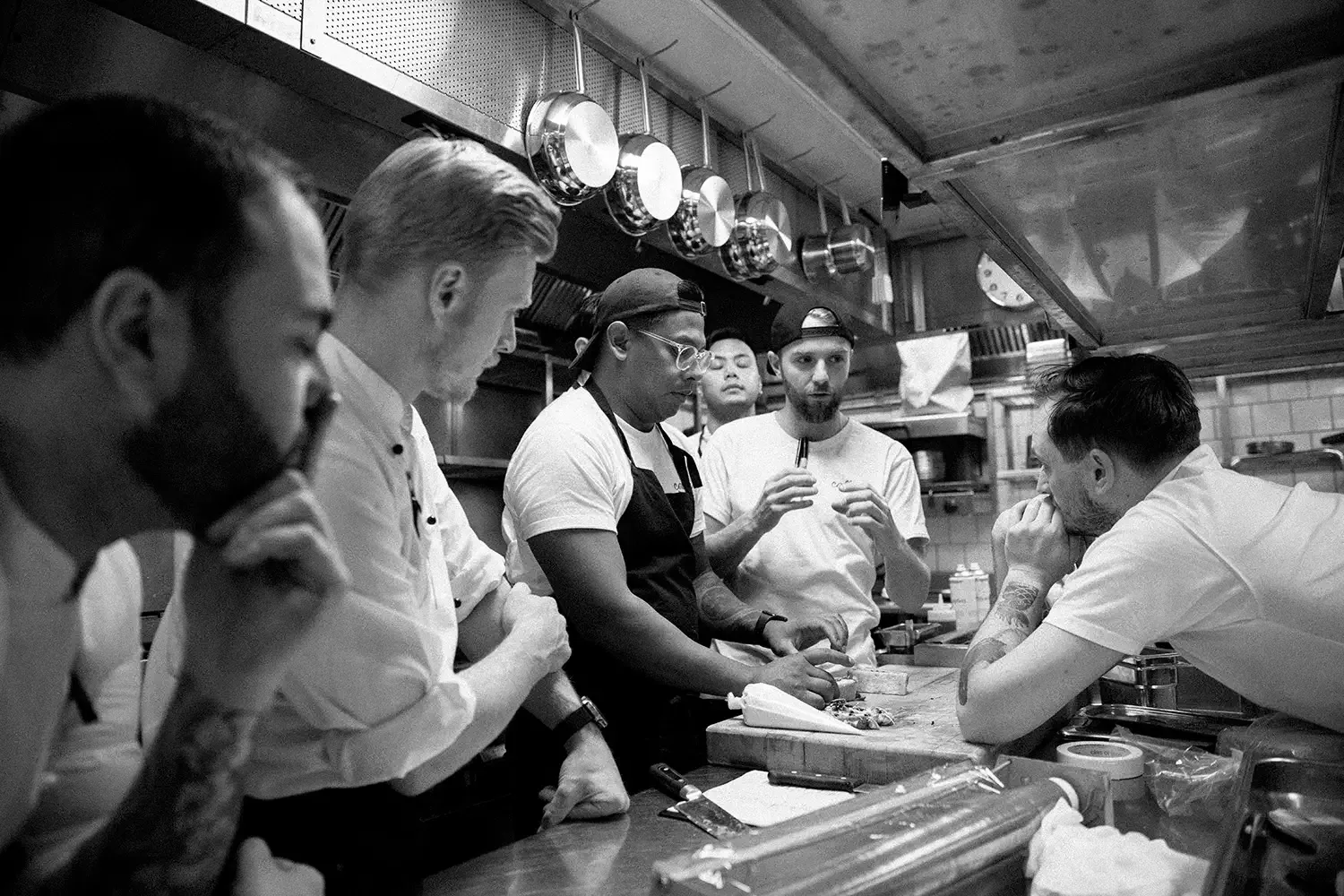
Crafted with passion, served with love
A House of Entertainment with Deep Asian Roots
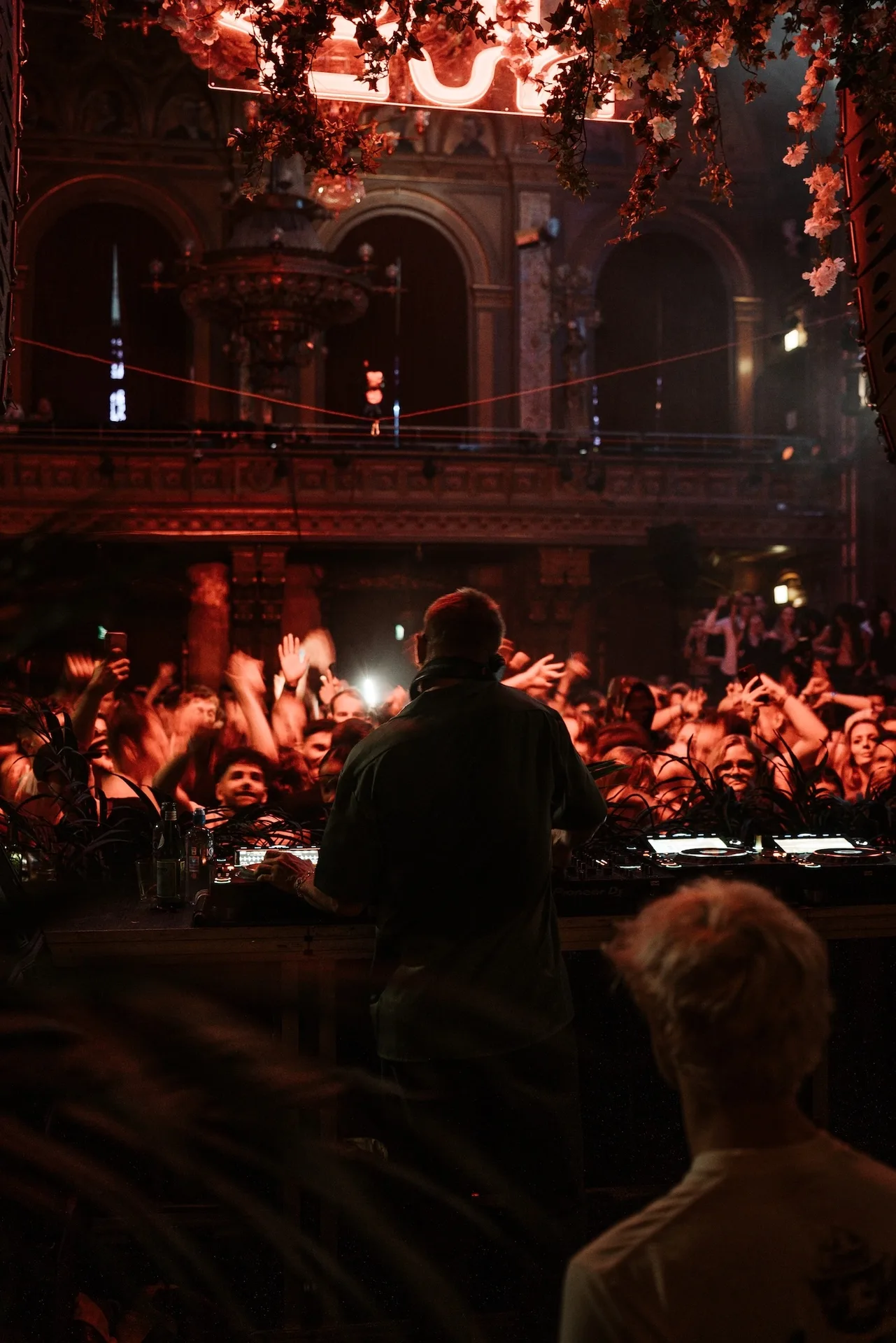
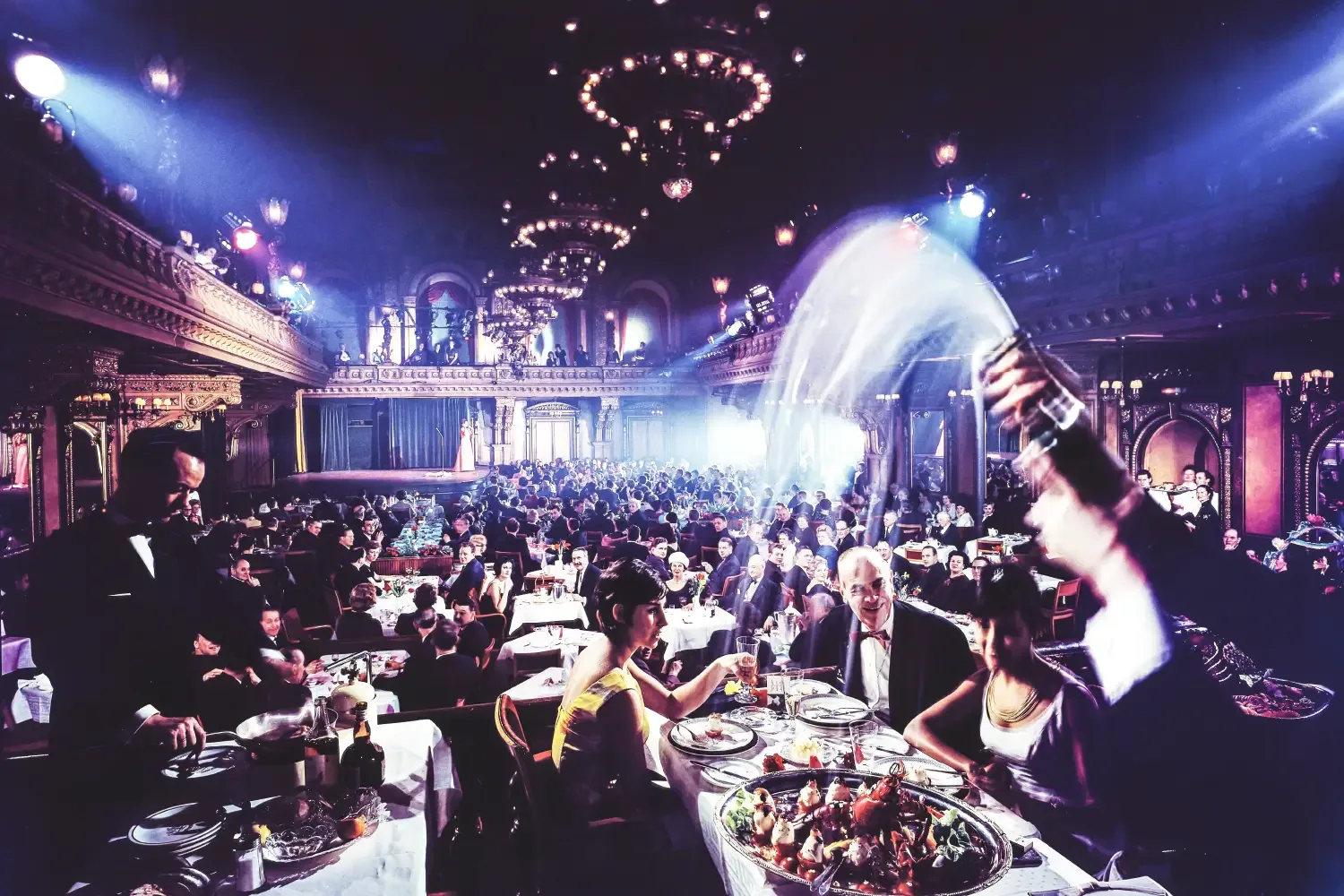
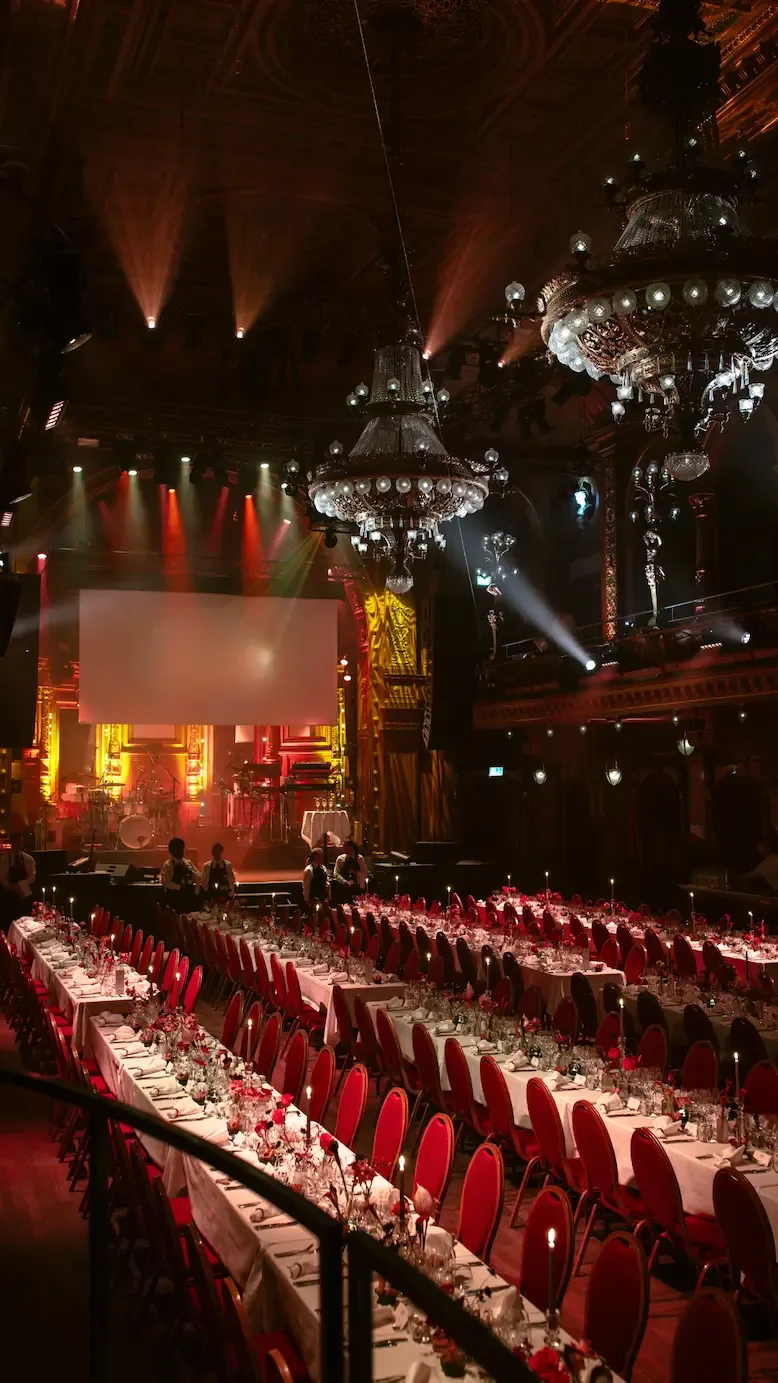
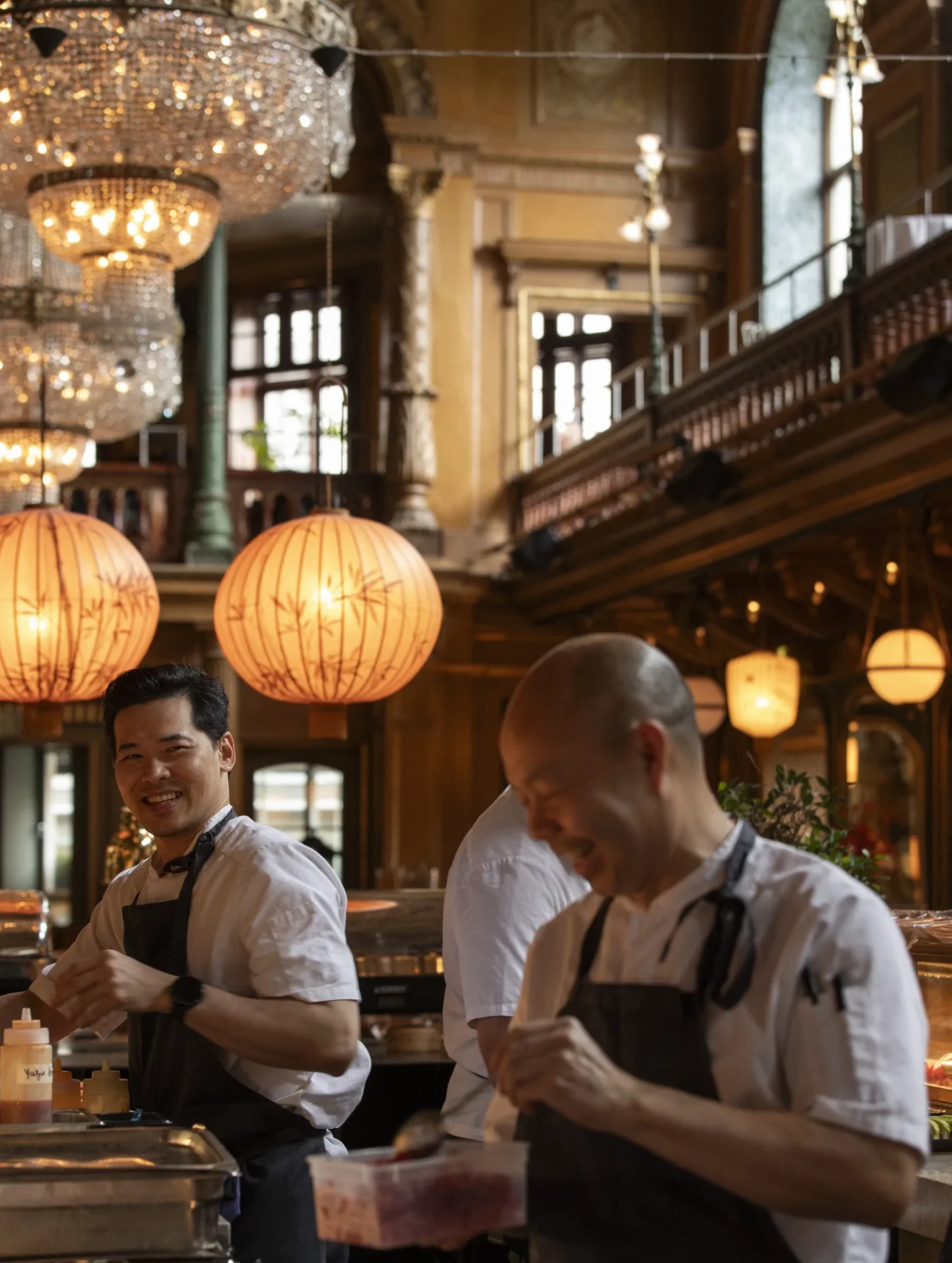
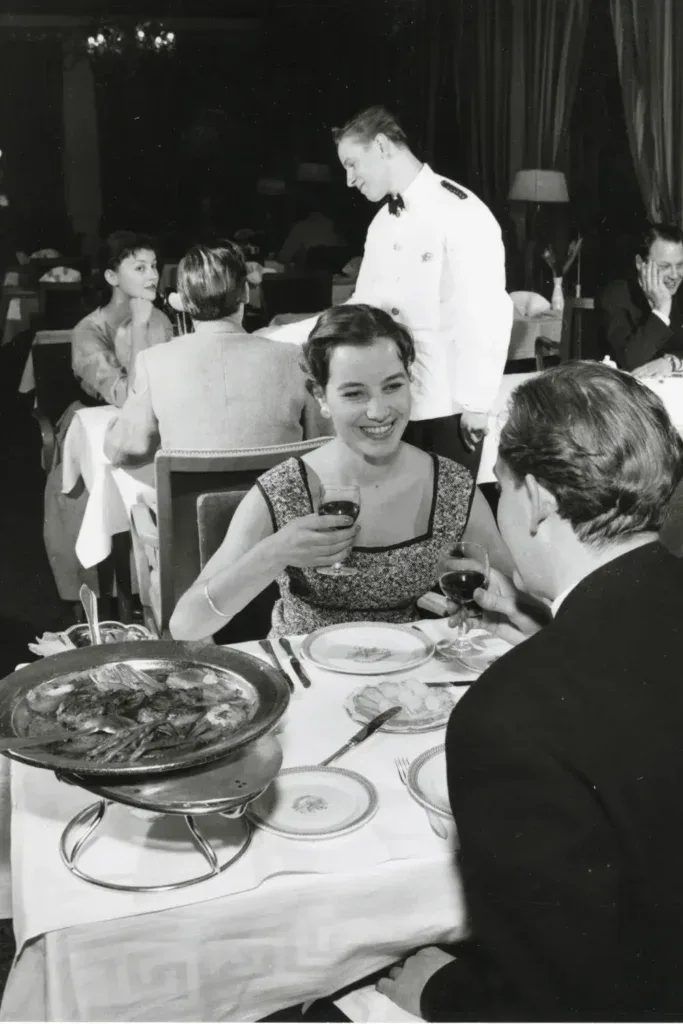
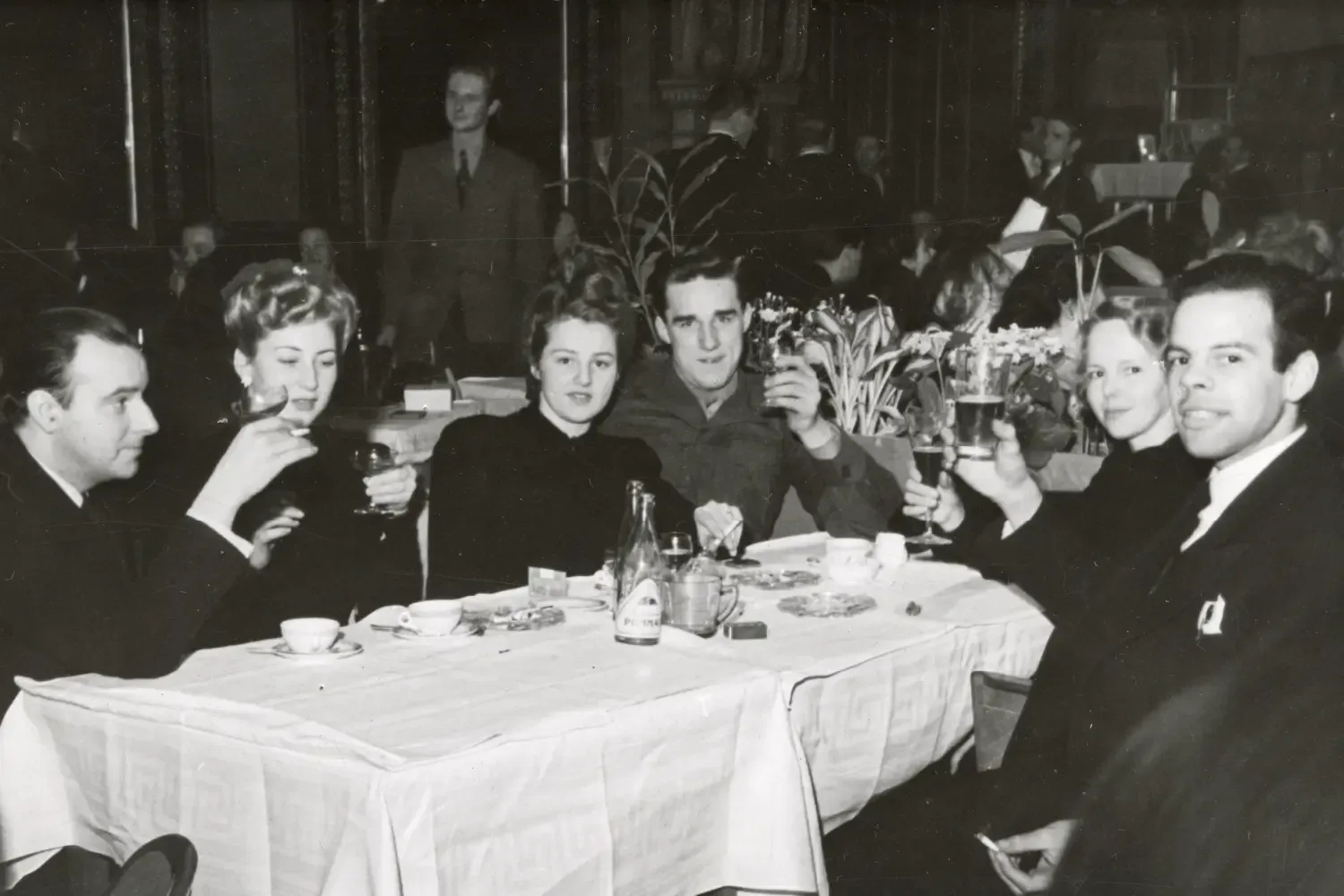
Berns has been bringing the world to Stockholm since 1863, when founder Robert Berns — formerly the royal court's head pastry chef — opened these doors to create what he envisioned as a dinner-show destination. The Belle Époque exterior and opulent interior have barely dimmed since. Gold leaf, red velvet banquettes, mirrored walls and enormous crystal chandeliers set a stage that has welcomed Lady Gaga, Bob Dylan, Beyoncé, and the Dalai Lama under the same roof.
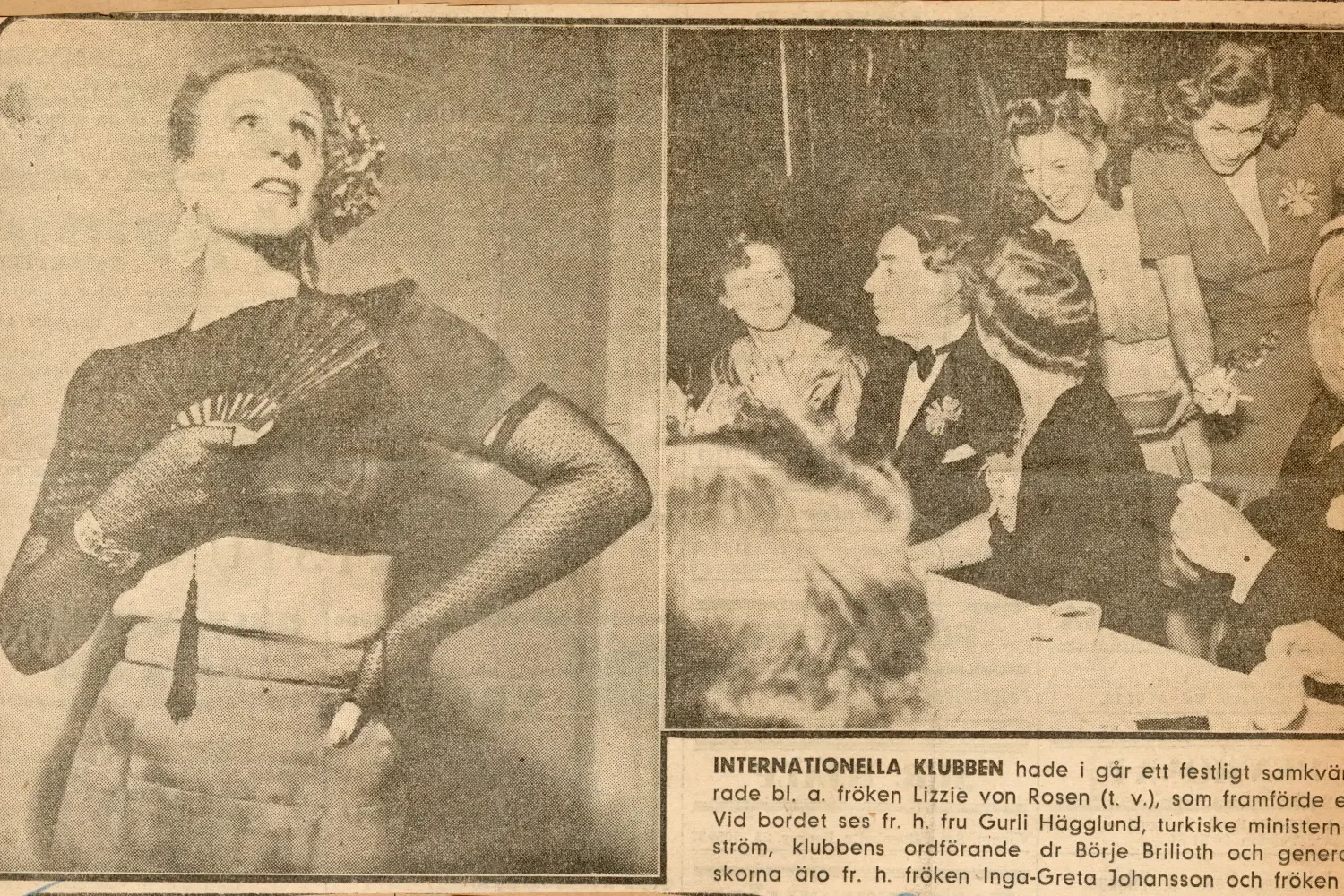
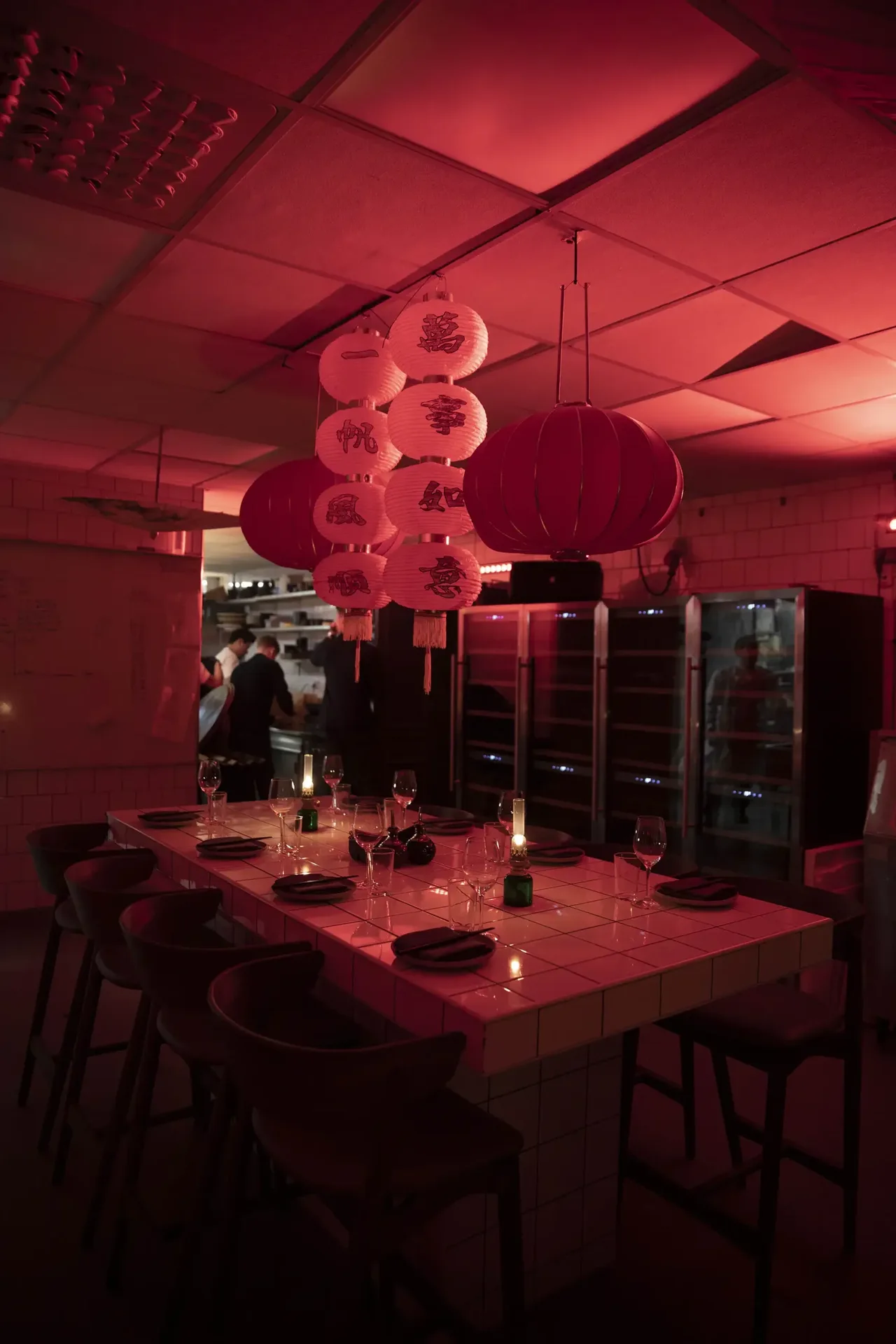
The connection to Asian cuisine runs almost as deep as the building itself. On 23 February 1944, Berns opened Sweden's very first Chinese restaurant — a landmark moment born from an unlikely encounter. A troupe of Chinese jugglers performing at the China Variety Theatre next door, led by Mr Li Chung Lin and his chefs, became the masters of the kitchen. That pioneering spirit still shapes the menu today.
The Room, the Menu, the Atmosphere
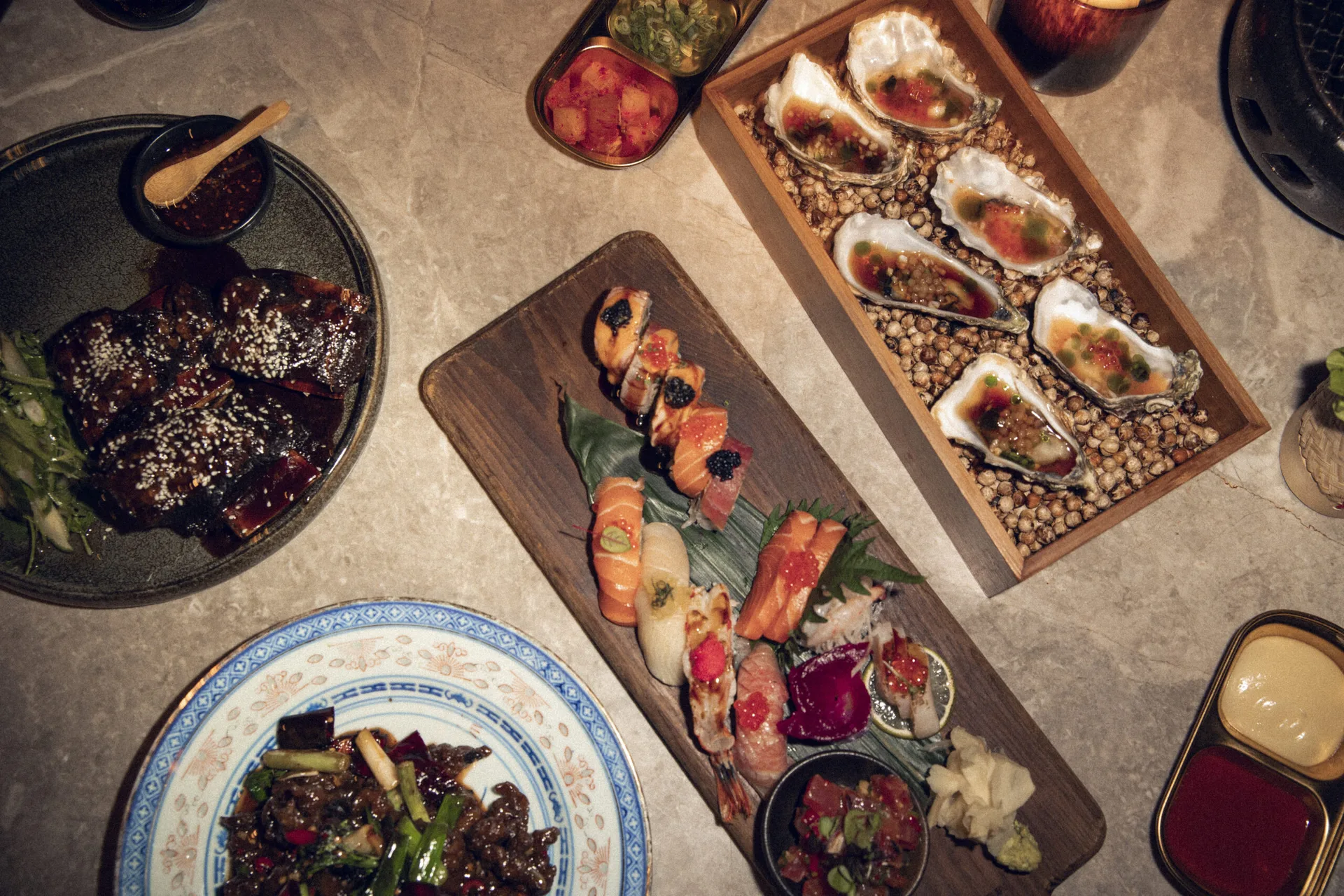
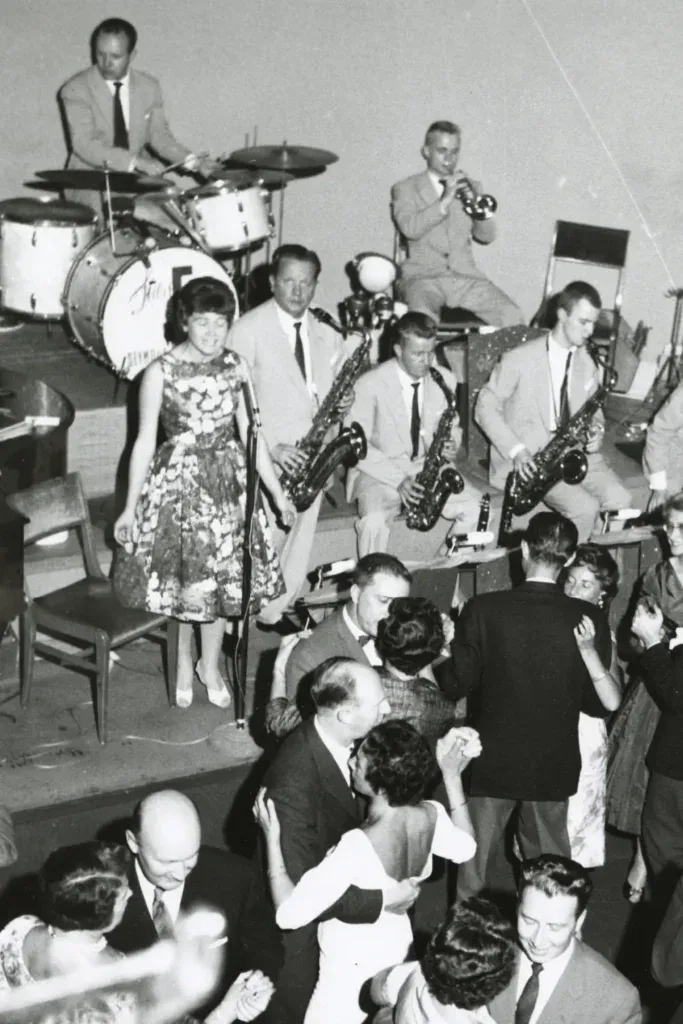
White Guide, which recommends Berns Asiatiska in its 2026 edition, captures the place well: "one of Stockholm's most charming venues, with space for everyone." The grand ballroom, which once hosted performances by Diana Ross and the Supremes and Charles Aznavour, now frames an extensive Asian menu designed to offer something for every appetite. The same guide singles out the garlic-tossed haricots verts as among the best dishes — shining, as the reviewers put it, "in their simplicity."
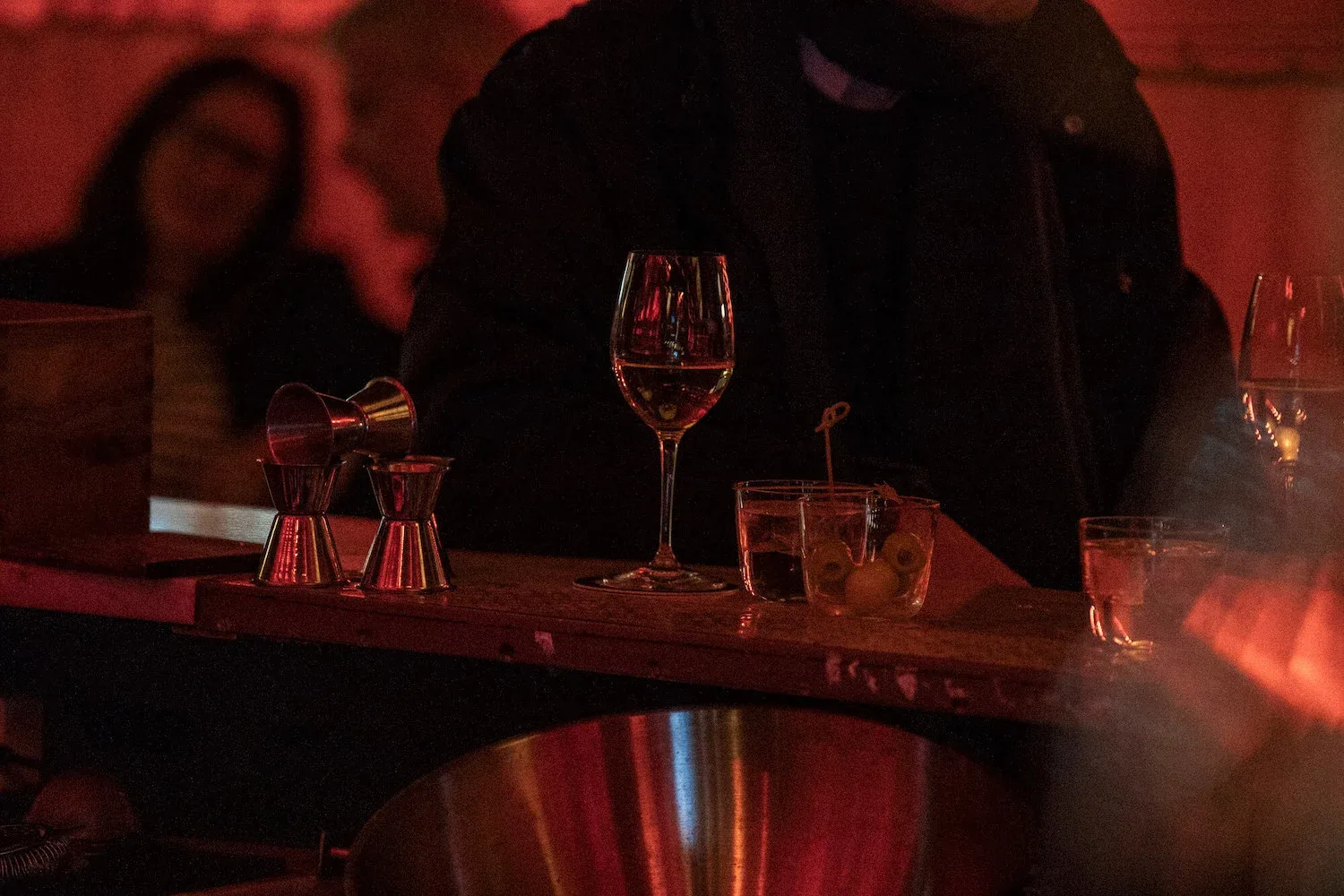
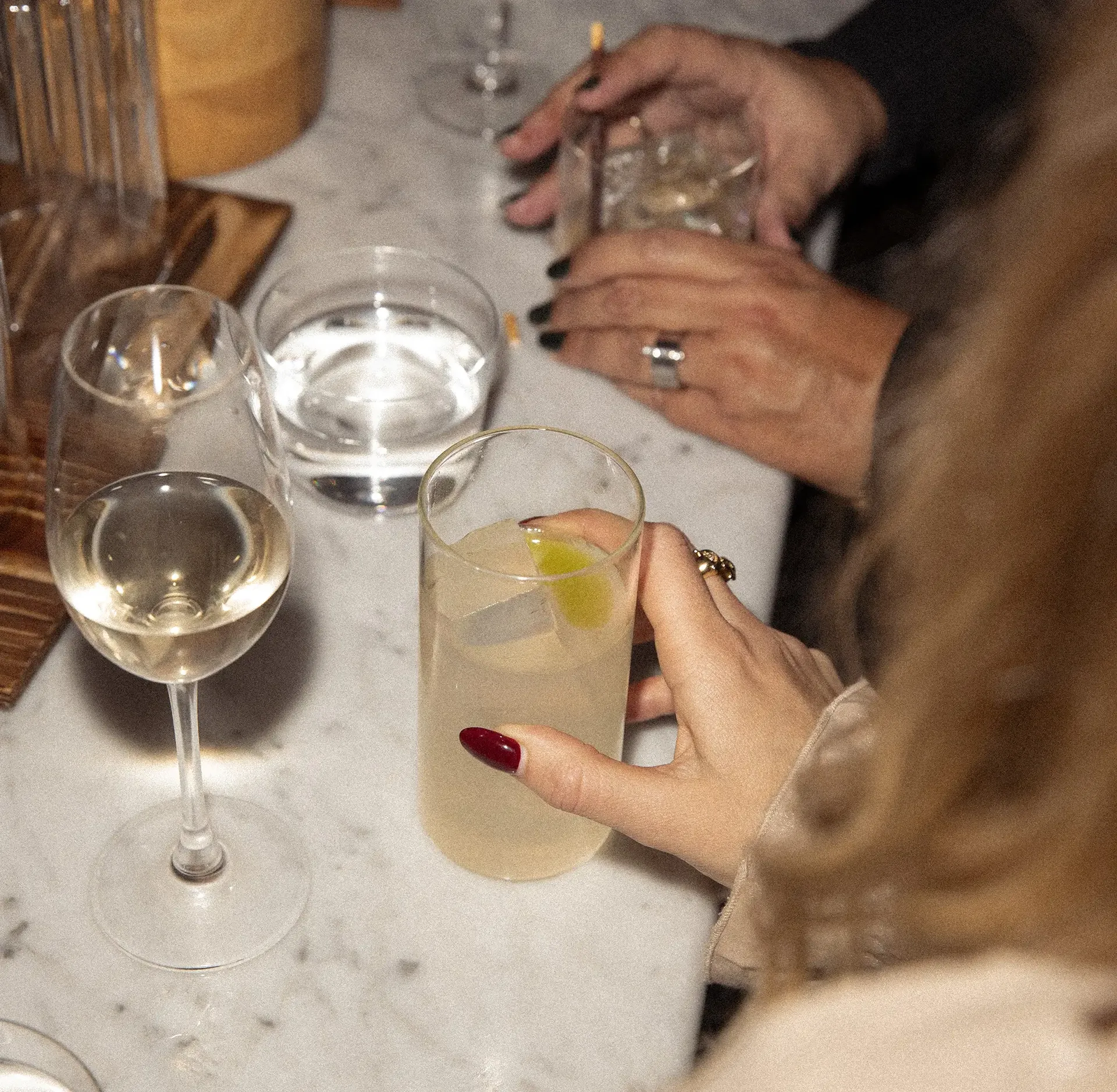
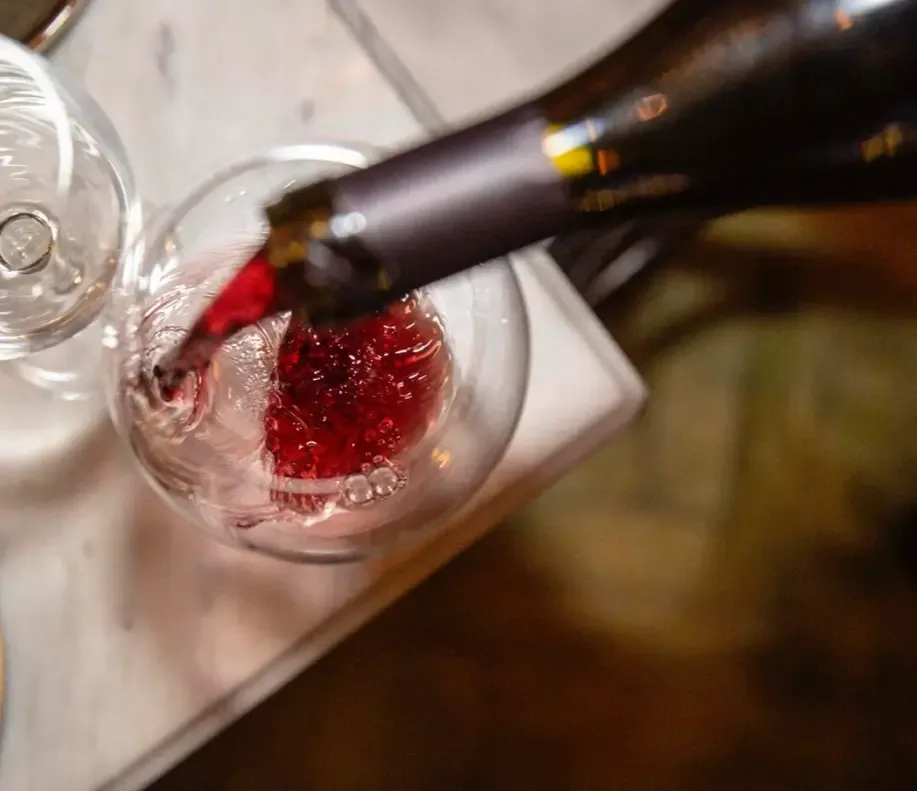
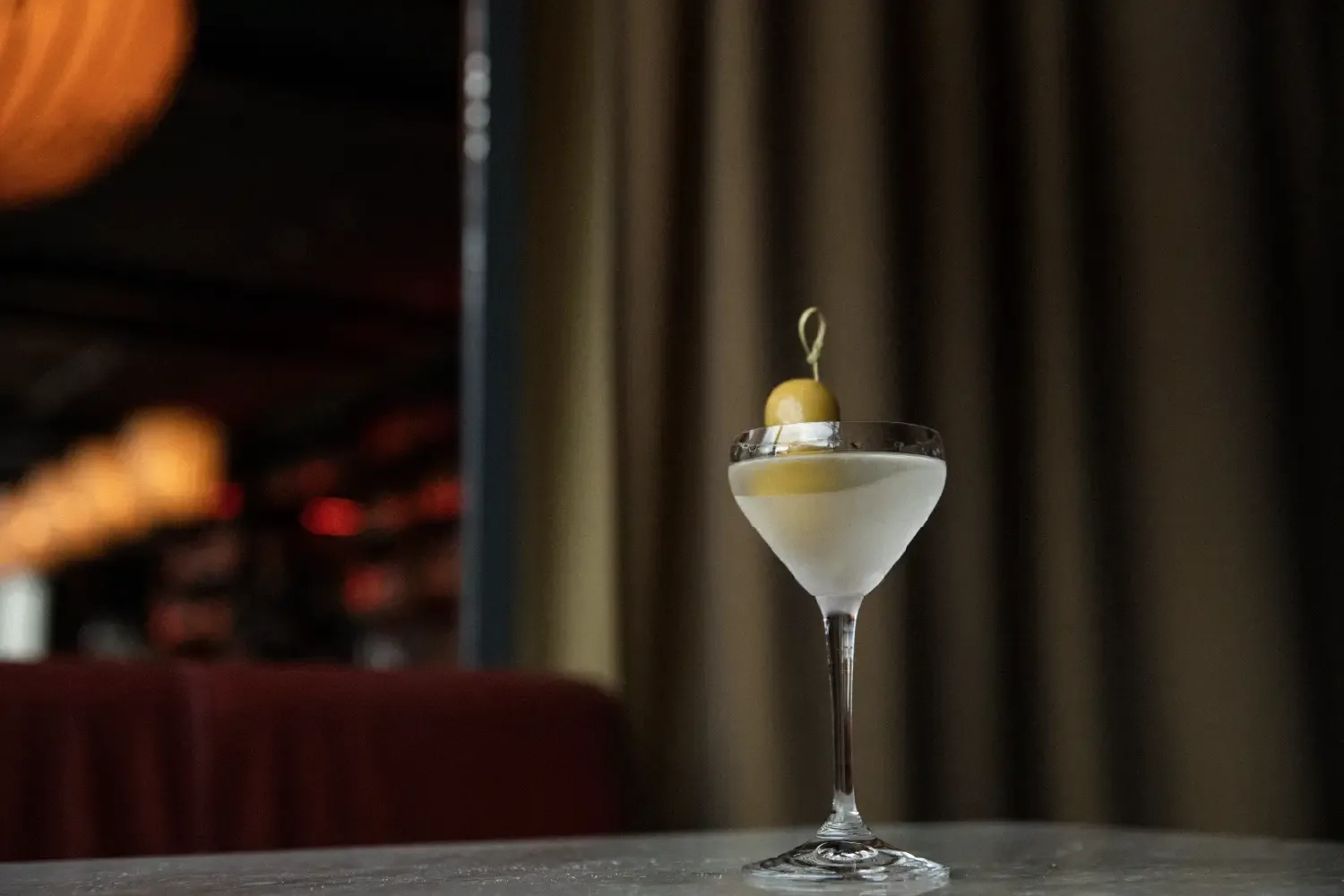
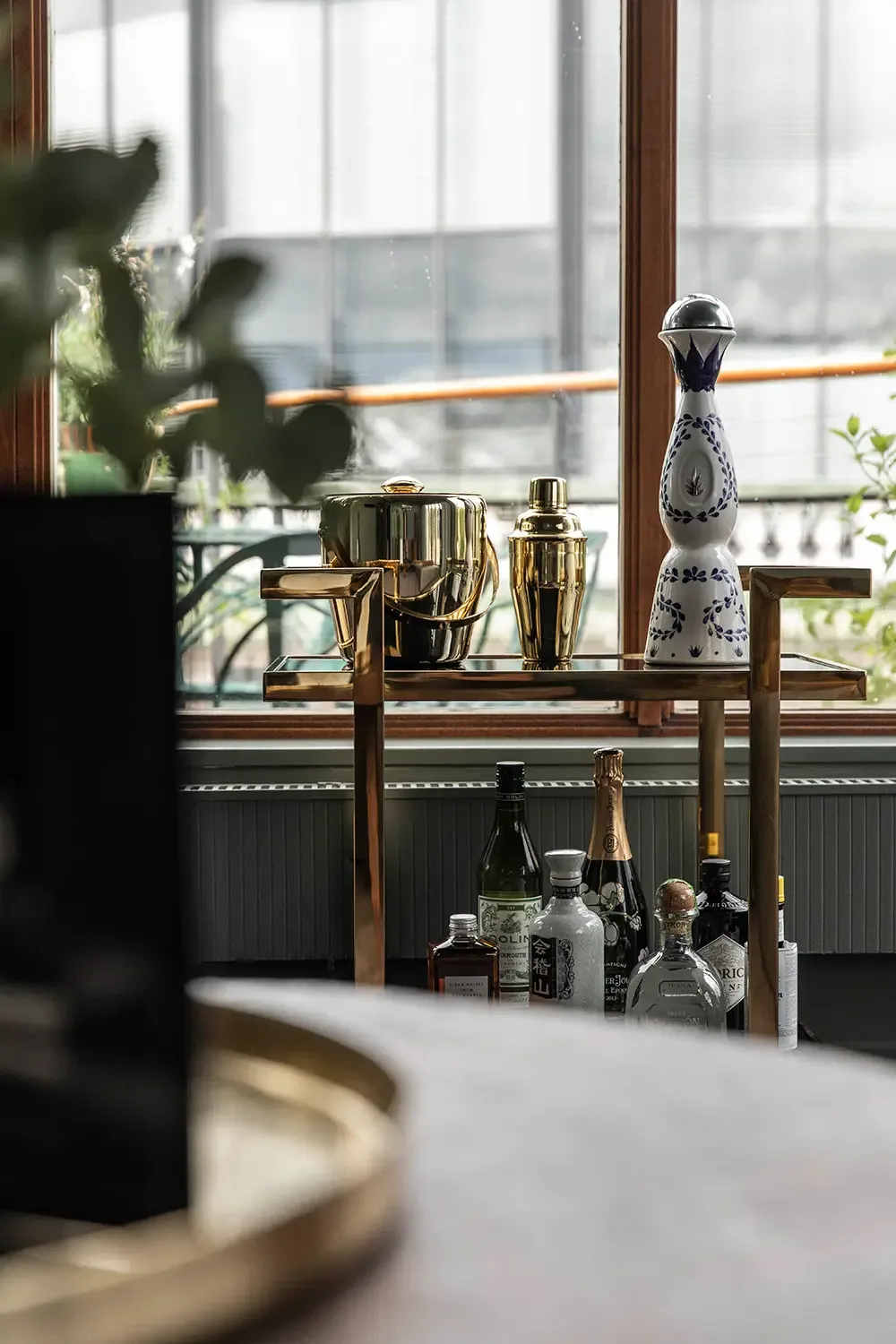
The drink programme is built to match. Signature cocktails draw on Asian flavours — exotic fruit infusions, aromatic spice blends — alongside classics like the Martini, Gimlet and Negroni. A sommelier is on hand to guide wine pairings through the menu's breadth.
More Than a Restaurant
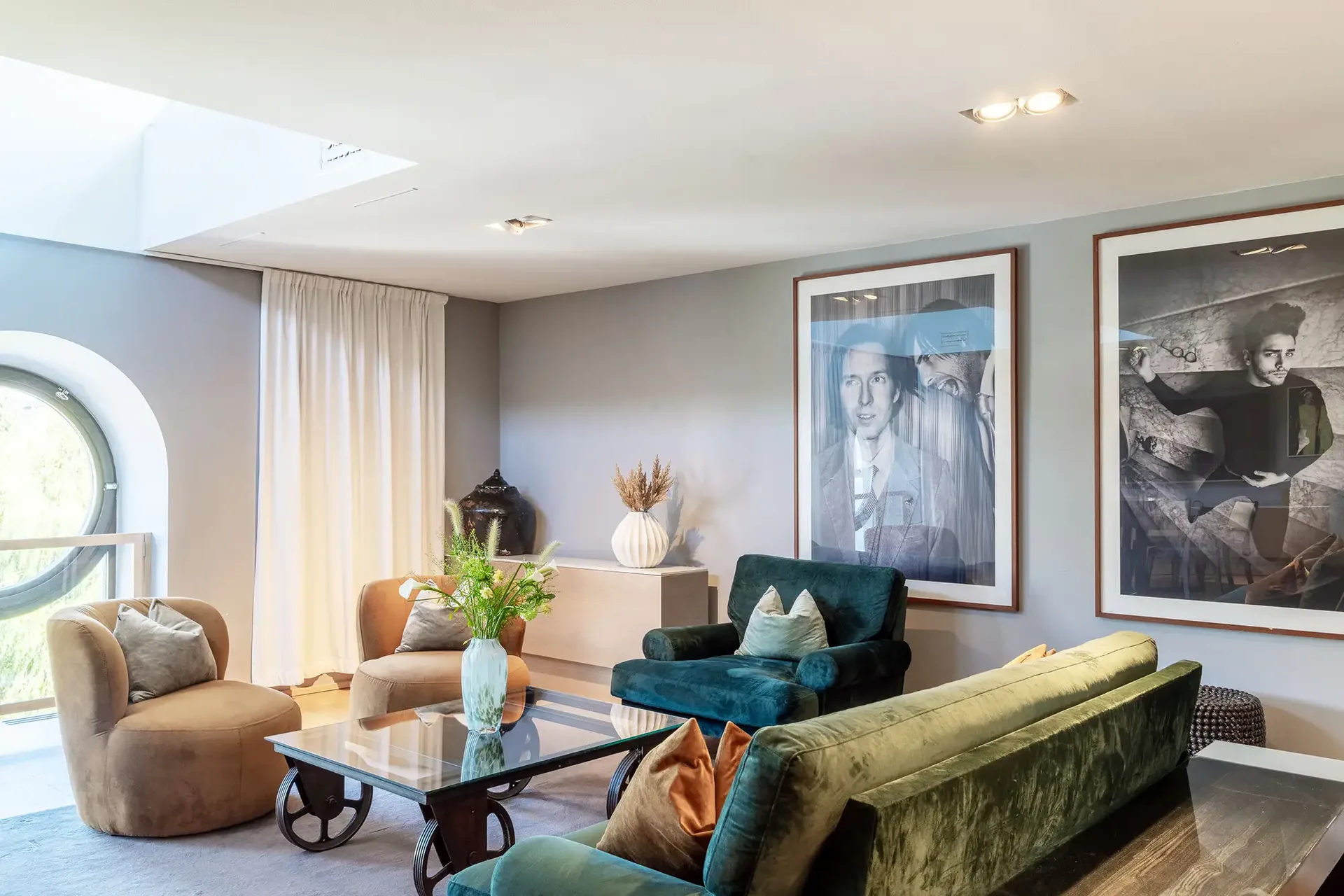
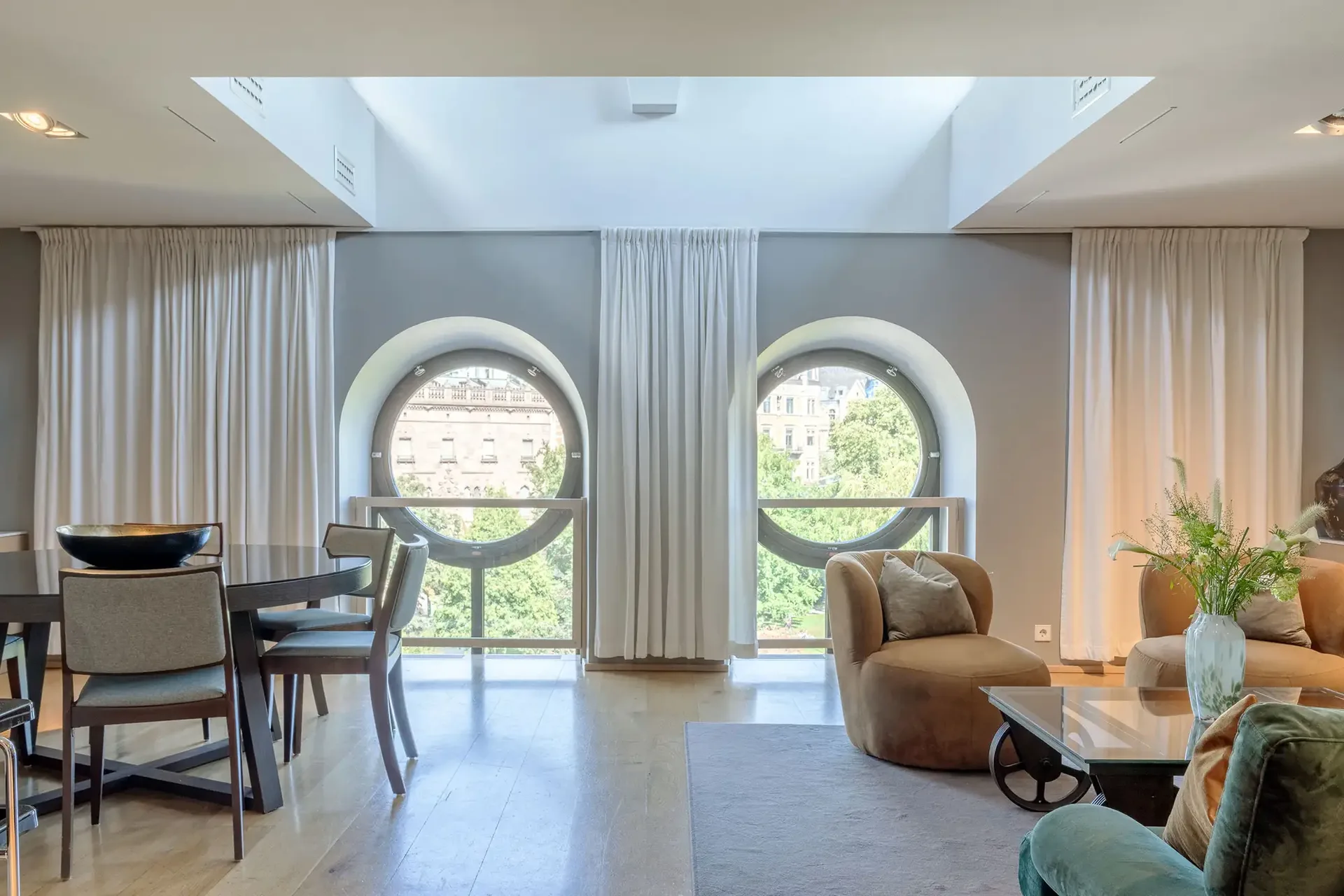
Berns is one of the few addresses in Stockholm where a hotel, restaurant, cocktail bar, nightclubs and event venues share a single roof. The historic Röda Rummet — the Red Room that inspired August Strindberg's novel of the same name — is among the storied spaces within. For those seeking something more private, a Chef's Table is available by request.
The property holds Green Key certification, reflecting active commitments to sustainability: organic and locally sourced breakfast ingredients, water conservation, furniture reuse rather than replacement, and partnerships with social organisations including Regnbågsfonden and Maskrosbarn. Tradition and responsibility, it turns out, are not incompatible in a building that has been reinventing itself for over 160 years.
Recognition
Awards & accolades
Ambience
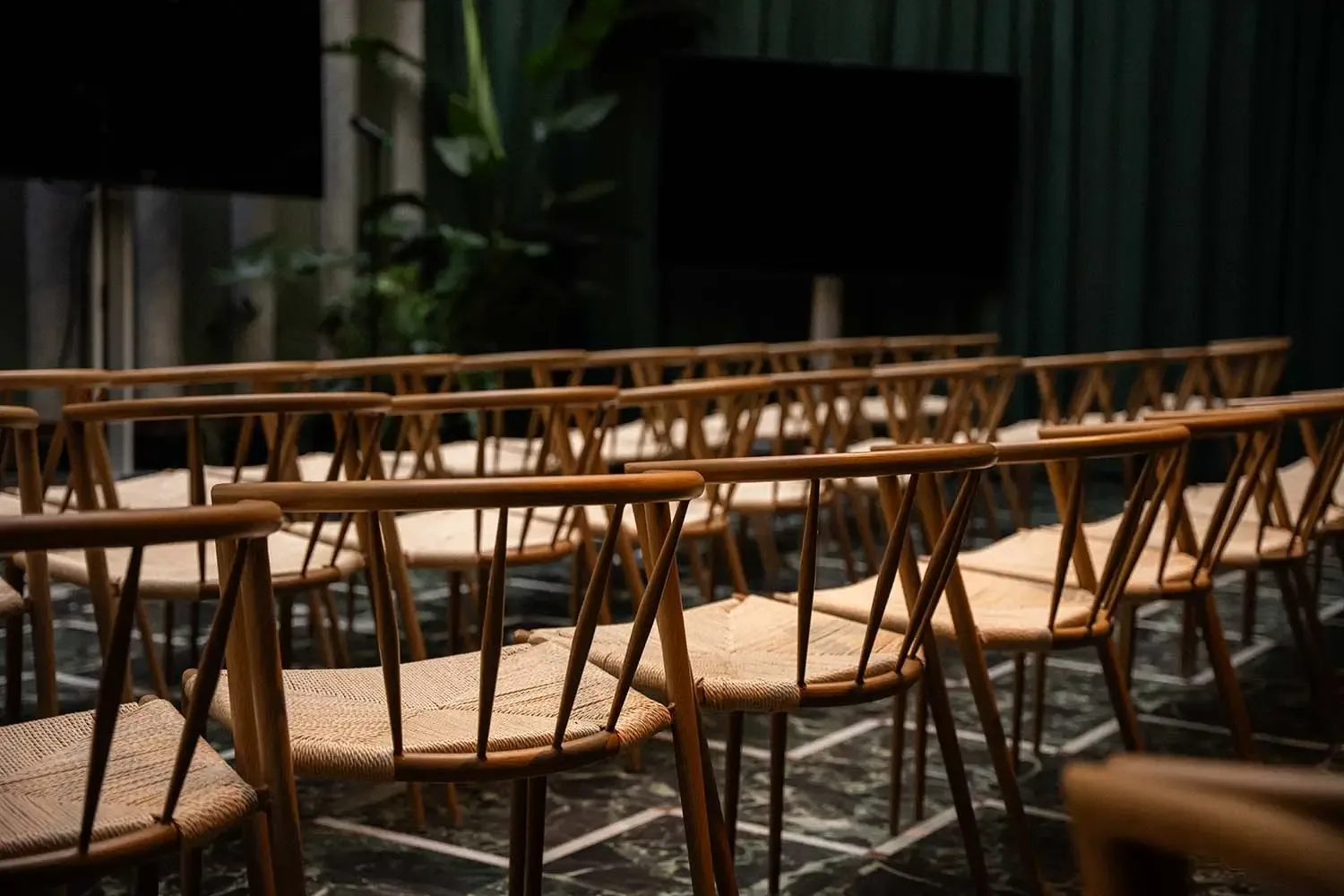
A glimpse inside




Location
Find us
Berzelii Park103 27,StockholmStockholm, Sweden
08-566 320 00
info@berns.se
Visit website
 Facebook
 Instagram