The story
Crafted with passion, served with love
A Malmö Institution, Reinvented
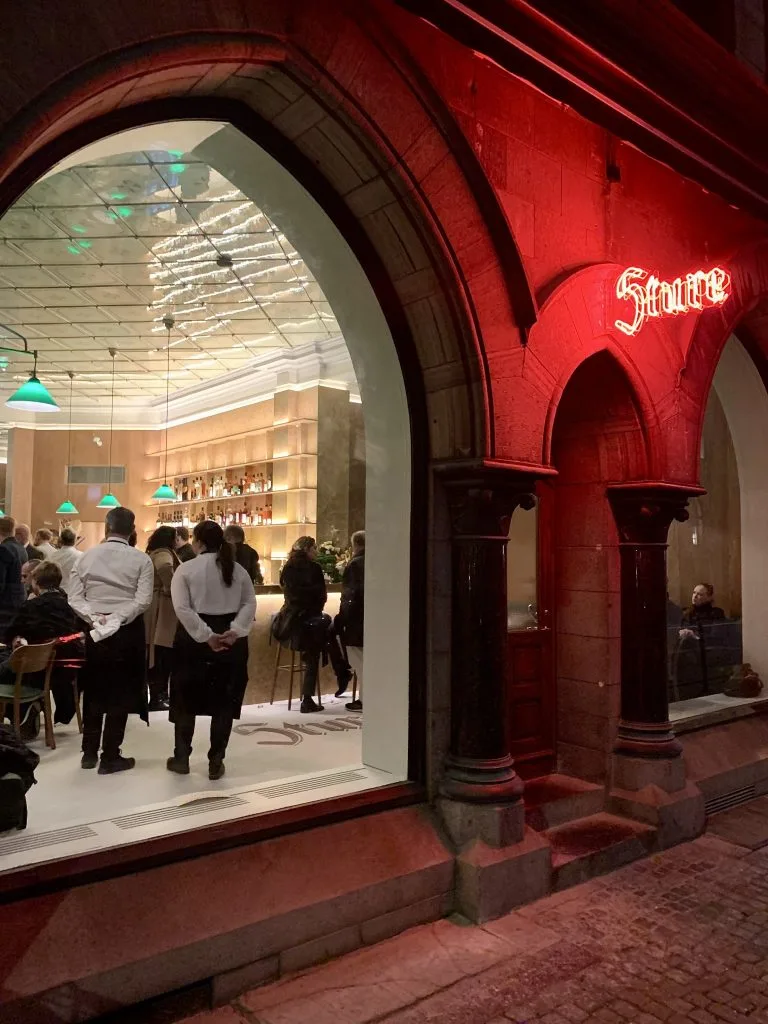
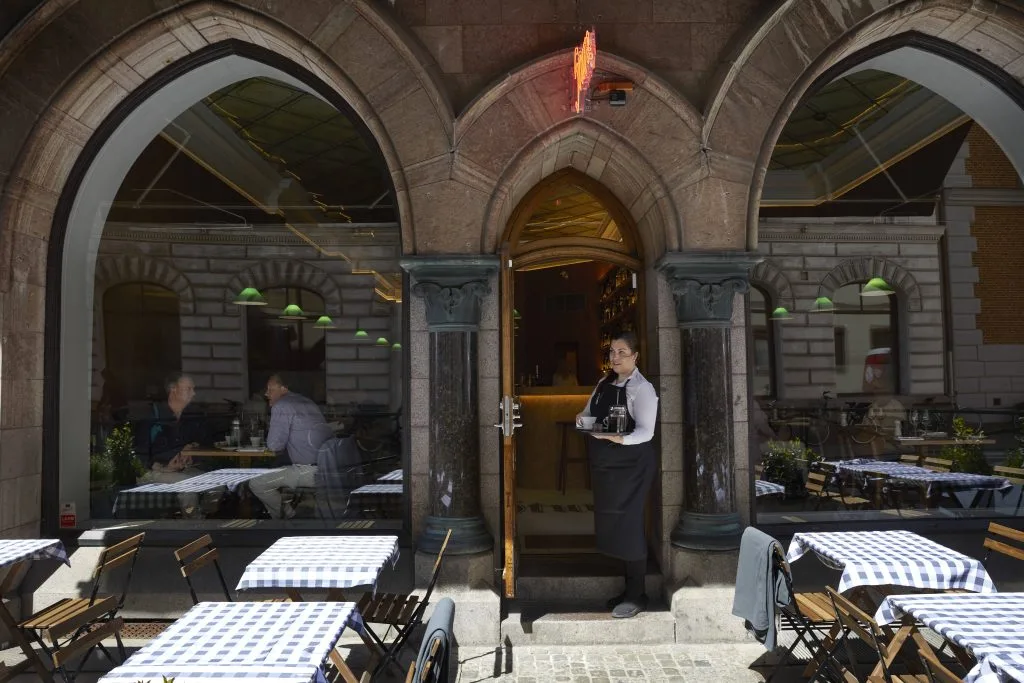
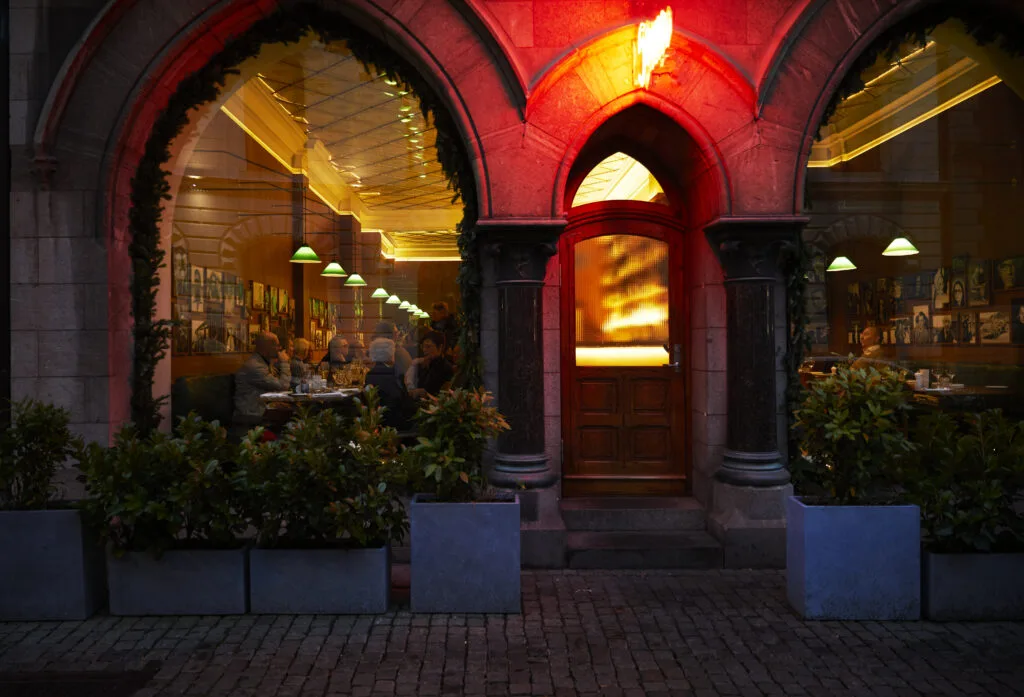
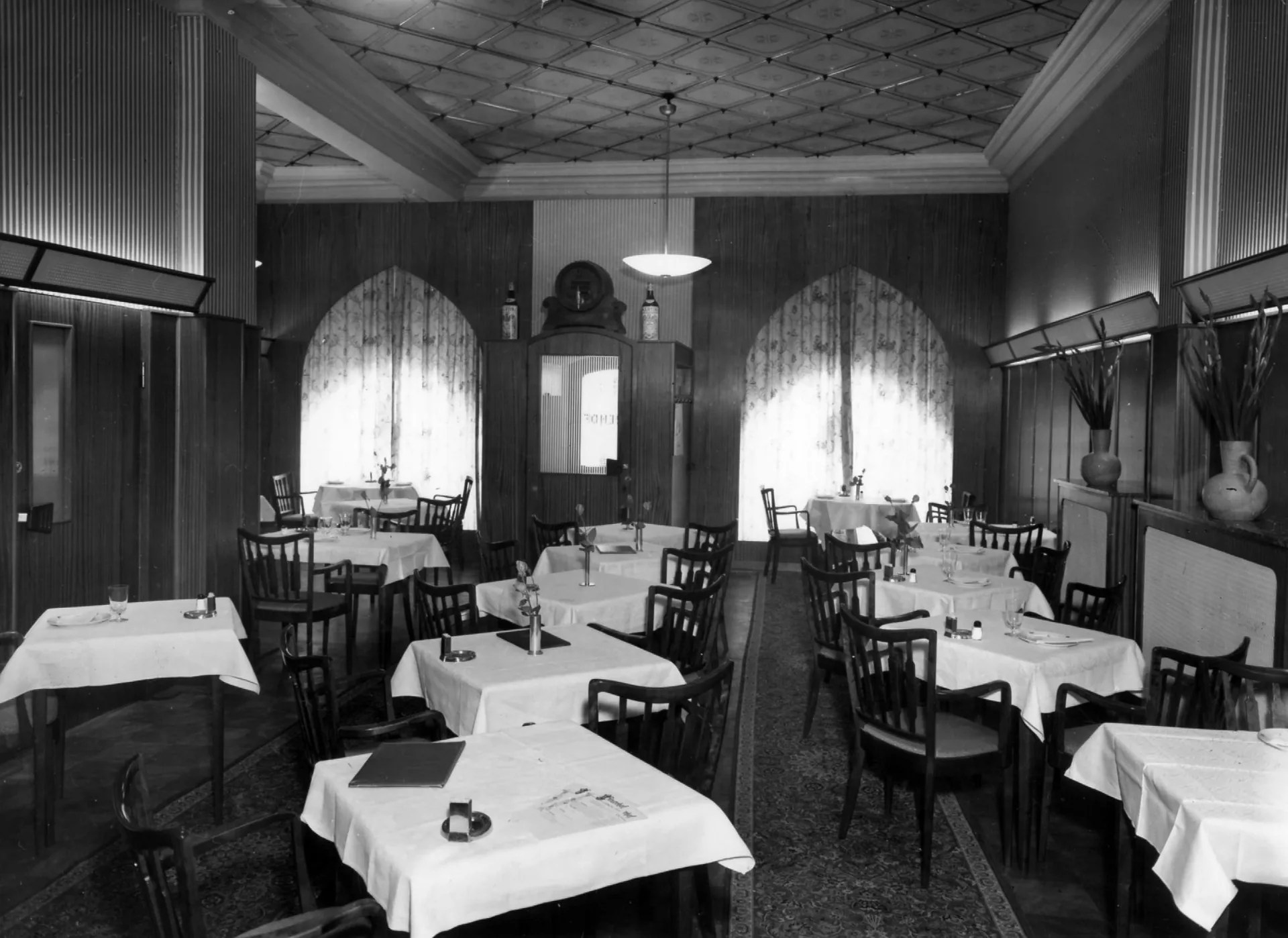
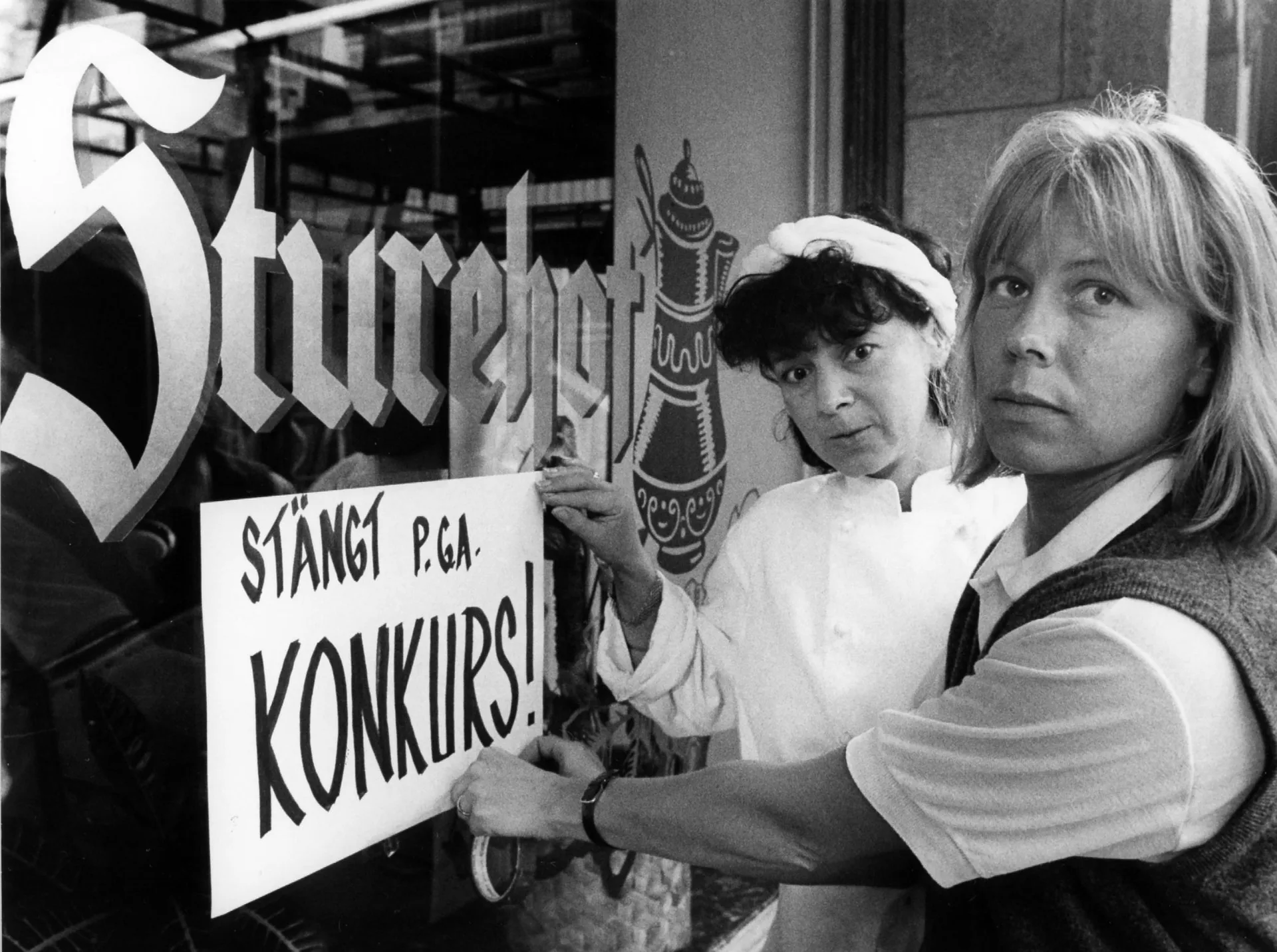
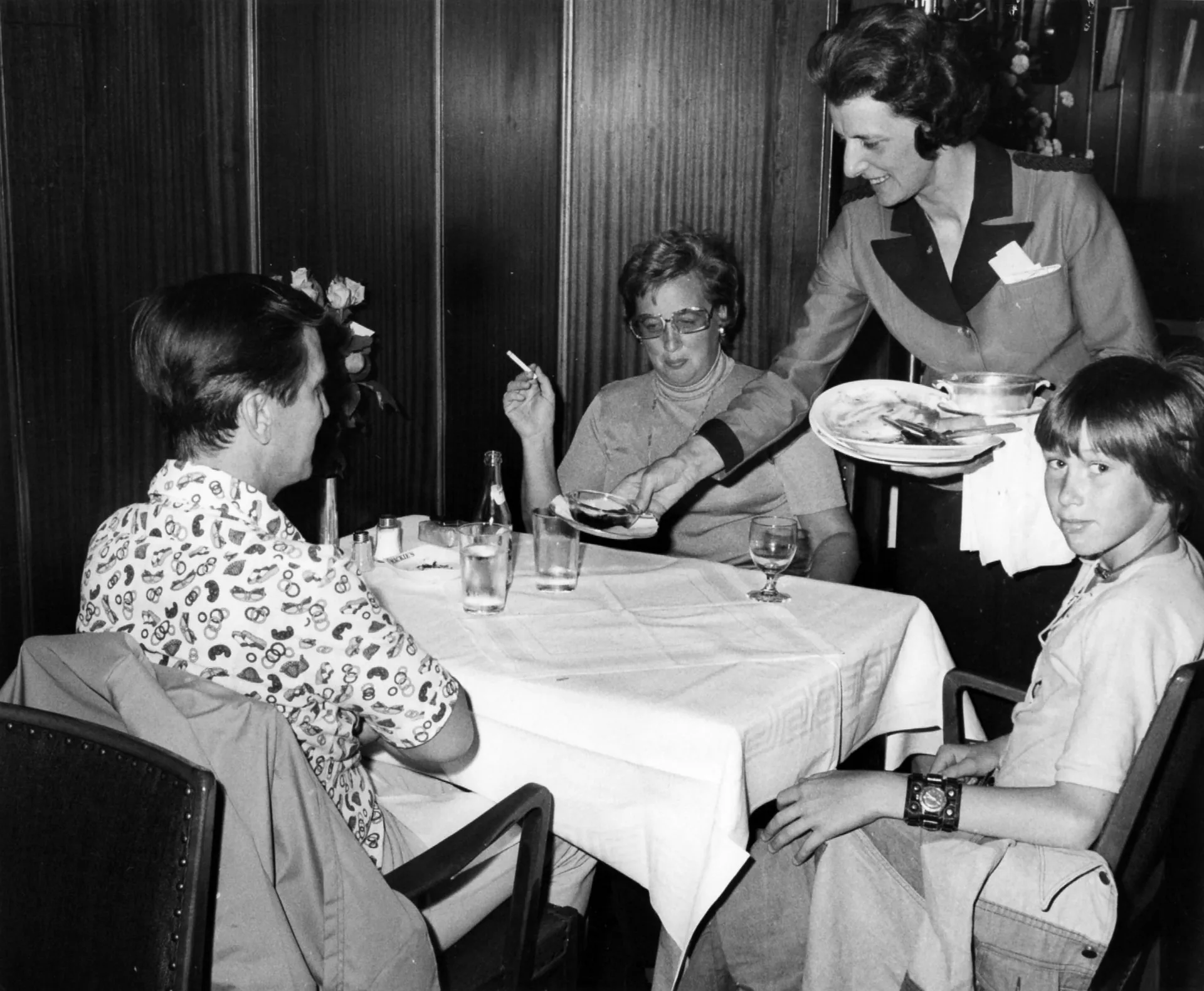
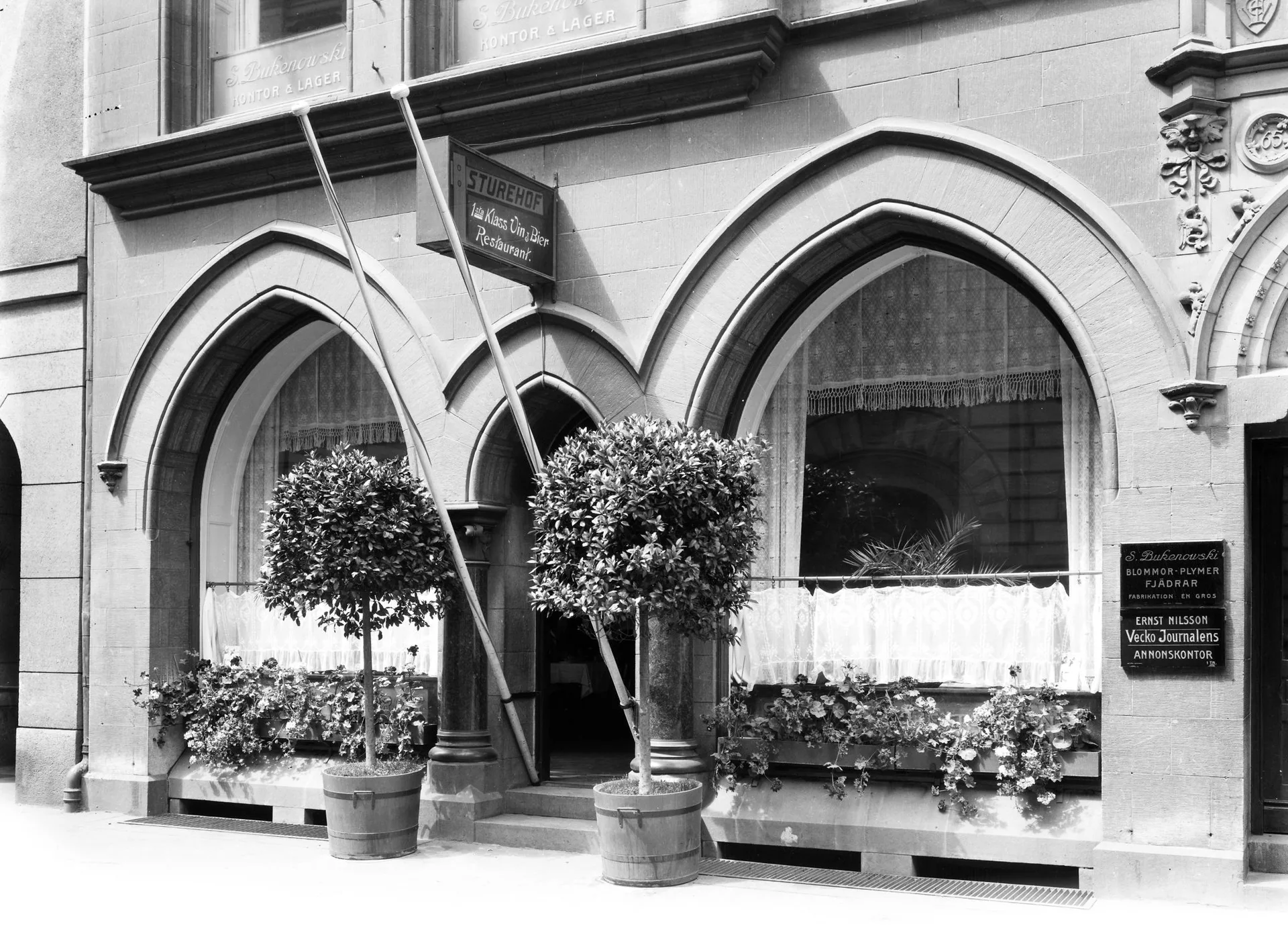
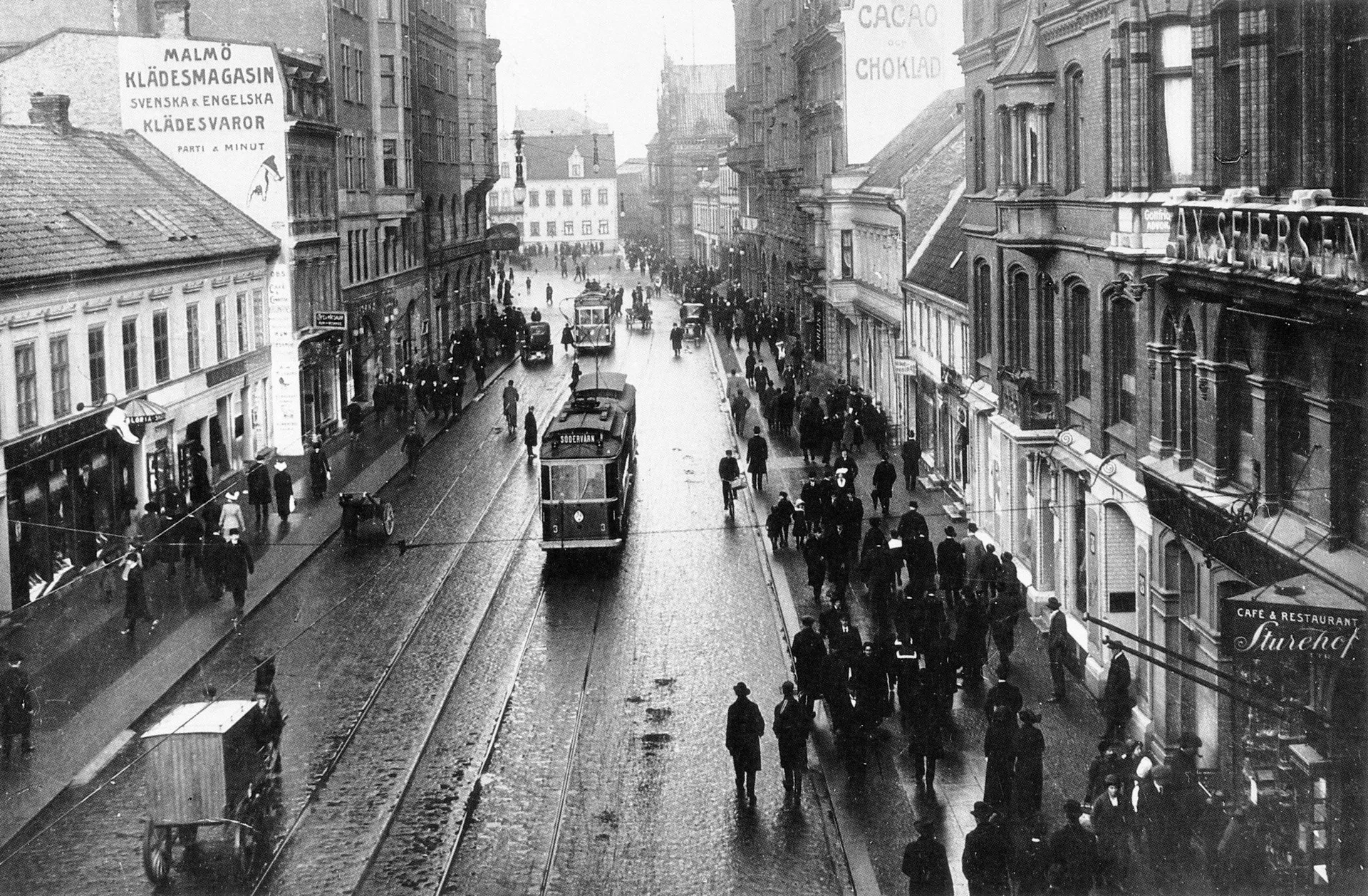
What is now Restaurant Sture began in 1912 as Café & Restaurant Sturehof, founded by Carl Wilhelm Hallkvist in a building on Södergatan before moving to its current address on Adelgatan 13 in 1915. The space had originally been earmarked for a silent film theatre – a fitting origin for a place that has played so many roles in Malmö's cultural life over the decades. Lawyers, journalists, cultural workers, and travellers have all passed through its doors, drawn by the restaurant's proximity to the central train station and its position on what was long the city's main commercial street.
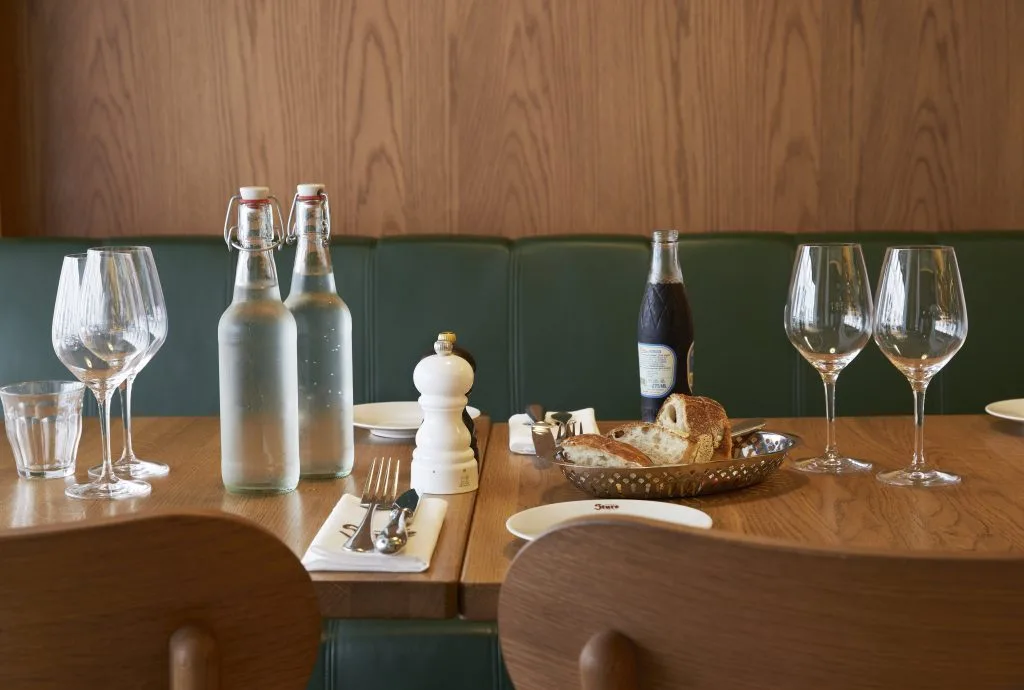
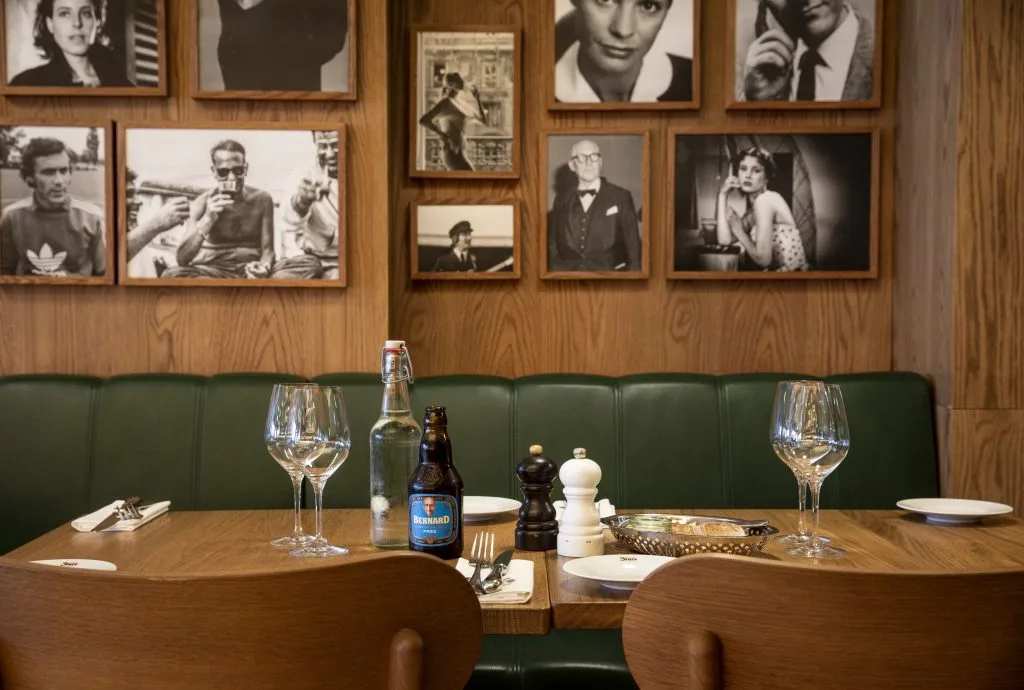
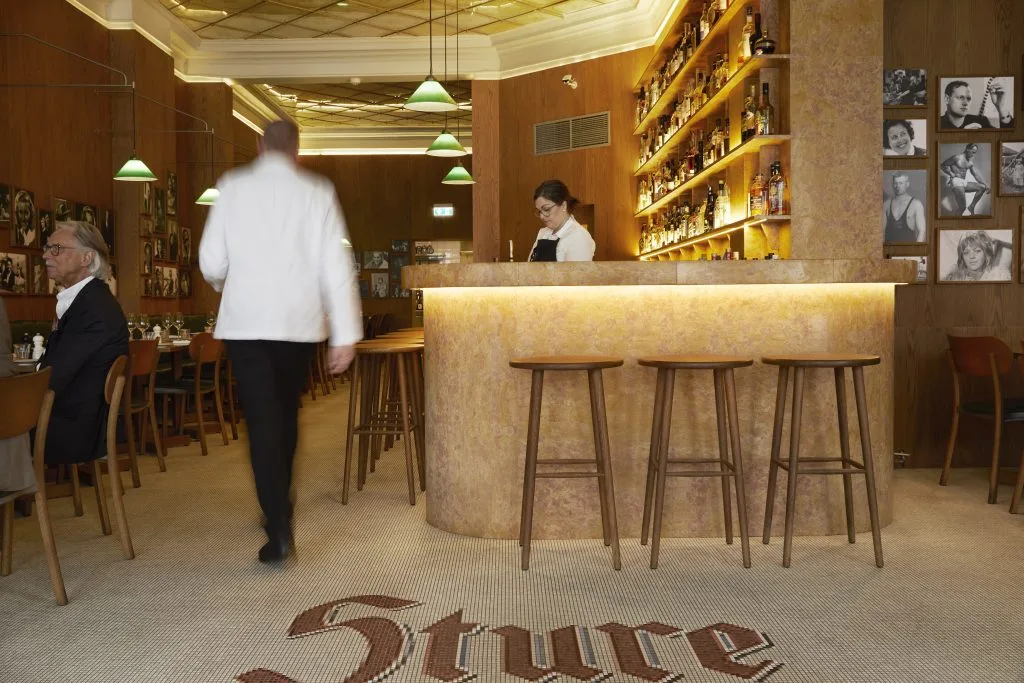
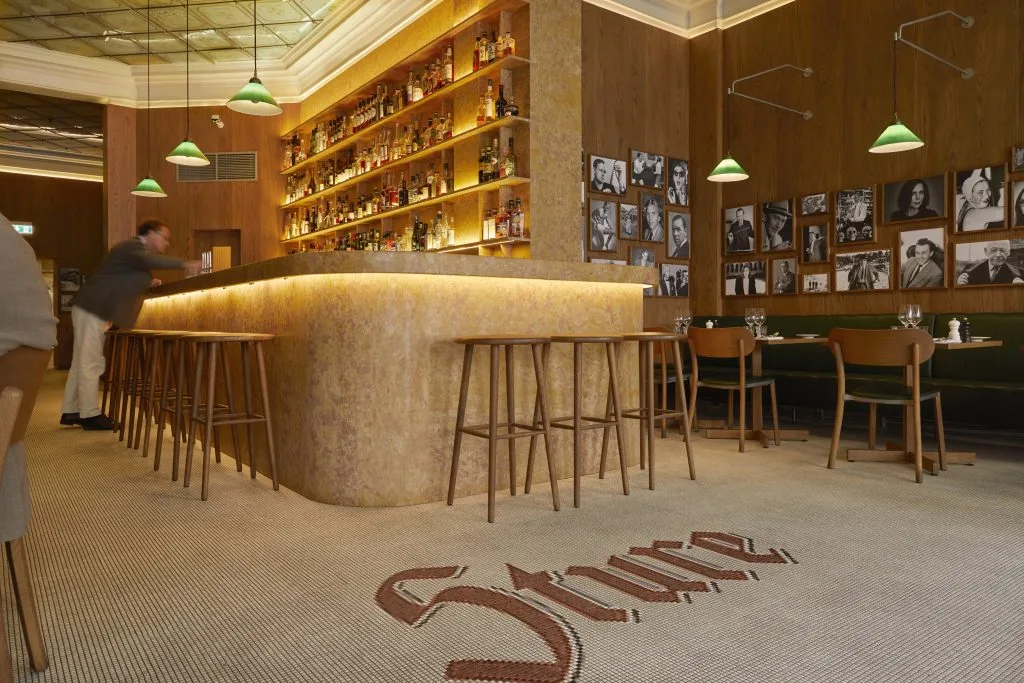
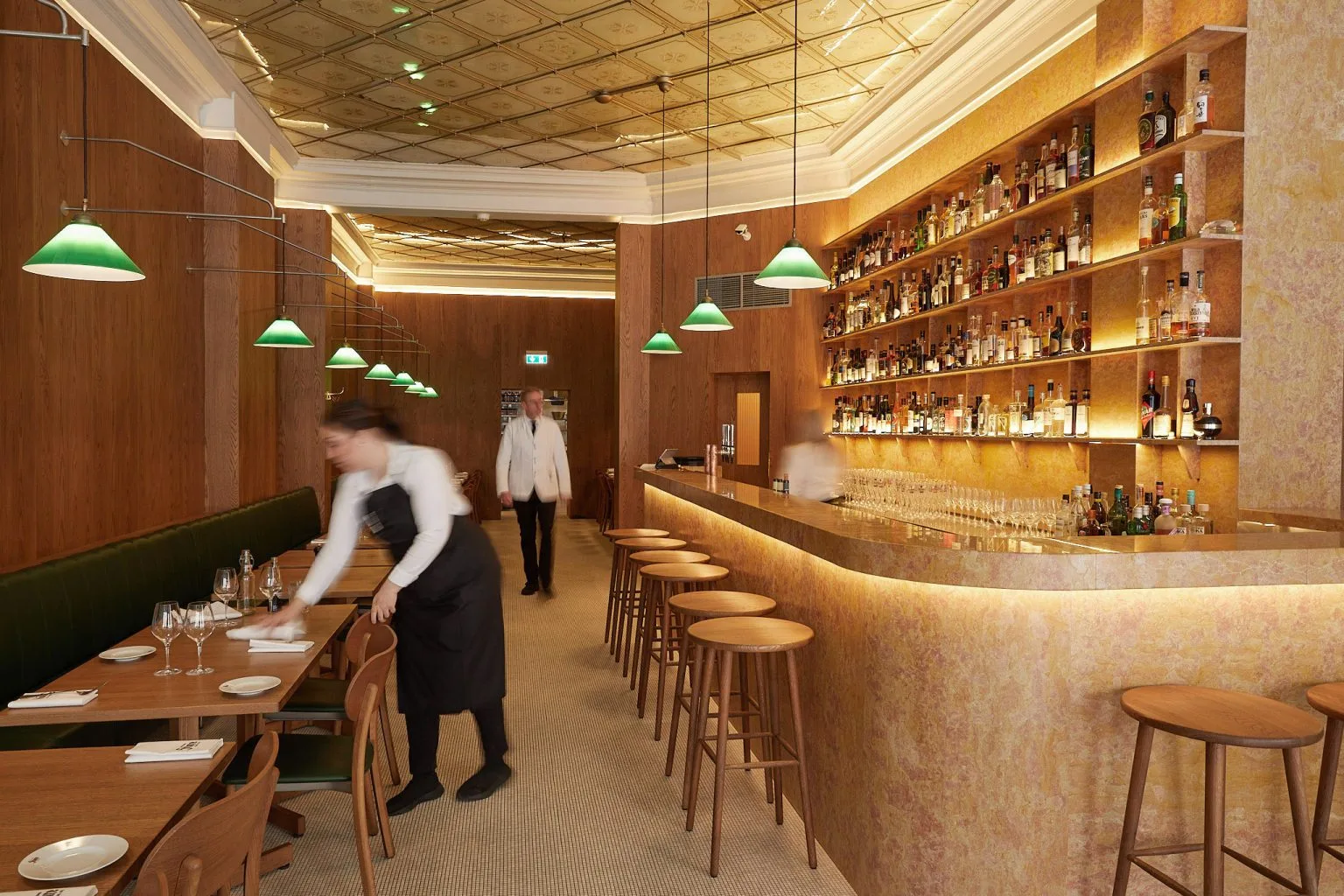
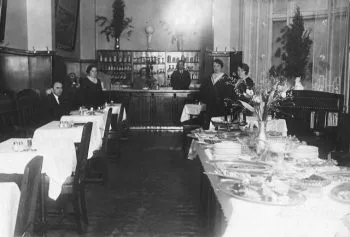
The interior – its Sapele mahogany panels installed during a 1953 renovation – has outlasted multiple ownership changes, two world wars, and more than one bankruptcy. That continuity of character matters here.
A New Chapter Under Jonas Dellow
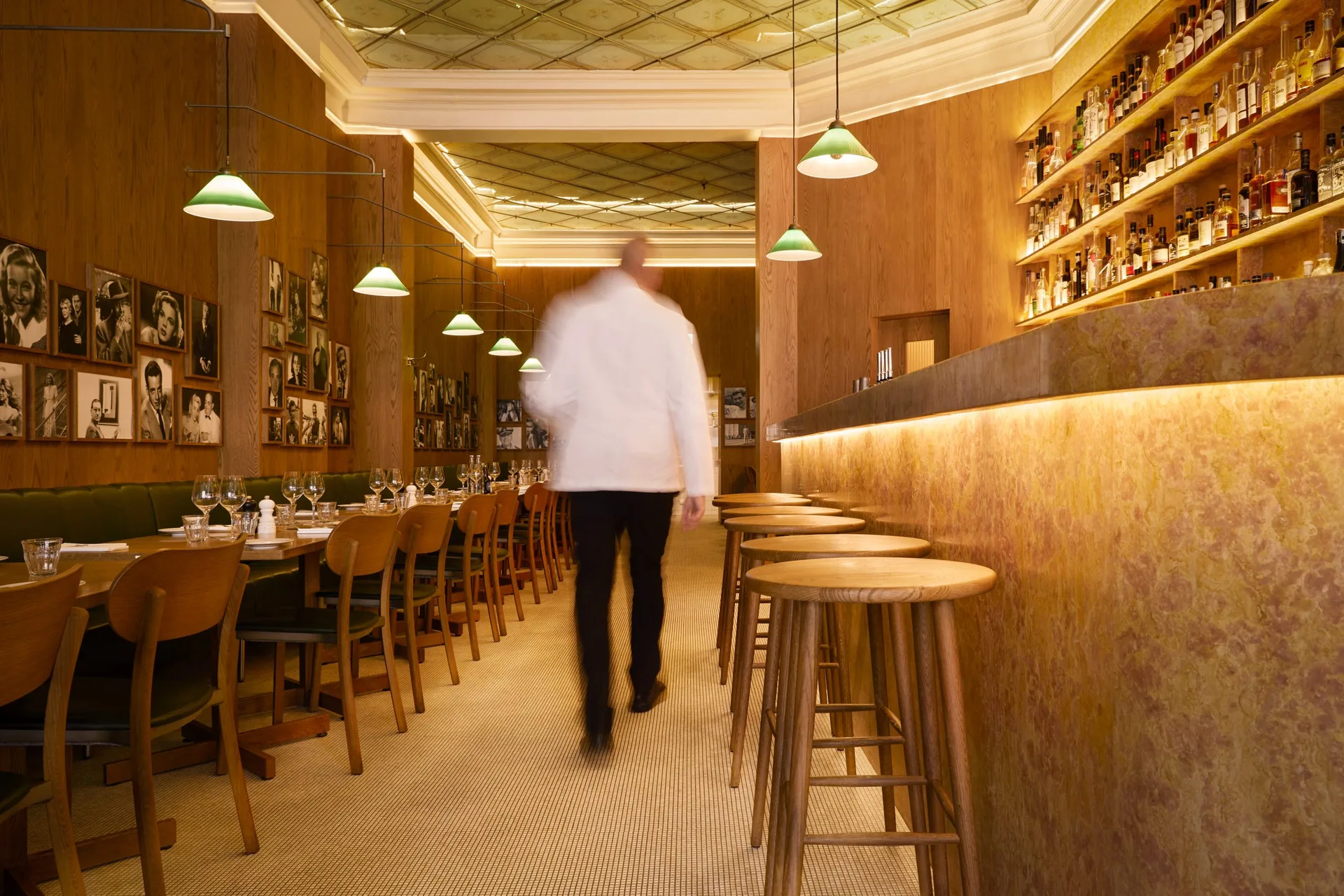
The current incarnation, Brasserie Sture 1912, took shape in early 2021 when Kenneth Andrén, architect Jonas Lindvall, and restaurateur David Kallós – known from the legendary Malmö restaurant Brogatan – took over and restored the space with careful respect for its history. Their stated philosophy: contemporary food and drink, deeply rooted in European restaurant culture, served at prices that are accessible and in a spirit that is genuinely welcoming.
Chef Jonas Dellow has since brought the kitchen to a level that earned the restaurant White Guide's Masters distinction for 2026 – one of the most meaningful recognitions in Swedish dining. His cooking is described by the guide as having a "light Franco-Nordic touch," and the menu bears that out in dishes that balance luxury, locality, and restraint with quiet confidence.
What's on the Plate
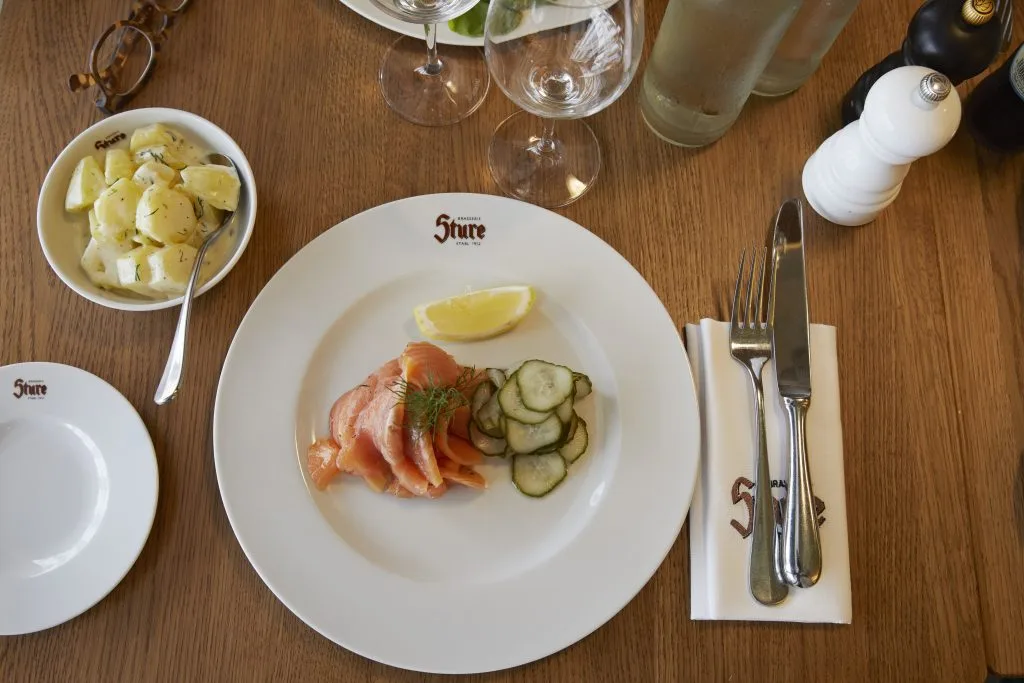
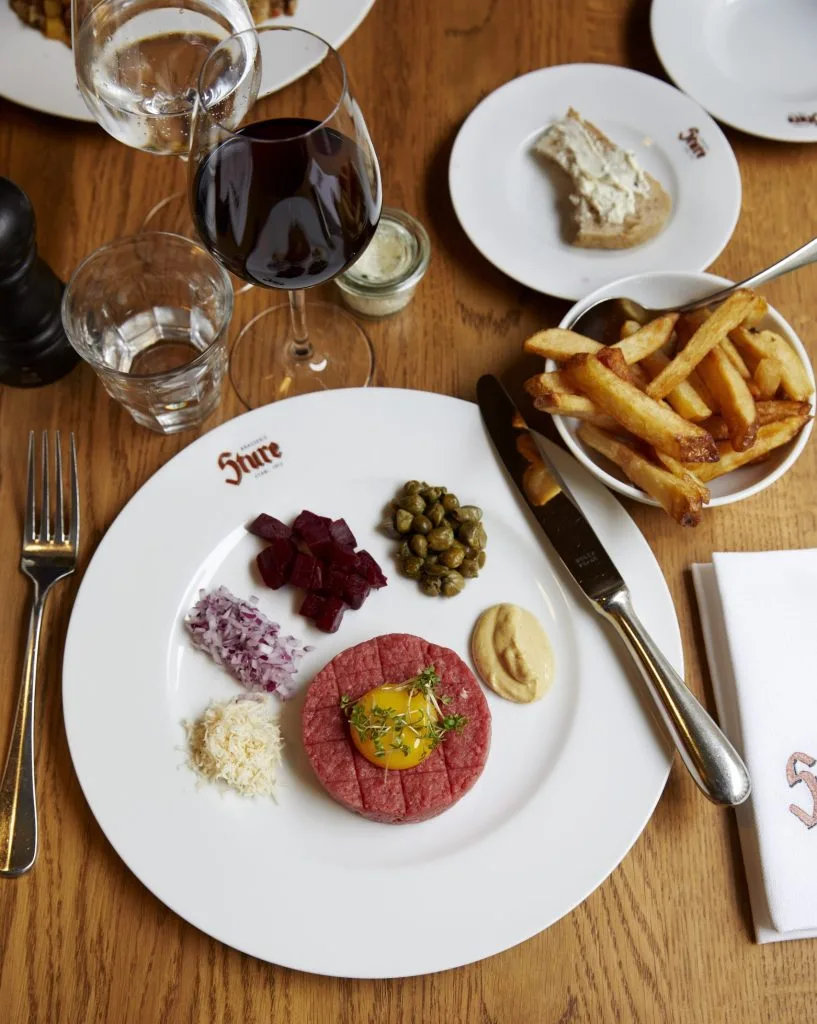
The experience opens with a sequence of small amuses that signal the kitchen's range: Norway lobster with cured egg yolk and vendace roe; tartare of eight-year-old milch cow from Båstad; quails' eggs with pancetta and bottarga; and delicate towers of dried olive, watermelon radish, and blue congo potato. Scallops follow – their natural sweetness sharpened by pickled lemon peel and vinegar jelly, finished with tomato water.
A charcoal-baked kohlrabi course – the core rolled in herbs and spinach, topped with oysterleaf and glasswort, accompanied by oyster cream – is the kind of dish that earns its place through technique and intelligence rather than spectacle. An umami-forward autumn mushroom preparation brings together yellowfoot mushrooms, rosehips, foie gras, rich stock, and buttery brioche, topped with a crisp potato biscuit and black truffle.
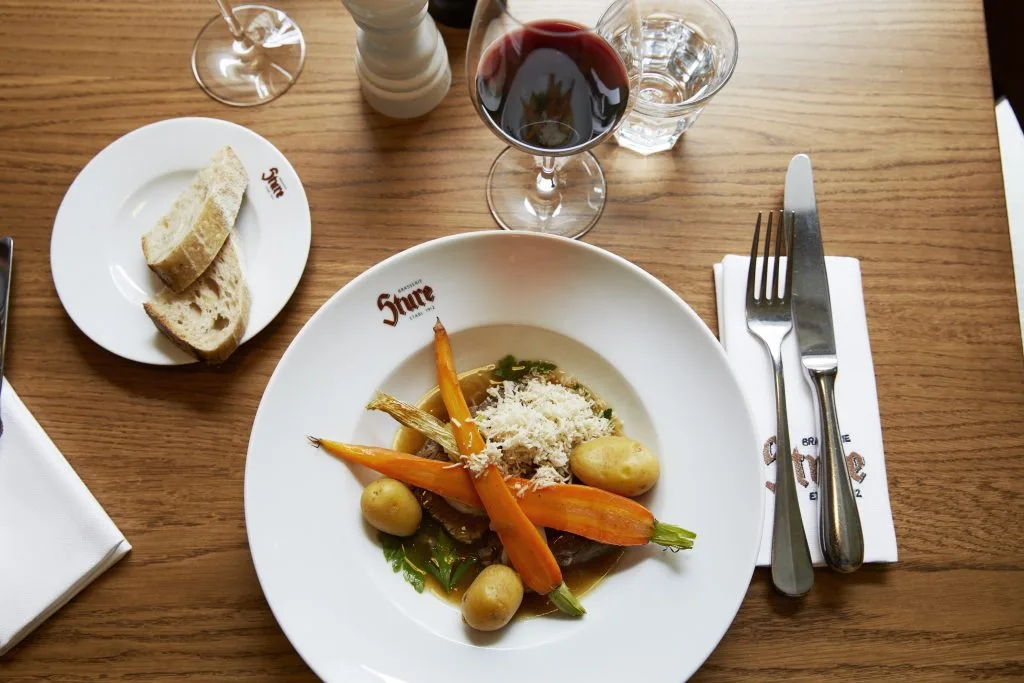
The main course centres on well-aged Fjäll beef, supported by baked beetroot, bitter endive, and a cream of whipped speck and tarragon – a study in Swedish produce handled with classical European discipline.
The Cheese Trolley and the Details That Count
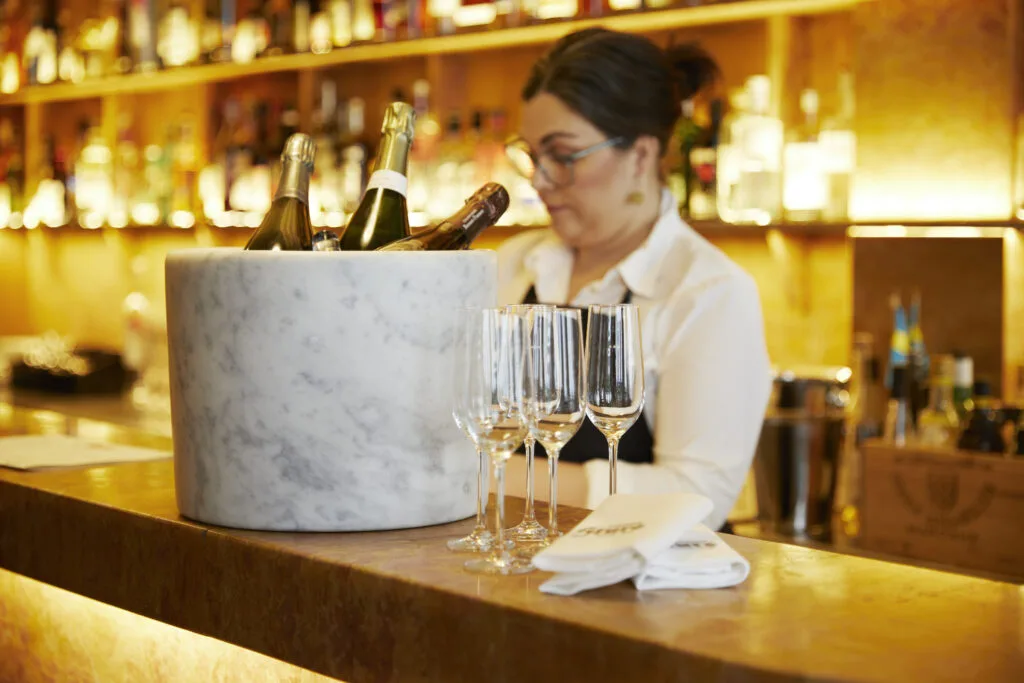
The cheese trolley – a survivor of every renovation – remains one of the room's quiet pleasures. Manager and sommelier Frida Ringström guides guests through 15 chambré cheeses with evident knowledge and warmth. The wine list has evolved alongside the kitchen, making room for natural wines and lesser-known producers alongside the mature clarets and champagnes that long defined it.
Desserts lean towards lightness: egg white whipped into a foam with lemon verbena, yolk turned into a muscovado cream, balanced by apple sorbet. And coffee arrives with a simple, telling line: "We have three single-origin coffees – I'll tell you about each one so you can then choose." Professional, down to the smallest detail – which is as good a summary of Sture today as any.
Recognition
Awards & accolades
Ambience
A glimpse inside