

The story
Crafted with passion, served with love
A Dream Built in a Former Goods Warehouse
The vision belonged to siblings Martin and Nina Karyd, the family behind property company Annabostäder and, by their own admission, devoted food enthusiasts who felt Malmö was missing something. When the old Godsmagasinet on Gibraltargatan — empty since the last train departed in 1955 — came onto the market, they seized it. Working with architect Gert Wingårdh, they chose materials with care, letting the 19th-century warehouse character lead while adding modern industrial details and a striking corten-steel facade. Space was made outside for market trading and outdoor seating. On 11 November 2016, the doors opened.
Craft at the Centre
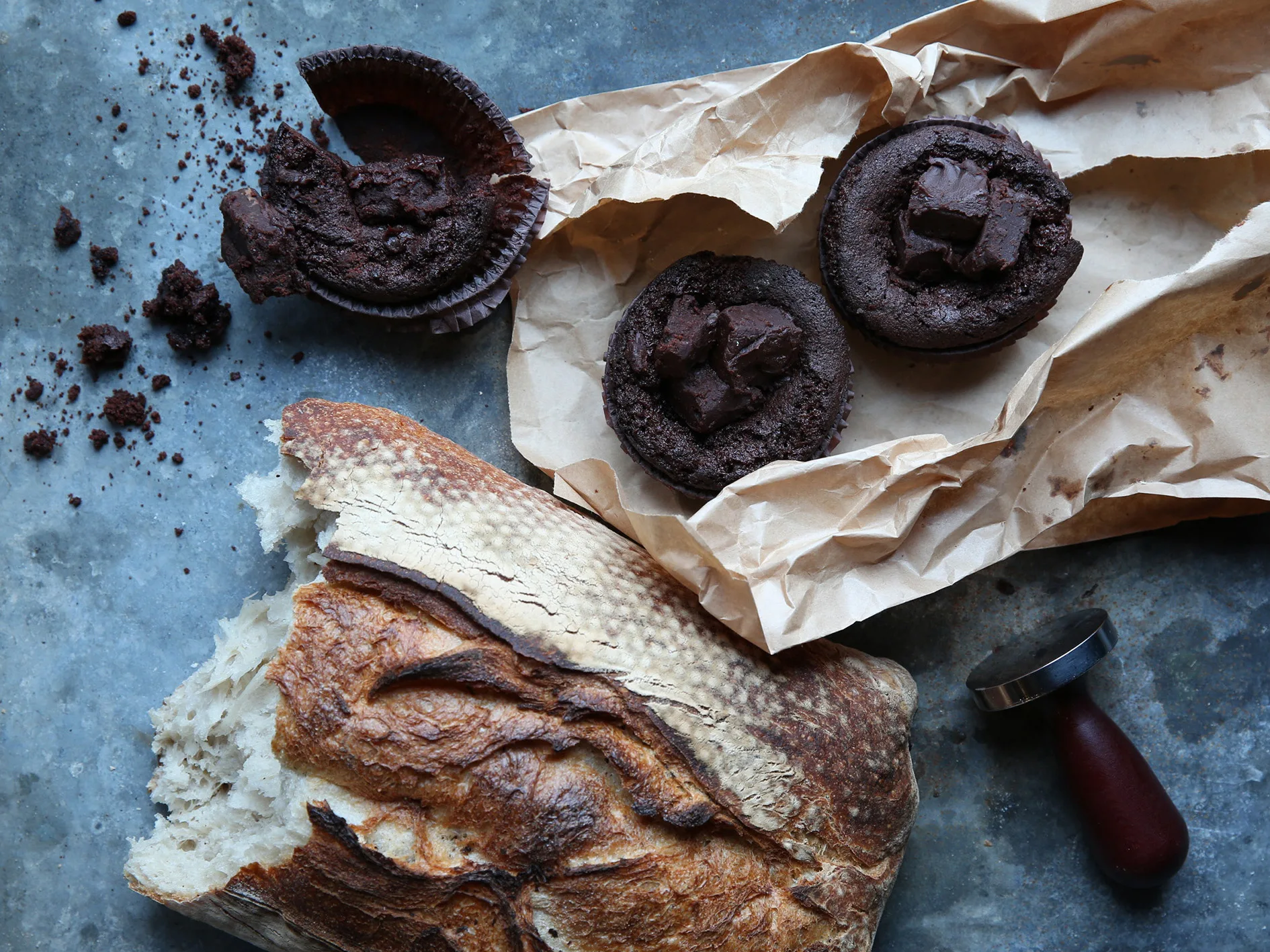
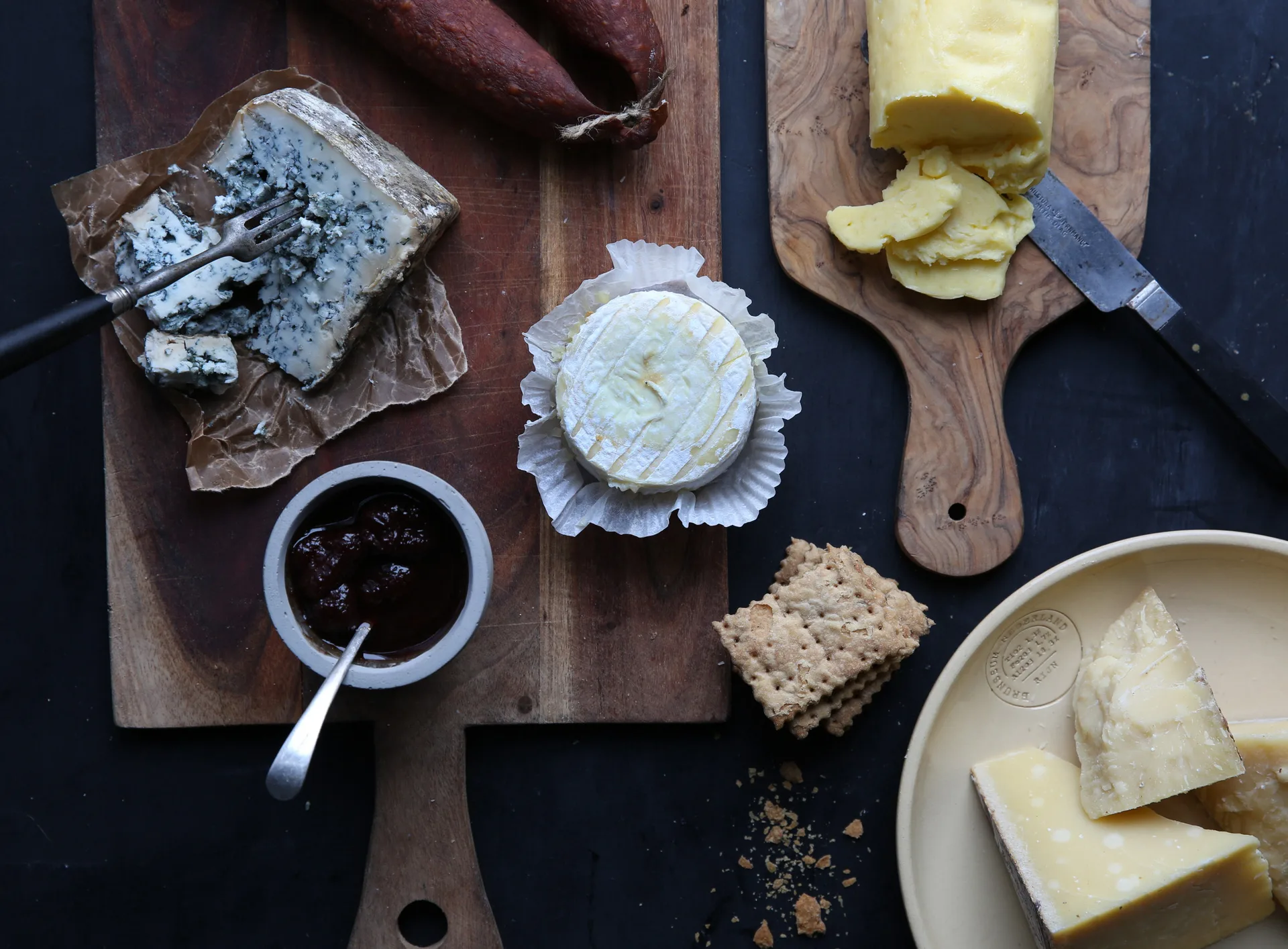
Malmö Saluhall describes itself plainly: a place where food is allowed to take time, where raw ingredients are chosen with care and craftsmanship always comes first. Around twenty traders fill the hall — bakers, chocolatiers, fishmongers, cheesemongers, greengrocers, coffee roasters and restaurateurs — united by the fact that they are passionate about what they do. The mix was assembled deliberately slowly; filling the space quickly was never the point. Finding the right balance of traditional counter trade and contemporary food experiences was.
How to Spend an Afternoon Here
White Guide, which recommends Malmö Saluhall in its 2026 edition, captures the appeal well: the hall works equally for someone who wants a quick takeaway and someone who wants to construct their own three-course meal, course by course, vendor by vendor. Start with a charcuterie board at Clemens Kött & Husman, move on to a creative pizza topped with bronze fennel and labneh at Hedvigsdal, and close with a blood-elderflower sorbet and an espresso at Favvoglass. The guide also singles out the princess cake in chocolate-praline form and a wedge of Monte Enebro from Möllans Ost as things that make it almost impossible to leave empty-handed.
The rhythm of the hall shifts through the day — calm café mornings give way to a lively lunch rush, and on Friday evenings a DJ takes over from 17:00, turning the market into something closer to an after-work gathering. The quality, as White Guide notes, stays consistently high throughout.
The Building Itself
The 50-metre-long structure was restored with respect for its origins, modern details reinforcing rather than erasing the warehouse's character. The result is a space that, in the hall's own words, carries visitors back to the market halls, butcher shops and dairy stores of an earlier era — while feeling entirely alive today.
Recognition
Awards & accolades
Ambience
A glimpse inside












Location
Find us
Gibraltargatan 6211 18,MalmöMalmö, Sweden
040-626 77 30
info@malmosaluhall.se
Visit website
 Facebook
 Instagram