
The story
Crafted with passion, served with love
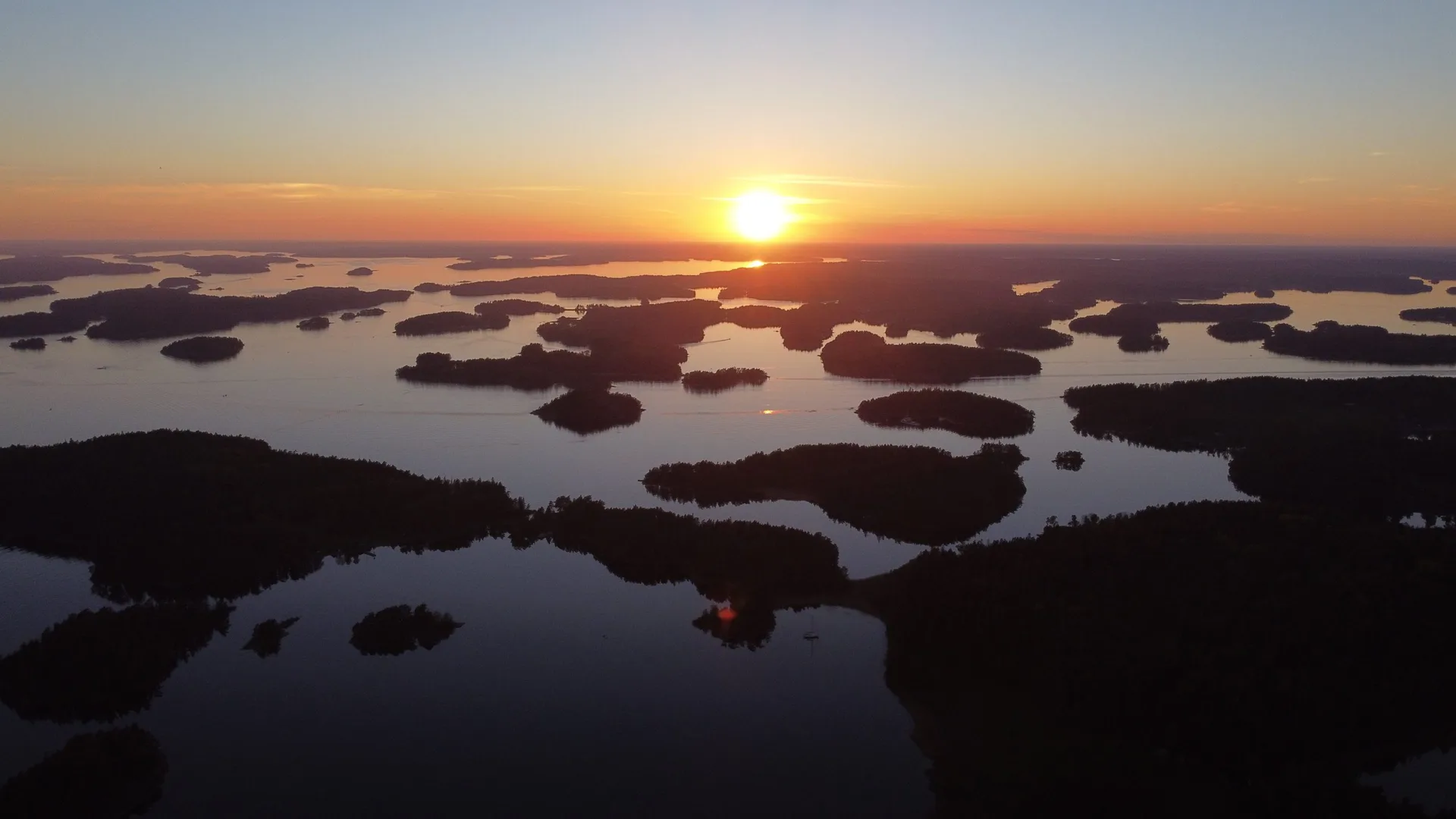
An Island Unto Itself
Gällnö is a small island in the Stockholm archipelago, reached by the archipelago ferry and well worth staying on past Grinda. What you find there is something genuinely singular: a trading post, a café, a hostel housed in an old schoolhouse, a few cottages to rent — and, at the heart of it all, a summer krog whose lush garden fills up each afternoon as if by magic. White Guide has taken notice, recommending Gällnö bar for exactly this quality: the ease of it, the pleasure of staying a long time.
How the Garden Fills
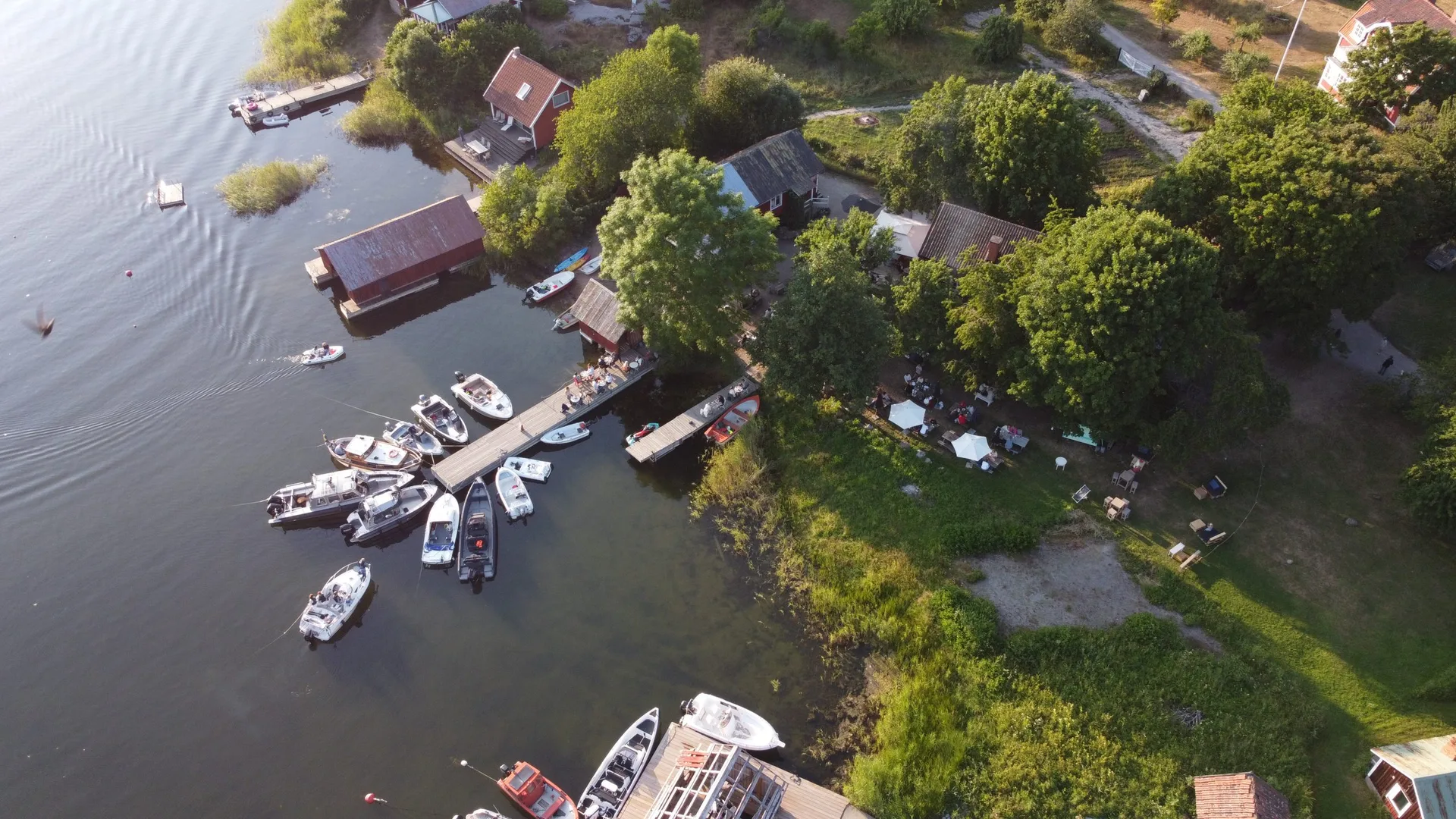
The guests arrive the way you'd expect on an island — by inflatable dinghy from boats anchored in the surrounding bays, by kayak, by SUP board. The jetties fill up too, lined with moored craft and the fortunate few who secured a table there. By afternoon, the mismatched outdoor furniture is occupied, the charcoal grill is going, and the umbrella drinks are flowing. It is a particular kind of happy chaos, and it works.
The Kitchen's Character
The kitchen at Gällnö has been running for over ten years and serves a couple of hundred guests a day in summer. The approach is largely vegetable-forward — fresh produce, simple methods, a cold kitchen for salads, cheeses and charcuterie alongside the outdoor charcoal BBQ used for meat, vegetables and the occasional fish. The Mediterranean influences come through clearly: a little French, a little Spanish. White Guide singles out small warm croquettes filled with comté and spiked with fresh jalapeño, bread with tzatziki, and the option of lobster paired with a well-chilled Petit Chablis from the sommelier's own wine kiosk at the bottom of the garden — available by the glass, in magnum. Children playing on the grass might prefer a sausage or a boeuf bourguignon. Both are available. That breadth is part of the point.
A Place to Linger
Gällnö bar does not take reservations. You come, you find a spot, you stay. The Mediterranean spirit of the place — unhurried, generous, built around good food and good wine in the open air — sits perfectly on a Swedish summer island. It is the kind of restaurant that earns its recognition not through formality but through the simple fact that nobody wants to leave.
Recognition
Awards & accolades
Ambience
A glimpse inside
Location
Find us
STF Vandrarhem Gällnö130 33,GällnöbyGustavsberg, Sweden
+460739384562
info@gallno.se
Visit website
 Facebook
 Instagram