
The story
Crafted with passion, served with love
From a Former Slaughterhouse to Scandinavia's First Urban Winery
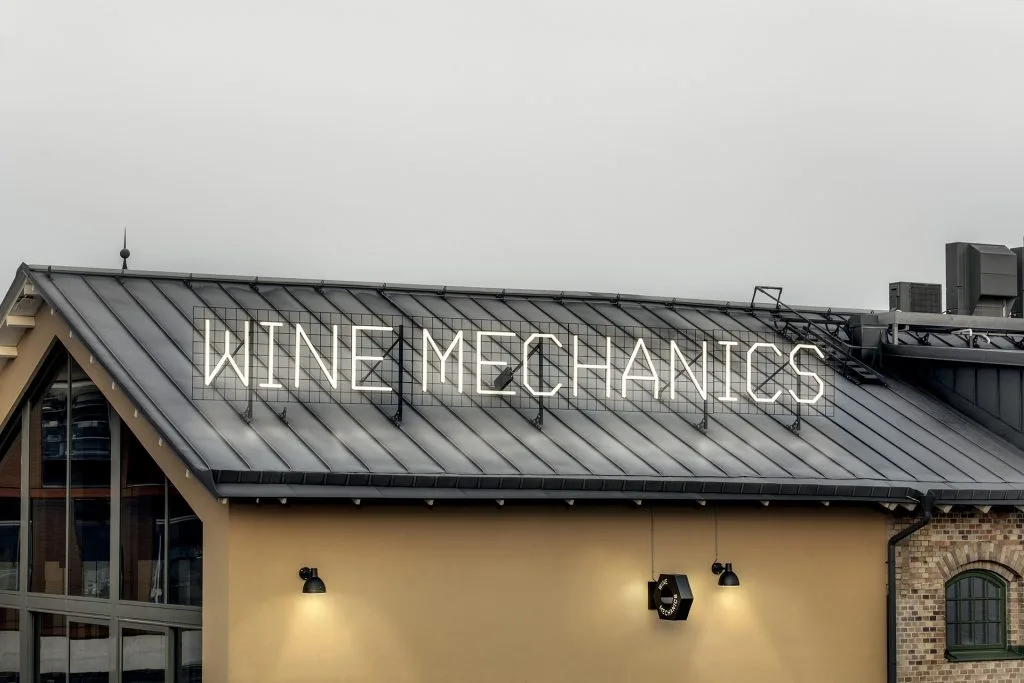
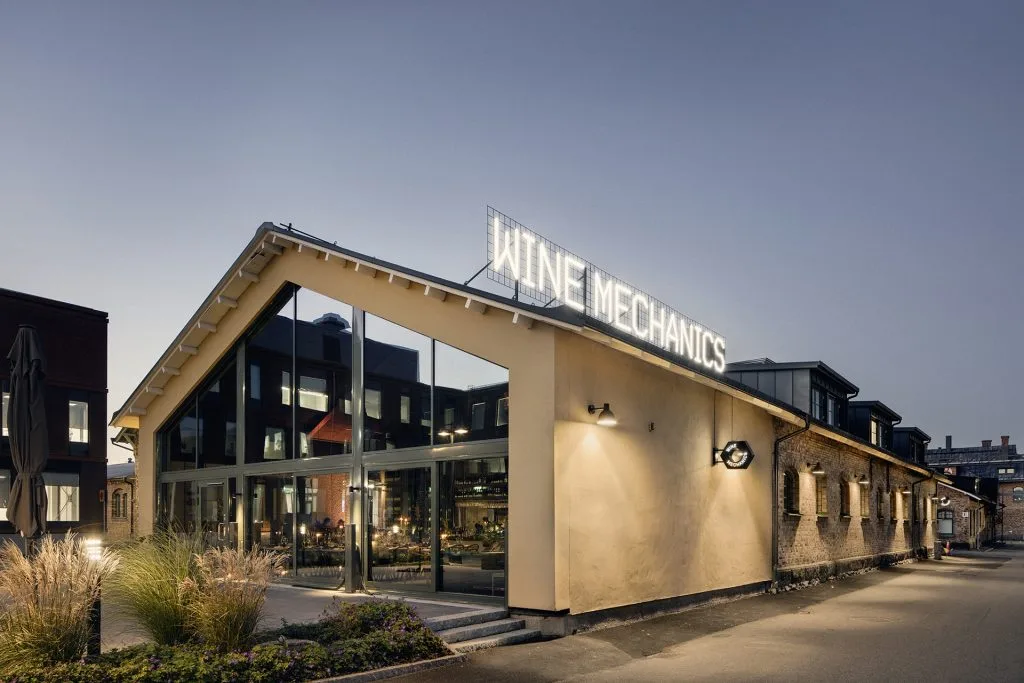
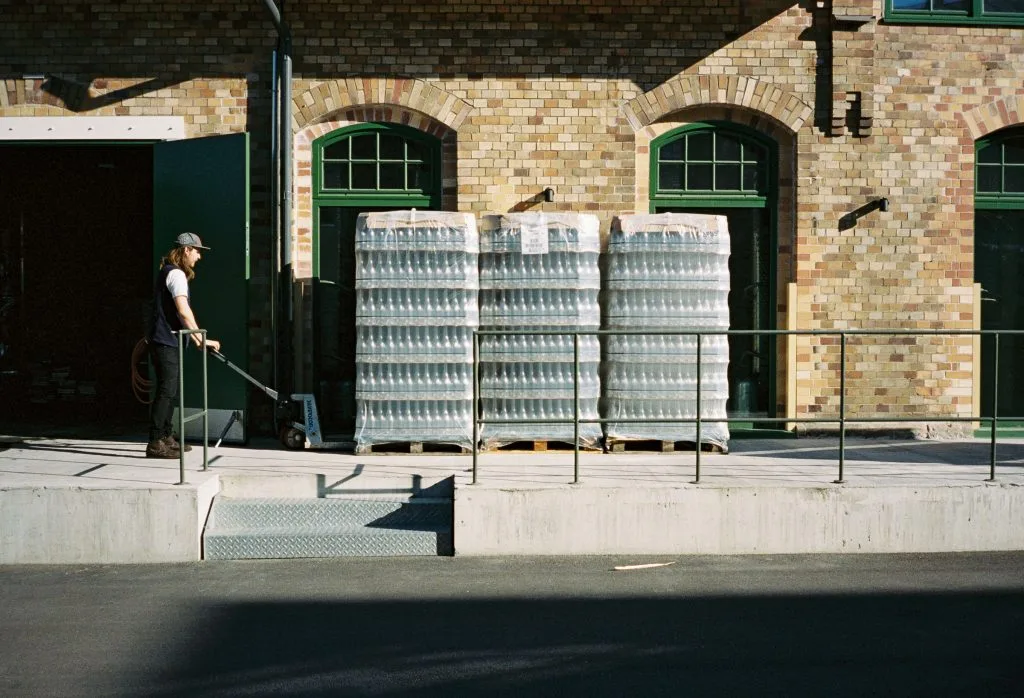
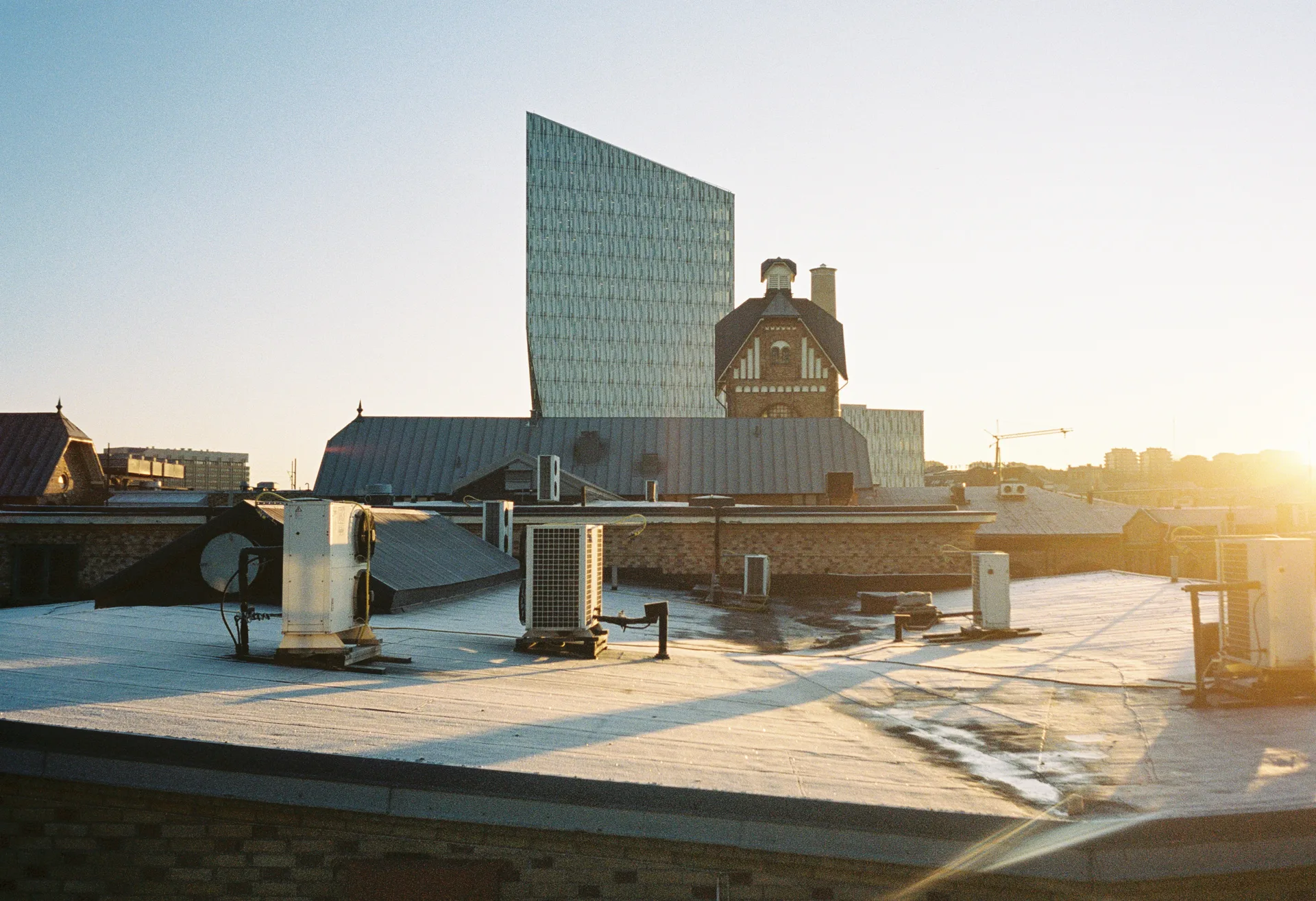
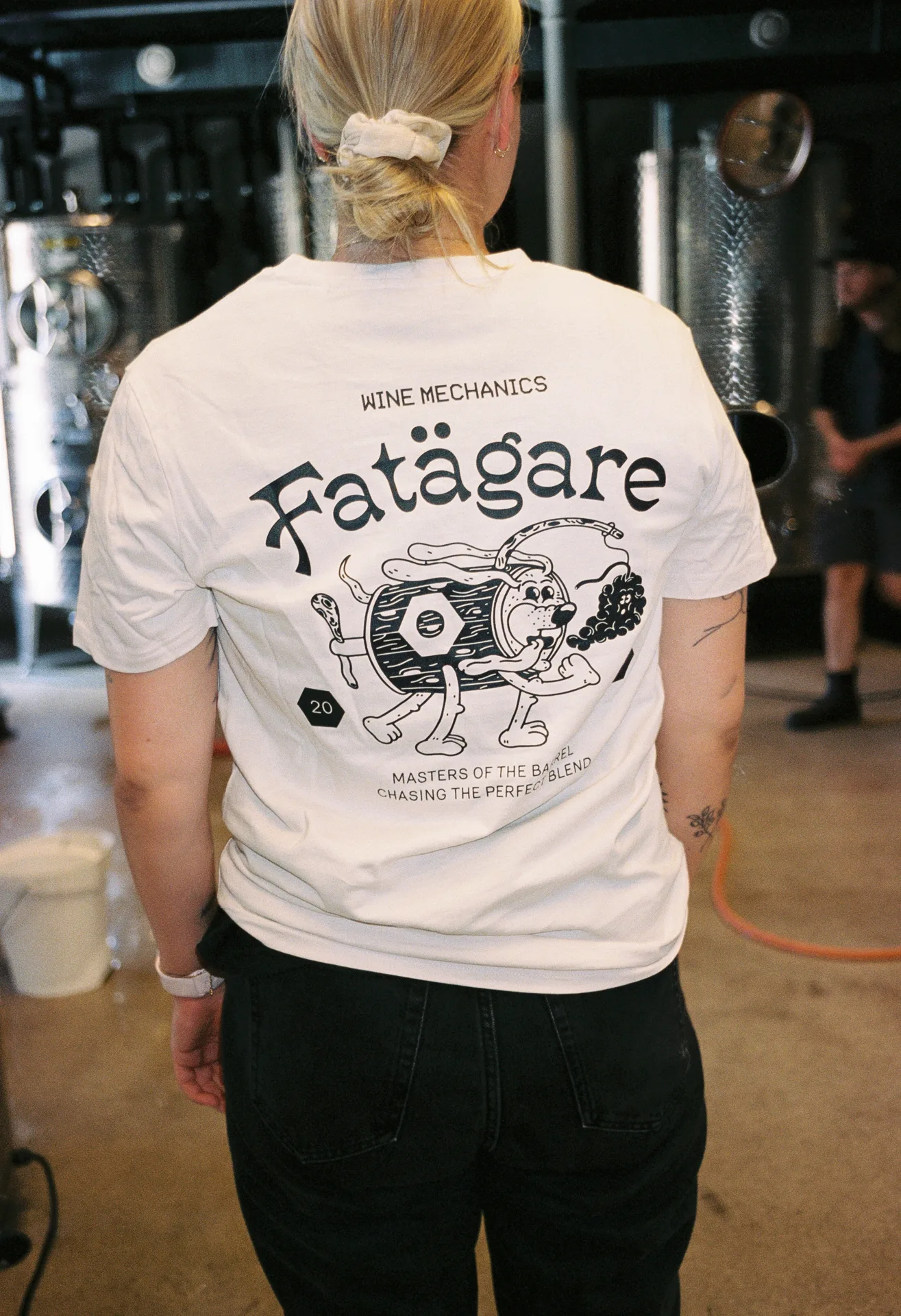
The idea came to Kenneth Gustafsson in 2016 while commuting past the near-abandoned Slakthusområdet in Gamlestaden, a historically industrial corner of Göteborg where Sweden's first craft brewery operated as far back as the 17th century. Gustafsson — a former professional footballer turned wine importer — had watched the urban winery movement take hold in Portland, Oregon, and saw no reason it couldn't work here, in a city better known for aquavit than for fermentation tanks. He brought in his business partner Magnus Holmgren, and the two set about building something that had never existed in Scandinavia before.
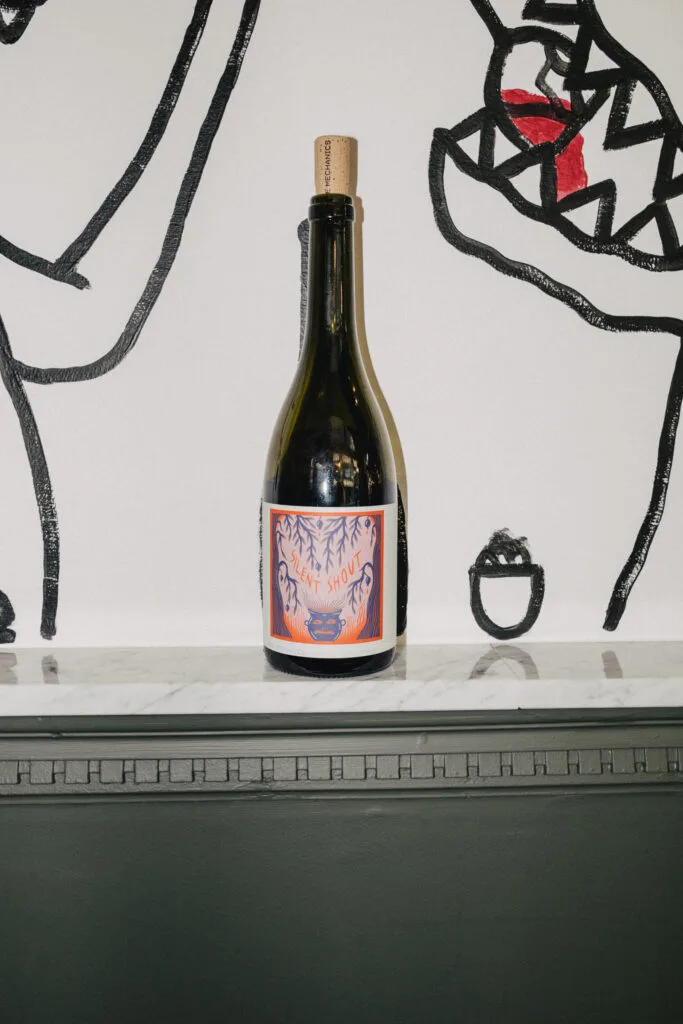
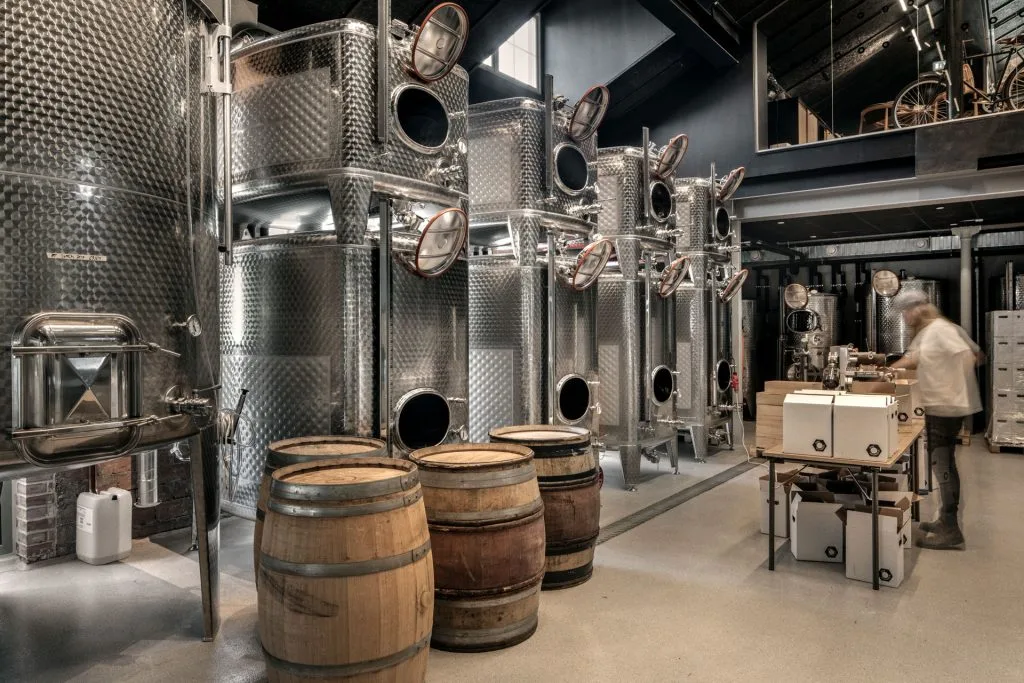
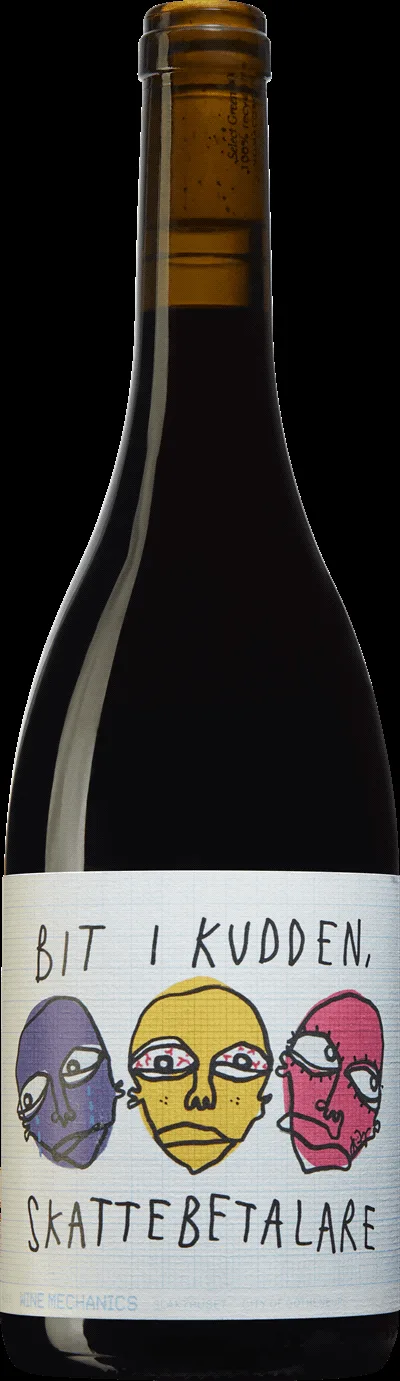
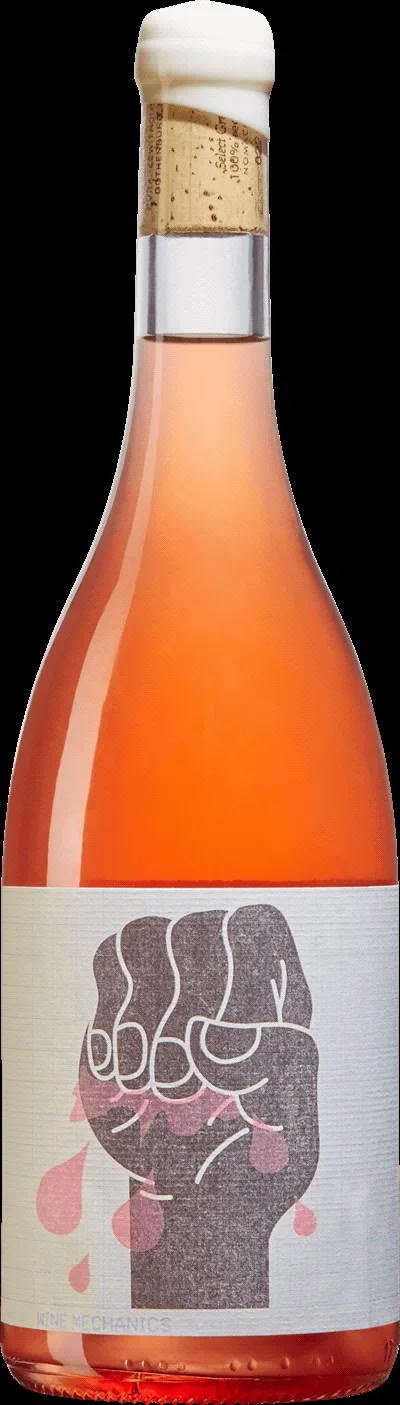
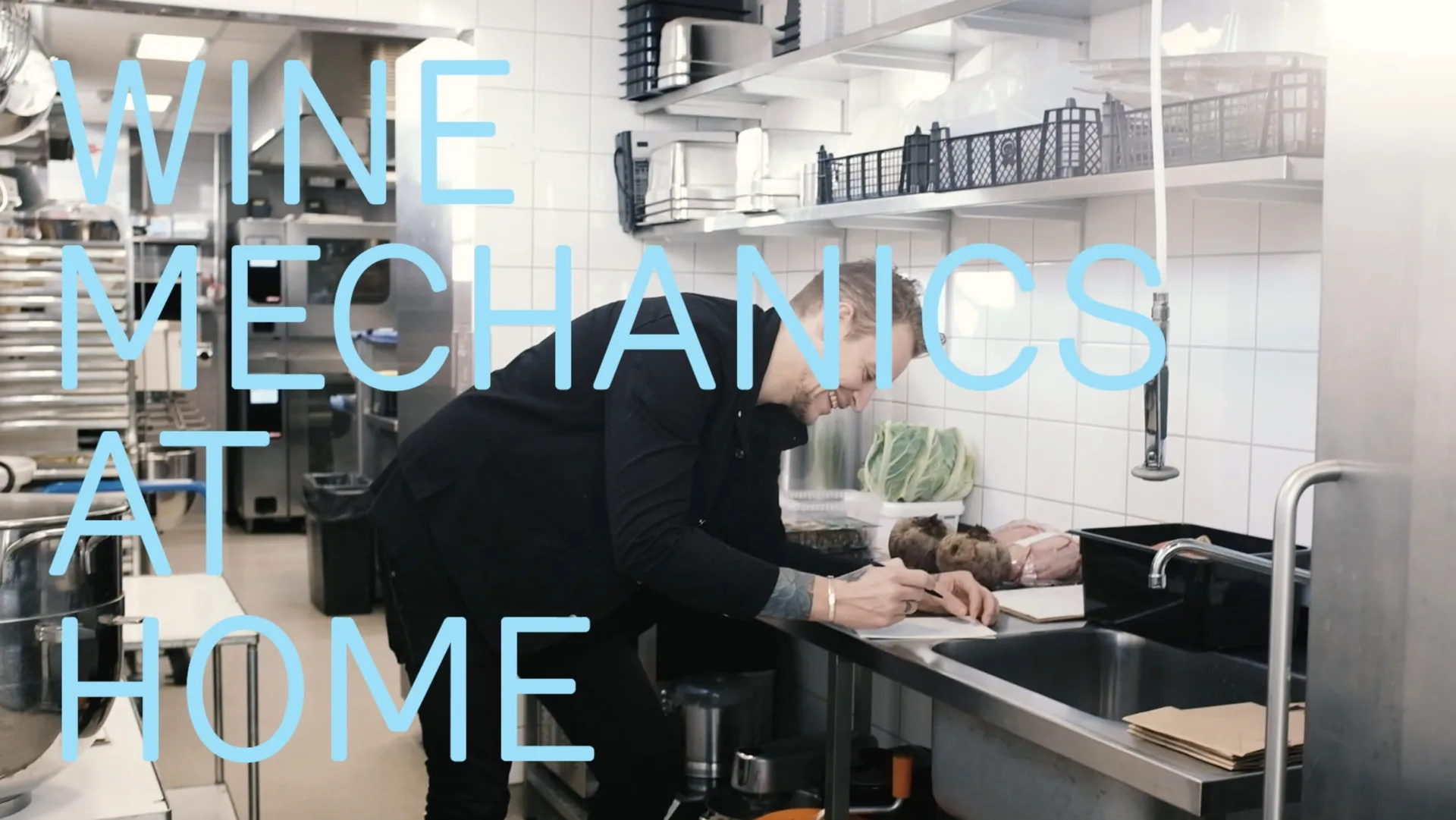
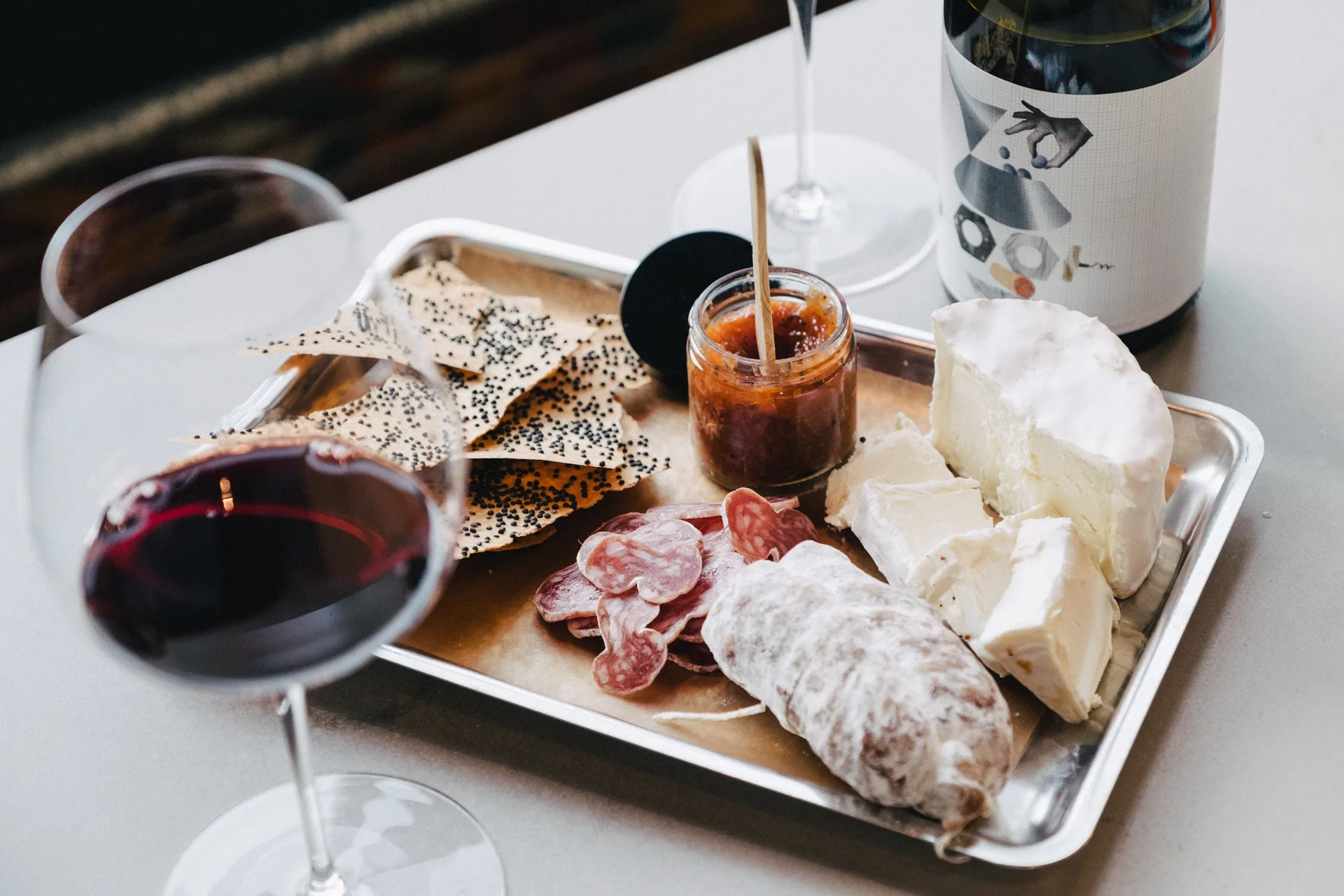
The concept was precise from the start: a working winery with production on-site, a wine bar, and a kitchen where food is built around the wine — not the other way around. Winemaker Erik Jonsson joined the project, and together with Gustafsson he has been producing everything from a "Bit i kudden" Spätburgunder to a Single Moms Pét-Nat Rosé inside what the White Guide, which awarded Wine Mechanics its Fine level recognition in 2026, describes as "the formerly rough, warm environment of the old slaughterhouse."
The Wines and the Space
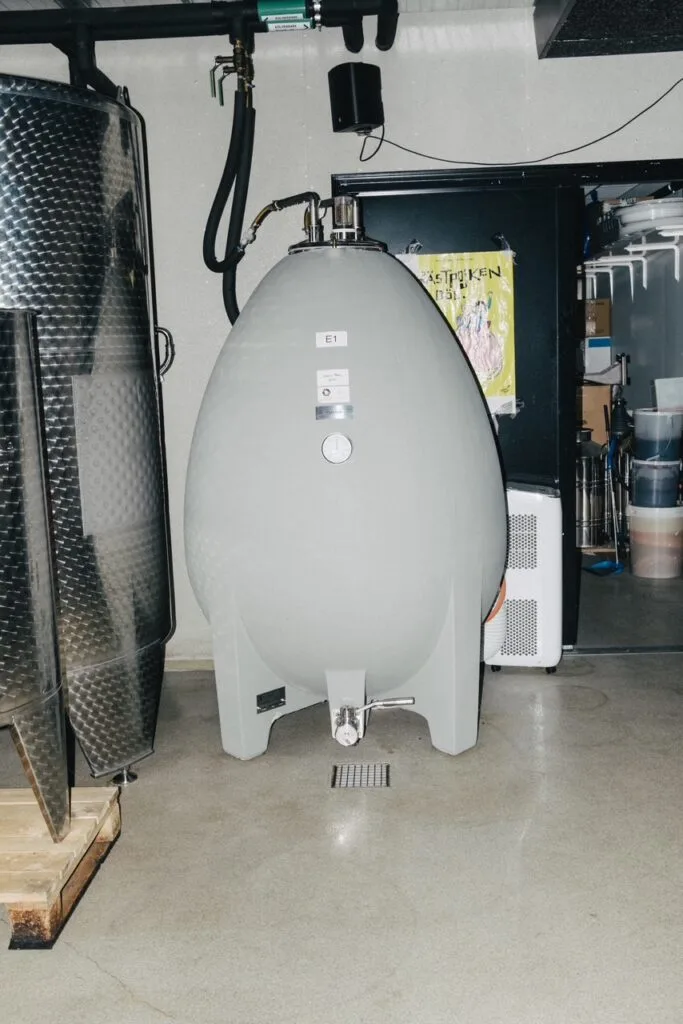
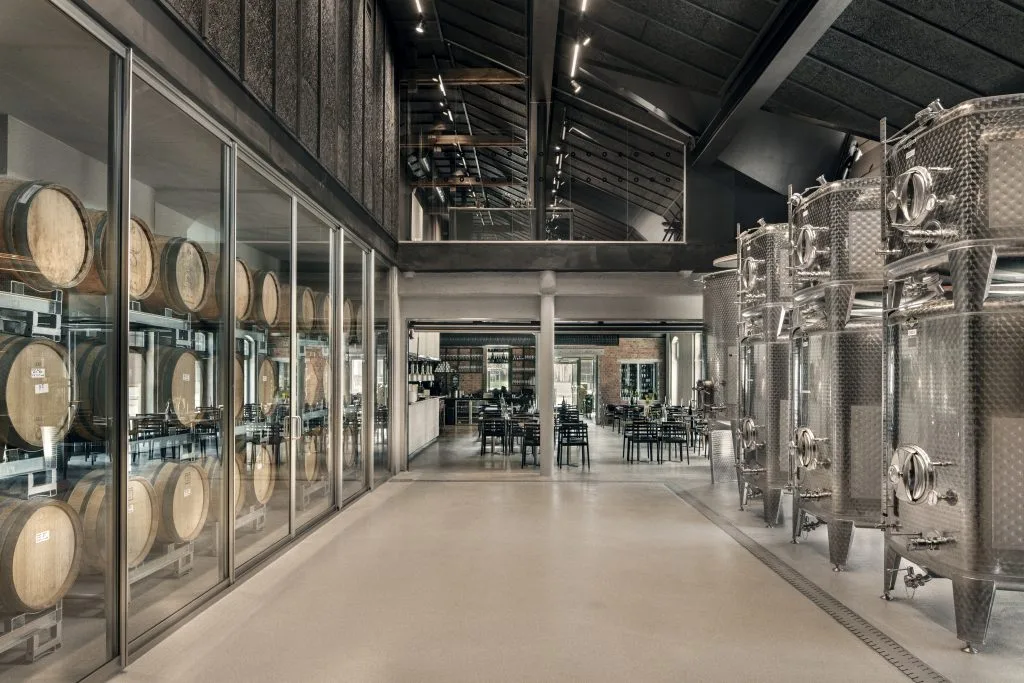
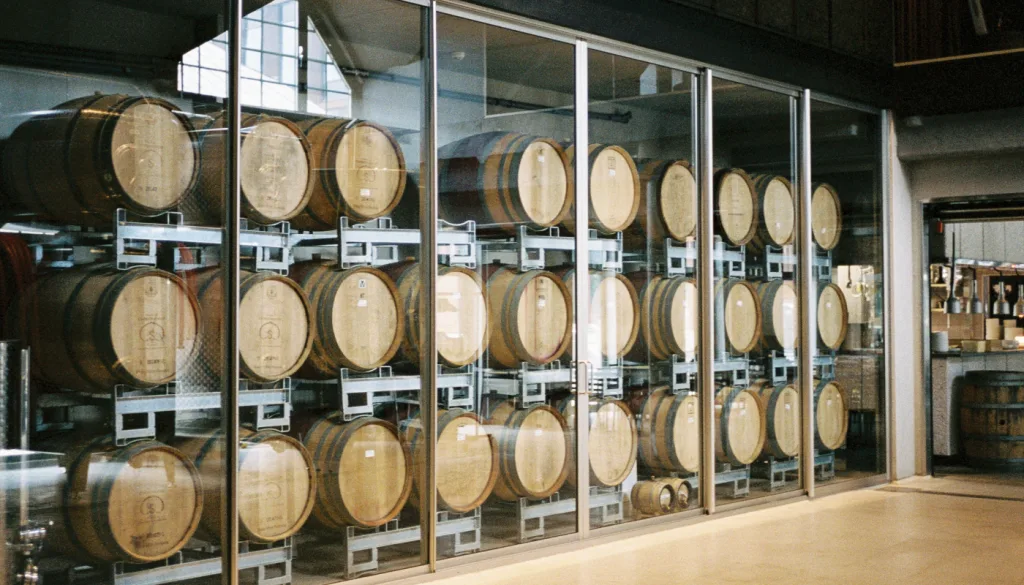
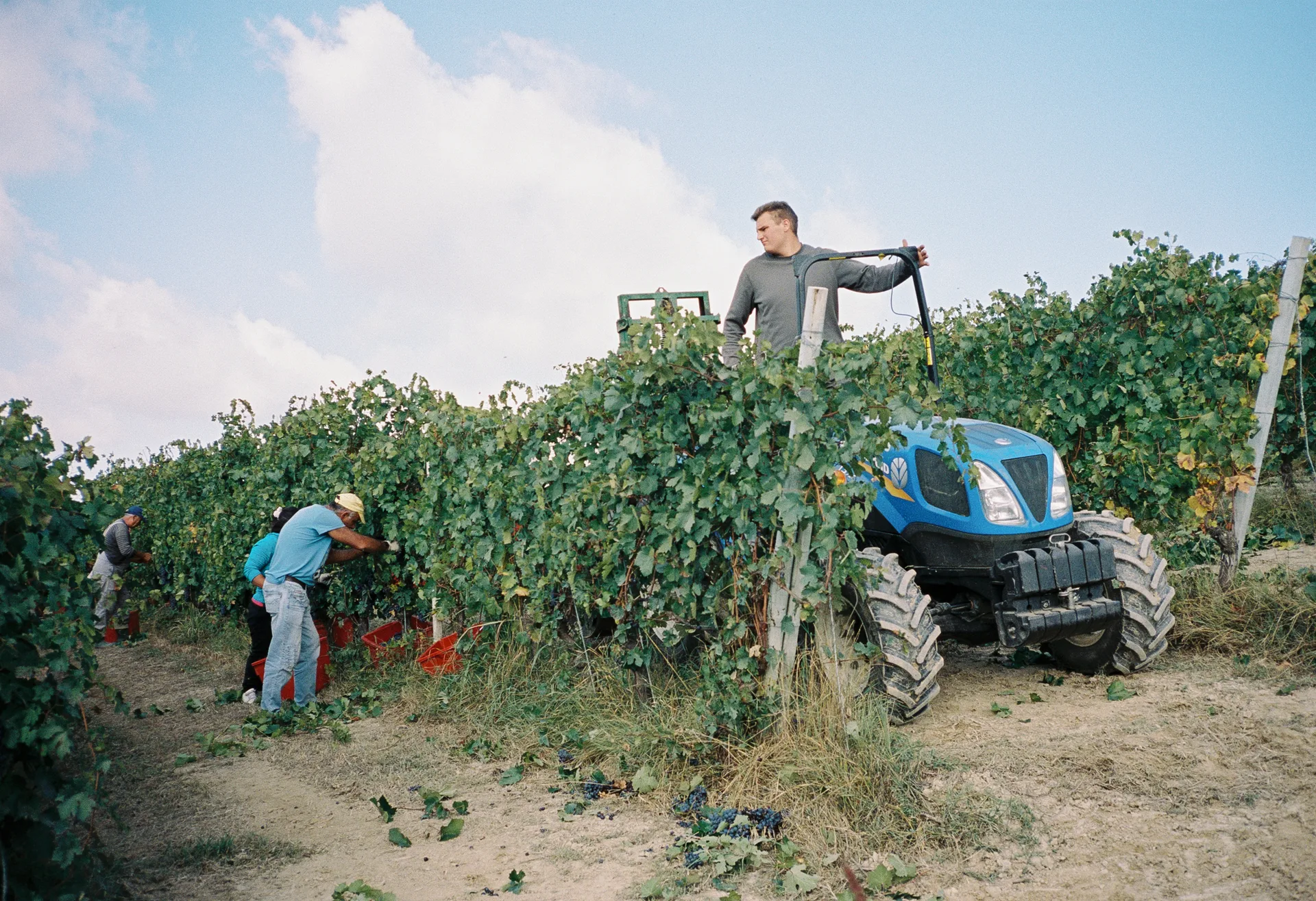
Organic grapes are sourced from quality growers across Europe and transported in refrigerated trucks directly after harvest. The winemaking then happens entirely in Göteborg — a fact made viscerally clear by the ten-meter-high glass-enclosed iron-beam shelving that lines the production floor. Guests don't just drink the wines; they drink them within sight of where those wines were made.
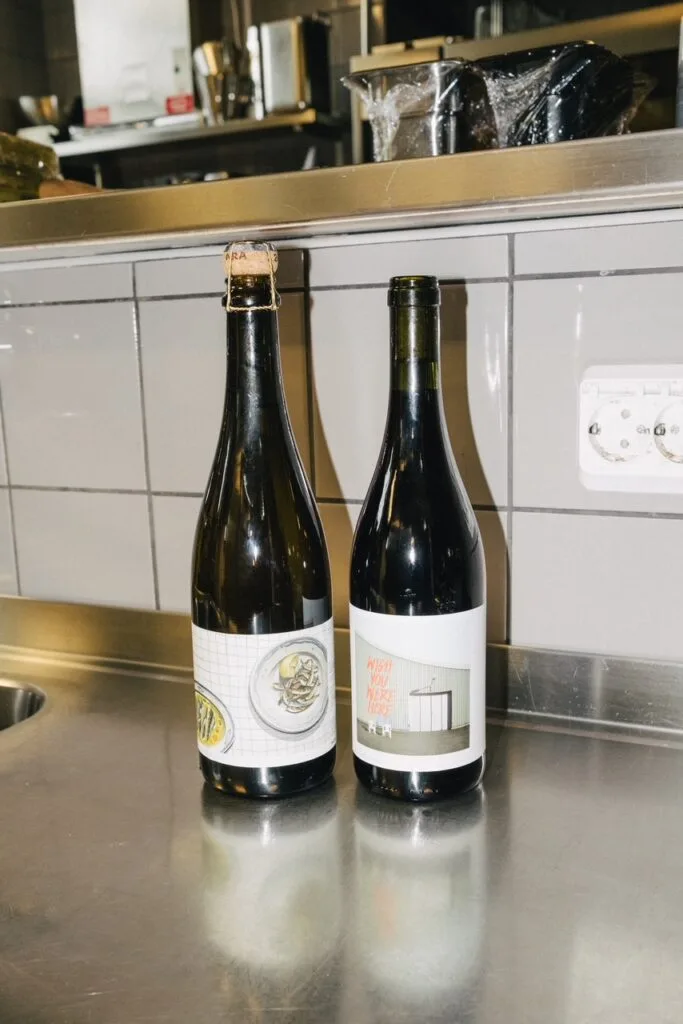
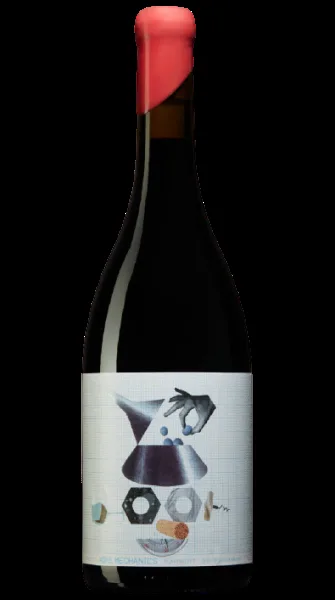
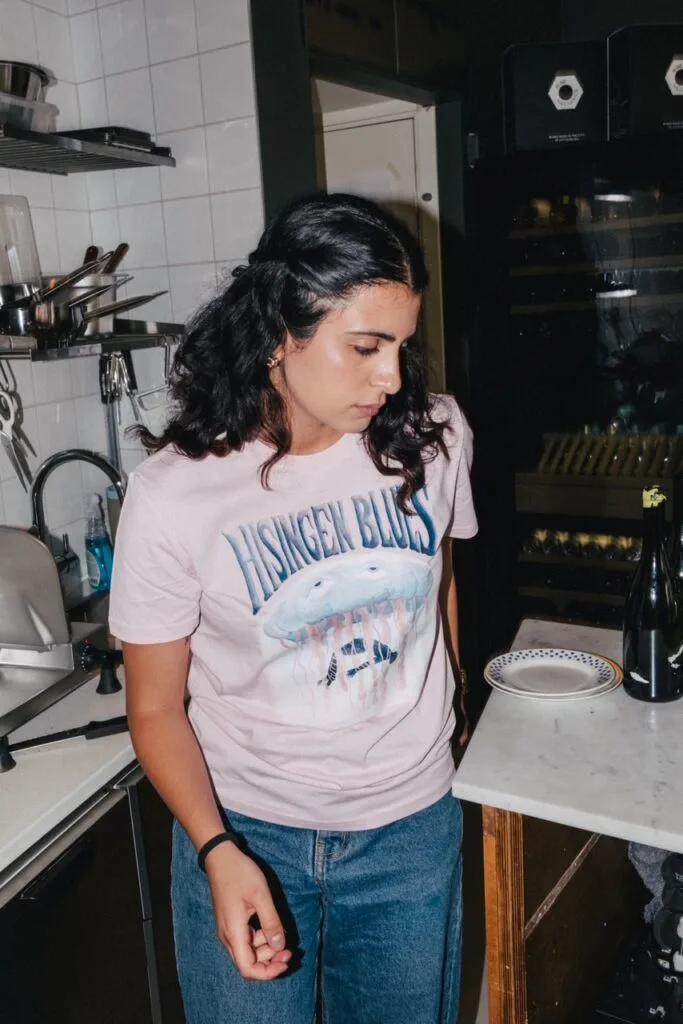
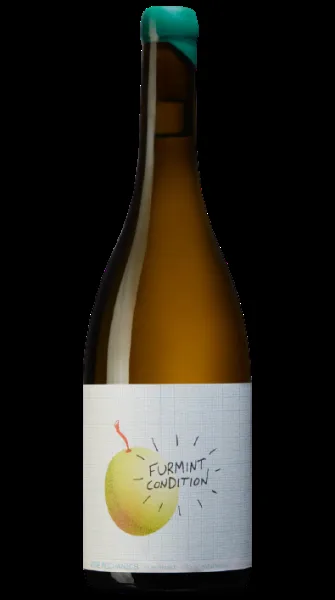
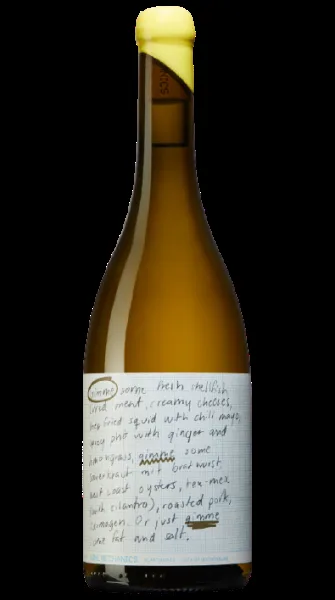
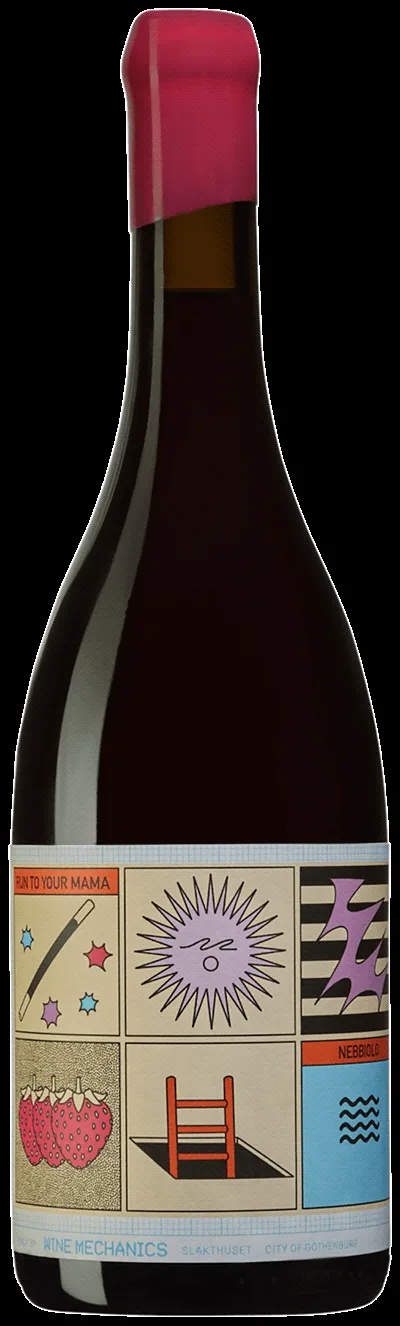
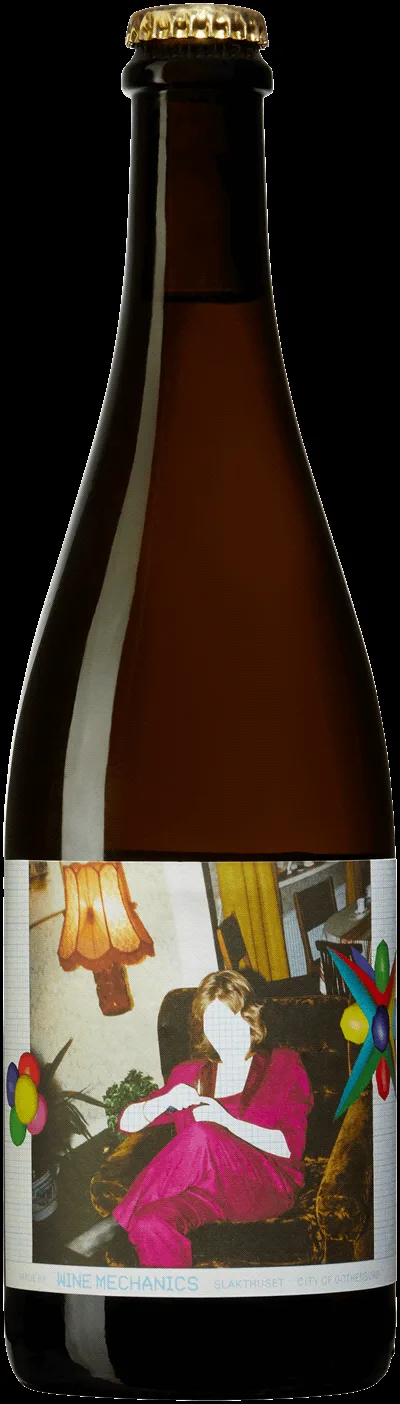
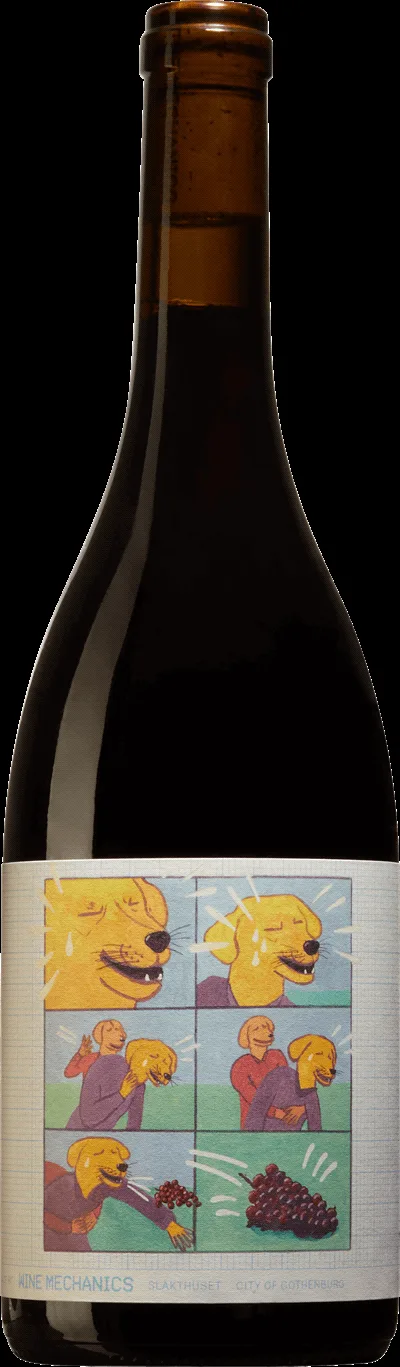
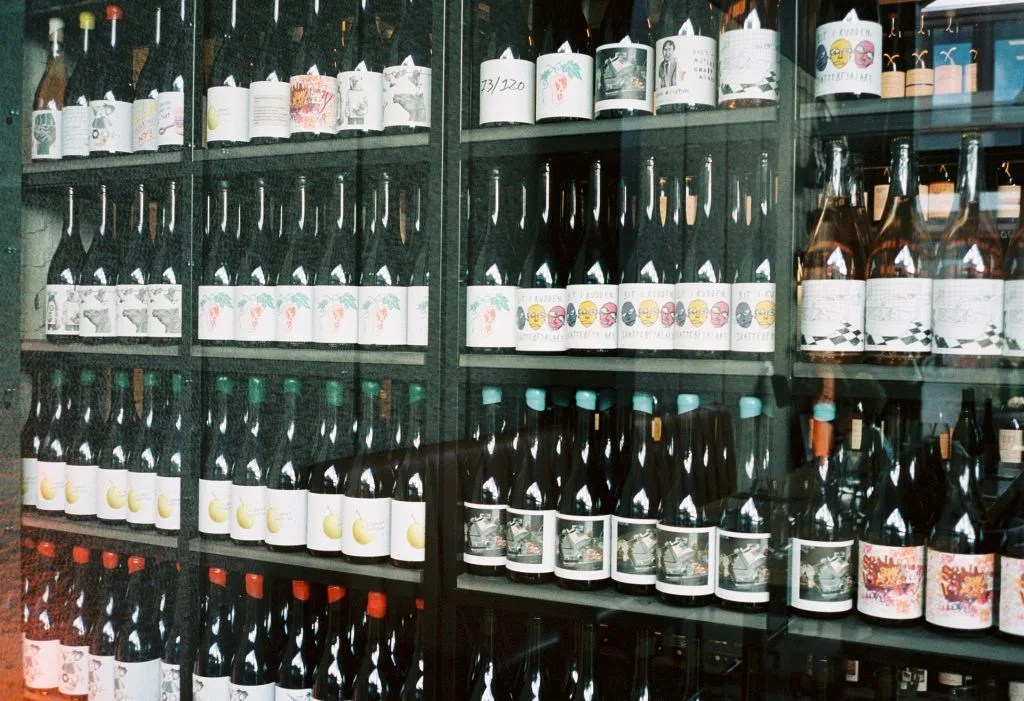
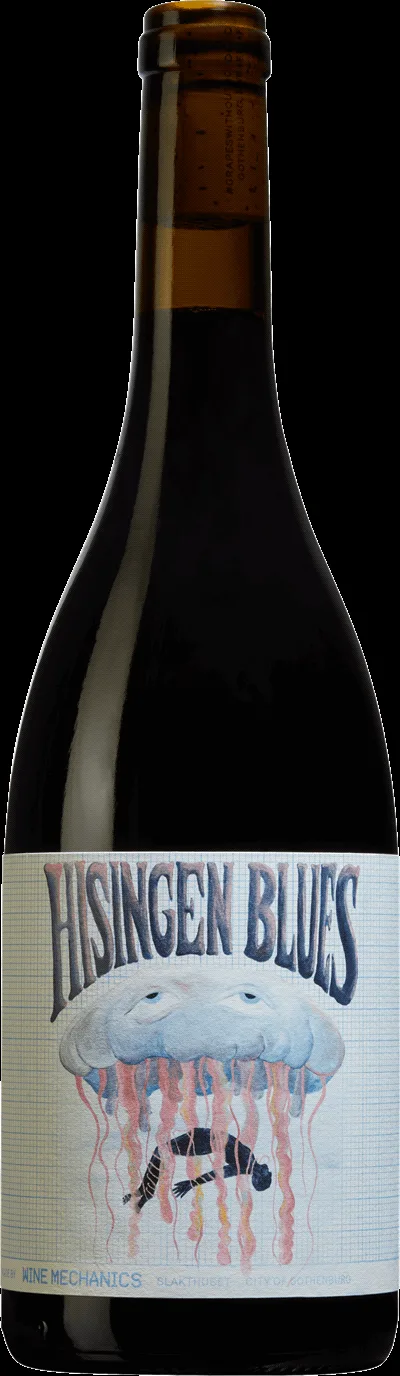
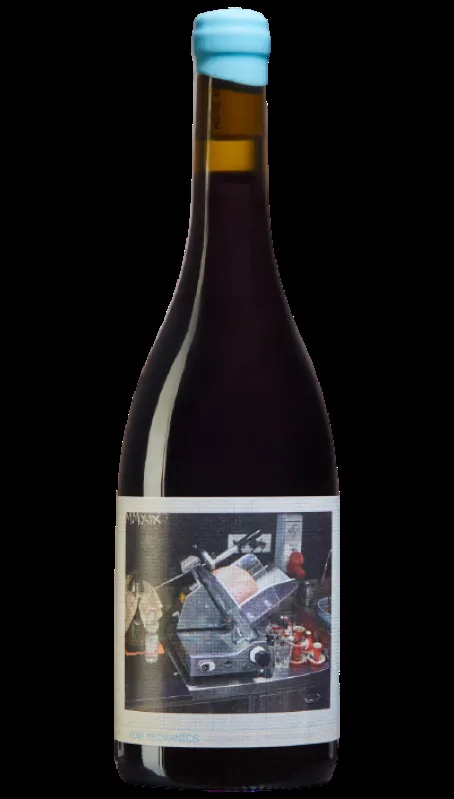
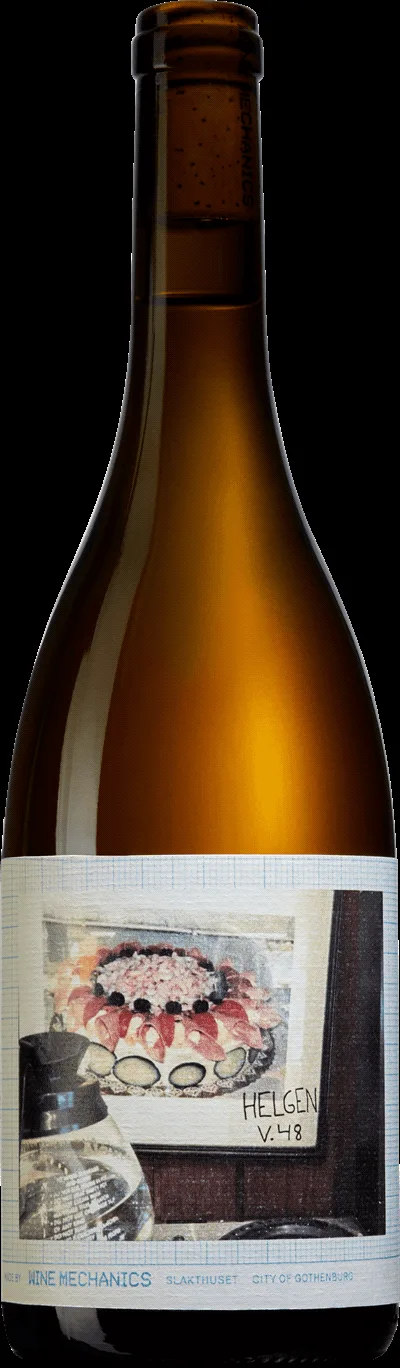
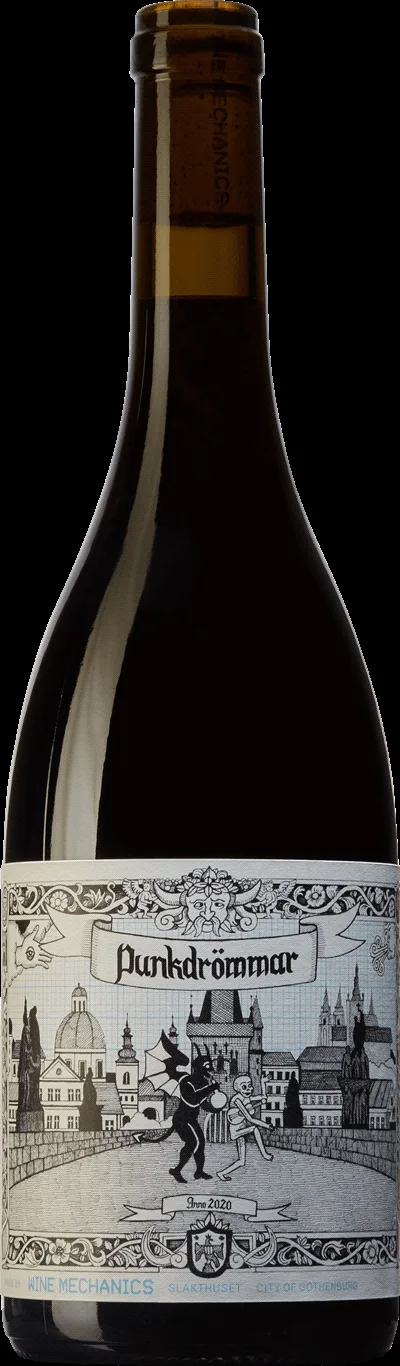
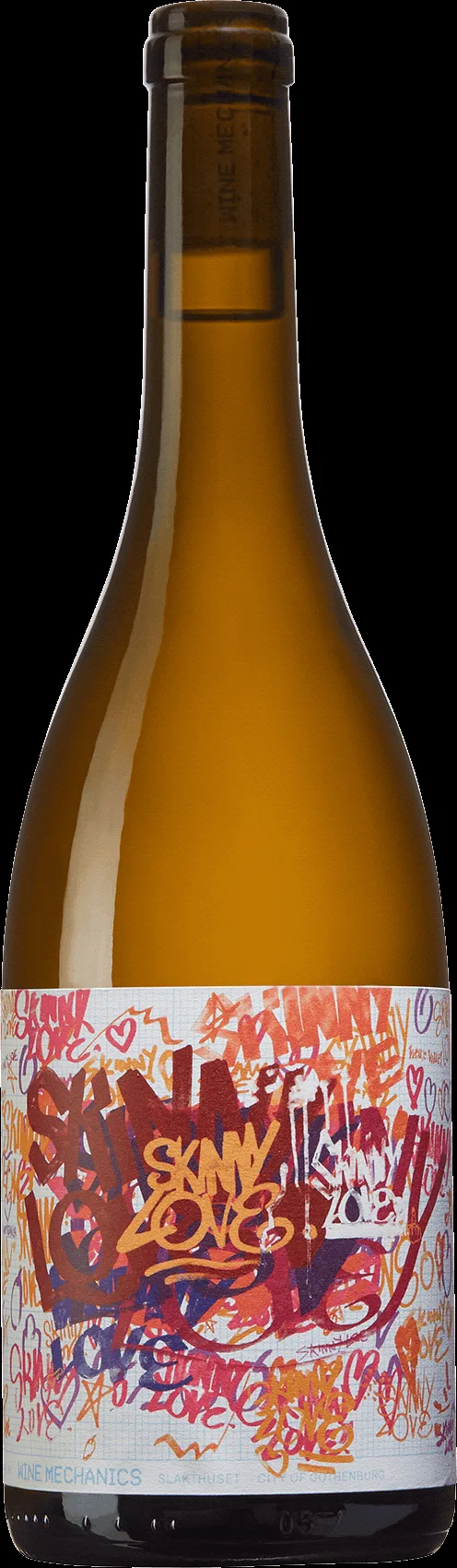
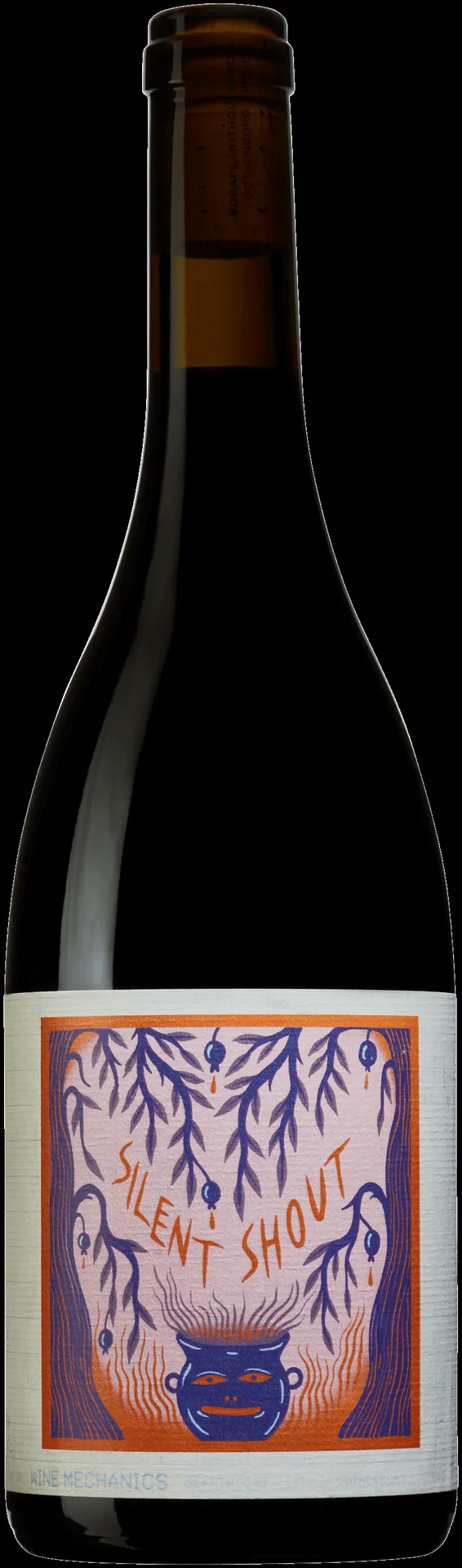
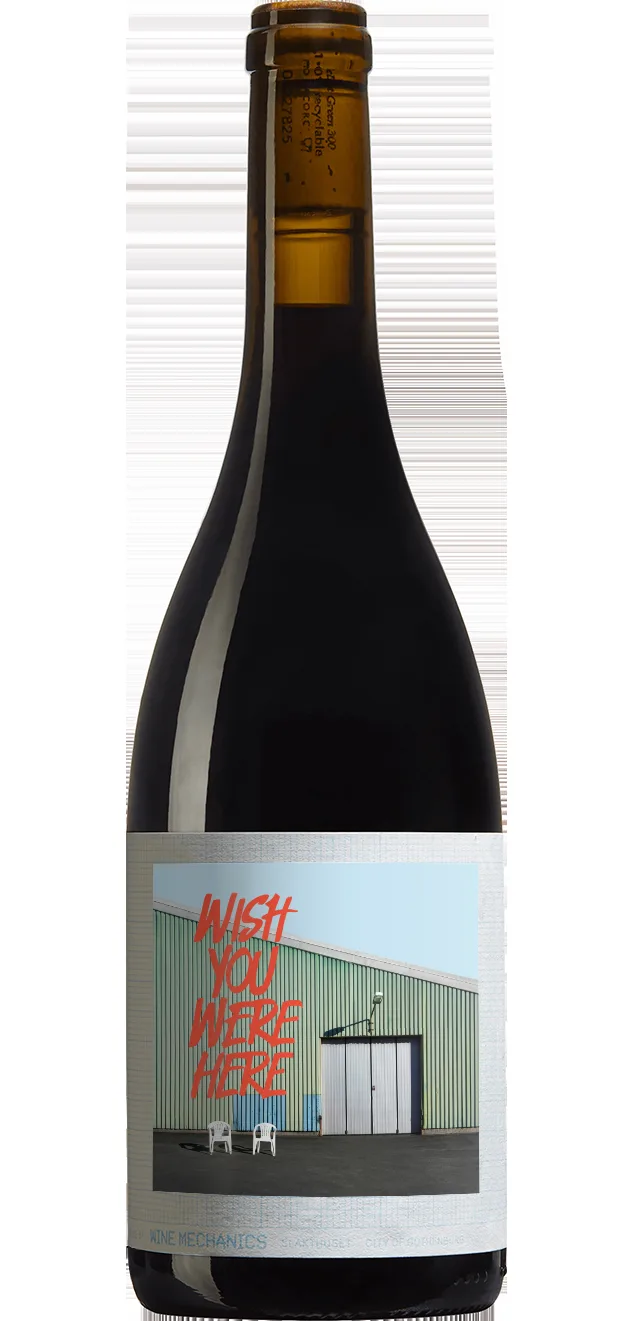
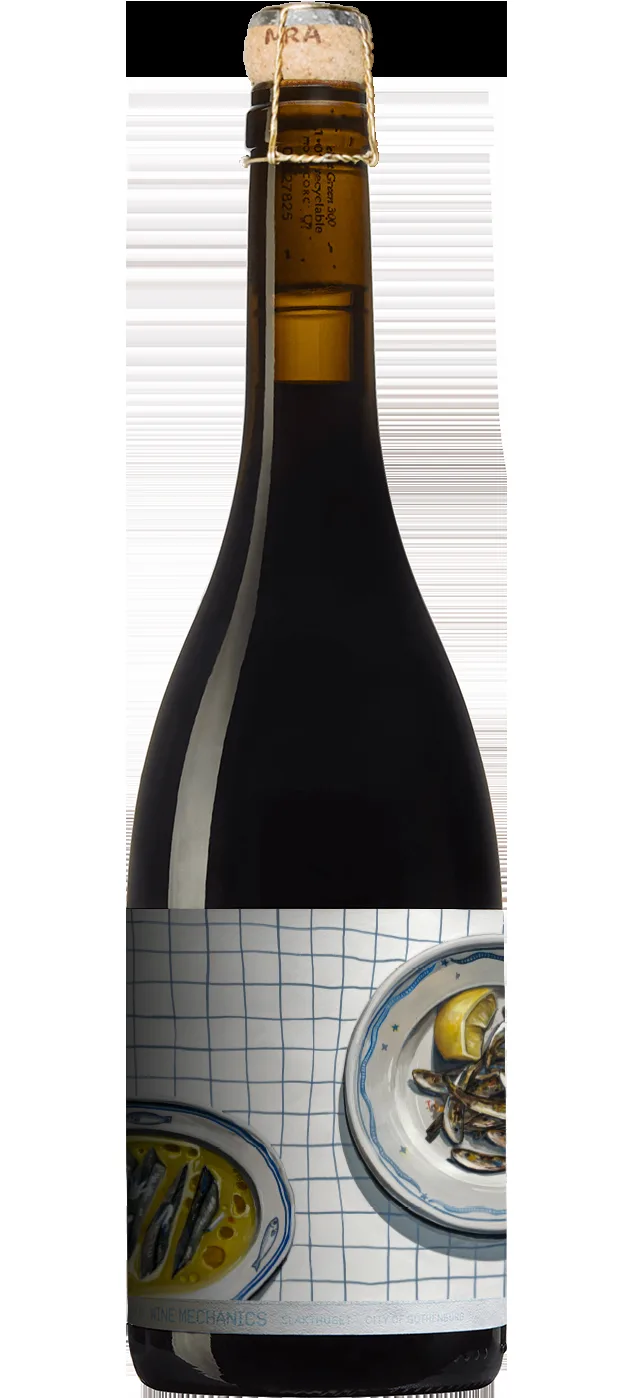
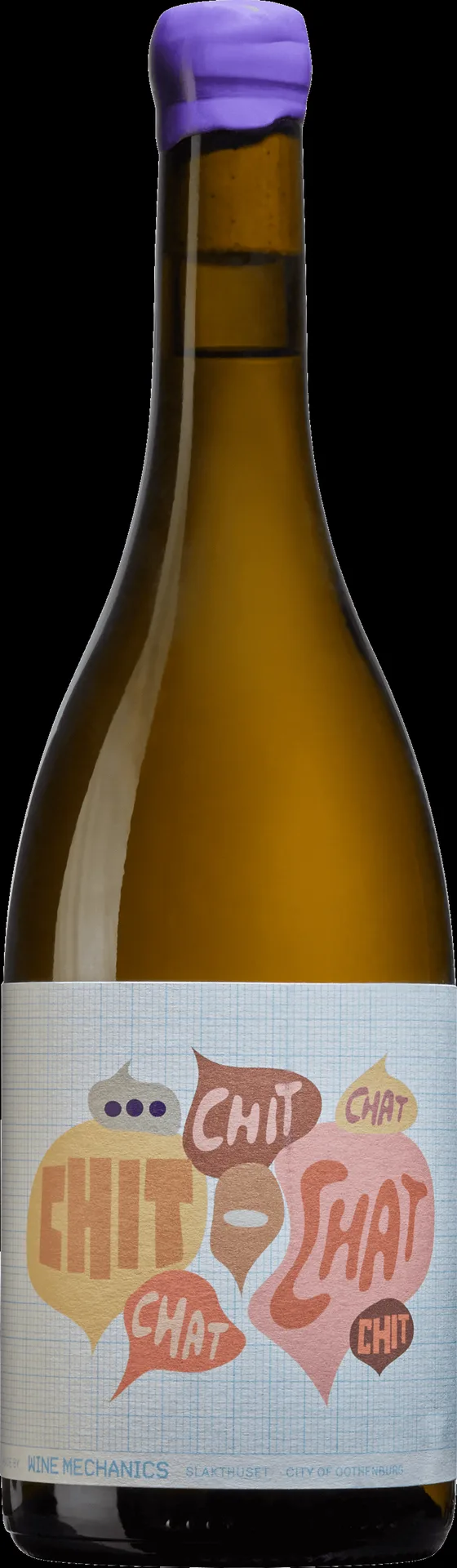
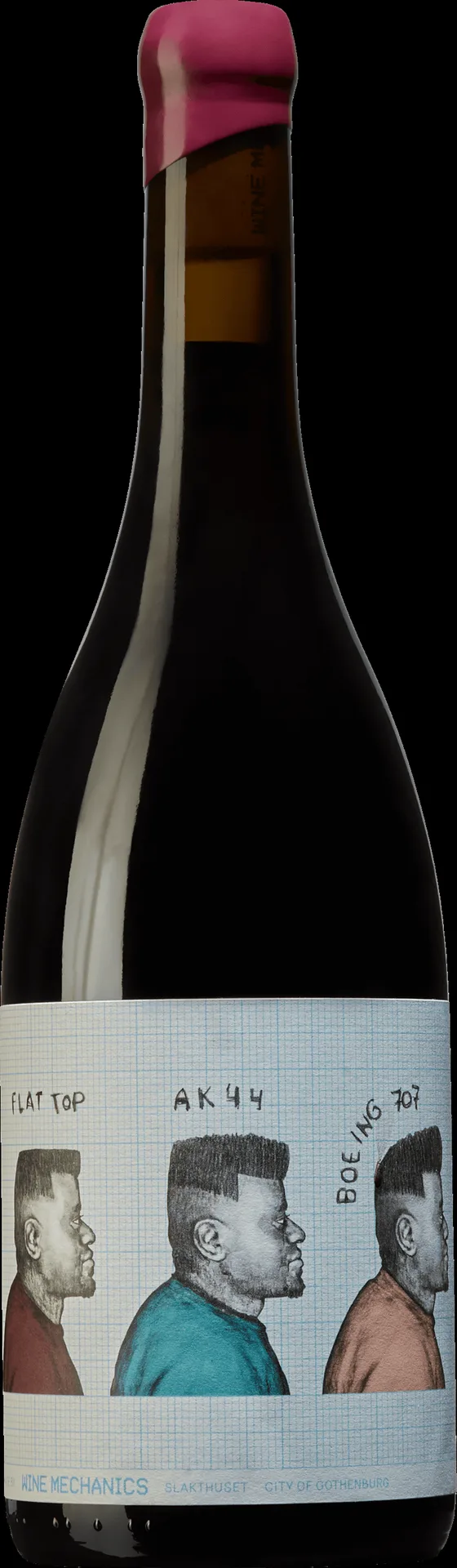
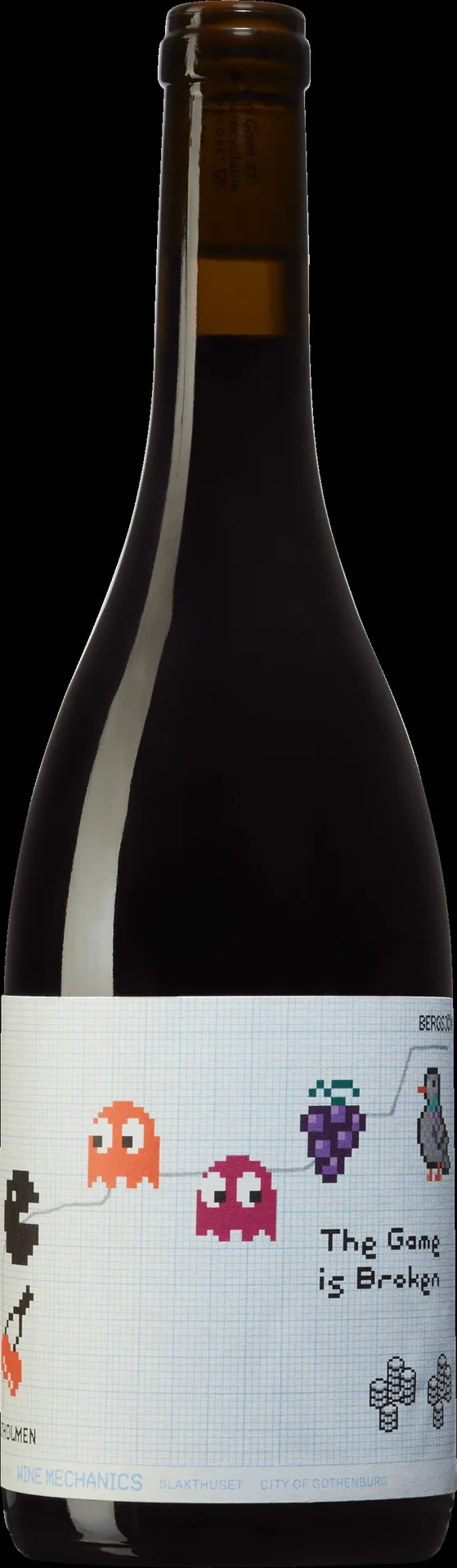
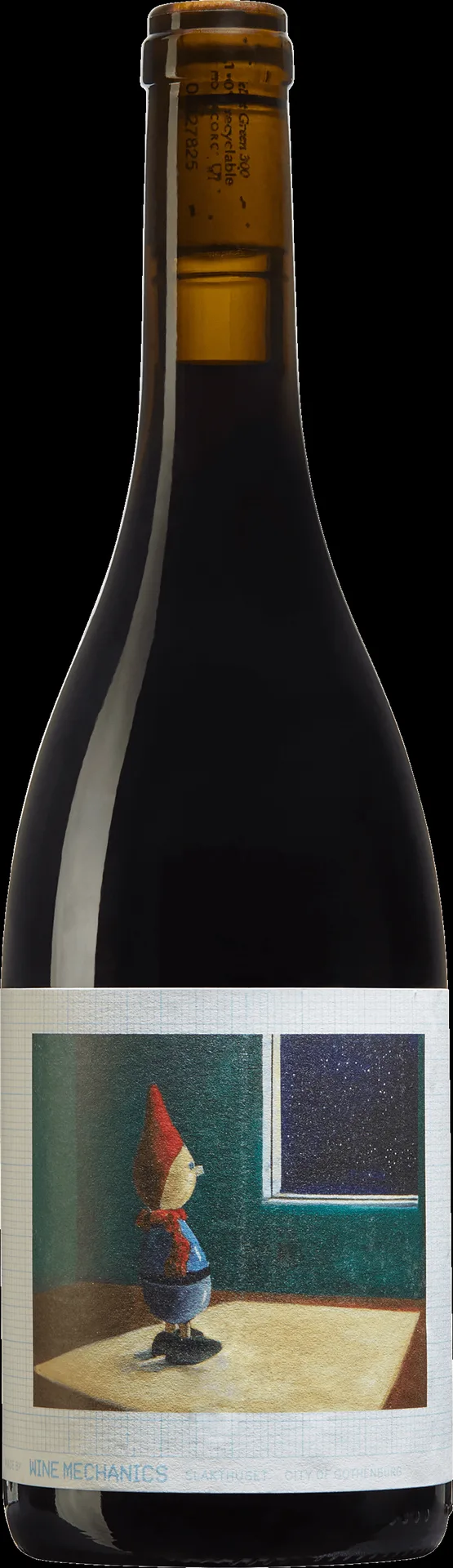
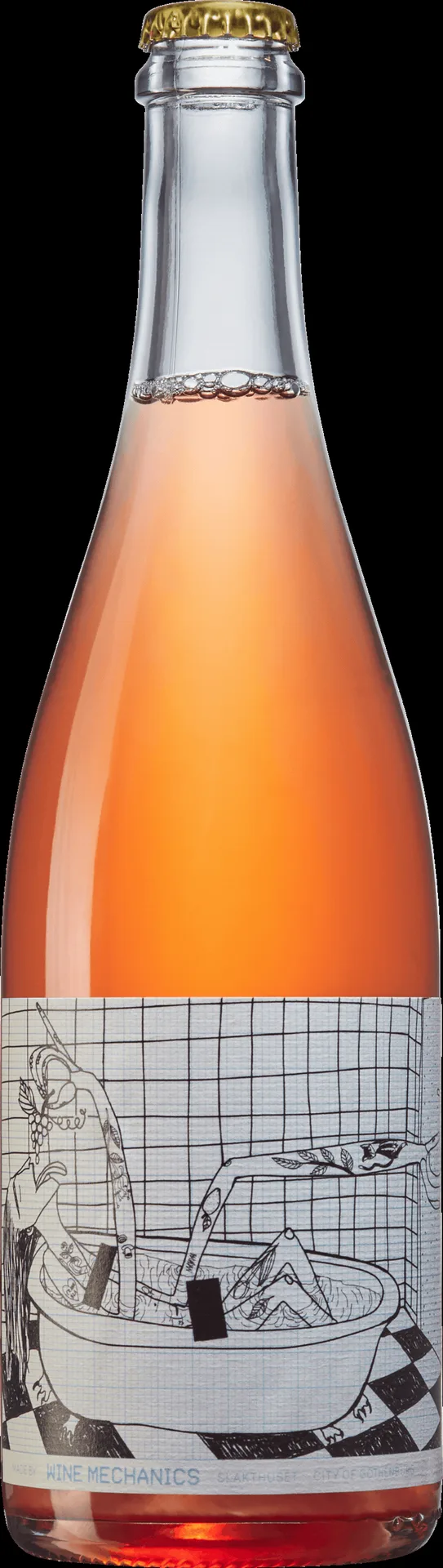
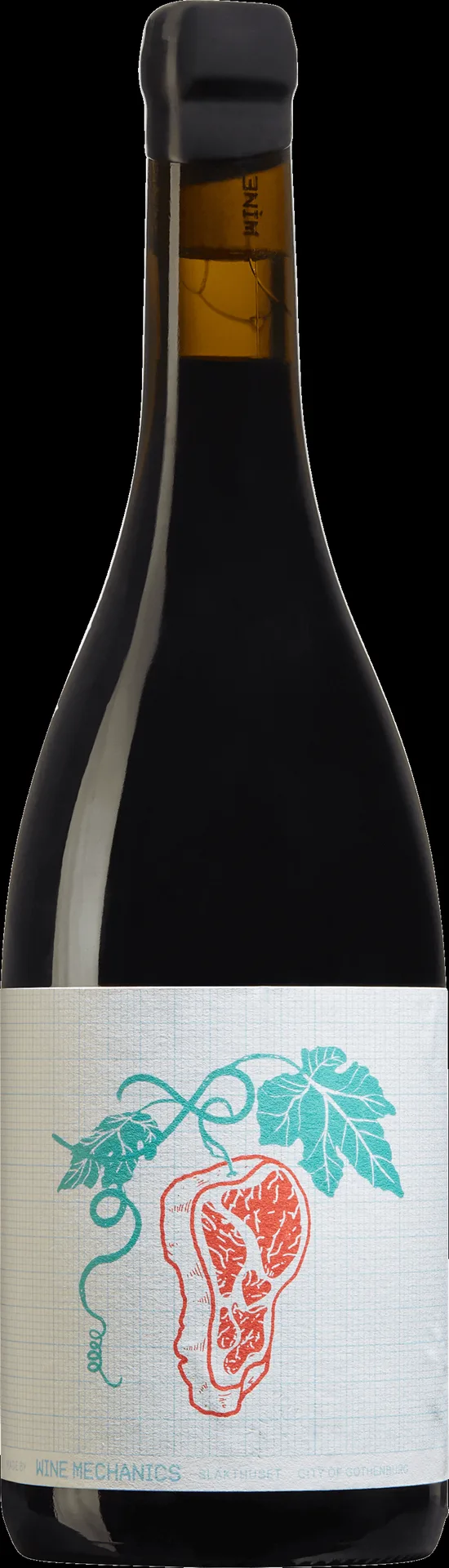
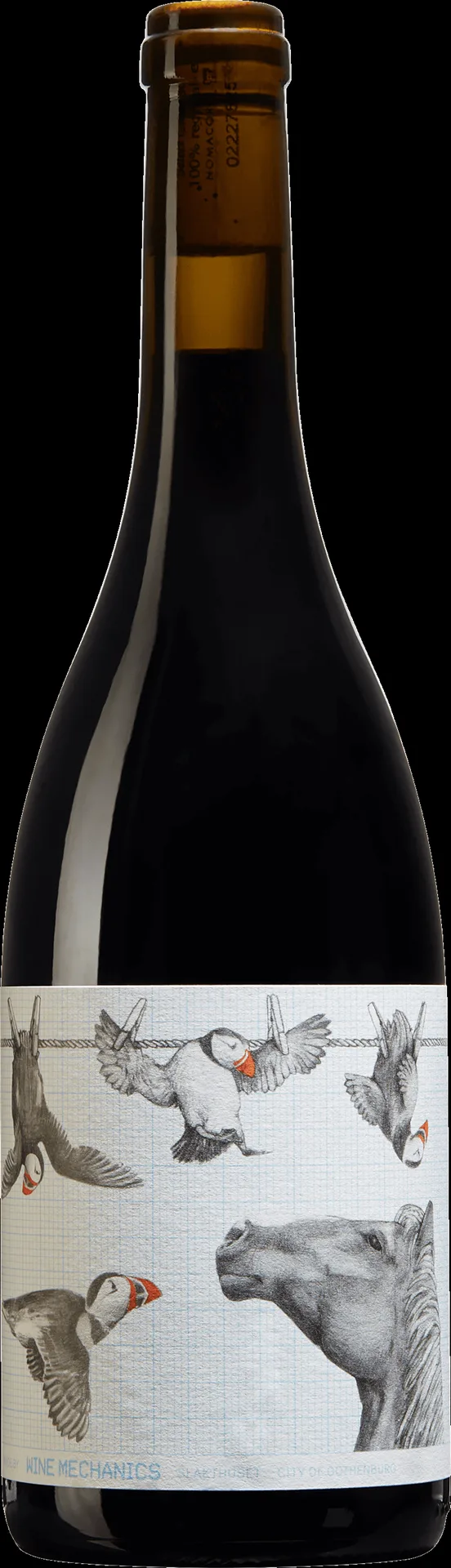
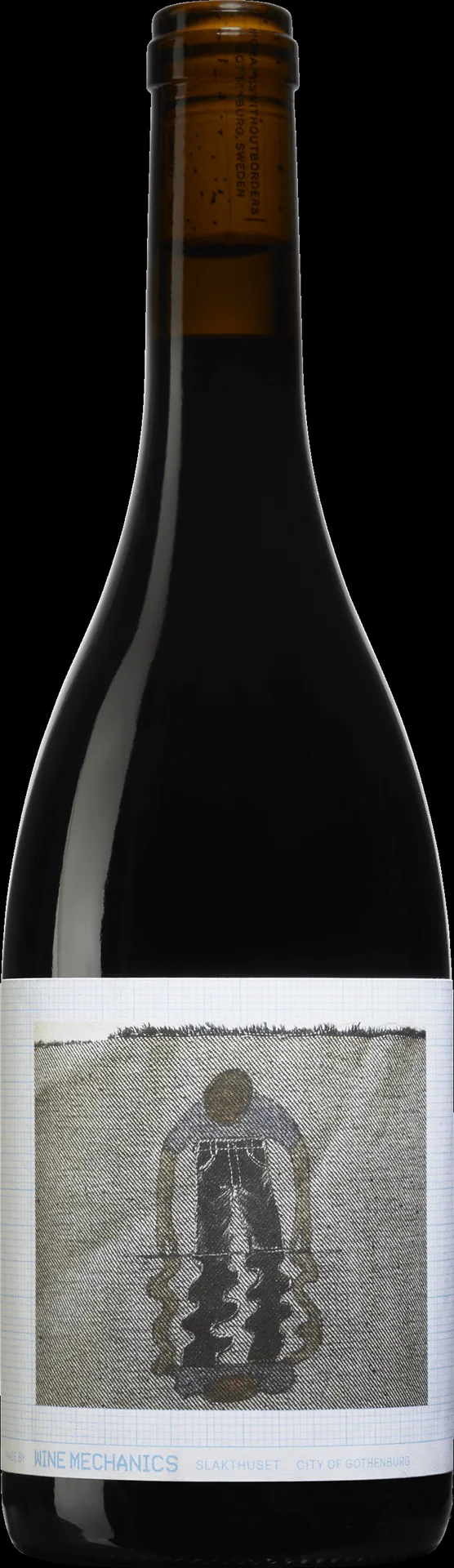
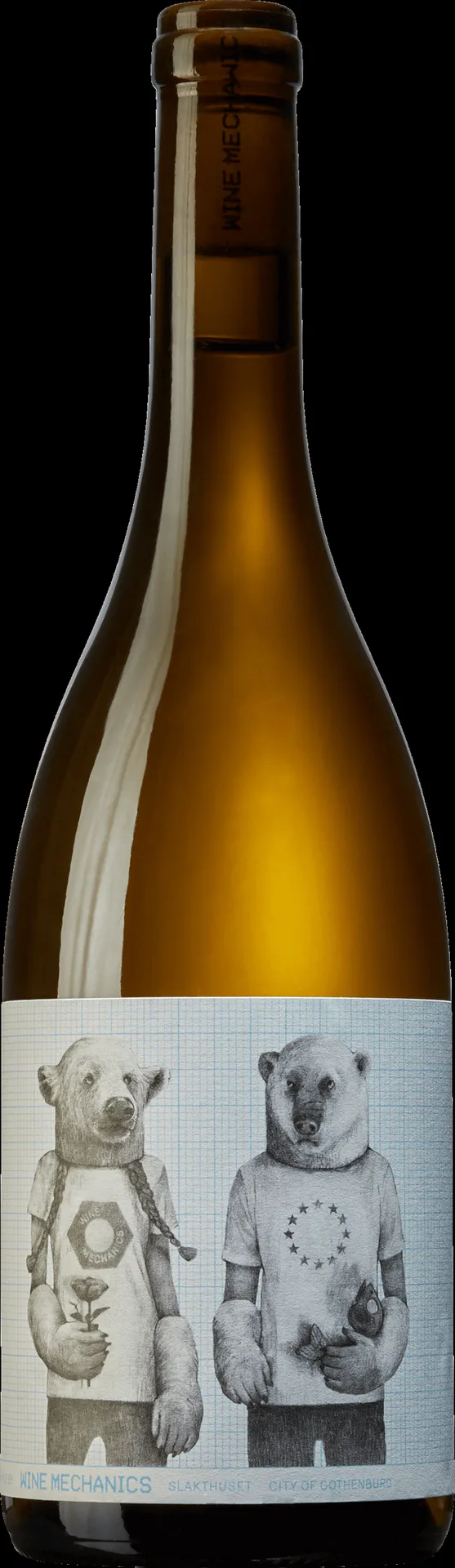
The range carries titles that reflect the place's personality: Gimme Gimme Gimme Riesling, Linje 11 Blaufränkisch, Hisingen Blues, Fistful of Love. The Common People Barbera — inspired equally by endless Piedmontese lunches and the Italian workers who came to Göteborg in the 1950s to work at the nearby SKF factory — was described by wine writer Per Styregård as "among the best reds to come from Wine Mechanics." All wines are organic and vegan, with transparent labelling at every step.
A Living Tavern, Not a Museum
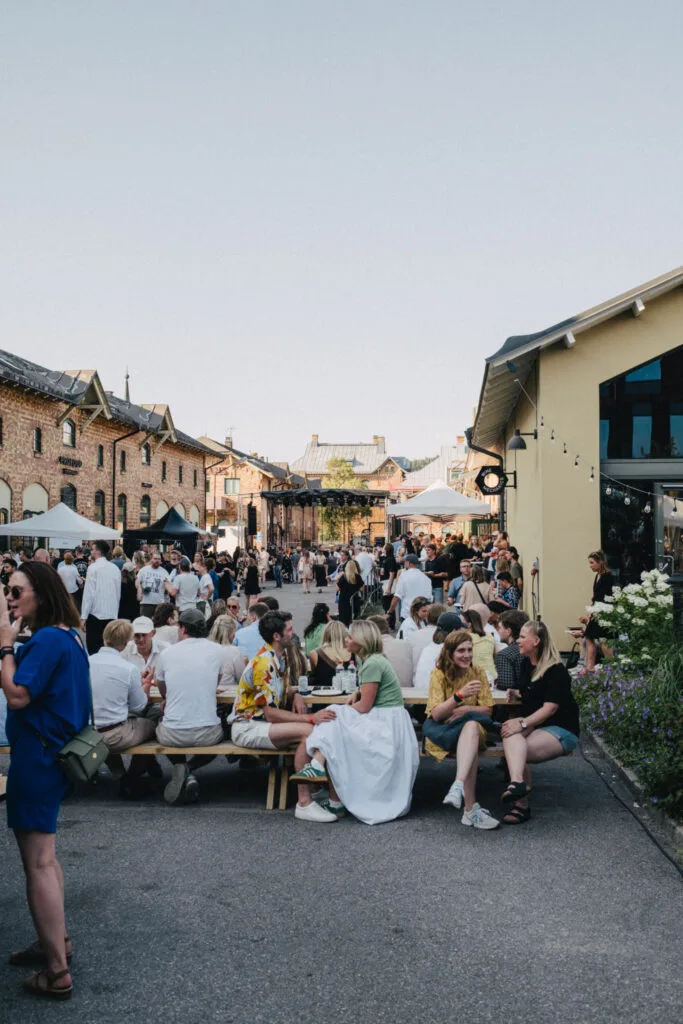
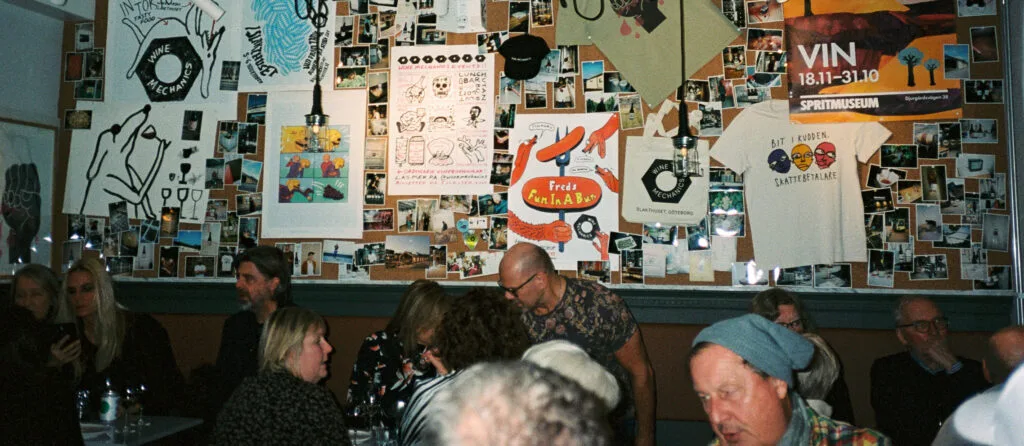
Wine Mechanics today operates as what it calls a "livlig taverna" — a lively tavern — alongside urban wine bar outposts elsewhere in the city. The kitchen produces food designed to sit alongside the wines rather than compete with them. Regular tasting events, a barrel-ownership programme that lets members follow a vintage from grape to bottle, and guided wine trips to Piedmont, Champagne and Provence round out an offer that is as much about education as it is about pleasure — delivered, as the founders put it, "free from snobbery."
Recognition
Awards & accolades
Ambience
A glimpse inside



Location
Find us
Lilla Waterloogatan 1541502,GöteborgGöteborg, Sweden
+46317904300
info@winemechanics.se
Visit website
 Facebook
 Instagram