
The story
Crafted with passion, served with love
A Six-Seat Temple on Stigbergsliden
Hoze occupies a small, dimly lit basement on Stigbergsliden in Gothenburg's Majorna district. Six seats at a counter. No strong alcohol. An omakase menu that changes with the seasons and the market. The format is austere by design, and everything about it is deliberate.
The restaurant calls itself a sushiya, and the cuisine traces a clear line through Edomae practice — the traditional Tokyo-style approach to sushi in which preservation, ageing and precise seasoning are as important as the cut itself. At Hoze, rice is polished in-house to 90%, seasoned with Lio Yozo brand junmai fujisu, sea salt, hon mirin and ma kombu. Decisions about cuts, fat content and timing are made at the counter, in real time, according to how each product responds during handling.
The People Behind the Counter
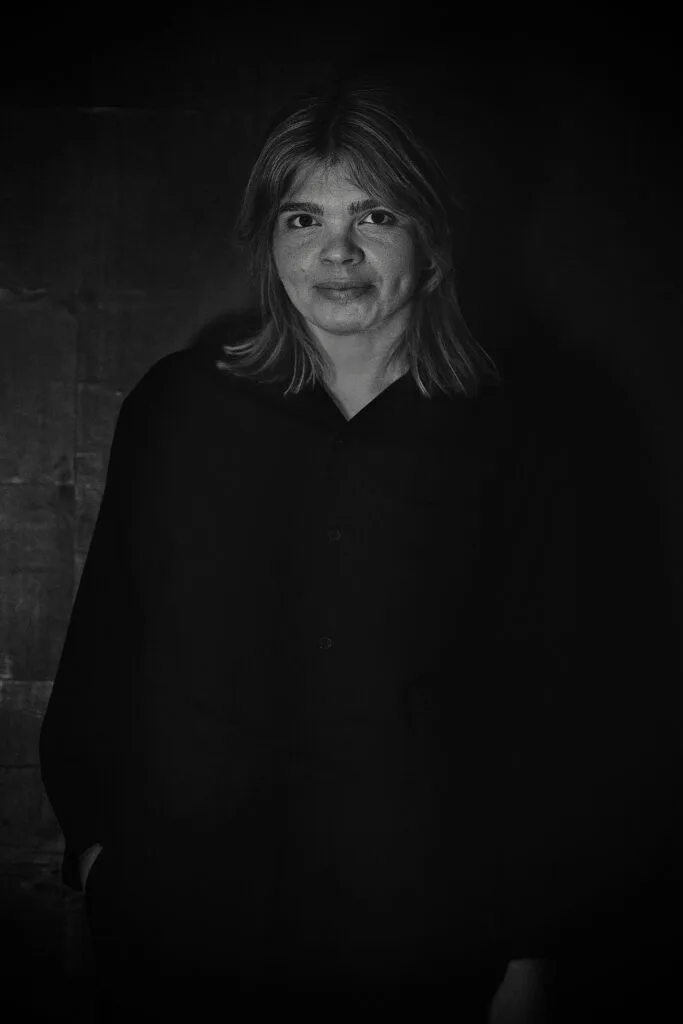
The chef is José Cerda, a self-described ingredient fetishist whose focus on sourcing and technique has earned Hoze recognition at the Masters level from the White Guide — one of Scandinavia's most demanding culinary assessments. The White Guide's own account describes a horse mussel from the Faroe Islands steamed on the half-shell and tasting of brown crab and sea urchin; a bluefin tuna fillet tenderised for three weeks; aged crimson glass shrimps from Smögen grilled briefly enough to still feel raw. Each of the twenty-odd pieces served from José's hand described as a miniature wonder.
His father Gabriel runs the front of house. Warm, unhurried and genuinely charming, he takes your coat, pulls out your chair and pours your water. The absence of alcohol is intentional — with only six guests per sitting, the focus stays entirely on the food and the people eating it.
The Experience
The omakase at Hoze follows a structured arc: six otsumami to open, a shari introduction explaining the rice preparation, ten to eleven seasonal sushi morsels, a misoshiru interlude, tamago, tea and dessert. The restaurant names these stages Prelude, Crescendo, Interlude and Conclusion — language that suits the theatre of it. Guests sit in a row facing the lit kitchen, watching craft executed without commentary.
The menu is pescatarian. Dietary restrictions involving soy, and vegan or vegetarian requirements, cannot be accommodated. An optional mindful pairing at 550 SEK per person is available alongside the seasonal omakase, priced at 2,650 SEK.
Behind the main dining room, a separate space called Himitsu offers a tea counter with a seasonal introduction course and an à la carte menu of brews, savoury dishes and sweets — a quieter extension of the same philosophy.
This is sushi taken seriously, in a city that should be proud to have it.
Recognition