
The story
Crafted with passion, served with love
A Name Rooted in Ancient History
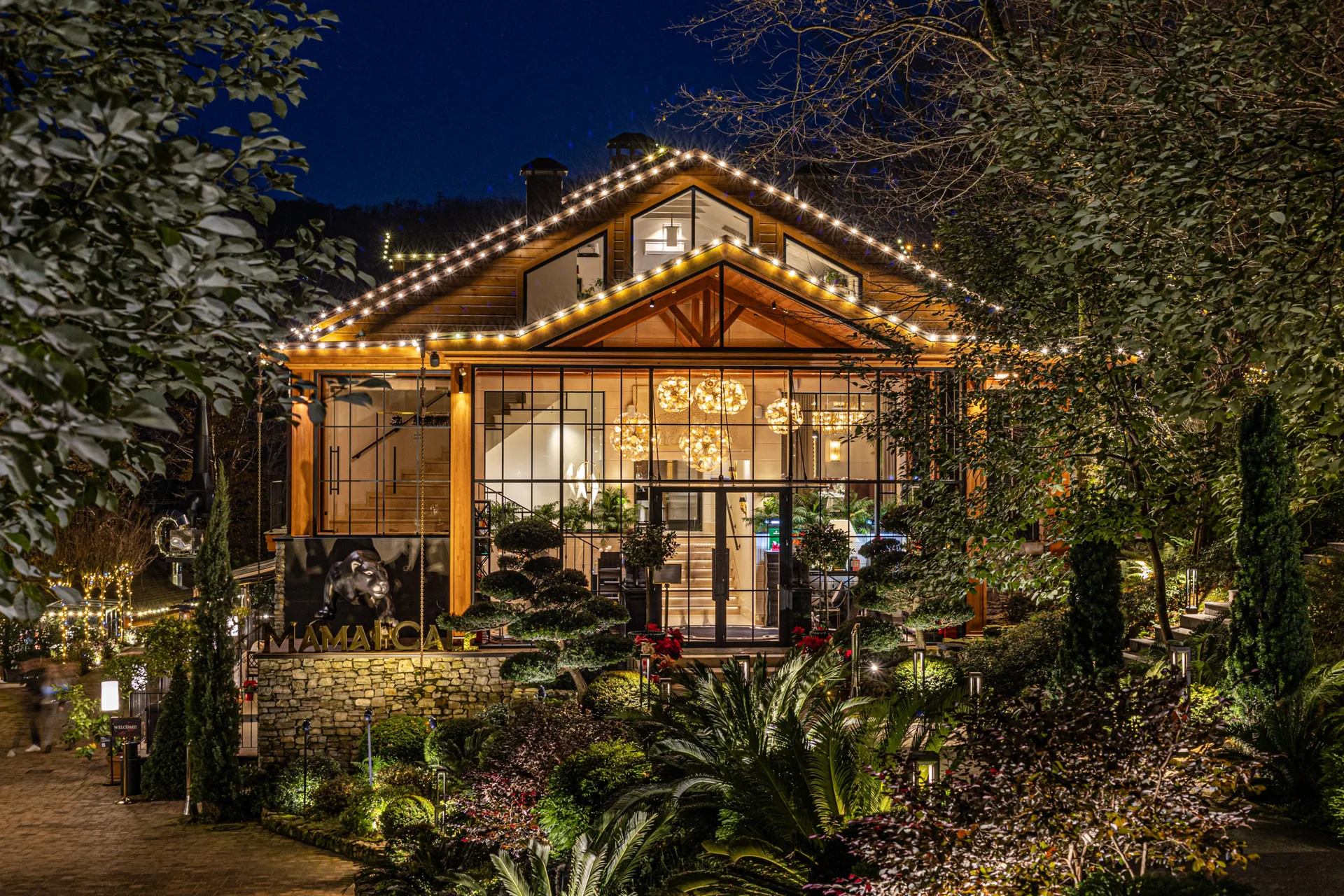
The name Mamai-Calé carries centuries of weight. Long before the restaurant existed, the area at the mouth of the Psakhe River was home to a Greek settlement, then a Roman fortress called Mokhora. That stronghold passed through many hands — rebuilt, renamed, and repurposed — until the Ottoman era, when it became known as Mamai-Kale: the city, or fortress, of Mamai. The word itself remains disputed: some trace it to the Shapsug mémey, meaning "Greek" or "Byzantine"; others point to Turkic roots linking it to ancient burial mounds and ritual landmarks. Historians note it even appeared on Genoese navigators' maps under the name Cuba. The ruins were destroyed in the early 20th century during railway construction, leaving only a small stretch of wall and a tower — and, eventually, a restaurant that carries the memory forward.
Forest, Terraces, and a Wine Cellar of Serious Depth
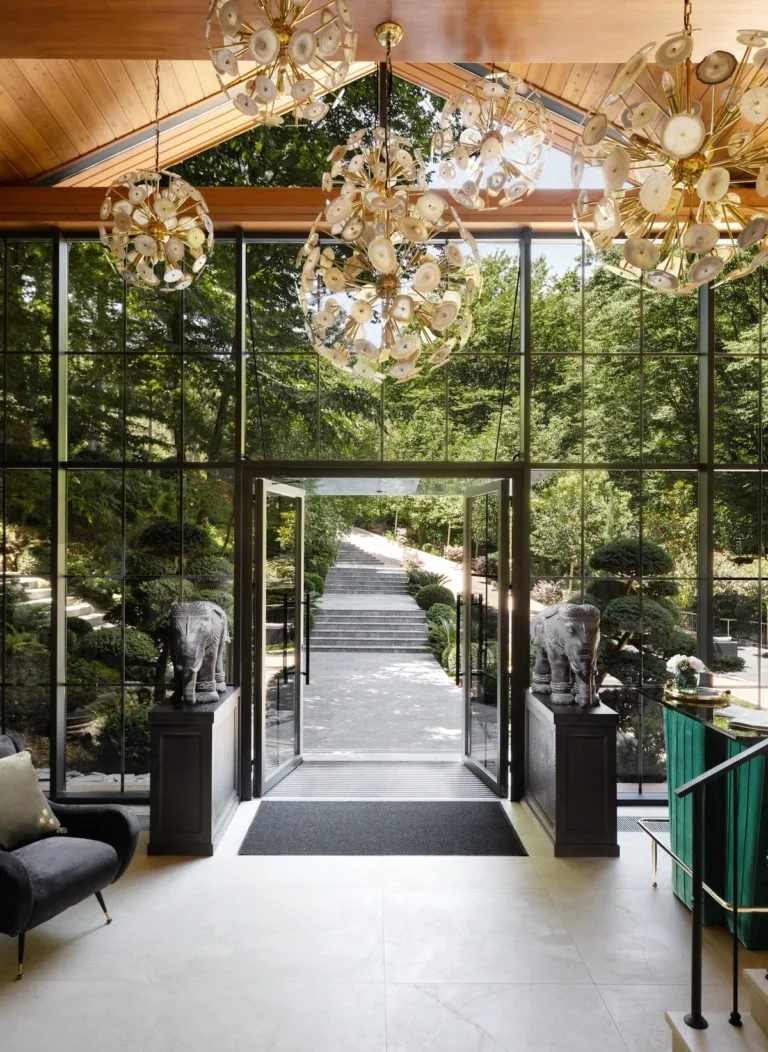
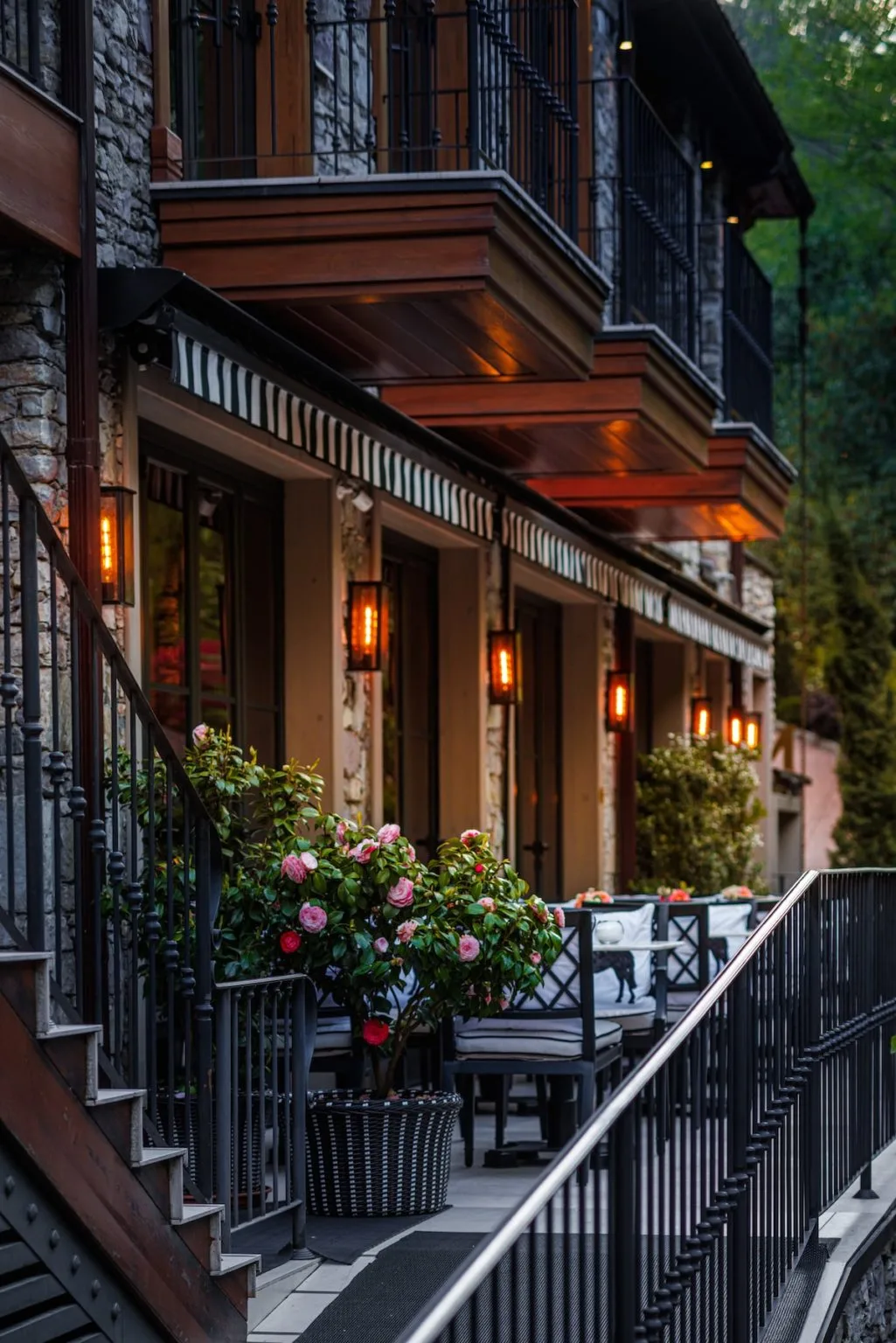
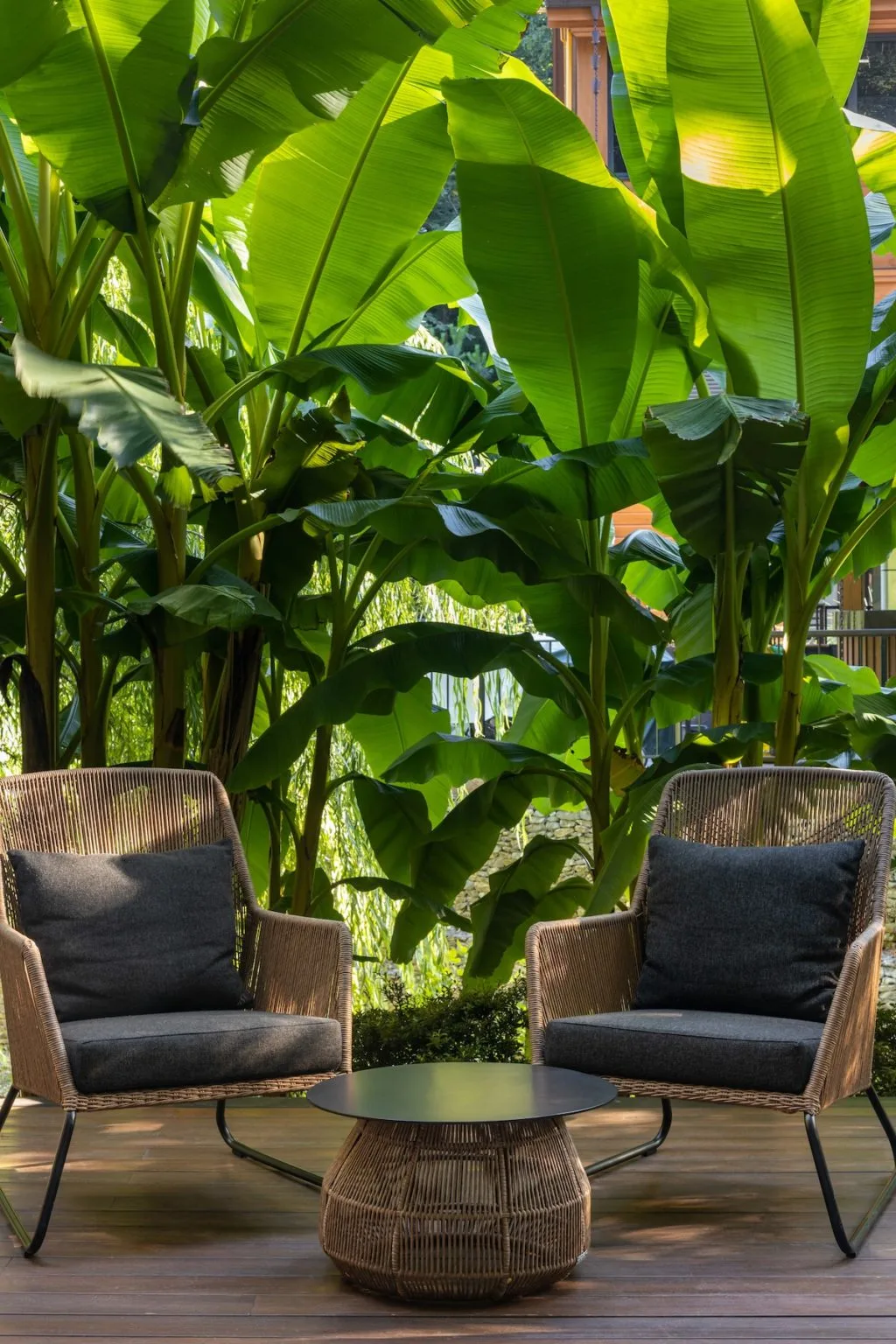
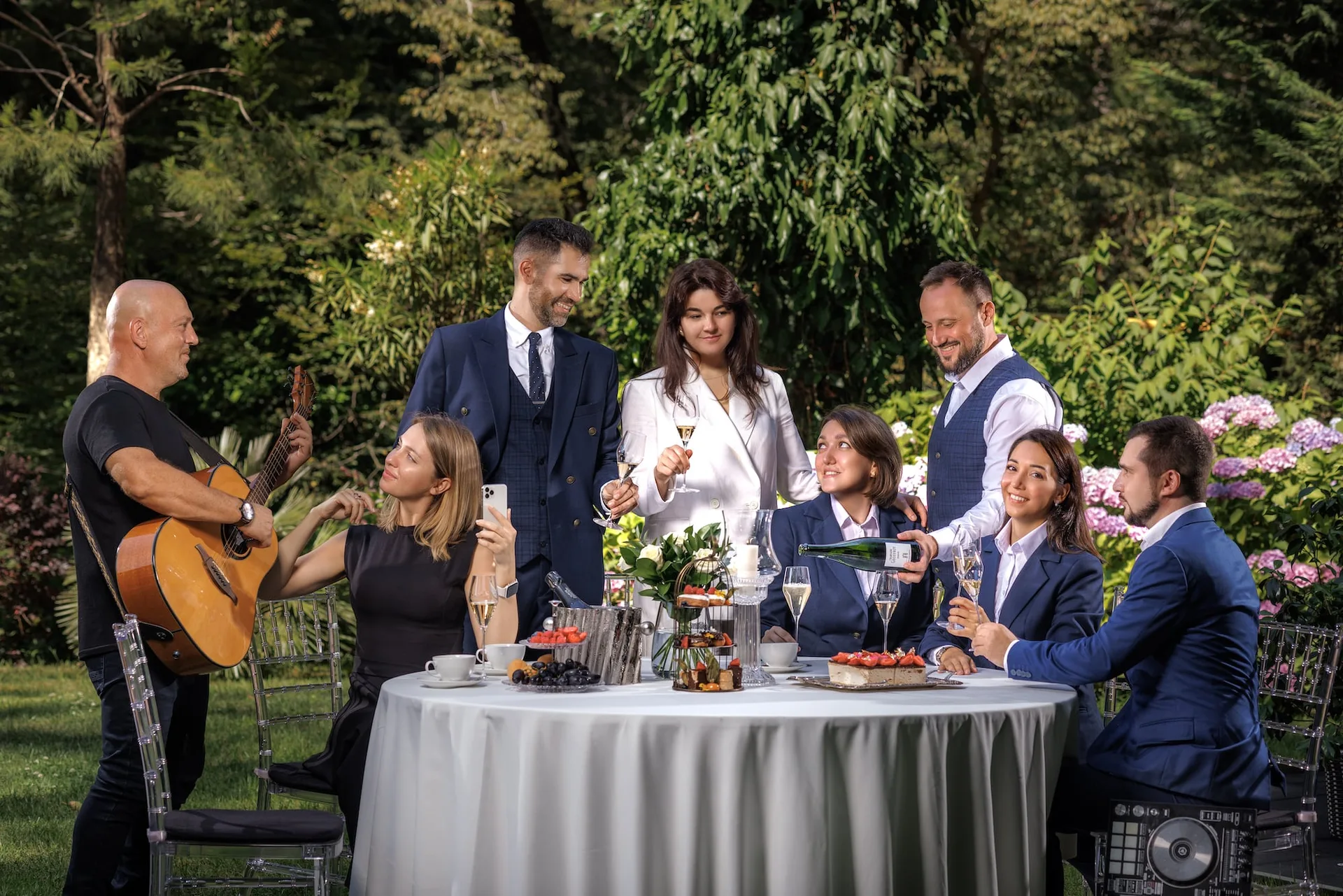
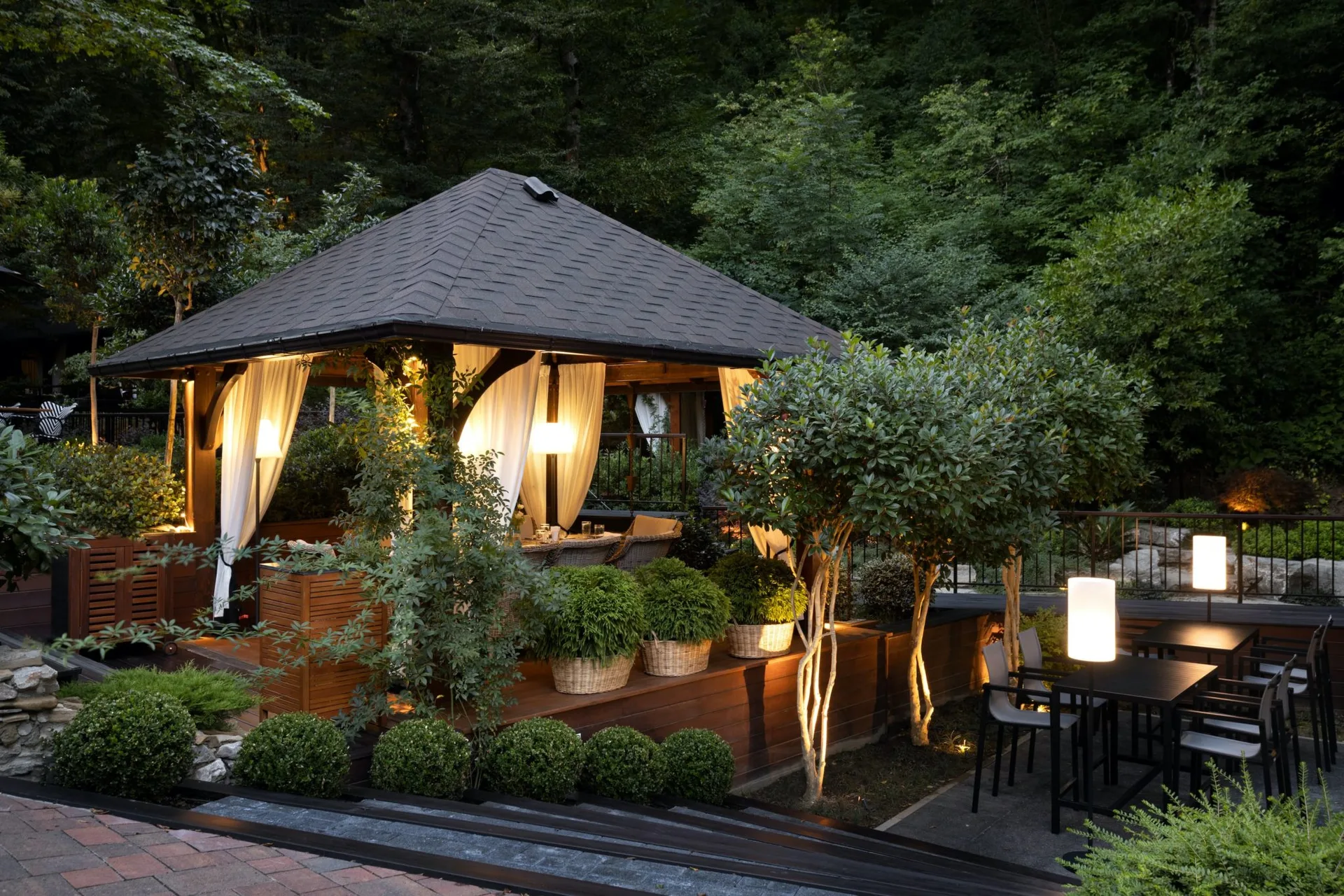
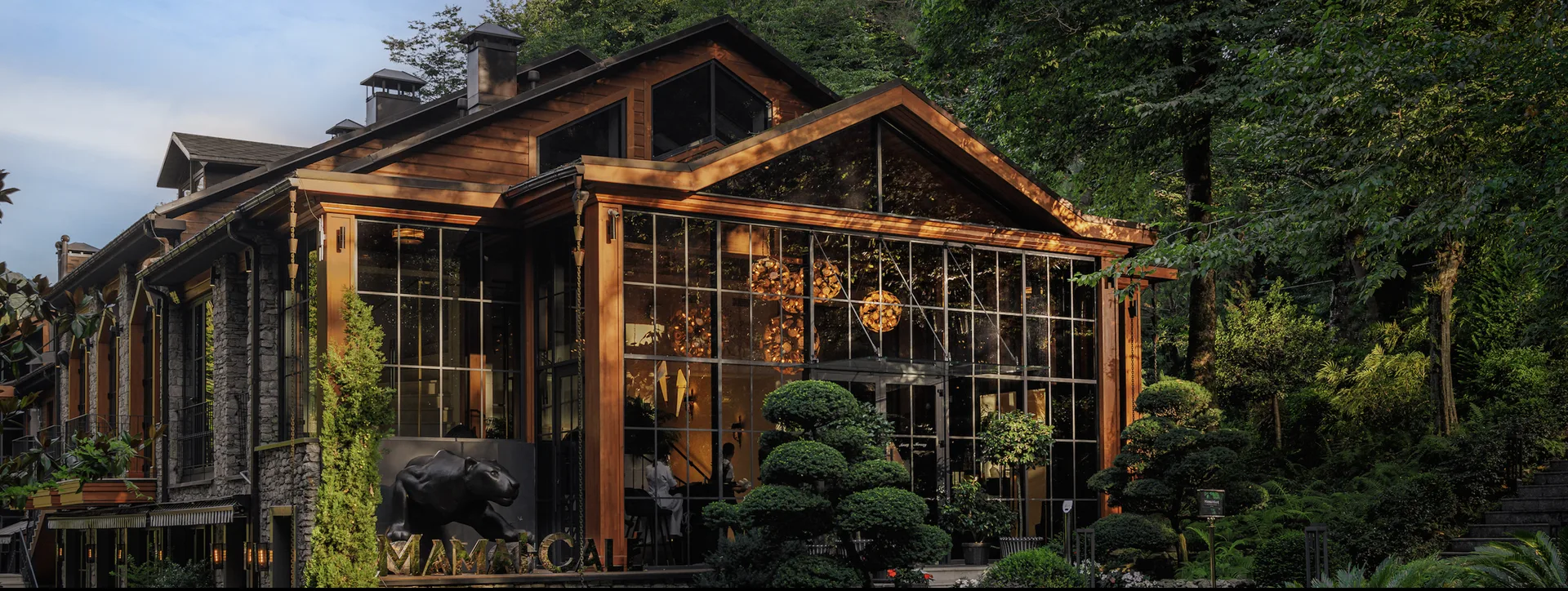
Set within the Sochi National Park, Mamai-Calé is built around the idea that a meal should fill an entire day. Guests arrive for the freshwater pool and the shade of the trees, stay through lunch for oysters and sea urchins, and linger into the evening on the open terraces with a glass of wine and live music. An open-air vernissage displays sculpture and painting across the grounds; on weekend evenings, an outdoor cinema screens Woody Allen films and black-and-white classics, blankets and mulled wine included.
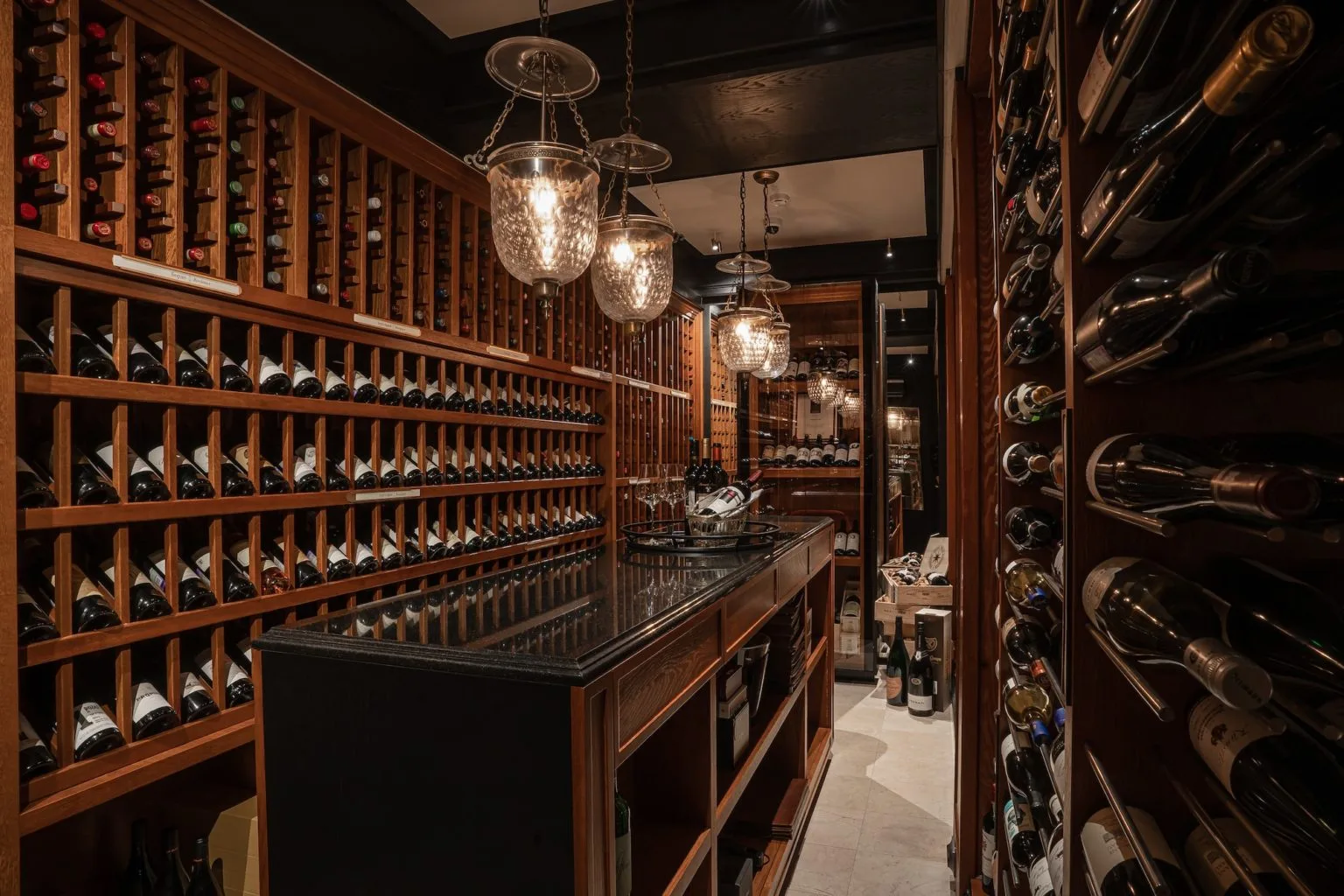
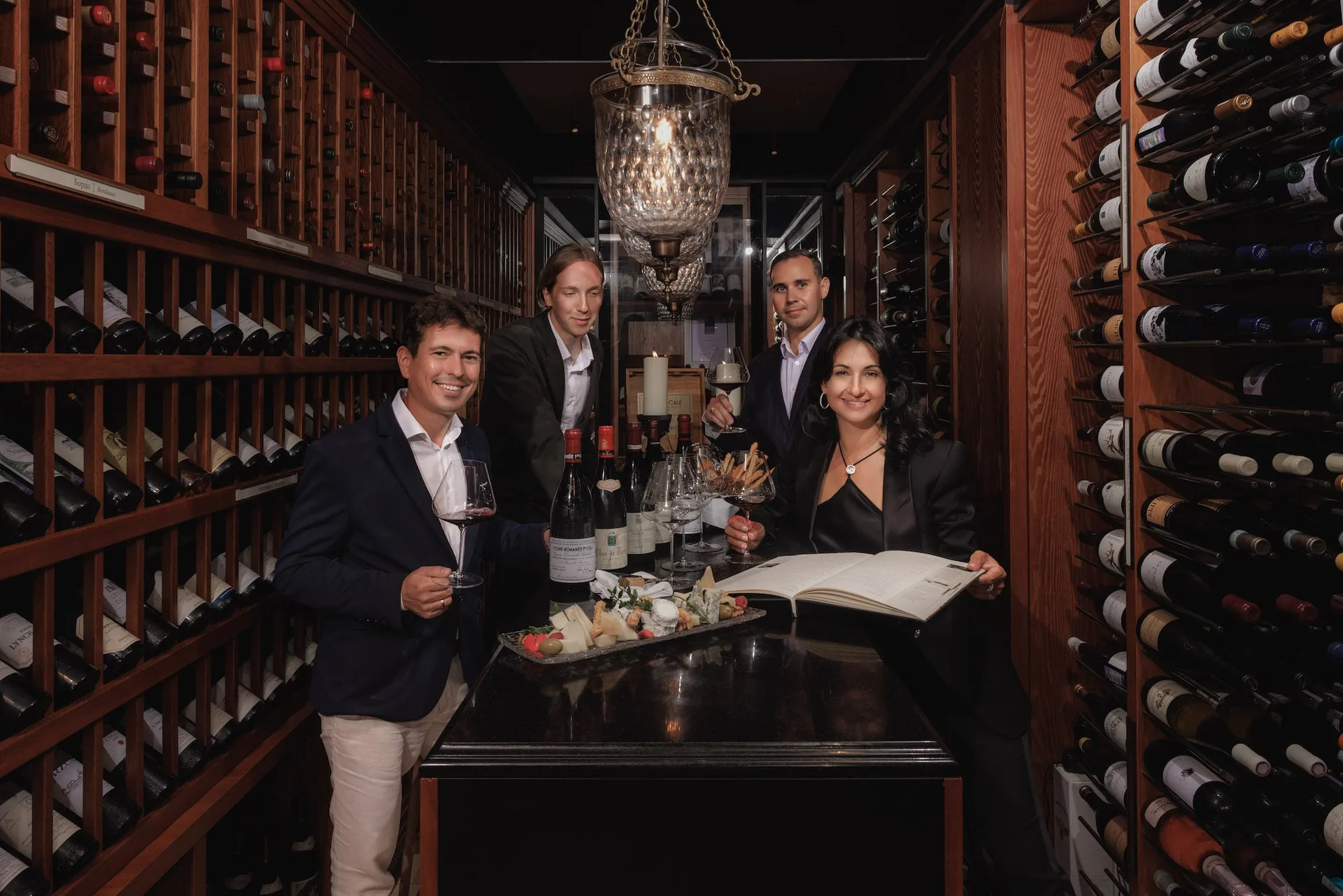
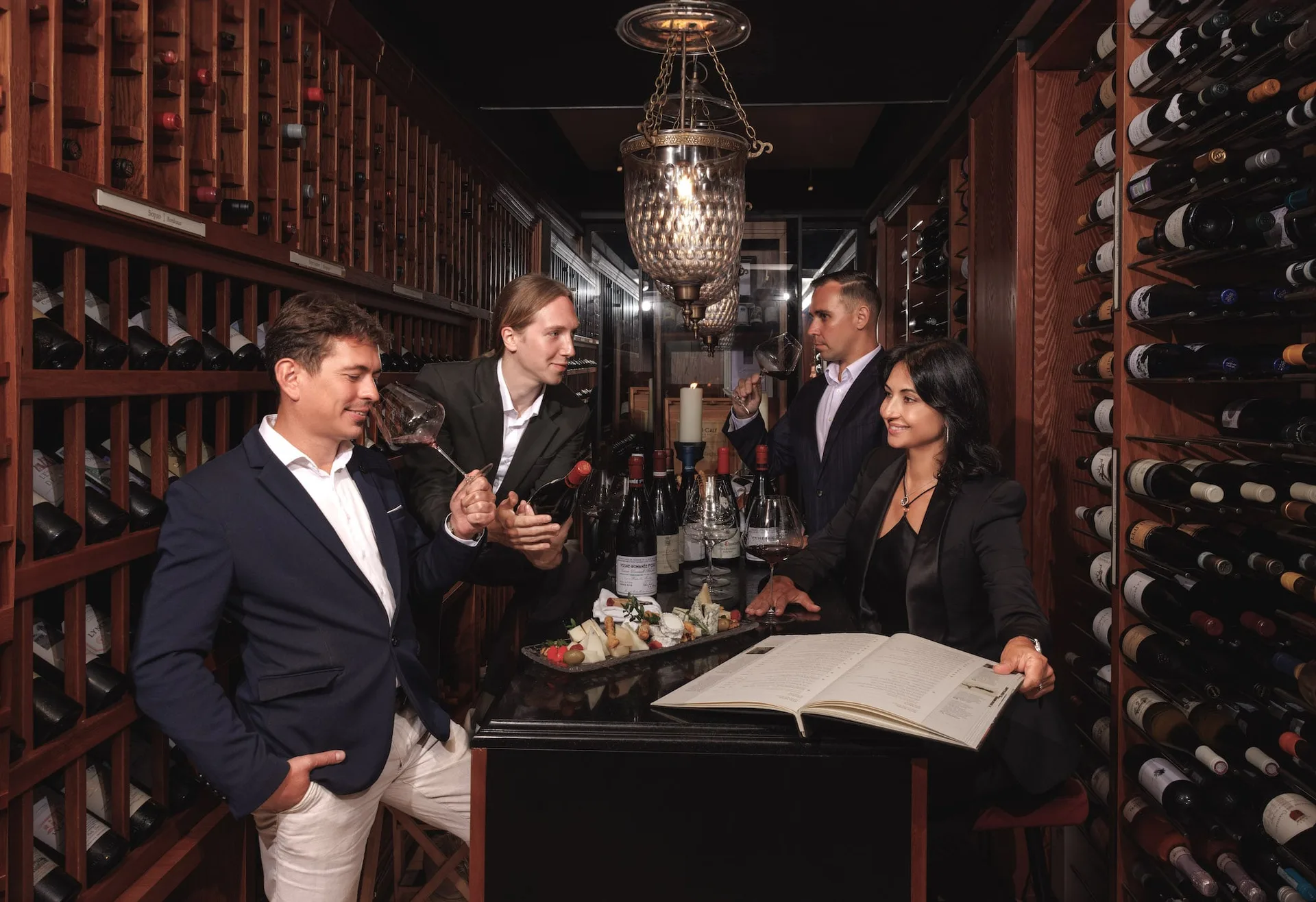
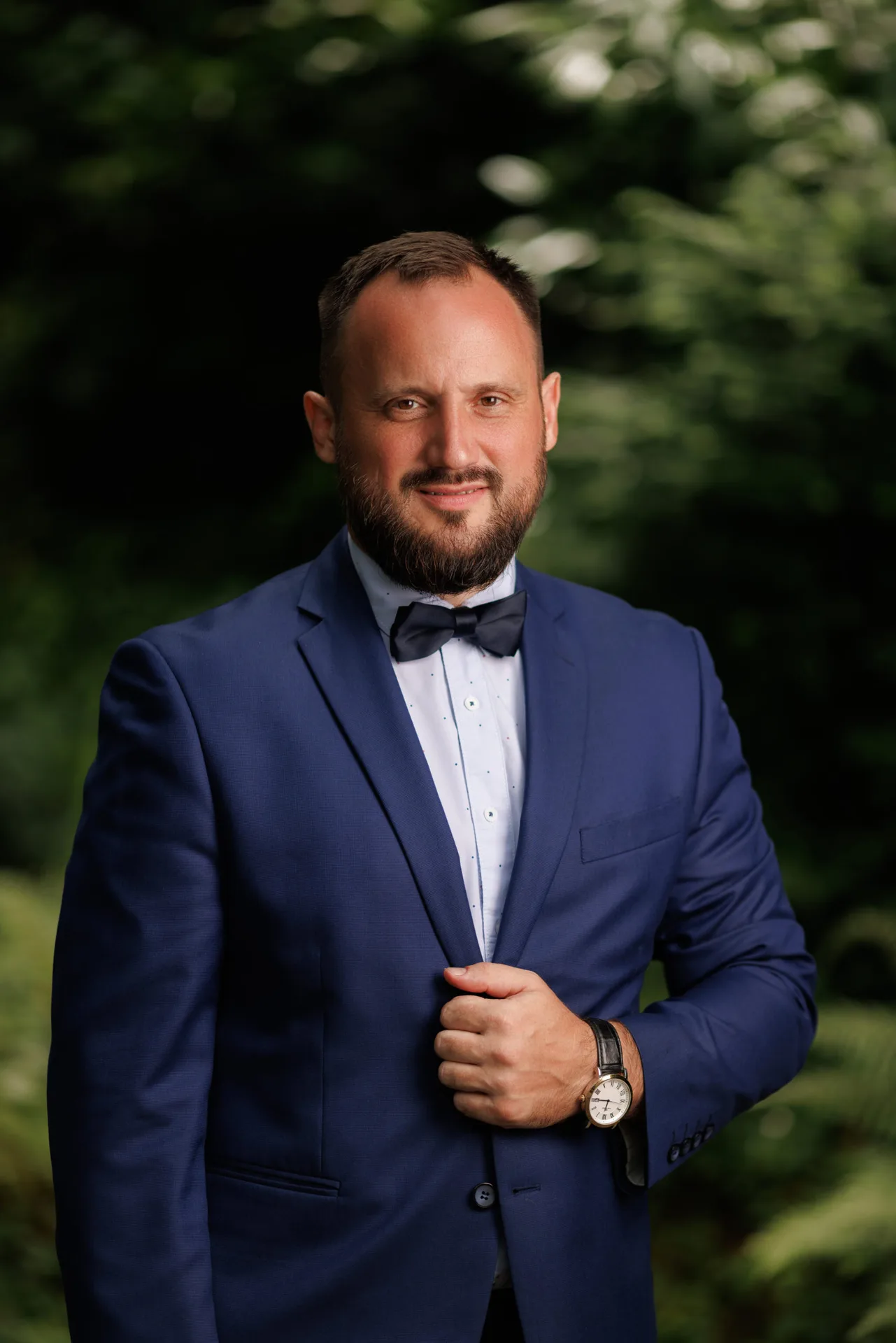
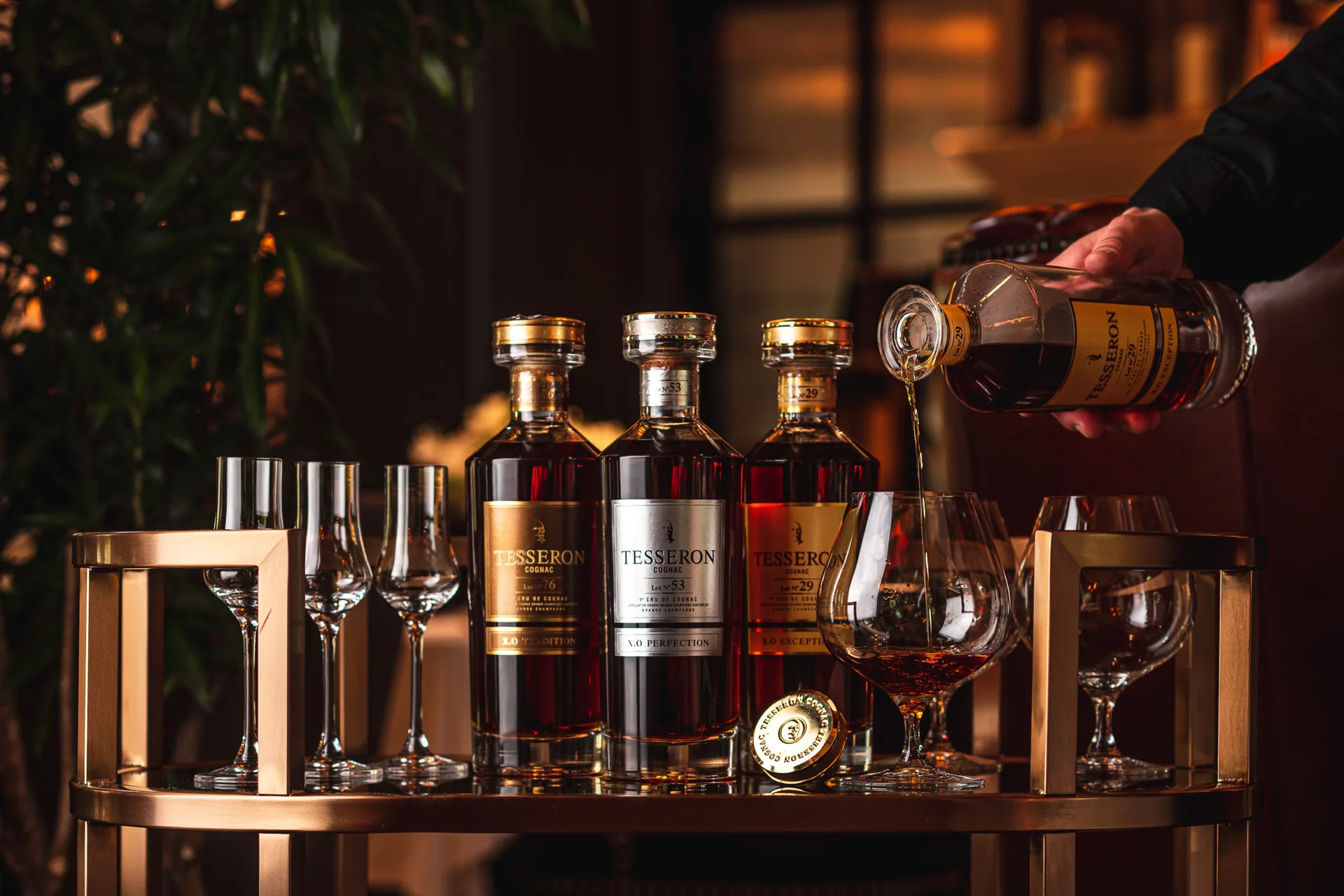
The wine program earned Mamai-Calé a Wine Spectator Best of Award of Excellence in 2022 — recognition that reflects a collection spanning 5,000 bottles, 67 regions, and 287 appellations. Head sommelier Dmitry Timoshkov guides guests through pairings, with the stated aim of simply making more people love wine.
The Kitchen: Forest, Sea, and Caucasian Tradition
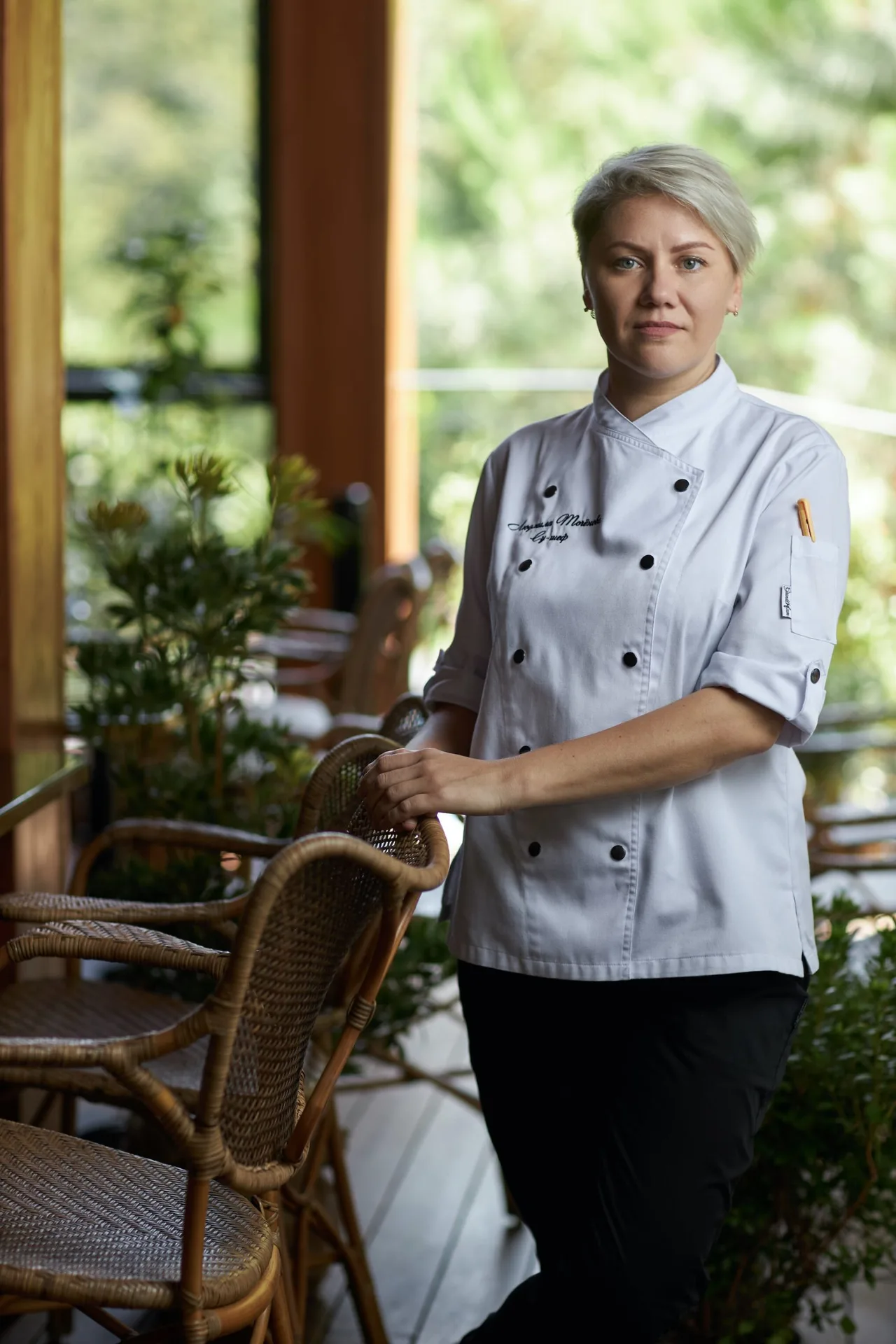
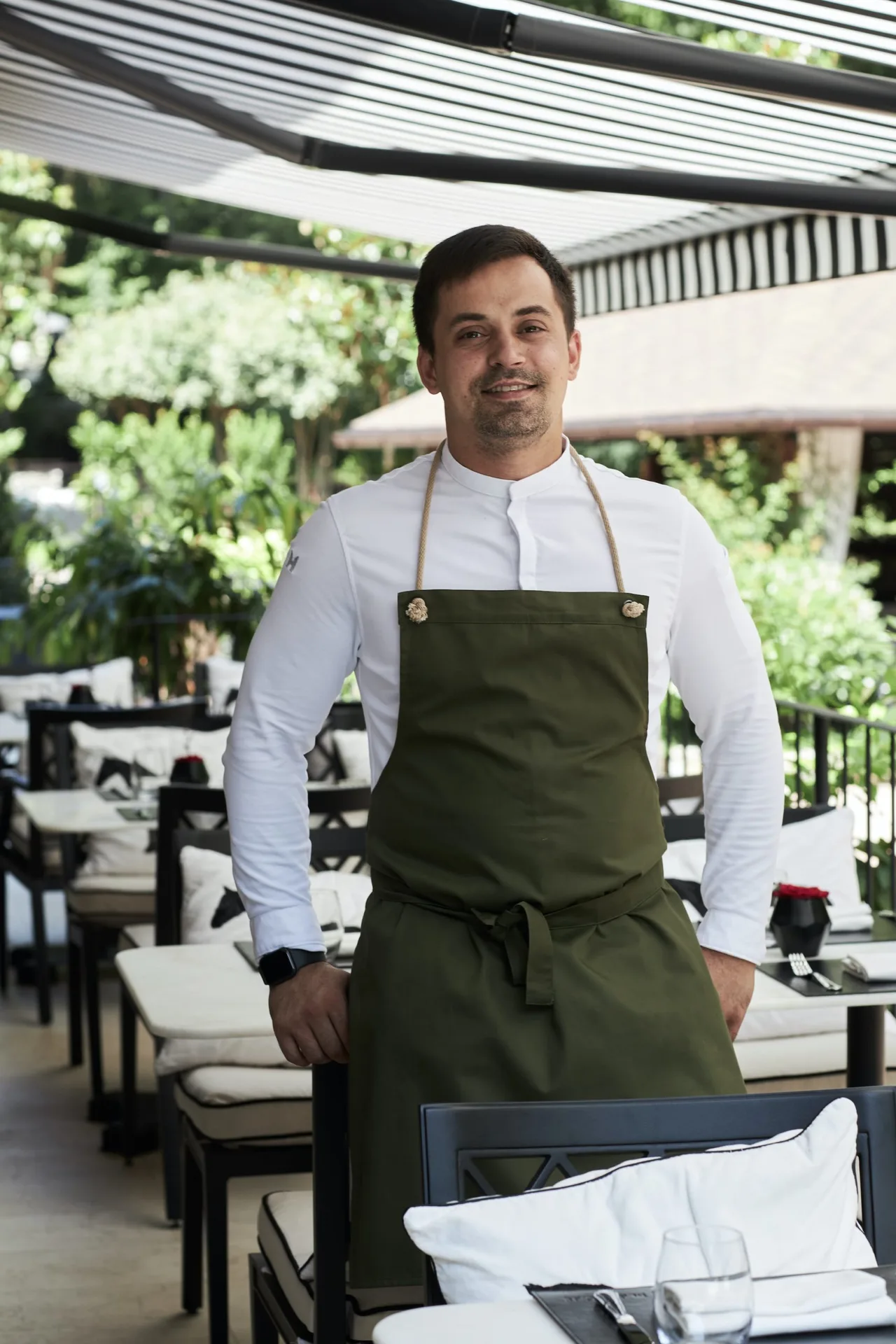
Chef Andrey Koshkodan and concept chef Maxim Mikshis share a clear philosophy: clean flavors, precise technique, and an honest relationship with the product. The European cuisine at Mamai-Calé draws on family recipes, classical European tradition, and the flavors of Central Asia and the Caucasus — a combination the kitchen describes as "forest cuisine" elevated to fine-dining level.
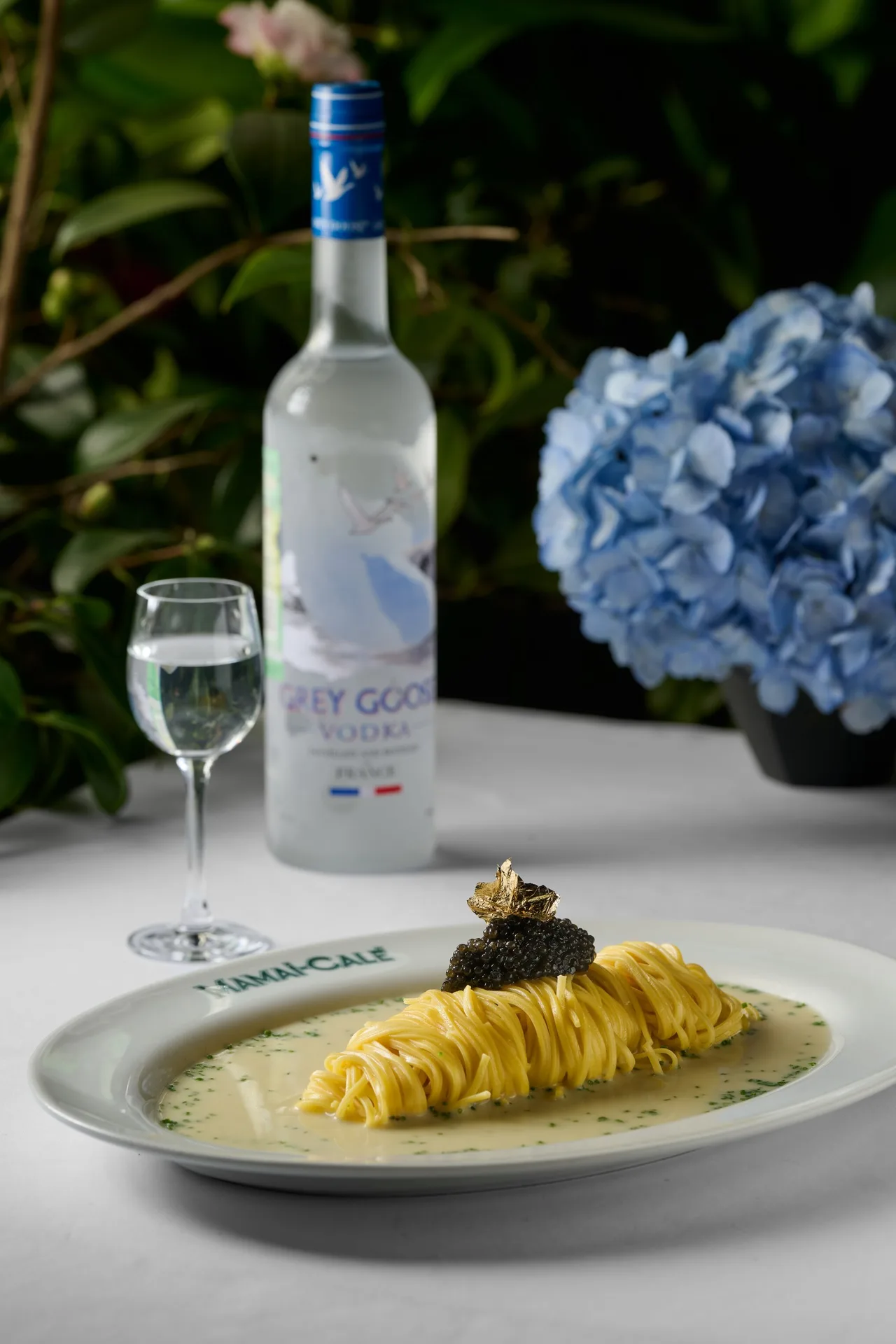
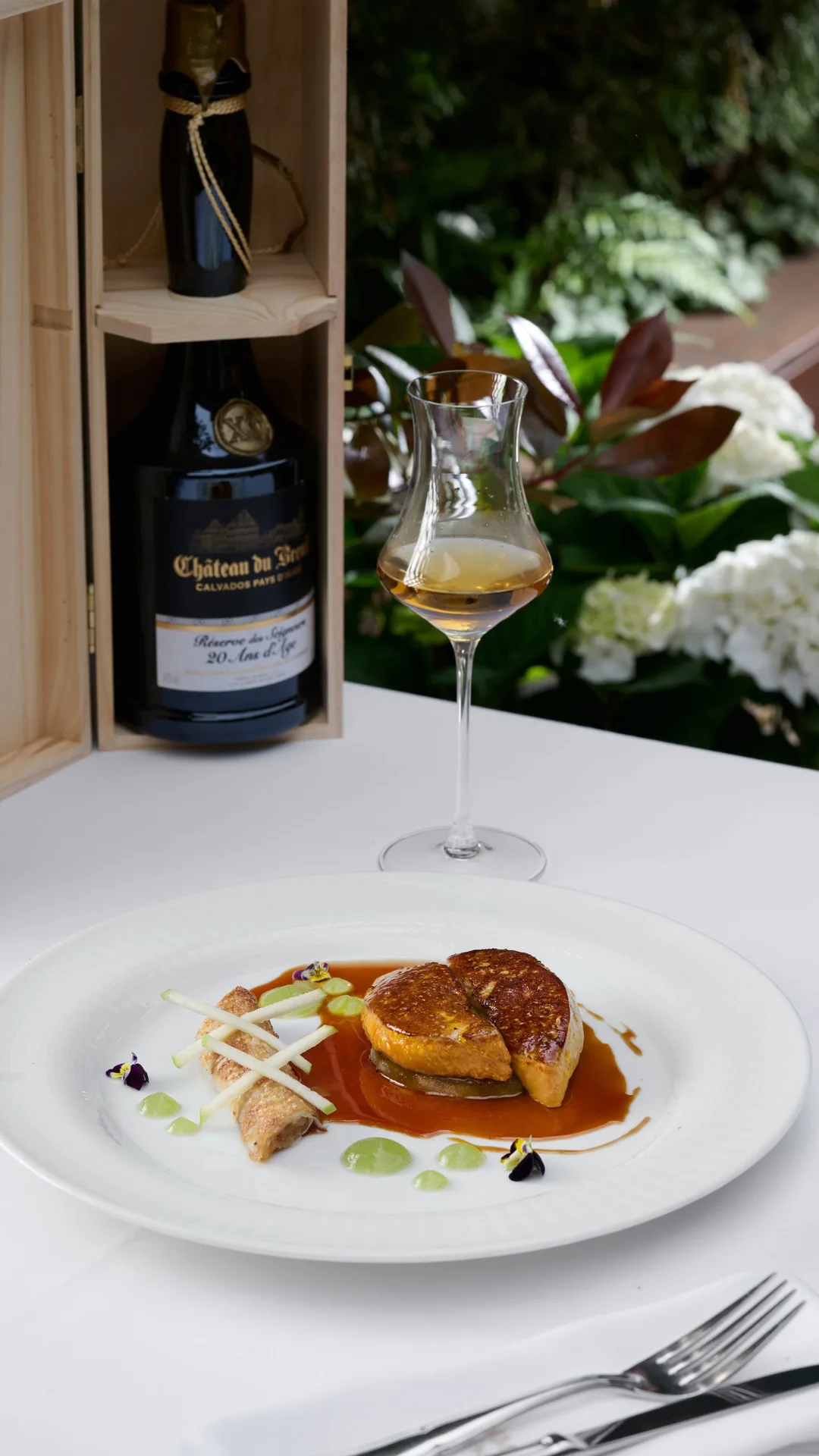
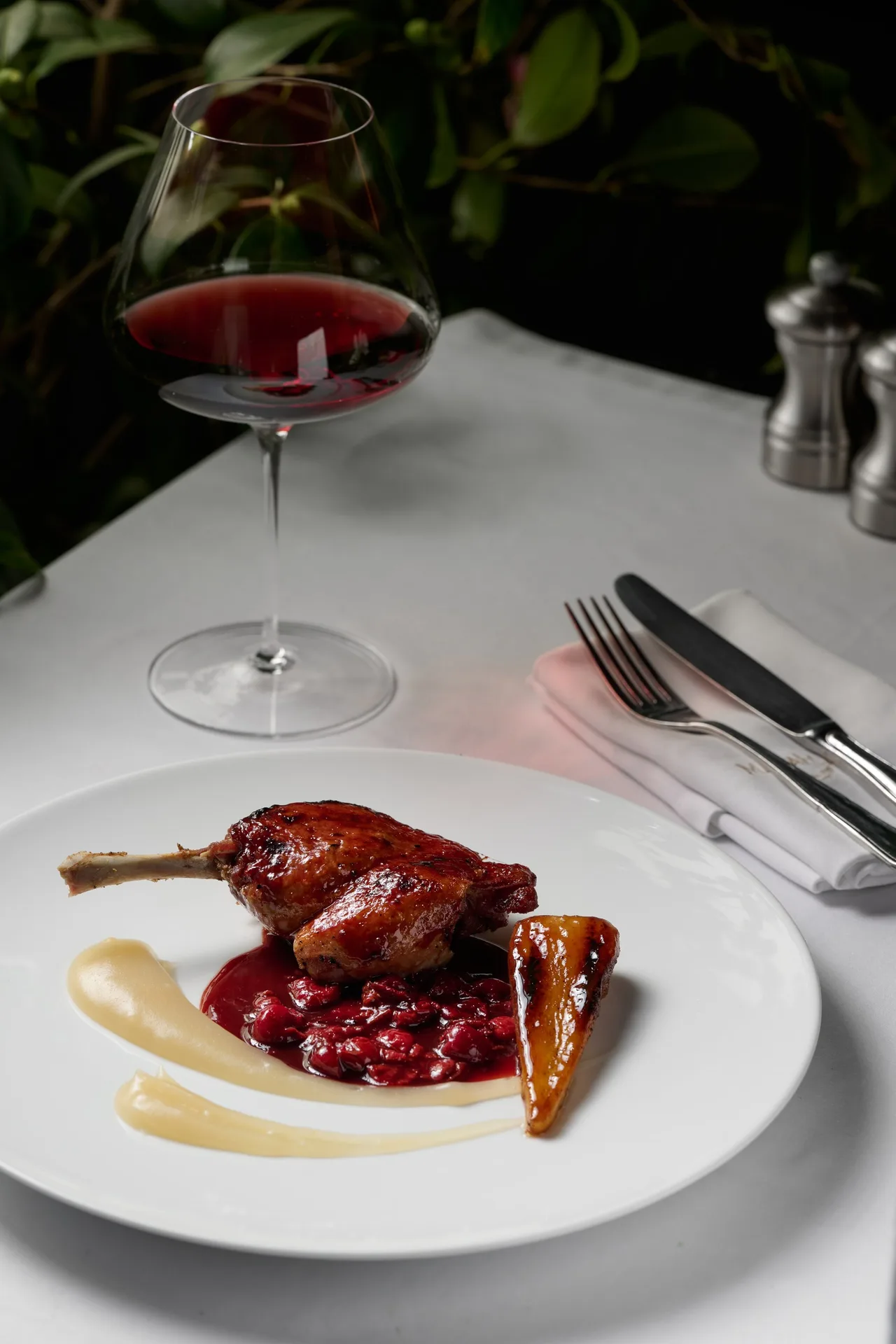
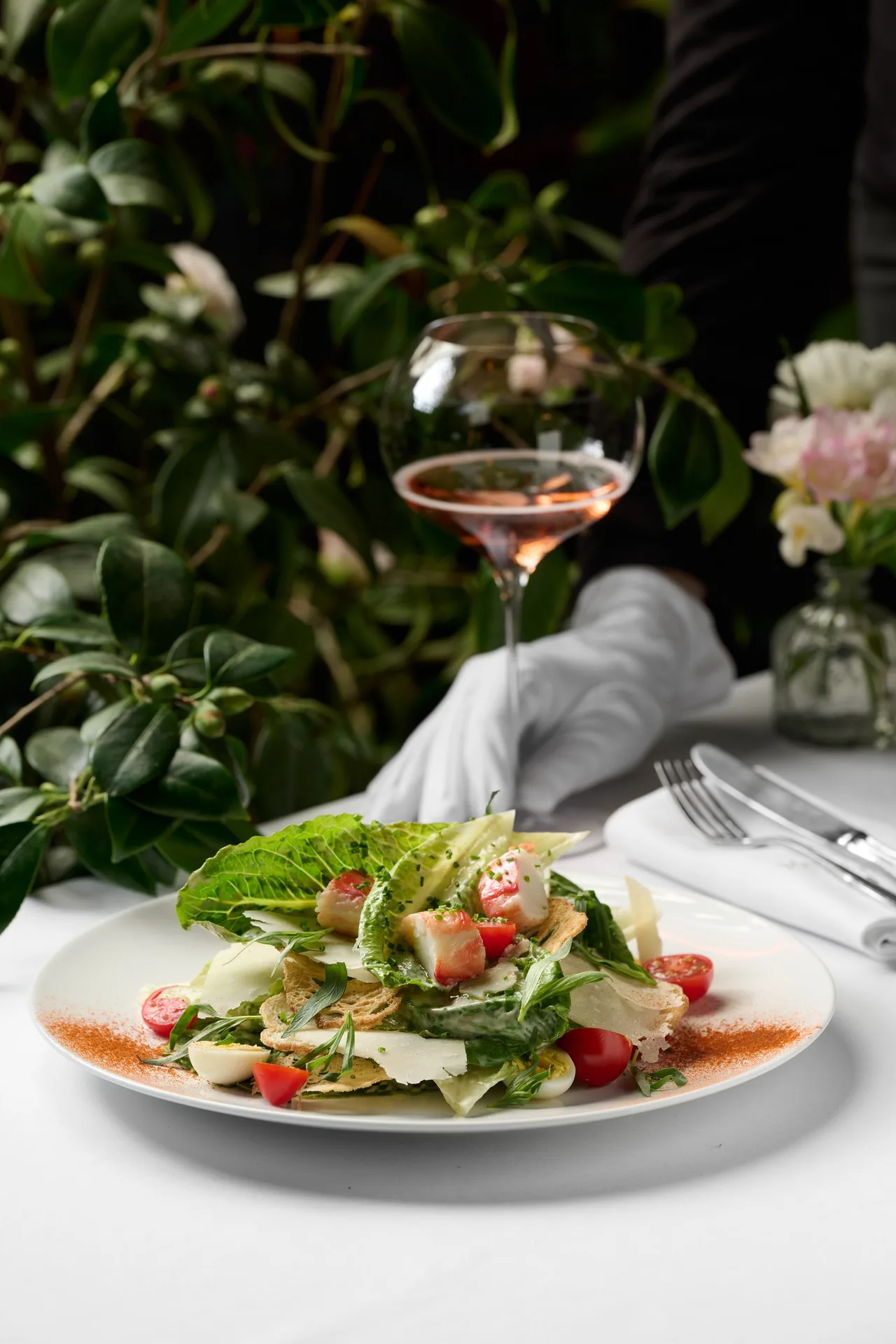
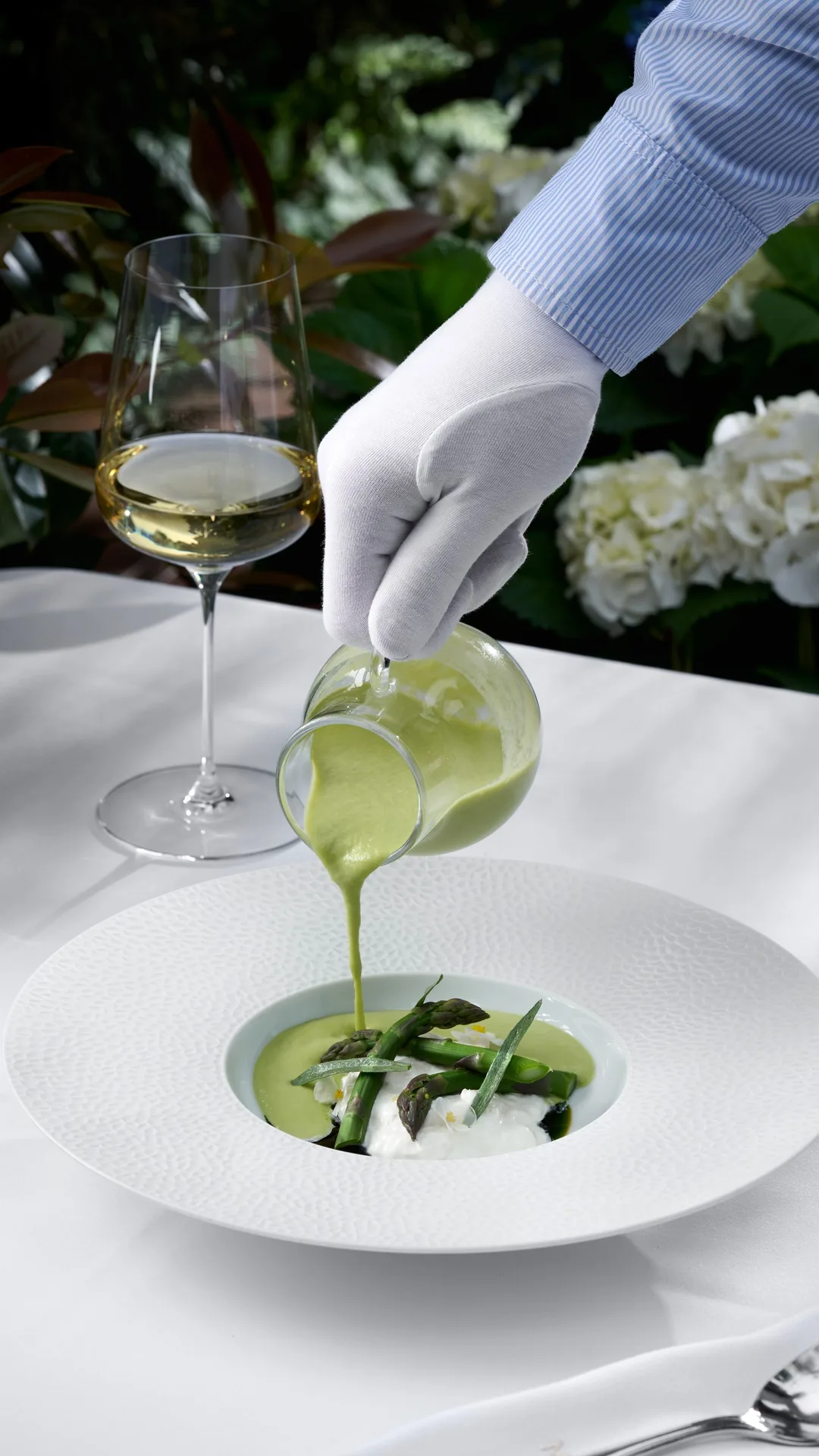
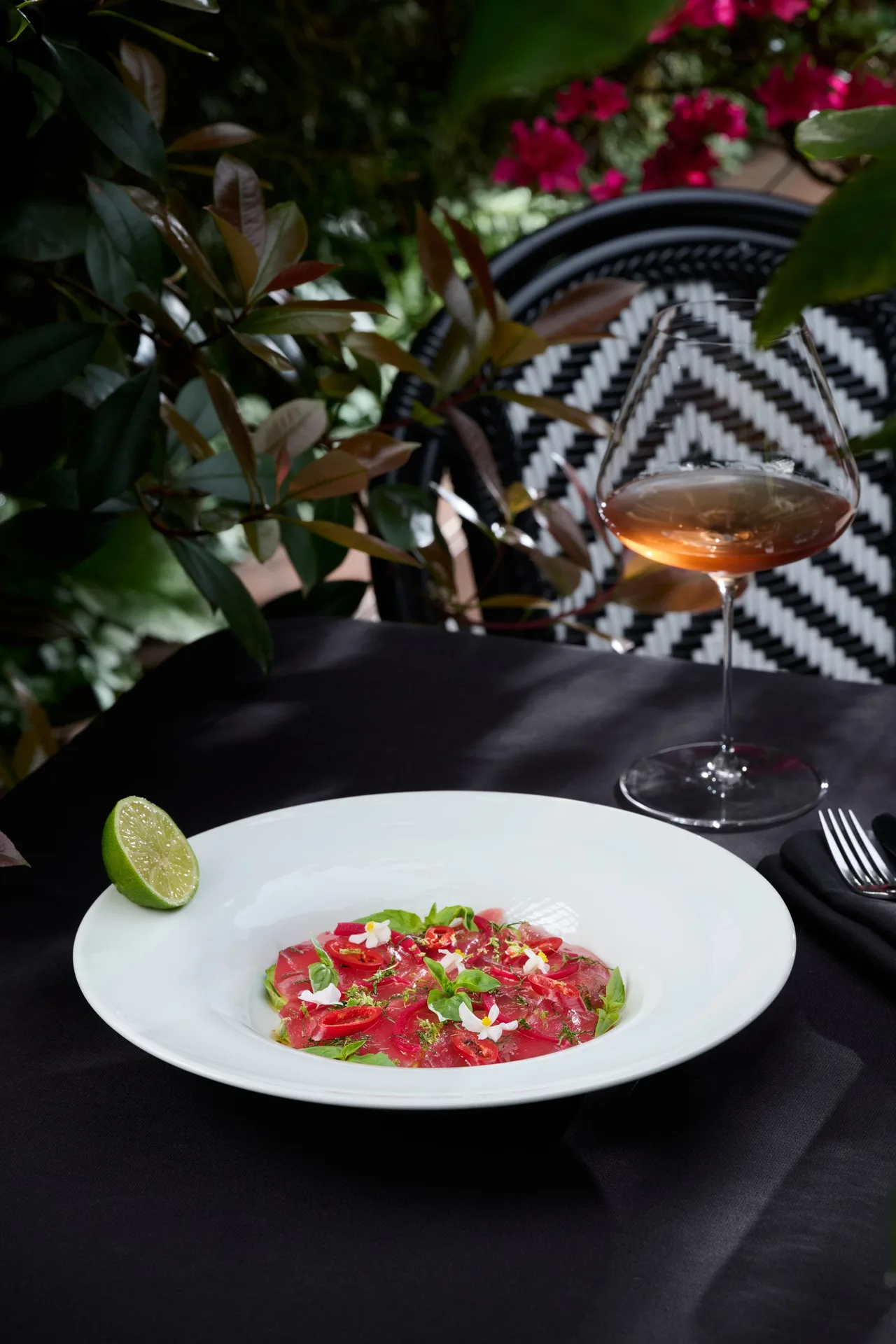
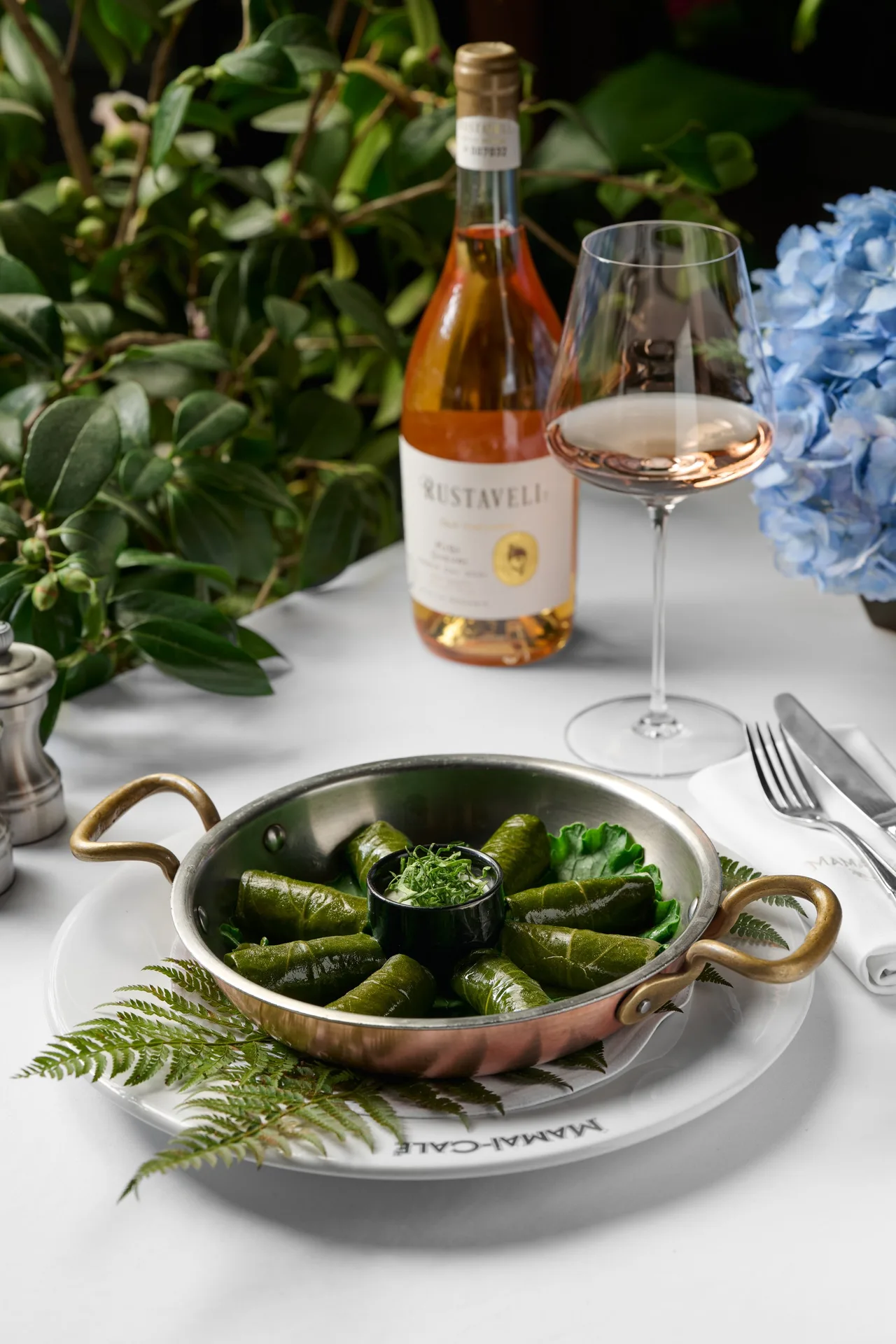
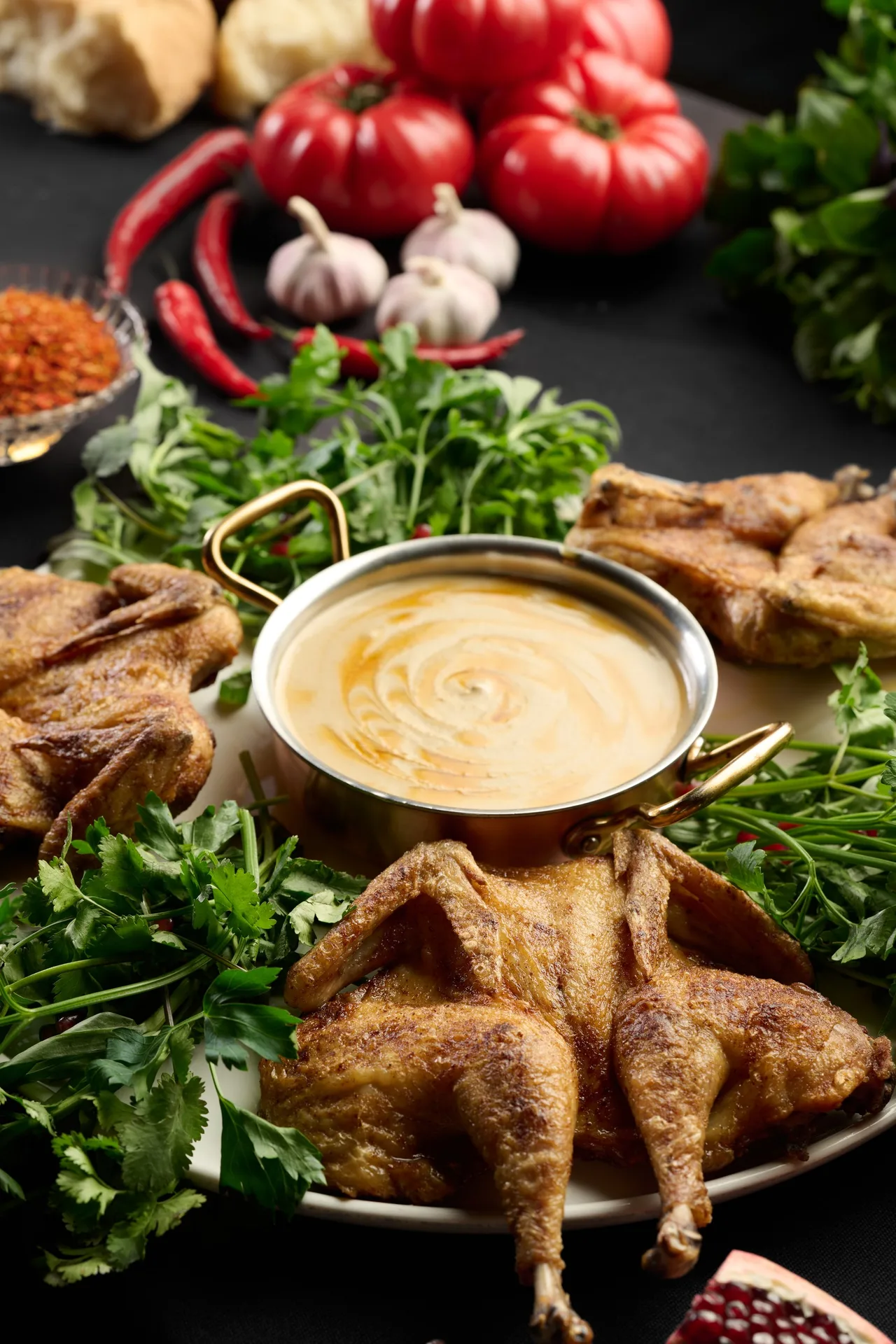
The current seasonal menu reads with focus and restraint. A cream of green asparagus with stracciatella and tarragon. Big Eye tuna ceviche with avocado and mint. Black Sea mussels Marinière in Crimean rosé with tarragon. Caesar salad with Kamchatka crab. Dolma made from young cabbage and grape leaves with marbled Signature beef, sun-dried tomatoes, and Caucasian herbs, served with matsoni and fresh mint. Seared foie gras with Normandy sauce and a crisp apple strudel. Saffron risotto with scallop, squid, octopus, and Parmesan espuma. On the grill: rack of young Dagestani lamb by family recipe, and a signature chicken with walnut Baje sauce.
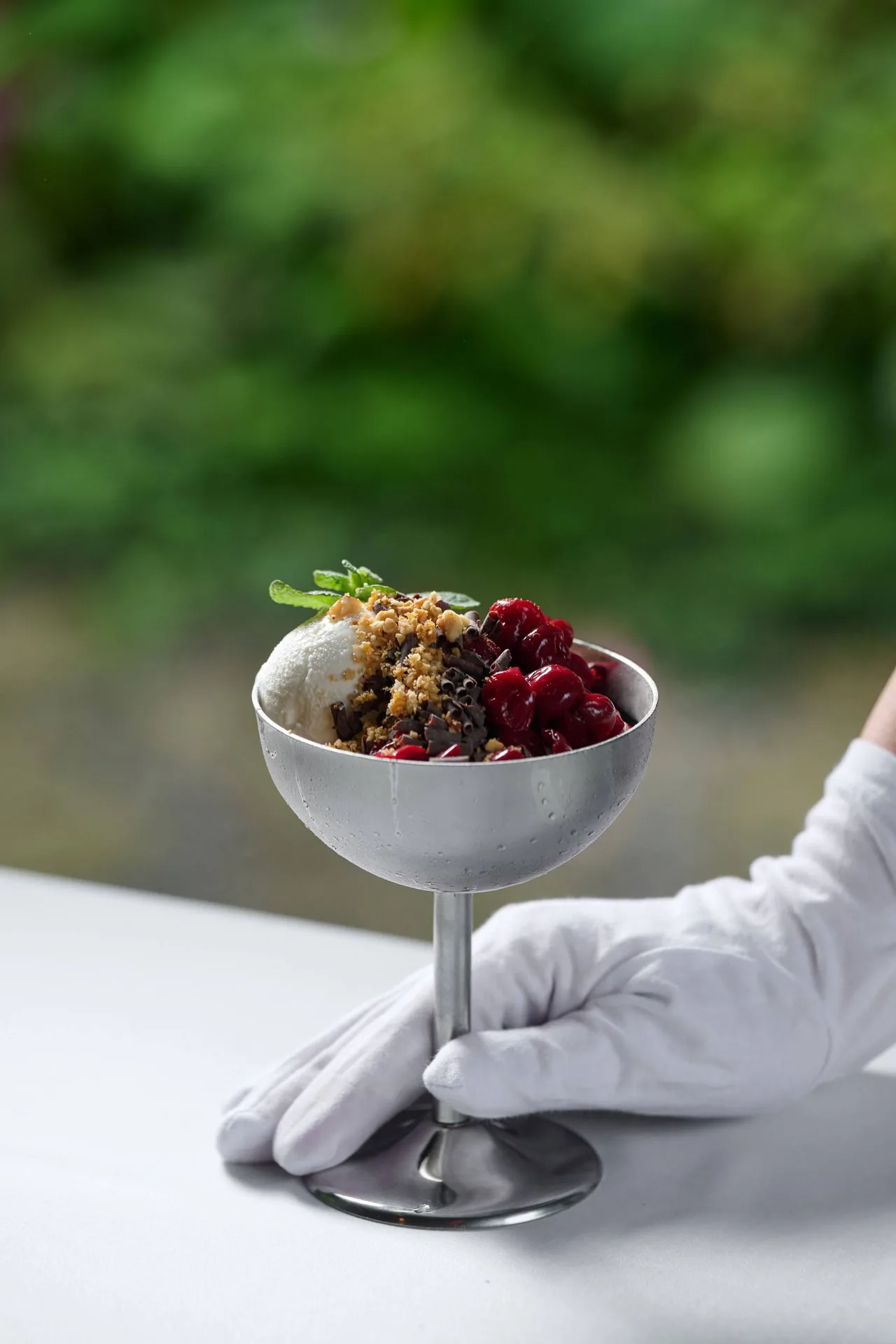
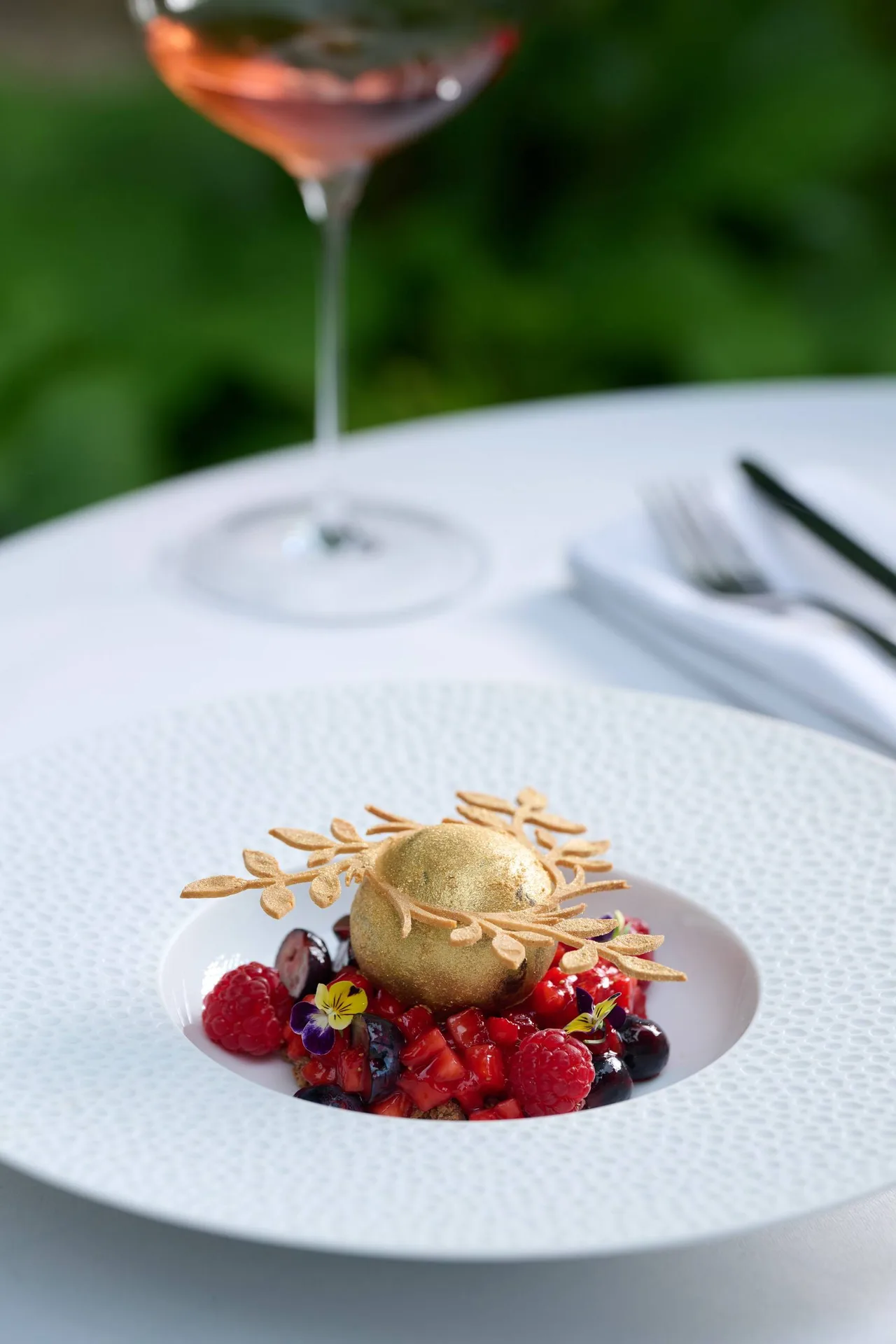
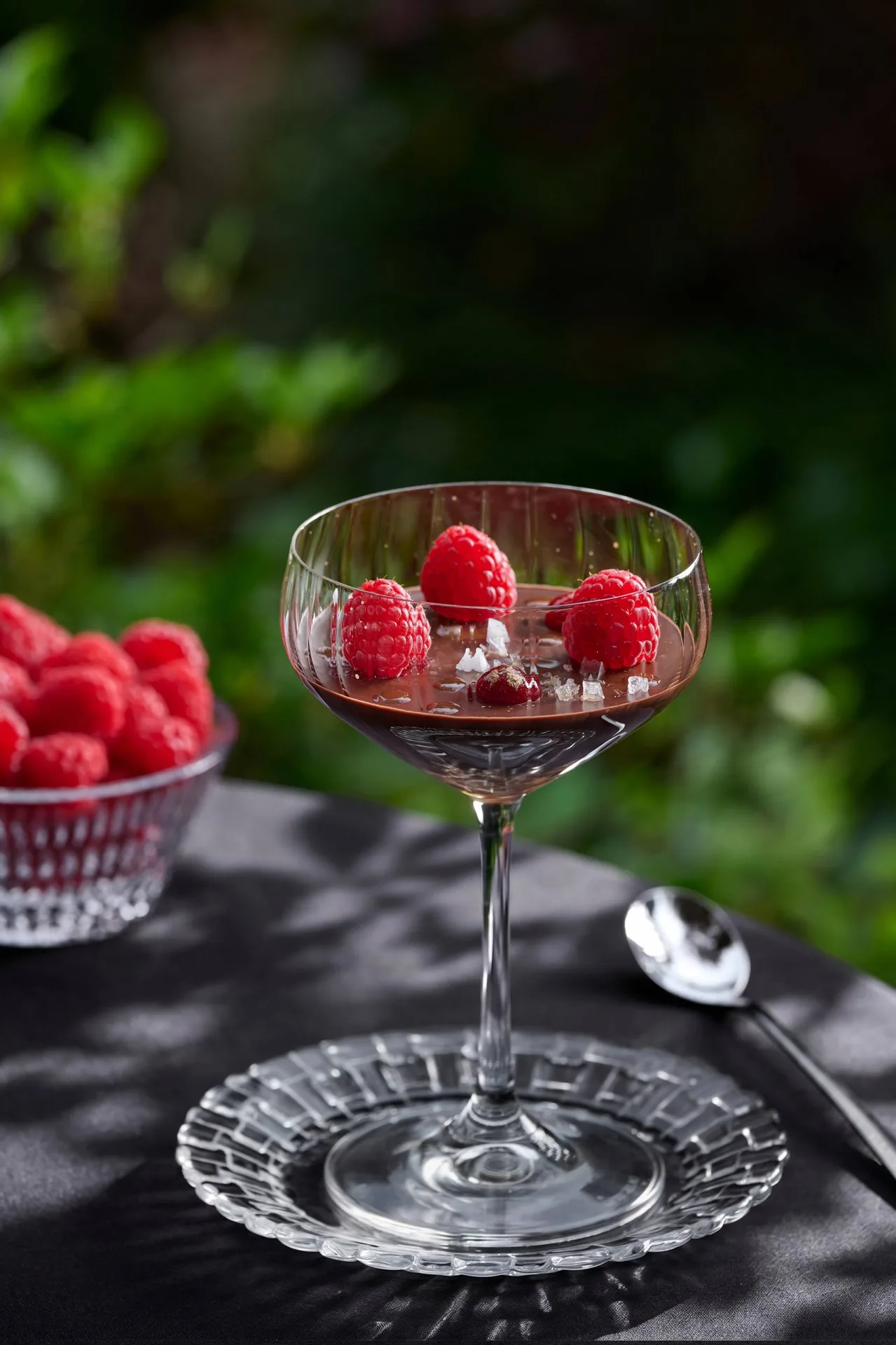
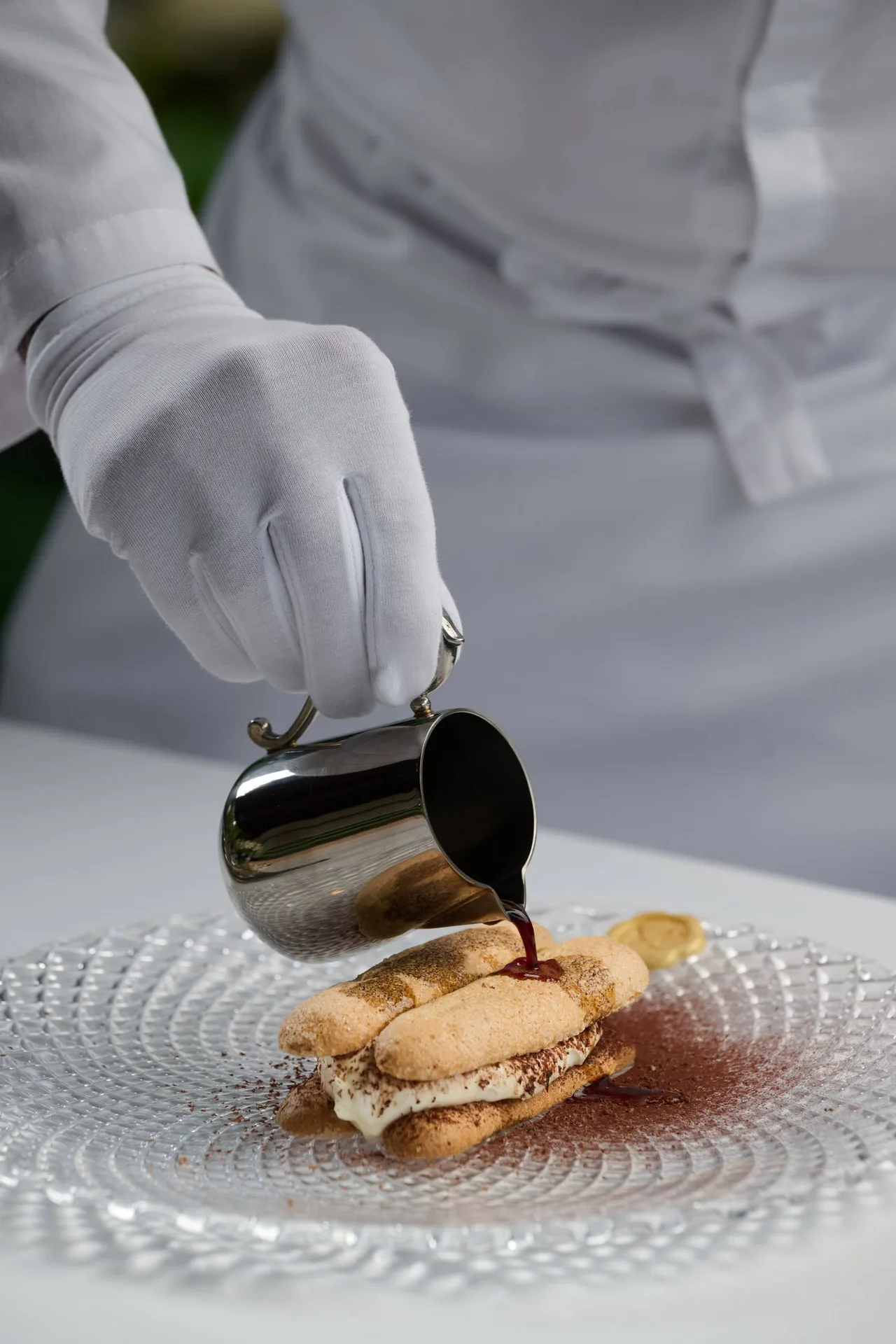
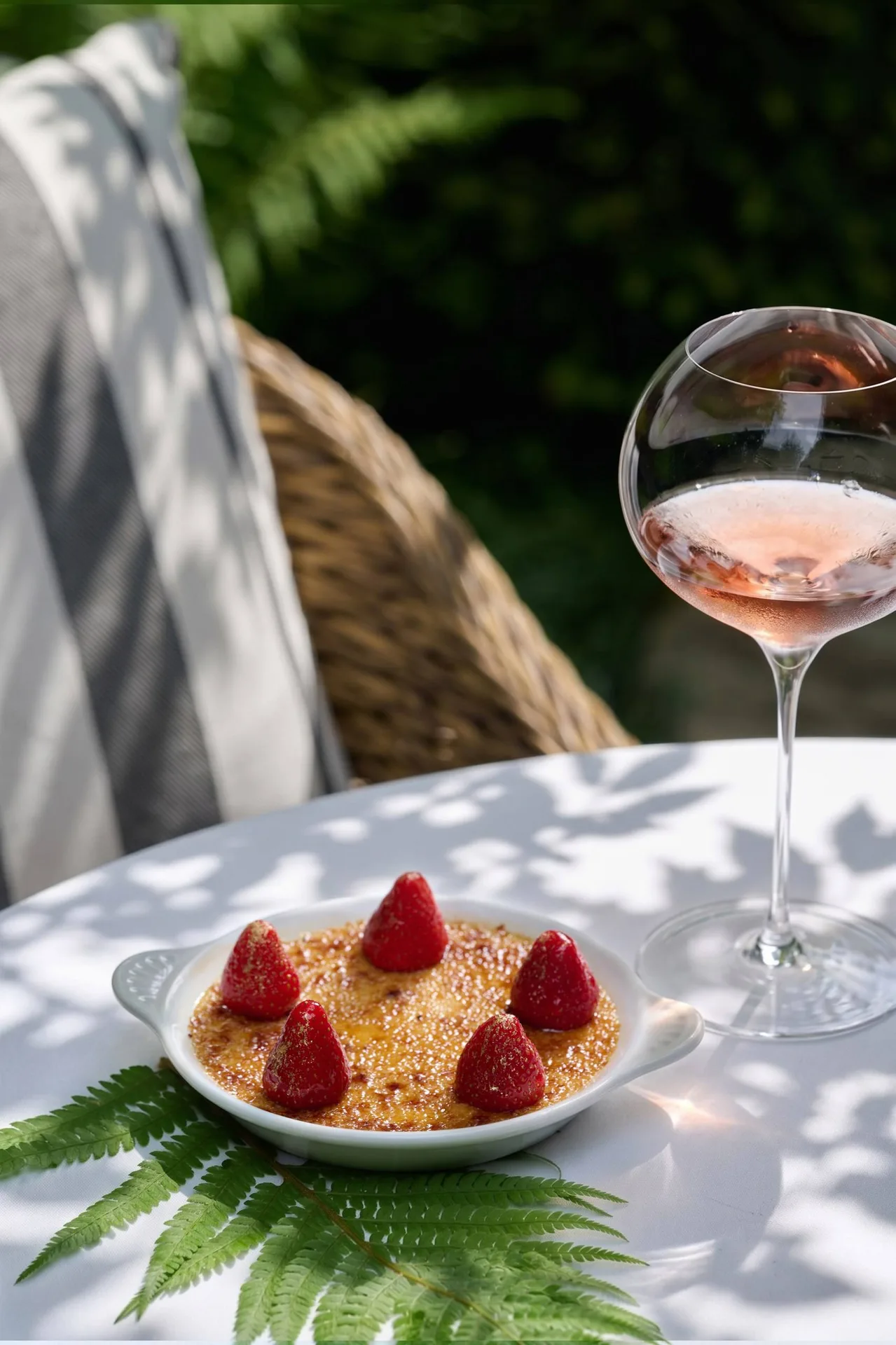
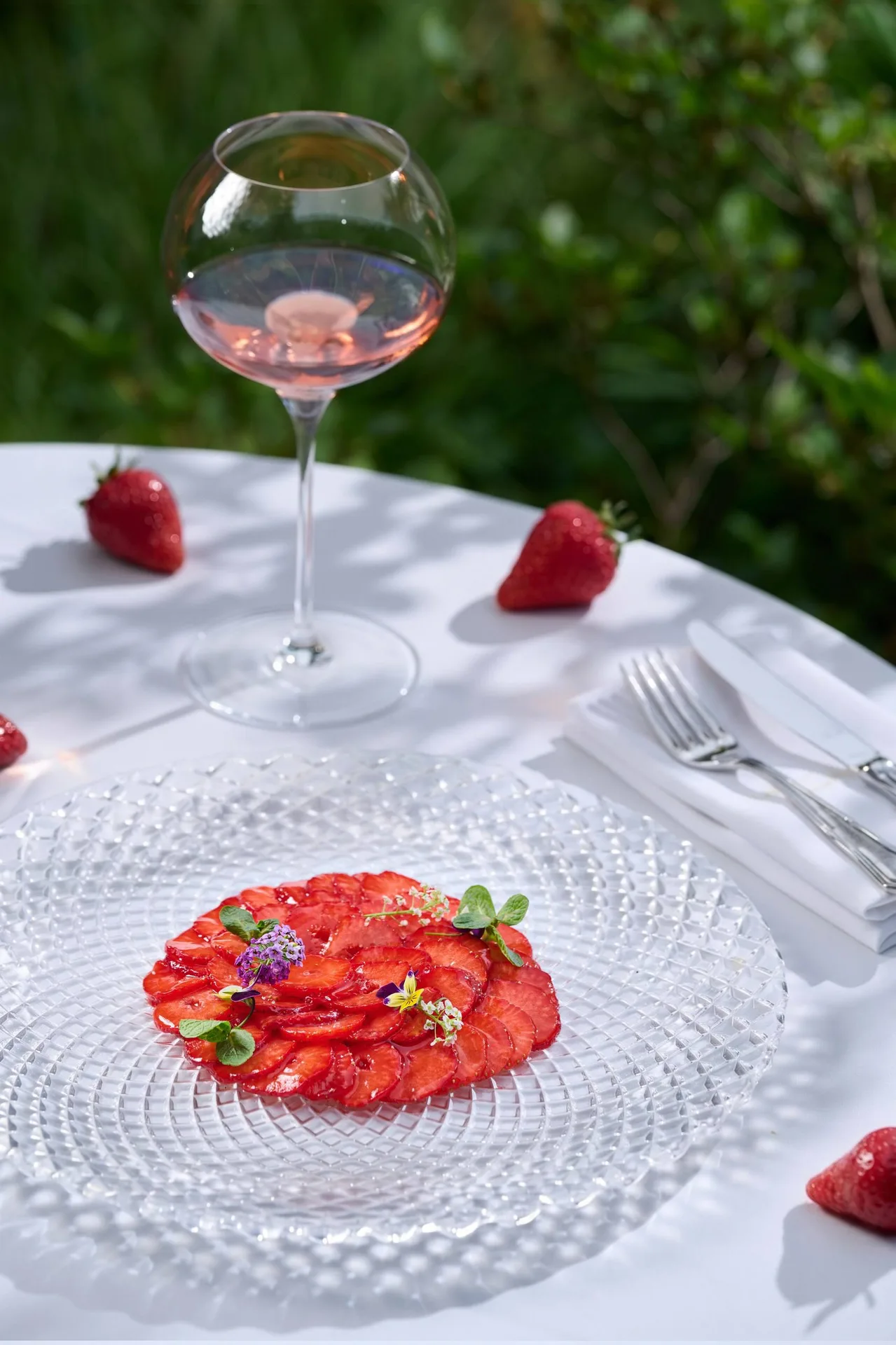
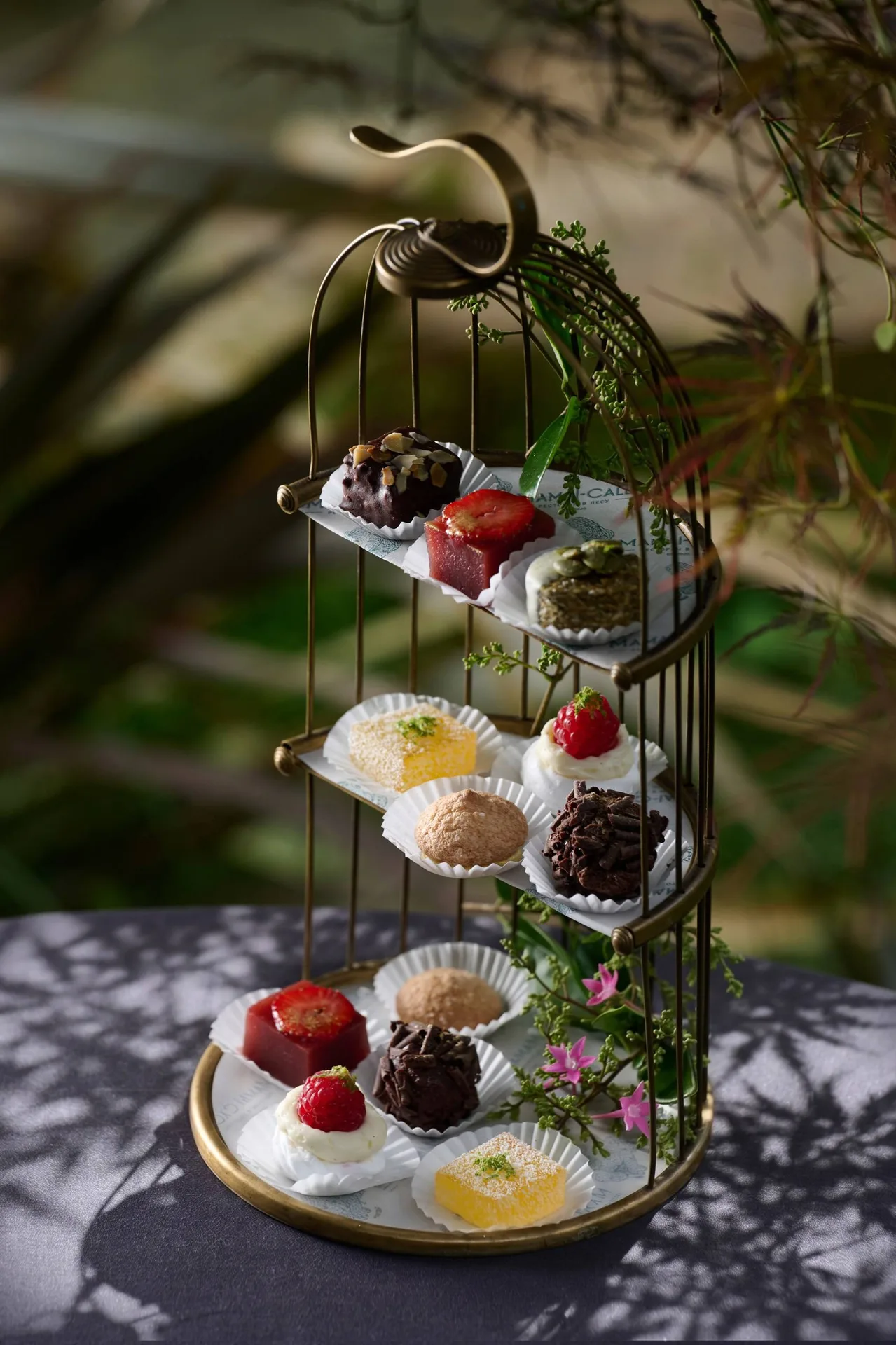
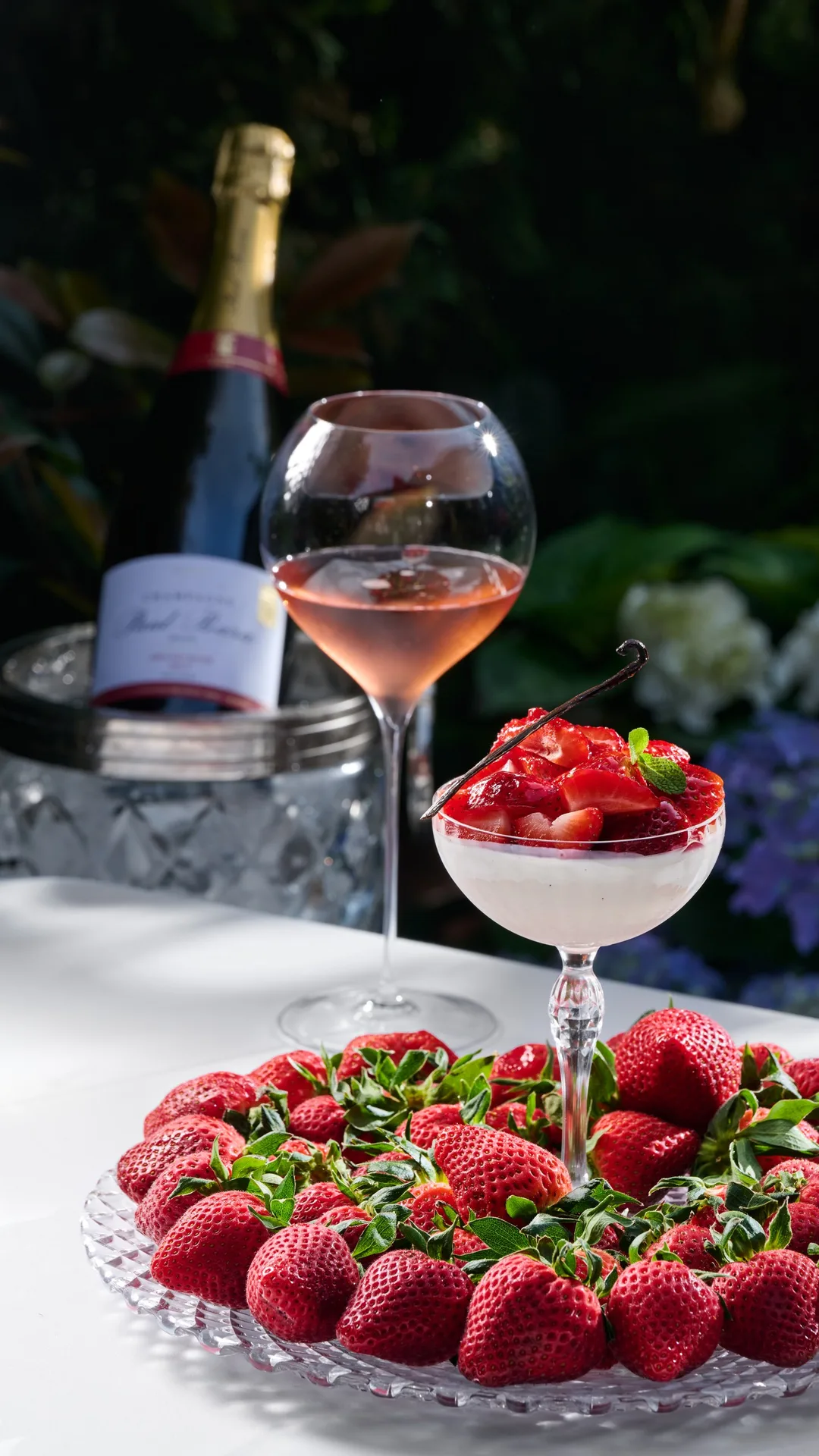
Desserts follow the same logic — Belgian chocolate, Madagascar vanilla, fresh strawberries and forest berries, balancing classical pastry technique with modern precision.
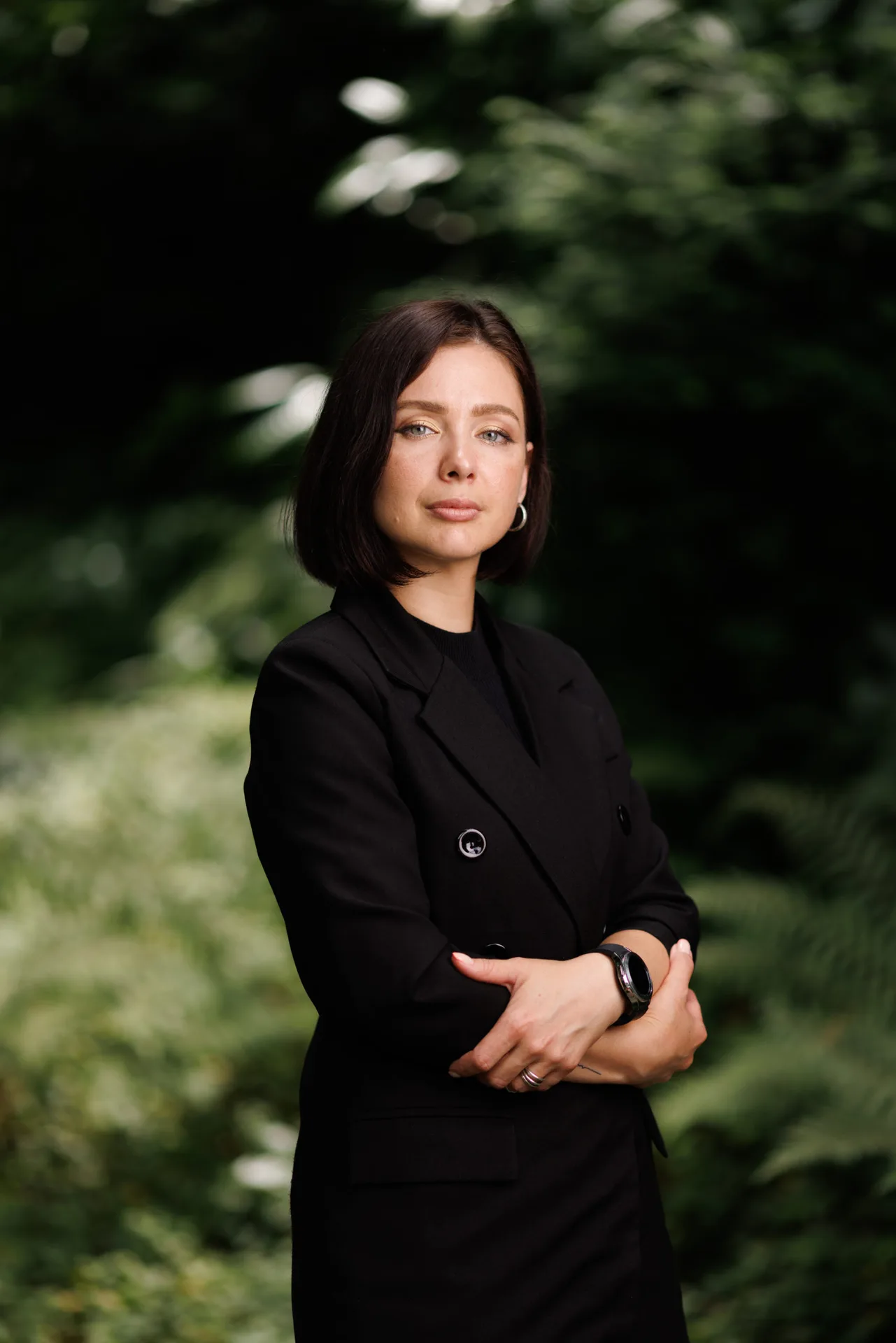
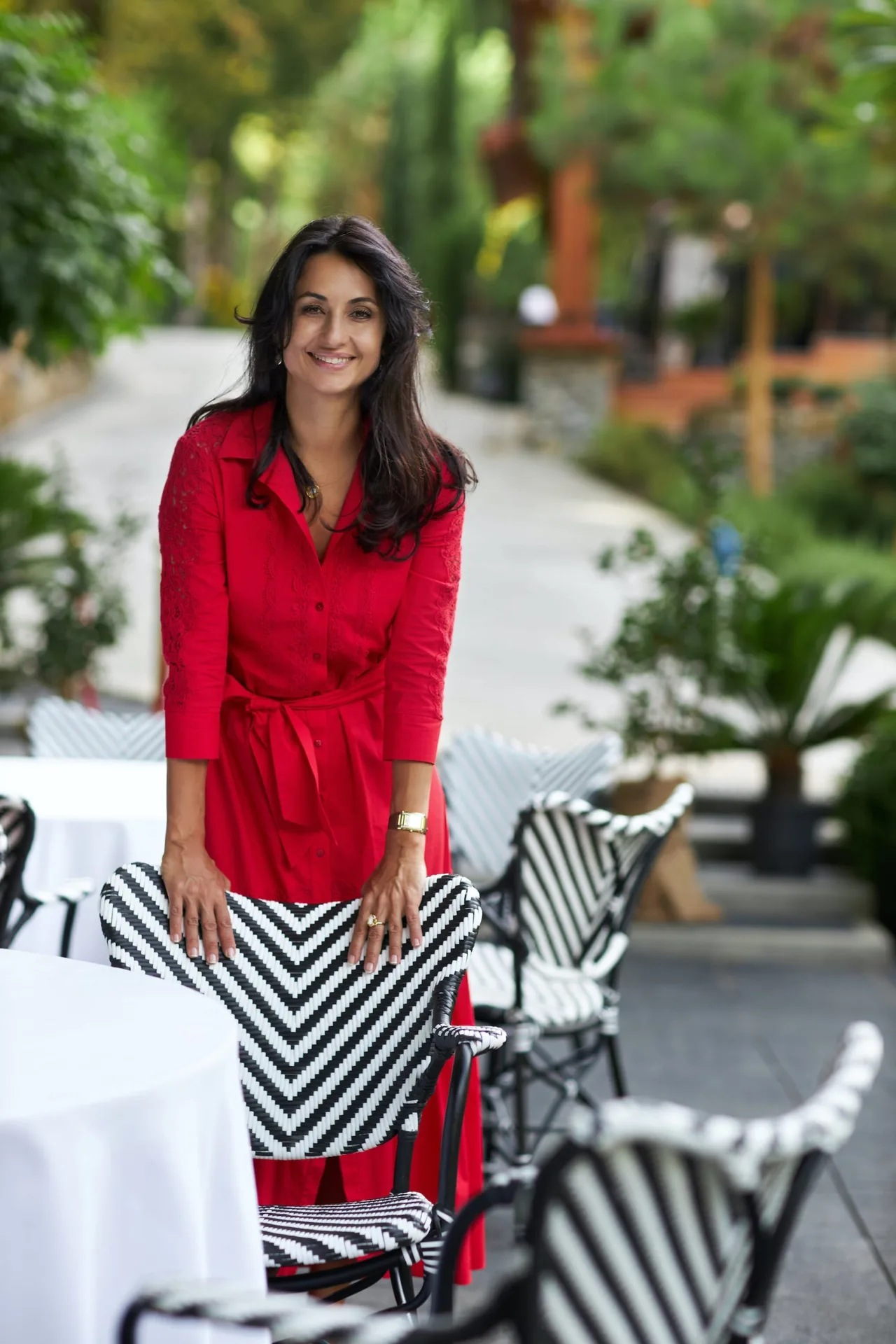
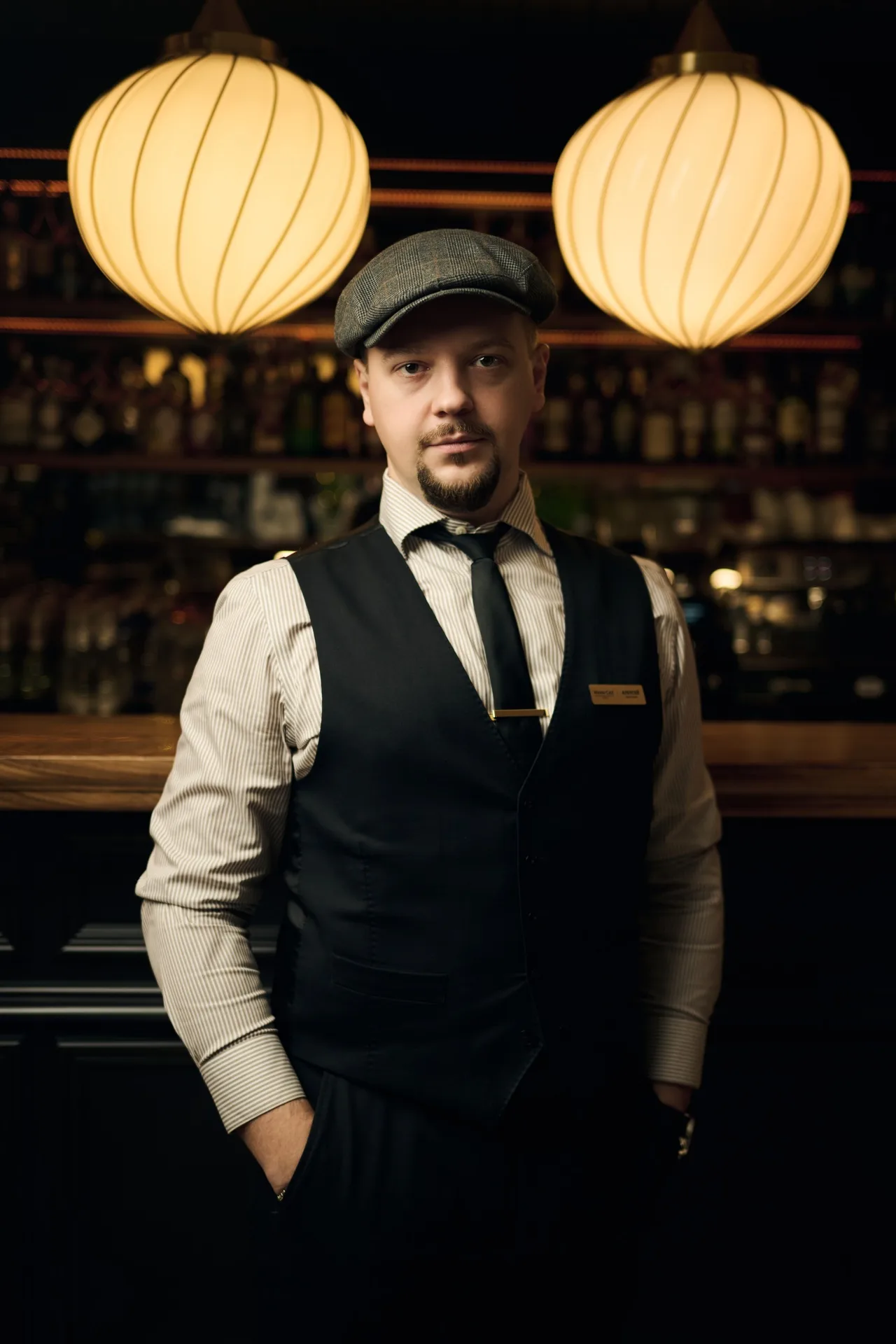
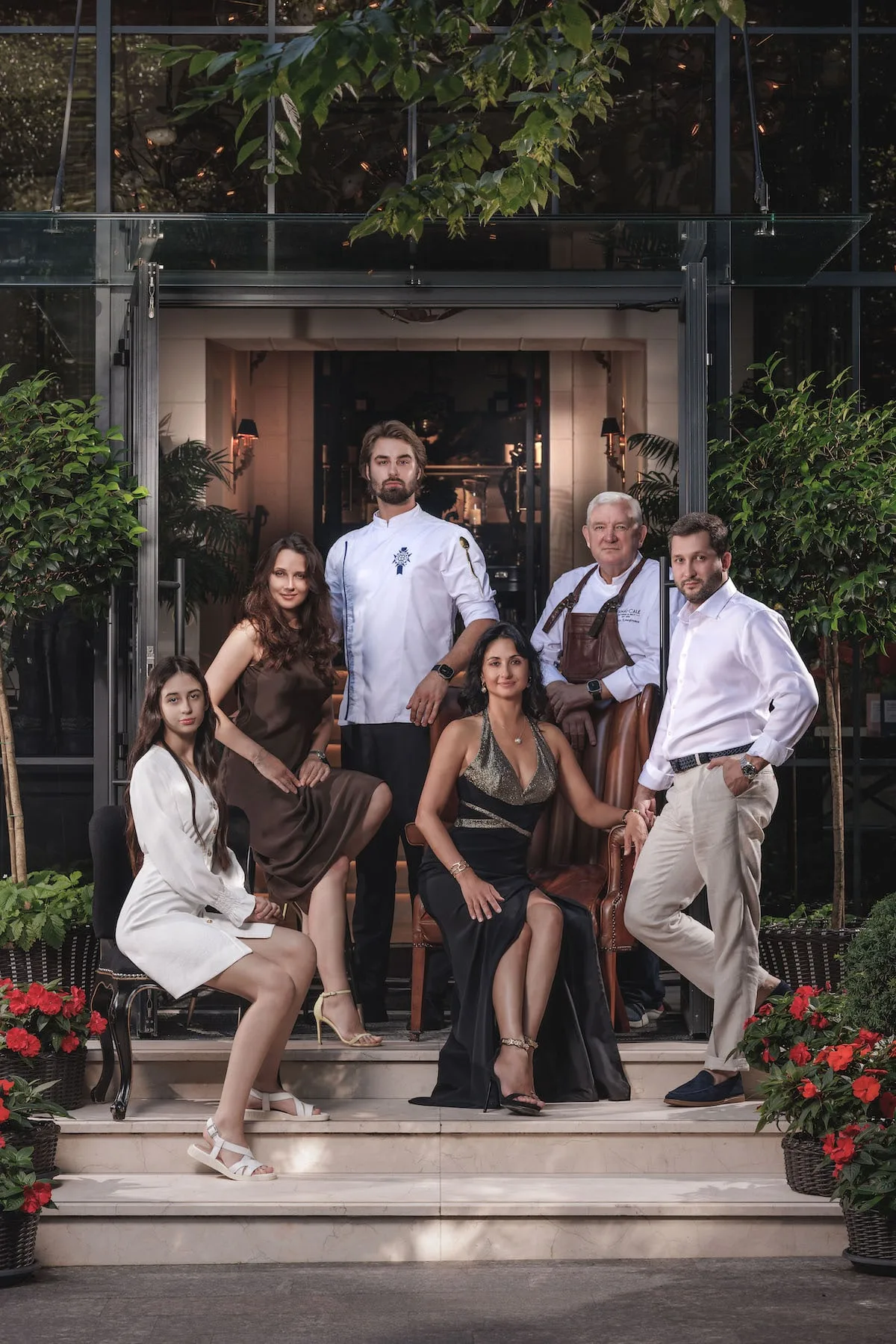
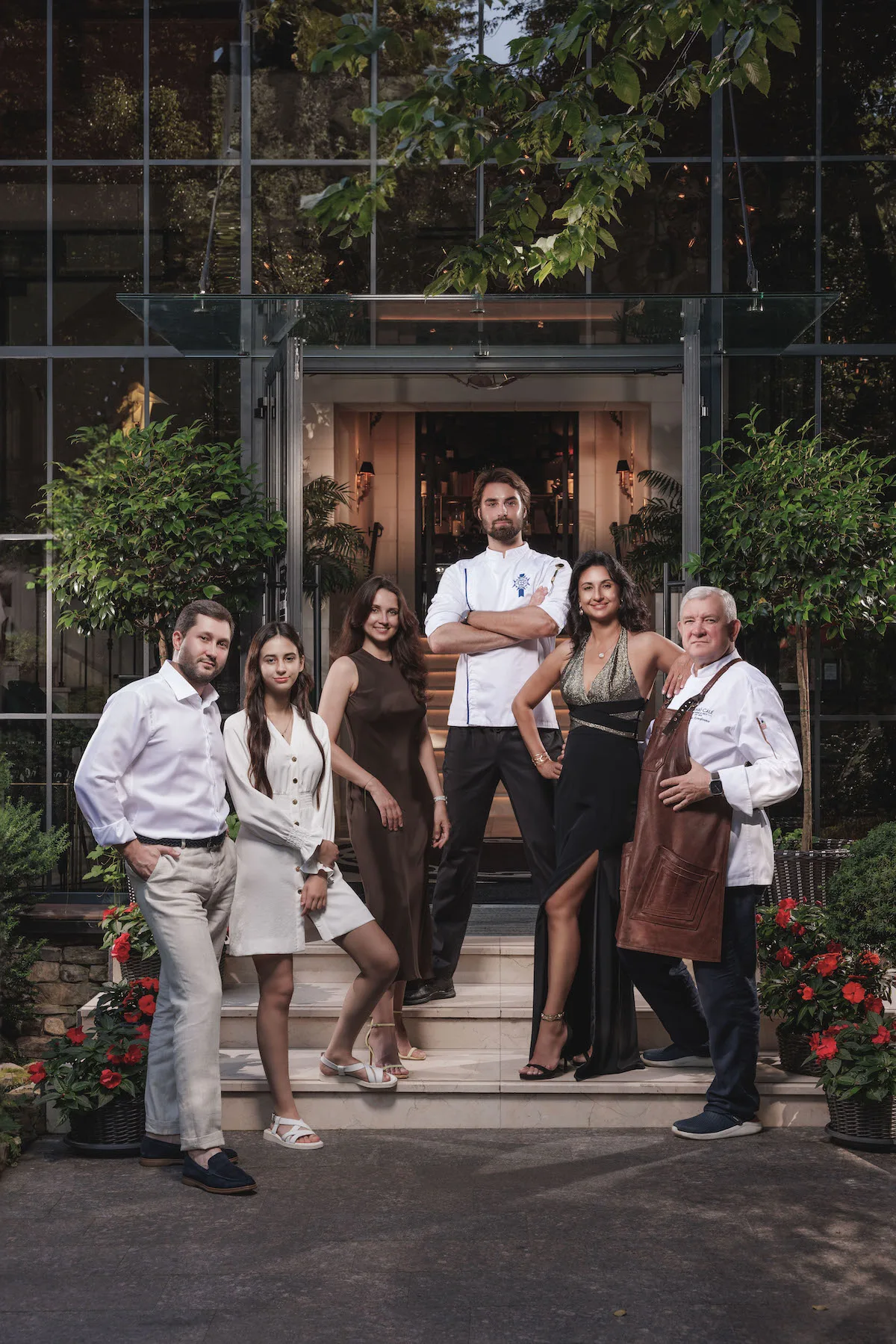
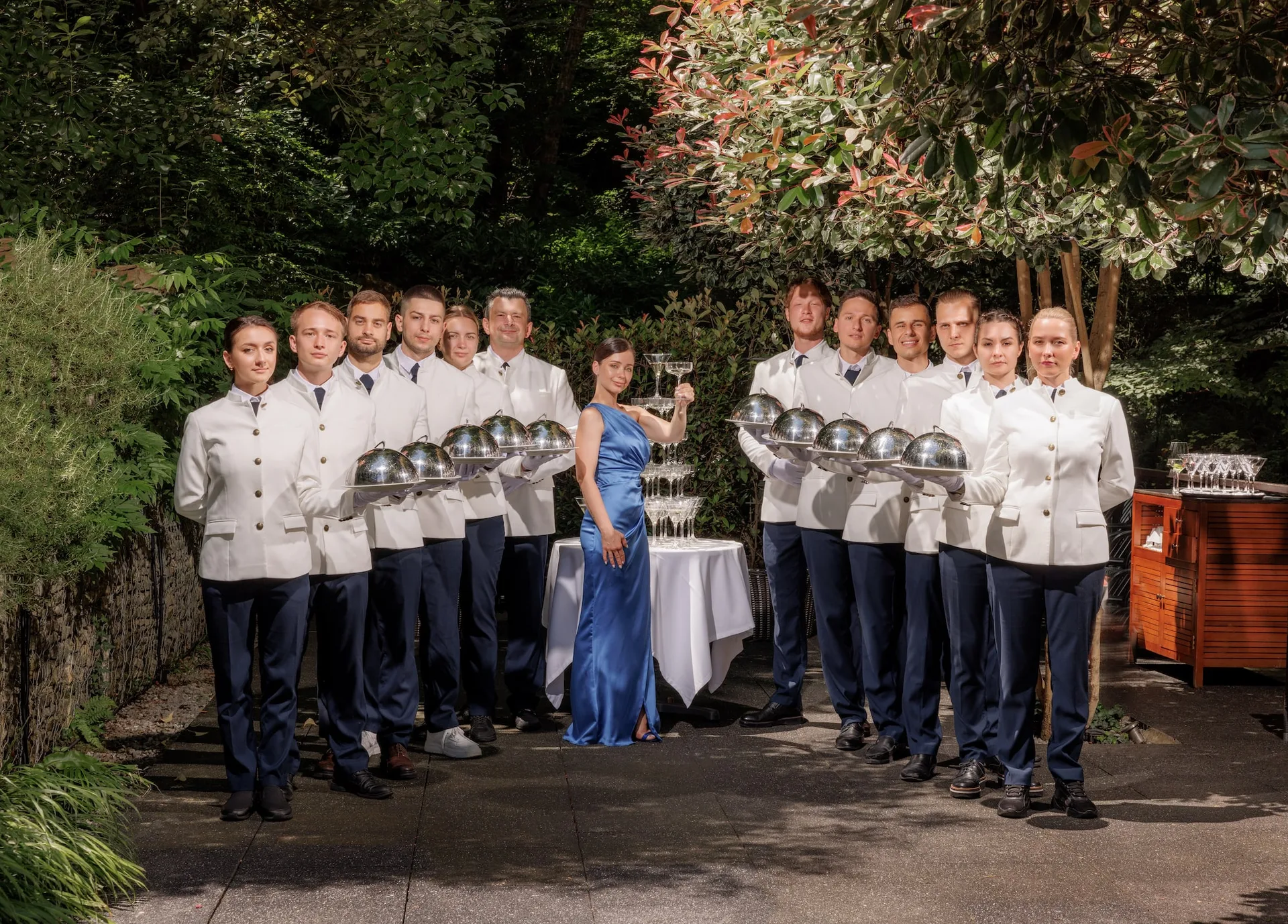
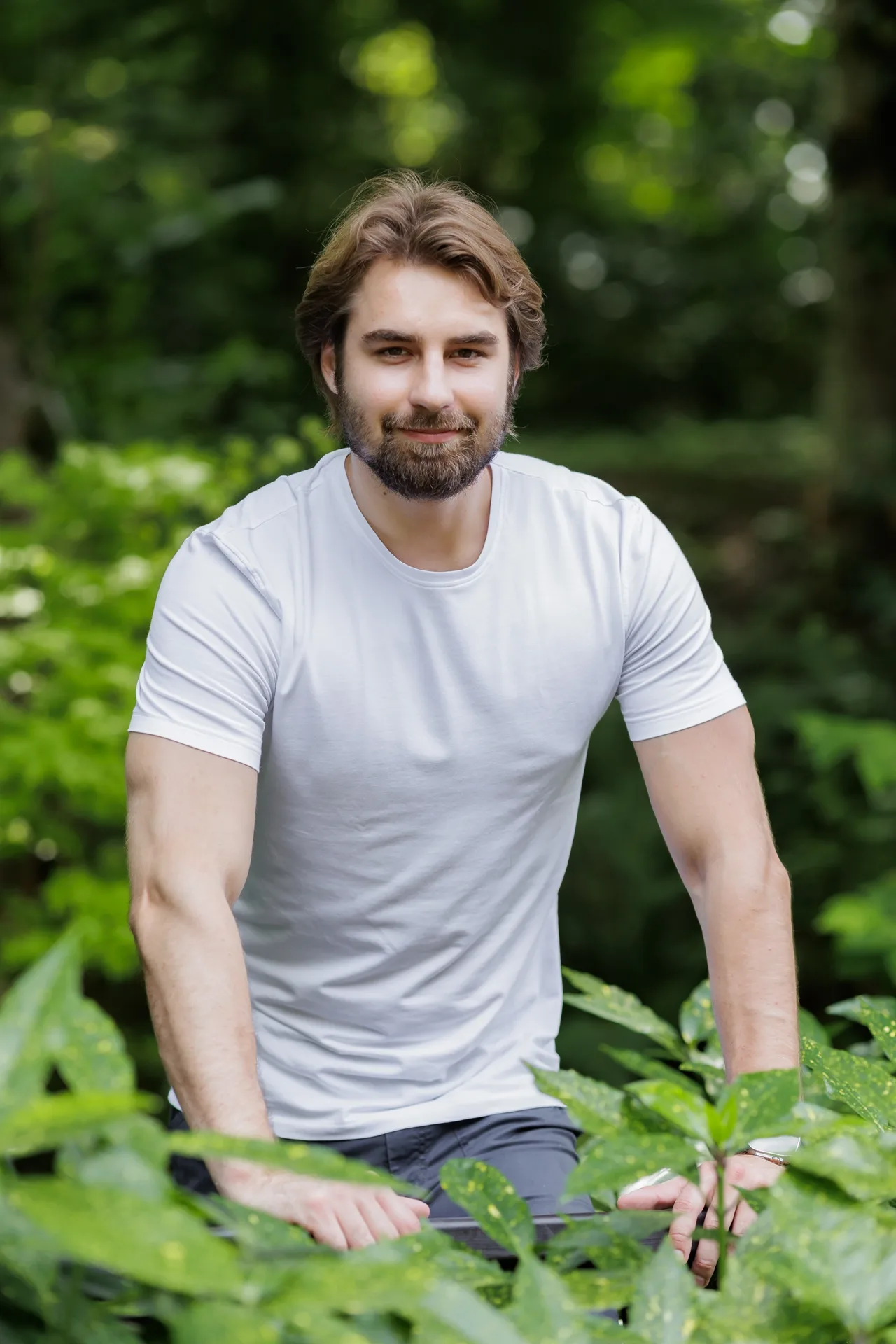
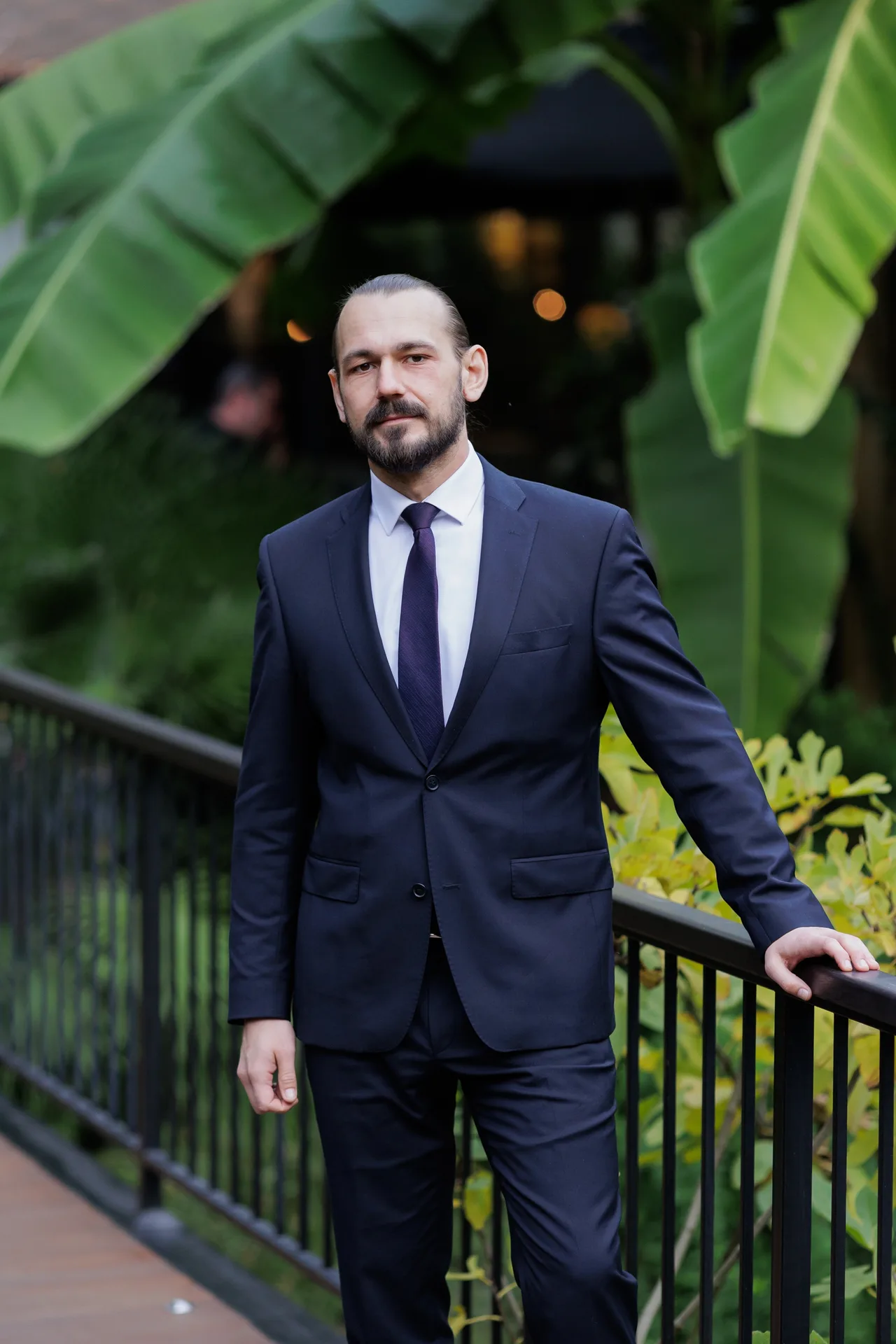
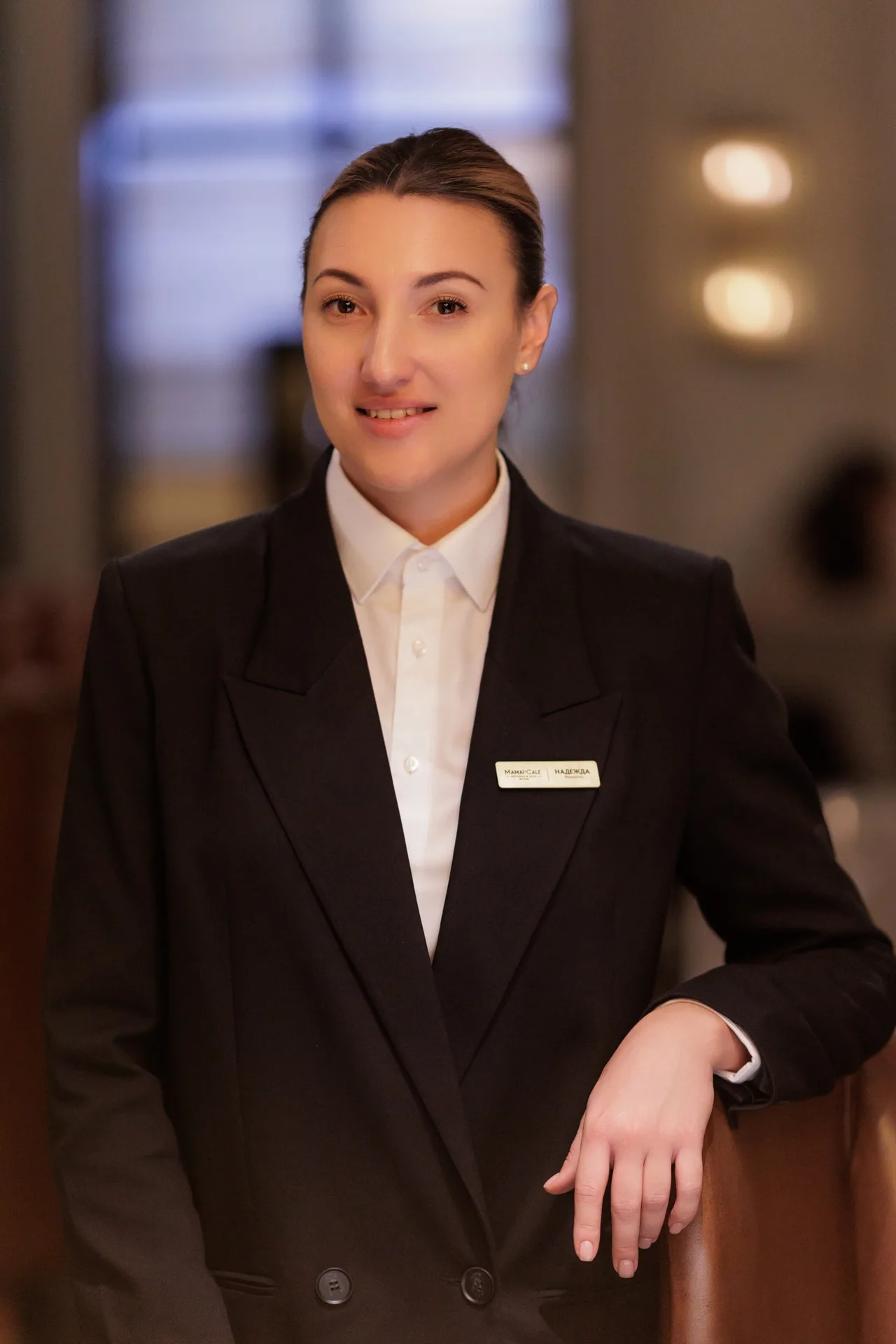
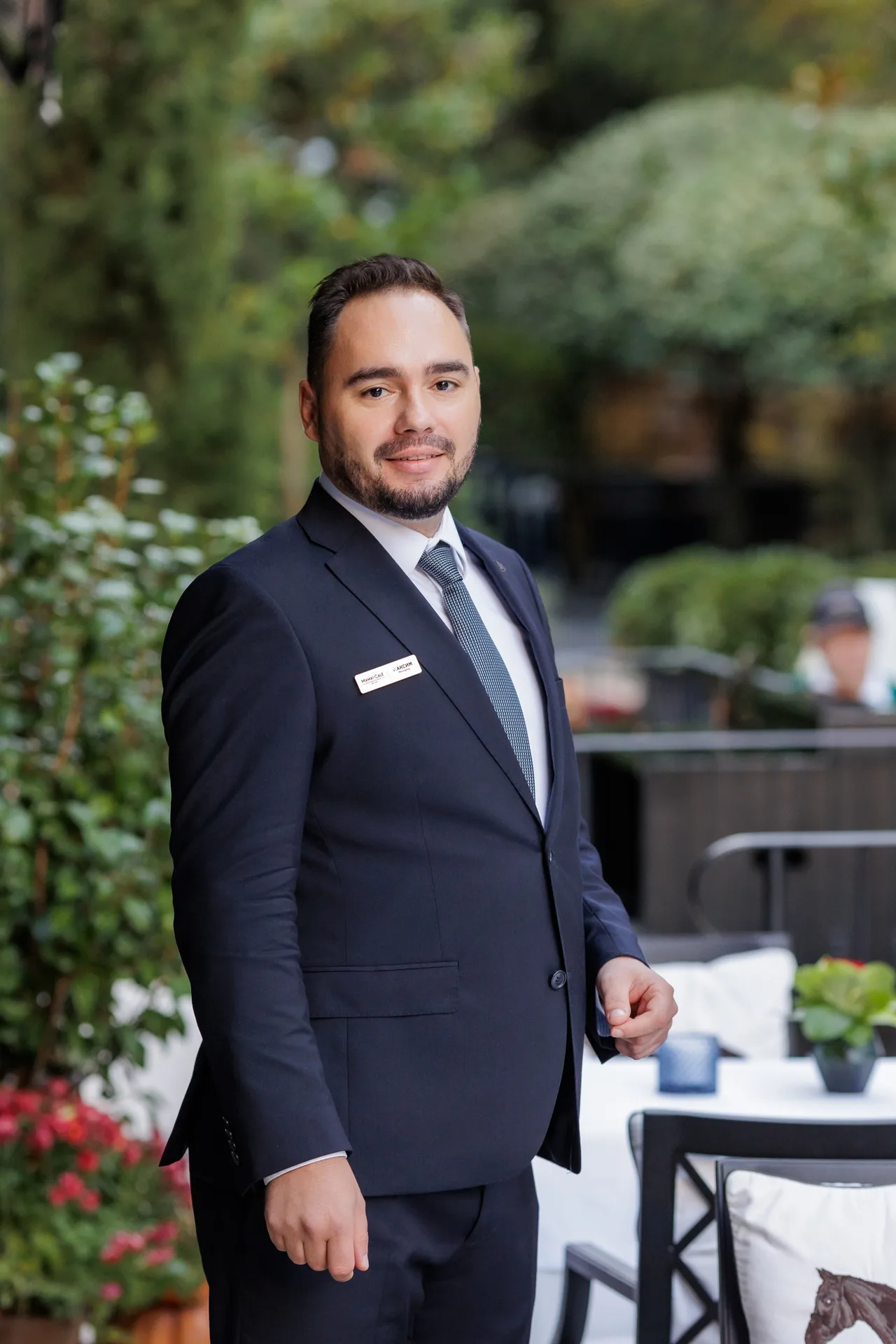
The dress code is cocktail or elegant evening, and the team — led by General Director Elena Mikshis and a full brigade of sous-chefs and managers — treats every detail of the experience with the same care as the plate.
Recognition
Awards & accolades
Ambience
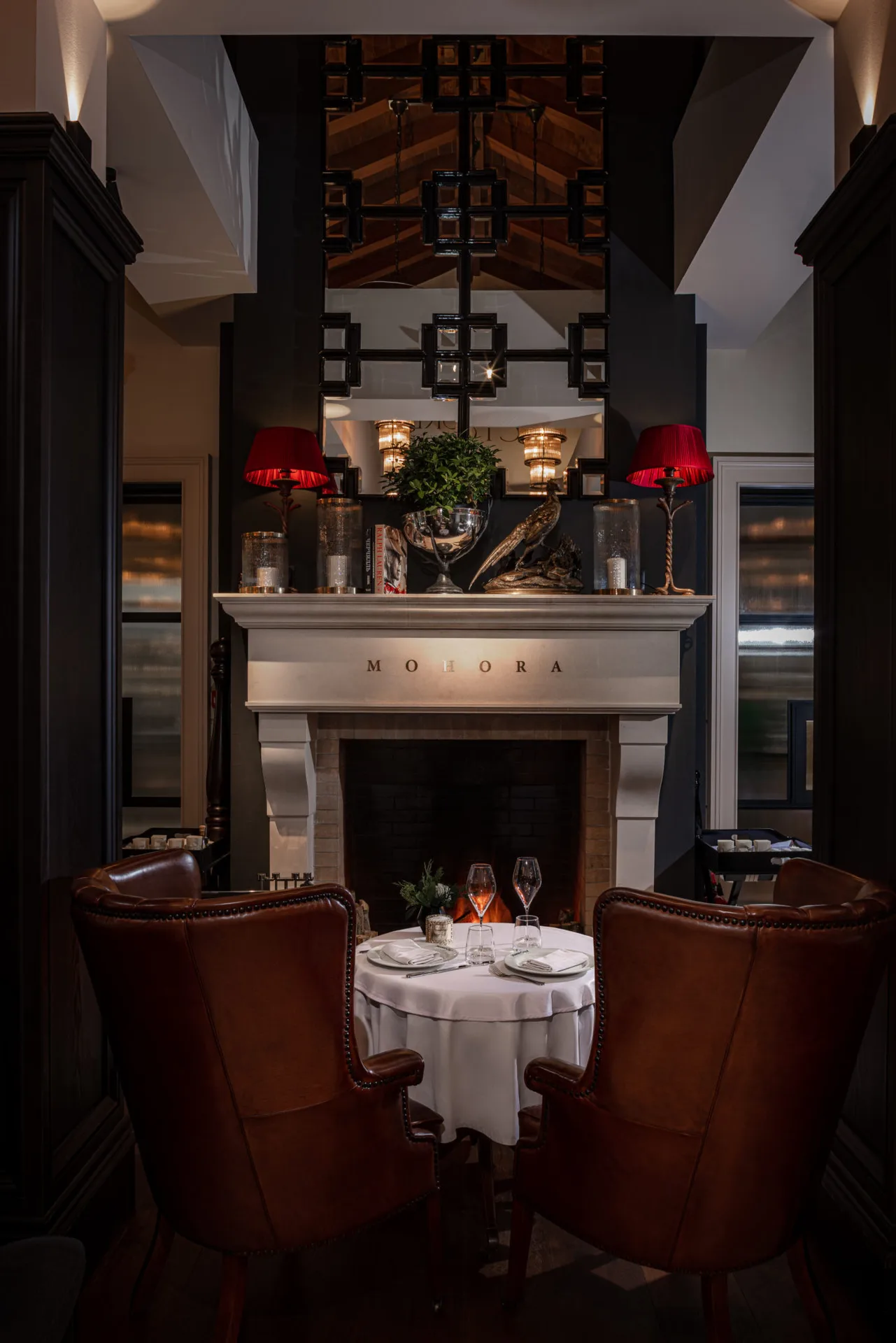
A glimpse inside

Location
Find us
Ulitsa Vinogradnaya, 284/1, SochiSochi, Russia
78625550300
info@mamai-cale.com
Visit website
 Instagram