

The story
Crafted with passion, served with love
A Name from Norwegian Literature
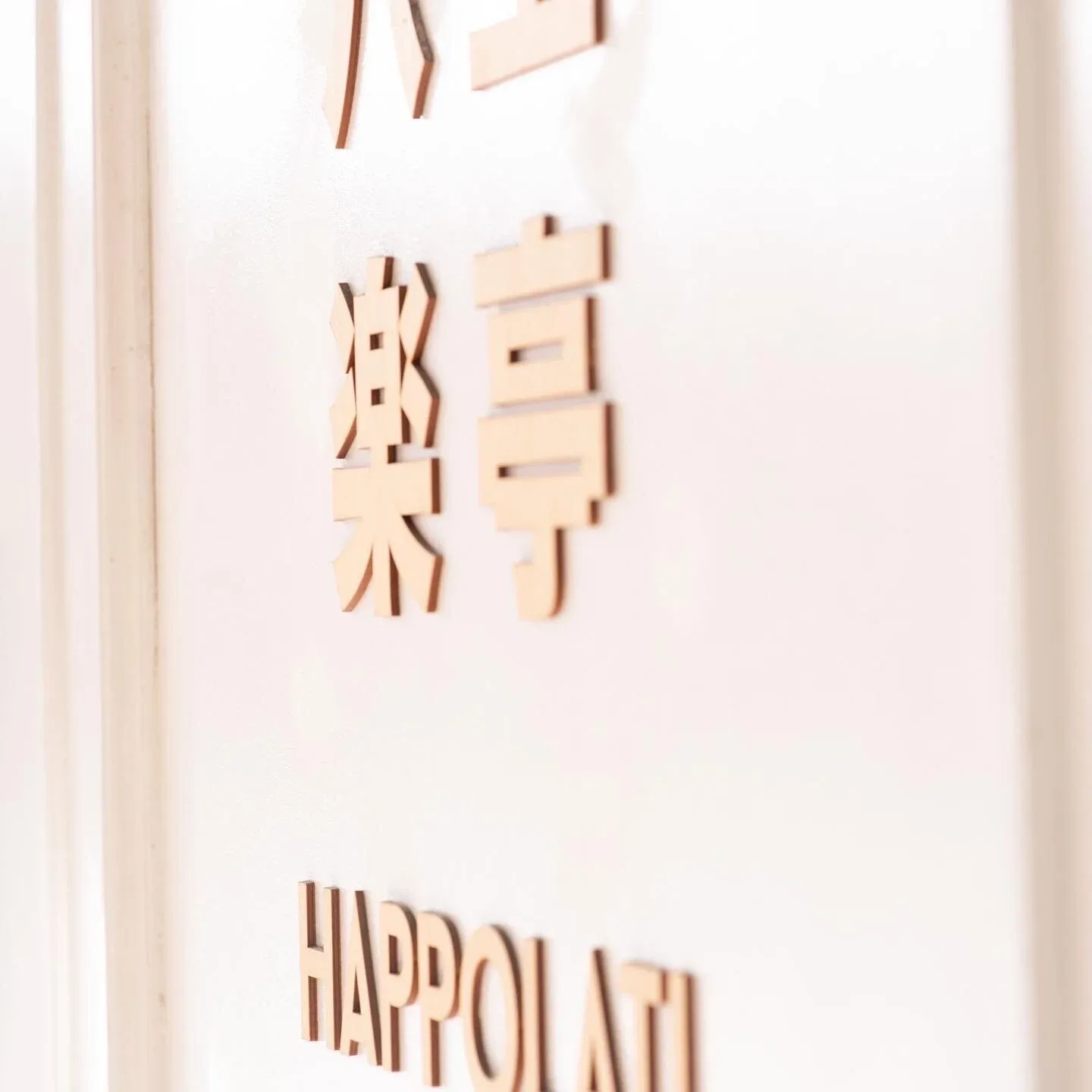
Happolati takes its name from one of the most celebrated novels in Norwegian literature. In Knut Hamsun's Hunger, the unnamed, half-delirious protagonist becomes fixated on a woman he calls Ylajali — whom he imagines living right here on St. Olavs plass — and invents her father, J. A. Happolati, as a fantastical figure who supposedly created an "electronic book of psalms." The building at St. Olavs plass 2 was, until 2016, home to a restaurant named after Ylajali herself. When Happolati took over that same elegant space, it kept the literary thread alive, moving one generation further into Hamsun's fiction.
The Space and the Cooking
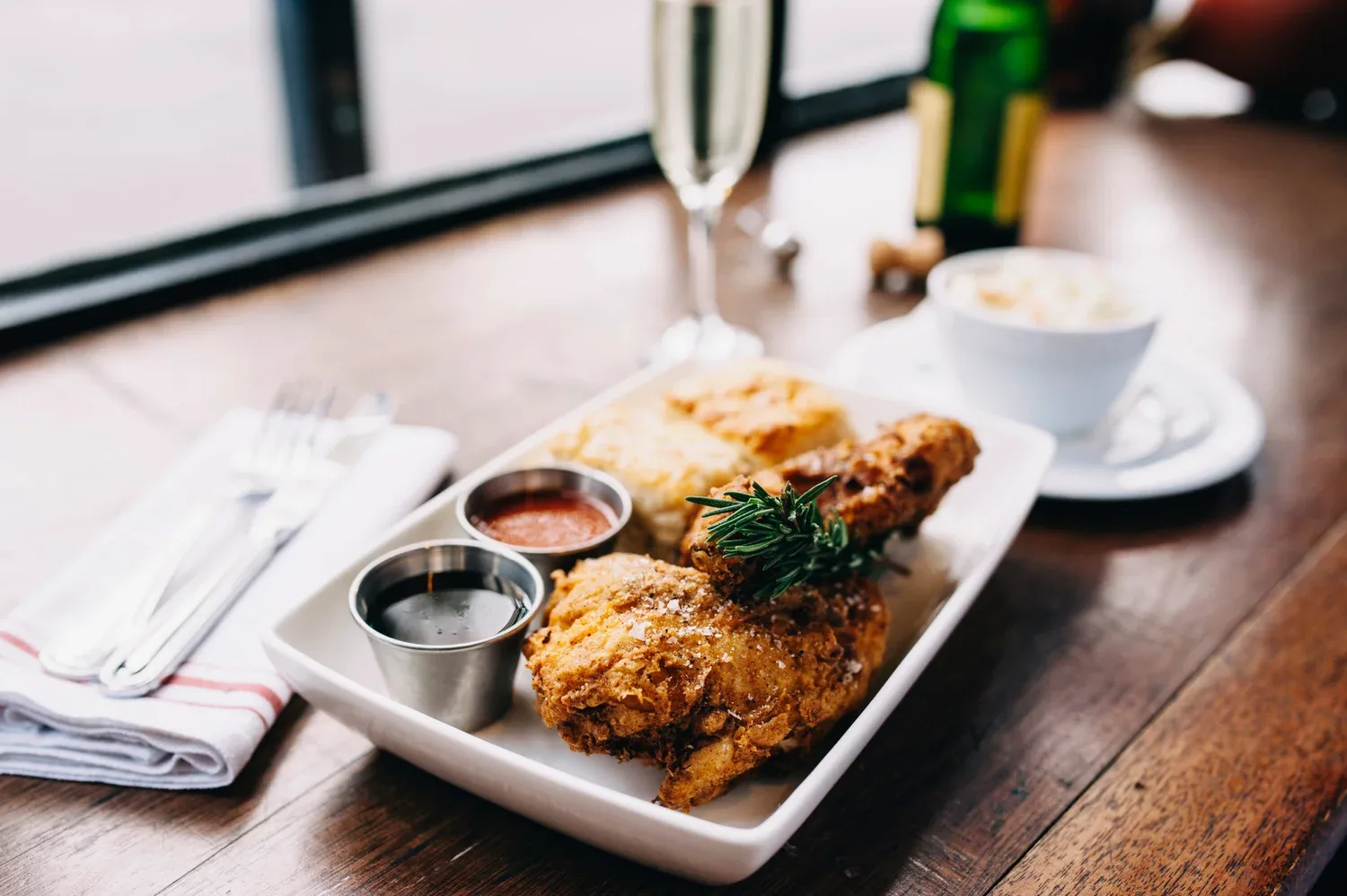
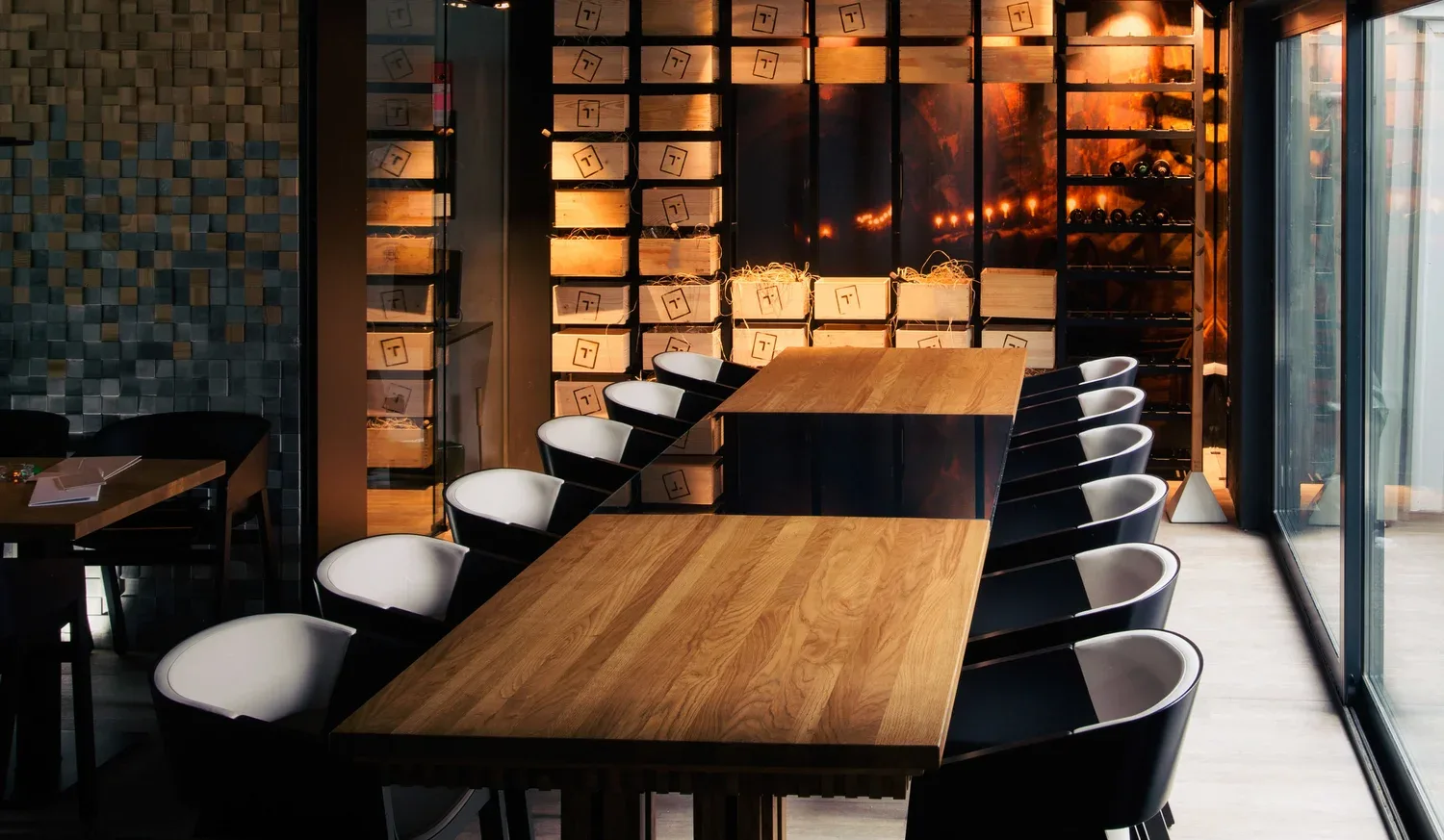
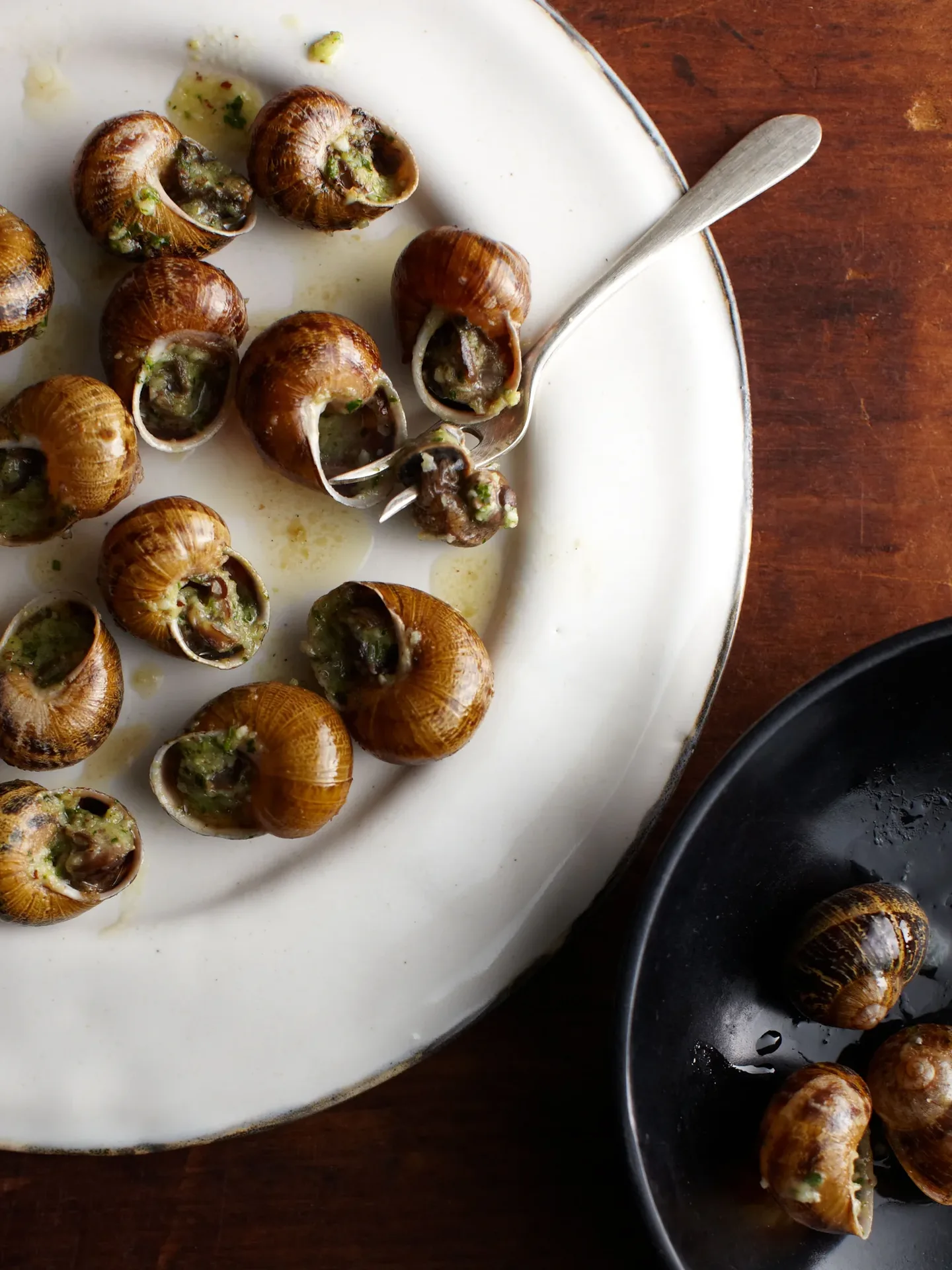
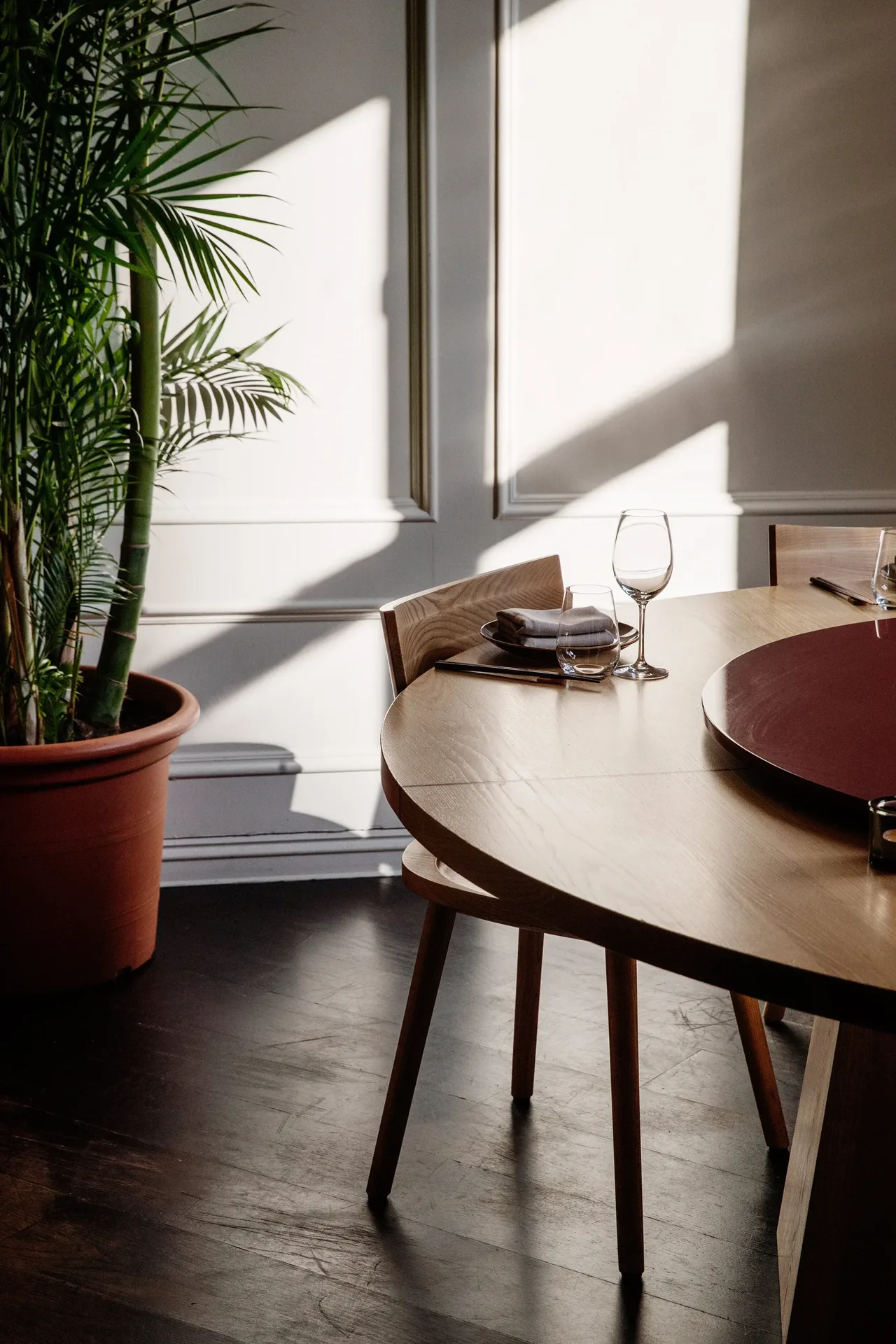
The interior honours its history without being precious about it. The style is described as elegant and understated, drawing on Asian lines softened by Nordic design — a combination that mirrors exactly what happens on the plate. The kitchen works with the season's finest ingredients, shaping them into a menu with a distinctly Asian character. This is Nordic cooking that looks east for its seasoning and technique, rather than staying within Scandinavian convention.
At the bar — Bar Babylon — noodles and small plates are served alongside the main dining room, giving the space a more casual dimension alongside its sit-down offering. Groups of more than five are steered toward a set menu, which keeps the kitchen focused and the experience cohesive.
Recognition and What to Expect
The White Guide, Scandinavia's most authoritative dining reference, rates Happolati at a very fine level — recognition that reflects the consistency and care the kitchen brings to its Nordic-Asian approach. Lunch and dinner are both on offer, with a set lunch menu making it a practical choice at midday as well as a considered destination in the evening.
What Happolati offers, in the end, is a room with a genuine story, food that earns its place in a city of increasingly serious restaurants, and an atmosphere that manages to be both fun and refined — without trying too hard at either.
Recognition
Awards & accolades
Ambience
A glimpse inside






Location
Find us
St. Olavs plass 20165,OsloOslo, Norway
Not explicitly stated
Not explicitly stated
Visit website