
The story
Crafted with passion, served with love
A Hacienda with Three Centuries of History
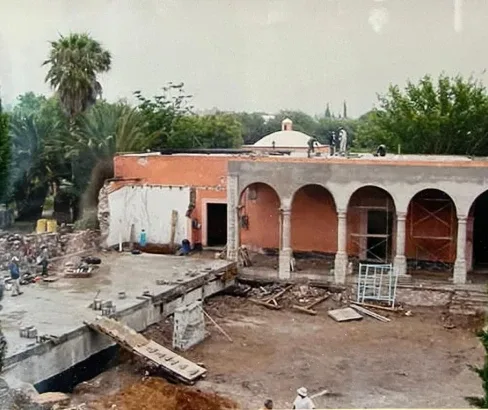
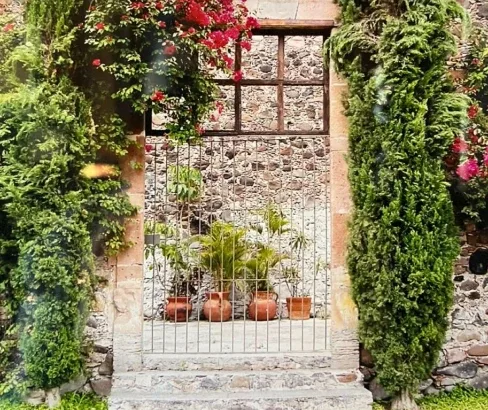
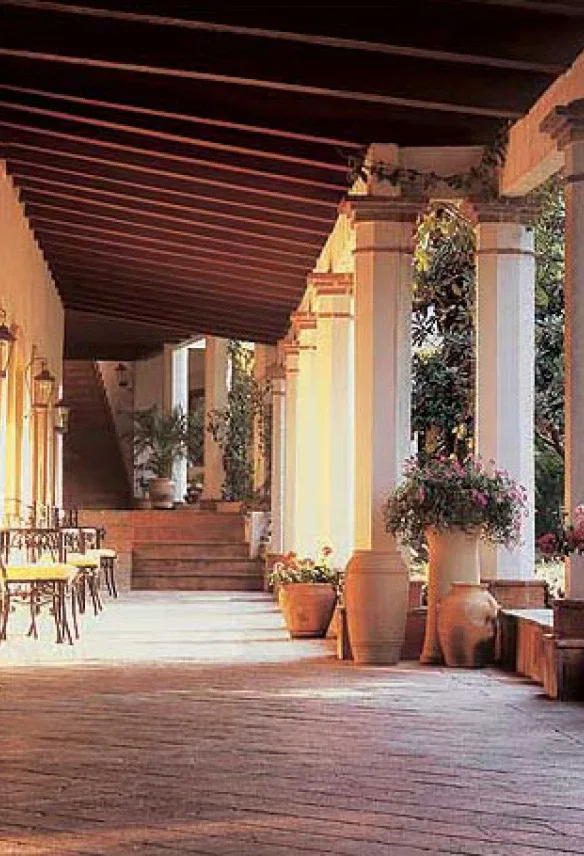
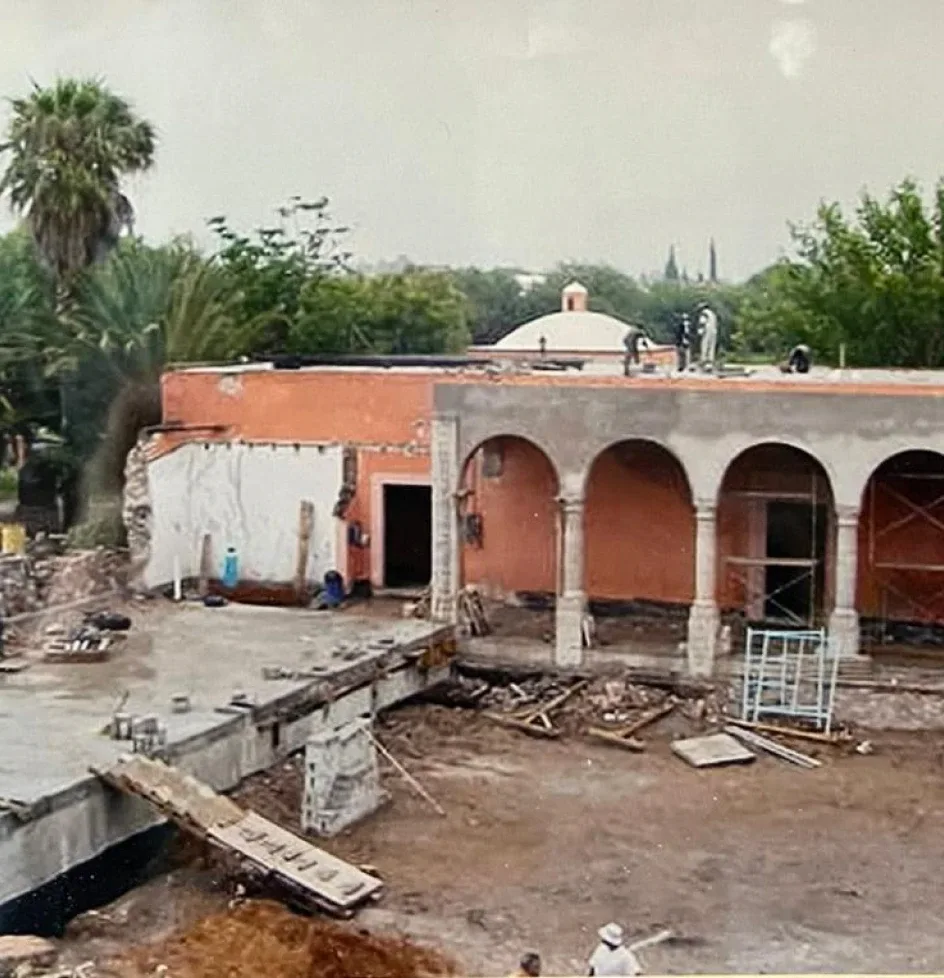
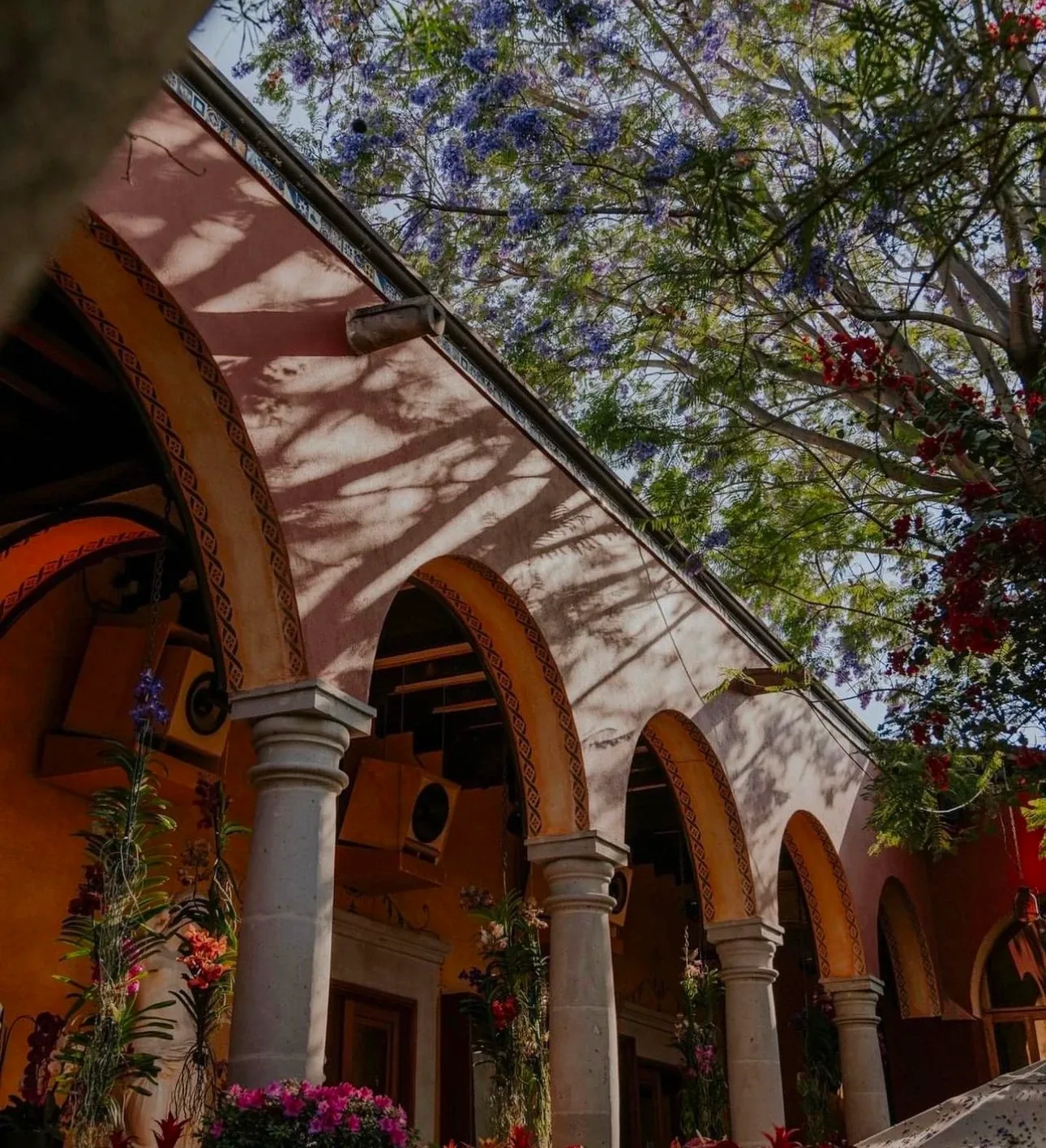
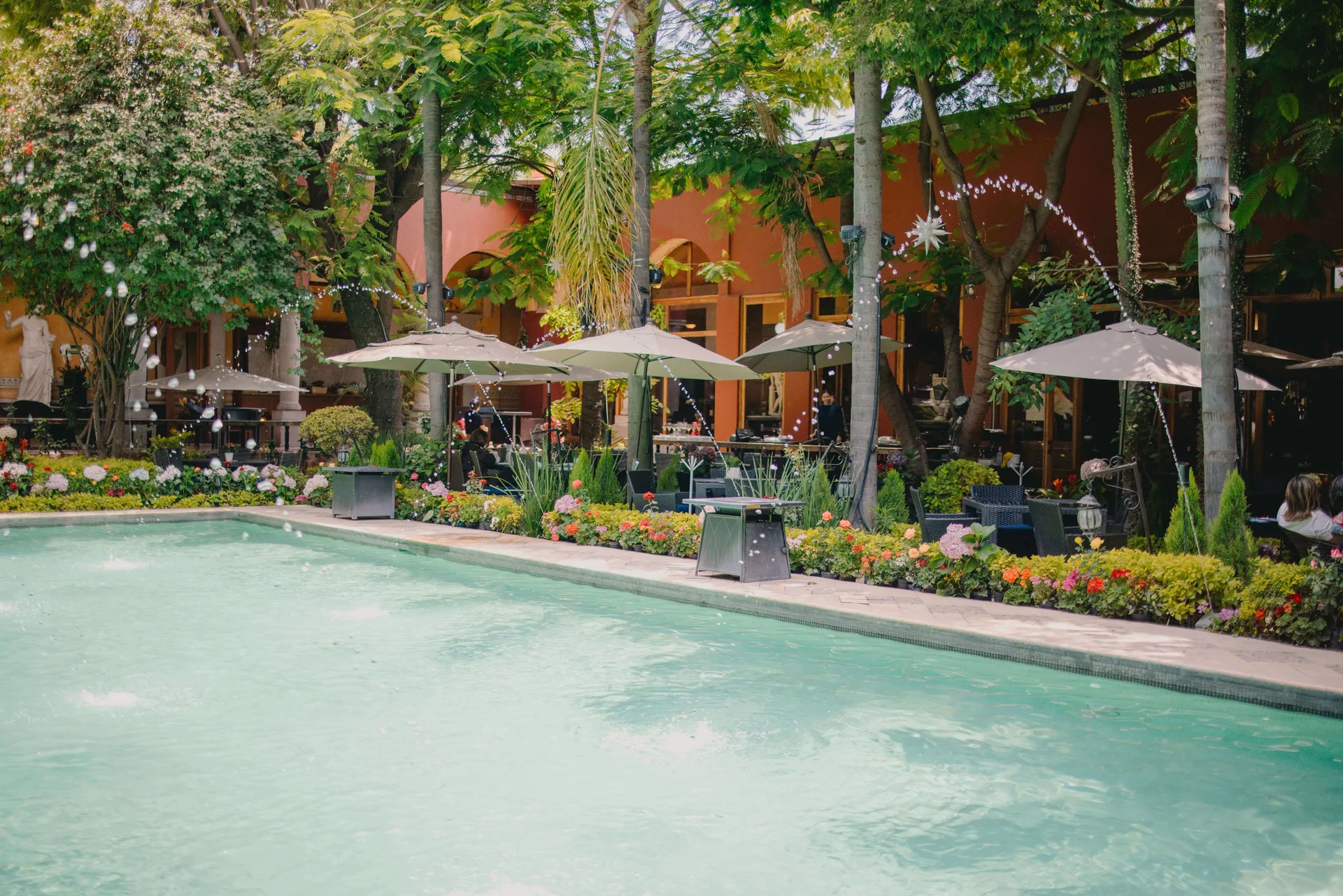
Hacienda Laborcilla began its life in the 18th century as a grain storage and farming center in the La Laborcilla territory of Querétaro. The barns date to 1838, and the colonial walls, arches, and central fountain that visitors see today are the originals — preserved through a meticulous five-year restoration carried out with full respect for the building's structure. The Instituto Nacional de Antropología e Historia (INAH) now recognizes the property as a historic and cultural heritage site, which is a meaningful designation in Mexico.
The Familia Laborcilla group acquired the property and oversaw its transformation. The hacienda opened as a restaurant in 2009, having first tested the waters as the Horus Bar in 2006. More than fifteen years on, it remains a family-owned business, and the waiter captains — some with over a decade of tenure — still offer short guided tours through the estate, sharing anecdotes that stretch from the days of wheat storage to the grandmothers who came to buy fresh corn.
The Space
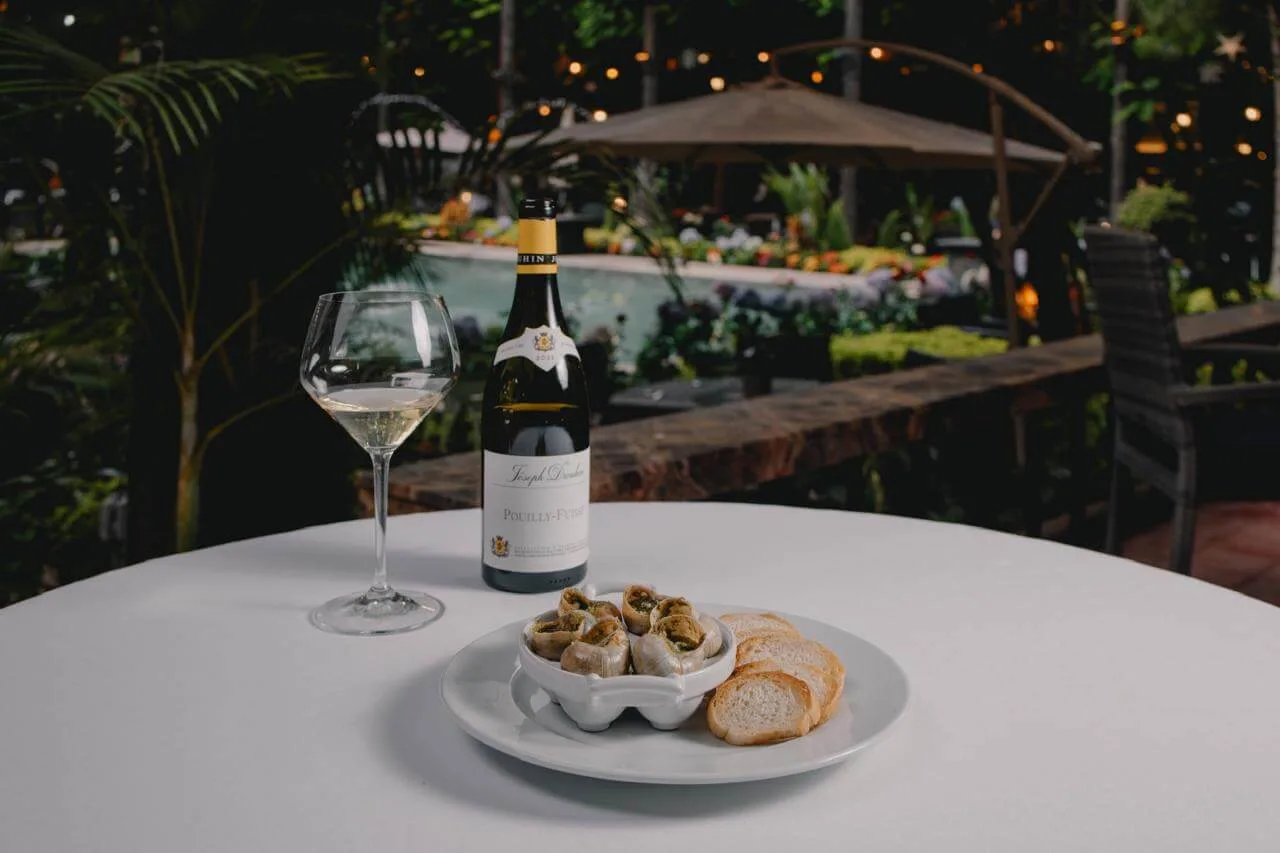
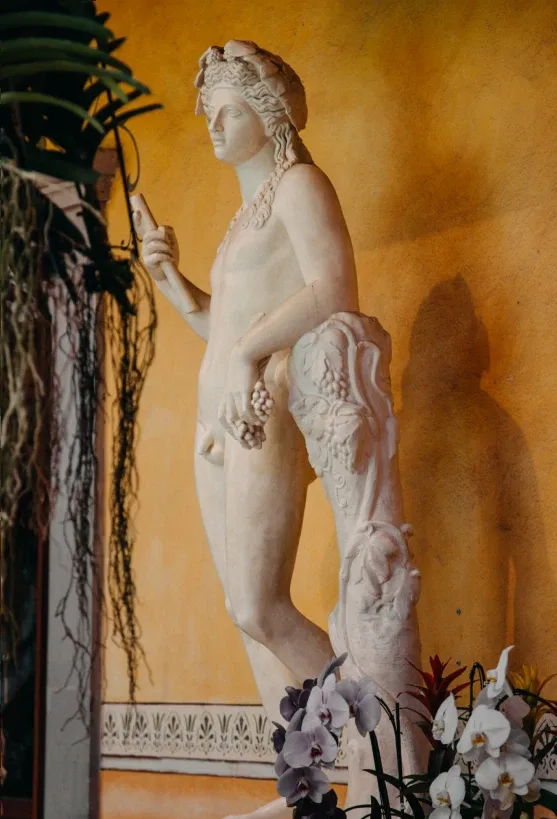
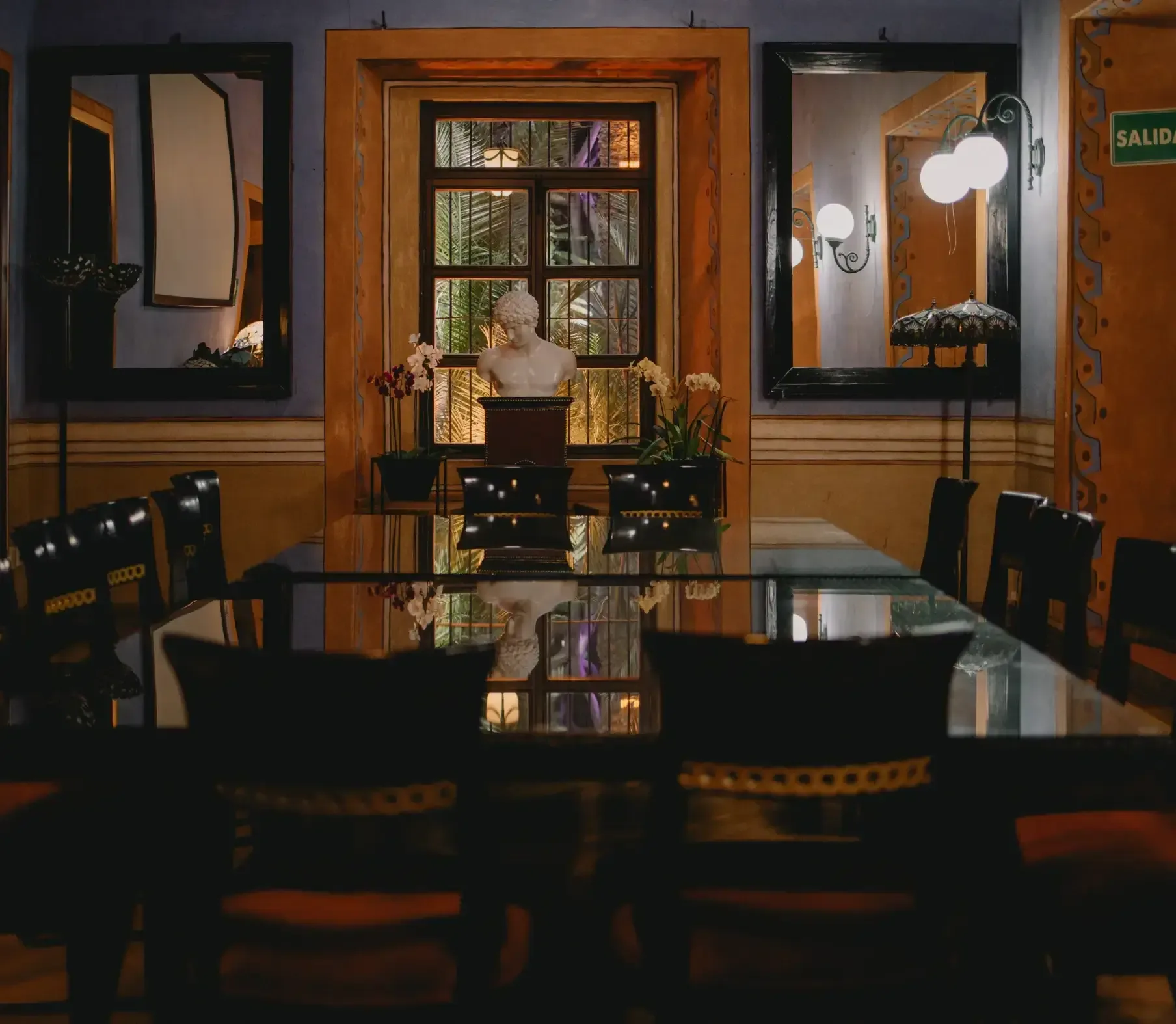
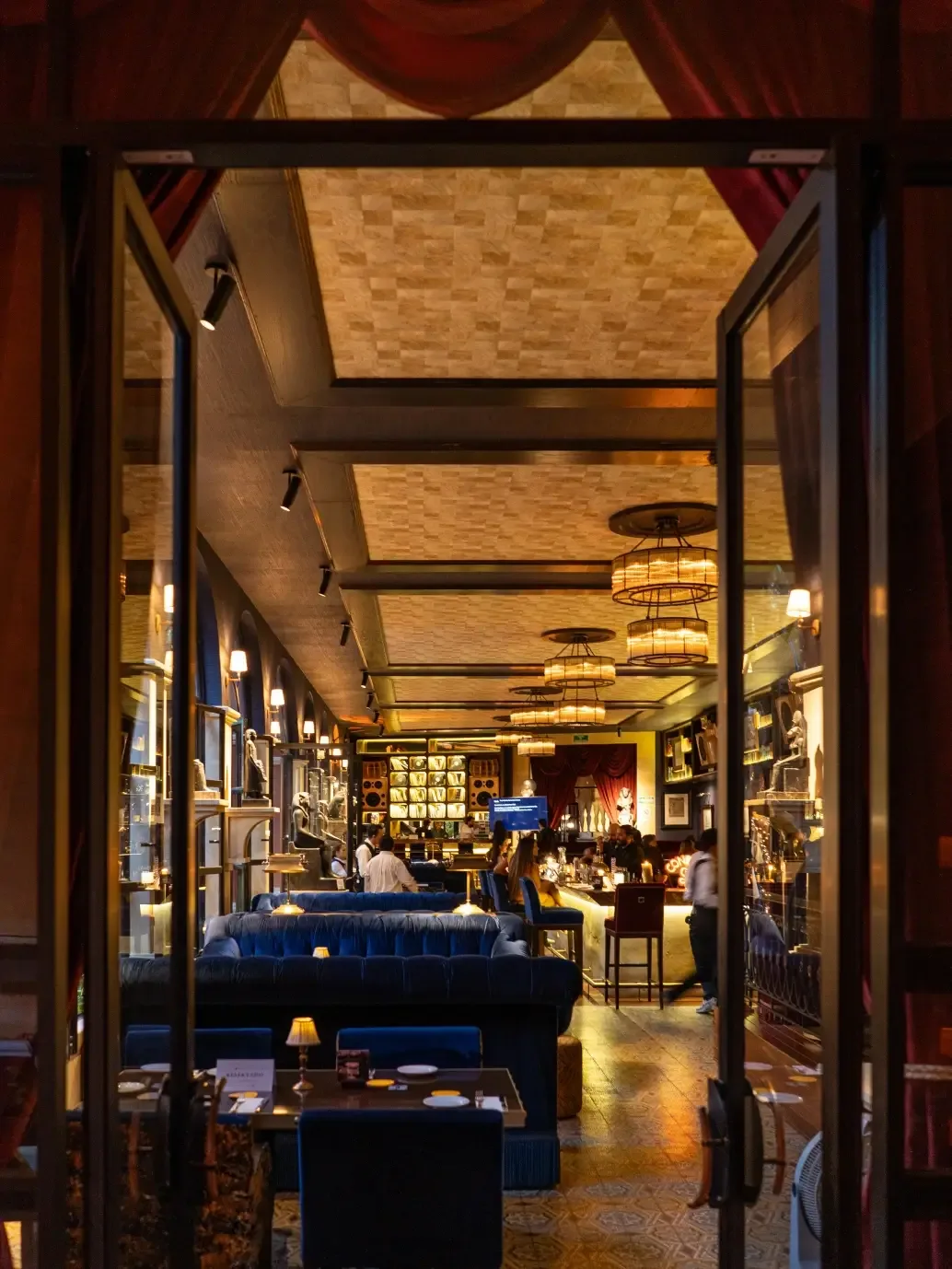
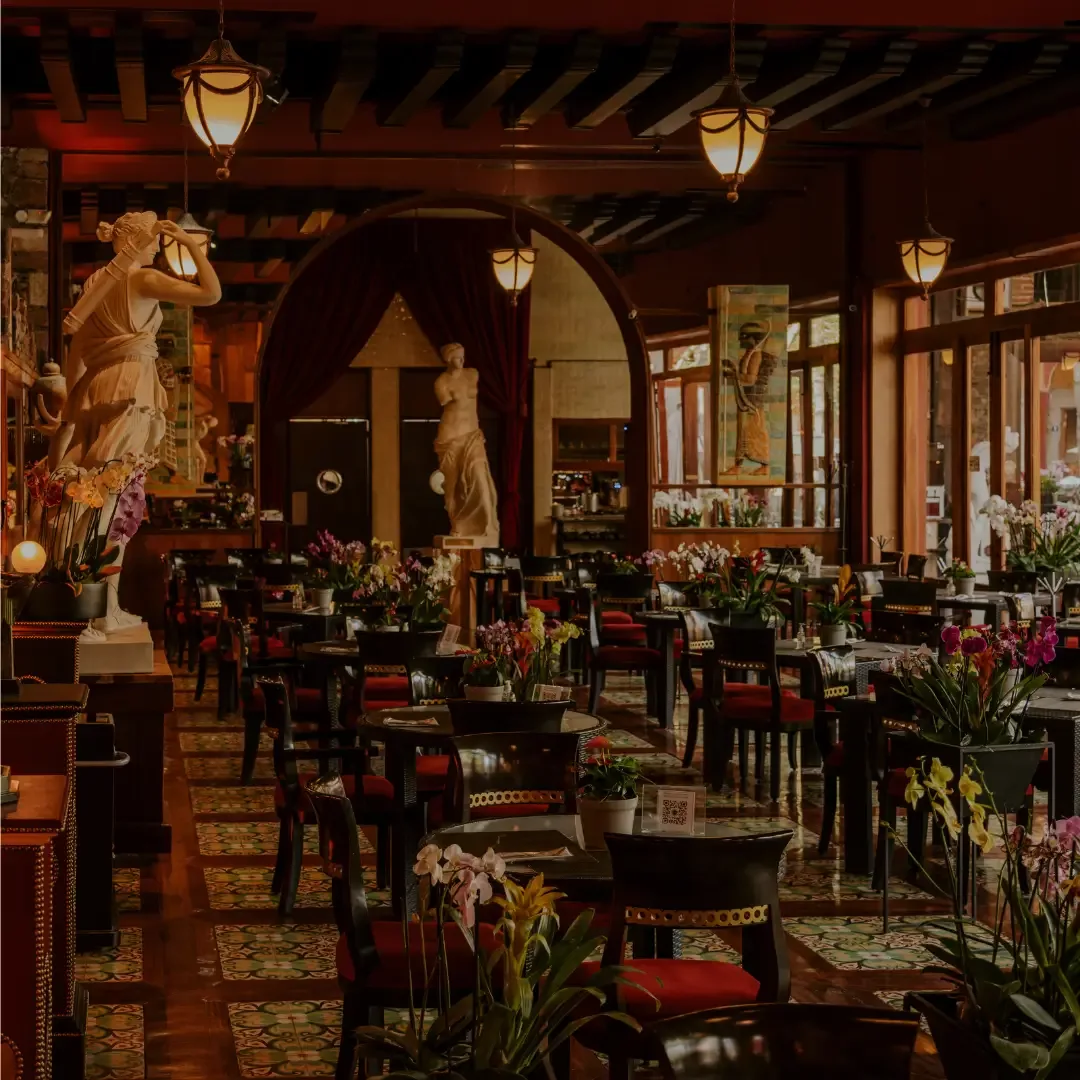
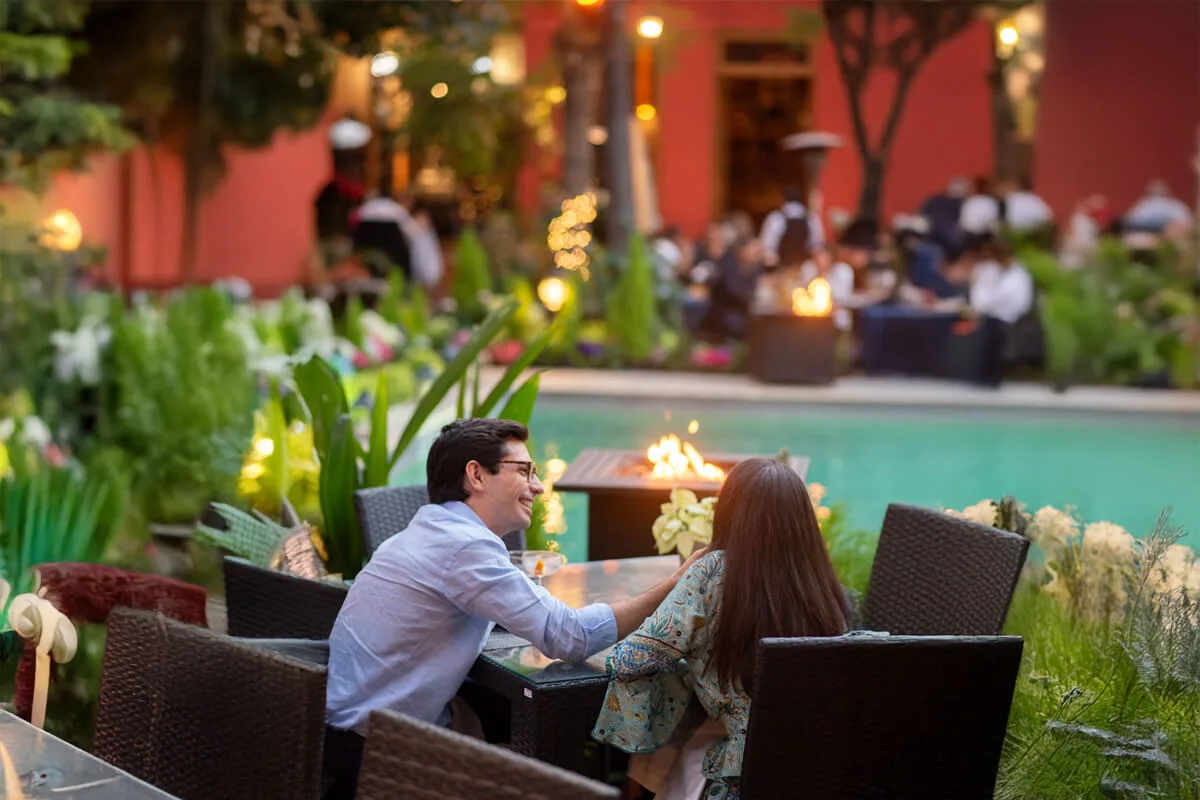
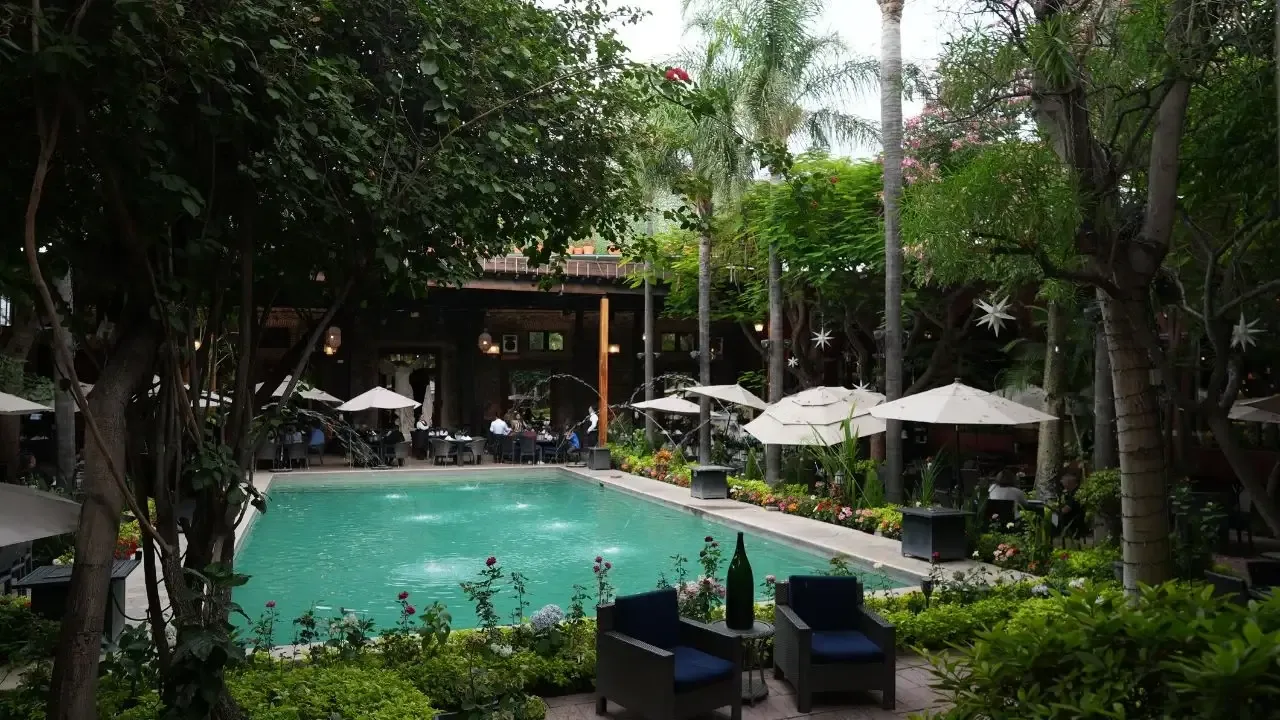
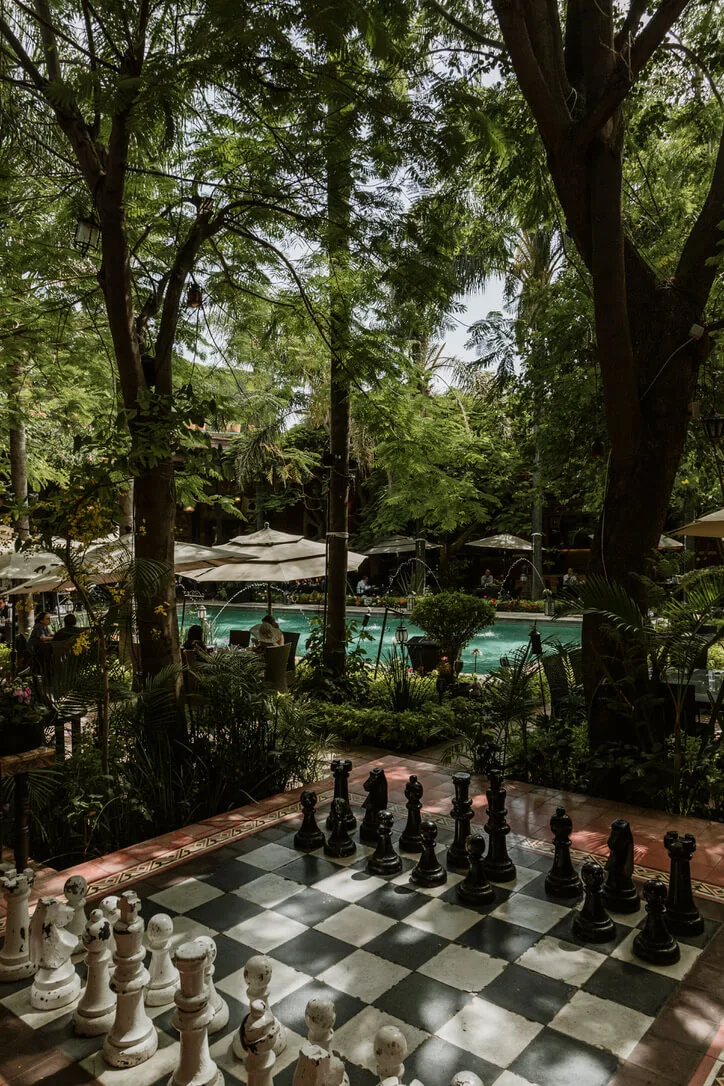
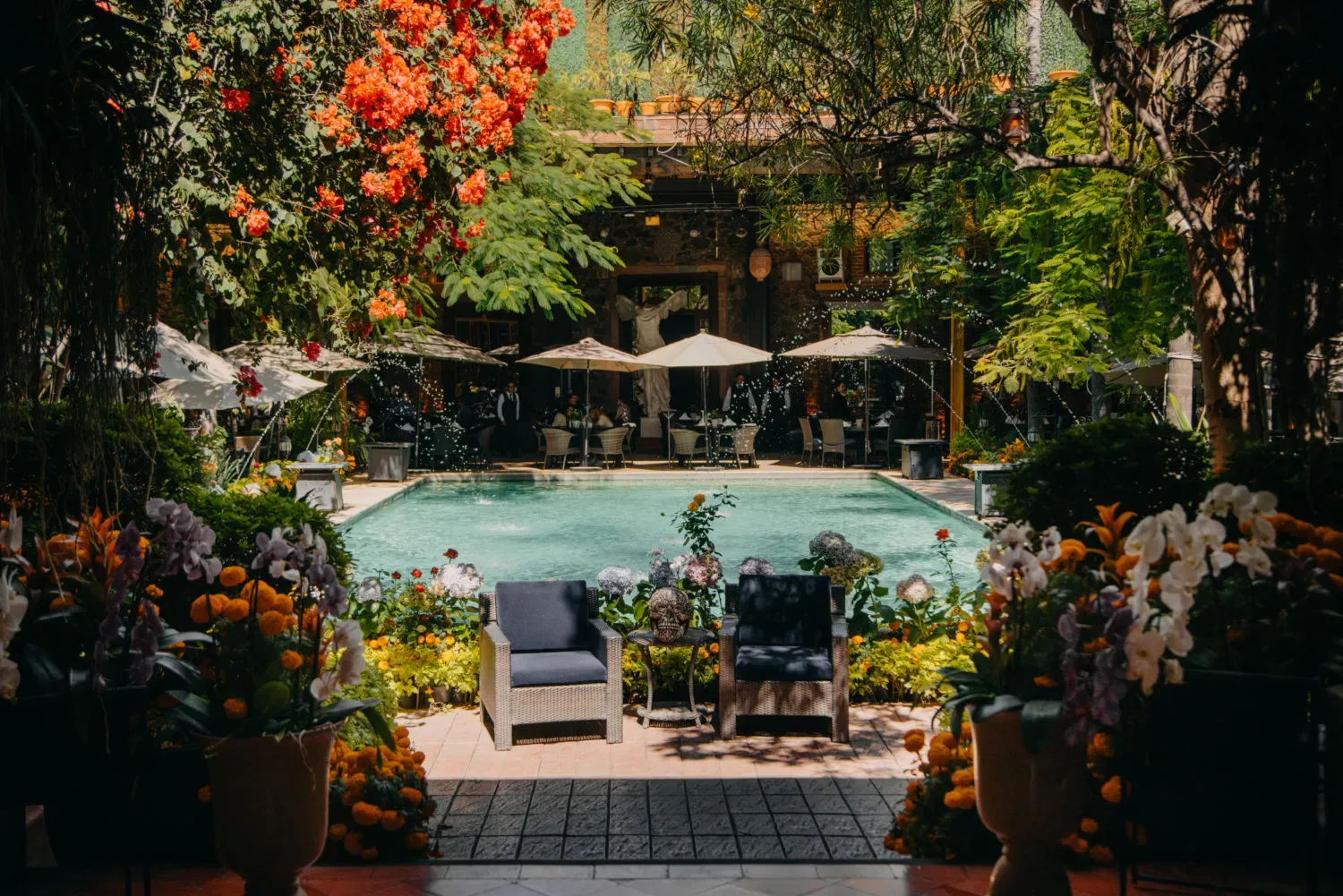
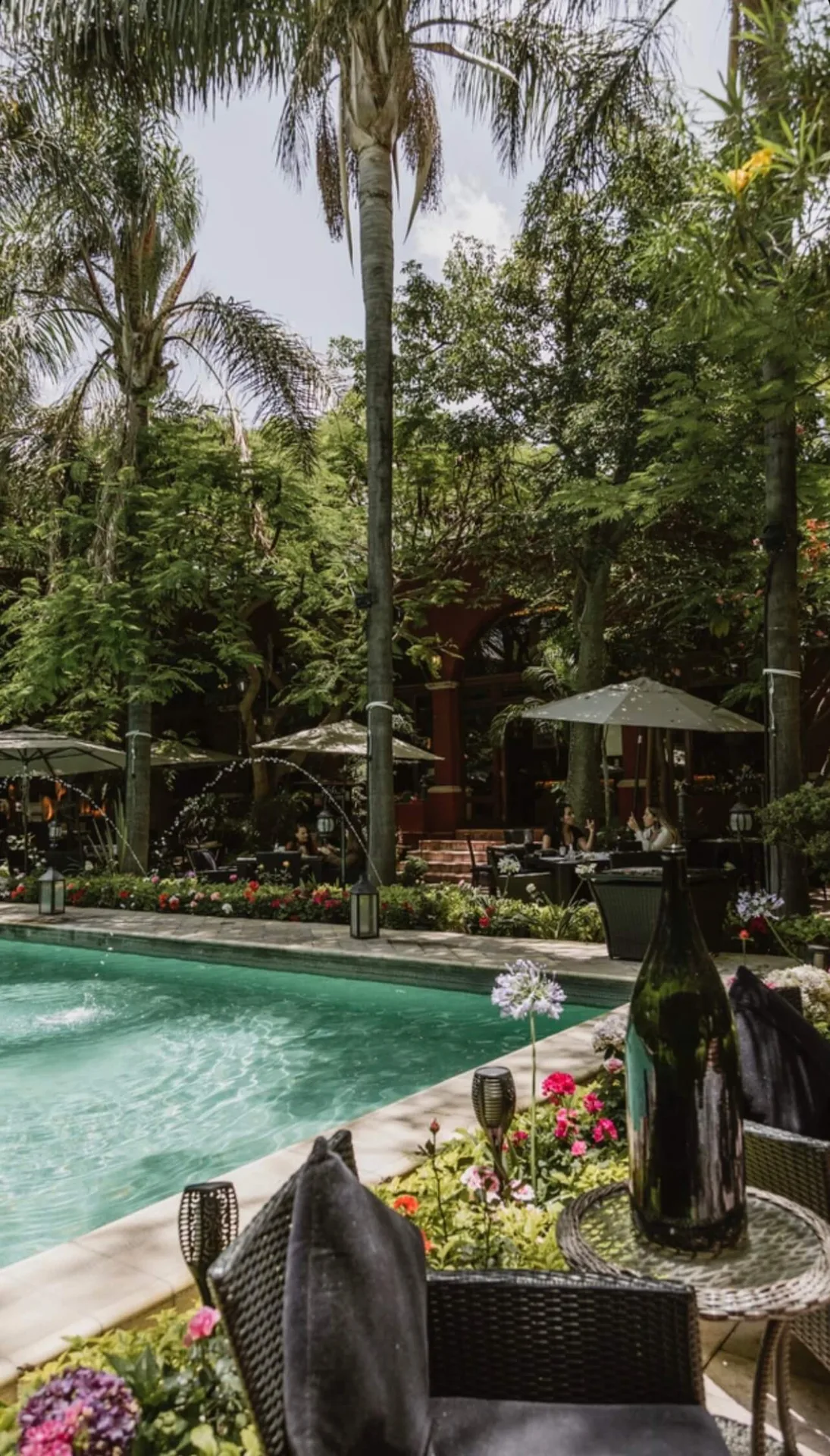
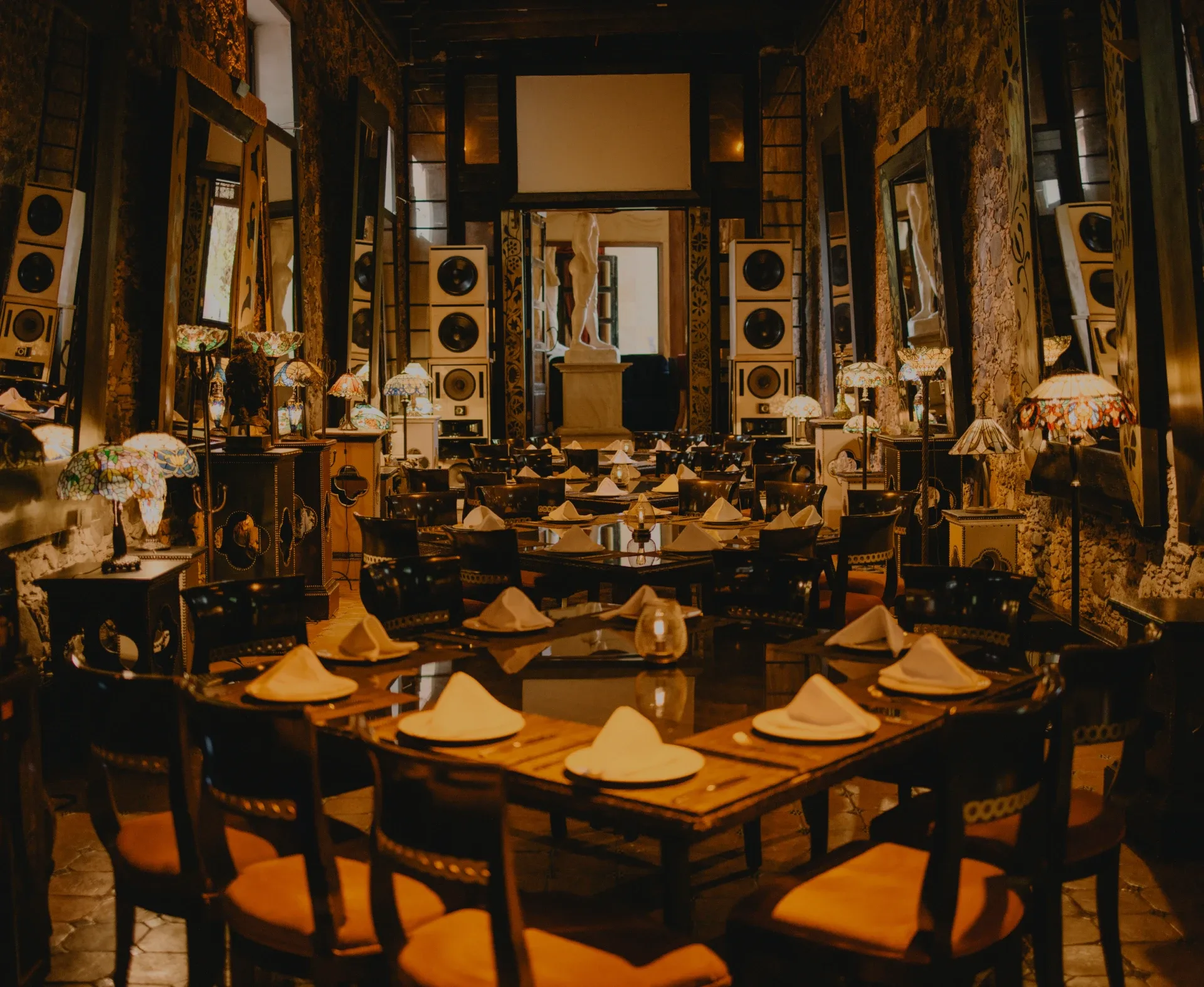
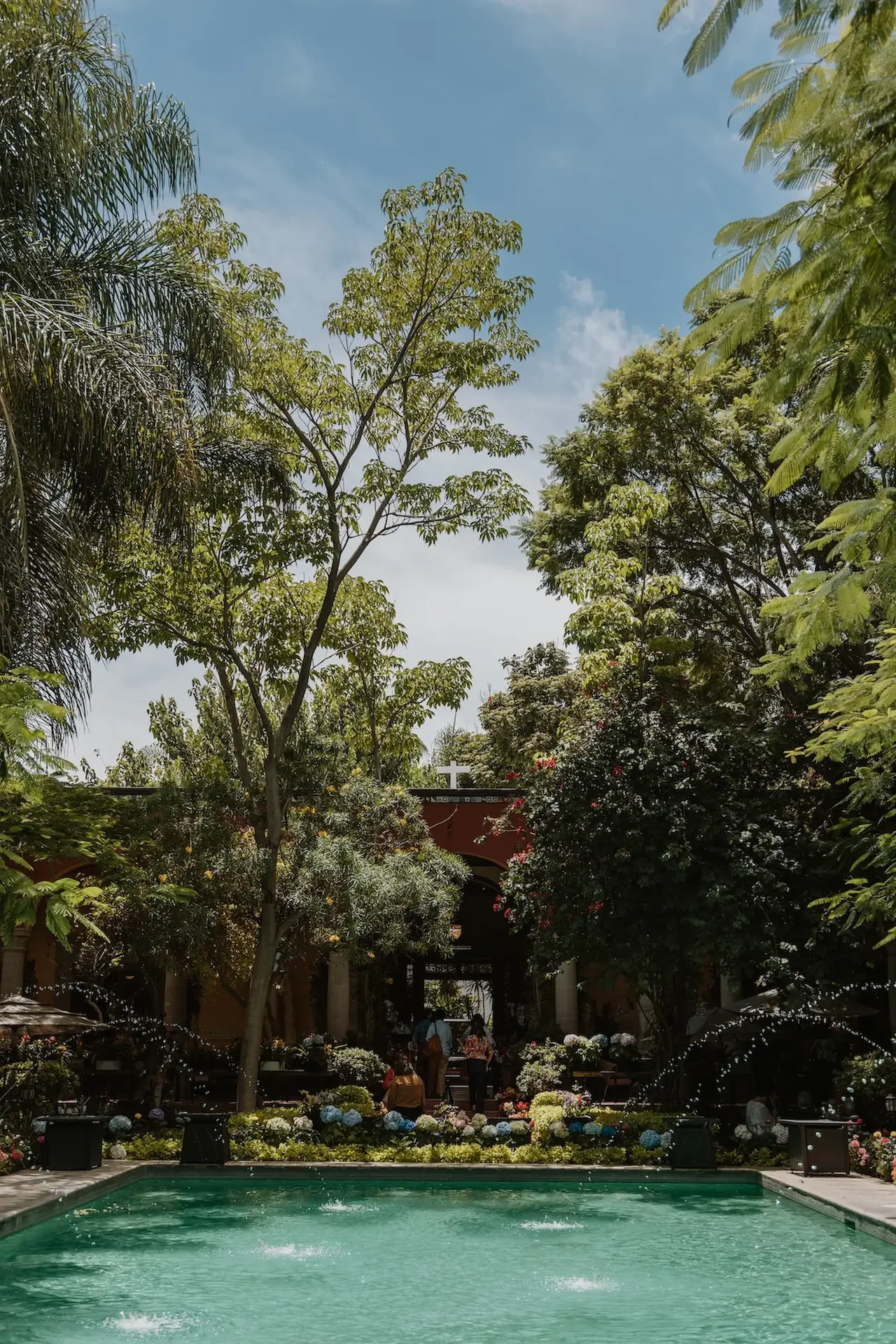
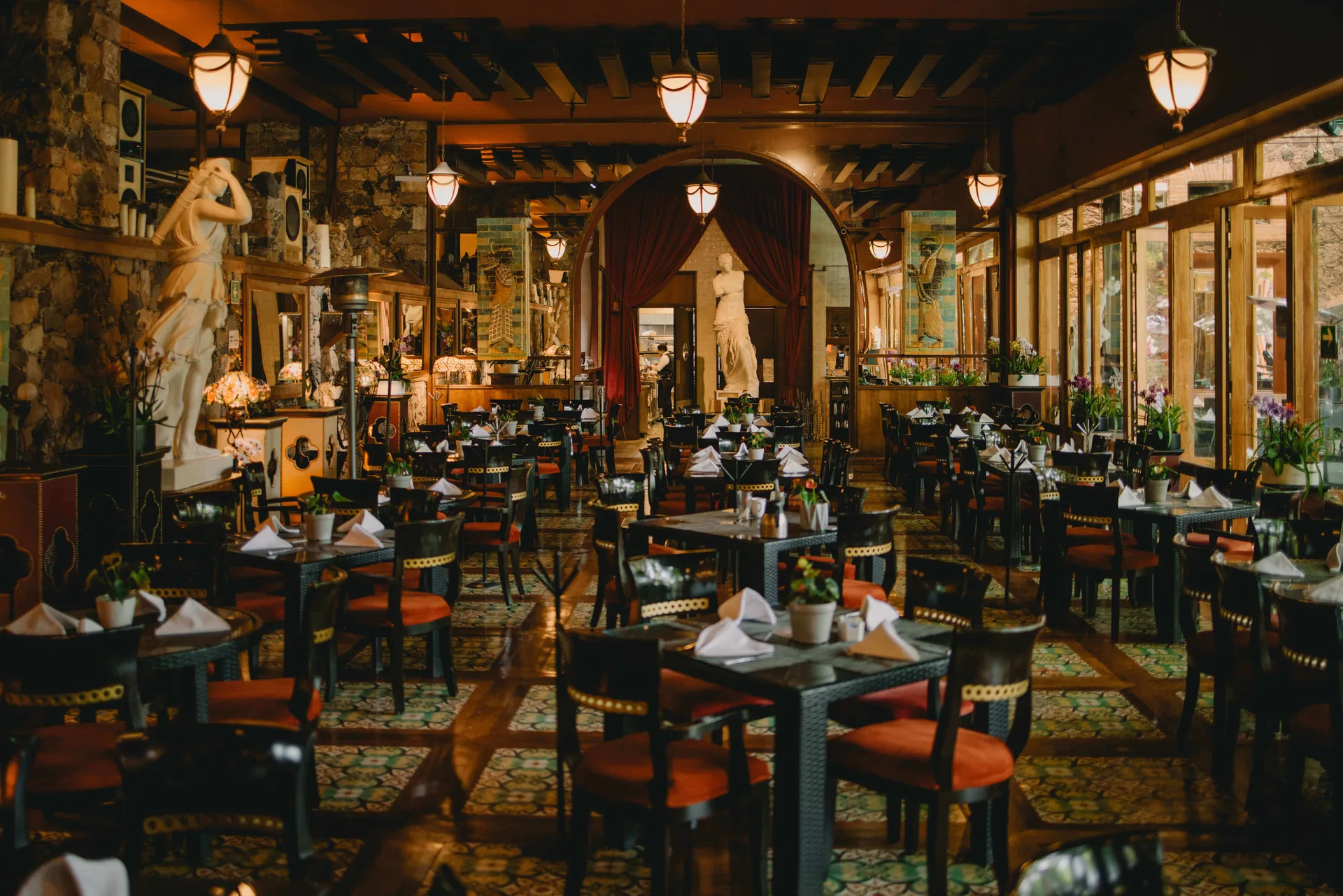
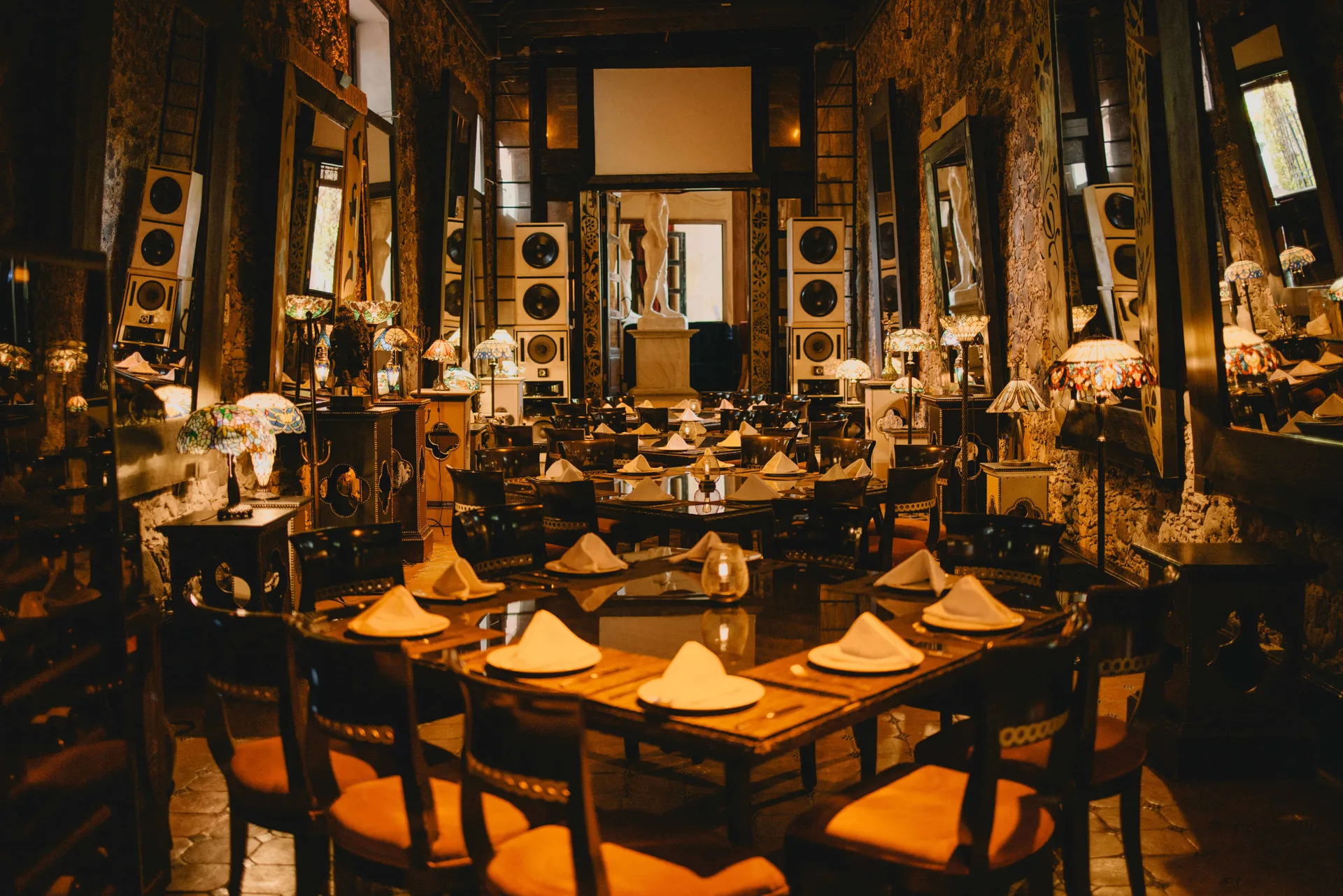
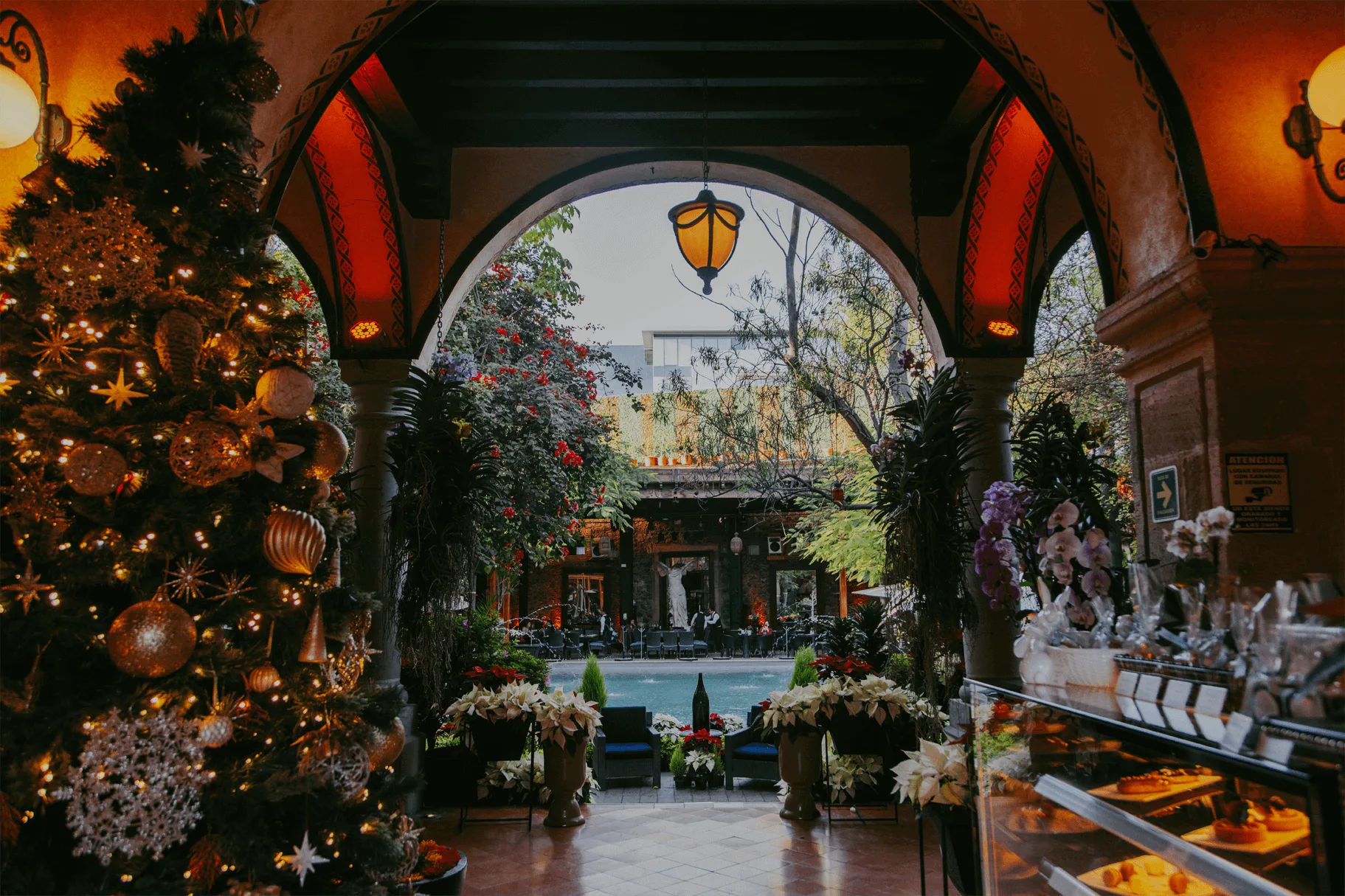
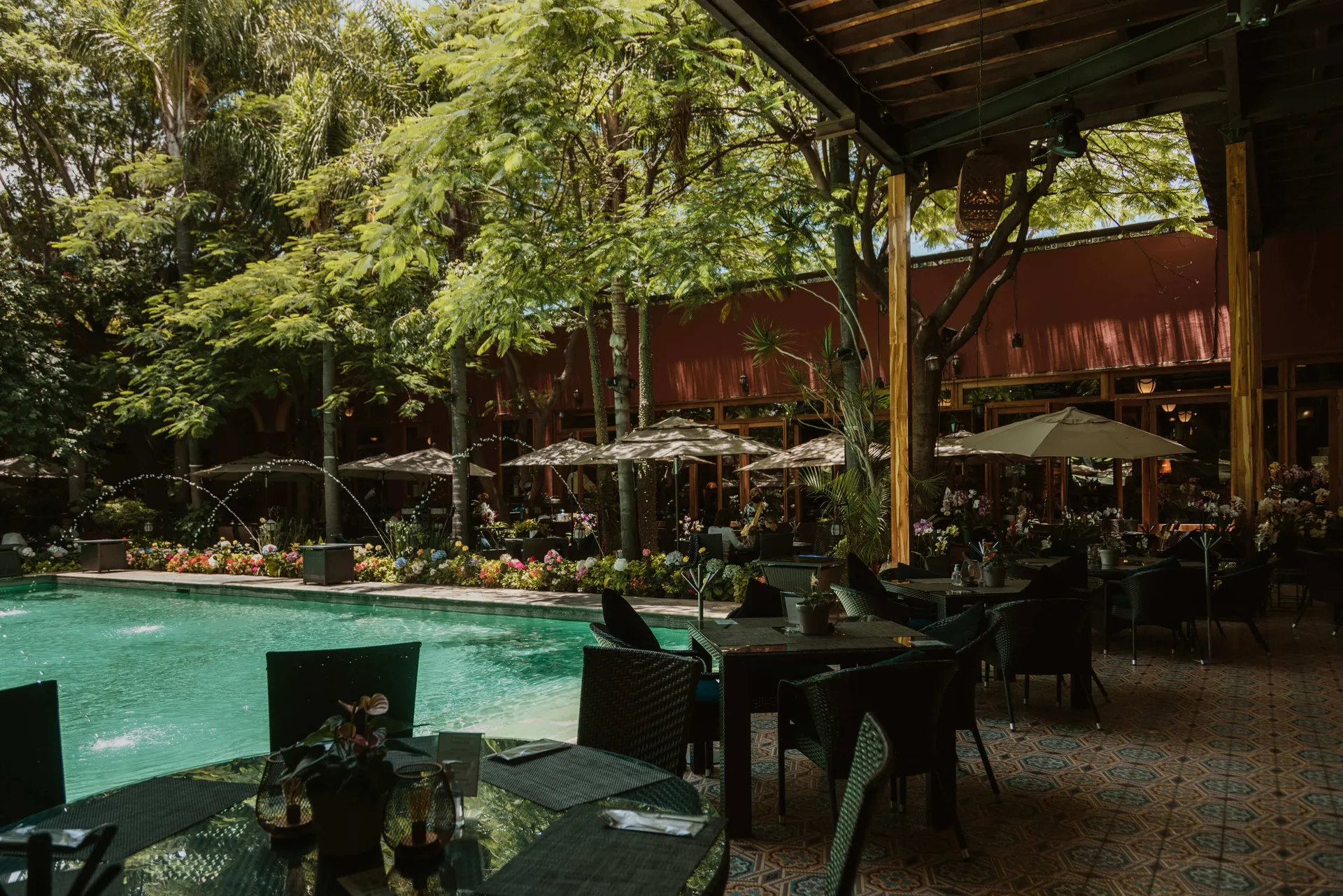
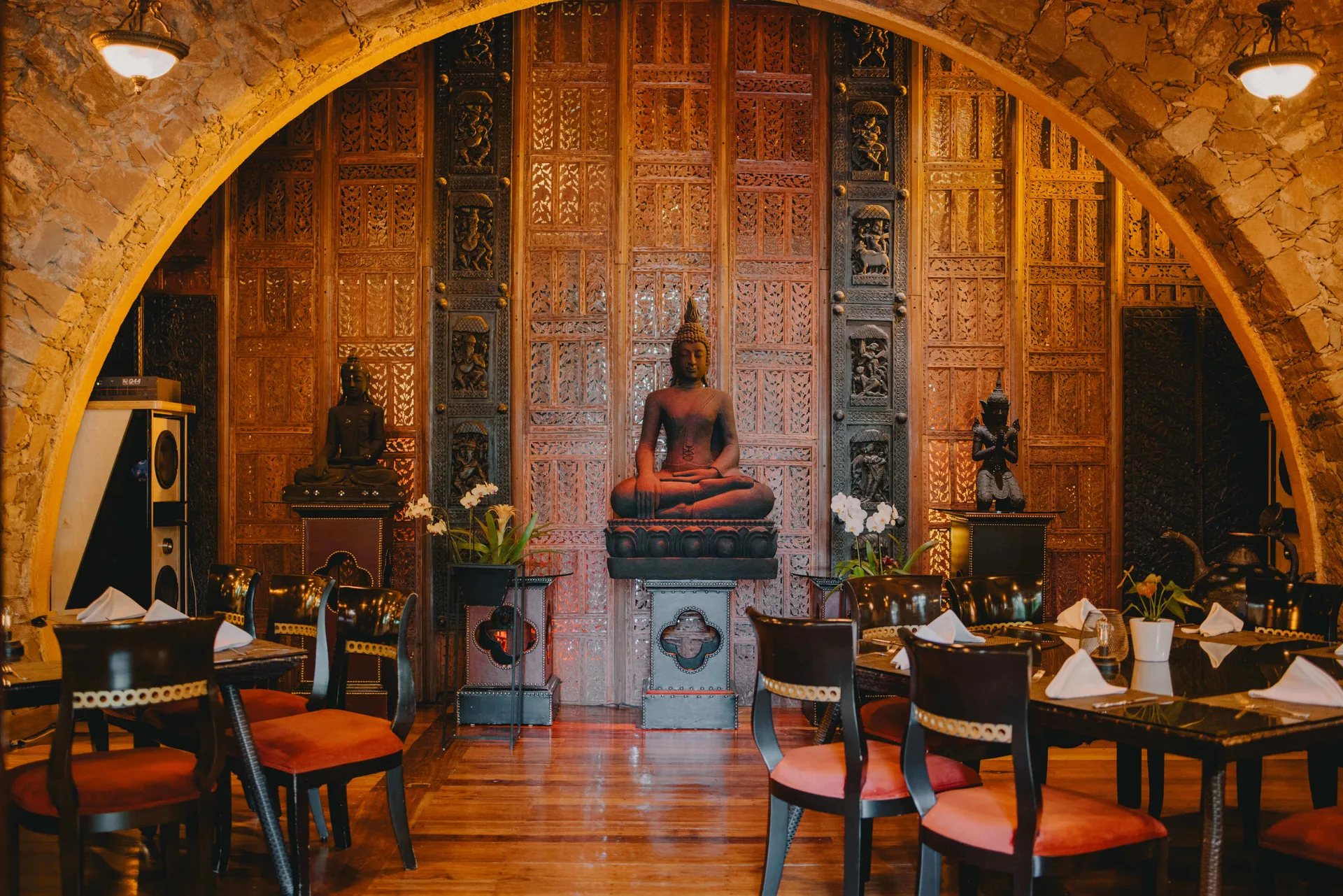
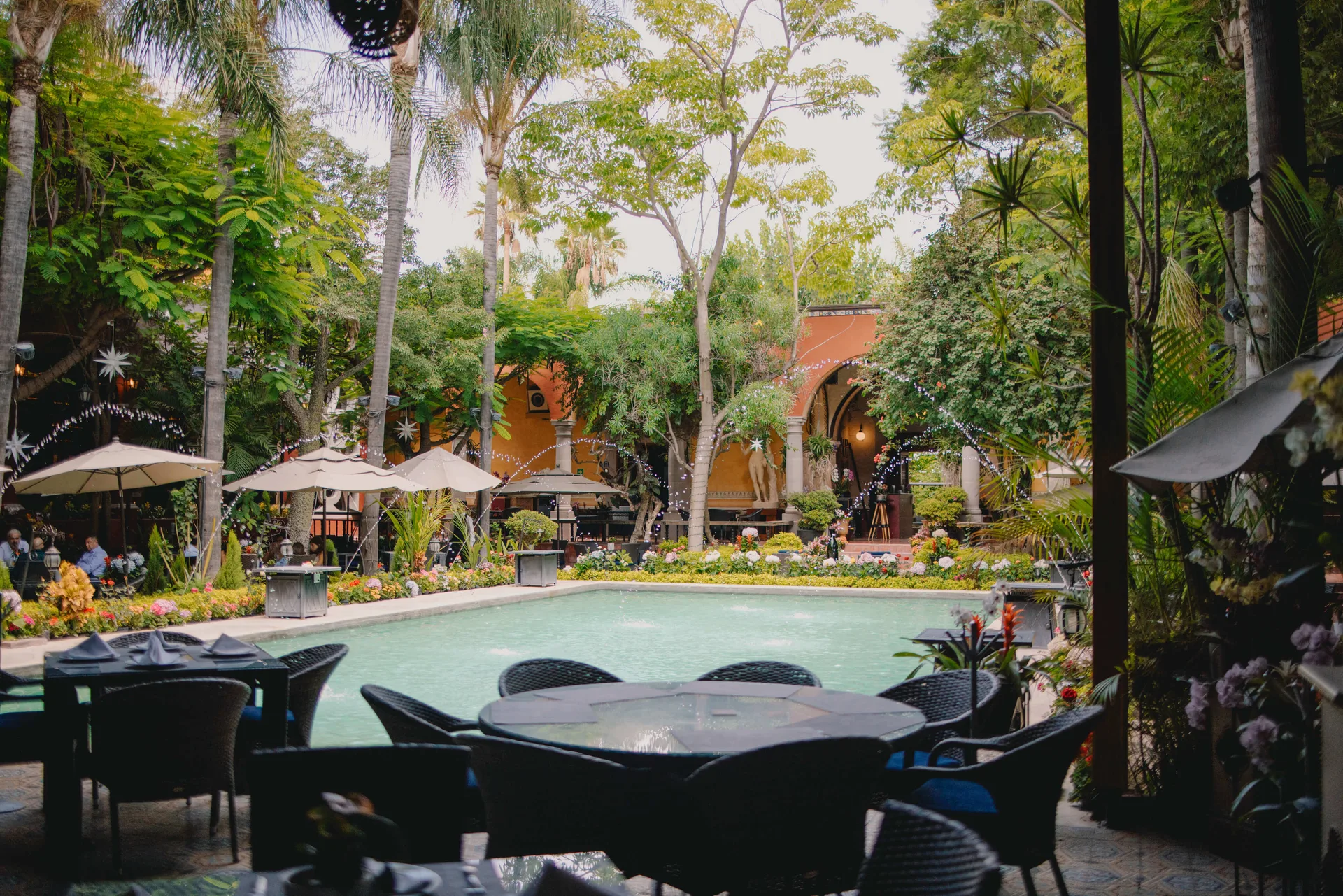
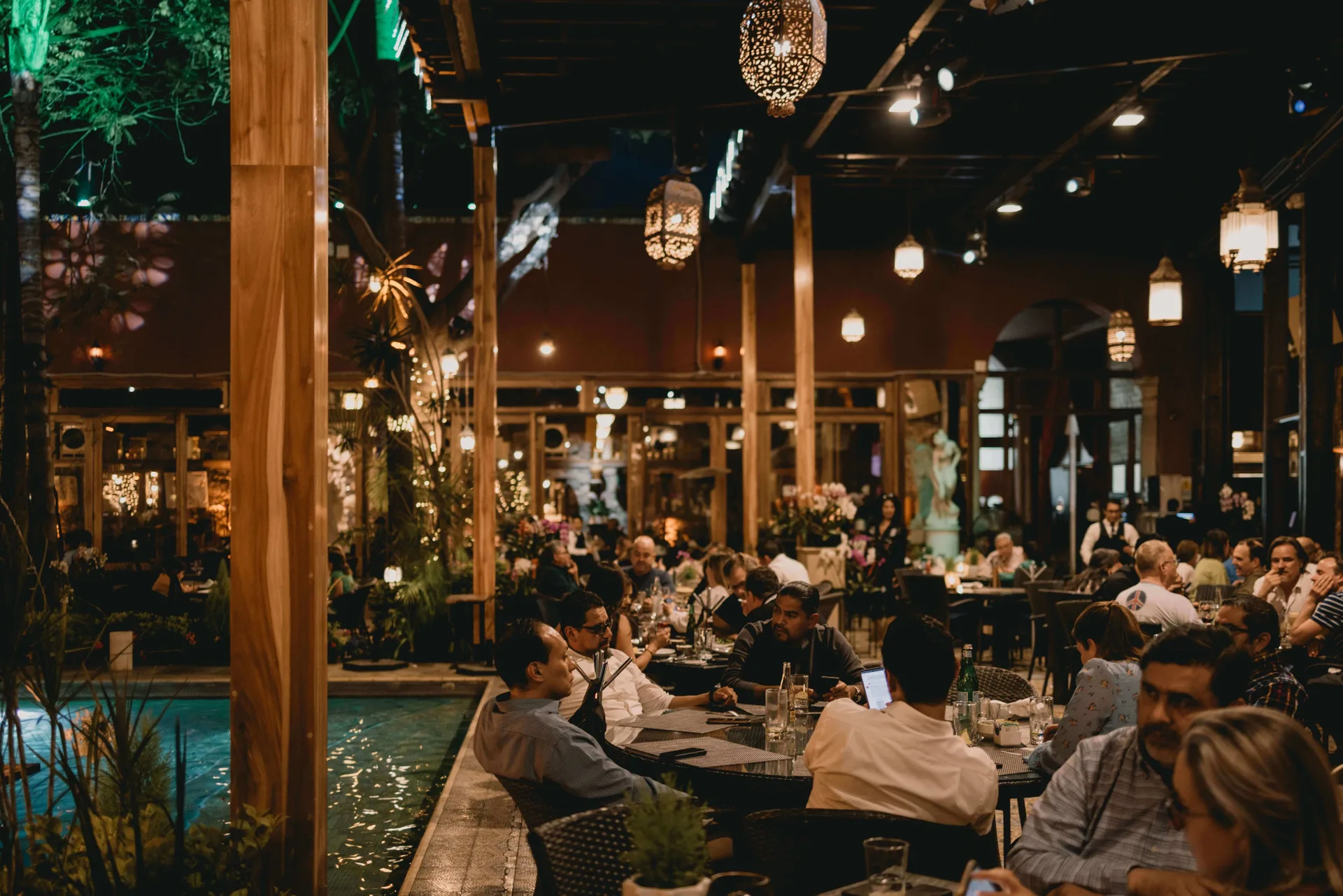
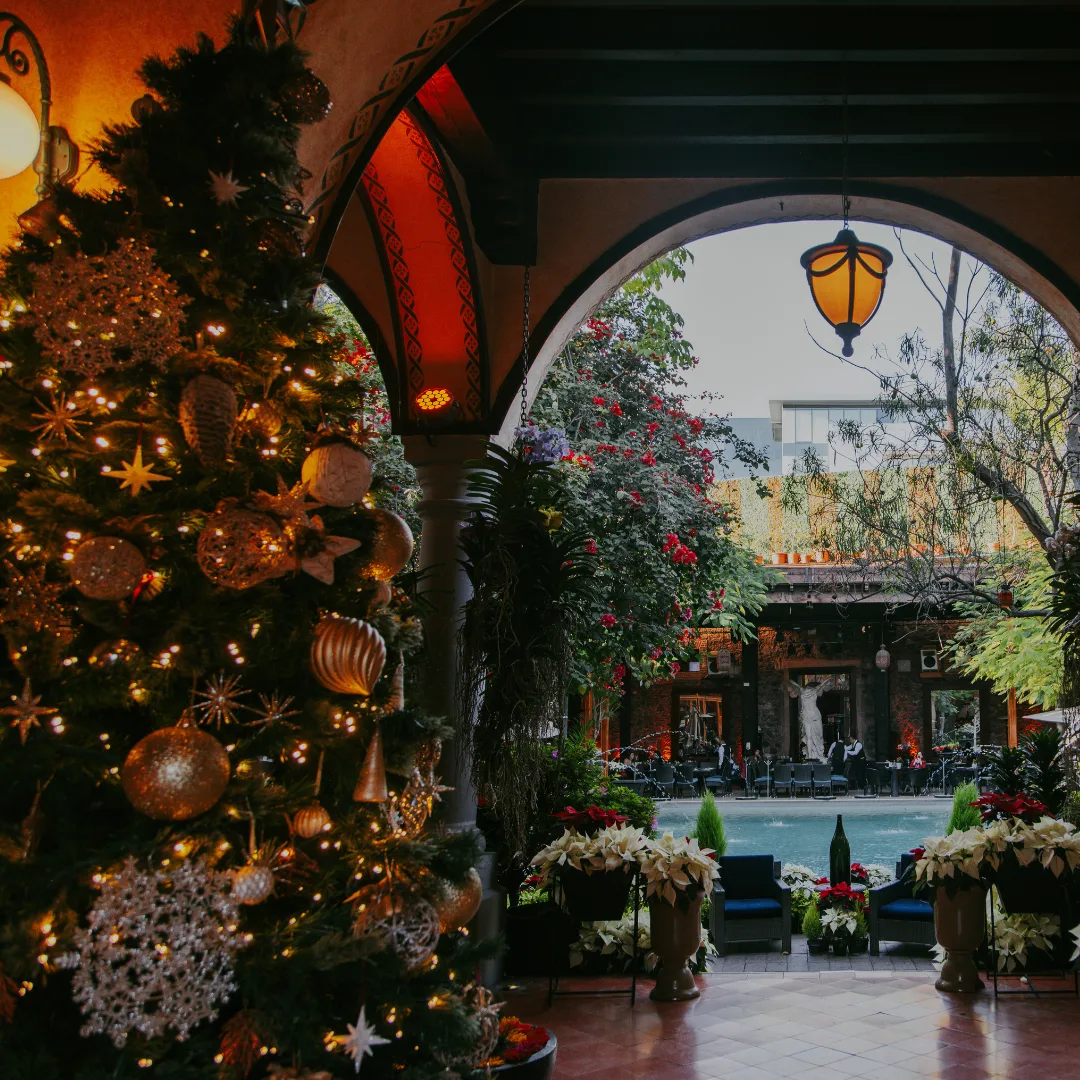
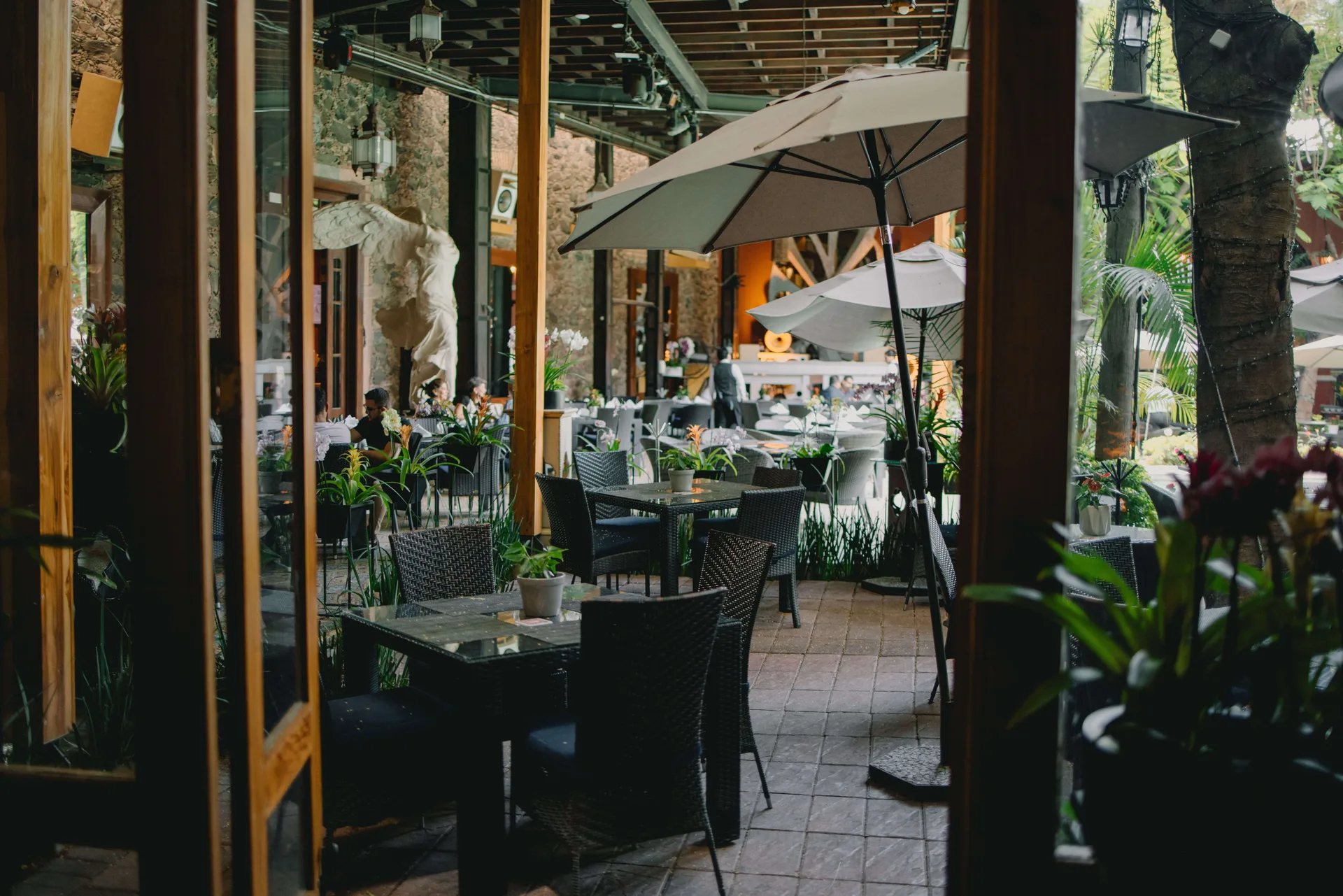
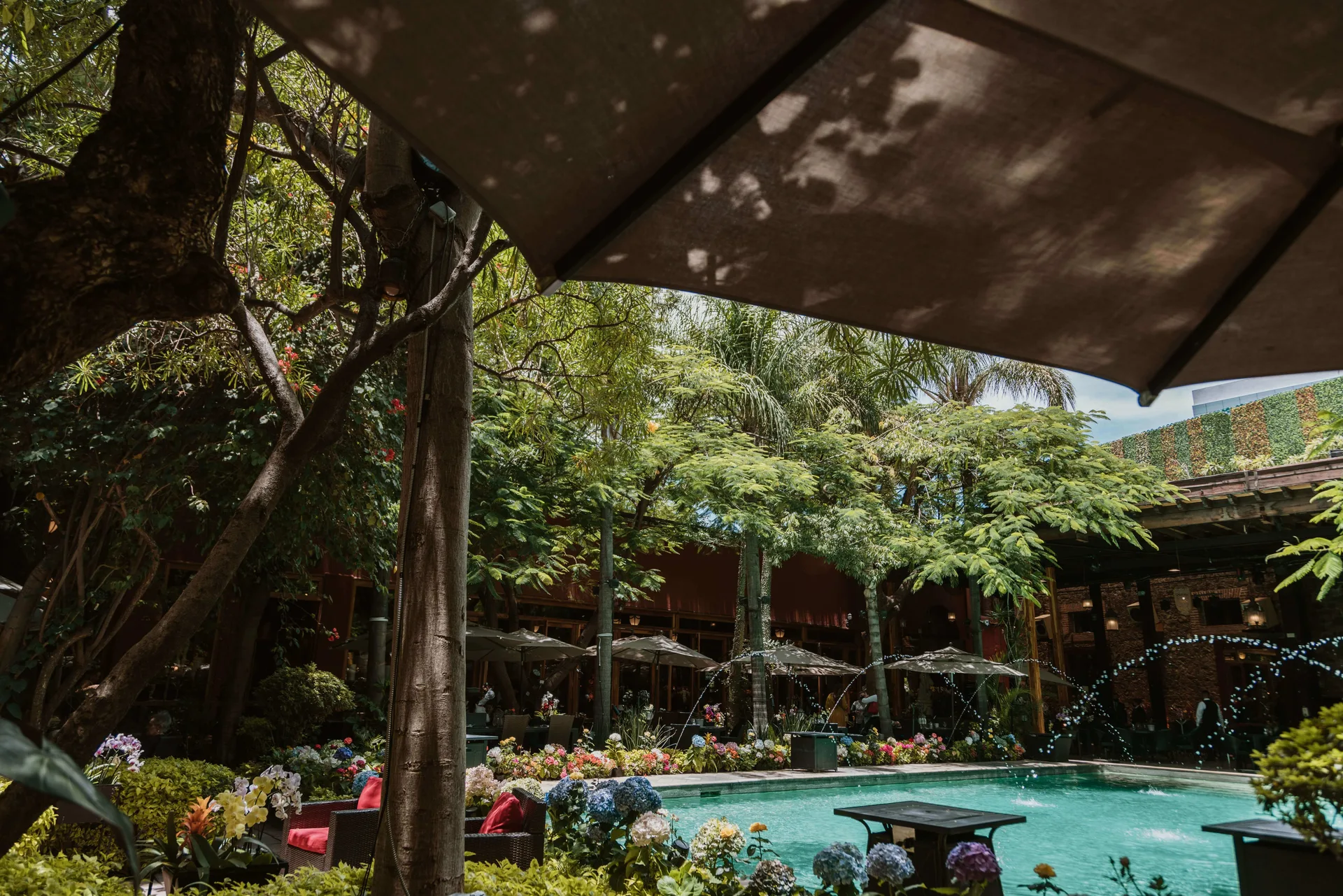
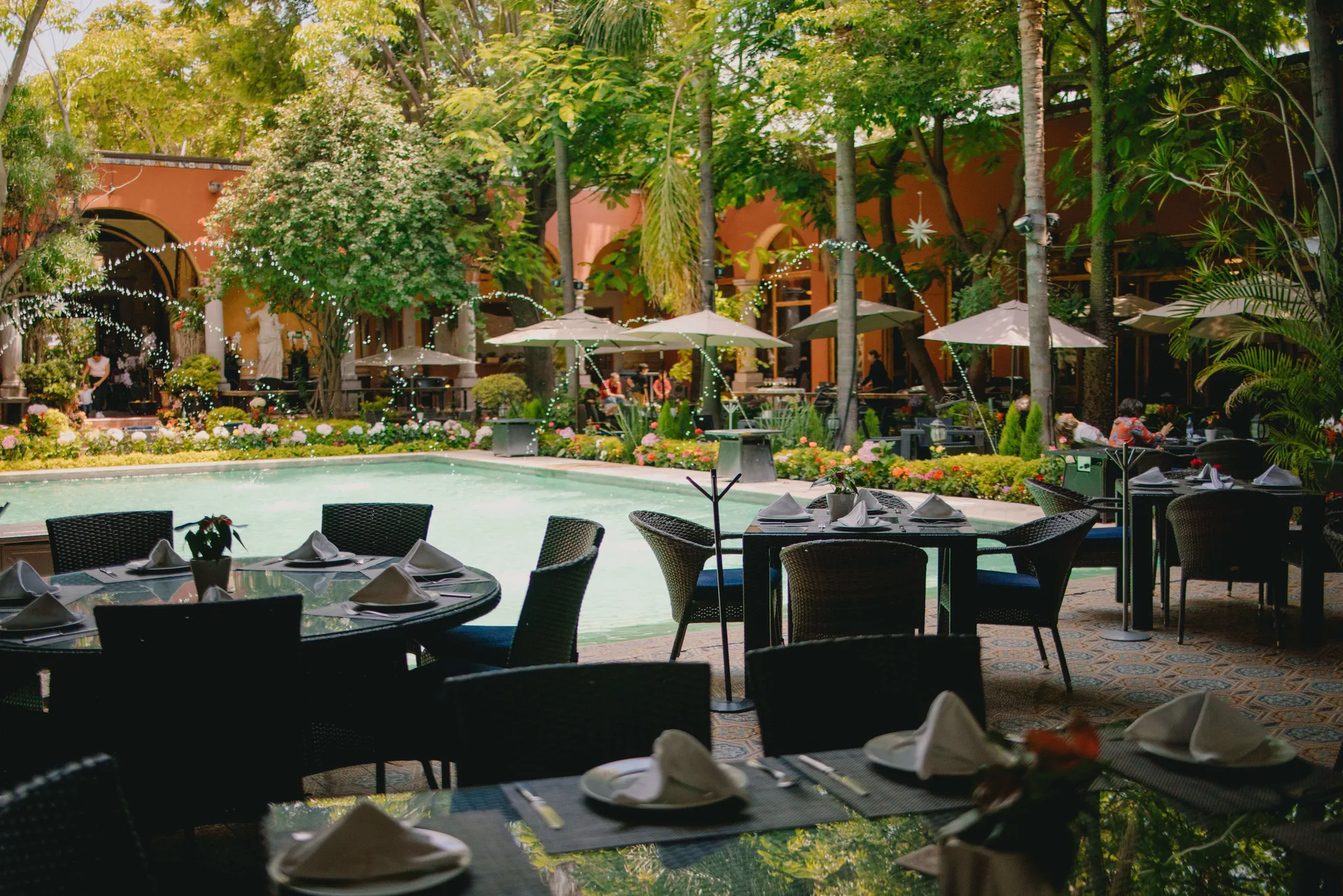
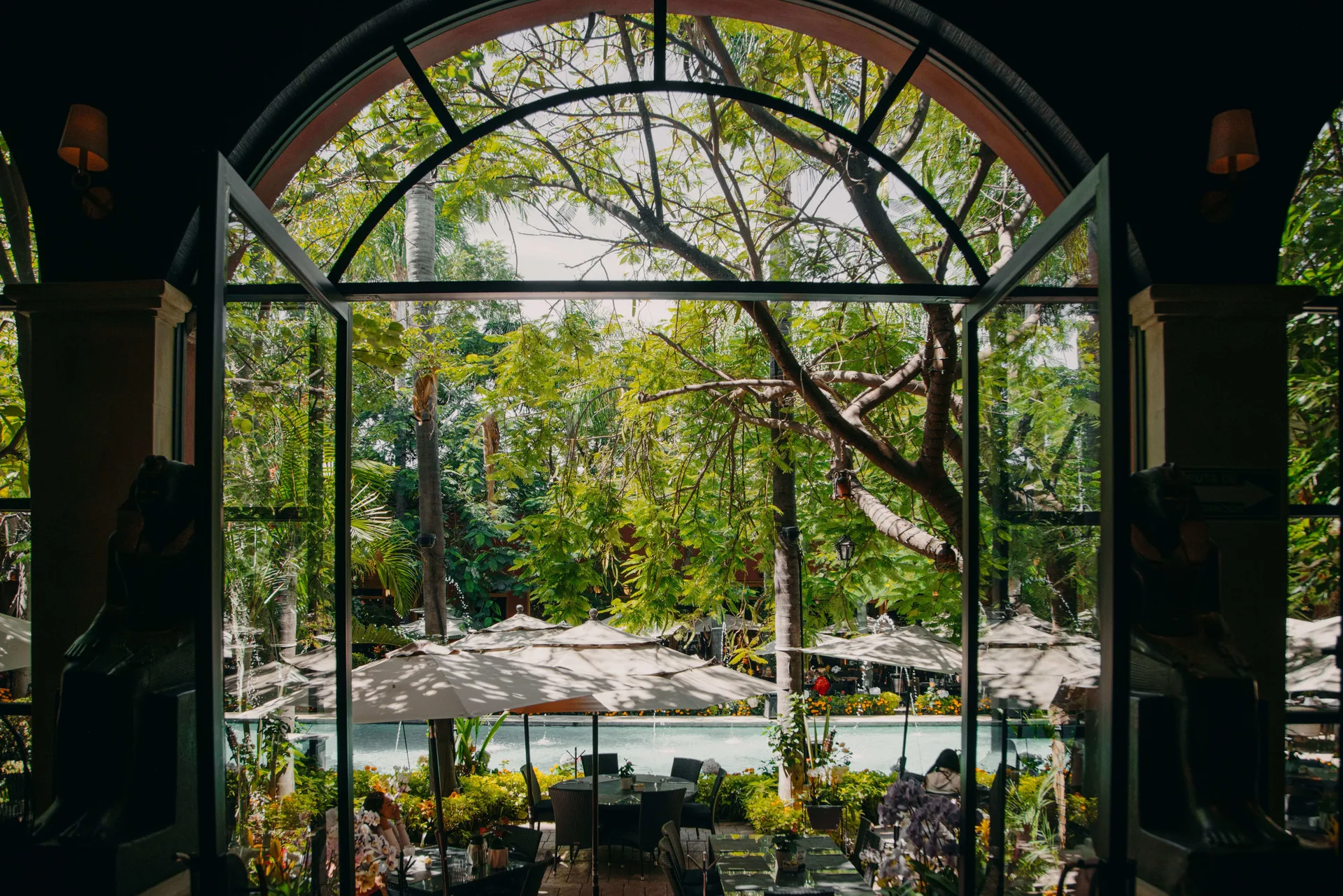
The interiors are dense with detail: mosaics and tiles handcrafted by Mexican artisans, arched windows, and a large central fountain that anchors the main courtyard. Scattered throughout are authentic replicas of works from the Louvre — Roman, Hindu, and Egyptian figures — that give the property an eclectic, quietly theatrical atmosphere. Guests describe it as elegant without being stiff, and the outdoor terrace draws particular praise after dark, when lighting plays across the water and the orchids and plants that fill the grounds.
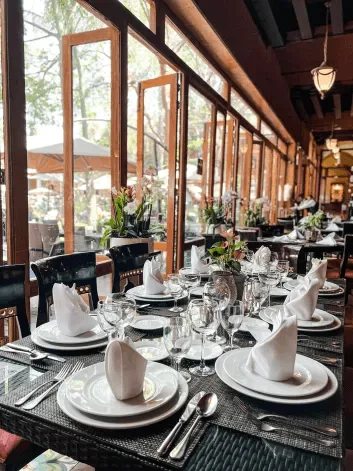
Several private and semi-private rooms — the Salón Trojes, the Salón Azul, the Salón Hindú, and the indoor restaurant — each seat between 30 and 40 guests, making the hacienda a serious venue for private events as well as everyday dining.
Seasonal Cuisine and a Recognized Wine Program
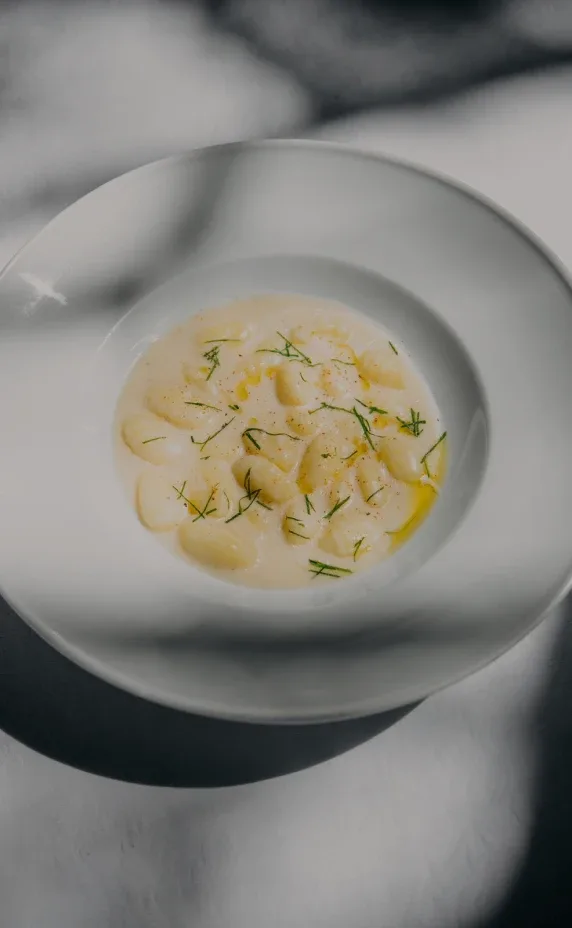
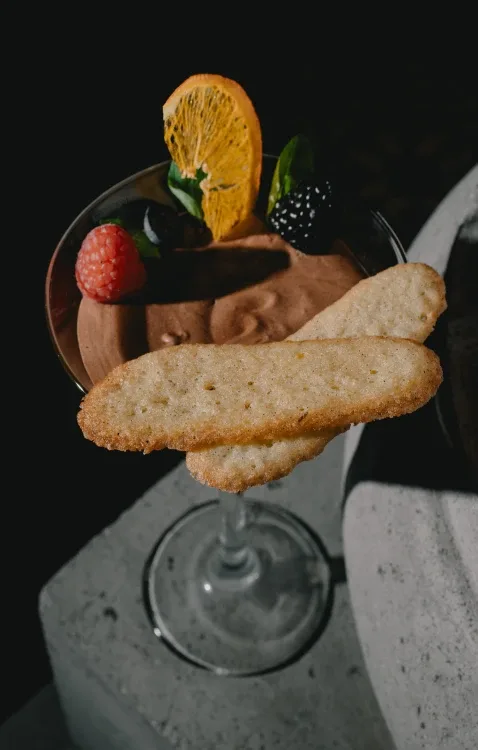
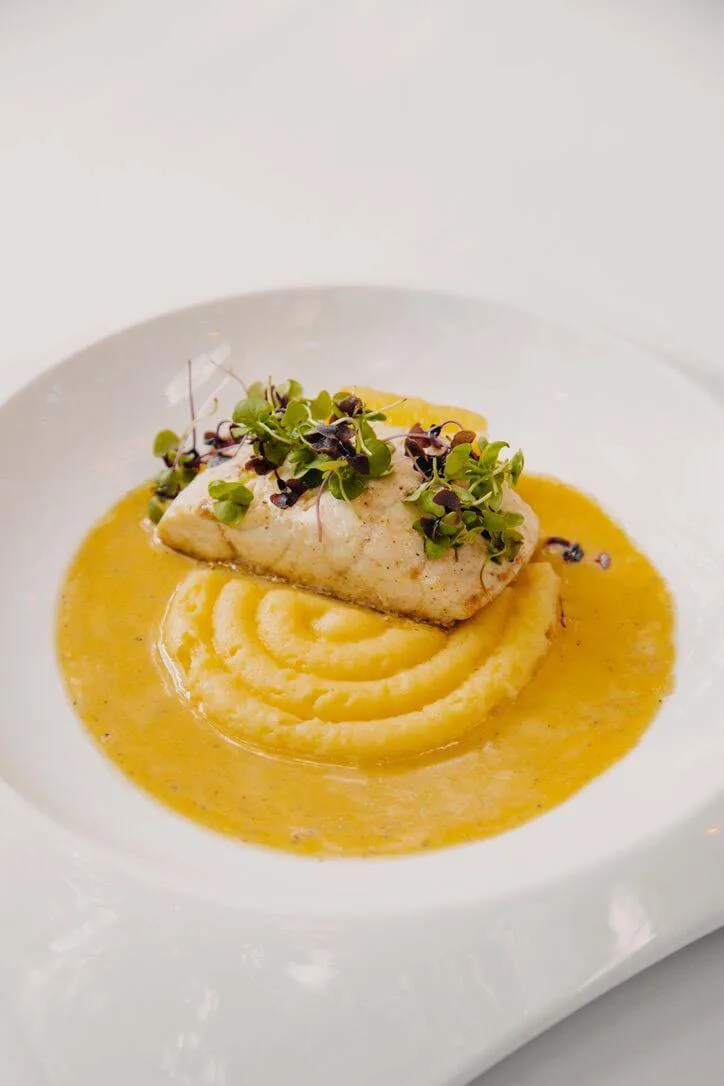
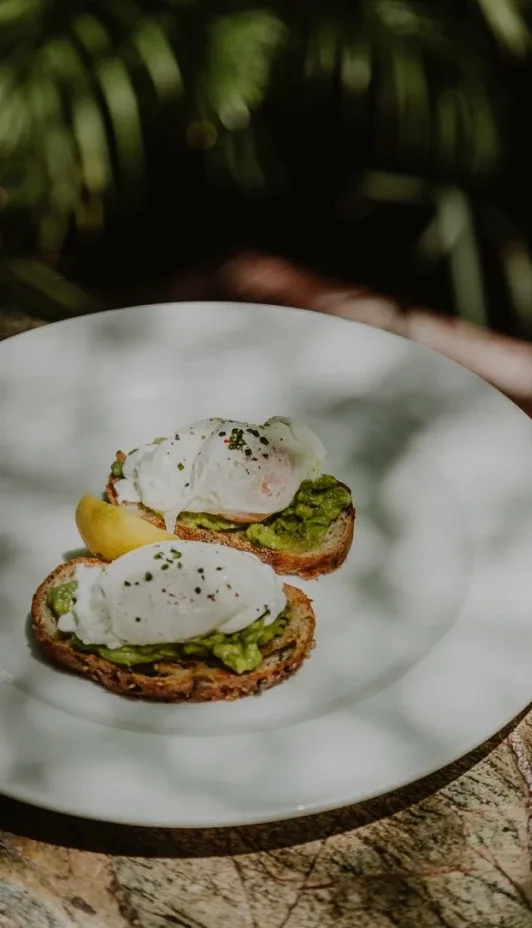
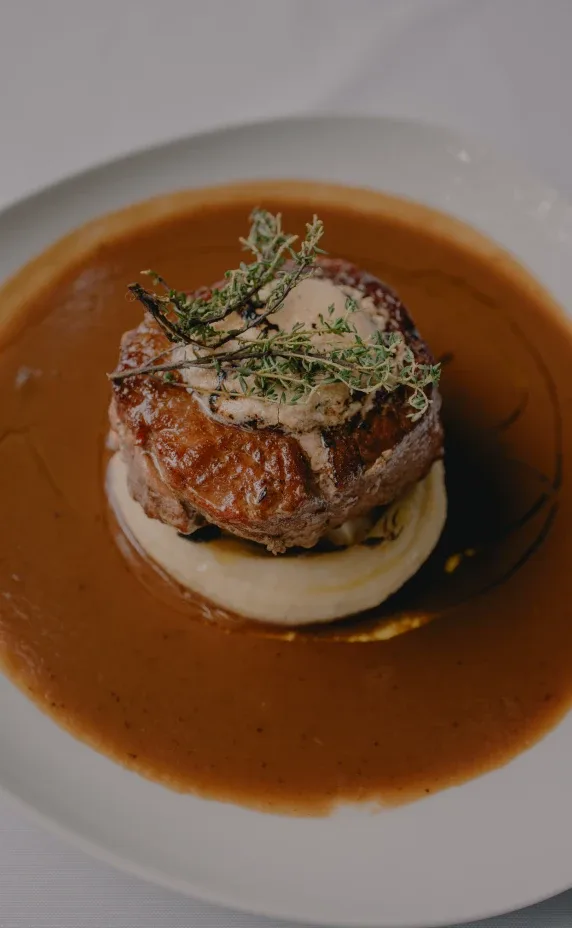
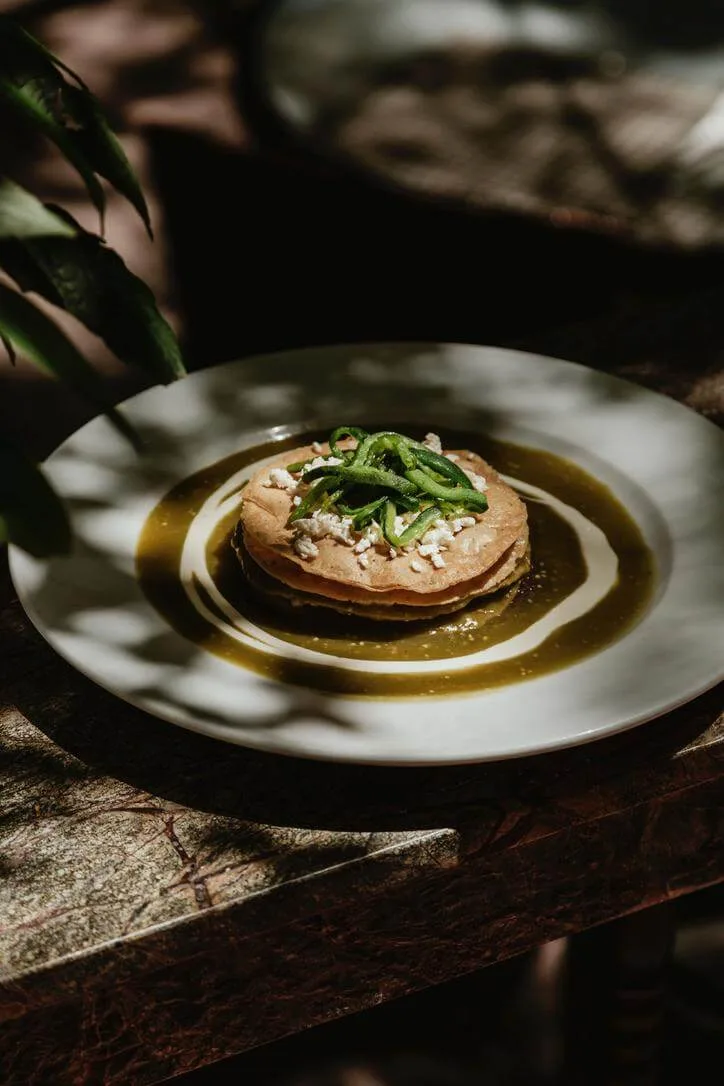
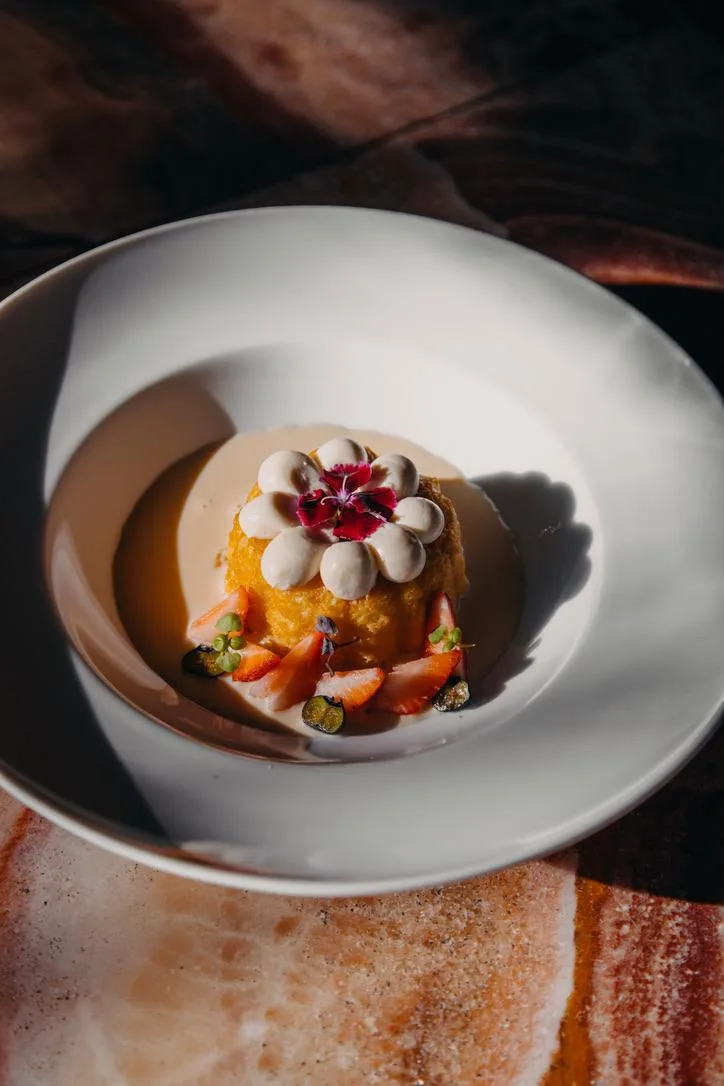
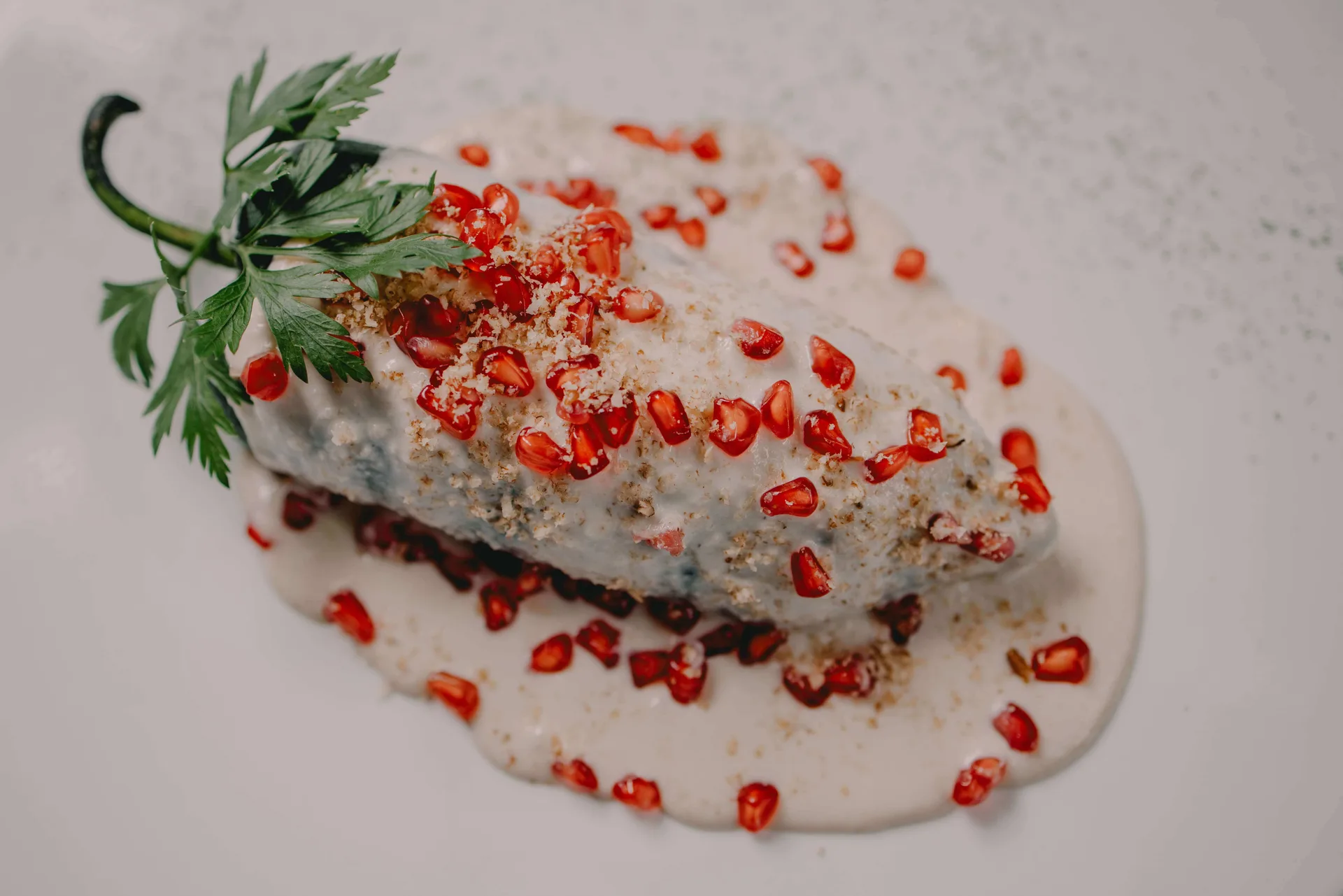
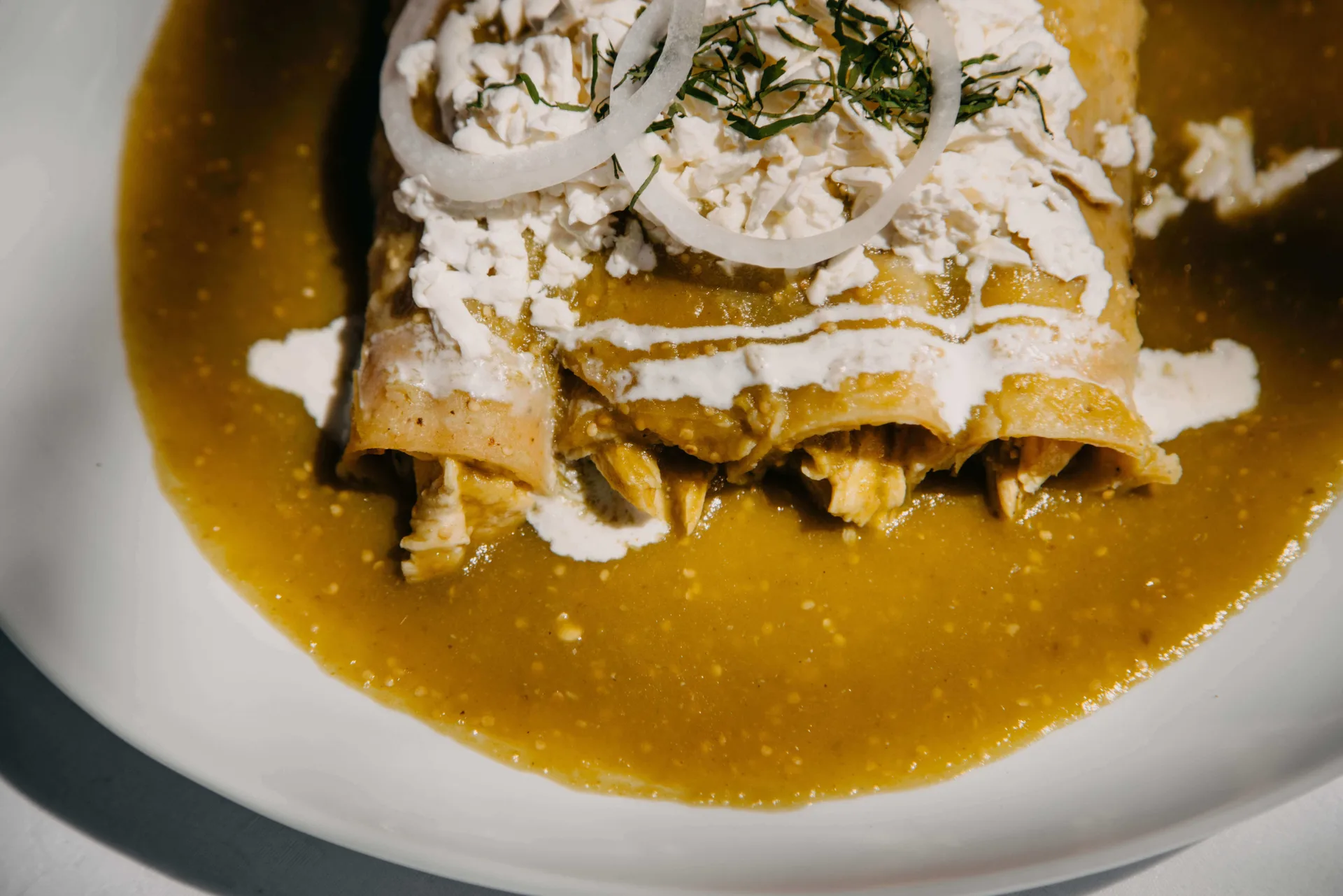
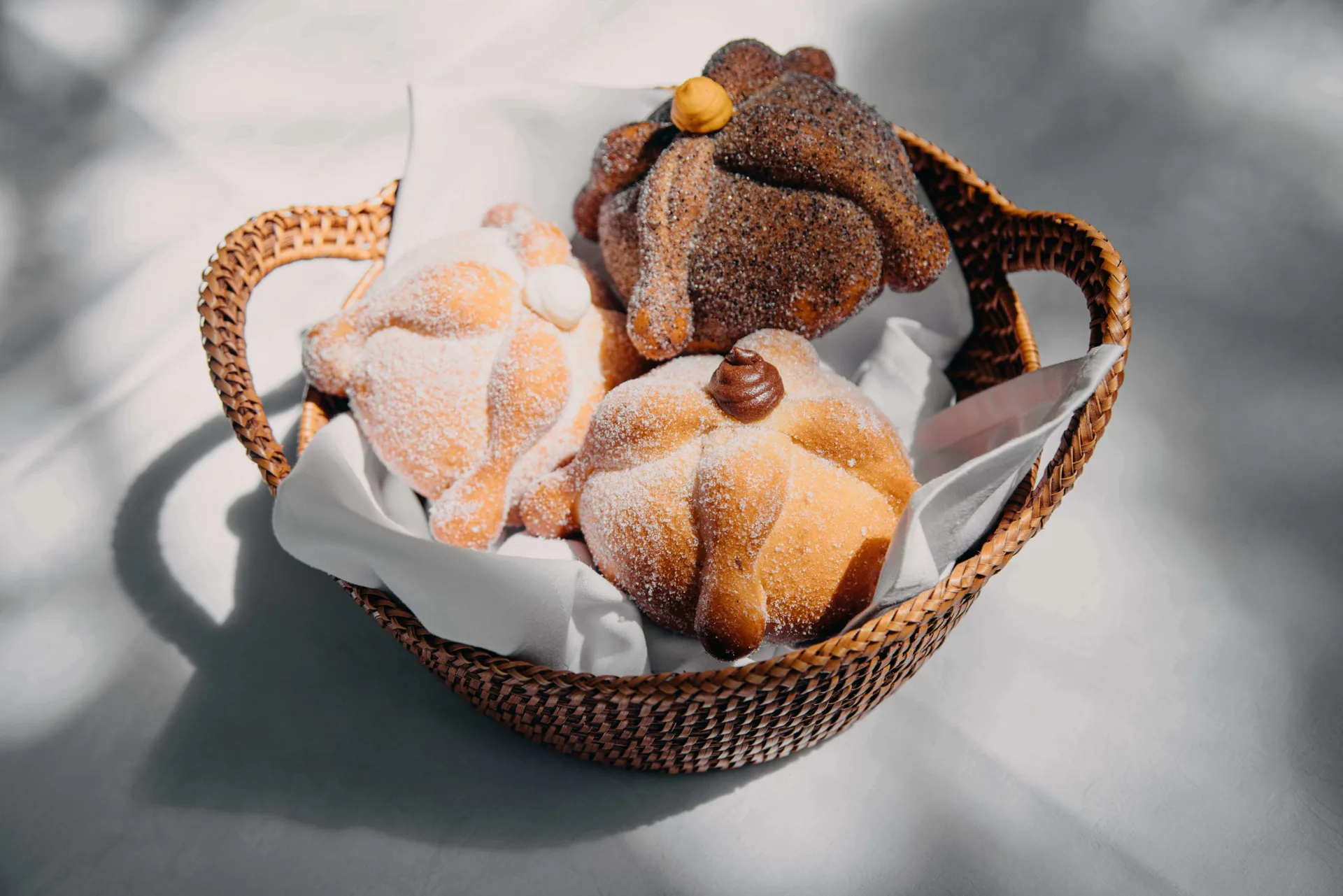
The kitchen offers an international menu with French touches, built around local ingredients and seasonal availability. The restaurant describes its approach as honoring the region's agricultural heritage while embracing gastronomic modernity — a balance that shows in a menu spanning breakfast through late dinner. The seasonal menu section rotates alongside the core offering.
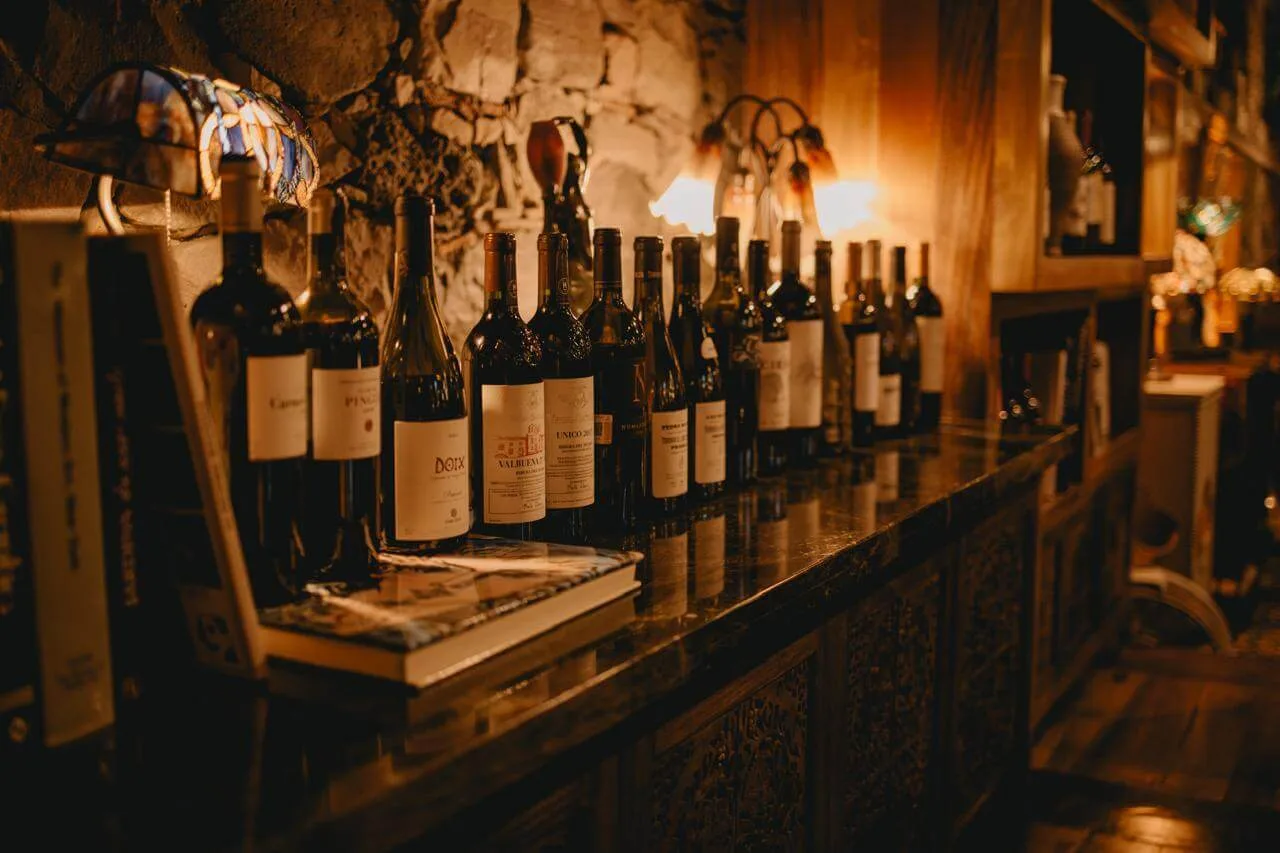
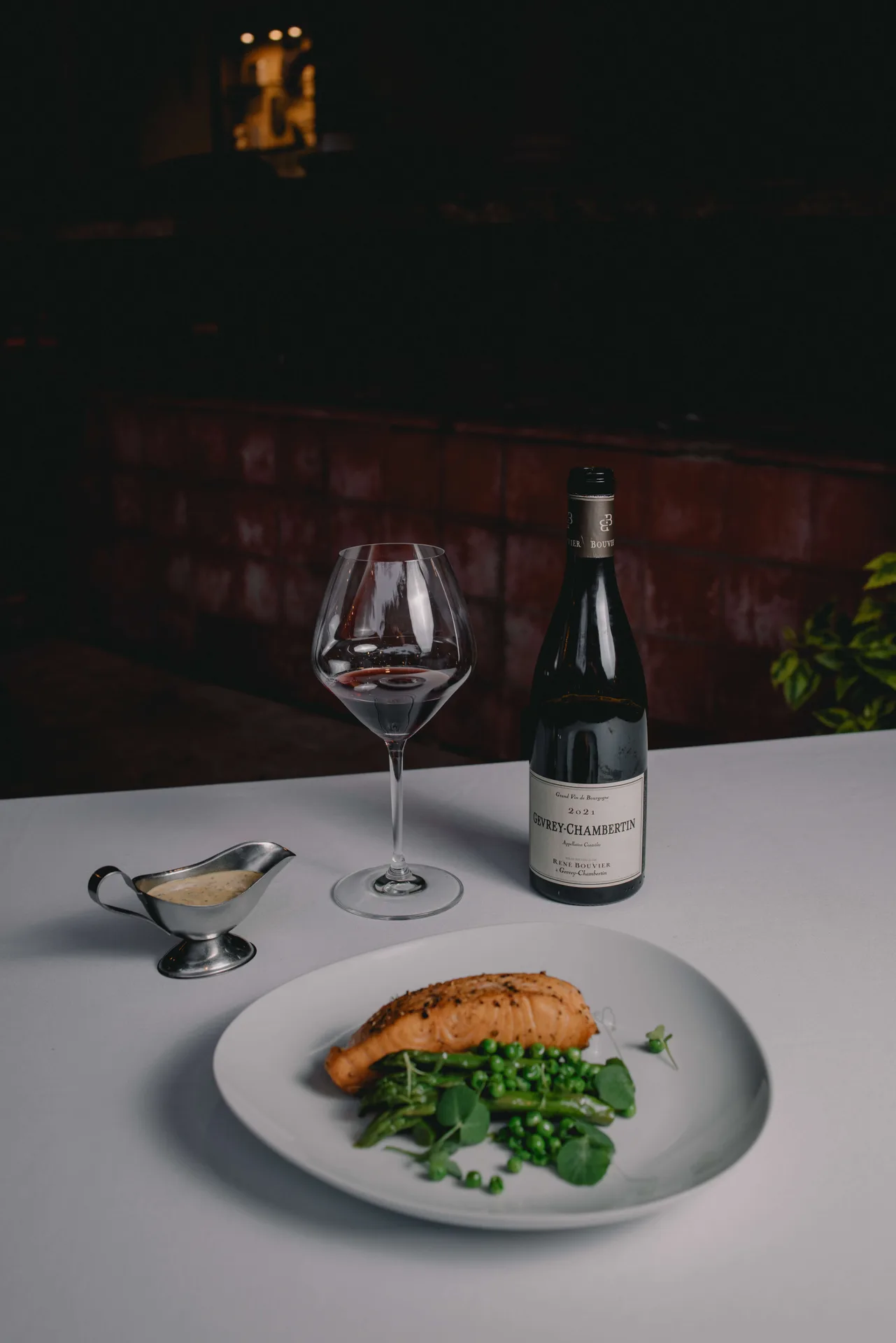
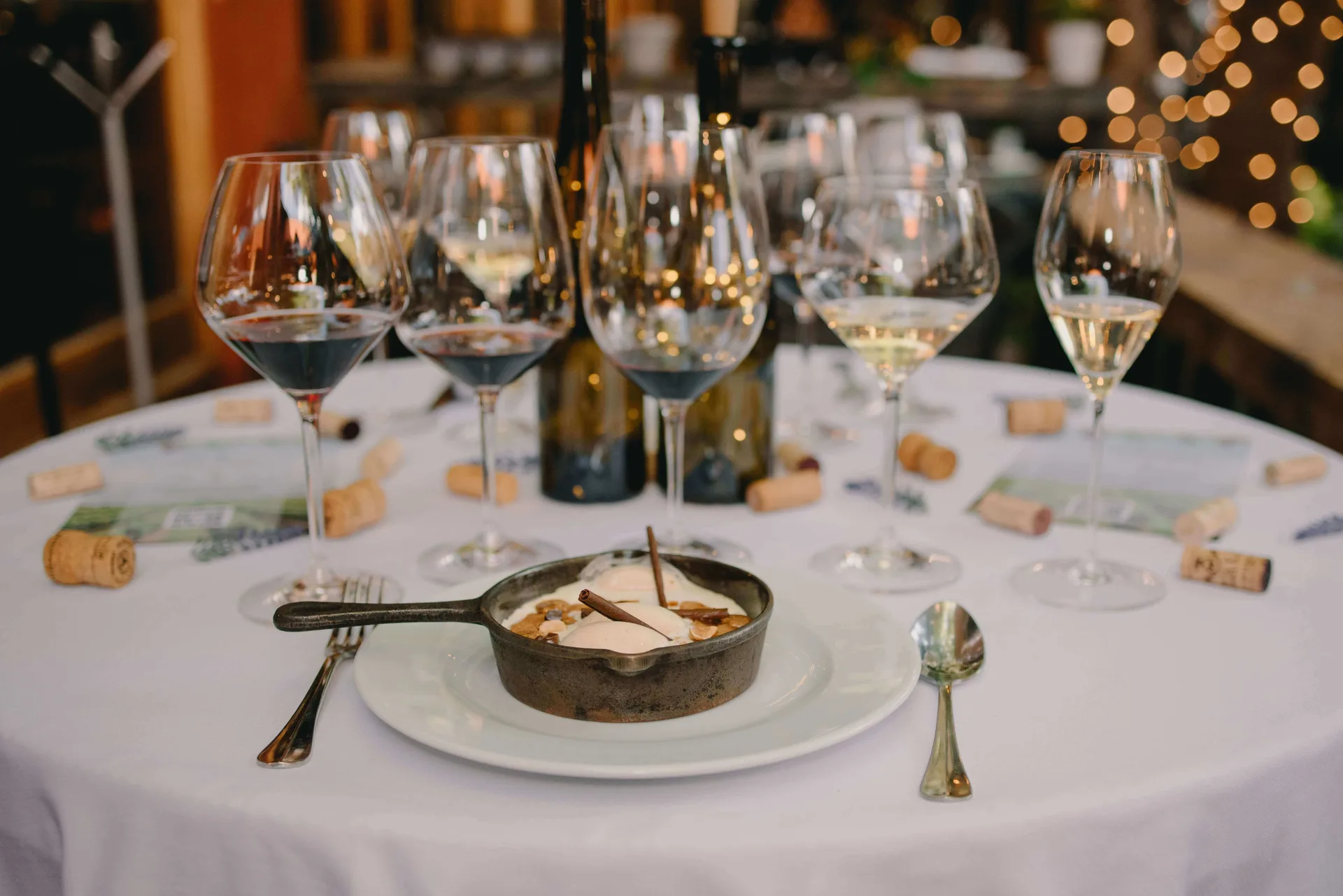
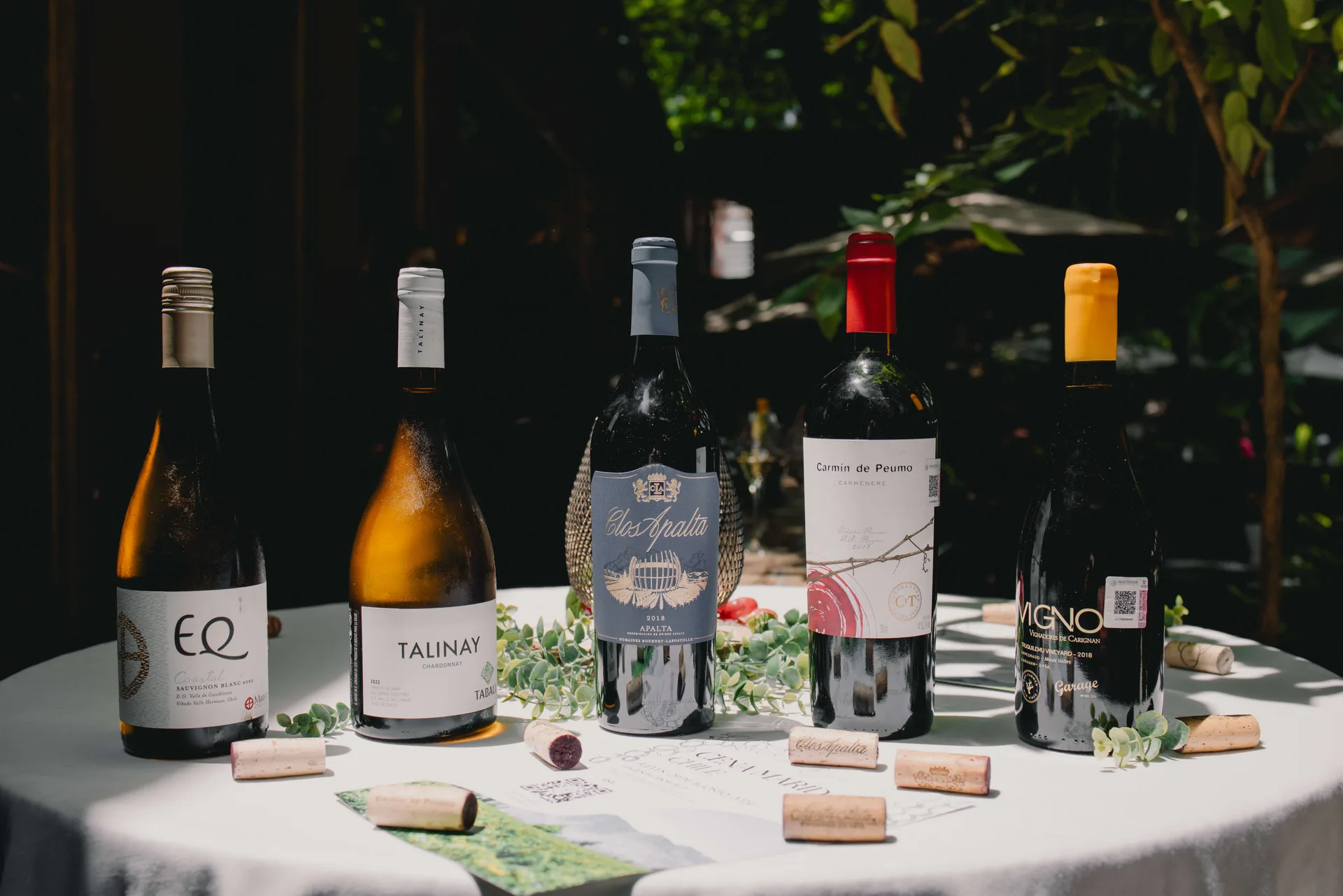
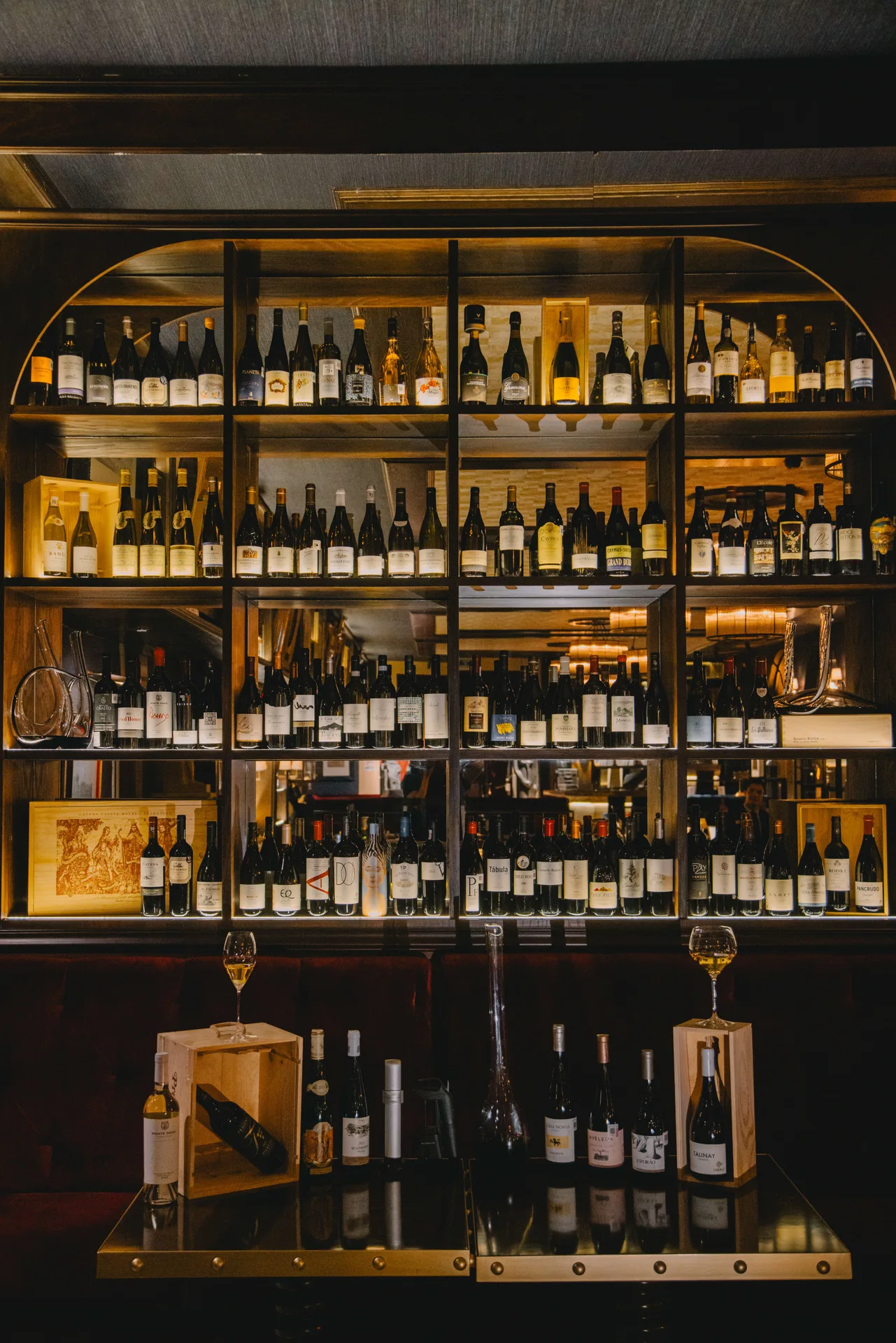
The wine program earned Hacienda Laborcilla a Wine Spectator Best of Award of Excellence in 2025, a distinction that reflects both the depth of the cellar and the care with which it is managed. Over 100 wine labels are available, with a dedicated wine-by-the-glass selection for those who prefer to explore by the pour.
The Carter Bar
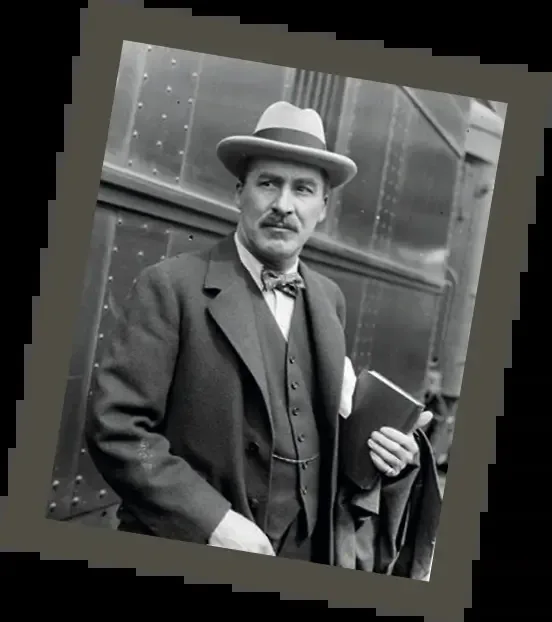
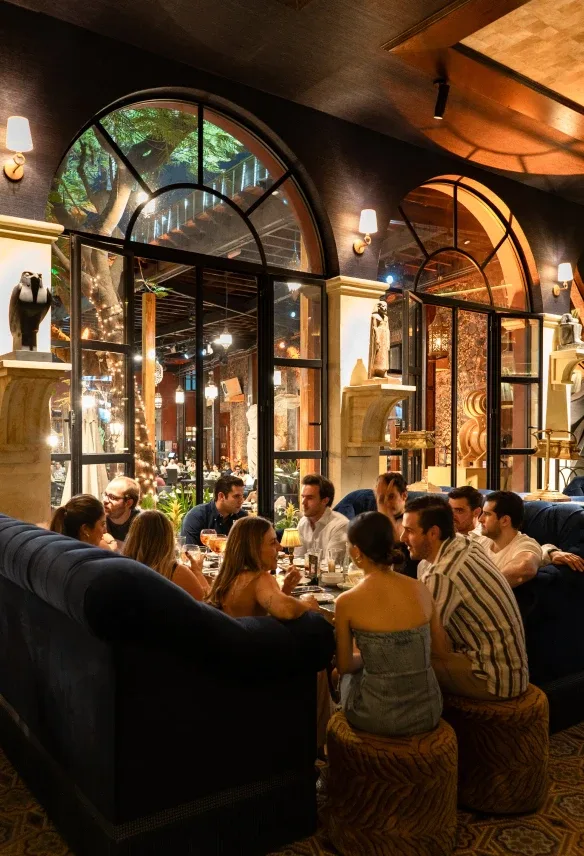
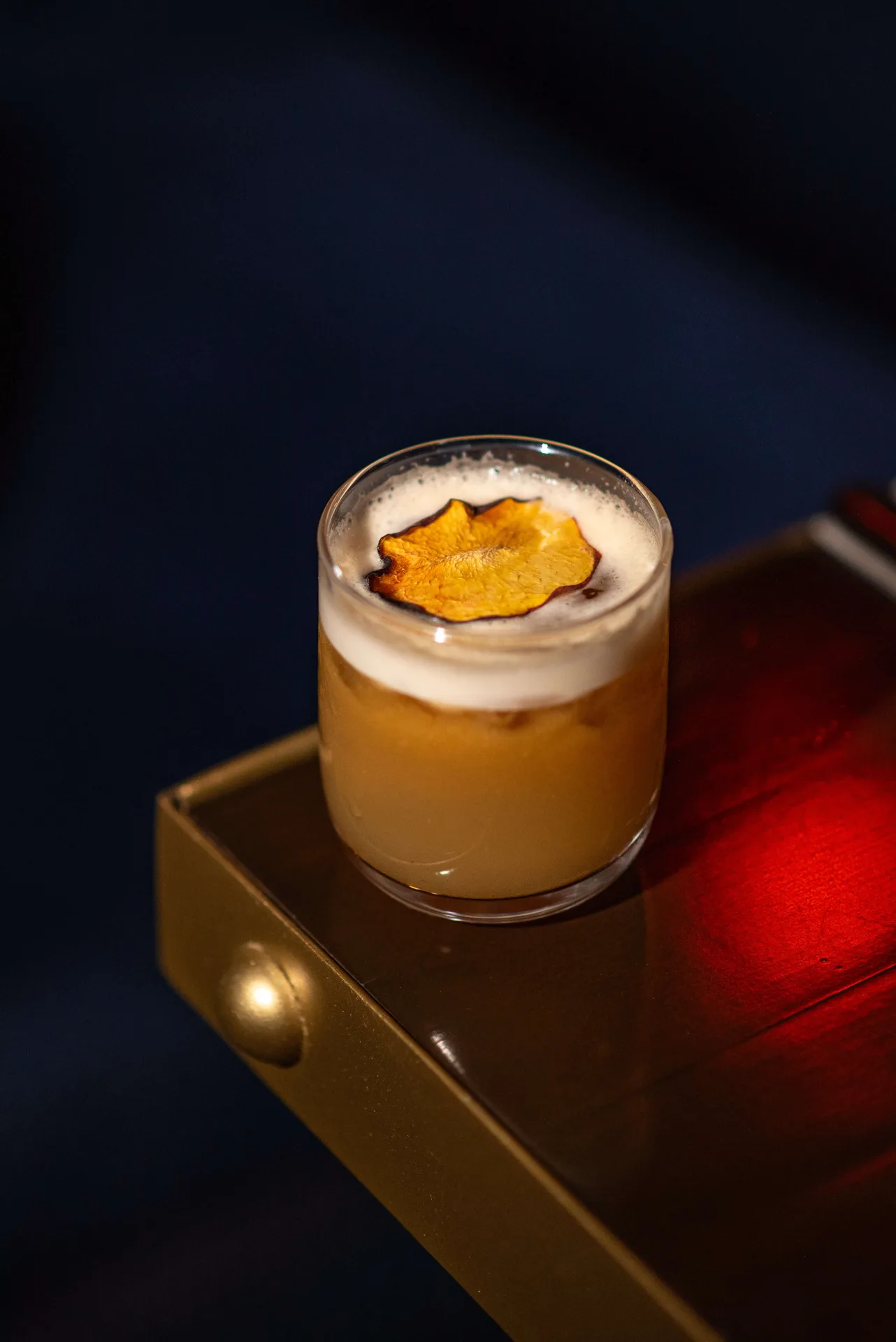
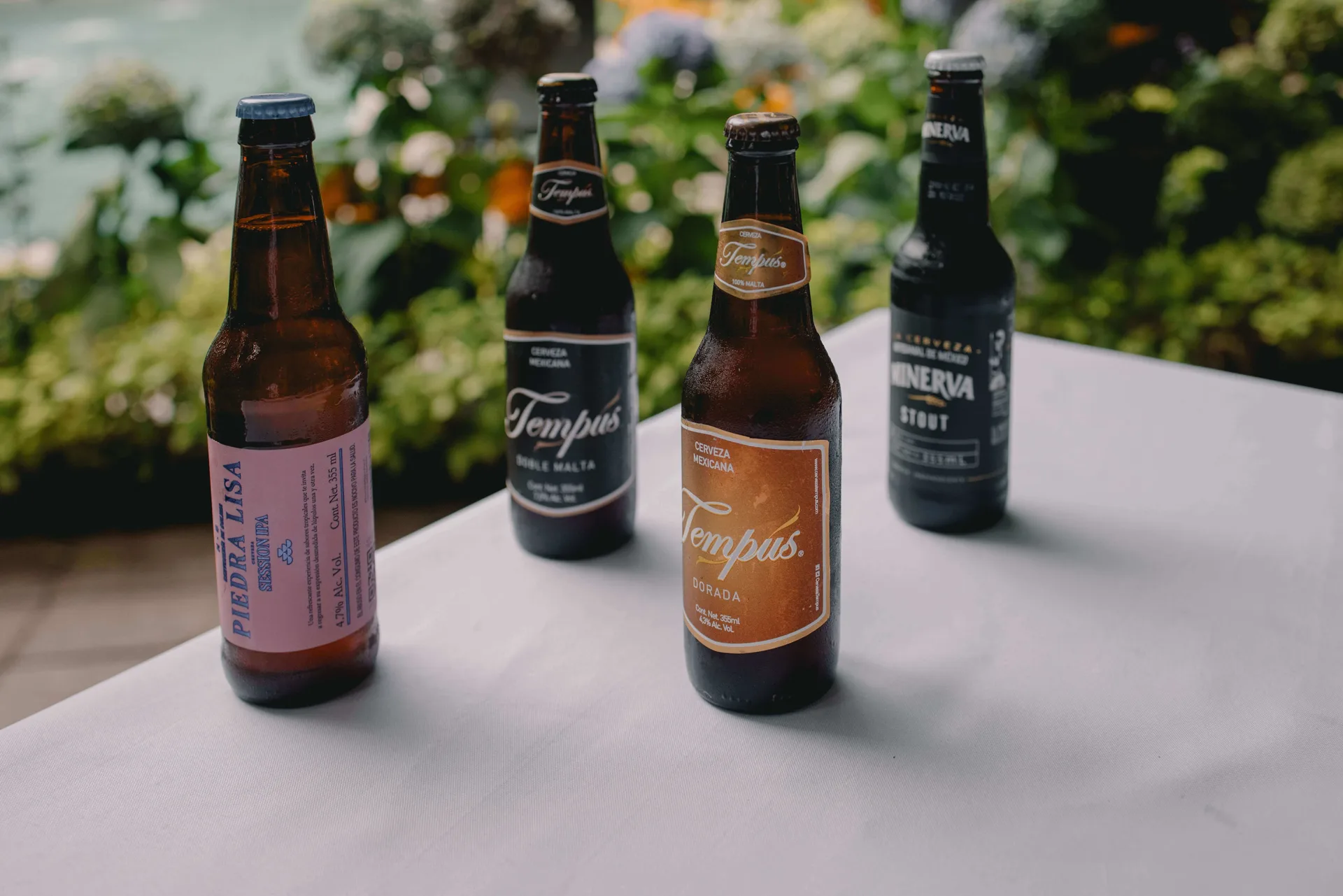
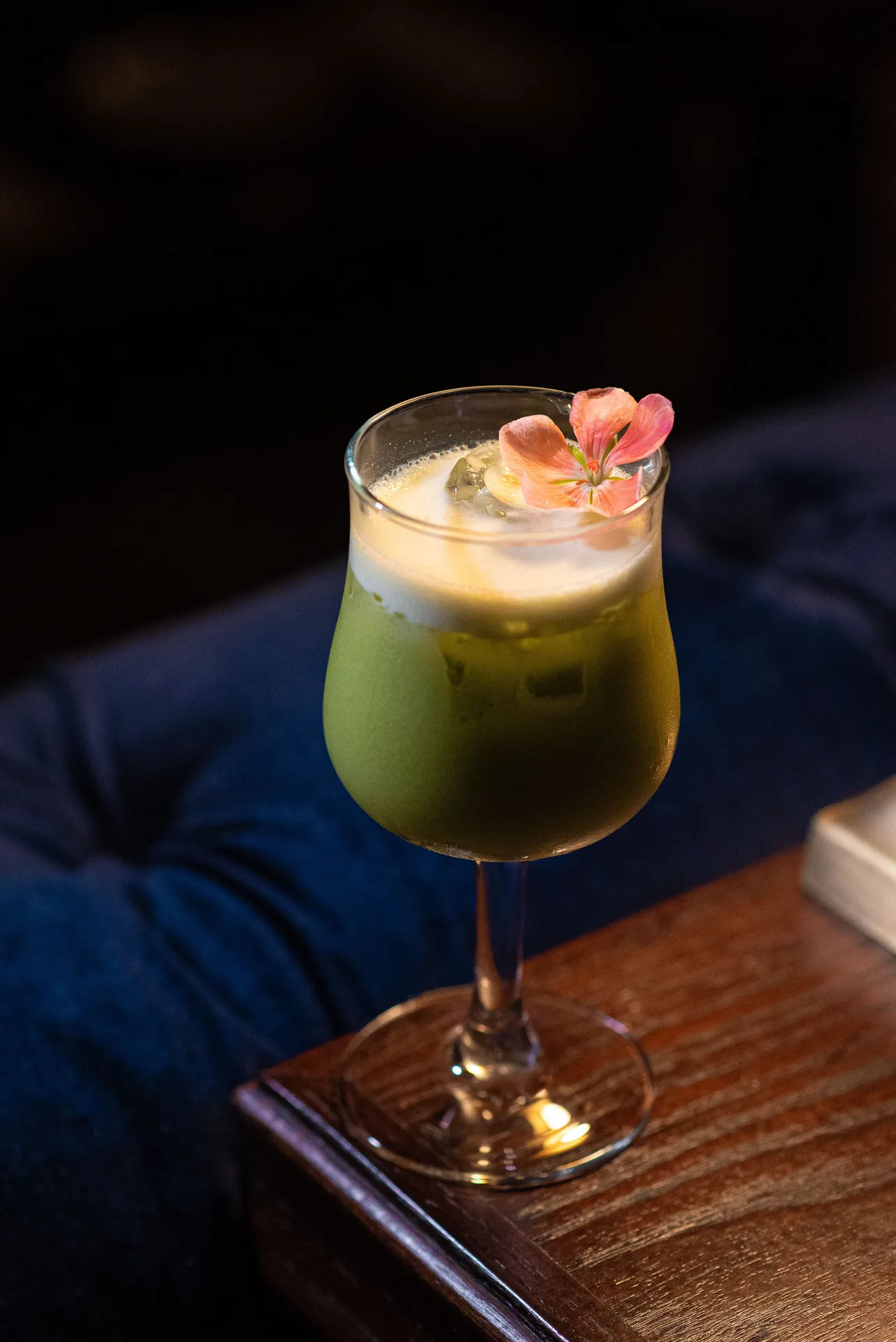
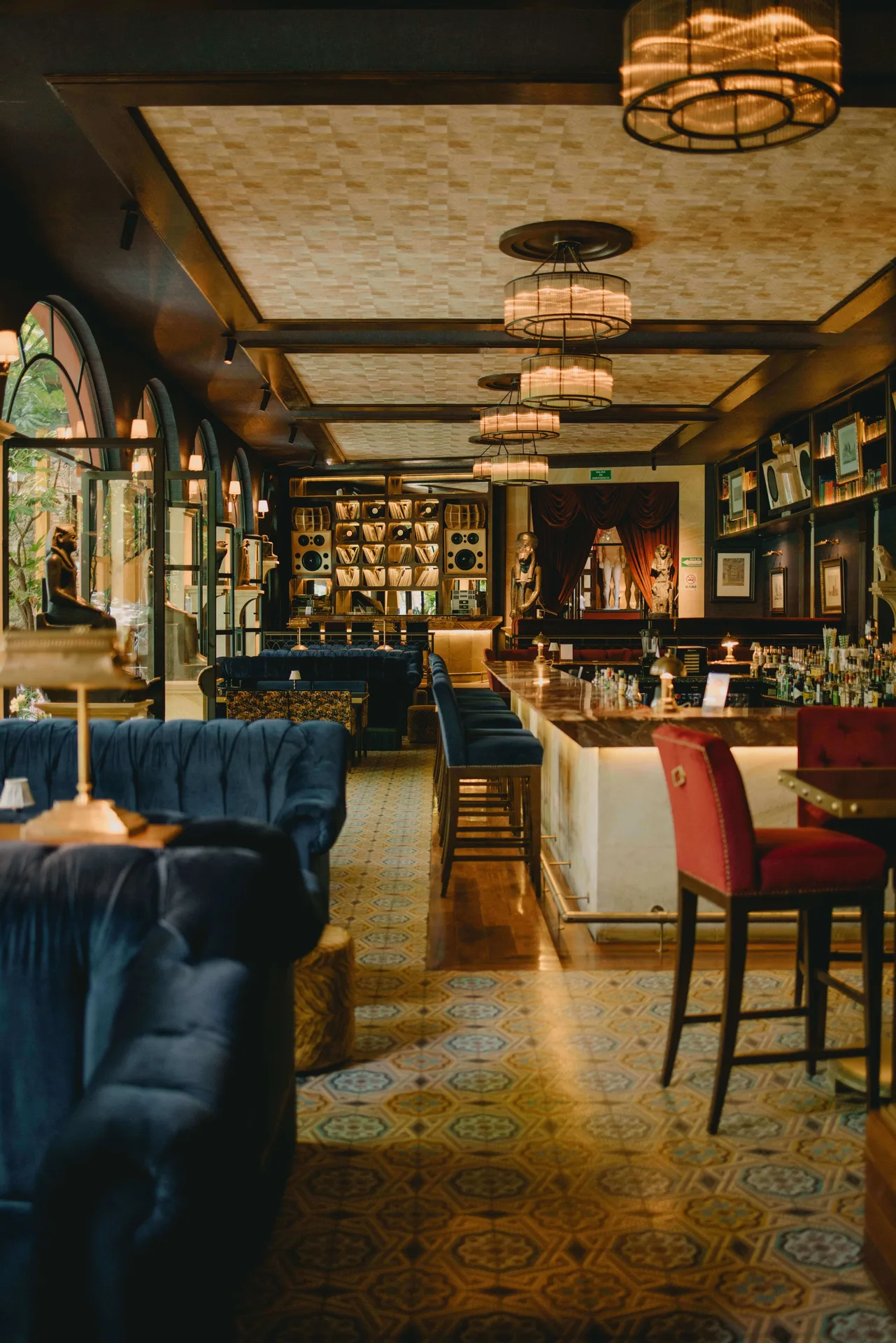
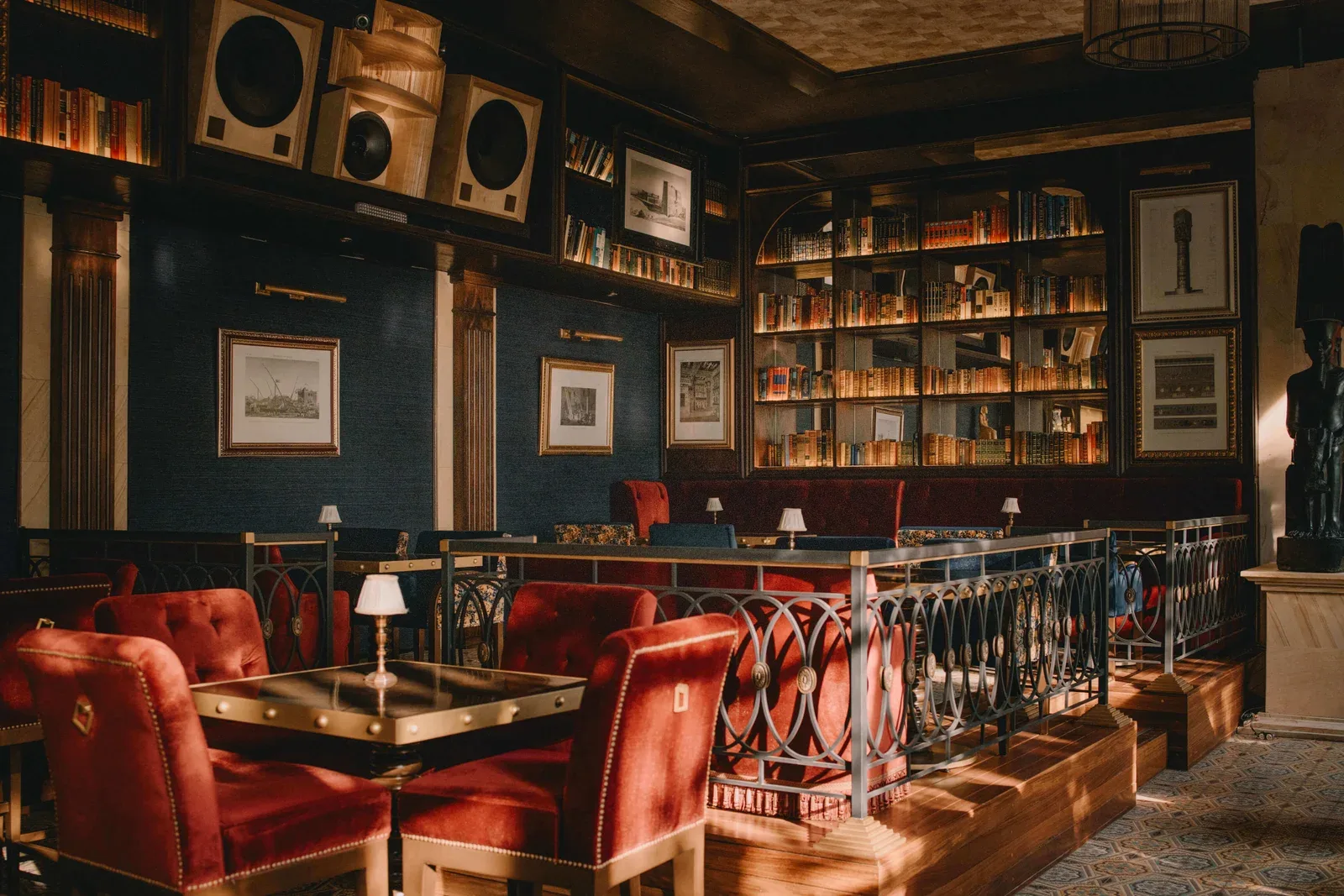
Adjacent to the restaurant, The Carter Bar takes its name and visual identity from Howard Carter, the Egyptologist who discovered Tutankhamun's tomb in 1922. The bar offers signature cocktails by in-house mixologists, the full wine list, and a vinyl DJ program spanning afro house, disco, lounge, and funk. It is a distinct space from the dining room — livelier on Thursday through Saturday evenings — but shares the same kitchen and the same attention to presentation.
Recognition
Awards & accolades
Ambience
A glimpse inside









Location
Find us
Prol. Corregidora Nte. 911 Bis, Querétaro, Other MexicoSantiago de Querétaro, Mexico
442 245 2438
info@haciendalaborcilla.com
Visit website
 Facebook
 Instagram
 X
X