
The story
Crafted with passion, served with love
A Kitchen Shaped by Two Worlds
Elena Reygadas came to cooking by an unlikely route. An English literature student first, she found her way into professional kitchens only after graduation, then trained at the French Culinary Institute in New York before spending four formative years at Locanda Locatelli in London. When she returned to Mexico City in 2010 to open Rosetta, she brought that Italian grounding with her — and then spent the following years systematically dismantling it, or rather, layering it with something deeper.
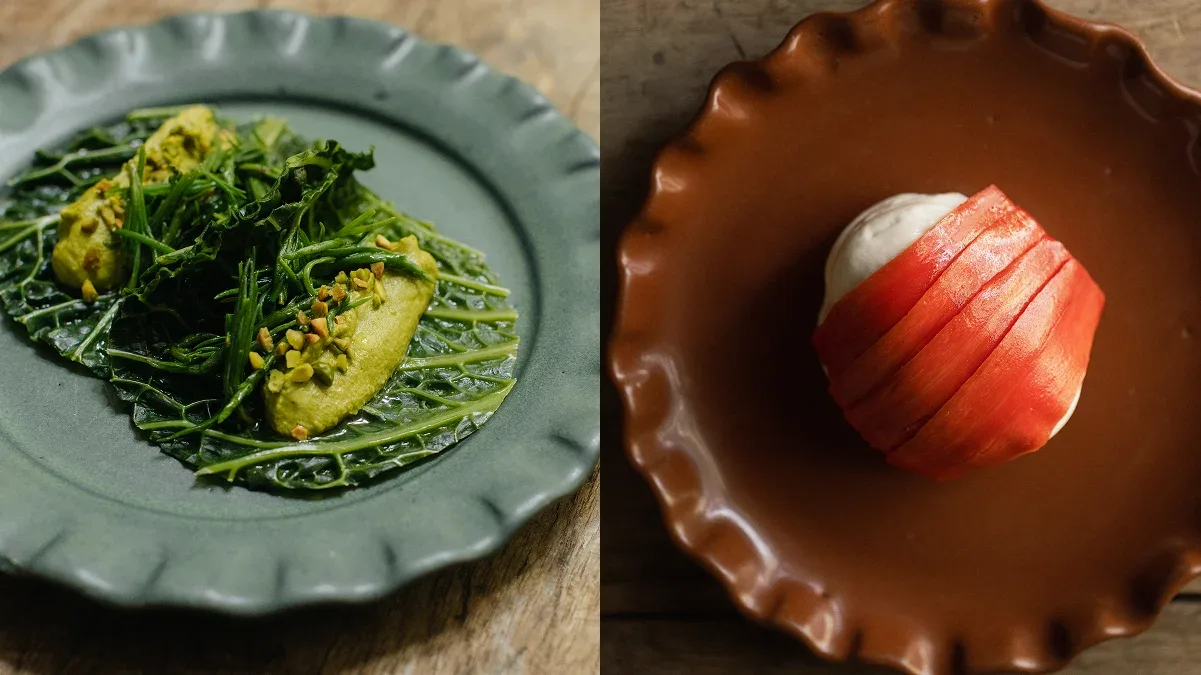
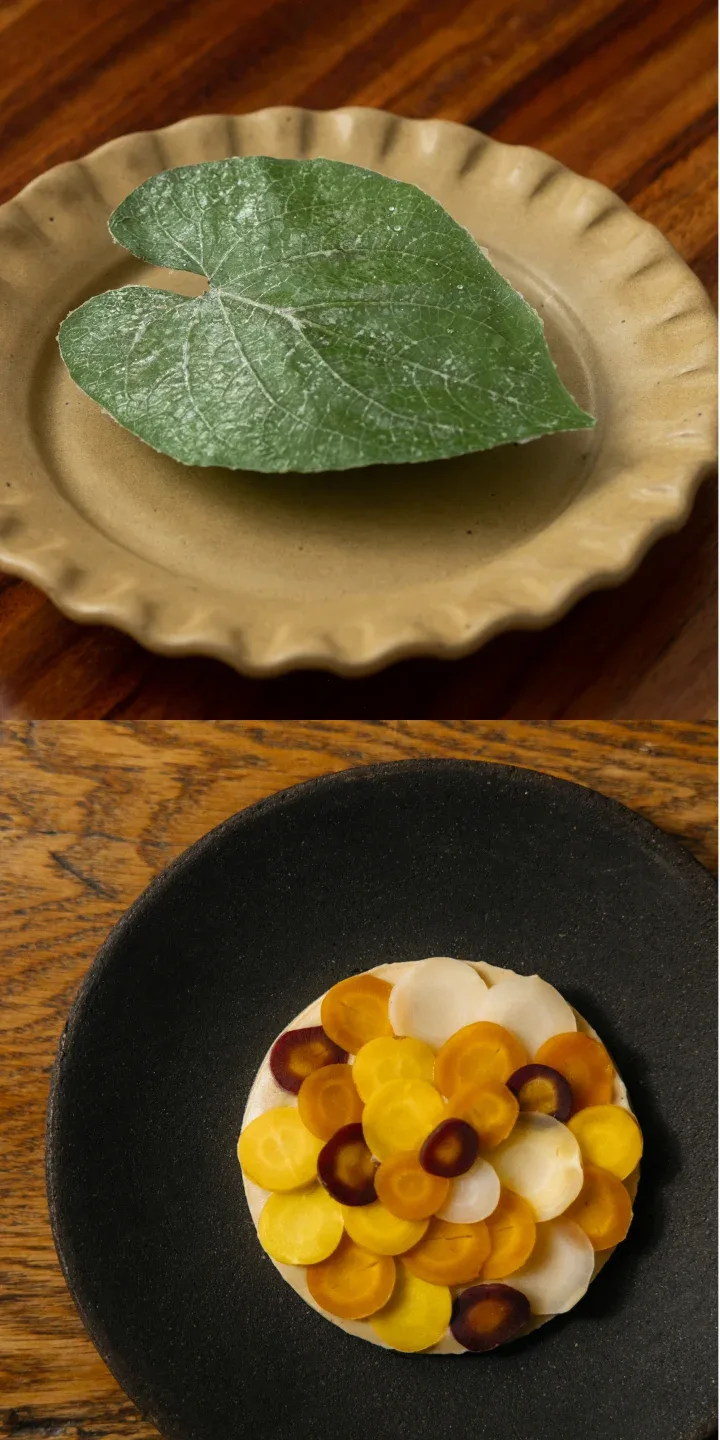
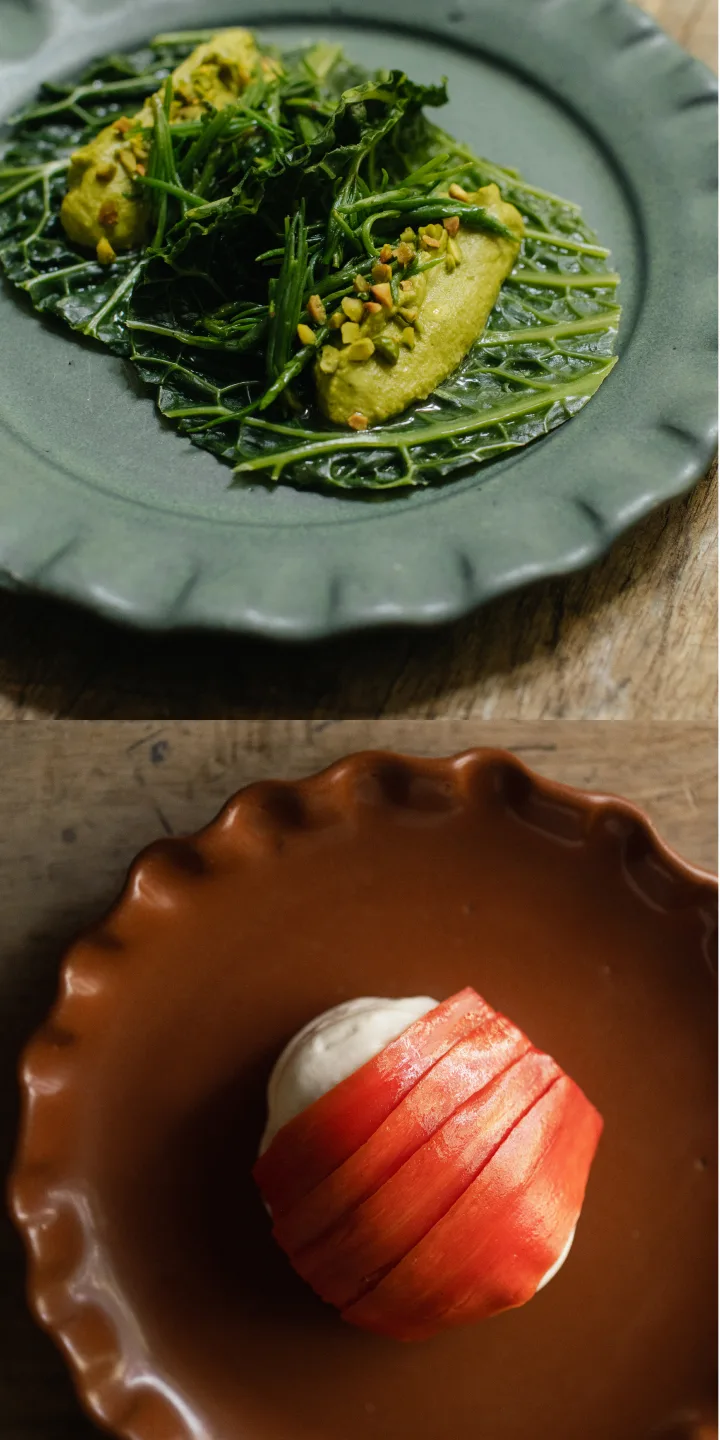
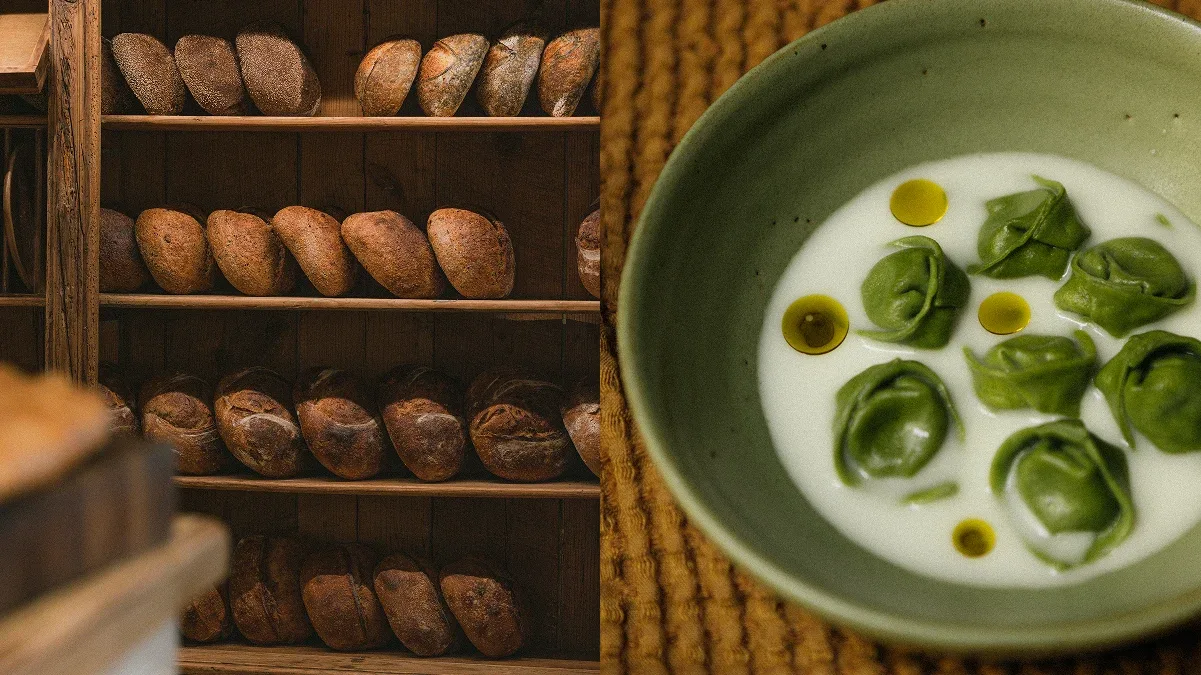
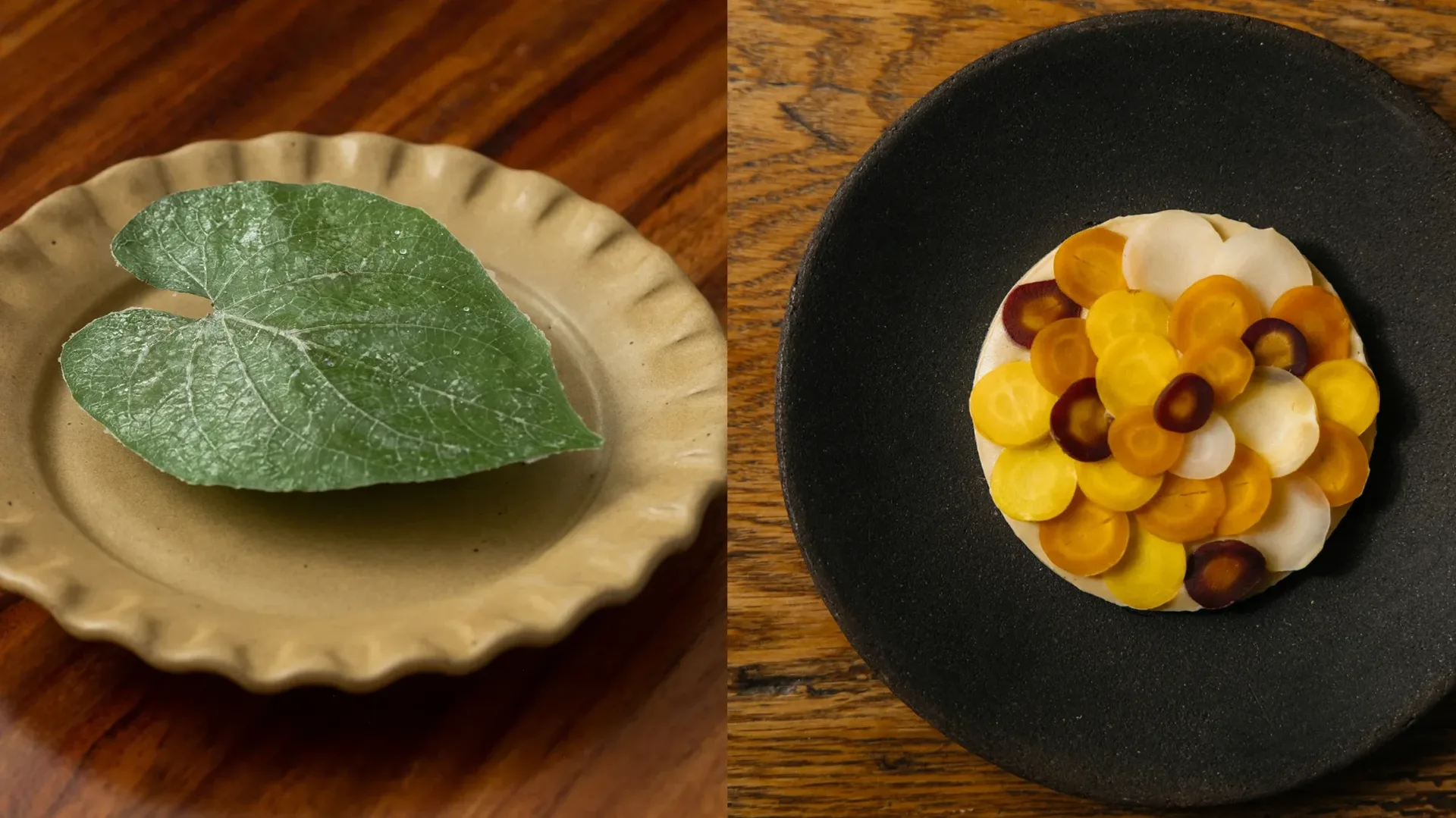
The result is a restaurant that holds a rare kind of tension: fresh pastas and hand-rolled gnocchi sit alongside tacos made from savoy cabbage leaves, pistachio pipián, and romeritos, the herb long associated with Mexican Christmas cooking. White mole appears alongside fermented carrots. A risotto is made with esquites and cotija cheese. Neither tradition dominates; both are taken seriously.
The Chef and Her Work
Reygadas' research into Mexico's culinary traditions has been as much intellectual as practical. She has self-published notebooks — cuadernos — on subjects ranging from the influence of neoliberalism on diet to the role of the milpa farming system. In 2022, she founded the Elena Reygadas scholarship to support young culinary students, with a particular focus on equal opportunities and women's leadership in the field. That breadth of engagement earned her the title of The World's Best Female Chef 2023, and Rosetta itself has appeared in the World's 50 Best Restaurants list three consecutive years, ranking 34th in 2024.
What's on the Plate
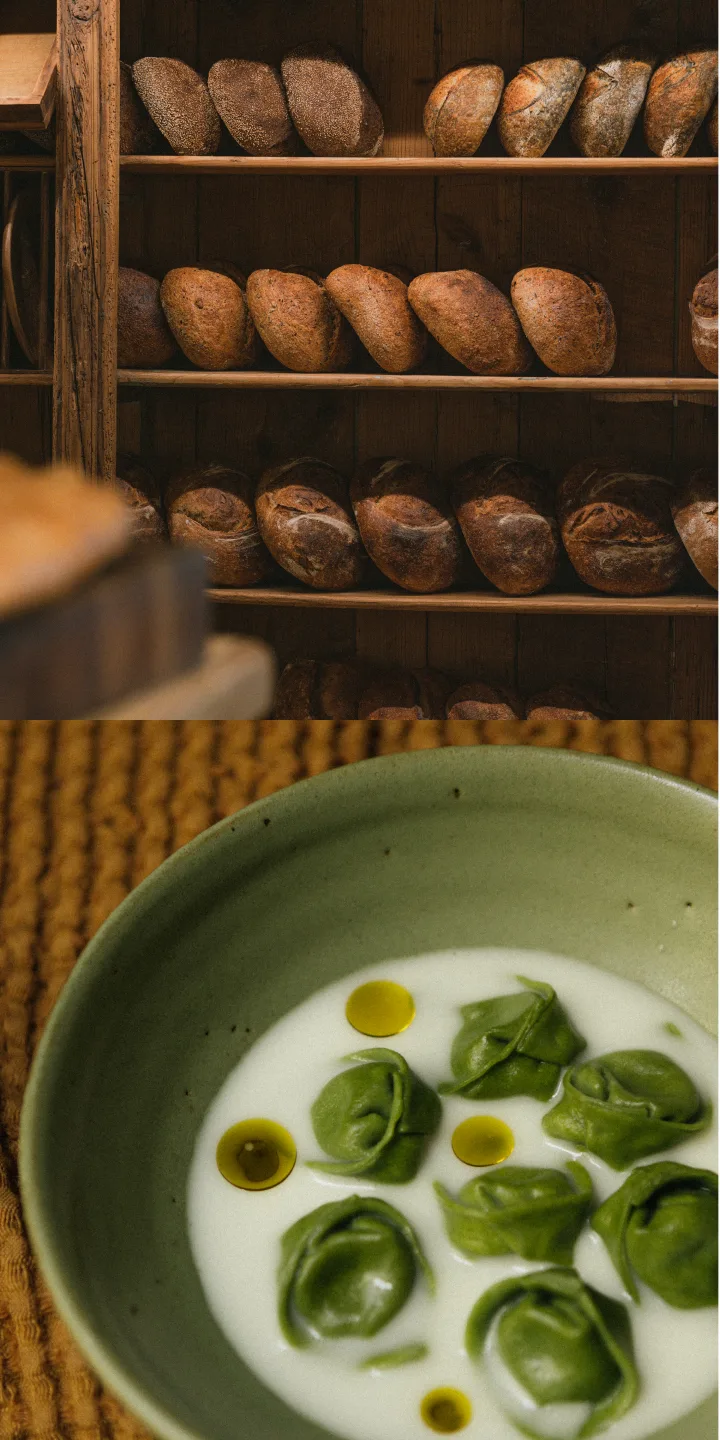
The current menu moves through starters, pastas, mains, and desserts with a confidence that makes the combinations feel inevitable rather than experimental. Scallops come with soursop aguachile and avocado leaf. Brioche arrives with escamoles and tarragon. Among the pastas — a nod to those London years — orecchiette is paired with smoked beans, and pappardelle with chicken livers and sage. Mains include sea bass in a sea salt crust with purslane and samphire, poached red lobster with celeriac and curry, and a fillet of lamb with eggplant purée and pickled peppers.
Desserts lean into native ingredients: mamey with pixtle and taxcalate; an avocado sorbet with fermented muscatel plums; a tres leches cake made with pixtle and pink pine nut. Tsitsilché honey — from a Yucatecan bee — appears in a jelly with peaches and brown butter ice cream.
The Setting
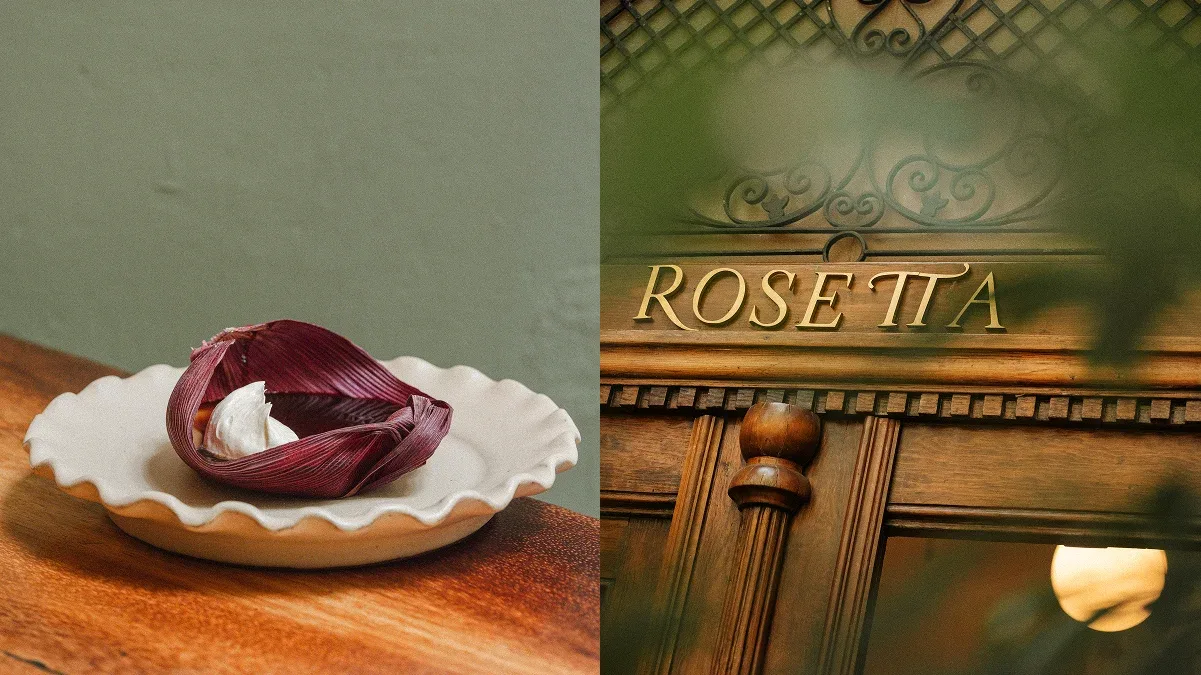
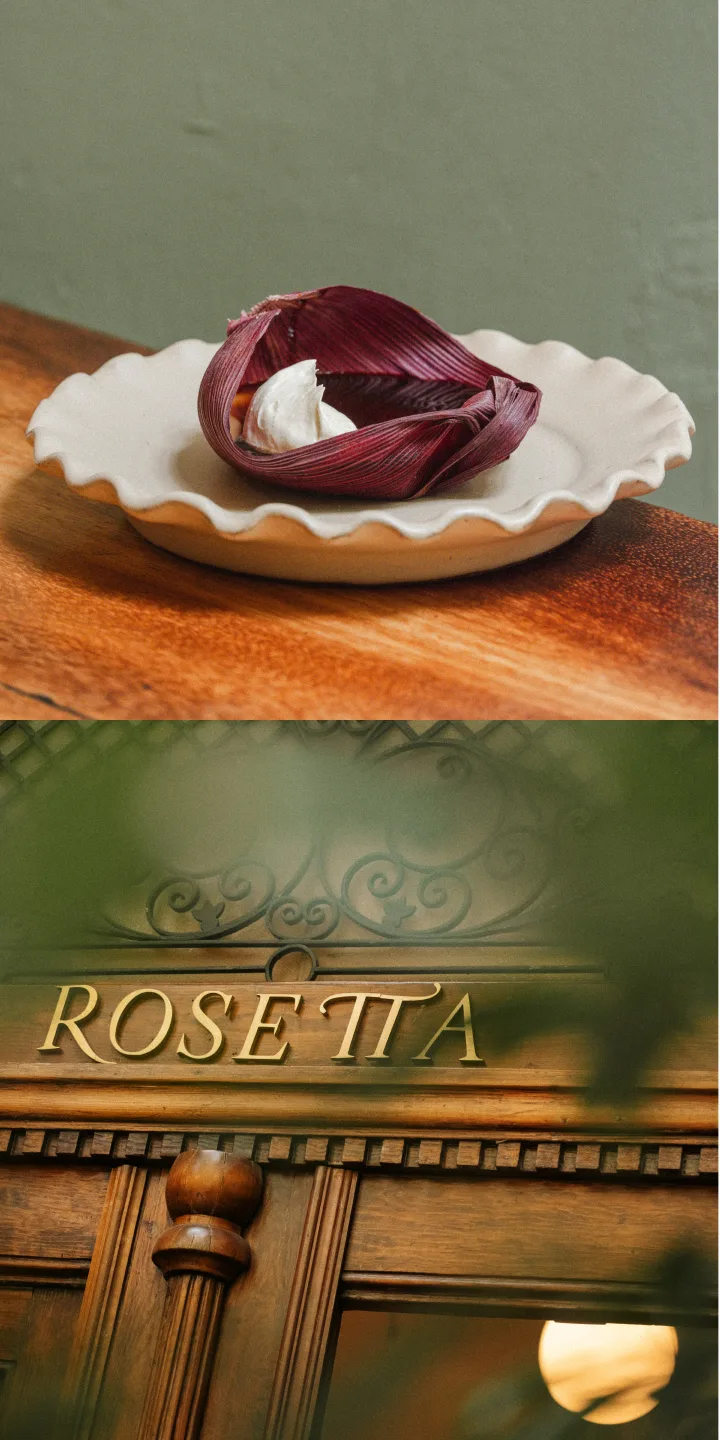
Rosetta occupies a restored mansion on Colima 166 in Roma Norte, one of Mexico City's most characterful neighborhoods. The space matches the food in its quiet assurance — considered without being cold. In 2012, a bakery, Panadería Rosetta, opened next door, and Reygadas has since expanded with other projects across the city, including Lardo, Café Nin, and Bella Aurora. But Rosetta remains the center of gravity: the place where Mexican cuisine, refracted through European technique and genuine scholarly curiosity, finds its most complete expression.
Recognition
Awards & accolades
Ambience
A glimpse inside
Location
Find us
Colima 166, Colonia Roma Norte 06700, Mexico City, MexicoMexico City, Mexico
+52 55 5533 7804
Visit website
 Facebook
 Instagram