
The story
Crafted with passion, served with love
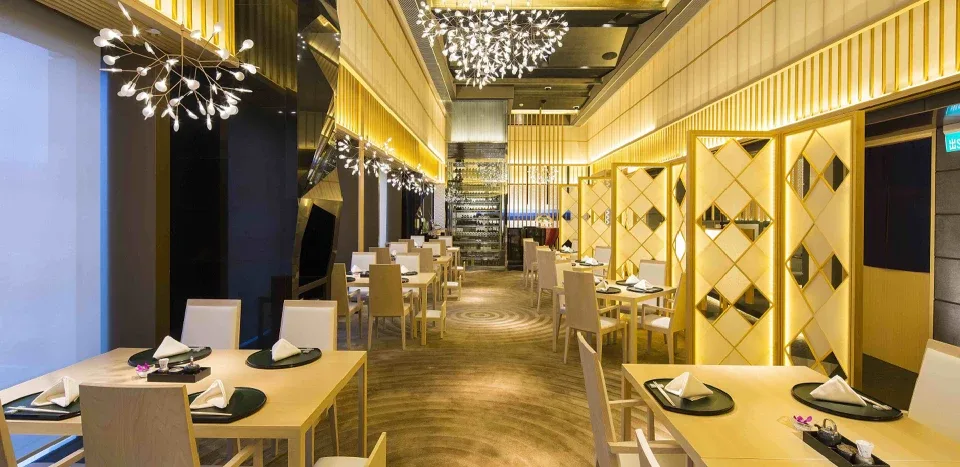
On the 28th floor of Hotel Okura Macau, Yamazato occupies a space where simplicity and precision converge. The interiors are minimal and distinctly Japanese — serene enough that the pace of a meal here feels genuinely unhurried. Floor-to-ceiling windows frame the gardens of Galaxy Macau below, providing a backdrop that shifts with the light across an evening.
Kaiseki at the Heart of It
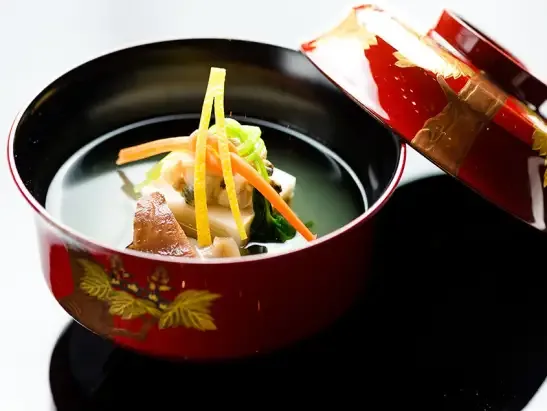
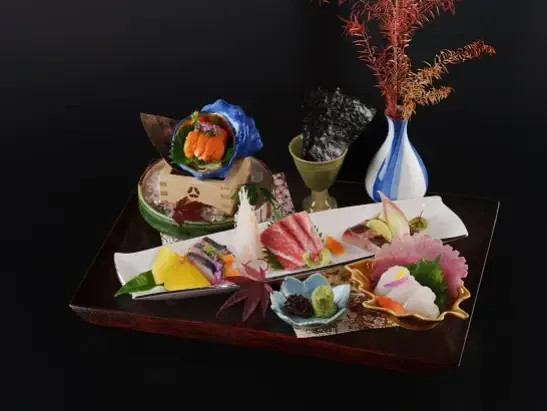
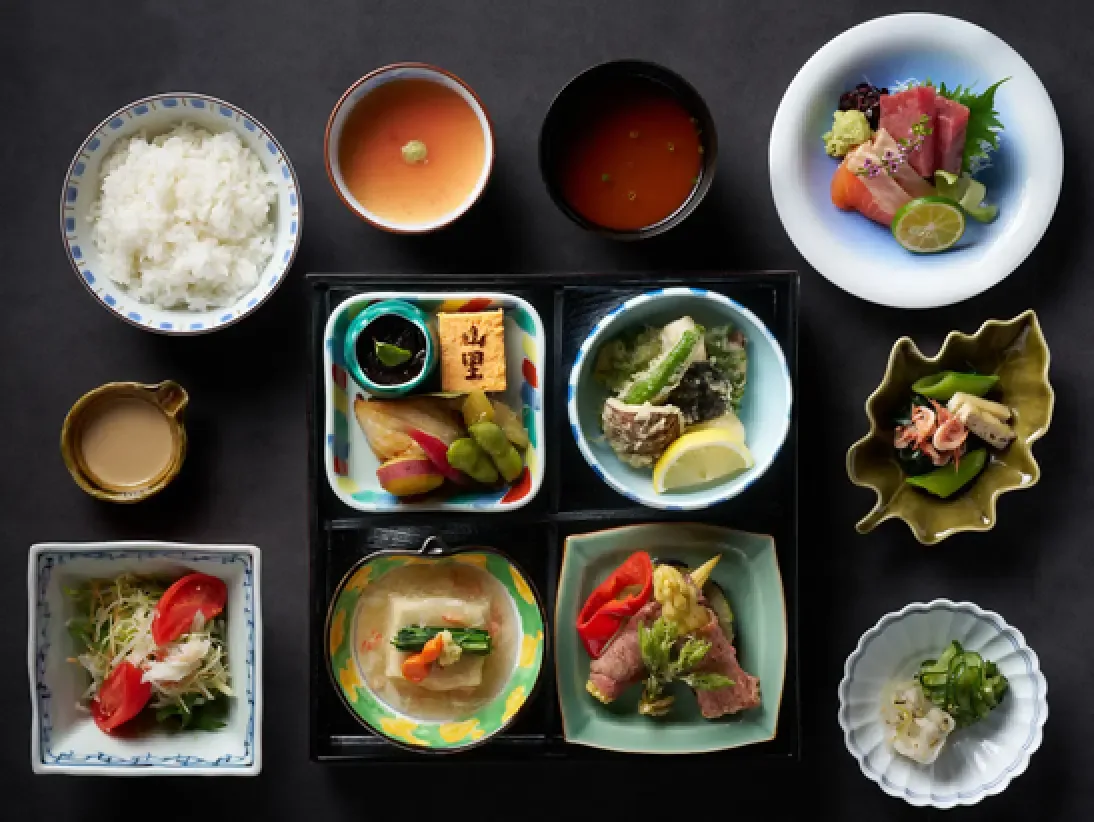
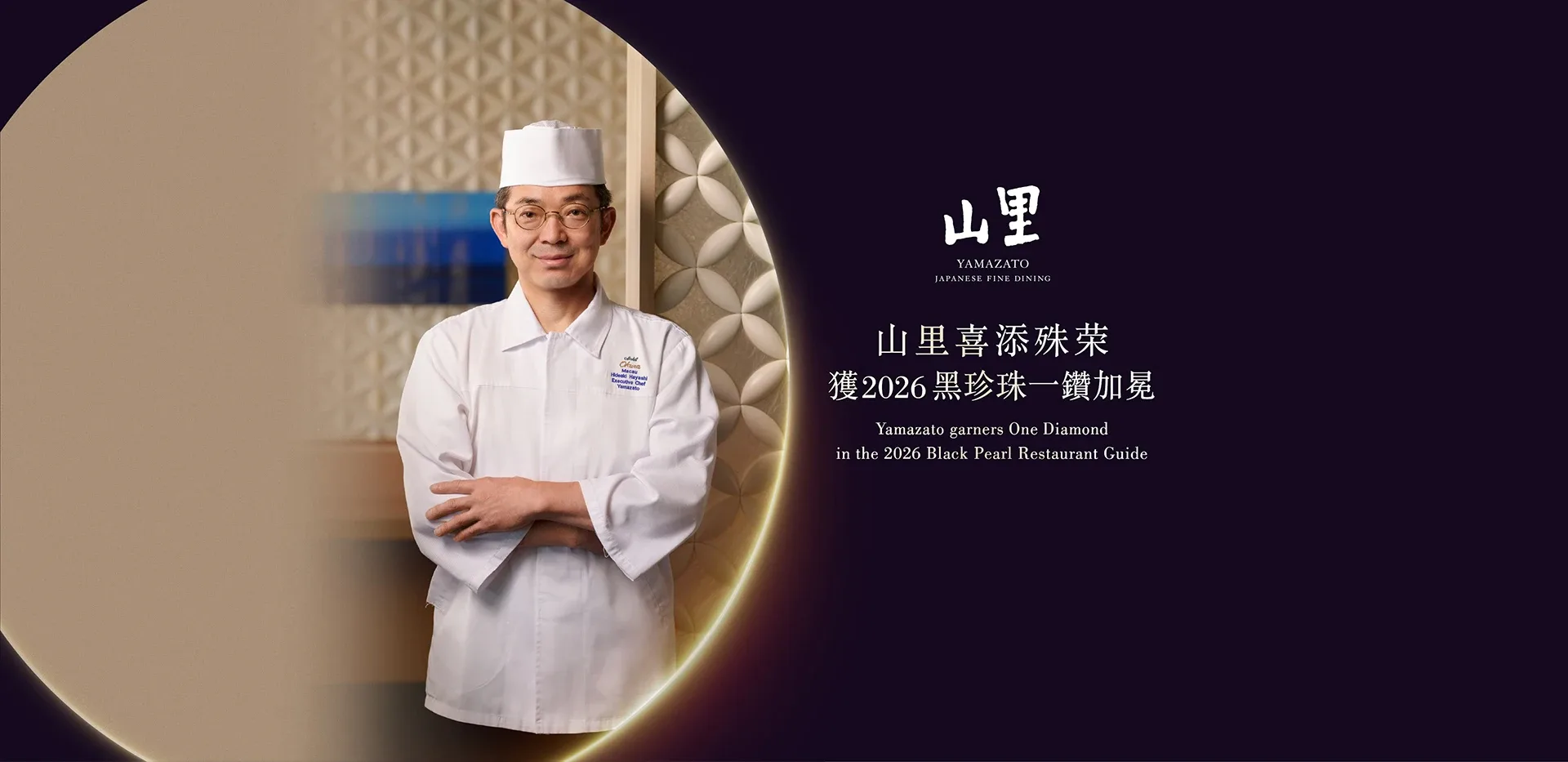
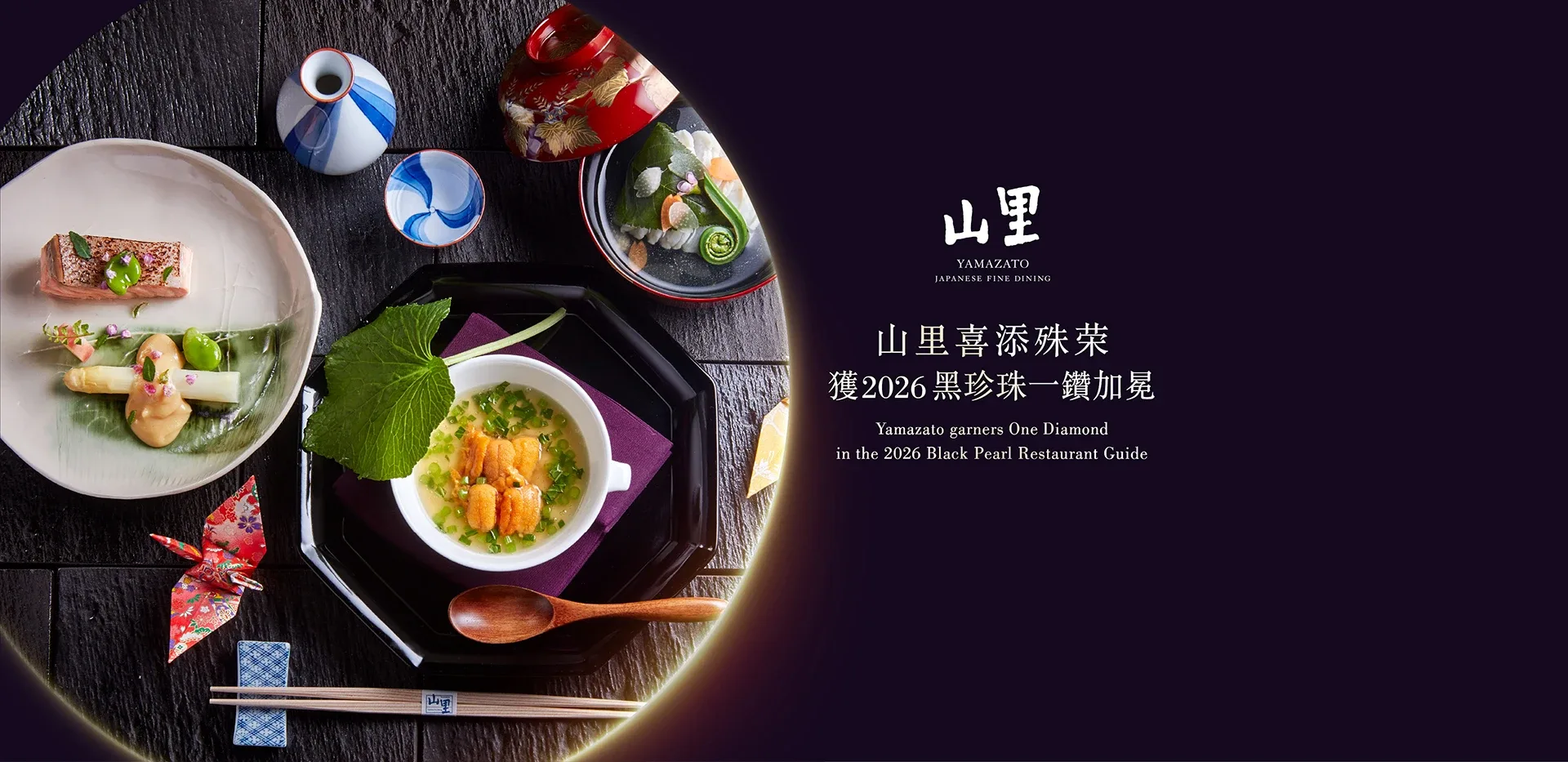
Yamazato holds a Forbes Travel Guide Five-Star rating, and the distinction points directly to what the kitchen does best: kaiseki. This traditional multi-course format structures the entire dining experience, guiding guests through seasonal ingredients rendered with exacting care. An à la carte sushi and sashimi menu exists, but kaiseki is where the restaurant's identity lives — from the monthly Minazuki menu celebrating early summer seafood and vegetables, to the Black Pearl Tasting Kaiseki introduced to mark the restaurant's Black Pearl One Diamond recognition.
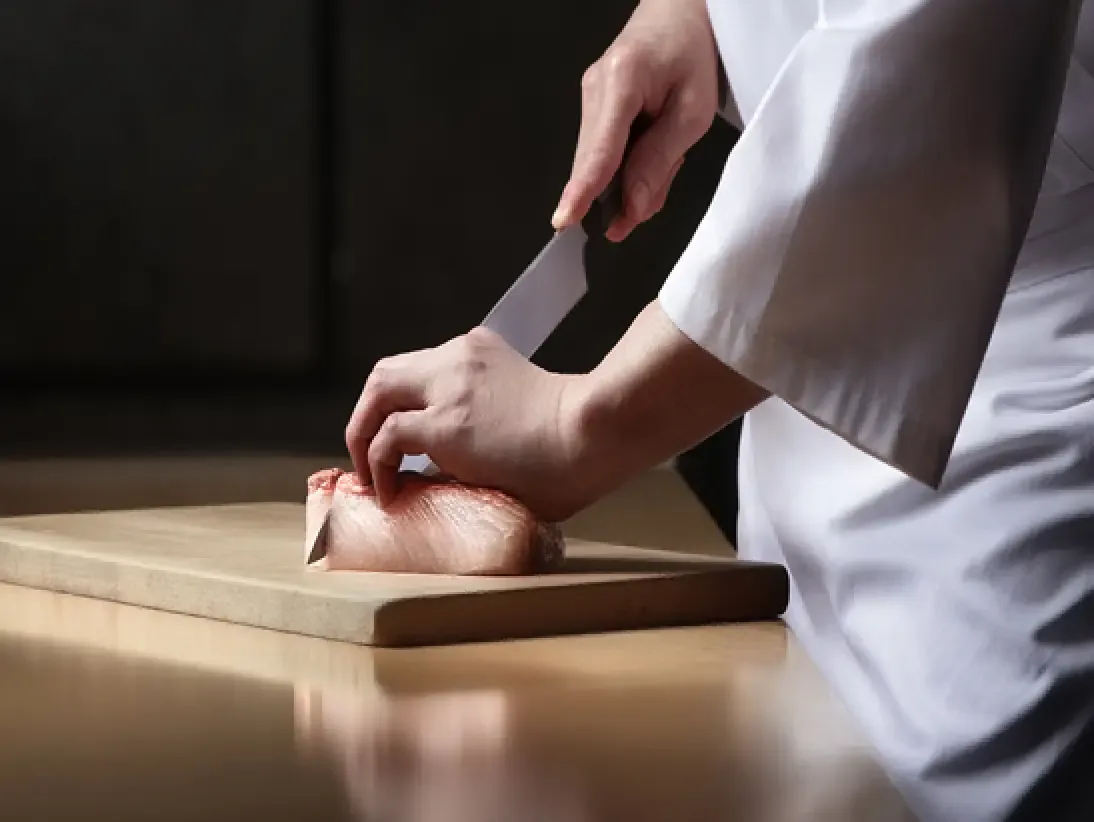
A new Counter Kaiseki experience, launched in 2026, places guests at the sushi bar itself, where chefs work through each course in full view. It is an intimate format that brings the precision of Japanese fine dining into close focus.
Ingredients That Travel Far
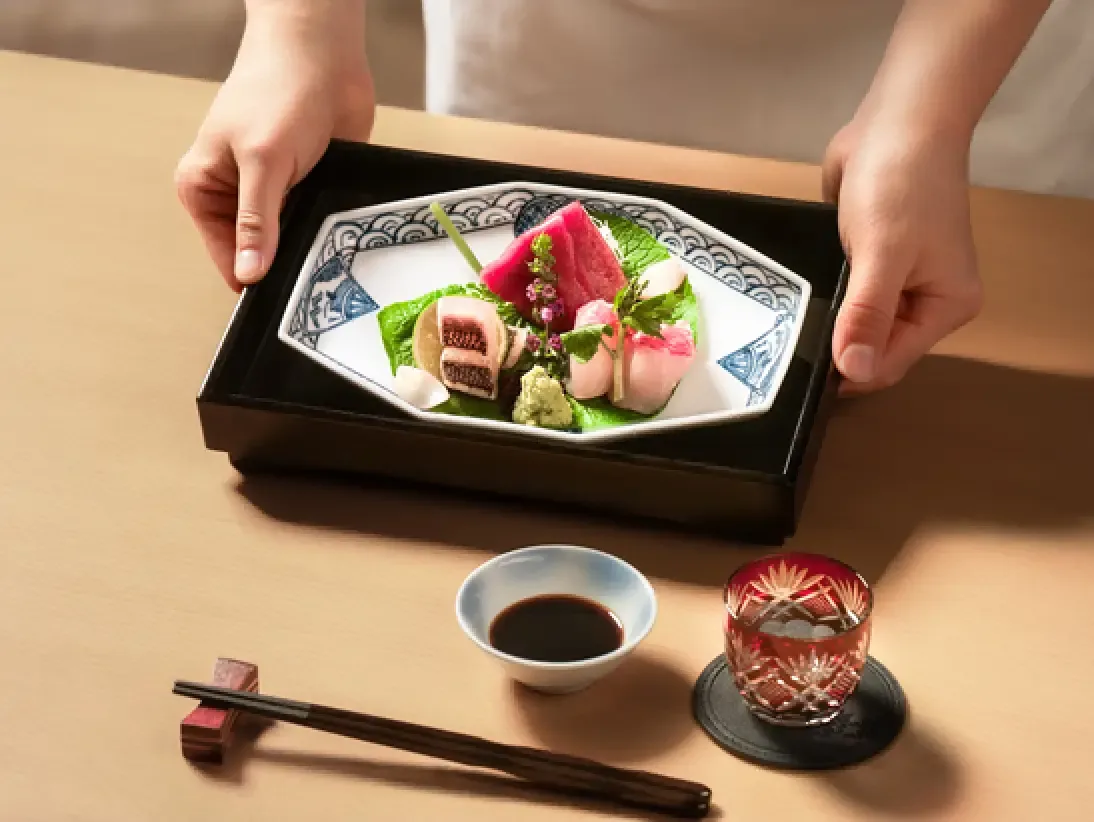
The sourcing at Yamazato is deliberate. The dashi soup begins with Rishiri Konbu seaweed from Hokkaido, slow-boiled to draw out umami before Makurazaki bonito flakes are added for depth. Seasonal sashimi is built entirely around the finest available produce at any given time.
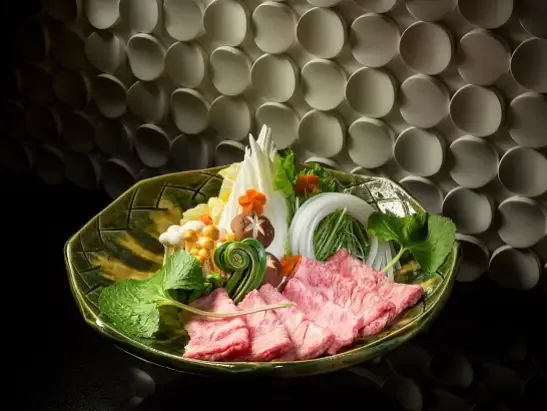
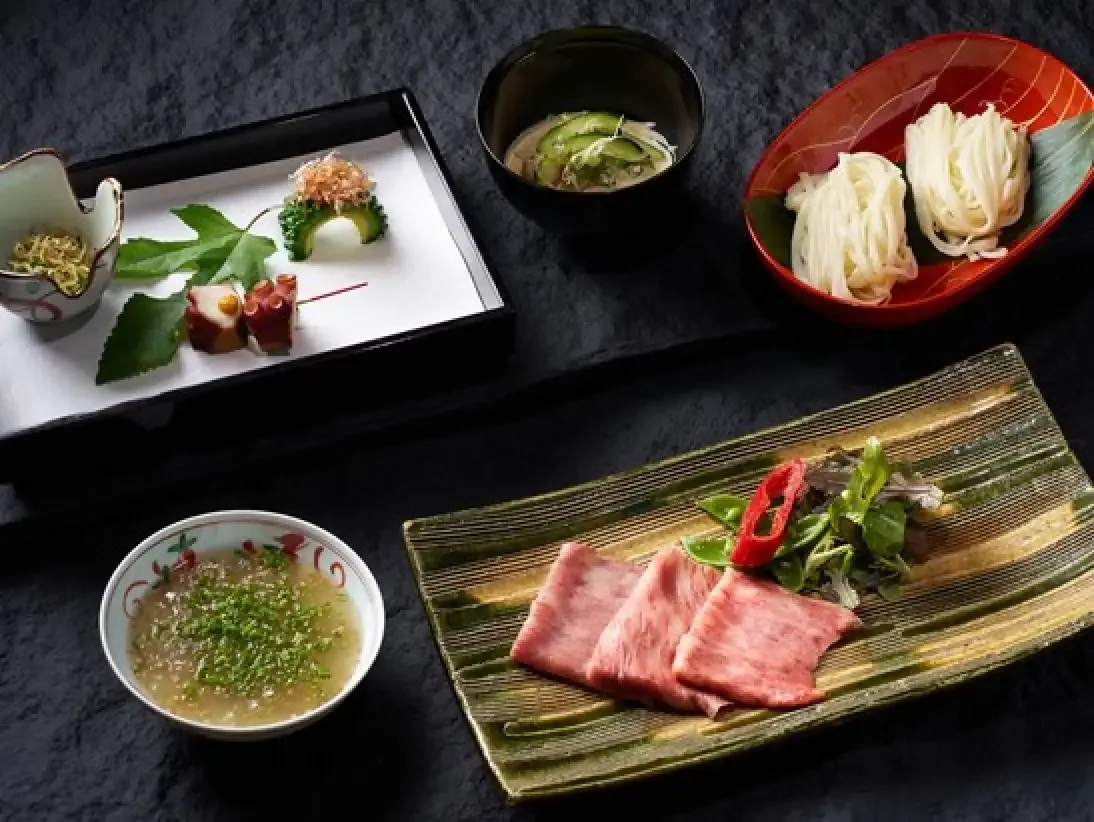
Most notably, Yamazato is one of the few certified Japanese restaurants outside Japan permitted to serve Oita Bungo beef — a premium wagyu prized in Japan for its rich flavor and high unsaturated fat content. That certification is not incidental; it reflects the kitchen's commitment to ingredients that are genuinely difficult to source.
Sake, Service, and Setting
The sake list runs to more than 40 selections, including hard-to-find bottles, seasonal specials, and pours from smaller regional breweries that rarely appear outside Japan. It rewards exploration and pairs naturally with the kaiseki progression.
A handful of servers dressed in kimonos move through the dining room — not as an aesthetic gesture, but as working graduates of a Japanese hospitality school, completing placements of up to a year at Yamazato. Their presence gives the service a quality that is considered and grounded rather than performative.
The main dining room, sushi bar, and a private room seating up to twelve guests make Yamazato a practical choice for occasions ranging from a solo counter seat to a larger private dinner. The dress code is smart casual, and children are welcome.
Recognition
Awards & accolades
Ambience
A glimpse inside
 Facebook