
The story
Crafted with passion, served with love
A Small Restaurant with a National Mission
Nihonryori Ryugin opened on December 23, 2003, in a back alley of Roppongi — a deliberate choice of date, significant in the Heisei era, made by chef and owner Seiji Yamamoto as a quiet declaration of purpose. His founding conviction, expressed in his own words, was that preparing Japanese cuisine and presenting the extraordinary ingredients of Japan to guests amounts to something close to a "national duty" — sharing the spirit of wa, the richness of the Japanese archipelago, and the simple joy of a beautiful dinner. In 2018, after fifteen years in Roppongi, Ryugin relocated to the seventh floor of Tokyo Midtown Hibiya, where it now looks out toward the Imperial Palace.
The restaurant's name comes from the Zen phrase Ryugin Unki — "when a determined person acts, kindred spirits gather and resonate." That philosophy shapes everything from the sourcing of ingredients to the relationship between kitchen and guest.
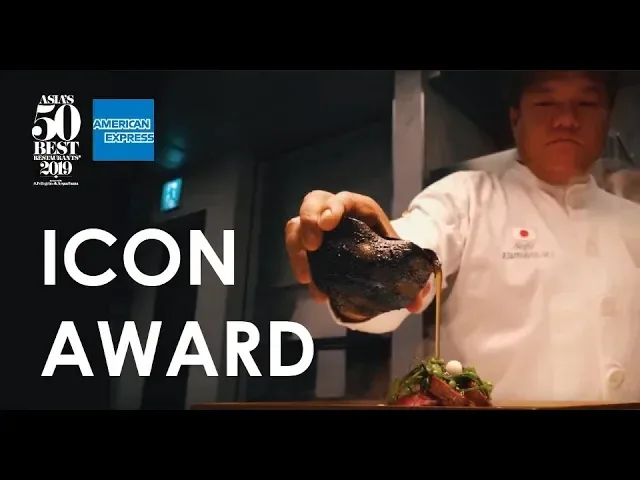
Chef Seiji Yamamoto
Born in 1970 in Kagawa Prefecture, Yamamoto holds a Tokyo fugu chef's license, a JSA sommelier certification, and a PADI Divemaster qualification — credentials that speak to the depth of his engagement with Japan's natural larder. He has been recognized by France's LE CHEF magazine (voted by Michelin-starred chefs worldwide) as one of the world's top ten chefs for multiple consecutive years, reaching fifth place. In 2019, La Liste ranked Ryugin the single best restaurant in the world. That same year, Yamamoto cooked for world leaders at the G20 Osaka Summit alongside chef Yoshihiro Narisawa. In 2021, Japan's Agency for Cultural Affairs honored him for his contribution to the promotion of Japanese food culture overseas. Michelin has awarded Ryugin three stars for fifteen consecutive years.
Ryugin has also appeared in the World's 50 Best Restaurants list eight times, peaking at number 22 in 2013 — a sustained presence that reflects the restaurant's consistency rather than a single moment of recognition.
The Kaiseki Course
The menu is a kaiseki progression built entirely around seasonal Japanese ingredients, sourced daily from across the country. Yamamoto is emphatic that no MSG or chemical flavor enhancers have ever entered his kitchen — not once since opening. The course moves from warm and cold appetizers through a suimono clear soup, sashimi, charcoal-grilled fish from nearby Japanese waters, simmered seasonal vegetables, and a meat course that draws on an unusually wide range of Japanese proteins: Sanuki olive beef from Yamamoto's home prefecture, free-range chicken, straw-smoked wild duck, wild boar, Ezo deer, Hokkaido brown bear, and more, depending on the season. Rice from Niigata and two rounds of dessert — cold and warm — close the meal before thin tea.
The beverage program matches the kitchen's ambition: around twenty varieties of sake served by the go, approximately 230 wines anchored in France, and thirteen original teas blended by Yamamoto himself for guests who prefer not to drink alcohol.
In winter, from January through March, the restaurant operates exclusively as a fugu course restaurant, with Chef Yamamoto presenting a completely different arrangement of wild tiger puffer dishes each month. A takeaway counter offers house-made sweets, including the quickly sold-out Roppongi Pudding, available from 5:30 pm.
The room seats forty across table seats, two private rooms, and a semi-private space — all non-smoking, none of them counter or tatami. The setting is deliberately generous in scale, designed, as the restaurant puts it, to allow guests to experience Japanese kaiseki in a more luxurious space while gazing toward the palace grounds.
Recognition
Awards & accolades
Location
Find us
1-1-2 Yurakucho, 100-0006 Chiyoda City, Tokyo, JapanTokyo, Japan
+81 3-6630-0007
Visit website