
The story
The story of Al Pompiere begins in the first half of the last century, when a retired firefighter opened a simple osteria on a quiet vicolo in central Verona. He never gave it an official name — so his regulars did it for him, calling it "Al Pompiere" in honour of the man behind the counter. That informal christening says something about the place: it has always belonged as much to its guests as to its owners.
Over the decades the trattoria changed hands, expanded its rooms and deepened its kitchen. The current chapter began in August 2000, when the premises were fully renovated, and since 2011 the restaurant has been led solely by chef-partner Marco Dandrea.
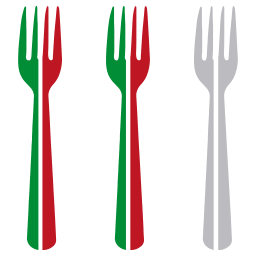
Dandrea describes his approach through four principles: research of the finest local and Italian ingredients, innovation in technique and pairing, passion expressed in every plate, and knowledge of the Veronese and Venetian culinary tradition. The result, in his own words, is "simple but not banal" cooking — seasonal, rooted in tradition, and balanced toward a more delicate contemporary taste. Gambero Rosso recognised this balance with a 2 Forks award, a mark of quality that confirms Al Pompiere as one of Verona's most consistent addresses for authentic Venetian cuisine.
The dining room seats around 50 guests across two spaces: a main room for 35 and a smaller private room for 15. Wood furnishings and black-and-white photographs on the walls set a warm, unfussy tone — "simple, but with class," as the restaurant puts it. In a corner of the main room stands one of the trattoria's most distinctive features: a counter displaying 35 different cured meats, guided by a dedicated maestro salumiere. Beside it, a cheese board offers around 100 Italian varieties.
The menu is anchored in the Venetian tradition and changes with the seasons. Fresh pasta is made in-house: tagliolini come with a ragù of veal, guinea fowl and rabbit, or with spring peas and taccole; ravioli are filled with guinea fowl from the Lessinia hills and finished with aged pecorino and lemon zest. Among the main courses, the guancia di manzo brasata all'Amarone — beef cheek braised in Amarone with oxtail stew and potato purée — is a concentrated expression of the Veronese larder. Baccalà alla vicentina with Marano polenta and fegato di vitello alla veneziana speak directly to the Venetian cuisine that defines the kitchen's identity. Desserts, all made in-house, include a classic tiramisù, a sbrisolona served with grappa, and a zabaione with Marsala Heritage 2016.
The cantina holds over 1,000 Italian and international labels, chosen to tell the stories of different territories and grape varieties. The wine list is designed both for the curious and the knowledgeable, and is treated as an integral part of the meal rather than an afterthought.
Recognition

Ambience
Details
History
A historic and highly popular address in Verona, where the warm atmosphere of wooden furnishings pairs perfectly with a delicious cuisine. Chef Marco Dandrea presents a menu that elegantly reinterprets traditional dishes, accompanied by an extensive and well-stocked wine cellar. In summer, guests can dine on the outdoor terrace. Reservations are essential. The same ownership also manages Locanda del Pompiere (piazzetta Tirabosco, 4 - tel. 045591059), with a focus on seafood. Must-try dishes: Pugliese burrata with cherry tomatoes and basil sauce; fresh-pressed bigoli pasta with stewed artichokes and Castel Rosso cheese; pasta e fagioli; fresh tagliolini with veal, guinea fowl, and rabbit ragù; Vicenza-style salt cod with Marano corn polenta; Amarone-braised beef cheek; slow-cooked oxtail with mashed potatoes. Millefoglie with mascarpone cream and crumbled amaretti cookies. Average prices: Appetizers €15; First courses €20; Main courses €24; Desserts €11 Services: Outdoor seating; vegetarian menu; doggy bag service
2 Forchette
Location
 Facebook
 Instagram
 X
X