
The story
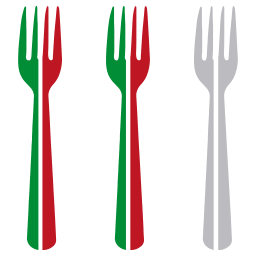
Carmelo Greco was born in Sicily and grew up in Piedmont, one of Italy's most serious food regions, and that dual inheritance runs through everything on his plate. His cooking style was shaped in large part by Lidia Vanzino Alciati, the celebrated grande dame of Piedmontese cuisine, whose influence gave Greco a discipline and a sense of tradition that underpins even his most inventive dishes. For many years he ran his restaurant in Frankfurt-Rödelheim, earning a Michelin star every year since 1996, 16 points in the Gault&Millau, and a place among the five best Italian restaurants in Germany according to BUNTE magazine. Gambero Rosso has also recognised the restaurant with 2 forks. The kitchen now operates from modern rooms in Frankfurt's Sachsenhausen neighbourhood, where Greco works alongside sous chef Benedetto Russo and a focused brigade.
The menu changes with the market, which is the clearest possible statement of intent: the best ingredient available on a given day takes priority over any fixed repertoire. That philosophy produces two tasting menu formats — a meat-and-fish degustazione and the all-vegetable Menù Verdura — with every course also available à la carte from two courses upward. The Italian cuisine here is described by the restaurant itself as "unverfälscht und kreativ" — authentic and creative — and the menu bears that out.
The Menù Verdura gives a clear picture of how Greco thinks. A royale of 37-month aged Parmigiano Reggiano arrives with peas and an espresso-orange reduction. Ravioli are filled in a carbonara style with spinach and egg yolk. A risotto built on Acquerello rice and saffron is finished with a Langhe blue cheese ice cream. Asparagus cremoso comes with a cheese fonduta. These are not safe, predictable combinations — they are the work of a chef who knows the Italian canon well enough to move freely within it. The wine list draws exclusively from Italy and is assembled, the restaurant notes, to offer new discoveries even to experienced drinkers.
The dining room in Sachsenhausen is described as modern, with an elegance that frames the cooking without competing with it. It is the kind of space where the food remains the focal point — fitting for a chef whose Italian cuisine has been recognised at the highest levels for nearly three decades.
Recognition



Ambience
Details
History
High quality cooking
Concept An Italian gourmet restaurant located in the Sachsenhausen district. It serves a tasting menu and a vegetarian menu. All courses are also available à la carte. Culinary Style The menu is curated according to market conditions, yet "Bella Italia" always triumphs on the plate. There is no pizza from the oven, but rather first-rate homemade ravioli, gnocchi, and a risotto that you may not find better anywhere in Italy. Wild-caught turbot served with chard and refined with pecorino and Amalfi lemon, along with Japanese Wagyu filet paired with Norcia truffles and scorzonera, are standout dishes that regularly make an appearance on the menu. Wine The selection focuses on white and red wines from Italian growing regions. The service team knows these wines inside out! Atmosphere Exquisite Italian warmth, where the guest is truly king and savors the magnificence of the cuisine and service within a chic and tastefully designed setting. Conclusion Masterful empathy and an exceptional atmosphere, with the guest firmly at the center.
An elegant Italian restaurant in Sachsenhausen, painted in gray and gold. The namesake chef, born in Sicily, showcases his culinary skills, among other things, with a seven-course tasting menu.
2 Forchette
Location
 Facebook
 Instagram